Post Syndicated from Lennart Poettering original https://0pointer.net/blog/photos/hamburg-panoramas.html
Did I mention I love Hugin? I do, I really do:

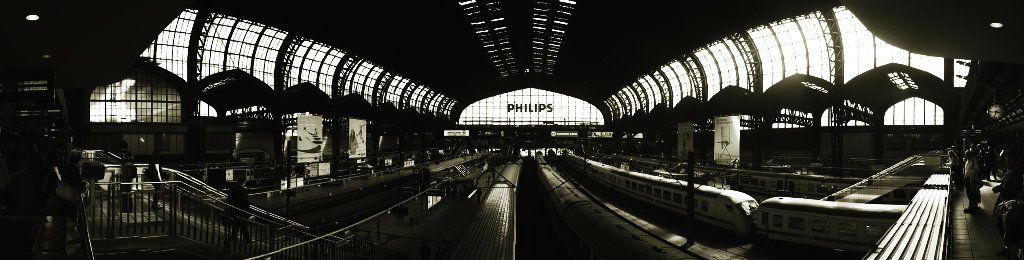

Post Syndicated from Lennart Poettering original https://0pointer.net/blog/photos/hamburg-panoramas.html
Did I mention I love Hugin? I do, I really do:
Post Syndicated from Lennart Poettering original https://0pointer.net/blog/photos/three-sisters.html
Finally I found the time to sort my photos from Australia, when I vistited the country after linux.conf.au, in January this year. Some photos are quite good, many are not. However one panoramic view of the Three Sisters in the Blue Mountains NP is particularly beautiful:

Just perfect as a desktop background on your Xinerama setup!
Post Syndicated from Lennart Poettering original https://0pointer.net/blog/projects/what-i-miss-in-gnome.html
A while back there has been a lot of noise about the GNOME
“platform” and what GNOME 3.0 should be. Personally — while I
certainly like the progress GNOME makes as a “platform” — I must say
that the platform is already quite good. In my opinion, what is
lacking right now are more the tools and utilities that are shipped
*with* the GNOME platform than the platform itself. More specifically
there are a set of (rather small) tools I am really missing in the standard set of
GNOME tools. So, here’s my wishlist, in case anybody is interested to
know:
<wishlist>
</wishlist>
Post Syndicated from Lennart Poettering original https://0pointer.net/blog/projects/avahi-n800.html
I’d love to see proper Avahi support in the Nokia N800 (just think of proper
file manager integration of announced WebDAV shares!), but until now Nokia
doesn’t ship Avahi in Maemo. However, there’s now a simple way to install at
least basic Avahi support on the N800. The INdT includes Avahi in their Canola builds. Hence: just install
Canola and your N800 will register itself via mDNS on your network.
In related news: I am happy to see that Avahi has apparently been included in the just announced GNOME Embedded Platform.
Post Syndicated from Lennart Poettering original https://0pointer.net/blog/projects/releases-releases-releases.html
I have just released new versions of a few of my packages:

There are lots of other small and not so small changes in Avahi 0.6.18.
Post Syndicated from Bradley M. Kuhn original http://ebb.org/bkuhn/blog/2007/04/17/linux-verbose-build.html
I don’t remember when it happened, but sometime in the past four years,
the Makefiles for the kernel named Linux changed. I can’t remember
exactly, but I do recall sometime “recently” that the
kernel build output stopped looking like what I remember from 1991,
and started looking like this:
          CC      arch/i386/kernel/semaphore.o

          CC      arch/i386/kernel/signal.o
This is a heck of a lot easier to read, but there was something cool
about having make display the whole gcc
command lines, like this:
          gcc -m32 -Wp,-MD,arch/i386/kernel/.semaphore.o.d  -nostdinc -isystem /usr/lib/gcc/i486-linux-gnu/4.0.3/include -D__KERNEL__ -Iinclude  -include include/linux/autoconf.h -Wall -Wundef -Wstrict-prototypes -Wno-trigraphs -fno-strict-aliasing -fno-common -ffreestanding -Os     -fomit-frame-pointer -pipe -msoft-float -mpreferred-stack-boundary=2  -march=i686 -mtune=pentium4 -Iinclude/asm-i386/mach-default -Wdeclaration-after-statement -Wno-pointer-sign    -D"KBUILD_STR(s)=#s" -D"KBUILD_BASENAME=KBUILD_STR(semaphore)"  -D"KBUILD_MODNAME=KBUILD_STR(semaphore)" -c -o arch/i386/kernel/semaphore.o arch/i386/kernel/semaphore.c

          gcc -m32 -Wp,-MD,arch/i386/kernel/.signal.o.d  -nostdinc -isystem /usr/lib/gcc/i486-linux-gnu/4.0.3/include -D__KERNEL__ -Iinclude  -include include/linux/autoconf.h -Wall -Wundef -Wstrict-prototypes -Wno-trigraphs -fno-strict-aliasing -fno-common -ffreestanding -Os     -fomit-frame-pointer -pipe -msoft-float -mpreferred-stack-boundary=2  -march=i686 -mtune=pentium4 -Iinclude/asm-i386/mach-default -Wdeclaration-after-statement -Wno-pointer-sign    -D"KBUILD_STR(s)=#s" -D"KBUILD_BASENAME=KBUILD_STR(signal)"  -D"KBUILD_MODNAME=KBUILD_STR(signal)" -c -o arch/i386/kernel/signal.o arch/i386/kernel/signal.c
I never gave it much thought, since the new form was easier to read. I
figured that those folks who still eat kernel code for breakfast knew
about this change well ahead of time. Of course, they were the only
ones who needed to see the verbose output of the gcc
command lines. I could live with seeing the simpler CC
lines for my purposes, until today.
I was compiling kernel code and for the first time since this change in
the Makefiles, I was using a non-default gcc to build
Linux. I wanted to double-check that I’d given the right options to
make throughout the process. I therefore found myself
looking for a way to see the full output again (and for the first
time). It was easy enough to figure out: giving the variable setting
V=1 to make gives you the verbose version.
For you Debian folks like me, we’re using make-kpkg, so
the line we need looks like: MAKEFLAGS="V=1" make-kpkg
kernel_image.
It’s nice sometimes to pretend I’m compiling 0.99pl12 again and not
2.6.20.7. 🙂 No matter which options you give make, it is
still a whole lot easier to bootstrap Linux these days.
Post Syndicated from Bradley M. Kuhn original http://ebb.org/bkuhn/blog/2007/04/17/linux-verbose-build.html
I don’t remember when it happened, but sometime in the past four years,
the Makefiles for the kernel named Linux changed. I can’t remember
exactly, but I do recall sometime “recently” that the
kernel build output stopped looking like what I remember from 1991,
and started looking like this:
          CC      arch/i386/kernel/semaphore.o

          CC      arch/i386/kernel/signal.o
This is a heck of a lot easier to read, but there was something cool
about having make display the whole gcc
command lines, like this:
          gcc -m32 -Wp,-MD,arch/i386/kernel/.semaphore.o.d  -nostdinc -isystem /usr/lib/gcc/i486-linux-gnu/4.0.3/include -D__KERNEL__ -Iinclude  -include include/linux/autoconf.h -Wall -Wundef -Wstrict-prototypes -Wno-trigraphs -fno-strict-aliasing -fno-common -ffreestanding -Os     -fomit-frame-pointer -pipe -msoft-float -mpreferred-stack-boundary=2  -march=i686 -mtune=pentium4 -Iinclude/asm-i386/mach-default -Wdeclaration-after-statement -Wno-pointer-sign    -D"KBUILD_STR(s)=#s" -D"KBUILD_BASENAME=KBUILD_STR(semaphore)"  -D"KBUILD_MODNAME=KBUILD_STR(semaphore)" -c -o arch/i386/kernel/semaphore.o arch/i386/kernel/semaphore.c

          gcc -m32 -Wp,-MD,arch/i386/kernel/.signal.o.d  -nostdinc -isystem /usr/lib/gcc/i486-linux-gnu/4.0.3/include -D__KERNEL__ -Iinclude  -include include/linux/autoconf.h -Wall -Wundef -Wstrict-prototypes -Wno-trigraphs -fno-strict-aliasing -fno-common -ffreestanding -Os     -fomit-frame-pointer -pipe -msoft-float -mpreferred-stack-boundary=2  -march=i686 -mtune=pentium4 -Iinclude/asm-i386/mach-default -Wdeclaration-after-statement -Wno-pointer-sign    -D"KBUILD_STR(s)=#s" -D"KBUILD_BASENAME=KBUILD_STR(signal)"  -D"KBUILD_MODNAME=KBUILD_STR(signal)" -c -o arch/i386/kernel/signal.o arch/i386/kernel/signal.c
I never gave it much thought, since the new form was easier to read. I
figured that those folks who still eat kernel code for breakfast knew
about this change well ahead of time. Of course, they were the only
ones who needed to see the verbose output of the gcc
command lines. I could live with seeing the simpler CC
lines for my purposes, until today.
I was compiling kernel code and for the first time since this change in
the Makefiles, I was using a non-default gcc to build
Linux. I wanted to double-check that I’d given the right options to
make throughout the process. I therefore found myself
looking for a way to see the full output again (and for the first
time). It was easy enough to figure out: giving the variable setting
V=1 to make gives you the verbose version.
For you Debian folks like me, we’re using make-kpkg, so
the line we need looks like: MAKEFLAGS="V=1" make-kpkg
kernel_image.
It’s nice sometimes to pretend I’m compiling 0.99pl12 again and not
2.6.20.7. 🙂 No matter which options you give make, it is
still a whole lot easier to bootstrap Linux these days.
Post Syndicated from Bradley M. Kuhn original http://ebb.org/bkuhn/blog/2007/04/17/linux-verbose-build.html
I don’t remember when it happened, but sometime in the past four years,
the Makefiles for the kernel named Linux changed. I can’t remember
exactly, but I do recall sometime “recently” that the
kernel build output stopped looking like what I remember from 1991,
and started looking like this:
          CC      arch/i386/kernel/semaphore.o

          CC      arch/i386/kernel/signal.o
This is a heck of a lot easier to read, but there was something cool
about having make display the whole gcc
command lines, like this:
          gcc -m32 -Wp,-MD,arch/i386/kernel/.semaphore.o.d  -nostdinc -isystem /usr/lib/gcc/i486-linux-gnu/4.0.3/include -D__KERNEL__ -Iinclude  -include include/linux/autoconf.h -Wall -Wundef -Wstrict-prototypes -Wno-trigraphs -fno-strict-aliasing -fno-common -ffreestanding -Os     -fomit-frame-pointer -pipe -msoft-float -mpreferred-stack-boundary=2  -march=i686 -mtune=pentium4 -Iinclude/asm-i386/mach-default -Wdeclaration-after-statement -Wno-pointer-sign    -D"KBUILD_STR(s)=#s" -D"KBUILD_BASENAME=KBUILD_STR(semaphore)"  -D"KBUILD_MODNAME=KBUILD_STR(semaphore)" -c -o arch/i386/kernel/semaphore.o arch/i386/kernel/semaphore.c

          gcc -m32 -Wp,-MD,arch/i386/kernel/.signal.o.d  -nostdinc -isystem /usr/lib/gcc/i486-linux-gnu/4.0.3/include -D__KERNEL__ -Iinclude  -include include/linux/autoconf.h -Wall -Wundef -Wstrict-prototypes -Wno-trigraphs -fno-strict-aliasing -fno-common -ffreestanding -Os     -fomit-frame-pointer -pipe -msoft-float -mpreferred-stack-boundary=2  -march=i686 -mtune=pentium4 -Iinclude/asm-i386/mach-default -Wdeclaration-after-statement -Wno-pointer-sign    -D"KBUILD_STR(s)=#s" -D"KBUILD_BASENAME=KBUILD_STR(signal)"  -D"KBUILD_MODNAME=KBUILD_STR(signal)" -c -o arch/i386/kernel/signal.o arch/i386/kernel/signal.c
I never gave it much thought, since the new form was easier to read. I
figured that those folks who still eat kernel code for breakfast knew
about this change well ahead of time. Of course, they were the only
ones who needed to see the verbose output of the gcc
command lines. I could live with seeing the simpler CC
lines for my purposes, until today.
I was compiling kernel code and for the first time since this change in
the Makefiles, I was using a non-default gcc to build
Linux. I wanted to double-check that I’d given the right options to
make throughout the process. I therefore found myself
looking for a way to see the full output again (and for the first
time). It was easy enough to figure out: giving the variable setting
V=1 to make gives you the verbose version.
For you Debian folks like me, we’re using make-kpkg, so
the line we need looks like: MAKEFLAGS="V=1" make-kpkg
kernel_image.
It’s nice sometimes to pretend I’m compiling 0.99pl12 again and not
2.6.20.7. 🙂 No matter which options you give make, it is
still a whole lot easier to bootstrap Linux these days.
Post Syndicated from Bradley M. Kuhn original http://ebb.org/bkuhn/blog/2007/04/17/linux-verbose-build.html
I don’t remember when it happened, but sometime in the past four years,
the Makefiles for the kernel named Linux changed. I can’t remember
exactly, but I do recall sometime “recently” that the
kernel build output stopped looking like what I remember from 1991,
and started looking like this:
          CC      arch/i386/kernel/semaphore.o

          CC      arch/i386/kernel/signal.o
This is a heck of a lot easier to read, but there was something cool
about having make display the whole gcc
command lines, like this:
          gcc -m32 -Wp,-MD,arch/i386/kernel/.semaphore.o.d  -nostdinc -isystem /usr/lib/gcc/i486-linux-gnu/4.0.3/include -D__KERNEL__ -Iinclude  -include include/linux/autoconf.h -Wall -Wundef -Wstrict-prototypes -Wno-trigraphs -fno-strict-aliasing -fno-common -ffreestanding -Os     -fomit-frame-pointer -pipe -msoft-float -mpreferred-stack-boundary=2  -march=i686 -mtune=pentium4 -Iinclude/asm-i386/mach-default -Wdeclaration-after-statement -Wno-pointer-sign    -D"KBUILD_STR(s)=#s" -D"KBUILD_BASENAME=KBUILD_STR(semaphore)"  -D"KBUILD_MODNAME=KBUILD_STR(semaphore)" -c -o arch/i386/kernel/semaphore.o arch/i386/kernel/semaphore.c

          gcc -m32 -Wp,-MD,arch/i386/kernel/.signal.o.d  -nostdinc -isystem /usr/lib/gcc/i486-linux-gnu/4.0.3/include -D__KERNEL__ -Iinclude  -include include/linux/autoconf.h -Wall -Wundef -Wstrict-prototypes -Wno-trigraphs -fno-strict-aliasing -fno-common -ffreestanding -Os     -fomit-frame-pointer -pipe -msoft-float -mpreferred-stack-boundary=2  -march=i686 -mtune=pentium4 -Iinclude/asm-i386/mach-default -Wdeclaration-after-statement -Wno-pointer-sign    -D"KBUILD_STR(s)=#s" -D"KBUILD_BASENAME=KBUILD_STR(signal)"  -D"KBUILD_MODNAME=KBUILD_STR(signal)" -c -o arch/i386/kernel/signal.o arch/i386/kernel/signal.c
I never gave it much thought, since the new form was easier to read. I
figured that those folks who still eat kernel code for breakfast knew
about this change well ahead of time. Of course, they were the only
ones who needed to see the verbose output of the gcc
command lines. I could live with seeing the simpler CC
lines for my purposes, until today.
I was compiling kernel code and for the first time since this change in
the Makefiles, I was using a non-default gcc to build
Linux. I wanted to double-check that I’d given the right options to
make throughout the process. I therefore found myself
looking for a way to see the full output again (and for the first
time). It was easy enough to figure out: giving the variable setting
V=1 to make gives you the verbose version.
For you Debian folks like me, we’re using make-kpkg, so
the line we need looks like: MAKEFLAGS="V=1" make-kpkg
kernel_image.
It’s nice sometimes to pretend I’m compiling 0.99pl12 again and not
2.6.20.7. 🙂 No matter which options you give make, it is
still a whole lot easier to bootstrap Linux these days.
Post Syndicated from Bradley M. Kuhn original http://ebb.org/bkuhn/blog/2007/04/17/linux-verbose-build.html
I don’t remember when it happened, but sometime in the past four years,
the Makefiles for the kernel named Linux changed. I can’t remember
exactly, but I do recall sometime “recently” that the
kernel build output stopped looking like what I remember from 1991,
and started looking like this:
          CC      arch/i386/kernel/semaphore.o

          CC      arch/i386/kernel/signal.o
This is a heck of a lot easier to read, but there was something cool
about having make display the whole gcc
command lines, like this:
          gcc -m32 -Wp,-MD,arch/i386/kernel/.semaphore.o.d  -nostdinc -isystem /usr/lib/gcc/i486-linux-gnu/4.0.3/include -D__KERNEL__ -Iinclude  -include include/linux/autoconf.h -Wall -Wundef -Wstrict-prototypes -Wno-trigraphs -fno-strict-aliasing -fno-common -ffreestanding -Os     -fomit-frame-pointer -pipe -msoft-float -mpreferred-stack-boundary=2  -march=i686 -mtune=pentium4 -Iinclude/asm-i386/mach-default -Wdeclaration-after-statement -Wno-pointer-sign    -D"KBUILD_STR(s)=#s" -D"KBUILD_BASENAME=KBUILD_STR(semaphore)"  -D"KBUILD_MODNAME=KBUILD_STR(semaphore)" -c -o arch/i386/kernel/semaphore.o arch/i386/kernel/semaphore.c

          gcc -m32 -Wp,-MD,arch/i386/kernel/.signal.o.d  -nostdinc -isystem /usr/lib/gcc/i486-linux-gnu/4.0.3/include -D__KERNEL__ -Iinclude  -include include/linux/autoconf.h -Wall -Wundef -Wstrict-prototypes -Wno-trigraphs -fno-strict-aliasing -fno-common -ffreestanding -Os     -fomit-frame-pointer -pipe -msoft-float -mpreferred-stack-boundary=2  -march=i686 -mtune=pentium4 -Iinclude/asm-i386/mach-default -Wdeclaration-after-statement -Wno-pointer-sign    -D"KBUILD_STR(s)=#s" -D"KBUILD_BASENAME=KBUILD_STR(signal)"  -D"KBUILD_MODNAME=KBUILD_STR(signal)" -c -o arch/i386/kernel/signal.o arch/i386/kernel/signal.c
I never gave it much thought, since the new form was easier to read. I
figured that those folks who still eat kernel code for breakfast knew
about this change well ahead of time. Of course, they were the only
ones who needed to see the verbose output of the gcc
command lines. I could live with seeing the simpler CC
lines for my purposes, until today.
I was compiling kernel code and for the first time since this change in
the Makefiles, I was using a non-default gcc to build
Linux. I wanted to double-check that I’d given the right options to
make throughout the process. I therefore found myself
looking for a way to see the full output again (and for the first
time). It was easy enough to figure out: giving the variable setting
V=1 to make gives you the verbose version.
For you Debian folks like me, we’re using make-kpkg, so
the line we need looks like: MAKEFLAGS="V=1" make-kpkg
kernel_image.
It’s nice sometimes to pretend I’m compiling 0.99pl12 again and not
2.6.20.7. 🙂 No matter which options you give make, it is
still a whole lot easier to bootstrap Linux these days.
Post Syndicated from Bradley M. Kuhn original http://ebb.org/bkuhn/blog/2007/04/17/linux-verbose-build.html
I don’t remember when it happened, but sometime in the past four years,
the Makefiles for the kernel named Linux changed. I can’t remember
exactly, but I do recall sometime “recently” that the
kernel build output stopped looking like what I remember from 1991,
and started looking like this:
          CC      arch/i386/kernel/semaphore.o

          CC      arch/i386/kernel/signal.o
This is a heck of a lot easier to read, but there was something cool
about having make display the whole gcc
command lines, like this:
          gcc -m32 -Wp,-MD,arch/i386/kernel/.semaphore.o.d  -nostdinc -isystem /usr/lib/gcc/i486-linux-gnu/4.0.3/include -D__KERNEL__ -Iinclude  -include include/linux/autoconf.h -Wall -Wundef -Wstrict-prototypes -Wno-trigraphs -fno-strict-aliasing -fno-common -ffreestanding -Os     -fomit-frame-pointer -pipe -msoft-float -mpreferred-stack-boundary=2  -march=i686 -mtune=pentium4 -Iinclude/asm-i386/mach-default -Wdeclaration-after-statement -Wno-pointer-sign    -D"KBUILD_STR(s)=#s" -D"KBUILD_BASENAME=KBUILD_STR(semaphore)"  -D"KBUILD_MODNAME=KBUILD_STR(semaphore)" -c -o arch/i386/kernel/semaphore.o arch/i386/kernel/semaphore.c

          gcc -m32 -Wp,-MD,arch/i386/kernel/.signal.o.d  -nostdinc -isystem /usr/lib/gcc/i486-linux-gnu/4.0.3/include -D__KERNEL__ -Iinclude  -include include/linux/autoconf.h -Wall -Wundef -Wstrict-prototypes -Wno-trigraphs -fno-strict-aliasing -fno-common -ffreestanding -Os     -fomit-frame-pointer -pipe -msoft-float -mpreferred-stack-boundary=2  -march=i686 -mtune=pentium4 -Iinclude/asm-i386/mach-default -Wdeclaration-after-statement -Wno-pointer-sign    -D"KBUILD_STR(s)=#s" -D"KBUILD_BASENAME=KBUILD_STR(signal)"  -D"KBUILD_MODNAME=KBUILD_STR(signal)" -c -o arch/i386/kernel/signal.o arch/i386/kernel/signal.c
I never gave it much thought, since the new form was easier to read. I
figured that those folks who still eat kernel code for breakfast knew
about this change well ahead of time. Of course, they were the only
ones who needed to see the verbose output of the gcc
command lines. I could live with seeing the simpler CC
lines for my purposes, until today.
I was compiling kernel code and for the first time since this change in
the Makefiles, I was using a non-default gcc to build
Linux. I wanted to double-check that I’d given the right options to
make throughout the process. I therefore found myself
looking for a way to see the full output again (and for the first
time). It was easy enough to figure out: giving the variable setting
V=1 to make gives you the verbose version.
For you Debian folks like me, we’re using make-kpkg, so
the line we need looks like: MAKEFLAGS="V=1" make-kpkg
kernel_image.
It’s nice sometimes to pretend I’m compiling 0.99pl12 again and not
2.6.20.7. 🙂 No matter which options you give make, it is
still a whole lot easier to bootstrap Linux these days.
Post Syndicated from Bradley M. Kuhn original http://ebb.org/bkuhn/blog/2007/04/17/linux-verbose-build.html
I don’t remember when it happened, but sometime in the past four years,
the Makefiles for the kernel named Linux changed. I can’t remember
exactly, but I do recall sometime “recently” that the
kernel build output stopped looking like what I remember from 1991,
and started looking like this:
          CC      arch/i386/kernel/semaphore.o

          CC      arch/i386/kernel/signal.o
This is a heck of a lot easier to read, but there was something cool
about having make display the whole gcc
command lines, like this:
          gcc -m32 -Wp,-MD,arch/i386/kernel/.semaphore.o.d  -nostdinc -isystem /usr/lib/gcc/i486-linux-gnu/4.0.3/include -D__KERNEL__ -Iinclude  -include include/linux/autoconf.h -Wall -Wundef -Wstrict-prototypes -Wno-trigraphs -fno-strict-aliasing -fno-common -ffreestanding -Os     -fomit-frame-pointer -pipe -msoft-float -mpreferred-stack-boundary=2  -march=i686 -mtune=pentium4 -Iinclude/asm-i386/mach-default -Wdeclaration-after-statement -Wno-pointer-sign    -D"KBUILD_STR(s)=#s" -D"KBUILD_BASENAME=KBUILD_STR(semaphore)"  -D"KBUILD_MODNAME=KBUILD_STR(semaphore)" -c -o arch/i386/kernel/semaphore.o arch/i386/kernel/semaphore.c

          gcc -m32 -Wp,-MD,arch/i386/kernel/.signal.o.d  -nostdinc -isystem /usr/lib/gcc/i486-linux-gnu/4.0.3/include -D__KERNEL__ -Iinclude  -include include/linux/autoconf.h -Wall -Wundef -Wstrict-prototypes -Wno-trigraphs -fno-strict-aliasing -fno-common -ffreestanding -Os     -fomit-frame-pointer -pipe -msoft-float -mpreferred-stack-boundary=2  -march=i686 -mtune=pentium4 -Iinclude/asm-i386/mach-default -Wdeclaration-after-statement -Wno-pointer-sign    -D"KBUILD_STR(s)=#s" -D"KBUILD_BASENAME=KBUILD_STR(signal)"  -D"KBUILD_MODNAME=KBUILD_STR(signal)" -c -o arch/i386/kernel/signal.o arch/i386/kernel/signal.c
I never gave it much thought, since the new form was easier to read. I
figured that those folks who still eat kernel code for breakfast knew
about this change well ahead of time. Of course, they were the only
ones who needed to see the verbose output of the gcc
command lines. I could live with seeing the simpler CC
lines for my purposes, until today.
I was compiling kernel code and for the first time since this change in
the Makefiles, I was using a non-default gcc to build
Linux. I wanted to double-check that I’d given the right options to
make throughout the process. I therefore found myself
looking for a way to see the full output again (and for the first
time). It was easy enough to figure out: giving the variable setting
V=1 to make gives you the verbose version.
For you Debian folks like me, we’re using make-kpkg, so
the line we need looks like: MAKEFLAGS="V=1" make-kpkg
kernel_image.
It’s nice sometimes to pretend I’m compiling 0.99pl12 again and not
2.6.20.7. 🙂 No matter which options you give make, it is
still a whole lot easier to bootstrap Linux these days.
Post Syndicated from Bradley M. Kuhn original http://ebb.org/bkuhn/blog/2007/04/17/linux-verbose-build.html
I don’t remember when it happened, but sometime in the past four years,
the Makefiles for the kernel named Linux changed. I can’t remember
exactly, but I do recall sometime “recently” that the
kernel build output stopped looking like what I remember from 1991,
and started looking like this:
          CC      arch/i386/kernel/semaphore.o

          CC      arch/i386/kernel/signal.o
This is a heck of a lot easier to read, but there was something cool
about having make display the whole gcc
command lines, like this:
          gcc -m32 -Wp,-MD,arch/i386/kernel/.semaphore.o.d  -nostdinc -isystem /usr/lib/gcc/i486-linux-gnu/4.0.3/include -D__KERNEL__ -Iinclude  -include include/linux/autoconf.h -Wall -Wundef -Wstrict-prototypes -Wno-trigraphs -fno-strict-aliasing -fno-common -ffreestanding -Os     -fomit-frame-pointer -pipe -msoft-float -mpreferred-stack-boundary=2  -march=i686 -mtune=pentium4 -Iinclude/asm-i386/mach-default -Wdeclaration-after-statement -Wno-pointer-sign    -D"KBUILD_STR(s)=#s" -D"KBUILD_BASENAME=KBUILD_STR(semaphore)"  -D"KBUILD_MODNAME=KBUILD_STR(semaphore)" -c -o arch/i386/kernel/semaphore.o arch/i386/kernel/semaphore.c

          gcc -m32 -Wp,-MD,arch/i386/kernel/.signal.o.d  -nostdinc -isystem /usr/lib/gcc/i486-linux-gnu/4.0.3/include -D__KERNEL__ -Iinclude  -include include/linux/autoconf.h -Wall -Wundef -Wstrict-prototypes -Wno-trigraphs -fno-strict-aliasing -fno-common -ffreestanding -Os     -fomit-frame-pointer -pipe -msoft-float -mpreferred-stack-boundary=2  -march=i686 -mtune=pentium4 -Iinclude/asm-i386/mach-default -Wdeclaration-after-statement -Wno-pointer-sign    -D"KBUILD_STR(s)=#s" -D"KBUILD_BASENAME=KBUILD_STR(signal)"  -D"KBUILD_MODNAME=KBUILD_STR(signal)" -c -o arch/i386/kernel/signal.o arch/i386/kernel/signal.c
I never gave it much thought, since the new form was easier to read. I
figured that those folks who still eat kernel code for breakfast knew
about this change well ahead of time. Of course, they were the only
ones who needed to see the verbose output of the gcc
command lines. I could live with seeing the simpler CC
lines for my purposes, until today.
I was compiling kernel code and for the first time since this change in
the Makefiles, I was using a non-default gcc to build
Linux. I wanted to double-check that I’d given the right options to
make throughout the process. I therefore found myself
looking for a way to see the full output again (and for the first
time). It was easy enough to figure out: giving the variable setting
V=1 to make gives you the verbose version.
For you Debian folks like me, we’re using make-kpkg, so
the line we need looks like: MAKEFLAGS="V=1" make-kpkg
kernel_image.
It’s nice sometimes to pretend I’m compiling 0.99pl12 again and not
2.6.20.7. 🙂 No matter which options you give make, it is
still a whole lot easier to bootstrap Linux these days.
Post Syndicated from Bradley M. Kuhn original http://ebb.org/bkuhn/blog/2007/04/17/linux-verbose-build.html
I don’t remember when it happened, but sometime in the past four years,
the Makefiles for the kernel named Linux changed. I can’t remember
exactly, but I do recall sometime “recently” that the
kernel build output stopped looking like what I remember from 1991,
and started looking like this:
          CC      arch/i386/kernel/semaphore.o

          CC      arch/i386/kernel/signal.o
This is a heck of a lot easier to read, but there was something cool
about having make display the whole gcc
command lines, like this:
          gcc -m32 -Wp,-MD,arch/i386/kernel/.semaphore.o.d  -nostdinc -isystem /usr/lib/gcc/i486-linux-gnu/4.0.3/include -D__KERNEL__ -Iinclude  -include include/linux/autoconf.h -Wall -Wundef -Wstrict-prototypes -Wno-trigraphs -fno-strict-aliasing -fno-common -ffreestanding -Os     -fomit-frame-pointer -pipe -msoft-float -mpreferred-stack-boundary=2  -march=i686 -mtune=pentium4 -Iinclude/asm-i386/mach-default -Wdeclaration-after-statement -Wno-pointer-sign    -D"KBUILD_STR(s)=#s" -D"KBUILD_BASENAME=KBUILD_STR(semaphore)"  -D"KBUILD_MODNAME=KBUILD_STR(semaphore)" -c -o arch/i386/kernel/semaphore.o arch/i386/kernel/semaphore.c

          gcc -m32 -Wp,-MD,arch/i386/kernel/.signal.o.d  -nostdinc -isystem /usr/lib/gcc/i486-linux-gnu/4.0.3/include -D__KERNEL__ -Iinclude  -include include/linux/autoconf.h -Wall -Wundef -Wstrict-prototypes -Wno-trigraphs -fno-strict-aliasing -fno-common -ffreestanding -Os     -fomit-frame-pointer -pipe -msoft-float -mpreferred-stack-boundary=2  -march=i686 -mtune=pentium4 -Iinclude/asm-i386/mach-default -Wdeclaration-after-statement -Wno-pointer-sign    -D"KBUILD_STR(s)=#s" -D"KBUILD_BASENAME=KBUILD_STR(signal)"  -D"KBUILD_MODNAME=KBUILD_STR(signal)" -c -o arch/i386/kernel/signal.o arch/i386/kernel/signal.c
I never gave it much thought, since the new form was easier to read. I
figured that those folks who still eat kernel code for breakfast knew
about this change well ahead of time. Of course, they were the only
ones who needed to see the verbose output of the gcc
command lines. I could live with seeing the simpler CC
lines for my purposes, until today.
I was compiling kernel code and for the first time since this change in
the Makefiles, I was using a non-default gcc to build
Linux. I wanted to double-check that I’d given the right options to
make throughout the process. I therefore found myself
looking for a way to see the full output again (and for the first
time). It was easy enough to figure out: giving the variable setting
V=1 to make gives you the verbose version.
For you Debian folks like me, we’re using make-kpkg, so
the line we need looks like: MAKEFLAGS="V=1" make-kpkg
kernel_image.
It’s nice sometimes to pretend I’m compiling 0.99pl12 again and not
2.6.20.7. 🙂 No matter which options you give make, it is
still a whole lot easier to bootstrap Linux these days.
Post Syndicated from Bradley M. Kuhn original http://ebb.org/bkuhn/blog/2007/04/17/linux-verbose-build.html
I don’t remember when it happened, but sometime in the past four years,
the Makefiles for the kernel named Linux changed. I can’t remember
exactly, but I do recall sometime “recently” that the
kernel build output stopped looking like what I remember from 1991,
and started looking like this:
          CC      arch/i386/kernel/semaphore.o

          CC      arch/i386/kernel/signal.o
This is a heck of a lot easier to read, but there was something cool
about having make display the whole gcc
command lines, like this:
          gcc -m32 -Wp,-MD,arch/i386/kernel/.semaphore.o.d  -nostdinc -isystem /usr/lib/gcc/i486-linux-gnu/4.0.3/include -D__KERNEL__ -Iinclude  -include include/linux/autoconf.h -Wall -Wundef -Wstrict-prototypes -Wno-trigraphs -fno-strict-aliasing -fno-common -ffreestanding -Os     -fomit-frame-pointer -pipe -msoft-float -mpreferred-stack-boundary=2  -march=i686 -mtune=pentium4 -Iinclude/asm-i386/mach-default -Wdeclaration-after-statement -Wno-pointer-sign    -D"KBUILD_STR(s)=#s" -D"KBUILD_BASENAME=KBUILD_STR(semaphore)"  -D"KBUILD_MODNAME=KBUILD_STR(semaphore)" -c -o arch/i386/kernel/semaphore.o arch/i386/kernel/semaphore.c

          gcc -m32 -Wp,-MD,arch/i386/kernel/.signal.o.d  -nostdinc -isystem /usr/lib/gcc/i486-linux-gnu/4.0.3/include -D__KERNEL__ -Iinclude  -include include/linux/autoconf.h -Wall -Wundef -Wstrict-prototypes -Wno-trigraphs -fno-strict-aliasing -fno-common -ffreestanding -Os     -fomit-frame-pointer -pipe -msoft-float -mpreferred-stack-boundary=2  -march=i686 -mtune=pentium4 -Iinclude/asm-i386/mach-default -Wdeclaration-after-statement -Wno-pointer-sign    -D"KBUILD_STR(s)=#s" -D"KBUILD_BASENAME=KBUILD_STR(signal)"  -D"KBUILD_MODNAME=KBUILD_STR(signal)" -c -o arch/i386/kernel/signal.o arch/i386/kernel/signal.c
I never gave it much thought, since the new form was easier to read. I
figured that those folks who still eat kernel code for breakfast knew
about this change well ahead of time. Of course, they were the only
ones who needed to see the verbose output of the gcc
command lines. I could live with seeing the simpler CC
lines for my purposes, until today.
I was compiling kernel code and for the first time since this change in
the Makefiles, I was using a non-default gcc to build
Linux. I wanted to double-check that I’d given the right options to
make throughout the process. I therefore found myself
looking for a way to see the full output again (and for the first
time). It was easy enough to figure out: giving the variable setting
V=1 to make gives you the verbose version.
For you Debian folks like me, we’re using make-kpkg, so
the line we need looks like: MAKEFLAGS="V=1" make-kpkg
kernel_image.
It’s nice sometimes to pretend I’m compiling 0.99pl12 again and not
2.6.20.7. 🙂 No matter which options you give make, it is
still a whole lot easier to bootstrap Linux these days.
Post Syndicated from Bradley M. Kuhn original http://ebb.org/bkuhn/blog/2007/04/17/linux-verbose-build.html
I don’t remember when it happened, but sometime in the past four years,
the Makefiles for the kernel named Linux changed. I can’t remember
exactly, but I do recall sometime “recently” that the
kernel build output stopped looking like what I remember from 1991,
and started looking like this:
          CC      arch/i386/kernel/semaphore.o

          CC      arch/i386/kernel/signal.o
This is a heck of a lot easier to read, but there was something cool
about having make display the whole gcc
command lines, like this:
          gcc -m32 -Wp,-MD,arch/i386/kernel/.semaphore.o.d  -nostdinc -isystem /usr/lib/gcc/i486-linux-gnu/4.0.3/include -D__KERNEL__ -Iinclude  -include include/linux/autoconf.h -Wall -Wundef -Wstrict-prototypes -Wno-trigraphs -fno-strict-aliasing -fno-common -ffreestanding -Os     -fomit-frame-pointer -pipe -msoft-float -mpreferred-stack-boundary=2  -march=i686 -mtune=pentium4 -Iinclude/asm-i386/mach-default -Wdeclaration-after-statement -Wno-pointer-sign    -D"KBUILD_STR(s)=#s" -D"KBUILD_BASENAME=KBUILD_STR(semaphore)"  -D"KBUILD_MODNAME=KBUILD_STR(semaphore)" -c -o arch/i386/kernel/semaphore.o arch/i386/kernel/semaphore.c

          gcc -m32 -Wp,-MD,arch/i386/kernel/.signal.o.d  -nostdinc -isystem /usr/lib/gcc/i486-linux-gnu/4.0.3/include -D__KERNEL__ -Iinclude  -include include/linux/autoconf.h -Wall -Wundef -Wstrict-prototypes -Wno-trigraphs -fno-strict-aliasing -fno-common -ffreestanding -Os     -fomit-frame-pointer -pipe -msoft-float -mpreferred-stack-boundary=2  -march=i686 -mtune=pentium4 -Iinclude/asm-i386/mach-default -Wdeclaration-after-statement -Wno-pointer-sign    -D"KBUILD_STR(s)=#s" -D"KBUILD_BASENAME=KBUILD_STR(signal)"  -D"KBUILD_MODNAME=KBUILD_STR(signal)" -c -o arch/i386/kernel/signal.o arch/i386/kernel/signal.c
I never gave it much thought, since the new form was easier to read. I
figured that those folks who still eat kernel code for breakfast knew
about this change well ahead of time. Of course, they were the only
ones who needed to see the verbose output of the gcc
command lines. I could live with seeing the simpler CC
lines for my purposes, until today.
I was compiling kernel code and for the first time since this change in
the Makefiles, I was using a non-default gcc to build
Linux. I wanted to double-check that I’d given the right options to
make throughout the process. I therefore found myself
looking for a way to see the full output again (and for the first
time). It was easy enough to figure out: giving the variable setting
V=1 to make gives you the verbose version.
For you Debian folks like me, we’re using make-kpkg, so
the line we need looks like: MAKEFLAGS="V=1" make-kpkg
kernel_image.
It’s nice sometimes to pretend I’m compiling 0.99pl12 again and not
2.6.20.7. 🙂 No matter which options you give make, it is
still a whole lot easier to bootstrap Linux these days.
Post Syndicated from Bradley M. Kuhn original http://ebb.org/bkuhn/blog/2007/04/17/linux-verbose-build.html
I don’t remember when it happened, but sometime in the past four years,
the Makefiles for the kernel named Linux changed. I can’t remember
exactly, but I do recall sometime “recently” that the
kernel build output stopped looking like what I remember from 1991,
and started looking like this:
          CC      arch/i386/kernel/semaphore.o

          CC      arch/i386/kernel/signal.o
This is a heck of a lot easier to read, but there was something cool
about having make display the whole gcc
command lines, like this:
          gcc -m32 -Wp,-MD,arch/i386/kernel/.semaphore.o.d  -nostdinc -isystem /usr/lib/gcc/i486-linux-gnu/4.0.3/include -D__KERNEL__ -Iinclude  -include include/linux/autoconf.h -Wall -Wundef -Wstrict-prototypes -Wno-trigraphs -fno-strict-aliasing -fno-common -ffreestanding -Os     -fomit-frame-pointer -pipe -msoft-float -mpreferred-stack-boundary=2  -march=i686 -mtune=pentium4 -Iinclude/asm-i386/mach-default -Wdeclaration-after-statement -Wno-pointer-sign    -D"KBUILD_STR(s)=#s" -D"KBUILD_BASENAME=KBUILD_STR(semaphore)"  -D"KBUILD_MODNAME=KBUILD_STR(semaphore)" -c -o arch/i386/kernel/semaphore.o arch/i386/kernel/semaphore.c

          gcc -m32 -Wp,-MD,arch/i386/kernel/.signal.o.d  -nostdinc -isystem /usr/lib/gcc/i486-linux-gnu/4.0.3/include -D__KERNEL__ -Iinclude  -include include/linux/autoconf.h -Wall -Wundef -Wstrict-prototypes -Wno-trigraphs -fno-strict-aliasing -fno-common -ffreestanding -Os     -fomit-frame-pointer -pipe -msoft-float -mpreferred-stack-boundary=2  -march=i686 -mtune=pentium4 -Iinclude/asm-i386/mach-default -Wdeclaration-after-statement -Wno-pointer-sign    -D"KBUILD_STR(s)=#s" -D"KBUILD_BASENAME=KBUILD_STR(signal)"  -D"KBUILD_MODNAME=KBUILD_STR(signal)" -c -o arch/i386/kernel/signal.o arch/i386/kernel/signal.c
I never gave it much thought, since the new form was easier to read. I
figured that those folks who still eat kernel code for breakfast knew
about this change well ahead of time. Of course, they were the only
ones who needed to see the verbose output of the gcc
command lines. I could live with seeing the simpler CC
lines for my purposes, until today.
I was compiling kernel code and for the first time since this change in
the Makefiles, I was using a non-default gcc to build
Linux. I wanted to double-check that I’d given the right options to
make throughout the process. I therefore found myself
looking for a way to see the full output again (and for the first
time). It was easy enough to figure out: giving the variable setting
V=1 to make gives you the verbose version.
For you Debian folks like me, we’re using make-kpkg, so
the line we need looks like: MAKEFLAGS="V=1" make-kpkg
kernel_image.
It’s nice sometimes to pretend I’m compiling 0.99pl12 again and not
2.6.20.7. 🙂 No matter which options you give make, it is
still a whole lot easier to bootstrap Linux these days.
Post Syndicated from Bradley M. Kuhn original http://ebb.org/bkuhn/blog/2007/04/17/linux-verbose-build.html
I don’t remember when it happened, but sometime in the past four years,
the Makefiles for the kernel named Linux changed. I can’t remember
exactly, but I do recall sometime “recently” that the
kernel build output stopped looking like what I remember from 1991,
and started looking like this:
          CC      arch/i386/kernel/semaphore.o

          CC      arch/i386/kernel/signal.o
This is a heck of a lot easier to read, but there was something cool
about having make display the whole gcc
command lines, like this:
          gcc -m32 -Wp,-MD,arch/i386/kernel/.semaphore.o.d  -nostdinc -isystem /usr/lib/gcc/i486-linux-gnu/4.0.3/include -D__KERNEL__ -Iinclude  -include include/linux/autoconf.h -Wall -Wundef -Wstrict-prototypes -Wno-trigraphs -fno-strict-aliasing -fno-common -ffreestanding -Os     -fomit-frame-pointer -pipe -msoft-float -mpreferred-stack-boundary=2  -march=i686 -mtune=pentium4 -Iinclude/asm-i386/mach-default -Wdeclaration-after-statement -Wno-pointer-sign    -D"KBUILD_STR(s)=#s" -D"KBUILD_BASENAME=KBUILD_STR(semaphore)"  -D"KBUILD_MODNAME=KBUILD_STR(semaphore)" -c -o arch/i386/kernel/semaphore.o arch/i386/kernel/semaphore.c

          gcc -m32 -Wp,-MD,arch/i386/kernel/.signal.o.d  -nostdinc -isystem /usr/lib/gcc/i486-linux-gnu/4.0.3/include -D__KERNEL__ -Iinclude  -include include/linux/autoconf.h -Wall -Wundef -Wstrict-prototypes -Wno-trigraphs -fno-strict-aliasing -fno-common -ffreestanding -Os     -fomit-frame-pointer -pipe -msoft-float -mpreferred-stack-boundary=2  -march=i686 -mtune=pentium4 -Iinclude/asm-i386/mach-default -Wdeclaration-after-statement -Wno-pointer-sign    -D"KBUILD_STR(s)=#s" -D"KBUILD_BASENAME=KBUILD_STR(signal)"  -D"KBUILD_MODNAME=KBUILD_STR(signal)" -c -o arch/i386/kernel/signal.o arch/i386/kernel/signal.c
I never gave it much thought, since the new form was easier to read. I
figured that those folks who still eat kernel code for breakfast knew
about this change well ahead of time. Of course, they were the only
ones who needed to see the verbose output of the gcc
command lines. I could live with seeing the simpler CC
lines for my purposes, until today.
I was compiling kernel code and for the first time since this change in
the Makefiles, I was using a non-default gcc to build
Linux. I wanted to double-check that I’d given the right options to
make throughout the process. I therefore found myself
looking for a way to see the full output again (and for the first
time). It was easy enough to figure out: giving the variable setting
V=1 to make gives you the verbose version.
For you Debian folks like me, we’re using make-kpkg, so
the line we need looks like: MAKEFLAGS="V=1" make-kpkg
kernel_image.
It’s nice sometimes to pretend I’m compiling 0.99pl12 again and not
2.6.20.7. 🙂 No matter which options you give make, it is
still a whole lot easier to bootstrap Linux these days.
Post Syndicated from Bradley M. Kuhn original http://ebb.org/bkuhn/blog/2007/04/17/linux-verbose-build.html
I don’t remember when it happened, but sometime in the past four years,
the Makefiles for the kernel named Linux changed. I can’t remember
exactly, but I do recall sometime “recently” that the
kernel build output stopped looking like what I remember from 1991,
and started looking like this:
          CC      arch/i386/kernel/semaphore.o

          CC      arch/i386/kernel/signal.o
This is a heck of a lot easier to read, but there was something cool
about having make display the whole gcc
command lines, like this:
          gcc -m32 -Wp,-MD,arch/i386/kernel/.semaphore.o.d  -nostdinc -isystem /usr/lib/gcc/i486-linux-gnu/4.0.3/include -D__KERNEL__ -Iinclude  -include include/linux/autoconf.h -Wall -Wundef -Wstrict-prototypes -Wno-trigraphs -fno-strict-aliasing -fno-common -ffreestanding -Os     -fomit-frame-pointer -pipe -msoft-float -mpreferred-stack-boundary=2  -march=i686 -mtune=pentium4 -Iinclude/asm-i386/mach-default -Wdeclaration-after-statement -Wno-pointer-sign    -D"KBUILD_STR(s)=#s" -D"KBUILD_BASENAME=KBUILD_STR(semaphore)"  -D"KBUILD_MODNAME=KBUILD_STR(semaphore)" -c -o arch/i386/kernel/semaphore.o arch/i386/kernel/semaphore.c

          gcc -m32 -Wp,-MD,arch/i386/kernel/.signal.o.d  -nostdinc -isystem /usr/lib/gcc/i486-linux-gnu/4.0.3/include -D__KERNEL__ -Iinclude  -include include/linux/autoconf.h -Wall -Wundef -Wstrict-prototypes -Wno-trigraphs -fno-strict-aliasing -fno-common -ffreestanding -Os     -fomit-frame-pointer -pipe -msoft-float -mpreferred-stack-boundary=2  -march=i686 -mtune=pentium4 -Iinclude/asm-i386/mach-default -Wdeclaration-after-statement -Wno-pointer-sign    -D"KBUILD_STR(s)=#s" -D"KBUILD_BASENAME=KBUILD_STR(signal)"  -D"KBUILD_MODNAME=KBUILD_STR(signal)" -c -o arch/i386/kernel/signal.o arch/i386/kernel/signal.c
I never gave it much thought, since the new form was easier to read. I
figured that those folks who still eat kernel code for breakfast knew
about this change well ahead of time. Of course, they were the only
ones who needed to see the verbose output of the gcc
command lines. I could live with seeing the simpler CC
lines for my purposes, until today.
I was compiling kernel code and for the first time since this change in
the Makefiles, I was using a non-default gcc to build
Linux. I wanted to double-check that I’d given the right options to
make throughout the process. I therefore found myself
looking for a way to see the full output again (and for the first
time). It was easy enough to figure out: giving the variable setting
V=1 to make gives you the verbose version.
For you Debian folks like me, we’re using make-kpkg, so
the line we need looks like: MAKEFLAGS="V=1" make-kpkg
kernel_image.
It’s nice sometimes to pretend I’m compiling 0.99pl12 again and not
2.6.20.7. 🙂 No matter which options you give make, it is
still a whole lot easier to bootstrap Linux these days.
Post Syndicated from Bradley M. Kuhn original http://ebb.org/bkuhn/blog/2007/04/17/linux-verbose-build.html
I don’t remember when it happened, but sometime in the past four years,
the Makefiles for the kernel named Linux changed. I can’t remember
exactly, but I do recall sometime “recently” that the
kernel build output stopped looking like what I remember from 1991,
and started looking like this:
          CC      arch/i386/kernel/semaphore.o

          CC      arch/i386/kernel/signal.o
This is a heck of a lot easier to read, but there was something cool
about having make display the whole gcc
command lines, like this:
          gcc -m32 -Wp,-MD,arch/i386/kernel/.semaphore.o.d  -nostdinc -isystem /usr/lib/gcc/i486-linux-gnu/4.0.3/include -D__KERNEL__ -Iinclude  -include include/linux/autoconf.h -Wall -Wundef -Wstrict-prototypes -Wno-trigraphs -fno-strict-aliasing -fno-common -ffreestanding -Os     -fomit-frame-pointer -pipe -msoft-float -mpreferred-stack-boundary=2  -march=i686 -mtune=pentium4 -Iinclude/asm-i386/mach-default -Wdeclaration-after-statement -Wno-pointer-sign    -D"KBUILD_STR(s)=#s" -D"KBUILD_BASENAME=KBUILD_STR(semaphore)"  -D"KBUILD_MODNAME=KBUILD_STR(semaphore)" -c -o arch/i386/kernel/semaphore.o arch/i386/kernel/semaphore.c

          gcc -m32 -Wp,-MD,arch/i386/kernel/.signal.o.d  -nostdinc -isystem /usr/lib/gcc/i486-linux-gnu/4.0.3/include -D__KERNEL__ -Iinclude  -include include/linux/autoconf.h -Wall -Wundef -Wstrict-prototypes -Wno-trigraphs -fno-strict-aliasing -fno-common -ffreestanding -Os     -fomit-frame-pointer -pipe -msoft-float -mpreferred-stack-boundary=2  -march=i686 -mtune=pentium4 -Iinclude/asm-i386/mach-default -Wdeclaration-after-statement -Wno-pointer-sign    -D"KBUILD_STR(s)=#s" -D"KBUILD_BASENAME=KBUILD_STR(signal)"  -D"KBUILD_MODNAME=KBUILD_STR(signal)" -c -o arch/i386/kernel/signal.o arch/i386/kernel/signal.c
I never gave it much thought, since the new form was easier to read. I
figured that those folks who still eat kernel code for breakfast knew
about this change well ahead of time. Of course, they were the only
ones who needed to see the verbose output of the gcc
command lines. I could live with seeing the simpler CC
lines for my purposes, until today.
I was compiling kernel code and for the first time since this change in
the Makefiles, I was using a non-default gcc to build
Linux. I wanted to double-check that I’d given the right options to
make throughout the process. I therefore found myself
looking for a way to see the full output again (and for the first
time). It was easy enough to figure out: giving the variable setting
V=1 to make gives you the verbose version.
For you Debian folks like me, we’re using make-kpkg, so
the line we need looks like: MAKEFLAGS="V=1" make-kpkg
kernel_image.
It’s nice sometimes to pretend I’m compiling 0.99pl12 again and not
2.6.20.7. 🙂 No matter which options you give make, it is
still a whole lot easier to bootstrap Linux these days.