IBM xSeries EZ Swap Hard Drive Trays

Post Syndicated from Bradley M. Kuhn original http://ebb.org/bkuhn/blog/2005/05/04/ibm-xseries.html

A few days ago, I acquired a number of IBM xSeries servers — namely x206
and x226 systems — for my work at the The Software Freedom Law
Center
. We bought bare-metal, with just CPU and memory, with
plans to install drives ourselves.

I did that for a few reasons. First, serial ATA (S-ATA or SATA)
support under Linux has just become ready for prime time, and
despite being a SCSI-die-hard for most of my life, I’ve given in
that ATA’s price/performance ratio can’t really be beat, especially
if you don’t need hot swap or hardware RAID.

When I got the machines, which each came with one 80 GB S-ATA drive, I
found them well constructed, including a very easy mounting system
for hard drives. Drives have a blue plastic tray that looks like
this (follow link of image for higher resolution shot).
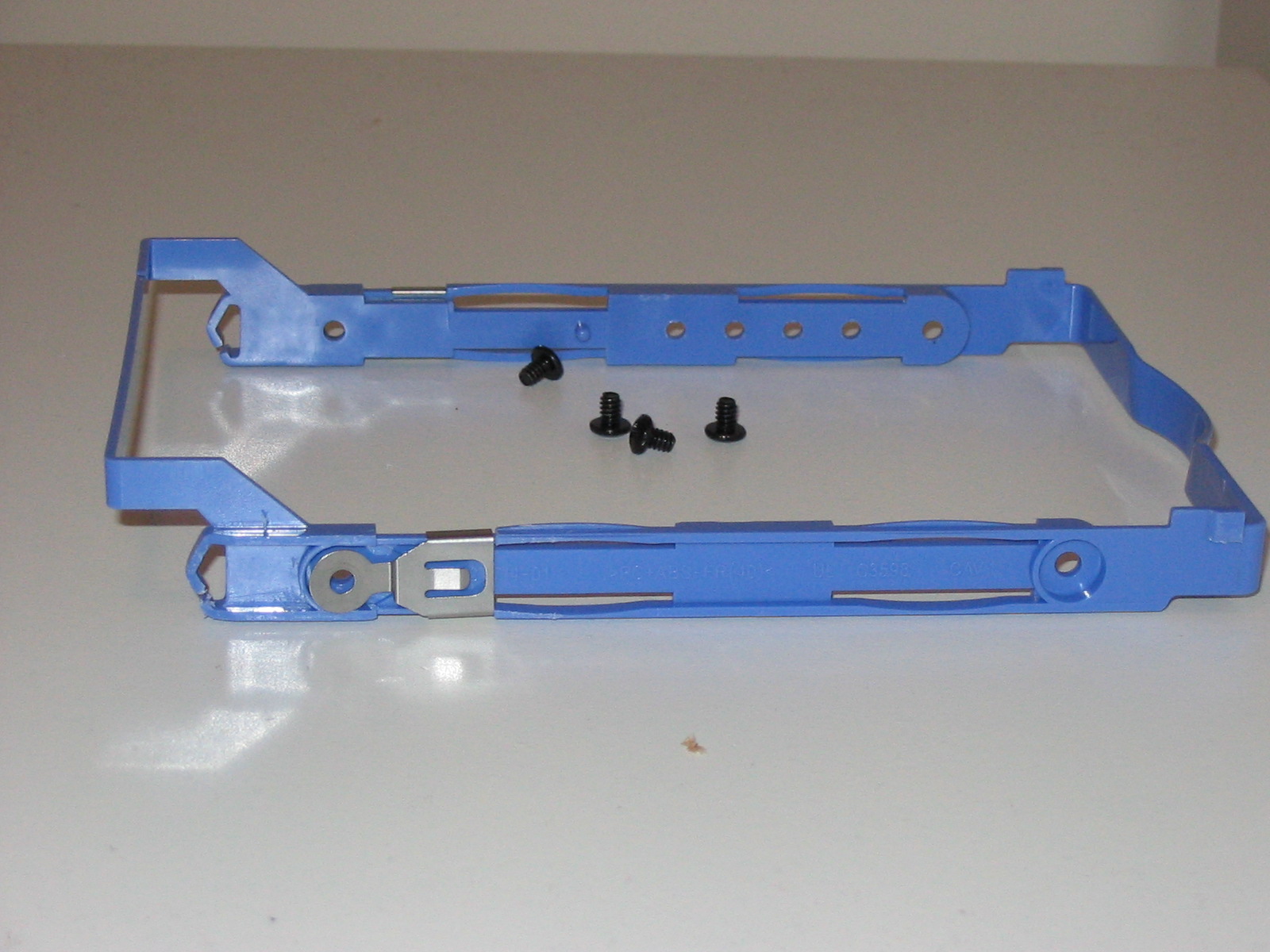

Image of the IBM xSeries Easy Swap Tray

These so-called “EZ Swap” trays are not for hot-swap; the big IBM swap
trays with the lever are for that. This is just to mount and unmount
drives quickly. I was impressed, and was sad that, since IBM’s goal
is to resell you hard drives, they don’t make it easy to buy these
things outright. You have to look on IBM’s
parts and upgrade site for the x206
, you’ll find that they offer
to sell 26K-7344, which is listed as a “SATA tray”, and a 73P-8007,
which is listed as a “Tray, SATA simple swap”. However, there is no
photo, and that part number does not match the part number on the item
itself. On the machines I got, the tray is numbered 73P-9591 (or
rather, P73P9591, but I think the “P” in the front is superfluous and
stands for “Part”).

I spoke to IBM tech support (at +1-800-426-7378), who told me the
replacement part number he had for that tray I had was 73P-8007.
Indeed, if you look at third
party sites, such as Spare Parts Warehouse
, you find that number
and a price of US$28 or so. Spare Parts Warehouse doesn’t even sell
the 26K-7344.

It seemed to me strange that we had two things described as SATA tray
could be that different. And the difference in price was
substantial. It costs about US$28 for the 73P-8007 and around US$7
for the 26K-7344.

So, I called IBM spare parts division at +1-800-388-7080, and ordered
one of each. They arrived by DHL this morning. Lo and behold, they
are the very same item. I cannot tell the difference
between them upon close study. The only cosmetic difference is that
they are labeled with different part numbers. The cheaper one is
labeled 26K-7343 (one number less than what I ordered) and the other
is labeled 73P-9591 (the same number that my original SATA drives
came with).

So, if you need an EZ Swap tray from IBM for the xSeries server, I
suggest you order the 26K-7344. If you do so, and find any difference
from the 73P-8007, please do let me know. Update: on 2005-06-22, a
reader told me they now charge US$12 for the 26K-7344 tray. Further
Update:
The prices seem to keep rising! Another reader reported to me
on 2005-08-08 that the 26K-7344 is now US$84 (!) and the 73P-8007 is now
only US$15. So, it costs twice as much as it did a few months
ago to get these units, and the cheaper unit apperas to be the 73P-8007.
It’ll be fun to watch and see if the prices change big again in the months
to come.

When you call IBM’s spare parts division, they may give you some
trouble about ordering the part. When you call +1-800-388-7080,
they are expecting you to be an out-of-warranty customer, and make
it difficult for you to order. It depends on who you get, but you
can place an order with a credit card even without an “IBM
Out-of-Warranty Customer Number”. If you have a customer number you
got with your original IBM equipment order, that’s your warranty
customer number and is in a different database than the one used by
the IBM Spare Parts Division.

You can just tell them that you want to make a new order with a credit
card. After some trouble, they’ll do that.

IBM xSeries EZ Swap Hard Drive Trays

Post Syndicated from Bradley M. Kuhn original http://ebb.org/bkuhn/blog/2005/05/04/ibm-xseries.html

A few days ago, I acquired a number of IBM xSeries servers — namely x206
and x226 systems — for my work at the The Software Freedom Law
Center
. We bought bare-metal, with just CPU and memory, with
plans to install drives ourselves.

I did that for a few reasons. First, serial ATA (S-ATA or SATA)
support under Linux has just become ready for prime time, and
despite being a SCSI-die-hard for most of my life, I’ve given in
that ATA’s price/performance ratio can’t really be beat, especially
if you don’t need hot swap or hardware RAID.

When I got the machines, which each came with one 80 GB S-ATA drive, I
found them well constructed, including a very easy mounting system
for hard drives. Drives have a blue plastic tray that looks like
this (follow link of image for higher resolution shot).


Image of the IBM xSeries Easy Swap Tray

These so-called “EZ Swap” trays are not for hot-swap; the big IBM swap
trays with the lever are for that. This is just to mount and unmount
drives quickly. I was impressed, and was sad that, since IBM’s goal
is to resell you hard drives, they don’t make it easy to buy these
things outright. You have to look on IBM’s
parts and upgrade site for the x206
, you’ll find that they offer
to sell 26K-7344, which is listed as a “SATA tray”, and a 73P-8007,
which is listed as a “Tray, SATA simple swap”. However, there is no
photo, and that part number does not match the part number on the item
itself. On the machines I got, the tray is numbered 73P-9591 (or
rather, P73P9591, but I think the “P” in the front is superfluous and
stands for “Part”).

I spoke to IBM tech support (at +1-800-426-7378), who told me the
replacement part number he had for that tray I had was 73P-8007.
Indeed, if you look at third
party sites, such as Spare Parts Warehouse
, you find that number
and a price of US$28 or so. Spare Parts Warehouse doesn’t even sell
the 26K-7344.

It seemed to me strange that we had two things described as SATA tray
could be that different. And the difference in price was
substantial. It costs about US$28 for the 73P-8007 and around US$7
for the 26K-7344.

So, I called IBM spare parts division at +1-800-388-7080, and ordered
one of each. They arrived by DHL this morning. Lo and behold, they
are the very same item. I cannot tell the difference
between them upon close study. The only cosmetic difference is that
they are labeled with different part numbers. The cheaper one is
labeled 26K-7343 (one number less than what I ordered) and the other
is labeled 73P-9591 (the same number that my original SATA drives
came with).

So, if you need an EZ Swap tray from IBM for the xSeries server, I
suggest you order the 26K-7344. If you do so, and find any difference
from the 73P-8007, please do let me know. Update: on 2005-06-22, a
reader told me they now charge US$12 for the 26K-7344 tray. Further
Update:
The prices seem to keep rising! Another reader reported to me
on 2005-08-08 that the 26K-7344 is now US$84 (!) and the 73P-8007 is now
only US$15. So, it costs twice as much as it did a few months
ago to get these units, and the cheaper unit apperas to be the 73P-8007.
It’ll be fun to watch and see if the prices change big again in the months
to come.

When you call IBM’s spare parts division, they may give you some
trouble about ordering the part. When you call +1-800-388-7080,
they are expecting you to be an out-of-warranty customer, and make
it difficult for you to order. It depends on who you get, but you
can place an order with a credit card even without an “IBM
Out-of-Warranty Customer Number”. If you have a customer number you
got with your original IBM equipment order, that’s your warranty
customer number and is in a different database than the one used by
the IBM Spare Parts Division.

You can just tell them that you want to make a new order with a credit
card. After some trouble, they’ll do that.

IBM xSeries EZ Swap Hard Drive Trays

Post Syndicated from Bradley M. Kuhn original http://ebb.org/bkuhn/blog/2005/05/04/ibm-xseries.html

A few days ago, I acquired a number of IBM xSeries servers — namely x206
and x226 systems — for my work at the The Software Freedom Law
Center
. We bought bare-metal, with just CPU and memory, with
plans to install drives ourselves.

I did that for a few reasons. First, serial ATA (S-ATA or SATA)
support under Linux has just become ready for prime time, and
despite being a SCSI-die-hard for most of my life, I’ve given in
that ATA’s price/performance ratio can’t really be beat, especially
if you don’t need hot swap or hardware RAID.

When I got the machines, which each came with one 80 GB S-ATA drive, I
found them well constructed, including a very easy mounting system
for hard drives. Drives have a blue plastic tray that looks like
this (follow link of image for higher resolution shot).


Image of the IBM xSeries Easy Swap Tray

These so-called “EZ Swap” trays are not for hot-swap; the big IBM swap
trays with the lever are for that. This is just to mount and unmount
drives quickly. I was impressed, and was sad that, since IBM’s goal
is to resell you hard drives, they don’t make it easy to buy these
things outright. You have to look on IBM’s
parts and upgrade site for the x206
, you’ll find that they offer
to sell 26K-7344, which is listed as a “SATA tray”, and a 73P-8007,
which is listed as a “Tray, SATA simple swap”. However, there is no
photo, and that part number does not match the part number on the item
itself. On the machines I got, the tray is numbered 73P-9591 (or
rather, P73P9591, but I think the “P” in the front is superfluous and
stands for “Part”).

I spoke to IBM tech support (at +1-800-426-7378), who told me the
replacement part number he had for that tray I had was 73P-8007.
Indeed, if you look at third
party sites, such as Spare Parts Warehouse
, you find that number
and a price of US$28 or so. Spare Parts Warehouse doesn’t even sell
the 26K-7344.

It seemed to me strange that we had two things described as SATA tray
could be that different. And the difference in price was
substantial. It costs about US$28 for the 73P-8007 and around US$7
for the 26K-7344.

So, I called IBM spare parts division at +1-800-388-7080, and ordered
one of each. They arrived by DHL this morning. Lo and behold, they
are the very same item. I cannot tell the difference
between them upon close study. The only cosmetic difference is that
they are labeled with different part numbers. The cheaper one is
labeled 26K-7343 (one number less than what I ordered) and the other
is labeled 73P-9591 (the same number that my original SATA drives
came with).

So, if you need an EZ Swap tray from IBM for the xSeries server, I
suggest you order the 26K-7344. If you do so, and find any difference
from the 73P-8007, please do let me know. Update: on 2005-06-22, a
reader told me they now charge US$12 for the 26K-7344 tray. Further
Update:
The prices seem to keep rising! Another reader reported to me
on 2005-08-08 that the 26K-7344 is now US$84 (!) and the 73P-8007 is now
only US$15. So, it costs twice as much as it did a few months
ago to get these units, and the cheaper unit apperas to be the 73P-8007.
It’ll be fun to watch and see if the prices change big again in the months
to come.

When you call IBM’s spare parts division, they may give you some
trouble about ordering the part. When you call +1-800-388-7080,
they are expecting you to be an out-of-warranty customer, and make
it difficult for you to order. It depends on who you get, but you
can place an order with a credit card even without an “IBM
Out-of-Warranty Customer Number”. If you have a customer number you
got with your original IBM equipment order, that’s your warranty
customer number and is in a different database than the one used by
the IBM Spare Parts Division.

You can just tell them that you want to make a new order with a credit
card. After some trouble, they’ll do that.

IBM xSeries EZ Swap Hard Drive Trays

Post Syndicated from Bradley M. Kuhn original http://ebb.org/bkuhn/blog/2005/05/04/ibm-xseries.html

A few days ago, I acquired a number of IBM xSeries servers — namely x206
and x226 systems — for my work at the The Software Freedom Law
Center
. We bought bare-metal, with just CPU and memory, with
plans to install drives ourselves.

I did that for a few reasons. First, serial ATA (S-ATA or SATA)
support under Linux has just become ready for prime time, and
despite being a SCSI-die-hard for most of my life, I’ve given in
that ATA’s price/performance ratio can’t really be beat, especially
if you don’t need hot swap or hardware RAID.

When I got the machines, which each came with one 80 GB S-ATA drive, I
found them well constructed, including a very easy mounting system
for hard drives. Drives have a blue plastic tray that looks like
this (follow link of image for higher resolution shot).


Image of the IBM xSeries Easy Swap Tray

These so-called “EZ Swap” trays are not for hot-swap; the big IBM swap
trays with the lever are for that. This is just to mount and unmount
drives quickly. I was impressed, and was sad that, since IBM’s goal
is to resell you hard drives, they don’t make it easy to buy these
things outright. You have to look on IBM’s
parts and upgrade site for the x206
, you’ll find that they offer
to sell 26K-7344, which is listed as a “SATA tray”, and a 73P-8007,
which is listed as a “Tray, SATA simple swap”. However, there is no
photo, and that part number does not match the part number on the item
itself. On the machines I got, the tray is numbered 73P-9591 (or
rather, P73P9591, but I think the “P” in the front is superfluous and
stands for “Part”).

I spoke to IBM tech support (at +1-800-426-7378), who told me the
replacement part number he had for that tray I had was 73P-8007.
Indeed, if you look at third
party sites, such as Spare Parts Warehouse
, you find that number
and a price of US$28 or so. Spare Parts Warehouse doesn’t even sell
the 26K-7344.

It seemed to me strange that we had two things described as SATA tray
could be that different. And the difference in price was
substantial. It costs about US$28 for the 73P-8007 and around US$7
for the 26K-7344.

So, I called IBM spare parts division at +1-800-388-7080, and ordered
one of each. They arrived by DHL this morning. Lo and behold, they
are the very same item. I cannot tell the difference
between them upon close study. The only cosmetic difference is that
they are labeled with different part numbers. The cheaper one is
labeled 26K-7343 (one number less than what I ordered) and the other
is labeled 73P-9591 (the same number that my original SATA drives
came with).

So, if you need an EZ Swap tray from IBM for the xSeries server, I
suggest you order the 26K-7344. If you do so, and find any difference
from the 73P-8007, please do let me know. Update: on 2005-06-22, a
reader told me they now charge US$12 for the 26K-7344 tray. Further
Update:
The prices seem to keep rising! Another reader reported to me
on 2005-08-08 that the 26K-7344 is now US$84 (!) and the 73P-8007 is now
only US$15. So, it costs twice as much as it did a few months
ago to get these units, and the cheaper unit apperas to be the 73P-8007.
It’ll be fun to watch and see if the prices change big again in the months
to come.

When you call IBM’s spare parts division, they may give you some
trouble about ordering the part. When you call +1-800-388-7080,
they are expecting you to be an out-of-warranty customer, and make
it difficult for you to order. It depends on who you get, but you
can place an order with a credit card even without an “IBM
Out-of-Warranty Customer Number”. If you have a customer number you
got with your original IBM equipment order, that’s your warranty
customer number and is in a different database than the one used by
the IBM Spare Parts Division.

You can just tell them that you want to make a new order with a credit
card. After some trouble, they’ll do that.

IBM xSeries EZ Swap Hard Drive Trays

Post Syndicated from Bradley M. Kuhn original http://ebb.org/bkuhn/blog/2005/05/04/ibm-xseries.html

A few days ago, I acquired a number of IBM xSeries servers — namely x206
and x226 systems — for my work at the The Software Freedom Law
Center
. We bought bare-metal, with just CPU and memory, with
plans to install drives ourselves.

I did that for a few reasons. First, serial ATA (S-ATA or SATA)
support under Linux has just become ready for prime time, and
despite being a SCSI-die-hard for most of my life, I’ve given in
that ATA’s price/performance ratio can’t really be beat, especially
if you don’t need hot swap or hardware RAID.

When I got the machines, which each came with one 80 GB S-ATA drive, I
found them well constructed, including a very easy mounting system
for hard drives. Drives have a blue plastic tray that looks like
this (follow link of image for higher resolution shot).


Image of the IBM xSeries Easy Swap Tray

These so-called “EZ Swap” trays are not for hot-swap; the big IBM swap
trays with the lever are for that. This is just to mount and unmount
drives quickly. I was impressed, and was sad that, since IBM’s goal
is to resell you hard drives, they don’t make it easy to buy these
things outright. You have to look on IBM’s
parts and upgrade site for the x206
, you’ll find that they offer
to sell 26K-7344, which is listed as a “SATA tray”, and a 73P-8007,
which is listed as a “Tray, SATA simple swap”. However, there is no
photo, and that part number does not match the part number on the item
itself. On the machines I got, the tray is numbered 73P-9591 (or
rather, P73P9591, but I think the “P” in the front is superfluous and
stands for “Part”).

I spoke to IBM tech support (at +1-800-426-7378), who told me the
replacement part number he had for that tray I had was 73P-8007.
Indeed, if you look at third
party sites, such as Spare Parts Warehouse
, you find that number
and a price of US$28 or so. Spare Parts Warehouse doesn’t even sell
the 26K-7344.

It seemed to me strange that we had two things described as SATA tray
could be that different. And the difference in price was
substantial. It costs about US$28 for the 73P-8007 and around US$7
for the 26K-7344.

So, I called IBM spare parts division at +1-800-388-7080, and ordered
one of each. They arrived by DHL this morning. Lo and behold, they
are the very same item. I cannot tell the difference
between them upon close study. The only cosmetic difference is that
they are labeled with different part numbers. The cheaper one is
labeled 26K-7343 (one number less than what I ordered) and the other
is labeled 73P-9591 (the same number that my original SATA drives
came with).

So, if you need an EZ Swap tray from IBM for the xSeries server, I
suggest you order the 26K-7344. If you do so, and find any difference
from the 73P-8007, please do let me know. Update: on 2005-06-22, a
reader told me they now charge US$12 for the 26K-7344 tray. Further
Update:
The prices seem to keep rising! Another reader reported to me
on 2005-08-08 that the 26K-7344 is now US$84 (!) and the 73P-8007 is now
only US$15. So, it costs twice as much as it did a few months
ago to get these units, and the cheaper unit apperas to be the 73P-8007.
It’ll be fun to watch and see if the prices change big again in the months
to come.

When you call IBM’s spare parts division, they may give you some
trouble about ordering the part. When you call +1-800-388-7080,
they are expecting you to be an out-of-warranty customer, and make
it difficult for you to order. It depends on who you get, but you
can place an order with a credit card even without an “IBM
Out-of-Warranty Customer Number”. If you have a customer number you
got with your original IBM equipment order, that’s your warranty
customer number and is in a different database than the one used by
the IBM Spare Parts Division.

You can just tell them that you want to make a new order with a credit
card. After some trouble, they’ll do that.

IBM xSeries EZ Swap Hard Drive Trays

Post Syndicated from Bradley M. Kuhn original http://ebb.org/bkuhn/blog/2005/05/04/ibm-xseries.html

A few days ago, I acquired a number of IBM xSeries servers — namely x206
and x226 systems — for my work at the The Software Freedom Law
Center
. We bought bare-metal, with just CPU and memory, with
plans to install drives ourselves.

I did that for a few reasons. First, serial ATA (S-ATA or SATA)
support under Linux has just become ready for prime time, and
despite being a SCSI-die-hard for most of my life, I’ve given in
that ATA’s price/performance ratio can’t really be beat, especially
if you don’t need hot swap or hardware RAID.

When I got the machines, which each came with one 80 GB S-ATA drive, I
found them well constructed, including a very easy mounting system
for hard drives. Drives have a blue plastic tray that looks like
this (follow link of image for higher resolution shot).


Image of the IBM xSeries Easy Swap Tray

These so-called “EZ Swap” trays are not for hot-swap; the big IBM swap
trays with the lever are for that. This is just to mount and unmount
drives quickly. I was impressed, and was sad that, since IBM’s goal
is to resell you hard drives, they don’t make it easy to buy these
things outright. You have to look on IBM’s
parts and upgrade site for the x206
, you’ll find that they offer
to sell 26K-7344, which is listed as a “SATA tray”, and a 73P-8007,
which is listed as a “Tray, SATA simple swap”. However, there is no
photo, and that part number does not match the part number on the item
itself. On the machines I got, the tray is numbered 73P-9591 (or
rather, P73P9591, but I think the “P” in the front is superfluous and
stands for “Part”).

I spoke to IBM tech support (at +1-800-426-7378), who told me the
replacement part number he had for that tray I had was 73P-8007.
Indeed, if you look at third
party sites, such as Spare Parts Warehouse
, you find that number
and a price of US$28 or so. Spare Parts Warehouse doesn’t even sell
the 26K-7344.

It seemed to me strange that we had two things described as SATA tray
could be that different. And the difference in price was
substantial. It costs about US$28 for the 73P-8007 and around US$7
for the 26K-7344.

So, I called IBM spare parts division at +1-800-388-7080, and ordered
one of each. They arrived by DHL this morning. Lo and behold, they
are the very same item. I cannot tell the difference
between them upon close study. The only cosmetic difference is that
they are labeled with different part numbers. The cheaper one is
labeled 26K-7343 (one number less than what I ordered) and the other
is labeled 73P-9591 (the same number that my original SATA drives
came with).

So, if you need an EZ Swap tray from IBM for the xSeries server, I
suggest you order the 26K-7344. If you do so, and find any difference
from the 73P-8007, please do let me know. Update: on 2005-06-22, a
reader told me they now charge US$12 for the 26K-7344 tray. Further
Update:
The prices seem to keep rising! Another reader reported to me
on 2005-08-08 that the 26K-7344 is now US$84 (!) and the 73P-8007 is now
only US$15. So, it costs twice as much as it did a few months
ago to get these units, and the cheaper unit apperas to be the 73P-8007.
It’ll be fun to watch and see if the prices change big again in the months
to come.

When you call IBM’s spare parts division, they may give you some
trouble about ordering the part. When you call +1-800-388-7080,
they are expecting you to be an out-of-warranty customer, and make
it difficult for you to order. It depends on who you get, but you
can place an order with a credit card even without an “IBM
Out-of-Warranty Customer Number”. If you have a customer number you
got with your original IBM equipment order, that’s your warranty
customer number and is in a different database than the one used by
the IBM Spare Parts Division.

You can just tell them that you want to make a new order with a credit
card. After some trouble, they’ll do that.

IBM xSeries EZ Swap Hard Drive Trays

Post Syndicated from Bradley M. Kuhn original http://ebb.org/bkuhn/blog/2005/05/04/ibm-xseries.html

A few days ago, I acquired a number of IBM xSeries servers — namely x206
and x226 systems — for my work at the The Software Freedom Law
Center
. We bought bare-metal, with just CPU and memory, with
plans to install drives ourselves.

I did that for a few reasons. First, serial ATA (S-ATA or SATA)
support under Linux has just become ready for prime time, and
despite being a SCSI-die-hard for most of my life, I’ve given in
that ATA’s price/performance ratio can’t really be beat, especially
if you don’t need hot swap or hardware RAID.

When I got the machines, which each came with one 80 GB S-ATA drive, I
found them well constructed, including a very easy mounting system
for hard drives. Drives have a blue plastic tray that looks like
this (follow link of image for higher resolution shot).


Image of the IBM xSeries Easy Swap Tray

These so-called “EZ Swap” trays are not for hot-swap; the big IBM swap
trays with the lever are for that. This is just to mount and unmount
drives quickly. I was impressed, and was sad that, since IBM’s goal
is to resell you hard drives, they don’t make it easy to buy these
things outright. You have to look on IBM’s
parts and upgrade site for the x206
, you’ll find that they offer
to sell 26K-7344, which is listed as a “SATA tray”, and a 73P-8007,
which is listed as a “Tray, SATA simple swap”. However, there is no
photo, and that part number does not match the part number on the item
itself. On the machines I got, the tray is numbered 73P-9591 (or
rather, P73P9591, but I think the “P” in the front is superfluous and
stands for “Part”).

I spoke to IBM tech support (at +1-800-426-7378), who told me the
replacement part number he had for that tray I had was 73P-8007.
Indeed, if you look at third
party sites, such as Spare Parts Warehouse
, you find that number
and a price of US$28 or so. Spare Parts Warehouse doesn’t even sell
the 26K-7344.

It seemed to me strange that we had two things described as SATA tray
could be that different. And the difference in price was
substantial. It costs about US$28 for the 73P-8007 and around US$7
for the 26K-7344.

So, I called IBM spare parts division at +1-800-388-7080, and ordered
one of each. They arrived by DHL this morning. Lo and behold, they
are the very same item. I cannot tell the difference
between them upon close study. The only cosmetic difference is that
they are labeled with different part numbers. The cheaper one is
labeled 26K-7343 (one number less than what I ordered) and the other
is labeled 73P-9591 (the same number that my original SATA drives
came with).

So, if you need an EZ Swap tray from IBM for the xSeries server, I
suggest you order the 26K-7344. If you do so, and find any difference
from the 73P-8007, please do let me know. Update: on 2005-06-22, a
reader told me they now charge US$12 for the 26K-7344 tray. Further
Update:
The prices seem to keep rising! Another reader reported to me
on 2005-08-08 that the 26K-7344 is now US$84 (!) and the 73P-8007 is now
only US$15. So, it costs twice as much as it did a few months
ago to get these units, and the cheaper unit apperas to be the 73P-8007.
It’ll be fun to watch and see if the prices change big again in the months
to come.

When you call IBM’s spare parts division, they may give you some
trouble about ordering the part. When you call +1-800-388-7080,
they are expecting you to be an out-of-warranty customer, and make
it difficult for you to order. It depends on who you get, but you
can place an order with a credit card even without an “IBM
Out-of-Warranty Customer Number”. If you have a customer number you
got with your original IBM equipment order, that’s your warranty
customer number and is in a different database than the one used by
the IBM Spare Parts Division.

You can just tell them that you want to make a new order with a credit
card. After some trouble, they’ll do that.

The GNU GPL and the American Dream

Post Syndicated from Bradley M. Kuhn original http://ebb.org/bkuhn/blog/2001/02/21/american-dream.html

[ This essay
was originally
published on gnu.org
. ]

When I was in grade school, right here in the United States of America,
I was taught that our country was the “land of opportunity”. My teachers
told me that my country was special, because anyone with a good idea and a
drive to do good work could make a living, and be successful too. They
called it the “American Dream”.

What was the cornerstone to the “American Dream”? It was
equality — everyone had the same chance in our society to choose
their own way. I could have any career I wanted, and if I worked hard, I
would be successful.

It turned out that I had some talent for working with computers —
in particular, computer software. Indoctrinated with the “American
Dream”, I learned as much as I could about computer software. I
wanted my chance at success.

I quickly discovered though, that in many cases, not all the players in
the field of computer software were equal. By the time I entered the
field, large companies like Microsoft tended to control much of the
technology. And, that technology was available to me under licensing
agreements that forbid me to study and learn from it. I was completely
prohibited from viewing the program source code of the software.

I found out, too, that those with lots of money could negotiate
different licenses. If they paid enough, they could get permission to
study and learn from the source code. Typically, such licenses cost many
thousands of dollars, and being young and relatively poor, I was out of
luck.

After spending my early years in the software business a bit
downtrodden by my inability to learn more, I eventually discovered another
body of software that did allow me to study and learn. This software was
released under a license called the GNU General Public License (GNU
GPL). Instead of restricting my freedom to study and learn from it, this
license was specifically designed to allow me to learn. The license
ensured that no matter what happened to the public versions of the
software, I’d always be able to study its source code.

I quickly built my career around this software. I got lots of work
configuring, installing, administering, and teaching about that
software. Thanks to the GNU GPL, I always knew that I could stay
competitive in my business, because I would always be able to learn easily
about new innovations as soon as they were made. This gave me a unique
ability to innovate myself. I could innovate quickly, and impress my
employers. I was even able to start my own consulting business. My own
business! The pinnacle of the American Dream!

Thus, I was quite surprised last week
when Jim Allchin, a
vice president at
Microsoft hinted
that
the
GNU GPL
contradicted
the
American Way.

The GNU GPL is specifically designed to make sure that all
technological innovators, programmers, and software users are given equal
footing. Each high school student, independent contractor, small business,
and large corporation are given an equal chance to innovate. We all start
the race from the same point. Those people with deep understanding of the
software and an ability to make it work well for others are most likely to
succeed, and they do succeed.

That is exactly what the American Way is about, at least the way I
learned it in grade school. I hope that we won’t let Microsoft and
others change the definition.

The GNU GPL and the American Dream

Post Syndicated from Bradley M. Kuhn original http://ebb.org/bkuhn/blog/2001/02/21/american-dream.html

[ This essay
was originally
published on gnu.org
. ]

When I was in grade school, right here in the United States of America,
I was taught that our country was the “land of opportunity”. My teachers
told me that my country was special, because anyone with a good idea and a
drive to do good work could make a living, and be successful too. They
called it the “American Dream”.

What was the cornerstone to the “American Dream”? It was
equality — everyone had the same chance in our society to choose
their own way. I could have any career I wanted, and if I worked hard, I
would be successful.

It turned out that I had some talent for working with computers —
in particular, computer software. Indoctrinated with the “American
Dream”, I learned as much as I could about computer software. I
wanted my chance at success.

I quickly discovered though, that in many cases, not all the players in
the field of computer software were equal. By the time I entered the
field, large companies like Microsoft tended to control much of the
technology. And, that technology was available to me under licensing
agreements that forbid me to study and learn from it. I was completely
prohibited from viewing the program source code of the software.

I found out, too, that those with lots of money could negotiate
different licenses. If they paid enough, they could get permission to
study and learn from the source code. Typically, such licenses cost many
thousands of dollars, and being young and relatively poor, I was out of
luck.

After spending my early years in the software business a bit
downtrodden by my inability to learn more, I eventually discovered another
body of software that did allow me to study and learn. This software was
released under a license called the GNU General Public License (GNU
GPL). Instead of restricting my freedom to study and learn from it, this
license was specifically designed to allow me to learn. The license
ensured that no matter what happened to the public versions of the
software, I’d always be able to study its source code.

I quickly built my career around this software. I got lots of work
configuring, installing, administering, and teaching about that
software. Thanks to the GNU GPL, I always knew that I could stay
competitive in my business, because I would always be able to learn easily
about new innovations as soon as they were made. This gave me a unique
ability to innovate myself. I could innovate quickly, and impress my
employers. I was even able to start my own consulting business. My own
business! The pinnacle of the American Dream!

Thus, I was quite surprised last week
when Jim Allchin, a
vice president at
Microsoft hinted
that
the
GNU GPL
contradicted
the
American Way.

The GNU GPL is specifically designed to make sure that all
technological innovators, programmers, and software users are given equal
footing. Each high school student, independent contractor, small business,
and large corporation are given an equal chance to innovate. We all start
the race from the same point. Those people with deep understanding of the
software and an ability to make it work well for others are most likely to
succeed, and they do succeed.

That is exactly what the American Way is about, at least the way I
learned it in grade school. I hope that we won’t let Microsoft and
others change the definition.

The GNU GPL and the American Dream

Post Syndicated from Bradley M. Kuhn original http://ebb.org/bkuhn/blog/2001/02/21/american-dream.html

[ This essay
was originally
published on gnu.org
. ]

When I was in grade school, right here in the United States of America,
I was taught that our country was the “land of opportunity”. My teachers
told me that my country was special, because anyone with a good idea and a
drive to do good work could make a living, and be successful too. They
called it the “American Dream”.

What was the cornerstone to the “American Dream”? It was
equality — everyone had the same chance in our society to choose
their own way. I could have any career I wanted, and if I worked hard, I
would be successful.

It turned out that I had some talent for working with computers —
in particular, computer software. Indoctrinated with the “American
Dream”, I learned as much as I could about computer software. I
wanted my chance at success.

I quickly discovered though, that in many cases, not all the players in
the field of computer software were equal. By the time I entered the
field, large companies like Microsoft tended to control much of the
technology. And, that technology was available to me under licensing
agreements that forbid me to study and learn from it. I was completely
prohibited from viewing the program source code of the software.

I found out, too, that those with lots of money could negotiate
different licenses. If they paid enough, they could get permission to
study and learn from the source code. Typically, such licenses cost many
thousands of dollars, and being young and relatively poor, I was out of
luck.

After spending my early years in the software business a bit
downtrodden by my inability to learn more, I eventually discovered another
body of software that did allow me to study and learn. This software was
released under a license called the GNU General Public License (GNU
GPL). Instead of restricting my freedom to study and learn from it, this
license was specifically designed to allow me to learn. The license
ensured that no matter what happened to the public versions of the
software, I’d always be able to study its source code.

I quickly built my career around this software. I got lots of work
configuring, installing, administering, and teaching about that
software. Thanks to the GNU GPL, I always knew that I could stay
competitive in my business, because I would always be able to learn easily
about new innovations as soon as they were made. This gave me a unique
ability to innovate myself. I could innovate quickly, and impress my
employers. I was even able to start my own consulting business. My own
business! The pinnacle of the American Dream!

Thus, I was quite surprised last week
when Jim Allchin, a
vice president at
Microsoft hinted
that
the
GNU GPL
contradicted
the
American Way.

The GNU GPL is specifically designed to make sure that all
technological innovators, programmers, and software users are given equal
footing. Each high school student, independent contractor, small business,
and large corporation are given an equal chance to innovate. We all start
the race from the same point. Those people with deep understanding of the
software and an ability to make it work well for others are most likely to
succeed, and they do succeed.

That is exactly what the American Way is about, at least the way I
learned it in grade school. I hope that we won’t let Microsoft and
others change the definition.

The GNU GPL and the American Dream

Post Syndicated from Bradley M. Kuhn original http://ebb.org/bkuhn/blog/2001/02/21/american-dream.html

[ This essay
was originally
published on gnu.org
. ]

When I was in grade school, right here in the United States of America,
I was taught that our country was the “land of opportunity”. My teachers
told me that my country was special, because anyone with a good idea and a
drive to do good work could make a living, and be successful too. They
called it the “American Dream”.

What was the cornerstone to the “American Dream”? It was
equality — everyone had the same chance in our society to choose
their own way. I could have any career I wanted, and if I worked hard, I
would be successful.

It turned out that I had some talent for working with computers —
in particular, computer software. Indoctrinated with the “American
Dream”, I learned as much as I could about computer software. I
wanted my chance at success.

I quickly discovered though, that in many cases, not all the players in
the field of computer software were equal. By the time I entered the
field, large companies like Microsoft tended to control much of the
technology. And, that technology was available to me under licensing
agreements that forbid me to study and learn from it. I was completely
prohibited from viewing the program source code of the software.

I found out, too, that those with lots of money could negotiate
different licenses. If they paid enough, they could get permission to
study and learn from the source code. Typically, such licenses cost many
thousands of dollars, and being young and relatively poor, I was out of
luck.

After spending my early years in the software business a bit
downtrodden by my inability to learn more, I eventually discovered another
body of software that did allow me to study and learn. This software was
released under a license called the GNU General Public License (GNU
GPL). Instead of restricting my freedom to study and learn from it, this
license was specifically designed to allow me to learn. The license
ensured that no matter what happened to the public versions of the
software, I’d always be able to study its source code.

I quickly built my career around this software. I got lots of work
configuring, installing, administering, and teaching about that
software. Thanks to the GNU GPL, I always knew that I could stay
competitive in my business, because I would always be able to learn easily
about new innovations as soon as they were made. This gave me a unique
ability to innovate myself. I could innovate quickly, and impress my
employers. I was even able to start my own consulting business. My own
business! The pinnacle of the American Dream!

Thus, I was quite surprised last week
when Jim Allchin, a
vice president at
Microsoft hinted
that
the
GNU GPL
contradicted
the
American Way.

The GNU GPL is specifically designed to make sure that all
technological innovators, programmers, and software users are given equal
footing. Each high school student, independent contractor, small business,
and large corporation are given an equal chance to innovate. We all start
the race from the same point. Those people with deep understanding of the
software and an ability to make it work well for others are most likely to
succeed, and they do succeed.

That is exactly what the American Way is about, at least the way I
learned it in grade school. I hope that we won’t let Microsoft and
others change the definition.

The GNU GPL and the American Dream

Post Syndicated from Bradley M. Kuhn original http://ebb.org/bkuhn/blog/2001/02/21/american-dream.html

[ This essay
was originally
published on gnu.org
. ]

When I was in grade school, right here in the United States of America,
I was taught that our country was the “land of opportunity”. My teachers
told me that my country was special, because anyone with a good idea and a
drive to do good work could make a living, and be successful too. They
called it the “American Dream”.

What was the cornerstone to the “American Dream”? It was
equality — everyone had the same chance in our society to choose
their own way. I could have any career I wanted, and if I worked hard, I
would be successful.

It turned out that I had some talent for working with computers —
in particular, computer software. Indoctrinated with the “American
Dream”, I learned as much as I could about computer software. I
wanted my chance at success.

I quickly discovered though, that in many cases, not all the players in
the field of computer software were equal. By the time I entered the
field, large companies like Microsoft tended to control much of the
technology. And, that technology was available to me under licensing
agreements that forbid me to study and learn from it. I was completely
prohibited from viewing the program source code of the software.

I found out, too, that those with lots of money could negotiate
different licenses. If they paid enough, they could get permission to
study and learn from the source code. Typically, such licenses cost many
thousands of dollars, and being young and relatively poor, I was out of
luck.

After spending my early years in the software business a bit
downtrodden by my inability to learn more, I eventually discovered another
body of software that did allow me to study and learn. This software was
released under a license called the GNU General Public License (GNU
GPL). Instead of restricting my freedom to study and learn from it, this
license was specifically designed to allow me to learn. The license
ensured that no matter what happened to the public versions of the
software, I’d always be able to study its source code.

I quickly built my career around this software. I got lots of work
configuring, installing, administering, and teaching about that
software. Thanks to the GNU GPL, I always knew that I could stay
competitive in my business, because I would always be able to learn easily
about new innovations as soon as they were made. This gave me a unique
ability to innovate myself. I could innovate quickly, and impress my
employers. I was even able to start my own consulting business. My own
business! The pinnacle of the American Dream!

Thus, I was quite surprised last week
when Jim Allchin, a
vice president at
Microsoft hinted
that
the
GNU GPL
contradicted
the
American Way.

The GNU GPL is specifically designed to make sure that all
technological innovators, programmers, and software users are given equal
footing. Each high school student, independent contractor, small business,
and large corporation are given an equal chance to innovate. We all start
the race from the same point. Those people with deep understanding of the
software and an ability to make it work well for others are most likely to
succeed, and they do succeed.

That is exactly what the American Way is about, at least the way I
learned it in grade school. I hope that we won’t let Microsoft and
others change the definition.

The GNU GPL and the American Dream

Post Syndicated from Bradley M. Kuhn original http://ebb.org/bkuhn/blog/2001/02/21/american-dream.html

[ This essay
was originally
published on gnu.org
. ]

When I was in grade school, right here in the United States of America,
I was taught that our country was the “land of opportunity”. My teachers
told me that my country was special, because anyone with a good idea and a
drive to do good work could make a living, and be successful too. They
called it the “American Dream”.

What was the cornerstone to the “American Dream”? It was
equality — everyone had the same chance in our society to choose
their own way. I could have any career I wanted, and if I worked hard, I
would be successful.

It turned out that I had some talent for working with computers —
in particular, computer software. Indoctrinated with the “American
Dream”, I learned as much as I could about computer software. I
wanted my chance at success.

I quickly discovered though, that in many cases, not all the players in
the field of computer software were equal. By the time I entered the
field, large companies like Microsoft tended to control much of the
technology. And, that technology was available to me under licensing
agreements that forbid me to study and learn from it. I was completely
prohibited from viewing the program source code of the software.

I found out, too, that those with lots of money could negotiate
different licenses. If they paid enough, they could get permission to
study and learn from the source code. Typically, such licenses cost many
thousands of dollars, and being young and relatively poor, I was out of
luck.

After spending my early years in the software business a bit
downtrodden by my inability to learn more, I eventually discovered another
body of software that did allow me to study and learn. This software was
released under a license called the GNU General Public License (GNU
GPL). Instead of restricting my freedom to study and learn from it, this
license was specifically designed to allow me to learn. The license
ensured that no matter what happened to the public versions of the
software, I’d always be able to study its source code.

I quickly built my career around this software. I got lots of work
configuring, installing, administering, and teaching about that
software. Thanks to the GNU GPL, I always knew that I could stay
competitive in my business, because I would always be able to learn easily
about new innovations as soon as they were made. This gave me a unique
ability to innovate myself. I could innovate quickly, and impress my
employers. I was even able to start my own consulting business. My own
business! The pinnacle of the American Dream!

Thus, I was quite surprised last week
when Jim Allchin, a
vice president at
Microsoft hinted
that
the
GNU GPL
contradicted
the
American Way.

The GNU GPL is specifically designed to make sure that all
technological innovators, programmers, and software users are given equal
footing. Each high school student, independent contractor, small business,
and large corporation are given an equal chance to innovate. We all start
the race from the same point. Those people with deep understanding of the
software and an ability to make it work well for others are most likely to
succeed, and they do succeed.

That is exactly what the American Way is about, at least the way I
learned it in grade school. I hope that we won’t let Microsoft and
others change the definition.

The GNU GPL and the American Dream

Post Syndicated from Bradley M. Kuhn original http://ebb.org/bkuhn/blog/2001/02/21/american-dream.html

[ This essay
was originally
published on gnu.org
. ]

When I was in grade school, right here in the United States of America,
I was taught that our country was the “land of opportunity”. My teachers
told me that my country was special, because anyone with a good idea and a
drive to do good work could make a living, and be successful too. They
called it the “American Dream”.

What was the cornerstone to the “American Dream”? It was
equality — everyone had the same chance in our society to choose
their own way. I could have any career I wanted, and if I worked hard, I
would be successful.

It turned out that I had some talent for working with computers —
in particular, computer software. Indoctrinated with the “American
Dream”, I learned as much as I could about computer software. I
wanted my chance at success.

I quickly discovered though, that in many cases, not all the players in
the field of computer software were equal. By the time I entered the
field, large companies like Microsoft tended to control much of the
technology. And, that technology was available to me under licensing
agreements that forbid me to study and learn from it. I was completely
prohibited from viewing the program source code of the software.

I found out, too, that those with lots of money could negotiate
different licenses. If they paid enough, they could get permission to
study and learn from the source code. Typically, such licenses cost many
thousands of dollars, and being young and relatively poor, I was out of
luck.

After spending my early years in the software business a bit
downtrodden by my inability to learn more, I eventually discovered another
body of software that did allow me to study and learn. This software was
released under a license called the GNU General Public License (GNU
GPL). Instead of restricting my freedom to study and learn from it, this
license was specifically designed to allow me to learn. The license
ensured that no matter what happened to the public versions of the
software, I’d always be able to study its source code.

I quickly built my career around this software. I got lots of work
configuring, installing, administering, and teaching about that
software. Thanks to the GNU GPL, I always knew that I could stay
competitive in my business, because I would always be able to learn easily
about new innovations as soon as they were made. This gave me a unique
ability to innovate myself. I could innovate quickly, and impress my
employers. I was even able to start my own consulting business. My own
business! The pinnacle of the American Dream!

Thus, I was quite surprised last week
when Jim Allchin, a
vice president at
Microsoft hinted
that
the
GNU GPL
contradicted
the
American Way.

The GNU GPL is specifically designed to make sure that all
technological innovators, programmers, and software users are given equal
footing. Each high school student, independent contractor, small business,
and large corporation are given an equal chance to innovate. We all start
the race from the same point. Those people with deep understanding of the
software and an ability to make it work well for others are most likely to
succeed, and they do succeed.

That is exactly what the American Way is about, at least the way I
learned it in grade school. I hope that we won’t let Microsoft and
others change the definition.

The GNU GPL and the American Dream

Post Syndicated from Bradley M. Kuhn original http://ebb.org/bkuhn/blog/2001/02/21/american-dream.html

[ This essay
was originally
published on gnu.org
. ]

When I was in grade school, right here in the United States of America,
I was taught that our country was the “land of opportunity”. My teachers
told me that my country was special, because anyone with a good idea and a
drive to do good work could make a living, and be successful too. They
called it the “American Dream”.

What was the cornerstone to the “American Dream”? It was
equality — everyone had the same chance in our society to choose
their own way. I could have any career I wanted, and if I worked hard, I
would be successful.

It turned out that I had some talent for working with computers —
in particular, computer software. Indoctrinated with the “American
Dream”, I learned as much as I could about computer software. I
wanted my chance at success.

I quickly discovered though, that in many cases, not all the players in
the field of computer software were equal. By the time I entered the
field, large companies like Microsoft tended to control much of the
technology. And, that technology was available to me under licensing
agreements that forbid me to study and learn from it. I was completely
prohibited from viewing the program source code of the software.

I found out, too, that those with lots of money could negotiate
different licenses. If they paid enough, they could get permission to
study and learn from the source code. Typically, such licenses cost many
thousands of dollars, and being young and relatively poor, I was out of
luck.

After spending my early years in the software business a bit
downtrodden by my inability to learn more, I eventually discovered another
body of software that did allow me to study and learn. This software was
released under a license called the GNU General Public License (GNU
GPL). Instead of restricting my freedom to study and learn from it, this
license was specifically designed to allow me to learn. The license
ensured that no matter what happened to the public versions of the
software, I’d always be able to study its source code.

I quickly built my career around this software. I got lots of work
configuring, installing, administering, and teaching about that
software. Thanks to the GNU GPL, I always knew that I could stay
competitive in my business, because I would always be able to learn easily
about new innovations as soon as they were made. This gave me a unique
ability to innovate myself. I could innovate quickly, and impress my
employers. I was even able to start my own consulting business. My own
business! The pinnacle of the American Dream!

Thus, I was quite surprised last week
when Jim Allchin, a
vice president at
Microsoft hinted
that
the
GNU GPL
contradicted
the
American Way.

The GNU GPL is specifically designed to make sure that all
technological innovators, programmers, and software users are given equal
footing. Each high school student, independent contractor, small business,
and large corporation are given an equal chance to innovate. We all start
the race from the same point. Those people with deep understanding of the
software and an ability to make it work well for others are most likely to
succeed, and they do succeed.

That is exactly what the American Way is about, at least the way I
learned it in grade school. I hope that we won’t let Microsoft and
others change the definition.

The GNU GPL and the American Dream

Post Syndicated from Bradley M. Kuhn original http://ebb.org/bkuhn/blog/2001/02/21/american-dream.html

[ This essay
was originally
published on gnu.org
. ]

When I was in grade school, right here in the United States of America,
I was taught that our country was the “land of opportunity”. My teachers
told me that my country was special, because anyone with a good idea and a
drive to do good work could make a living, and be successful too. They
called it the “American Dream”.

What was the cornerstone to the “American Dream”? It was
equality — everyone had the same chance in our society to choose
their own way. I could have any career I wanted, and if I worked hard, I
would be successful.

It turned out that I had some talent for working with computers —
in particular, computer software. Indoctrinated with the “American
Dream”, I learned as much as I could about computer software. I
wanted my chance at success.

I quickly discovered though, that in many cases, not all the players in
the field of computer software were equal. By the time I entered the
field, large companies like Microsoft tended to control much of the
technology. And, that technology was available to me under licensing
agreements that forbid me to study and learn from it. I was completely
prohibited from viewing the program source code of the software.

I found out, too, that those with lots of money could negotiate
different licenses. If they paid enough, they could get permission to
study and learn from the source code. Typically, such licenses cost many
thousands of dollars, and being young and relatively poor, I was out of
luck.

After spending my early years in the software business a bit
downtrodden by my inability to learn more, I eventually discovered another
body of software that did allow me to study and learn. This software was
released under a license called the GNU General Public License (GNU
GPL). Instead of restricting my freedom to study and learn from it, this
license was specifically designed to allow me to learn. The license
ensured that no matter what happened to the public versions of the
software, I’d always be able to study its source code.

I quickly built my career around this software. I got lots of work
configuring, installing, administering, and teaching about that
software. Thanks to the GNU GPL, I always knew that I could stay
competitive in my business, because I would always be able to learn easily
about new innovations as soon as they were made. This gave me a unique
ability to innovate myself. I could innovate quickly, and impress my
employers. I was even able to start my own consulting business. My own
business! The pinnacle of the American Dream!

Thus, I was quite surprised last week
when Jim Allchin, a
vice president at
Microsoft hinted
that
the
GNU GPL
contradicted
the
American Way.

The GNU GPL is specifically designed to make sure that all
technological innovators, programmers, and software users are given equal
footing. Each high school student, independent contractor, small business,
and large corporation are given an equal chance to innovate. We all start
the race from the same point. Those people with deep understanding of the
software and an ability to make it work well for others are most likely to
succeed, and they do succeed.

That is exactly what the American Way is about, at least the way I
learned it in grade school. I hope that we won’t let Microsoft and
others change the definition.

The GNU GPL and the American Dream

Post Syndicated from Bradley M. Kuhn original http://ebb.org/bkuhn/blog/2001/02/21/american-dream.html

[ This essay
was originally
published on gnu.org
. ]

When I was in grade school, right here in the United States of America,
I was taught that our country was the “land of opportunity”. My teachers
told me that my country was special, because anyone with a good idea and a
drive to do good work could make a living, and be successful too. They
called it the “American Dream”.

What was the cornerstone to the “American Dream”? It was
equality — everyone had the same chance in our society to choose
their own way. I could have any career I wanted, and if I worked hard, I
would be successful.

It turned out that I had some talent for working with computers —
in particular, computer software. Indoctrinated with the “American
Dream”, I learned as much as I could about computer software. I
wanted my chance at success.

I quickly discovered though, that in many cases, not all the players in
the field of computer software were equal. By the time I entered the
field, large companies like Microsoft tended to control much of the
technology. And, that technology was available to me under licensing
agreements that forbid me to study and learn from it. I was completely
prohibited from viewing the program source code of the software.

I found out, too, that those with lots of money could negotiate
different licenses. If they paid enough, they could get permission to
study and learn from the source code. Typically, such licenses cost many
thousands of dollars, and being young and relatively poor, I was out of
luck.

After spending my early years in the software business a bit
downtrodden by my inability to learn more, I eventually discovered another
body of software that did allow me to study and learn. This software was
released under a license called the GNU General Public License (GNU
GPL). Instead of restricting my freedom to study and learn from it, this
license was specifically designed to allow me to learn. The license
ensured that no matter what happened to the public versions of the
software, I’d always be able to study its source code.

I quickly built my career around this software. I got lots of work
configuring, installing, administering, and teaching about that
software. Thanks to the GNU GPL, I always knew that I could stay
competitive in my business, because I would always be able to learn easily
about new innovations as soon as they were made. This gave me a unique
ability to innovate myself. I could innovate quickly, and impress my
employers. I was even able to start my own consulting business. My own
business! The pinnacle of the American Dream!

Thus, I was quite surprised last week
when Jim Allchin, a
vice president at
Microsoft hinted
that
the
GNU GPL
contradicted
the
American Way.

The GNU GPL is specifically designed to make sure that all
technological innovators, programmers, and software users are given equal
footing. Each high school student, independent contractor, small business,
and large corporation are given an equal chance to innovate. We all start
the race from the same point. Those people with deep understanding of the
software and an ability to make it work well for others are most likely to
succeed, and they do succeed.

That is exactly what the American Way is about, at least the way I
learned it in grade school. I hope that we won’t let Microsoft and
others change the definition.

The GNU GPL and the American Dream

Post Syndicated from Bradley M. Kuhn original http://ebb.org/bkuhn/blog/2001/02/21/american-dream.html

[ This essay
was originally
published on gnu.org
. ]

When I was in grade school, right here in the United States of America,
I was taught that our country was the “land of opportunity”. My teachers
told me that my country was special, because anyone with a good idea and a
drive to do good work could make a living, and be successful too. They
called it the “American Dream”.

What was the cornerstone to the “American Dream”? It was
equality — everyone had the same chance in our society to choose
their own way. I could have any career I wanted, and if I worked hard, I
would be successful.

It turned out that I had some talent for working with computers —
in particular, computer software. Indoctrinated with the “American
Dream”, I learned as much as I could about computer software. I
wanted my chance at success.

I quickly discovered though, that in many cases, not all the players in
the field of computer software were equal. By the time I entered the
field, large companies like Microsoft tended to control much of the
technology. And, that technology was available to me under licensing
agreements that forbid me to study and learn from it. I was completely
prohibited from viewing the program source code of the software.

I found out, too, that those with lots of money could negotiate
different licenses. If they paid enough, they could get permission to
study and learn from the source code. Typically, such licenses cost many
thousands of dollars, and being young and relatively poor, I was out of
luck.

After spending my early years in the software business a bit
downtrodden by my inability to learn more, I eventually discovered another
body of software that did allow me to study and learn. This software was
released under a license called the GNU General Public License (GNU
GPL). Instead of restricting my freedom to study and learn from it, this
license was specifically designed to allow me to learn. The license
ensured that no matter what happened to the public versions of the
software, I’d always be able to study its source code.

I quickly built my career around this software. I got lots of work
configuring, installing, administering, and teaching about that
software. Thanks to the GNU GPL, I always knew that I could stay
competitive in my business, because I would always be able to learn easily
about new innovations as soon as they were made. This gave me a unique
ability to innovate myself. I could innovate quickly, and impress my
employers. I was even able to start my own consulting business. My own
business! The pinnacle of the American Dream!

Thus, I was quite surprised last week
when Jim Allchin, a
vice president at
Microsoft hinted
that
the
GNU GPL
contradicted
the
American Way.

The GNU GPL is specifically designed to make sure that all
technological innovators, programmers, and software users are given equal
footing. Each high school student, independent contractor, small business,
and large corporation are given an equal chance to innovate. We all start
the race from the same point. Those people with deep understanding of the
software and an ability to make it work well for others are most likely to
succeed, and they do succeed.

That is exactly what the American Way is about, at least the way I
learned it in grade school. I hope that we won’t let Microsoft and
others change the definition.

The GNU GPL and the American Dream

Post Syndicated from Bradley M. Kuhn original http://ebb.org/bkuhn/blog/2001/02/21/american-dream.html

[ This essay
was originally
published on gnu.org
. ]

When I was in grade school, right here in the United States of America,
I was taught that our country was the “land of opportunity”. My teachers
told me that my country was special, because anyone with a good idea and a
drive to do good work could make a living, and be successful too. They
called it the “American Dream”.

What was the cornerstone to the “American Dream”? It was
equality — everyone had the same chance in our society to choose
their own way. I could have any career I wanted, and if I worked hard, I
would be successful.

It turned out that I had some talent for working with computers —
in particular, computer software. Indoctrinated with the “American
Dream”, I learned as much as I could about computer software. I
wanted my chance at success.

I quickly discovered though, that in many cases, not all the players in
the field of computer software were equal. By the time I entered the
field, large companies like Microsoft tended to control much of the
technology. And, that technology was available to me under licensing
agreements that forbid me to study and learn from it. I was completely
prohibited from viewing the program source code of the software.

I found out, too, that those with lots of money could negotiate
different licenses. If they paid enough, they could get permission to
study and learn from the source code. Typically, such licenses cost many
thousands of dollars, and being young and relatively poor, I was out of
luck.

After spending my early years in the software business a bit
downtrodden by my inability to learn more, I eventually discovered another
body of software that did allow me to study and learn. This software was
released under a license called the GNU General Public License (GNU
GPL). Instead of restricting my freedom to study and learn from it, this
license was specifically designed to allow me to learn. The license
ensured that no matter what happened to the public versions of the
software, I’d always be able to study its source code.

I quickly built my career around this software. I got lots of work
configuring, installing, administering, and teaching about that
software. Thanks to the GNU GPL, I always knew that I could stay
competitive in my business, because I would always be able to learn easily
about new innovations as soon as they were made. This gave me a unique
ability to innovate myself. I could innovate quickly, and impress my
employers. I was even able to start my own consulting business. My own
business! The pinnacle of the American Dream!

Thus, I was quite surprised last week
when Jim Allchin, a
vice president at
Microsoft hinted
that
the
GNU GPL
contradicted
the
American Way.

The GNU GPL is specifically designed to make sure that all
technological innovators, programmers, and software users are given equal
footing. Each high school student, independent contractor, small business,
and large corporation are given an equal chance to innovate. We all start
the race from the same point. Those people with deep understanding of the
software and an ability to make it work well for others are most likely to
succeed, and they do succeed.

That is exactly what the American Way is about, at least the way I
learned it in grade school. I hope that we won’t let Microsoft and
others change the definition.

The GNU GPL and the American Dream

Post Syndicated from Bradley M. Kuhn original http://ebb.org/bkuhn/blog/2001/02/21/american-dream.html

[ This essay
was originally
published on gnu.org
. ]

When I was in grade school, right here in the United States of America,
I was taught that our country was the “land of opportunity”. My teachers
told me that my country was special, because anyone with a good idea and a
drive to do good work could make a living, and be successful too. They
called it the “American Dream”.

What was the cornerstone to the “American Dream”? It was
equality — everyone had the same chance in our society to choose
their own way. I could have any career I wanted, and if I worked hard, I
would be successful.

It turned out that I had some talent for working with computers —
in particular, computer software. Indoctrinated with the “American
Dream”, I learned as much as I could about computer software. I
wanted my chance at success.

I quickly discovered though, that in many cases, not all the players in
the field of computer software were equal. By the time I entered the
field, large companies like Microsoft tended to control much of the
technology. And, that technology was available to me under licensing
agreements that forbid me to study and learn from it. I was completely
prohibited from viewing the program source code of the software.

I found out, too, that those with lots of money could negotiate
different licenses. If they paid enough, they could get permission to
study and learn from the source code. Typically, such licenses cost many
thousands of dollars, and being young and relatively poor, I was out of
luck.

After spending my early years in the software business a bit
downtrodden by my inability to learn more, I eventually discovered another
body of software that did allow me to study and learn. This software was
released under a license called the GNU General Public License (GNU
GPL). Instead of restricting my freedom to study and learn from it, this
license was specifically designed to allow me to learn. The license
ensured that no matter what happened to the public versions of the
software, I’d always be able to study its source code.

I quickly built my career around this software. I got lots of work
configuring, installing, administering, and teaching about that
software. Thanks to the GNU GPL, I always knew that I could stay
competitive in my business, because I would always be able to learn easily
about new innovations as soon as they were made. This gave me a unique
ability to innovate myself. I could innovate quickly, and impress my
employers. I was even able to start my own consulting business. My own
business! The pinnacle of the American Dream!

Thus, I was quite surprised last week
when Jim Allchin, a
vice president at
Microsoft hinted
that
the
GNU GPL
contradicted
the
American Way.

The GNU GPL is specifically designed to make sure that all
technological innovators, programmers, and software users are given equal
footing. Each high school student, independent contractor, small business,
and large corporation are given an equal chance to innovate. We all start
the race from the same point. Those people with deep understanding of the
software and an ability to make it work well for others are most likely to
succeed, and they do succeed.

That is exactly what the American Way is about, at least the way I
learned it in grade school. I hope that we won’t let Microsoft and
others change the definition.

The collective thoughts of the interwebz