All posts by Anna Burton

Supporting AI education for 150,000 learners in Aotearoa New Zealand and Australia

Post Syndicated from Anna Burton original https://www.raspberrypi.org/blog/supporting-ai-education-for-150000-learners-in-aotearoa-new-zealand-and-australia/

We’re pleased to share that we are expanding our Experience AI programme to Australia and Aotearoa New Zealand to train 5000 educators who can reach 150,000 students by 2028, thanks to generous funding of $1.2 million from Google.org.
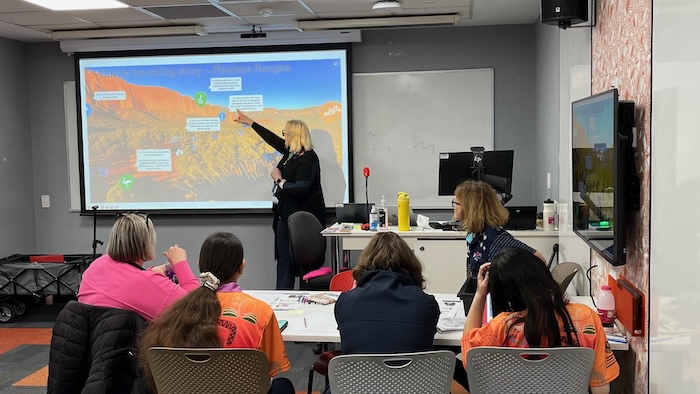
CSER Team delivering a workshop at Adelaide University

Working with local education organisations, we will support young people to develop a foundational understanding of AI technologies, their social and ethical implications, and the role that AI can play in their lives.

AI literacy across the world through Experience AI

AI systems are a common part of everyday life and influence how we access information, and how we work and solve problems. We believe that young people need more than the ability to use AI tools: they need the knowledge, skills, and confidence to understand how AI technology works, to think critically about its impact, and to create AI-based solutions of their own. 

Experience AI is our free educational programme co-developed with Google DeepMind that helps teachers and students learn about artificial intelligence. Through the Experience AI training, lessons, classroom resources, and hands-on activities, teachers introduce young people to how AI systems work, how they can be used, and what their impacts may be.
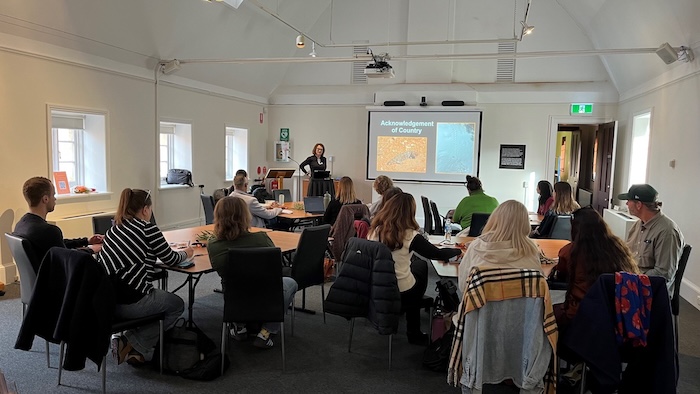
CSER Team example of teacher workshop 2026

We bring AI literacy to young people across the world with Experience AI by building trusted partnerships with local organisations that lead sustainable delivery of the programme in ways that suit their contexts. Through this global network of Experience AI partners, we have trained over 50,000 educators who can reach an estimated 4.8m young people. Today, Experience AI resources are used in over 195 countries and available in 22 languages. In recognition of its global impact, Experience AI was named a laureate of the 2025 UNESCO King Hamad Bin Isa Al-Khalifa Prize for the Use of ICT in Education.

Experience AI partnerships in Australia and Aotearoa New Zealand

In Australia, the first partner we are working with is the Computer Science Education Research Group (CSER), based at Adelaide University. Professor Katrina Falkner, the university’s Pro-Vice-Chancellor, Learning and Teaching, says about the partnership:

“We are thrilled to partner with the Raspberry Pi Foundation to bring the Experience AI programme to Australian schools. It is so important that teachers are provided opportunities to understand AI so they can help students develop the self-regulated learning skills needed to thrive in a world where AI is increasingly part of everyday learning and work. Educators can play a critical role in ensuring that a human lens of critical thinking, ethical judgement, creativity, and meaningful human connection remain at the heart of AI education and adoption, preparing students for careers where effective collaboration with AI tools will be essential.”

In Aotearoa New Zealand, we are working with Tōnui Collab Charitable Trust, a Maōri-led organisation dedicated to creating innovative STEM learning opportunities.
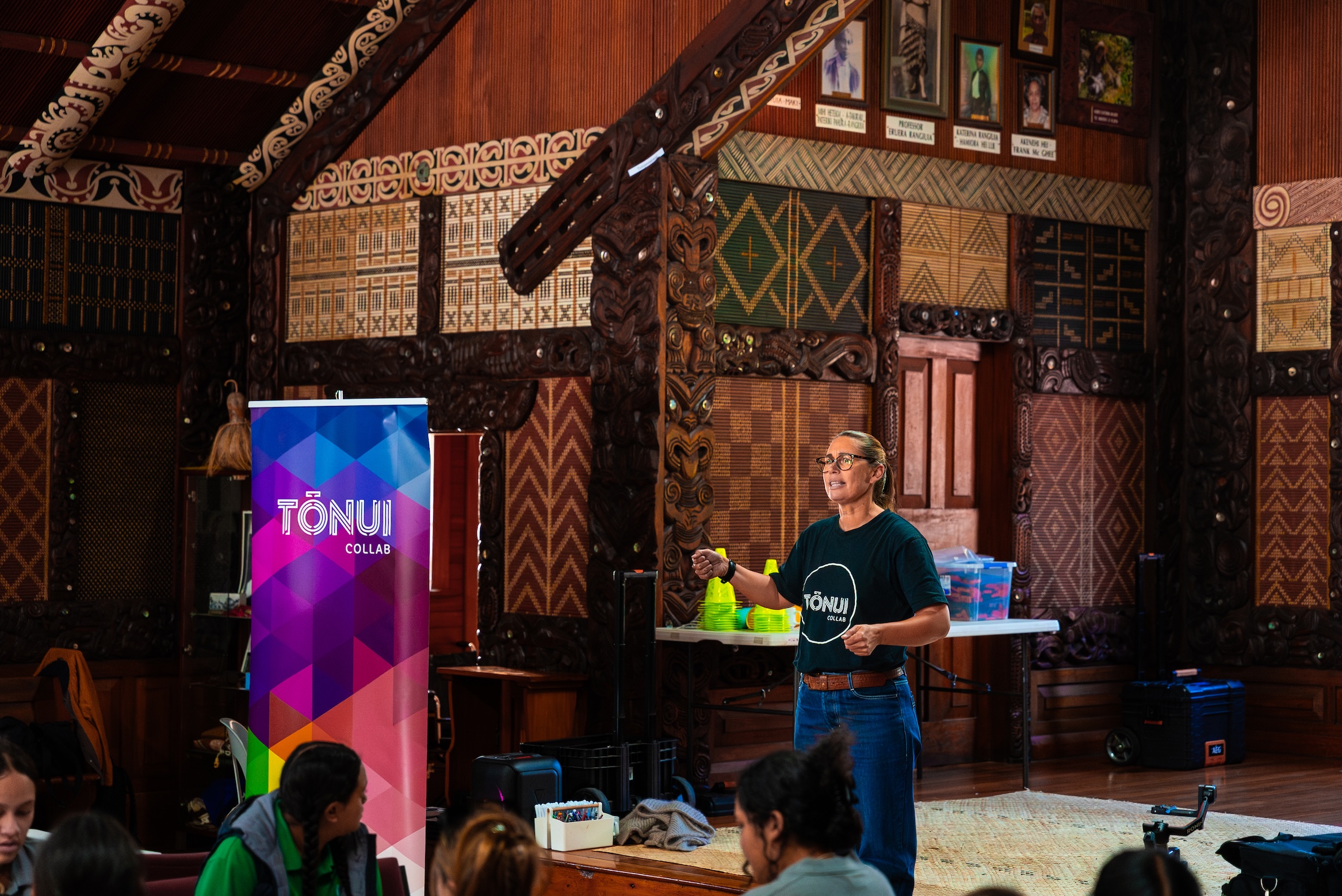
Collaboration with Tonui

Shanon O’Connor, Director of Tōnui Collab, says about the partnership (1):

“We are partnering with the Raspberry Pi Foundation to provide this kaupapa to educators in Aotearoa, adapting and contextualising their global Experience AI program to make it meaningful and relevant in Aotearoa.

This kaupapa isn’t about learning to code; it’s not a kaupapa designed solely for the ‘tech enthusiasts’, it’s about fostering digital equity, ensuring rangatahi have the tools and knowledge to thrive in a world increasingly shaped by technology. It’s our attempt to ensure the digital divide doesn’t become a digital chasm. 

We’re also facilitating robust conversations about data bias and the impact this has on the ways we as Māori engage with AI-powered technologies, creating space for kōrero about tech tikanga and our collective responsibilities when using or engaging with AI-powered technologies.”

Looking ahead

All young people need opportunities to develop the skills, knowledge, and confidence to navigate and shape a world where AI technologies are widely used. With support from Google.org and education partners across Aotearoa New Zealand, Australia, we will continue to expand access to high-quality AI education.

Find out more about Experience AI at experience-ai.org


(1) Shanon uses some Māori words that are common in Aotearoa New Zealand for both speakers and non-speakers of reo Māori:

  • kaupapa: the guiding purpose, philosophy, or approach underpinning the work
  • rangatahi: younger generation, youth
  • “kōrero about tech tikanga”: having discussions about the correct protocols, ethics, and practices for engaging with technology

The post Supporting AI education for 150,000 learners in Aotearoa New Zealand and Australia appeared first on Raspberry Pi Foundation.
Experience AI: Reaching millions of young people with AI literacy

Post Syndicated from Anna Burton original https://www.raspberrypi.org/blog/experience-ai-reaching-millions-of-young-people-with-ai-literacy/

AI is shaping the world young people are growing up in, and understanding how it works, as well as its benefits and risks, is now essential.

That’s the goal of Experience AI, our global education programme created in collaboration with Google DeepMind. Today, as we celebrate three years of the programme, we’re sharing our latest impact report, highlighting how the programme is helping educators and young people around the world build the knowledge and confidence to engage with AI critically and responsibly.

From tens of thousands of educators to millions of learners

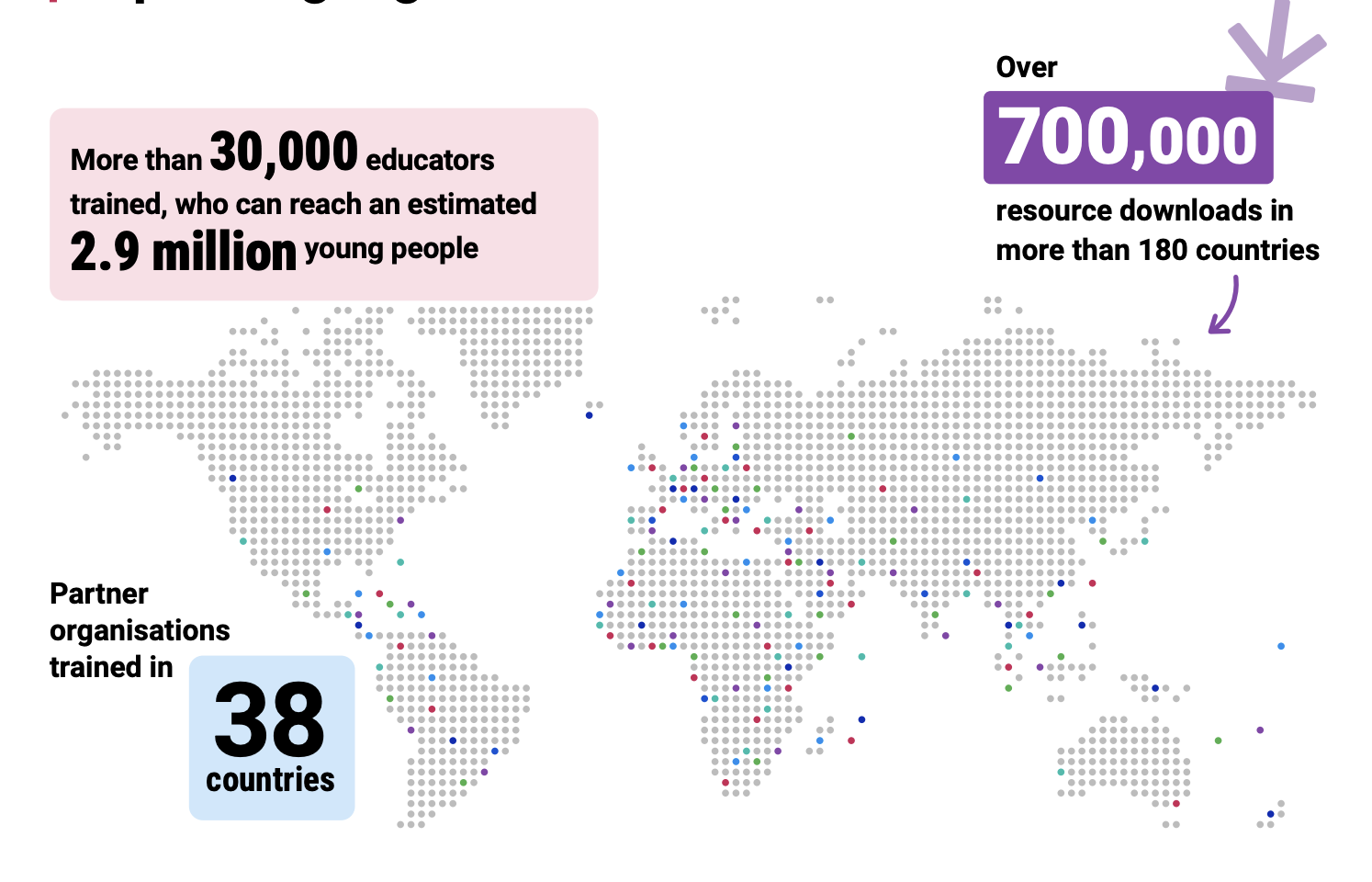
Since launching 3 years ago in April 2023, Experience AI has grown into a truly global initiative:

  • More than 30,000 educators trained, who can reach an estimated 2.9 million young people
  • Over 700,000 resource downloads across 180+ countries
  • A network of partners in 38 countries
  • Resources available in 19 languages
Infographic

These numbers reflect the growing global demand for AI literacy teaching, and the power of partnerships to meet that need.

But the real impact is what happens in classrooms.

From “AI is complicated” to confident teaching

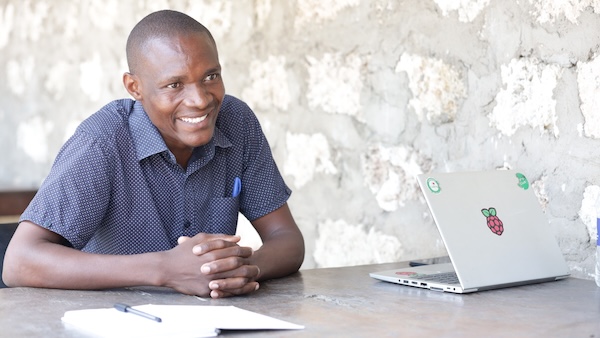
For John Pierce, a teacher at Mwingo Academy Primary School in Kenya, AI once felt out of reach. “I thought that AI was complicated — maybe a puzzle”

John Pierce, a teacher at Mwingo Academy Primary School in Kenya

After taking part in Experience AI training, John’s perspective shifted. With structured lessons and ready-to-use resources, he now helps his students see AI as something they can understand and engage with.

“My learners are really enjoying the lessons… They keep asking, ‘Teacher, when are you having computer classes?’”

John’s experience reflects what we see across the programme: when teachers feel confident, students become curious, engaged, and motivated to learn more, often continuing those conversations beyond the classroom.

Building confidence, not just knowledge

A core focus of Experience AI is supporting educators, many of whom are new to teaching AI concepts. Our evaluation shows this approach is working:

  • 93% of educators say the training increased their knowledge of AI concepts
  • 87% report increased confidence in teaching AI

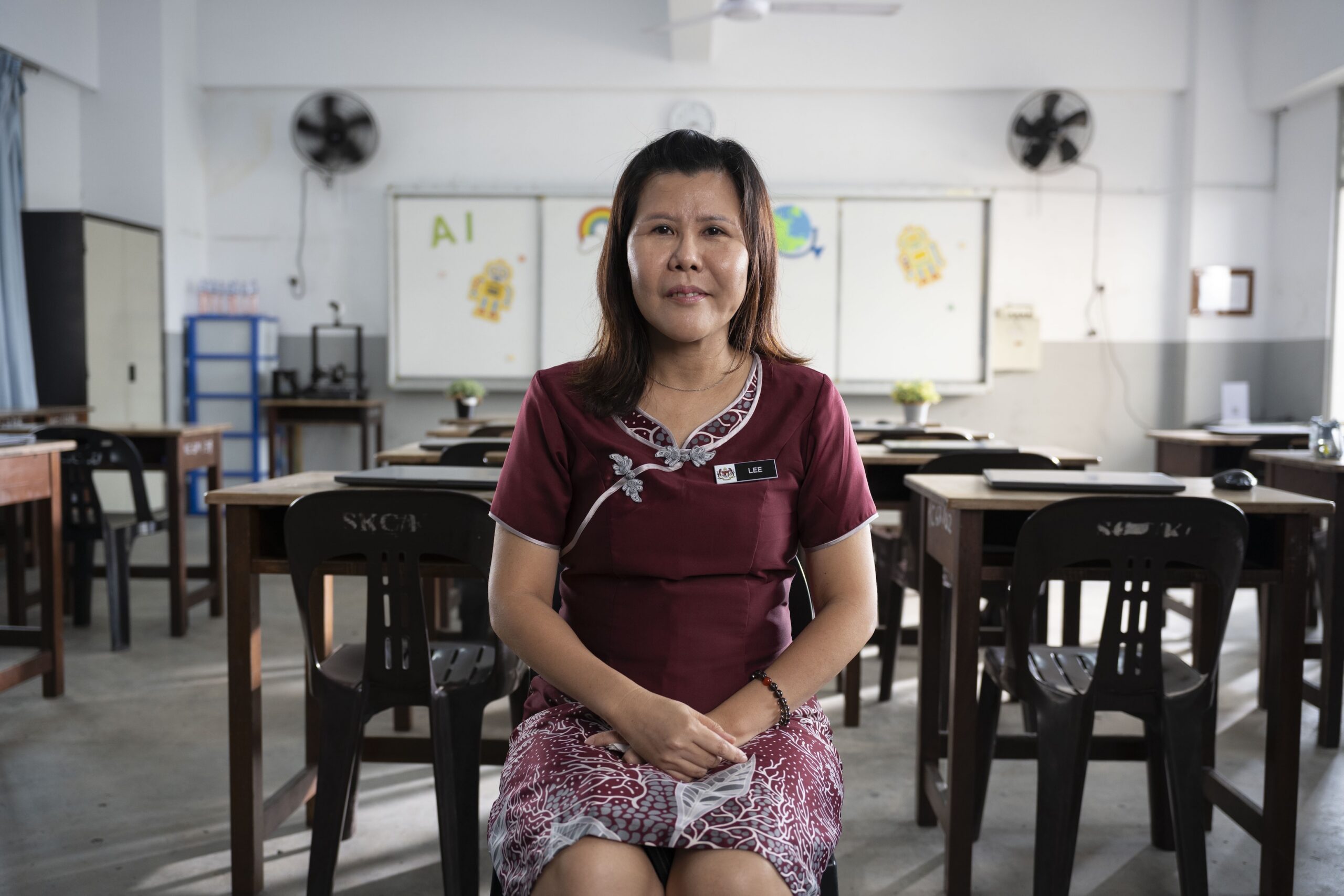
In Malaysia, educator Lee Siew Ling had previously struggled to explain AI concepts clearly. “Before this, I just shared simple examples… It was too hard to explain the concepts clearly to my students.”

Lee Siew Ling, educator in Malaysia

With Experience AI resources, that changed. “The materials make it easier to teach AI… After using them, I became more confident to guide my students.”

By reducing preparation time and providing clear, structured lessons, the programme enables teachers to focus on what matters most: supporting their students’ learning.

Helping young people understand, and question, AI

The impact extends directly to learners. Across classrooms worldwide:

  • 89% of students say they better understand what AI and machine learning are
  • 87% say they better understand the benefits and risks of AI

This is critical. AI literacy isn’t just about using technology, it’s about understanding how it works, questioning it, and recognising its societal impact.

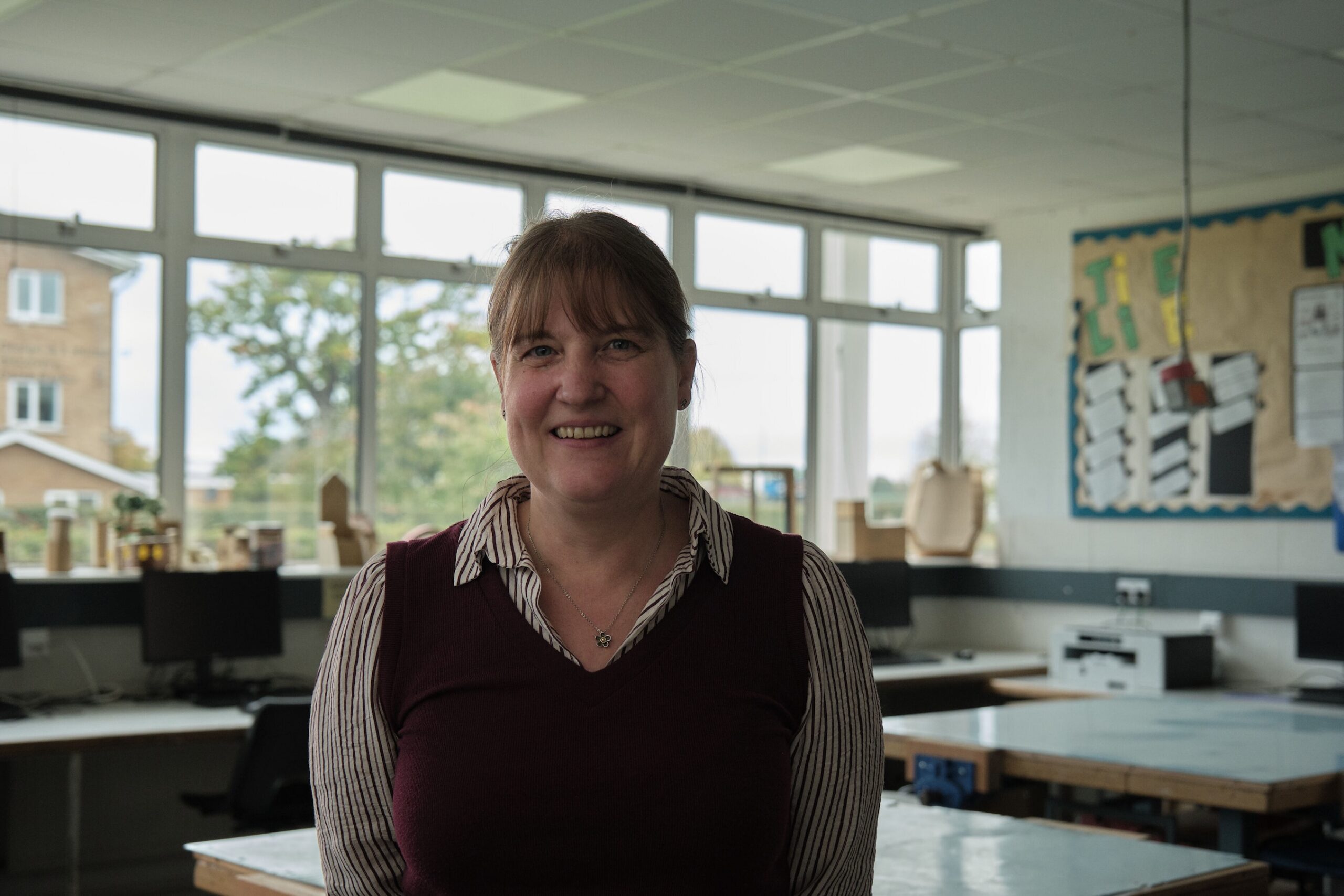
Kim Williams, Head of Computing, at Wymondham College in the UK

At Wymondham College in the UK, Head of Computing, Kim Williams highlights the value of having trusted, research-informed resources: “Experience AI gave us a real structure to follow… It helps us deal with misconceptions and gives students the right messages.”

Through these lessons, students are not just learning about AI, they are developing the critical thinking skills they need to navigate a world shaped by it.

A global effort to democratise AI education

Experience AI’s reach is only possible through collaboration. Working with partners around the world, we localise content to make it relevant to different cultures and contexts, ensuring that AI education is not only accessible, but meaningful.

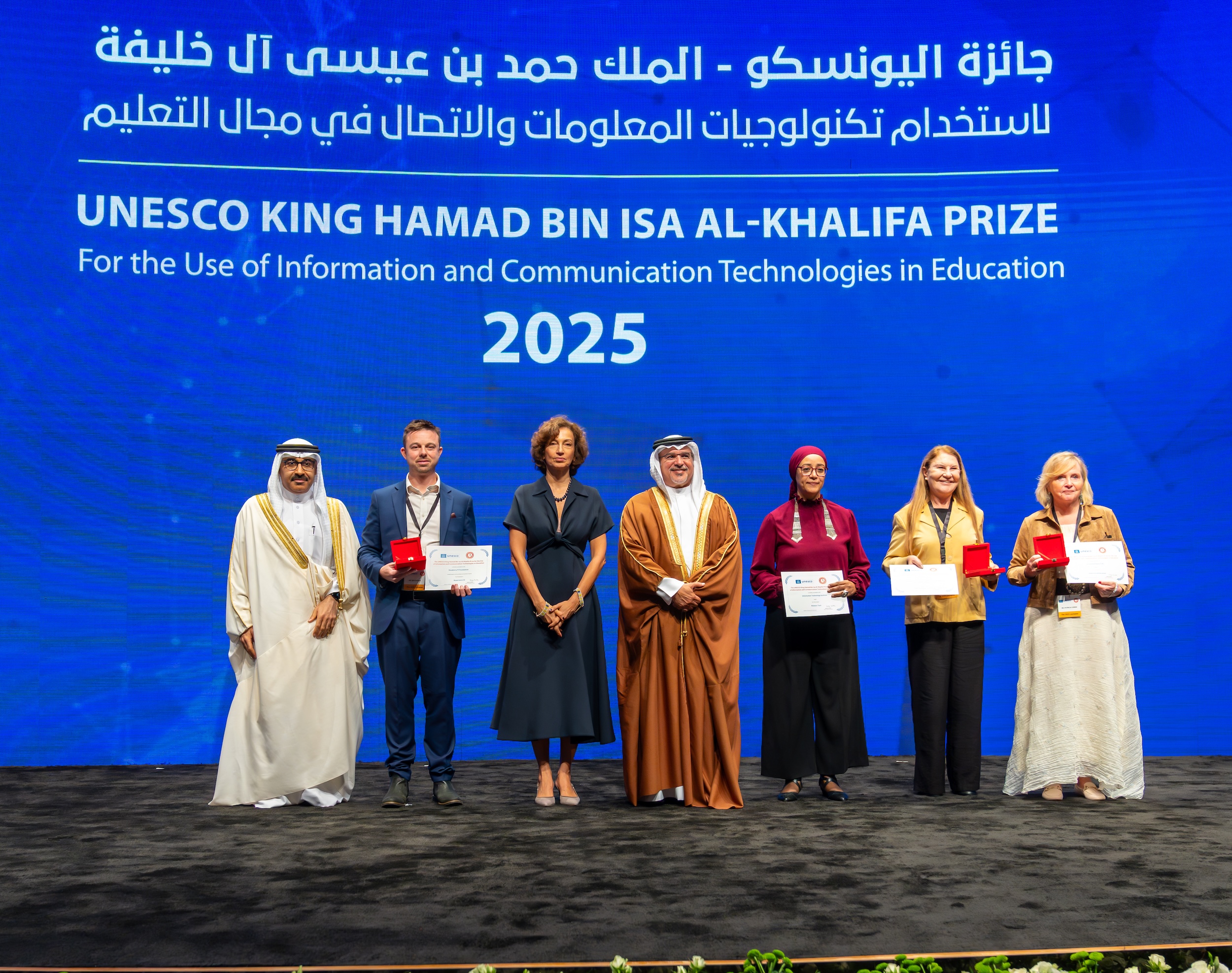
At the award ceremony of the 2025 UNESCO King Hamad Bin Isa Al-Khalifa Prize. © Government of the Kingdom of Bahrain

This work has also been recognised globally. In 2025, Experience AI was named a laureate of the UNESCO King Hamad Bin Isa Al-Khalifa Prize for the Use of ICT in Education, highlighting its strong ethical foundations and international impact.

Looking ahead

We’re continuing to expand and evolve the programme, updating resources, developing new materials for different age groups, and growing our global partner network.

By the end of 2026, we expect to reach over 45,000 educators who can reach an estimated 4.4 million young people.

Because the challenge is clear: AI literacy should not be limited to a few. Every young person deserves the opportunity to understand and shape the technologies influencing their future.

Read the full Experience AI impact report to explore the data, stories, and insights behind this work. rpf.io/expai-impact

The post Experience AI: Reaching millions of young people with AI literacy appeared first on Raspberry Pi Foundation.
Bringing AI education to 1.25 million students across Latin America

Post Syndicated from Anna Burton original https://www.raspberrypi.org/blog/bringing-ai-education-to-1-25-million-students-across-latin-america/

We’re excited to share that we are expanding our Experience AI programme across Latin America with the aim of training 24,000 educators and reaching 1.25 million students by 2028, thanks to generous funding of $4.6 million from Google.org.

Working with education partners across Argentina, Brazil, Chile, Colombia, Dominican Republic, El Salvador, Mexico, Peru, and Uruguay, we will help young people develop a foundational understanding of AI technologies, their social and ethical implications, and the role that AI can play in their lives.

AI literacy across the globe

AI systems are part of everyday life in how we find information, work, and solve problems. We think that young people need more than access to AI tools: they need the knowledge, skills, and confidence to understand and create their own AI tools.

Experience AI, developed in partnership with Google DeepMind, is a free educational programme that helps teachers and students learn about artificial intelligence (AI). It introduces young people to how AI systems work and how they are used in everyday contexts through lessons, classroom resources, and hands-on activities. The resources give young people opportunities to think critically about the role of AI in society.

The winners of the 2025 UNESCO King Hamad Bin Isa Al-Khalifa Prize.
The winners of the 2025 UNESCO King Hamad Bin Isa Al-Khalifa Prize. © Government of the Kingdom of Bahrain

Through a global network of Experience AI partners, we have so far reached an estimated 2.9m young people and trained 30,000 educators. The programme’s resources are used in more than 180 countries and are available in 19 languages. In recognition of its impact, Experience AI was named a laureate of the 2025 UNESCO King Hamad Bin Isa Al-Khalifa Prize for the Use of ICT in Education.

Impact through partnerships

In Latin America, as in other parts of the Experience AI network, our focus will be on sustainable, locally led delivery through partner organisations. Using our established ‘train-the-trainer’ model, we will equip 24,000 educators with the skills and knowledge to use the Experience AI resources to confidently deliver AI literacy lessons. 

Educators at a workshop

Our aim is to create a lasting impact for teachers and classrooms across the region and ensure that high-quality AI education is accessible to young people in a wide range of settings.

Supporting critical thinking

Experience AI is designed not only to build technical understanding, but also to help young people think critically about AI and its impacts.

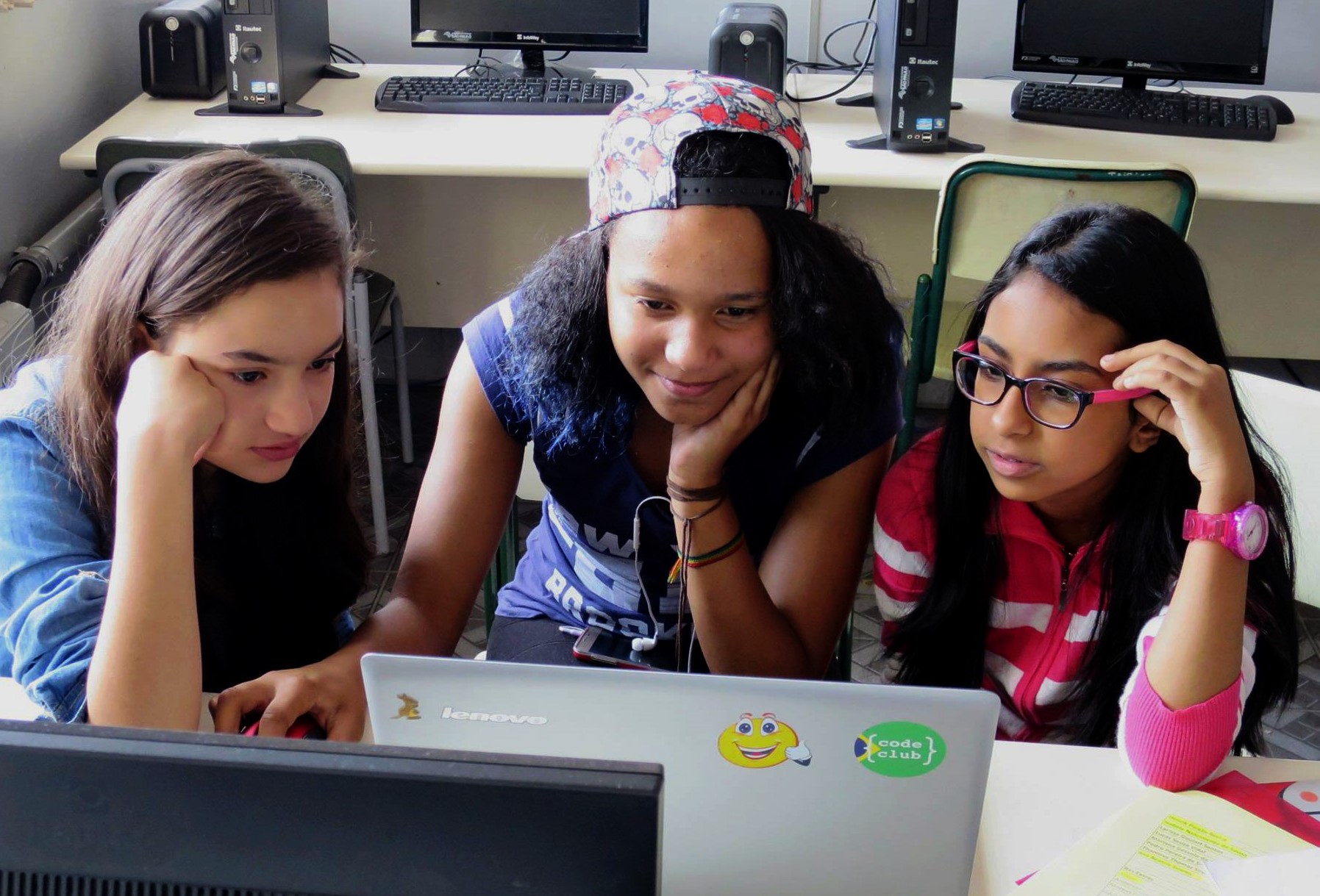
Three teenage girls at a laptop.

Through the programme, students across Latin America will develop a foundational understanding of how AI works, while exploring key topics including how data is used in AI systems, how to identify AI-generated misinformation, and how to use generative AI tools responsibly. This will help them to understand the opportunities and challenges of AI, and to make informed decisions about how they use these technologies.

Looking ahead

As AI systems are being built into many aspects of today’s world, it’s essential that young people have the opportunity to understand, question, and build with these technologies.

With support from Google.org, we will expand access to high-quality AI education across Latin America through Experience AI, helping over a million young people develop the skills, knowledge, and confidence to navigate and shape a world where AI technologies are widely used.

You can find out more about Experience AI at experience-ai.org.

The post Bringing AI education to 1.25 million students across Latin America appeared first on Raspberry Pi Foundation.