Tag Archives: impact of tech

Three ways to help students learn about the impact of technology

Post Syndicated from Sway Grantham original https://www.raspberrypi.org/blog/three-ways-to-help-students-learn-about-the-impact-of-technology/

As adults, it’s easy for us to see the impact technology has had on society and on our lives. Yet when I tell pupils that, within my lifetime, it wasn’t always illegal to hold your mobile phone to your ear and have a call while driving, they are horrified. They are living in the now and don’t yet have the perspective to allow them to see the change that has happened. 
With the greater understanding we now have of technology and its impact, we can better learn from previous mistakes, make decisions around ethical behaviour (such as whether to use a phone while driving), and critically engage in real-world issues. 

As teachers, allocating some time to this topic throughout the year can seem challenging, but by implementing a few small changes, the benefits might be more than you imagine. Here are three ways you can help your students explore the impact of technology.

1. Change the format of your lessons by stepping away from devices 

As teachers know, some computing lessons work best when students don’t use devices, whether it’s a matter of students designing programs before starting to code them, drawing  maps of their school network, or discussing the implications of bias in AI training models. It’s important that learners recognise that computers are tools — sometimes they allow us to do and achieve great things, but sometimes there are other approaches that are more suitable. 
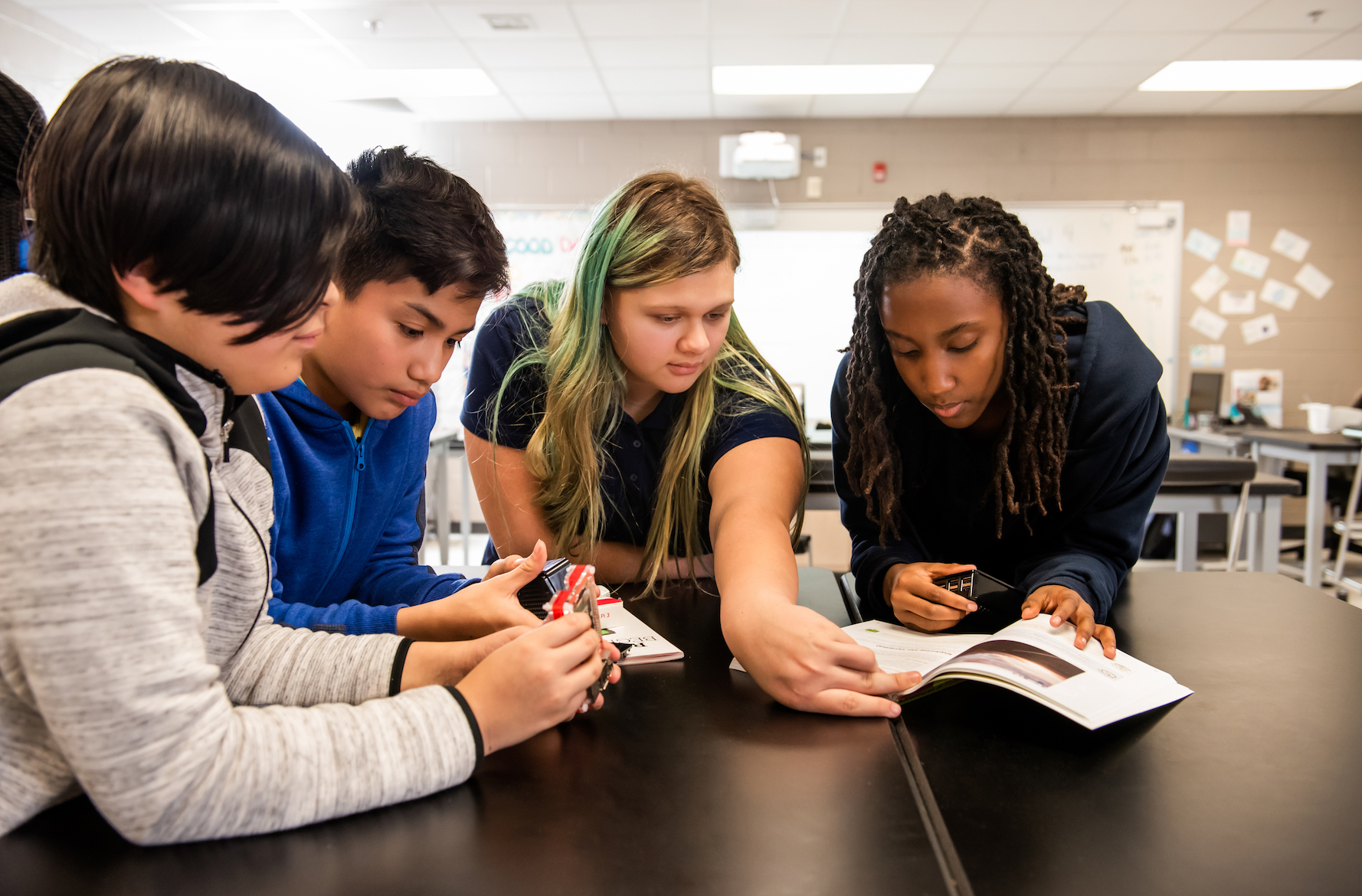
A group of young people investigate computer hardware together.

Spending time discussing the impact of technology can help learners decide for themselves when technology is an asset, and when it is a burden. Another advantage of changing the format of your computing lessons away from device usage is that they may appeal to a wider range of students. While some students may not be interested in using technology, they may enjoy debating ethics, discussing world events, or finding solutions to real-world problems — all of which can take centre stage in a more discussion-focused computing lesson.     

This approach can also demonstrate to your class that lots of different skill sets are needed in the computing industry, and inspire your learners to consider career paths they might have otherwise dismissed. In addition, open, discussion-based lessons can give your learners food for thought, encouraging them to approach tasks in subsequent lessons with a greater appreciation of broader issues — whether they’re designing a program, deciding what features to build into a website, or how to structure a database. 

2. Connect your lessons to real-world events

Young people exist in an interesting space when it comes to world events. Even if they’re not engaged in current affairs, they’ll probably still encounter a lot of content about what’s happening in the world. They may see snippets of news footage on television, hear adults talking about a big event, or — with so much of their lives now happening online — stumble across trending stories and associated opinions while using social media, apps, and websites.  
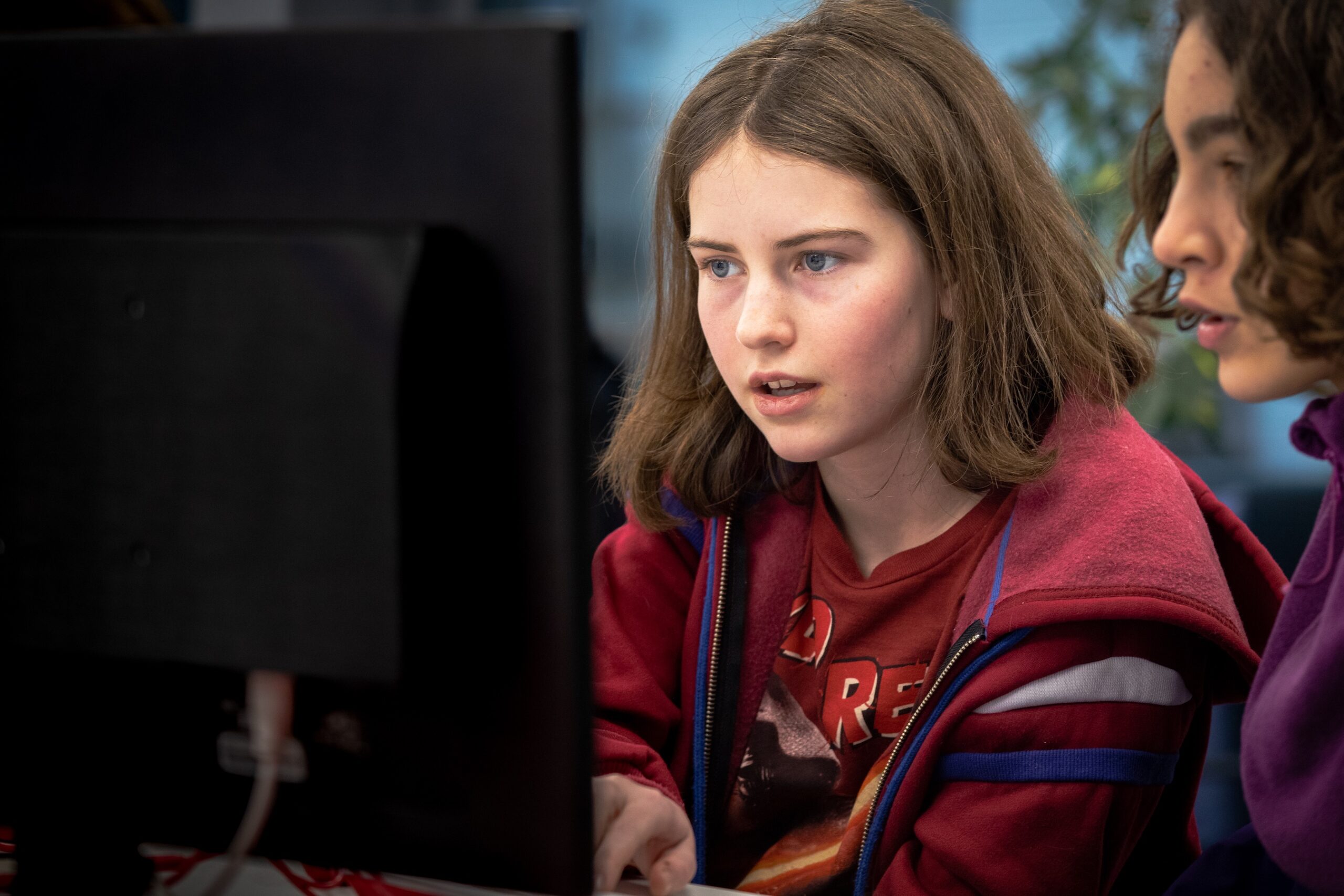
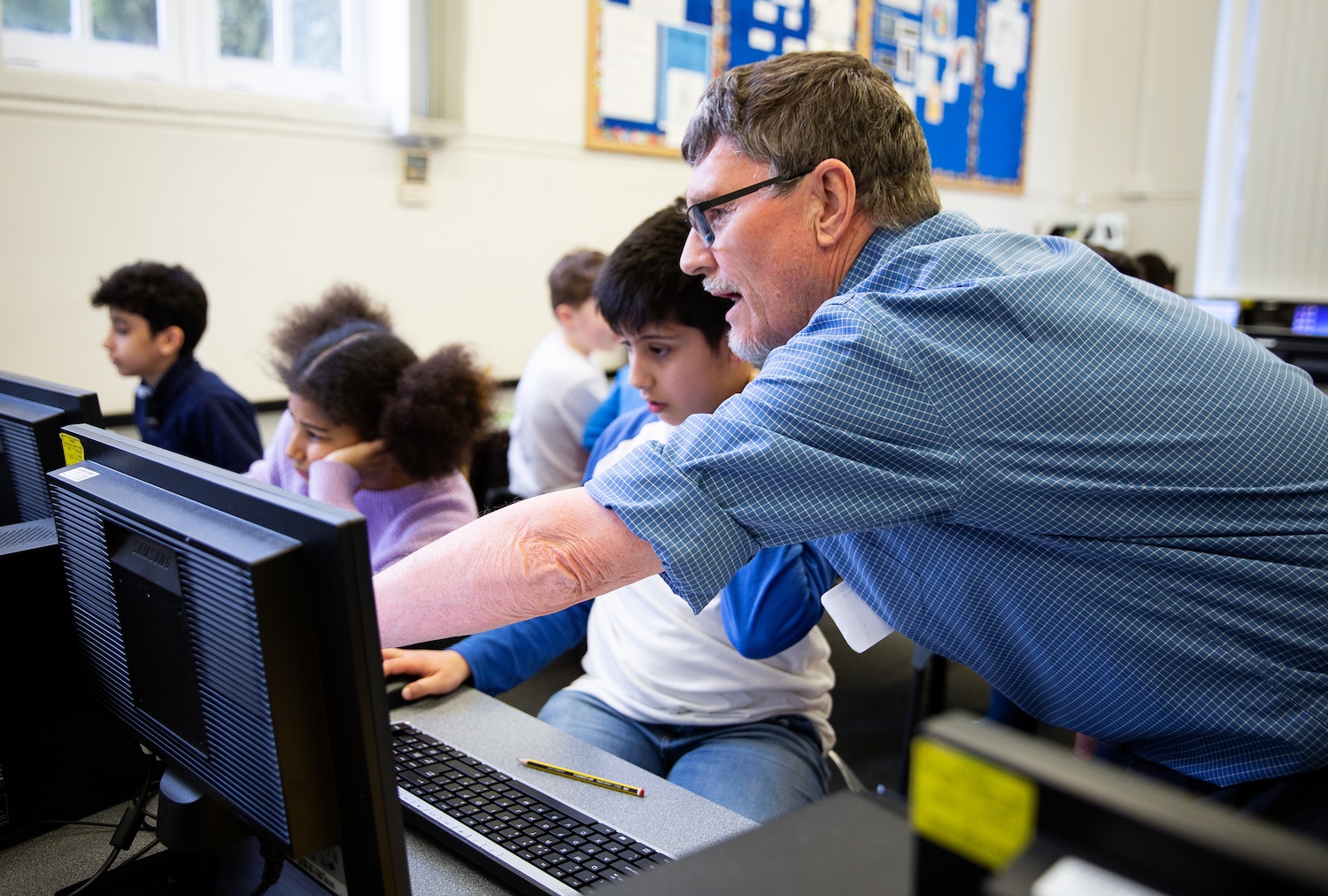
Close up of two young people working at a computer.

Young people will often try to make sense of all these bits of information, filling in the blanks. The problem is that if we don’t talk to young people about what they’re hearing, they may fill in the blanks incorrectly. Before you know it, they might be anxious that artificial intelligence will take over the world, or that adults hate TikTok for no reason. 

It’s important to equip young people with the skills to think about real-world events — and developments related to technology — critically and calmly. 

Headlines such as “Why the USA is banning TikTok” or self-help articles with titles like “Why muting people on social media will change your life” could make brilliant focus points for a lesson or activity about the impact of technology. Discussing these kinds of headlines and articles can help your learners consider their own opinions, apply what they know about how technology works, and gain a sense of grounding in our often turbulent world. 

By encouraging your learners to articulate what they know and apply it to real-world situations, you’ll enrich their computing education while also nurturing responsible digital citizens.  

3. Encourage students to have difficult conversations

The role of a computing teacher is often broad. Beyond curriculum and teaching responsibilities, it will usually involve providing tech support (changing ink in printers, for instance) and dealing with safeguarding incidents that have happened between pupils at the weekend. 

Safeguarding is a key part of teaching. Effective safeguarding should include teaching your learners about what to do in difficult scenarios, like when a WhatsApp group goes awry, when an image is shared on social media when it shouldn’t have been, or when a game becomes popular that your learners aren’t old enough to play. 
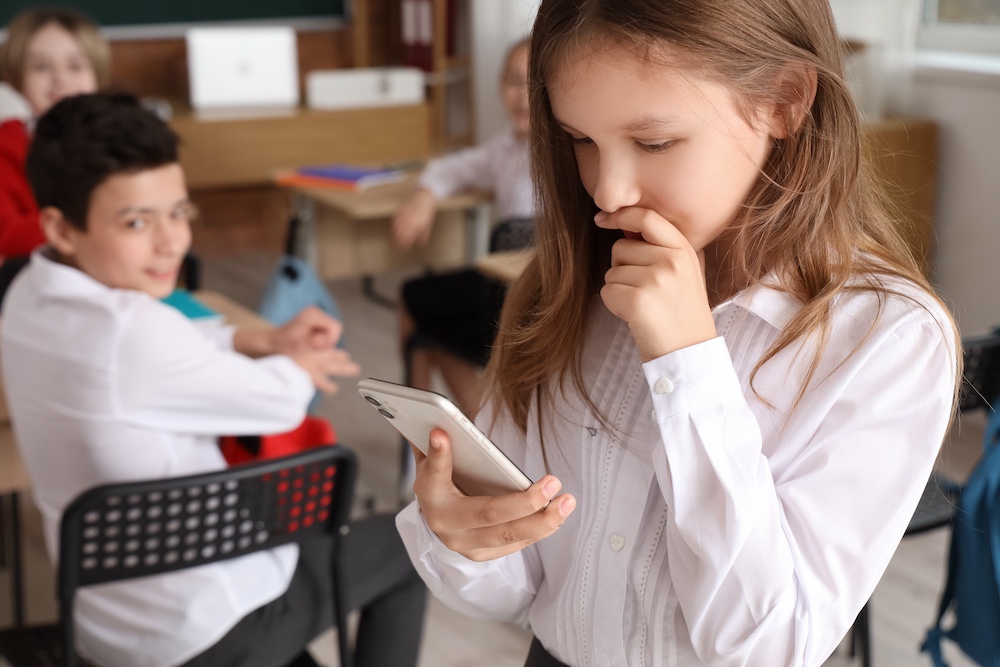
Computing teachers often have to be prepared with a lesson to deal with safeguarding incidents, such as a WhatsApp group gone awry.

Each of these scenarios is an example of technology’s impact on our lives. It’s important that your learners know how to deal with these scenarios and can have different opinions while talking and listening to each other. Also, if your learners can do these things, it will make things easier in the future if you need to talk to a particular learner about something inappropriate they’ve done.  

By encouraging your learners to have difficult conversations, you’ll practise how to navigate the tension between legality, rules from home, and best-practice advice from external sources. You’ll also have lessons that you can refer back to: “Remember when we were discussing the TikTok ban? How might some of those conversations relate to this situation? What about when we discussed when to block people on games or on social media? Would that be appropriate here?” 

Raising awareness that the impact of technology can enrich lessons

Technology is going to continue to impact the lives of the pupils we work with, whether they can recognise that or not. Increasing their awareness of the impact technology is having, in both positive and negative ways, will enrich your lessons, show that content is relevant to your learners, and help protect them when they have to make their own critical decisions. 

There are suggestions in this article to use with learners of all ages, but if you want more support on how to teach the topic with older learners, we have an online course for educators (helloworld.cc/impactoftech) and a unit of work for 14-year-olds (helloworld.cc/ks4impact).

A version of this article also appears in Hello World issue 24.

The post Three ways to help students learn about the impact of technology appeared first on Raspberry Pi Foundation.


Green information technology and classroom discussions

Post Syndicated from Gemma Coleman original https://www.raspberrypi.org/blog/green-information-technology-climate-change-data-centre-e-waste-hello-world/

The global IT industry generates as much CO2 as the aviation industry. In Hello World issue 17, we learn about the hidden impact of our IT use and the changes we can make from Beverly Clarke, national community manager for Computing at School and author of Computer Science Teacher: Insight Into the Computing Classroom.

With the onset of the pandemic, the world seemed to shut down. Flights were grounded, fewer people were commuting, and companies and individuals increased their use of technology for work and communication. On the surface, this seemed like a positive time for the environment. However, I soon found myself wondering about the impact that this increased use of technology would have on our planet, in particular the increases in energy consumption and e-waste. This is a major social, moral, and ethical issue that is hiding in plain sight — green IT is big news.

This is a major social, moral, and ethical issue that is hiding in plain sight — green IT is big news.

Energy and data centres

Thinking that online is always better for the planet is not always as straightforward as it seems. If we choose to meet via conference call rather than travelling to a meeting, there are hidden environmental impacts to consider. If there are 50 people on a call from across the globe, all of the data generated is being routed around the world through data centres, and a lot of energy is being used. If all of those people are also using video, that is even more energy than audio only.

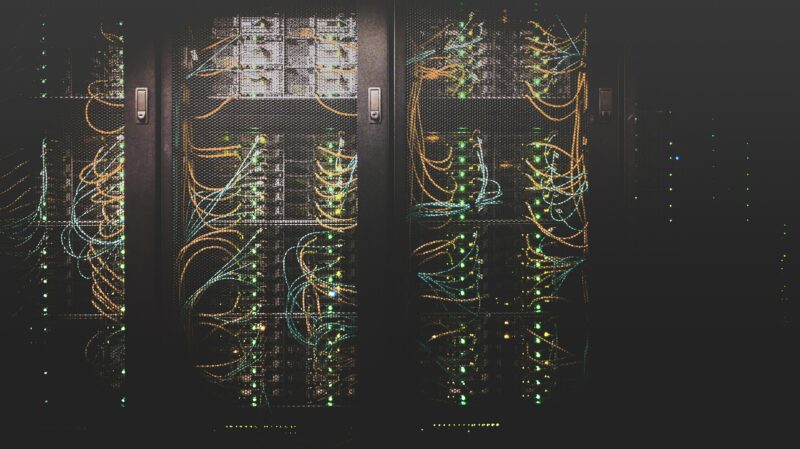
Stacks of server hardware behind metal fencing in a data centre.
Data centres consume a lot of energy — and how is that energy generated?

Not only is the amount of energy being used a concern, but we must also ask ourselves how these data centres are being powered. Is the energy they are using coming from a renewable source? If not, we may be replacing one environmental problem with another.

What about other areas of our lives, such as taking photos or filming videos? These two activities have probably increased as we have been separated from family and friends. They use energy, especially when the image or video is then shared with others around the world and consequently routed through data centres. A large amount of energy is being used, and more is used the further the image travels.

Not only is the amount of energy being used a concern, but we must also ask ourselves how these data centres are being powered.

Similarly, consider social media and the number of posts individuals and companies make on a daily basis. All of these are travelling through data centres and using energy, yet for the most part this is not visible to the user.

E-waste

E-waste is another green IT issue, and one that will only get worse as we rely on electronic devices more. As well as the potential eyesore of mountains of e-waste, there is also the impact upon the planet of mining the precious metals used in these electronics, such as gold, copper, aluminium, and steel.

A hand holding two smartphones.
In their marketing, device manufacturers and mobile network carriers make us see the phones we currently own in a negative light so that we feel the need to upgrade to the newest model.

The processes used to mine these metals lead to pollution, and we should also consider that some of the precious metals used in our devices could run out, as there is not an endless supply in the Earth’s surface.

It is also problematic that a lot of e-waste is sent to developing countries with limited recycling plants […].

It is also problematic that a lot of e-waste is sent to developing countries with limited recycling plants, and so much of the e-waste ends up in landfill. This can lead to toxic substances being leaked into the Earth’s surface.

First steps towards action

With my reflective hat on, I started to think about discussions we as teachers could have with pupils around this topic, and came up with the following:

  • Help learners to talk about the cloud and where it is located. We can remind them that the cloud is a physical entity. Show them images of data centres to help make this real, and allow them to appreciate where the data we generate every day goes.
  • Ask learners how many photos and videos they have on their devices, and where they think those items are stored. This can be extended to a year group or whole-school exercise so they can really appreciate the sheer amount of data being used and sent across the cloud, and how data centres fit with that energy consumption. I did this activity and found that I had 7163 photos and 304 videos on my phone — that’s using a lot of energy!
A classroom of students in North America.
Helping young people gain an understanding of the impact of our use of electronic devices is an important action you can take.
  • Ask learners to research any local data centres and find out how many data centres there are in the world. You could then develop this into a discussion, including language related to data centres such as sensors, storage devices, cabling, and infrastructure. This helps learners to connect the theory to real-world examples.
  • Ask learners to reflect upon how many devices they use that are connected to the Internet of Things.
  • Consider for ourselves and ask parents, family, and friends how our online usage has changed since before the pandemic.
  • Consider what happens to electronic devices when they are thrown away and become e-waste. Where does it all go? What is the effect of e-waste on communities and countries?

Tips for greener IT

UK-based educators can watch a recent episode of TV programme Dispatches that investigates the carbon footprint of the IT industry. You can add the following tips from the programme to your discussions:

  • Turn off electronic devices when not in use
  • Use audio only when on online calls
  • Dispose of your old devices responsibly
  • Look at company websites and see what their commitment is to green IT, and consider whether we should support companies whose commitment to the planet is poor
  • Use WiFi instead of 3G/4G/5G, as it uses less energy

These lists are not exhaustive, but provide a good starting point for discussions with learners. We should all play our small part in ensuring that we #RestoreOurEarth — this year’s Earth Day theme — and having an awareness and understanding of the impact of our use of electronic devices is part of the way forward.

Some resources on green IT — do you have others?

What about you? In the comments below, share your thoughts, tips, and resources on green IT and how we can bring awareness of it to our learners and young people at home.

The post Green information technology and classroom discussions appeared first on Raspberry Pi.