Tag Archives: Mission Zero

How did we build the new Astro Pi computers for the International Space Station?

Post Syndicated from Sam Duffy original https://www.raspberrypi.org/blog/building-new-astro-pi-units-international-space-station/

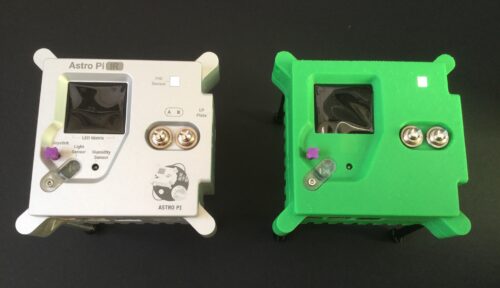
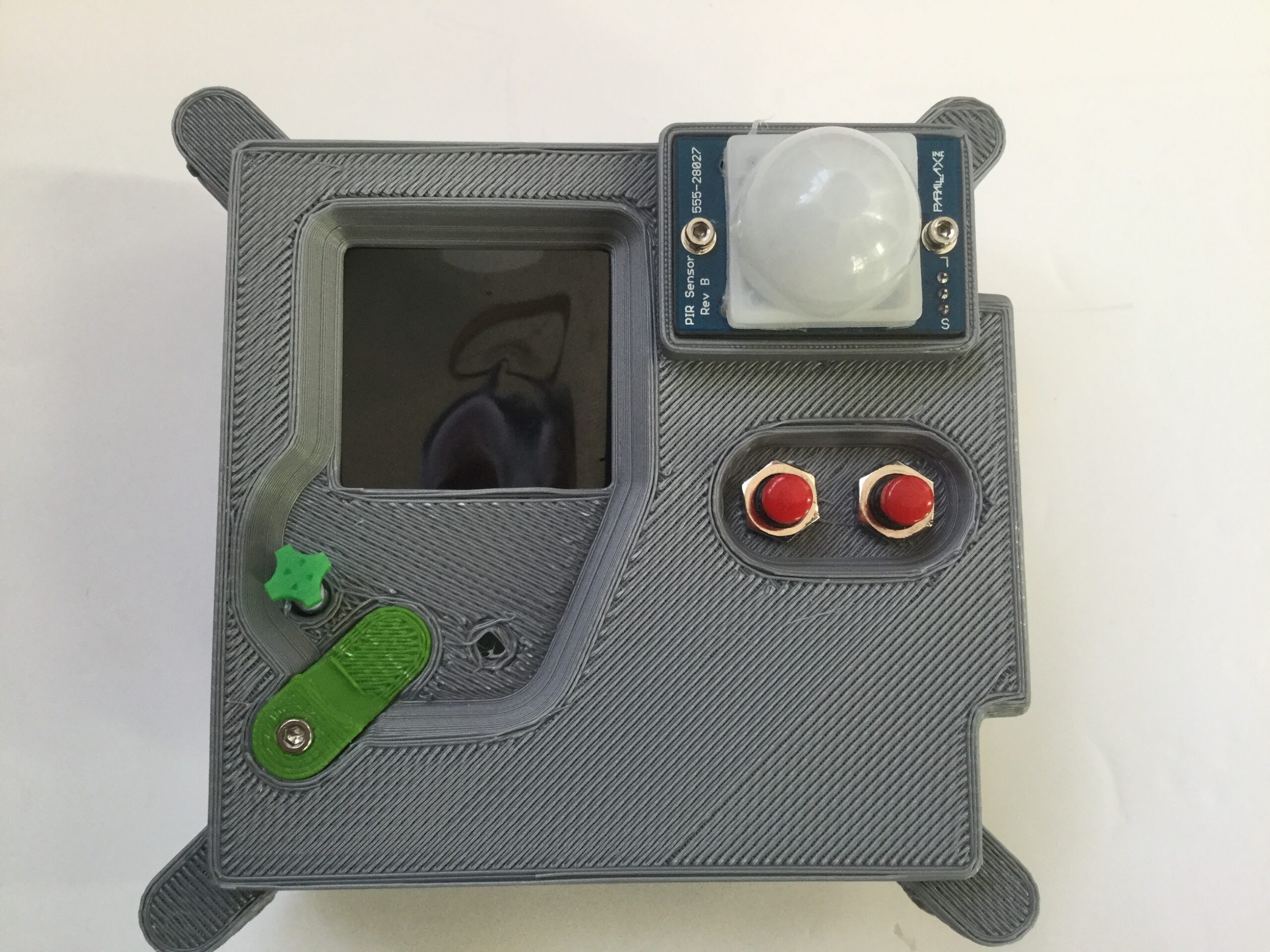
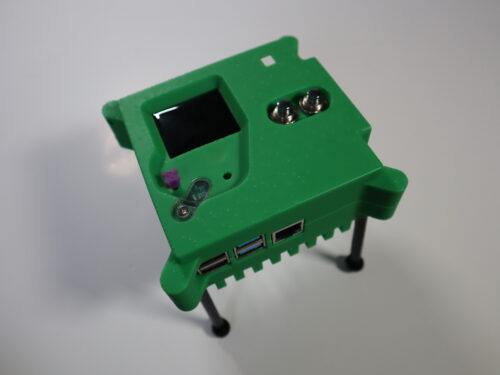
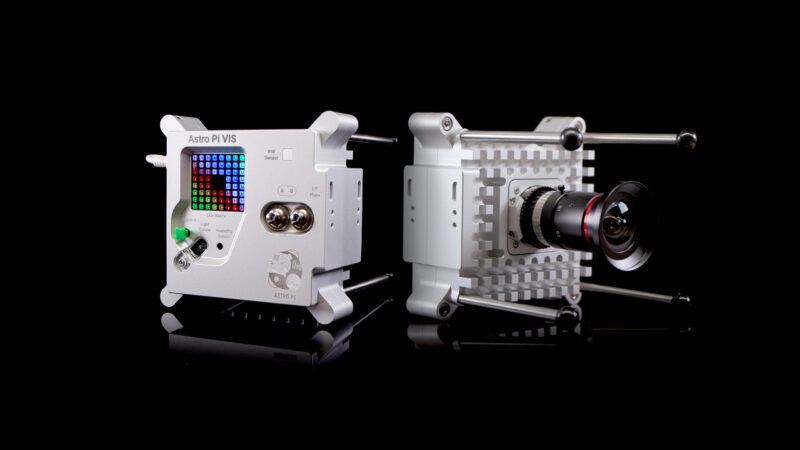
We are really excited that our two upgraded Astro Pi units have arrived on the International Space Station. Each unit contains the latest model of the Raspberry Pi computer, plus a Raspberry Pi High Quality Camera and a host of sensors on a custom Sense HAT, all housed inside a special flight case designed to keep everything cool and protected. Here is the story of how the Astro Pi units were built:

The upgraded Astro Pi units have been designed and built in collaboration with ESA Education, the European Space Agency’s education programme. The Astro Pis’ purpose is for young people to use them in the European Astro Pi Challenge. The film highlights the units’ exciting new features, such as a machine learning accelerator and new camera, which can capture high-quality images of Earth from space using both visible light and near-infrared light.

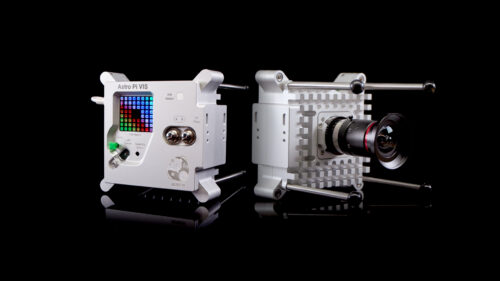
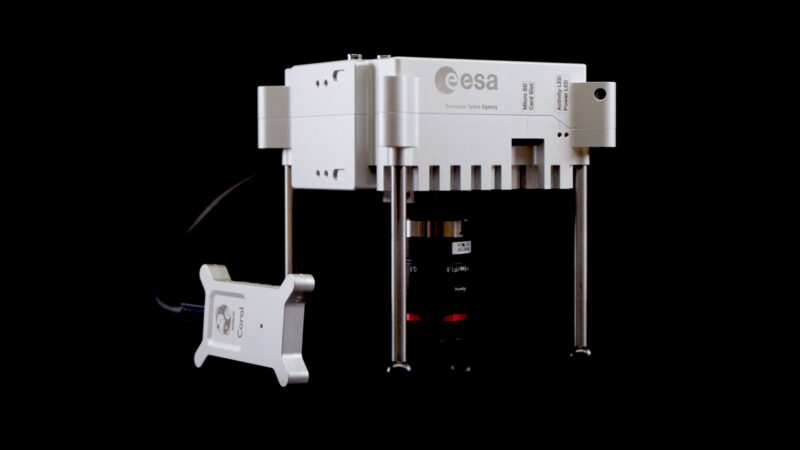
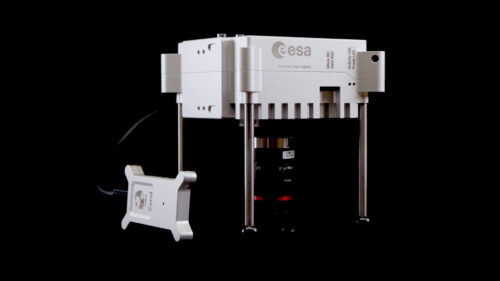
Astro Pi MK II hardware plus a Coral machine learning accelerator.
The new Astro Pi unit, with its camera and machine learning accelerator.

There’s an extended team behind the new hardware and software, not just us working at the Raspberry Pi Foundation and the European Space Agency.

“Thanks to our friends at ESA, and all the people who have shared their unique expertise and knowledge with us, […] we’ve managed to take two ordinary Raspberry Pi computers from the production line in Wales and see them end up on the International Space Station. It’s been a real privilege to get to work with such an amazing group of space professionals.”

– Richard Hayler, Senior Programme Manager and lead engineer of the Astro Pi units

The new Astro Pis are all ready to run young peoples’ computer programs as part of the European Astro Pi Challenge. The young people who successfully proposed experiments for the 2021/22 round of Astro Pi Mission Space Lab have just submitted their programs to us for testing. These programs will run the teams’ experiments on the new Astro Pis in May.

Your young people’s code in space

There is still time until 18 March to take part in the 2021/22 round of Astro Pi Mission Zero. Mission Zero is a beginners’ coding activity for all young people up to age 19 in ESA member and associate states. Mission Zero is free, can be completed online in an hour, and lets young people send their unique message to the astronauts on board the ISS.

Logo of Mission Zero, part of the European Astro Pi Challenge.

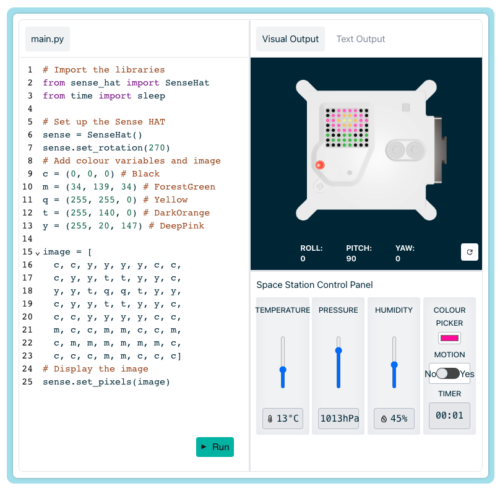
To take part, participants follow our step-by-step guide to write a simple Python program. Their program will display their message to the astronautsvia the Astro Pi’s LED display (complete with ‘sunglasses’). Parents or educators support the participants by signing up for a mentor code to submit the young people’s programs.

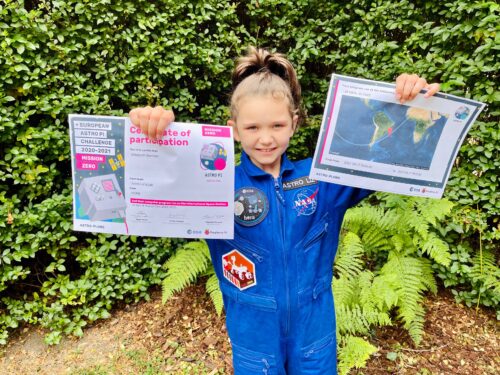
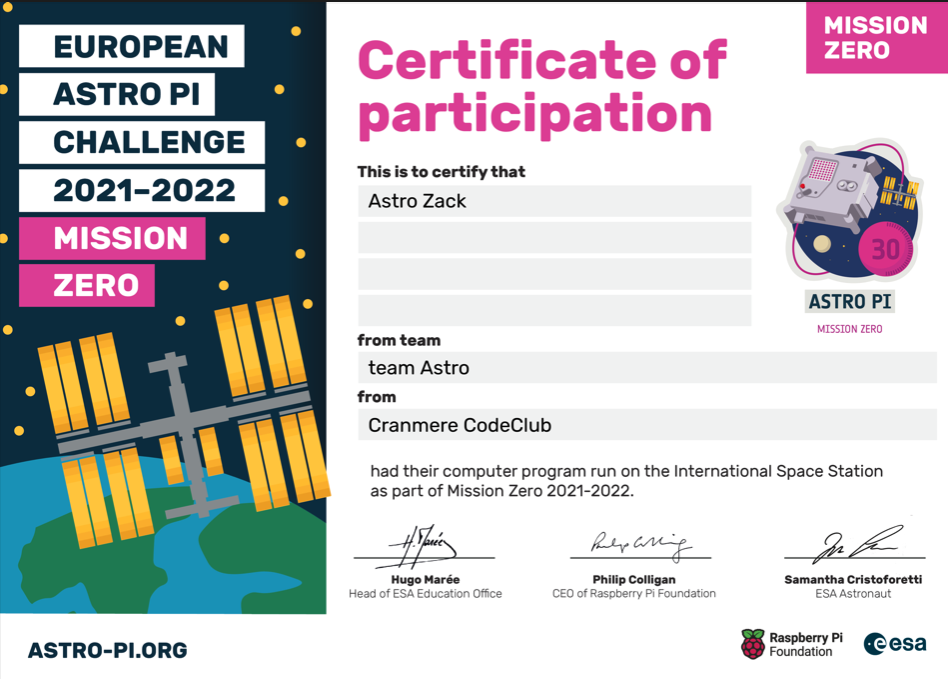
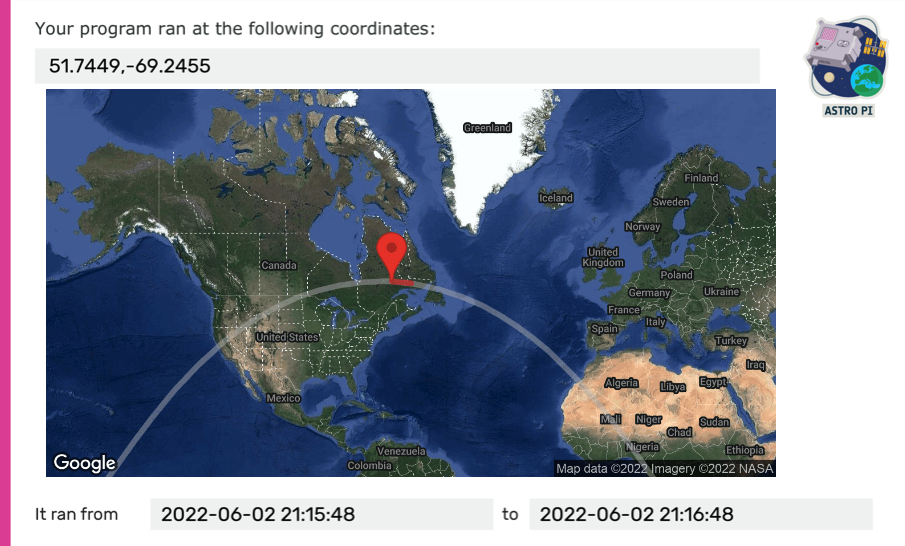
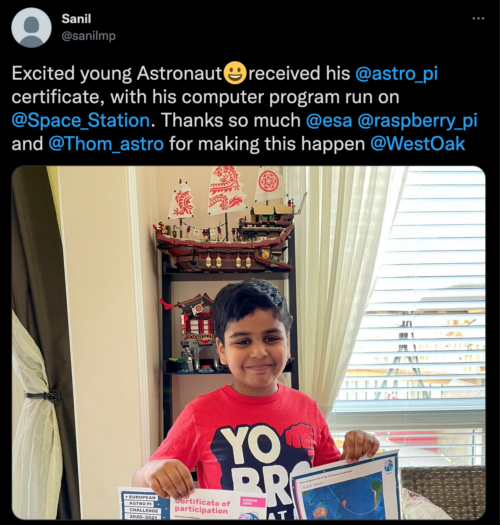
All Mission Zero participants receive a certificate showing the exact time and location of the ISS when their program was run — their moment of space history to keep. And this year only, Mission Zero is extra special: participants can also help name the two new Astro Pi units

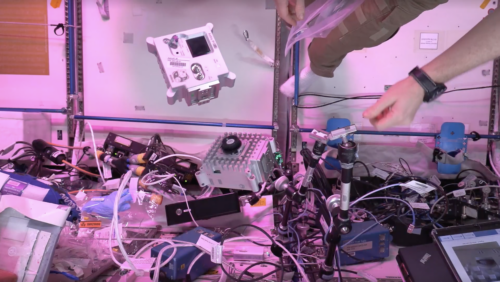
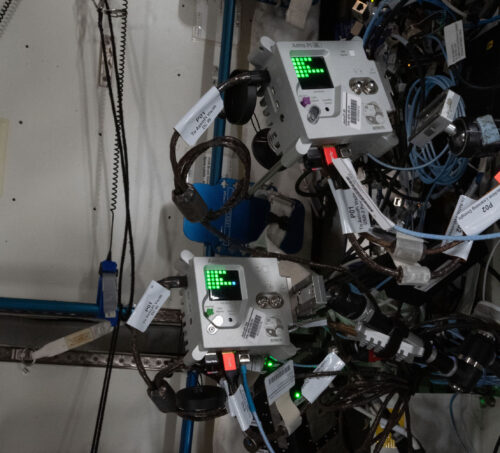
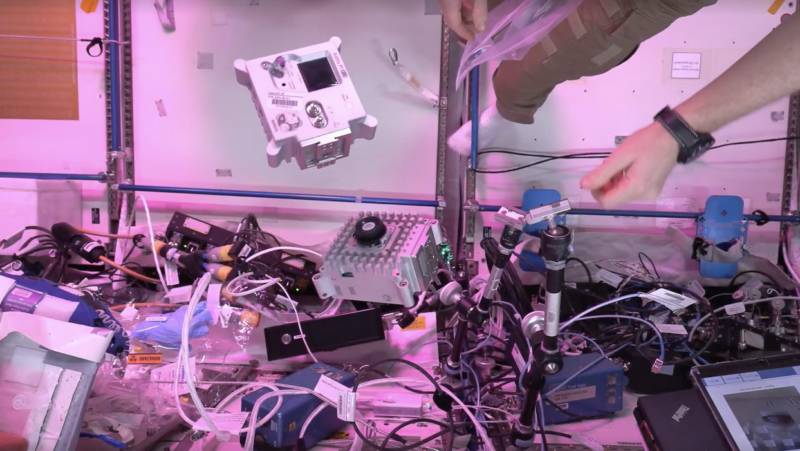
The mark 2 Astro Pi units spin in microgravity on the International Space Station.

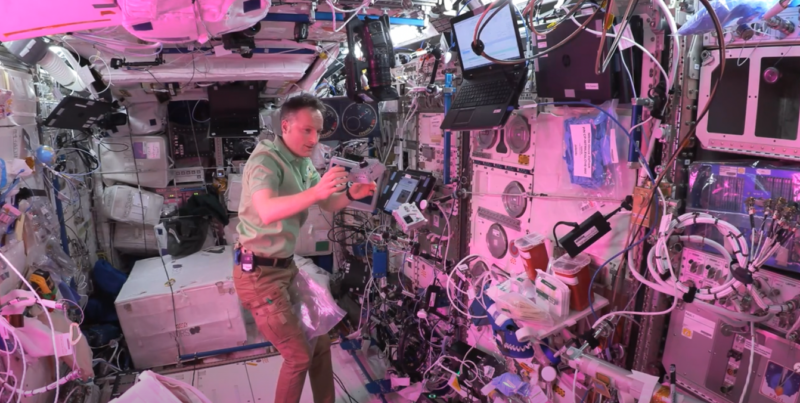
You can watch ESA astronaut Matthias Maurer unpack and assemble the Astro Pi units in microgravity on board the ISS. It’s so exciting to work with the European Space Agency in order to send young people’s code into space. We hope you and your young people will take part in this year’s Astro Pi Challenge.

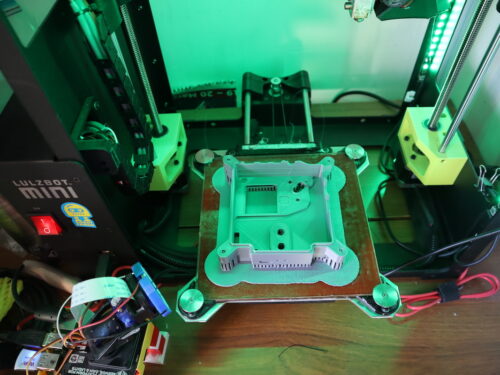
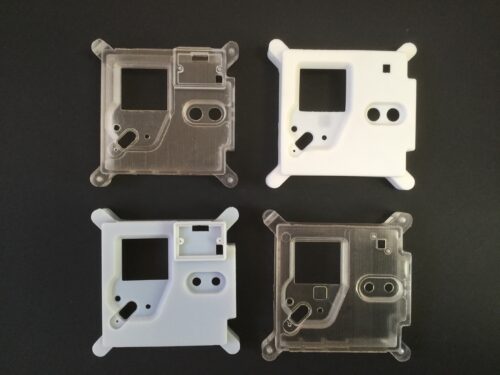
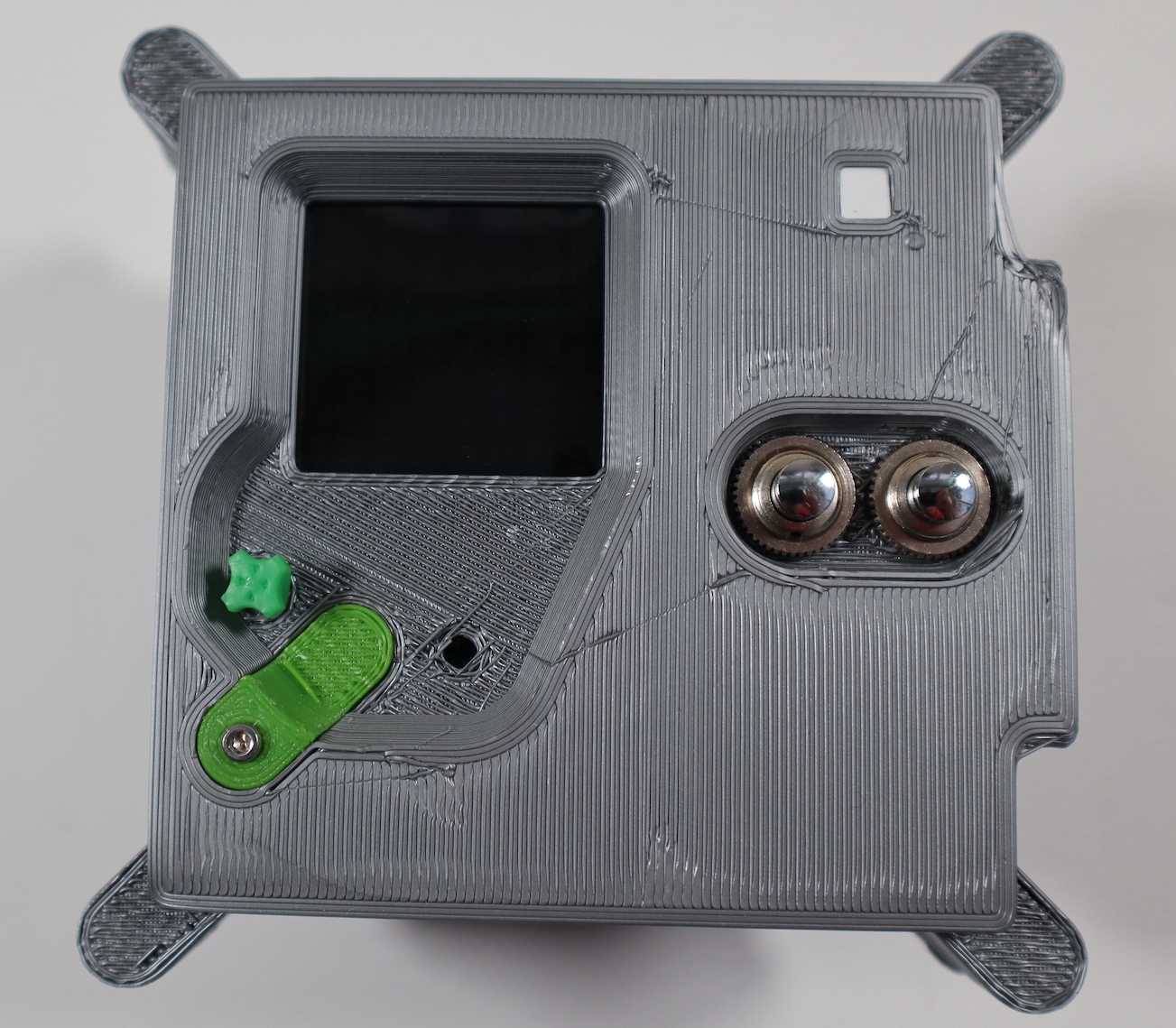
PS If you want to build your own replica of the Astro Pi units, we’ve got a treat for you soon. Next week, we’ll share a step-by-step how-to guide, including 3D printing files.

The post How did we build the new Astro Pi computers for the International Space Station? appeared first on Raspberry Pi.

Raspberry Pi computers are speeding to the International Space Station

Post Syndicated from Olympia Brown original https://www.raspberrypi.org/blog/astro-pi-rocket-launch-21-space-raspberry-pi-computer/

This morning, our two new Astro Pi units launched into space. Actual, real-life space. The new Astro Pi units each consist of a Raspberry Pi computer with a Raspberry Pi High Quality Camera and a host of sensors, all housed inside a special space-ready case that makes the hardware suitable for the International Space Station (ISS).

Astro Pi MK II hardware.

The journey to space for two special Raspberry Pi computers

Today’s launch is the culmination of a huge piece of work we’ve done for the European Space Agency to get the new Astro Pi units ready to become part of the European Astro Pi Challenge.

Logo of the European Astro Pi Challenge.

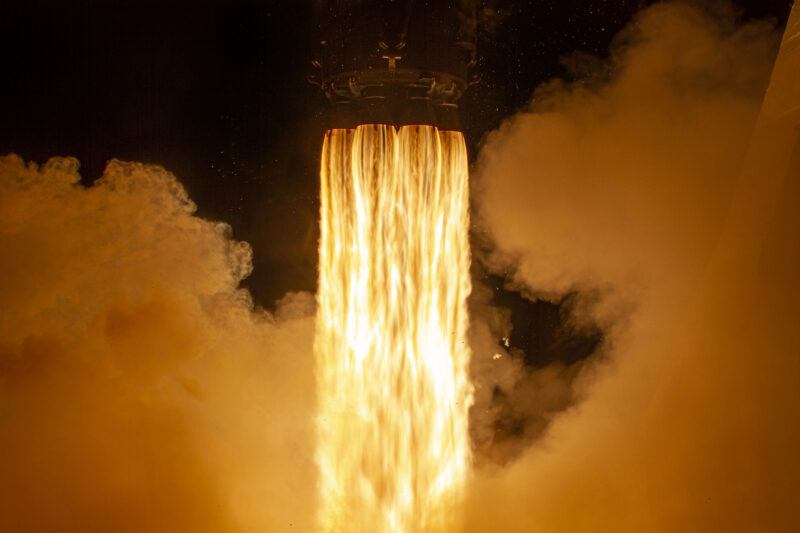
After lift-off from Launch Complex 39A at Kennedy Space Center in Florida, the new Astro Pi units are currently travelling on a SpaceX Falcon 9 rocket carrying the Dragon 2 spacecraft, the module atop the rocket. You can watch the launch again here.

SpaceX’s Falcon 9 rocket carrying the Crew Dragon spits fire as it lifts off from Kennedy Space Center in Florida.
A SpaceX rocket is delivering the special Raspberry Pi computers to the ISS today. © SpaceX

Also travelling with our Astro Pi units are food and some Christmas presents for the astronauts on board the ISS, materials for a study of the delivery of cancer drugs; a bioprinter for experiments investigating wound healing; and materials for a study of how detergents work in microgravity.

The Dragon 2 spacecraft will berth with the ISS tomorrow, with NASA astronauts Raja Chari and Tom Marshburn monitoring its arrival. ESA astronaut Matthias Maurer and another colleague will be there to unpack its cargo. You can watch the process of unpacking tomorrow, Wed 22 December, at 8.30am GMT / 9.30am CET. In the new year, Matthias will be switching our Astro Pi units on and getting them ready to run the code written by young people participating in the European Astro Pi Challenge. The new Astro Pi units will replace Astro Pi units Ed and Izzy, which have been on the ISS for 6 years — ever since the very first Astro Pi Challenge with British ESA astronaut Tim Peake in 2015.

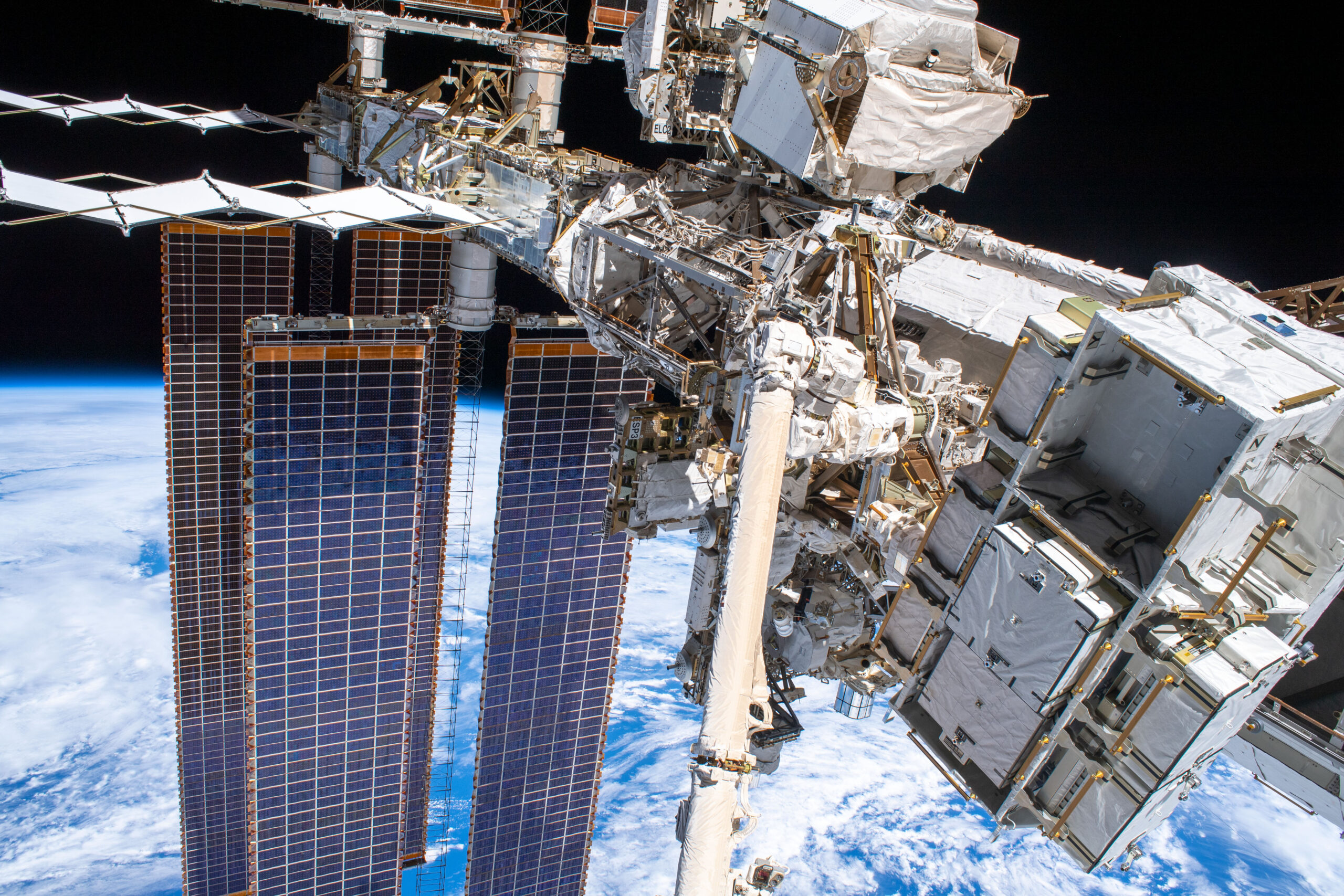
The International Space Station.
The International Space Station, where the special Raspberry Pi computers will arrive tomorrow, © ESA–L. Parmitano, CC BY-SA 3.0 IGO

We’re looking forward to seeing the amazing experiments this year’s Astro Pi Mission Space Lab teams will perform on the new hardware, and what they’ll discover about life on Earth and in space. We also can’t wait to see what the young people participating in Astro Pi Mission Zero will name the new Astro Pi units!

Building space-ready Astro Pi units

None of us on the team working on the Astro Pi Challenge here at the Foundation are aerospace engineers. While building the new Astro Pi units, we’ve learned so much.

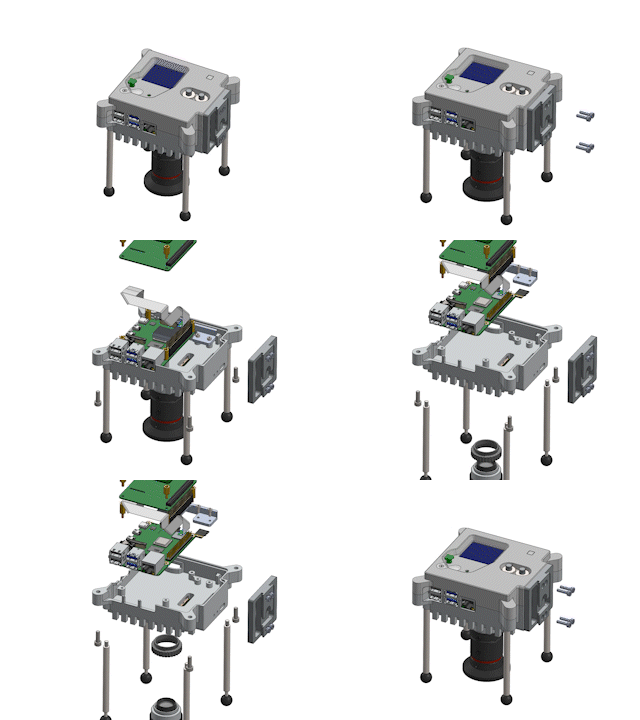
Animation of how the components of the Mark 2 Astro Pi hardware unit fit together.

To get the Astro Pis ready to be loaded onto the rocket has been a project of more than three years. That’s because, in addition to manufacturing the Astro Pi units, we also had to ensure they pass the necessary safety and certification process. The official name for this is the Safety Gate process. It’s been set up by ESA and NASA to ensure that any items sent to the ISS are safe to operate on board the station.

For the three separate safety panels the Astro Pi units needed to get through, we put the units through different tests and completed various safety reports. The tests included:

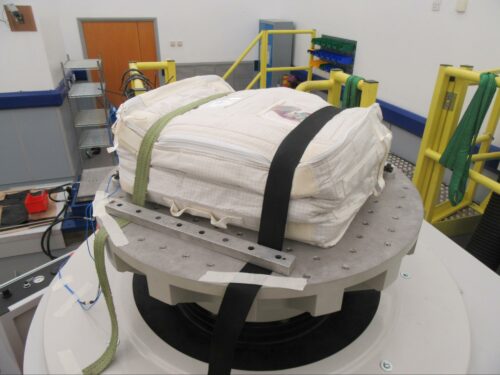
  • A vibration test: To make sure the Astro Pi units survive the rigours of the launch, we tested them using the sophisticated rigs at Airbus in Portsmouth. These rigs are capable of simulating the vibrations produced by various different launch vehicles. We needed to test all possible options, because the Astro Pi units didn’t have a confirmed vehicle to travel to the ISS yet.
A vibration test of the new Raspberry Pi-powered Astro Pi units at Airbus in Portsmouth
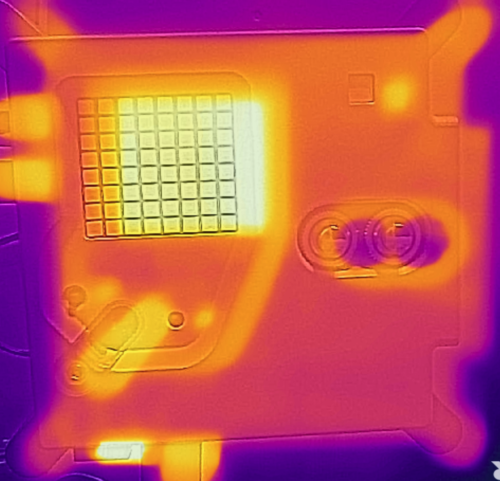
  • A thermal test: To make sure no harm can possibly come to the crew from the Astro Pi units, we needed to check that the touch temperature of the Astro Pi units’ surface is never above 45°C.
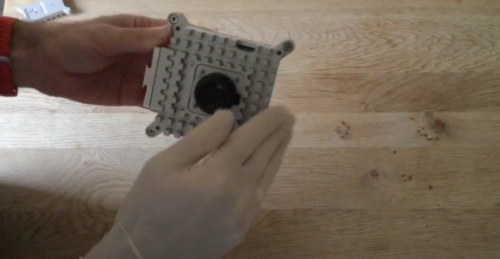
  • A test for sharp edges: Each Astro Pi unit also needed to be manually inspected by someone wearing a latex glove who carefully feels the case for sharp edges.
Testing the new Raspberry Pi-powered Astro Pi units for sharp edges using a latex glove.
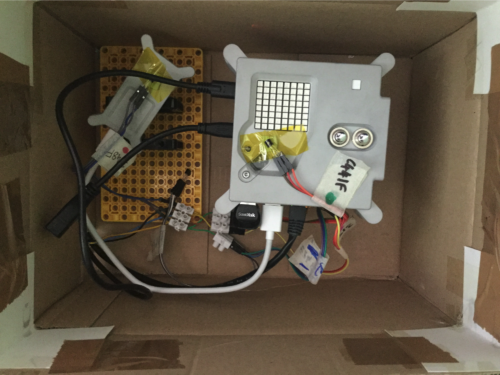
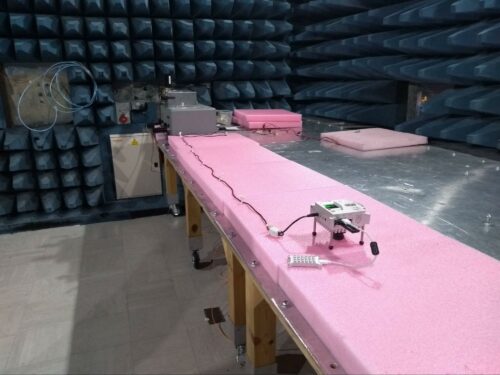
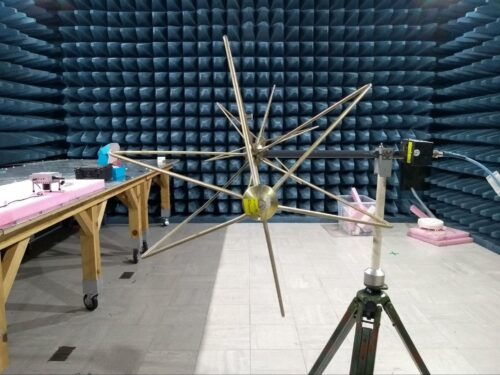
  • Stringent, military-grade electromagnetic emissions and susceptibility tests: These are required to guarantee that the Astro Pi units won’t interfere with any ISS systems, and that the units themselves are not affected by other equipment on board.
  • We built two additional Astro Pi units and sent them to NASA so that they could test that plugging the units into the ISS power grid wouldn’t cause a power overload. 

For almost all of these tests, we created custom software to do things like stress the Astro Pi units’ processors, saturate the network links, and generally make the units work as hard as possible. 

To accompany these safety and test reports, we also had to create the Flight Safety Data Package (FSDP), which contains exact technical information about every component of the Astro Pi hardware, and about all the necessary safety controls to qualify the use of certain materials and safely manage operation of the units. The current FSDP paperwork stands at over 700 pages, which thankfully we haven’t had to actually print out!

Young people’s code will run on the new Astro Pi units next year — is yours on board?

All of this work culminated today in the Astro Pis being launched up into space from Cape Canaveral. And we’re doing all this so that more young people can take part in the European Astro Pi Challenge and send messages to the ISS astronauts using code as part of Mission Zero, or write code for new, ambitious experiments to run on the ISS as part of Mission Space Lab.

Young people can take part in Astro Pi Mission Zero right now! Mission Zero is a beginners’ coding activity for all young people under the age of 19 in ESA member and associate states. It gives them the chance to write code to show their own message to the astronauts on board the ISS using the Astro Pi units. And this time, Mission Zero participants can also vote to name the new Astro Pi units!

To participate, young people follow our step-by-step instructions to write their Mission Zero code. As an adult supporting a young person on Mission Zero, all you need to do is sign up as a mentor to get them a registration code for their Mission Zero entry. Once your young person’s code has run in space, we’ll send you a special certificate for them showing where the ISS, and the Astro Pi computers, were when their code ran.

Inspire a young person to learn about coding and space science today with Astro Pi Mission Zero!

The post Raspberry Pi computers are speeding to the International Space Station appeared first on Raspberry Pi.

Young people can name a piece of space history with Astro Pi Mission Zero

Post Syndicated from Claire Given original https://www.raspberrypi.org/blog/free-beginner-coding-activity-astro-pi-mission-zero-name-space-history/

Your young people don’t need to wait to become astronauts to be part of a space mission! In Mission Zero, the free beginners’ coding activity of the European Astro Pi Challenge, young people can create a simple computer program to send to the International Space Station (ISS) today.

The International Space Station.
The International Space Station, where your young people’s Mission Zero code could run soon! © ESA–L. Parmitano, CC BY-SA 3.0 IGO

This year, young people taking part in Astro Pi Mission Zero have the historic chance to help name the special Raspberry Pi computers we are sending up to the ISS for the Astro Pi Challenge. Their voices will decide the names of these unique pieces of space exploration hardware.

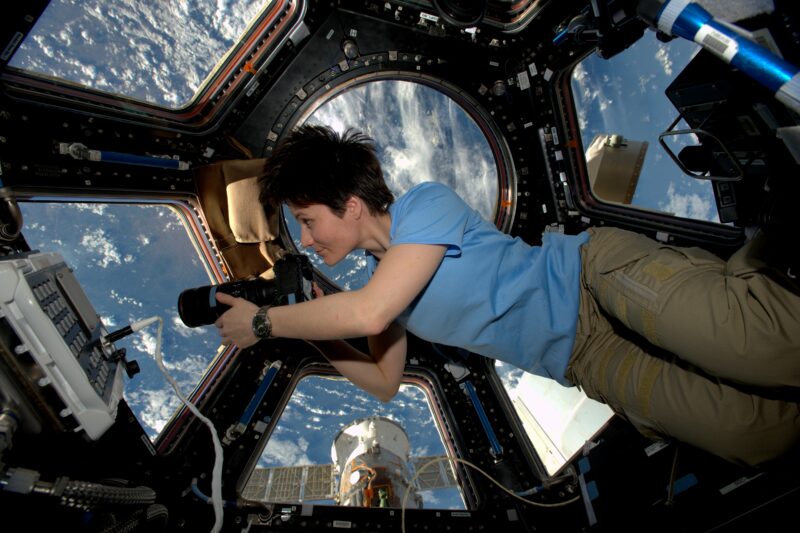
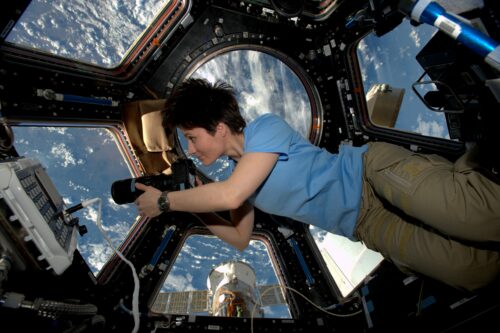
Astronaut Samantha Cristoforetti in the ISS's cupola.
Samantha Cristoforetti is one of the ESA astronauts who will be on the ISS when young people’s Mission Zero code runs. © ESA

Your young people can become part of a space mission today!

The European Astro Pi Challenge is a collaboration by us and ESA Education. Astro Pi Mission Zero is free, open to all young people up to age 19 from eligible countries*, and it’s designed for beginner coders.

Logo of Mission Zero, part of the European Astro Pi Challenge.

You can support participants easily, whether at home, in the classroom, or in a youth club. Simply sign up as a mentor and let your young people follow the step-by-step instructions we provide (in 19 European languages!) for writing their Mission Zero code online. Young people can complete Mission Zero in around an hour, and they don’t need any previous coding experience.

A mother and daughter do a coding activity together at a laptop at home.

Mission Zero is the perfect coding activity for parents and their children at home, for STEM or Scouts club leaders and attendees, and for teachers and students who are new to computer programming. You don’t need any special tech for Mission Zero participants. Any computer with a web browser and internet connection works for Mission Zero, because everything is done online.

We need young people to help name the Raspberry Pis we’re sending to space

Mission Zero participants follow our step-by-step instructions to create a simple program that takes a humidity reading on board the ISS and displays it for the astronauts — together with the participants’ own unique messages. And as part of their messages, they can vote for the name of the new hardware for the Astro Pi Challenge, hardware with Raspberry Pi computers at its heart.

Astro Pi MK II hardware.
The shiny new Raspberry Pi-powered hardware for the Astro Pi Challenge, which will replace the Raspberry Pi-powered Astro Pi units that have run Astro Pi participants’ code on board the ISS every year since 2015.

The new Astro Pi hardware, which will travel up in a rocket to the ISS on 21 December, is so new that these special augmented computers don’t even have names yet. Participants in Astro Pi Mission Zero get to vote for a name inspired by our list of ten renowned European scientists. Their vote will be part of the message they send to space.

SpaceX’s Falcon 9 rocket carrying the Crew Dragon spits fire as it lifts off from Kennedy Space Center in Florida.
A SpaceX rocket will deliver the special Raspberry Pi computers to the ISS. © SpaceX

What do your young people want to say in space?

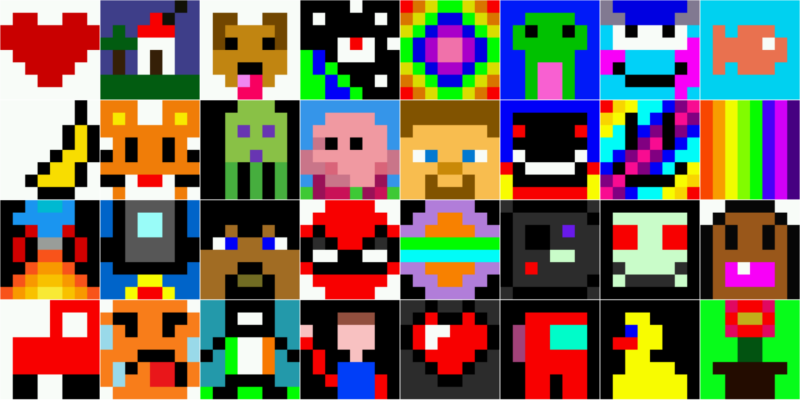
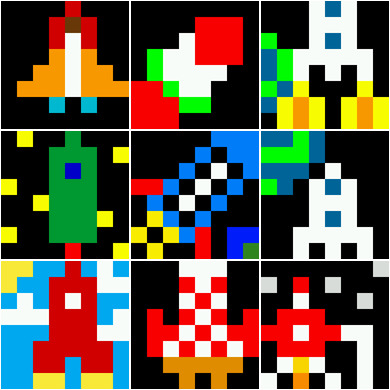
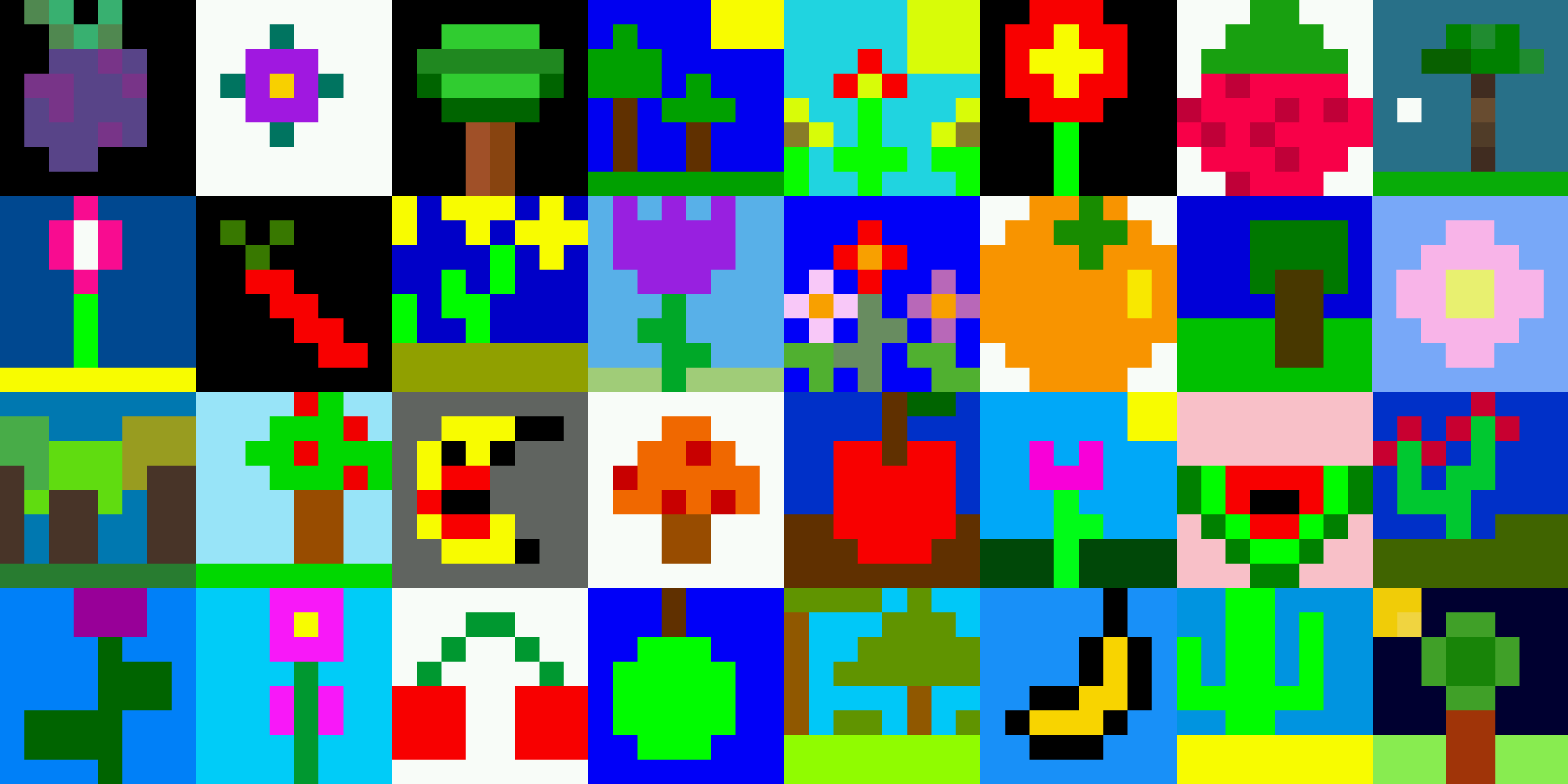
Your young people’s messages to the ISS astronauts can say anything they like (apart from swear words, of course). Maybe they want to send some encouraging words to the astronauts or tell them a joke. They can even design a cool pixel art image to show on the Astro Pi hardware’s display:

Pixel art from Astro Pi Mission Zero participants.
Some of the pixel art from last year’s Astro Pi Mission Zero participants.

Whatever else they code for their Mission Zero entry, they’re supporting the astronauts with their important work on board the ISS. Since Mission Zero participants tell the Astro Pi hardware to read and display the humidity level inside the ISS, they provide helpful information for the astronauts as they go about their tasks.

Their own place in space history

After a participant’s Mission Zero code has run and their message has been shown in the ISS, we’ll send you a special certificate for them so you can commemorate their space mission.

The certificate will feature their name, the exact date and time their code ran, and a world map to mark the place on Earth above which the ISS was while their message was visible up there in space.

10 key things about Astro Pi Mission Zero

  1. It’s young people’s unique chance to be part of a real space mission
  2. Participation is free
  3. Participants send the ISS astronauts their own unique message
  4. This year only, participants can help name the two special Raspberry Pi computers that are travelling up to the ISS
  5. Mission Zero is open to young people up to age 19 who live in eligible countries (more about eligibility here)
  6. It’s a beginners’ coding activity with step-by-step instructions, available in 19 languages
  7. Completing the activity takes about one hour — at home, in the classroom, or in a Scouts or coding club session
  8. The activity can be done online in a web browser on any computer
  9. Participants will receive a special certificate to help celebrate their space mission
  10. Mission Zero is open until 18 March 2022

If you don’t want to let any young people in your life miss out on this amazing opportunity, sign up as their Mission Zero mentor today.


* The European Astro Pi Challenge is run as a collaboration by us at the Raspberry Pi Foundation and ESA Education. That’s why participants need to be from an ESA Member State, or from Slovenia, Canada, Latvia, Lithuania, or Malta, which have agreements with ESA.

If you live elsewhere, it’s possible to partner with Mission Zero mentors and young people in an eligible country. You can work together to support the young people to form international Mission Zero teams that write programs together.

If you live elsewhere and cannot partner with people in an eligible country, Mission Zero is still an awesome and inspiring project for your young people to try out coding. While these young people’s code unfortunately won’t run on the ISS, they will receive a certificate to mark their efforts.

The post Young people can name a piece of space history with Astro Pi Mission Zero appeared first on Raspberry Pi.
We’re sending Raspberry Pi computers to space for the European Astro Pi Challenge

Post Syndicated from Olympia Brown original https://www.raspberrypi.org/blog/astro-pi-2021-news-rocket-launch-hardware/

We’re super excited to announce that the European Astro Pi Challenge is back for another year of amazing space-based coding adventures.

This time we are delighted to tell you that we’re upgrading the Raspberry Pi computers on the International Space Station (ISS) and adding new hardware to expand the range of experiments that young people can run in space!

What’s new with Astro Pi?

The first Astro Pi units were taken up to the ISS by British ESA astronaut Tim Peake in December 2015 as part of the Principia mission. Since then, 54000 young people from 26 countries have written code that has run on these specially augmented Raspberry Pi computers.

Working with our partners at the European Space Agency, we are now upgrading the Astro Pi units to include:

  • Raspberry Pi 4 Model B with 8GB RAM
  • Raspberry Pi High Quality Camera
  • Google Coral machine learning accelerator
  • Colour and luminosity sensor
  • Passive infrared sensor
Astro Pi MK II hardware.
The augmented Raspberry Pi computers we are sending up to the International Space station, in all their glory

The units will continue to have a gyroscope; an accelerometer; a magnetometer; and humidity, temperature, and pressure sensors.

Astro Pi MK II hardware with Coral machine learning accelerator.
The little device on the left is the Google Coral machine learning accelerator

The new hardware makes it possible for teams to design new types of experiments. With the Raspberry Pi High Quality Camera they can take sharper, more detailed images, and, for the first time, teams will be able to get full-colour photos of the beauty of Earth from space. This will also enable teams to investigate plant health thanks to the higher-quality optical filter in conjunction with the IR-sensitive camera. Using the Coral machine learning accelerator, teams will also be able to develop machine learning models that allow high-speed, real-time processing.

Getting into space

The Astro Pi units, in their space-ready cases of machined aluminium, will travel to the ISS in December on the SpaceX Dragon Cargo rocket, launching from Kennedy Space Center. Once the resupply vehicle docks with the ISS, the units will be unpacked and set up ready to run Astro Pi participants’ code in 2022.

Getting the units ready for launch has been a significant effort from lots of people. Once we worked with our friends at ESA to agree on the new features and hardware, we commissioned the design of the new case from Jon Wells. Manufacturing was made significantly more challenging by the pandemic, not least because we weren’t able to attend the factory and had to interact over video calls.

ESA astronaut Samantha Cristoforetti aboard the ISS. Credit: ESA

Once we had the case and hardware ready, we could take on the huge battery of tests that are required before any equipment can be used on the ISS. These included the vibration test, to ensure that the Astro Pi units would survive the rigours of the launch; thermal testing, to make sure that units wouldn’t get too hot to touch; and stringent, military-grade electromagnetic emissions and susceptibility tests to guarantee that the Astro Pi computers wouldn’t interfere with any ISS systems, and would not themselves be affected by other equipment that is on board the space station.

Huge thanks to Jon Wells and our collaborators at Airbus, Google, MidOpt, and Shearline Precision Engineering for everything they’ve done to get us to the point where we were able to ship the new Astro Pi units to the Aerospace Logistics Technology Engineering Company (ALTEC) in Italy for final preparations before their launch.

There are two Astro Pi missions for young people to choose from: Mission Zero and Mission Space Lab. Young people can participate in one or both of the missions! Participation is free and open for young people up to age 19 in ESA member states (exceptions listed on the Astro Pi website).

Mission Zero

In Mission Zero, young people write a simple Python program that takes a sensor reading and displays a message on the LED screen. This year, participation in Mission Zero also gives young people the opportunity to vote for the names of the two new computers. Mission Zero can be completed in around an hour and is open to anyone aged 7 to 19 years old. Every eligible entry is guaranteed to run on board the ISS and participants will receive an official certificate with the exact time and location of the ISS when their program ran.

Mission Zero opens today and runs until 18 March 2022.

Mission Space Lab

Mission Space Lab is for teams of young people who want to run their own scientific experiments on the Astro Pi units aboard the ISS. It runs over eight months in four phases, from idea registration to data analysis. 

Have a look at the winning teams from last year for amazing examples of what teams have investigated in the past. But remember — the new Astro Pi computers offer exciting new ways of investigating life in space and on Earth. We can’t wait to see what ideas participants come up with this year. 

To start, Mission Space Lab team mentors just need to send us their team’s experiment idea by 29 October 2021.

Follow our progress

You can keep updated with all of the latest Astro Pi news, including the build-up to the rocket launch in December, by following the Astro Pi Twitter account.

The post We’re sending Raspberry Pi computers to space for the European Astro Pi Challenge appeared first on Raspberry Pi.
How young people can run their computer programs in space with Astro Pi

Post Syndicated from Claire Given original https://www.raspberrypi.org/blog/how-young-people-run-computer-programs-in-space-astro-pi/

Do you know young people who dream of sending something to space? You can help them make that dream a reality!

We’re calling on educators, club leaders, and parents to inspire young people to develop their digital skills by participating in this year’s European Astro Pi Challenge.
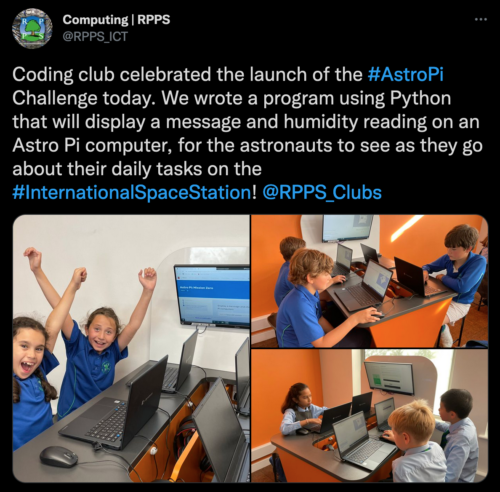
The European Astro Pi Challenge, which we run in collaboration with the European Space Agency, gives young people in 26 countries* the opportunity to write their own computer programs and run them on two special Raspberry Pi units — called Astro Pis! — on board the International Space Station (ISS).

This year’s Astro Pi ambassador is ESA astronaut Thomas Pesquet. Thomas will accompany our Astro Pis on the ISS and oversee young people’s programs while they run.

And the young people need your support to take part in the Astro Pi Challenge!

A group of young people and educators smiling while engaging with a computer

Astro Pi is back big-time!

The Astro Pi Challenge is back and better than ever, with a brand-new website, a cool new look, and the chance for more young people to get involved.

Logo of the European Astro Pi Challenge

During the last challenge, a record 6558 Astro Pi programs from over 17,000 young people ran on the ISS, and we want even more young people to take part in our new 2020/21 challenge.

British ESA astronaut Tim Peake was the ambassador of the first Astro Pi Challenge in 2015.

So whether your children or learners are complete beginners to programming or have experience of Python coding, we’d love for them to take part!

You and your young people have two Astro Pi missions to choose from: Mission Zero and Mission Space Lab.

Mission Zero — for beginners and younger programmers

In Mission Zero, young people write a simple program to take a humidity reading onboard the ISS and communicate it to the astronauts with a personalised message, which will be displayed for 30 seconds.

Logo of Mission Zero, part of the European Astro Pi Challenge

Mission Zero is designed for beginners and younger participants up to 14 years old. Young people can complete Mission Zero online in about an hour following a step-by-step guide. Taking part doesn’t require any previous coding experience or specific hardware.

All Mission Zero participants who follow the simple challenge rules are guaranteed to have their programs run aboard the ISS in 2021.

All you need to do is support the young people to submit their programs!

Mission Zero is a perfect activity for beginners to digital making and Python programming, whether they’re young people at home or in coding clubs, or groups of students or club participants.

We have made some exciting changes to this year’s Mission Zero challenge:

  1. Participants will be measuring humidity on the ISS instead of temperature
  2. For the first time, young people can enter individually, as well as in teams of up to 4 people

You have until 19 March 2021 to support your young people to submit their Mission Zero programs!

Mission Space Lab — for young people with programming experience

In Mission Space Lab, teams of young people design and program a scientific experiment to run for 3 hours onboard the ISS.

Logo of Mission Space Lab, part of the European Astro Pi Challenge

Mission Space Lab is aimed at more experienced or older participants up to 19 years old, and it takes place in 4 phases over the course of 8 months.

Your role in Mission Space Lab is to mentor a team of participants while they design and write a program for a scientific experiment that increases our understanding of either life on Earth or life in space.

The best experiments will be deployed to the ISS, and teams will have the opportunity to analyse their experimental data and report on their results.

You have until 23 October 2020 to register your team and their experiment idea.

To see the kind of experiments young people have run on the ISS, check out our blog post congratulating the Mission Space Lab 2019/20 winners!

Get started with Astro Pi today!

To find out more about taking part in the European Astro Pi Challenge 2020/21, head over to our new and improved astro-pi.org website.

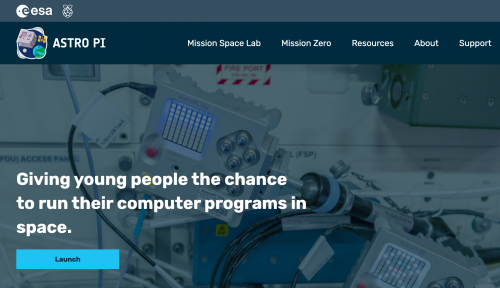
screenshot of Astro Pi home page

There, you’ll find everything you need to get started on sending young people’s computer program to space!


* ESA Member States in 2020: Austria, Belgium, Czech Republic, Denmark, Estonia, Finland, France, Germany, Greece, Hungary, Ireland, Italy, Luxembourg, the Netherlands, Norway, Poland, Portugal, Romania, Spain, Sweden, Switzerland, Latvia, and the United Kingdom. Other participating states: Canada, Latvia, Slovenia, Malta.

The post How young people can run their computer programs in space with Astro Pi appeared first on Raspberry Pi.