Tag Archives: astro pi

Debunking myths about space science with Astro Pi impact evidence

Post Syndicated from Jaskaran Singh original https://www.raspberrypi.org/blog/astro-pi-debunking-myths-space-science-impact-24-25/

The European Astro Pi Challenge is a collaboration between ESA, the national European Space Education Resource Offices, and the Raspberry Pi Foundation. The 2025/26 challenge, which is currently open for registration, marks 10 years of incredible opportunities for young people to send their code into space.

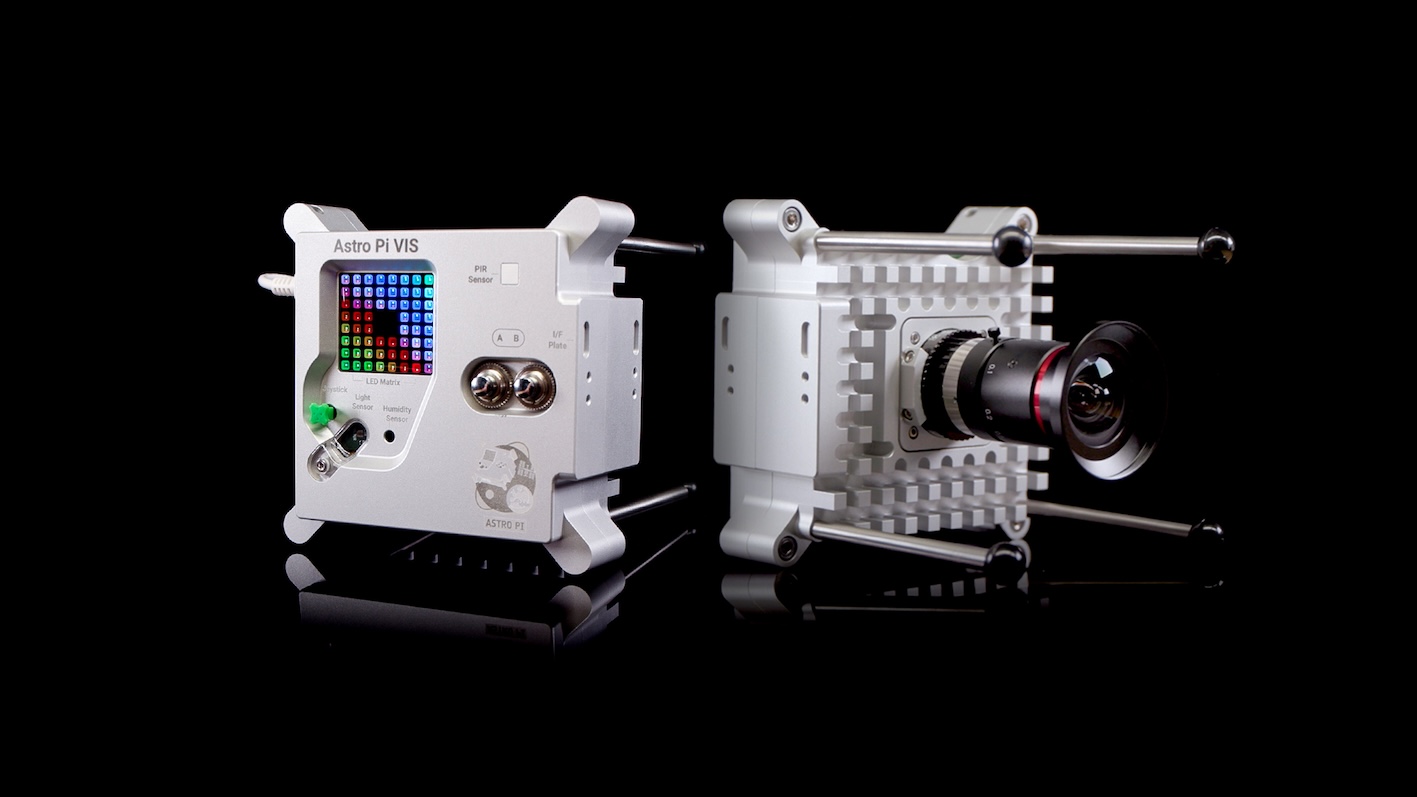
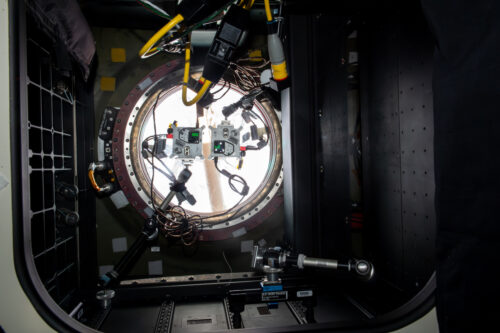
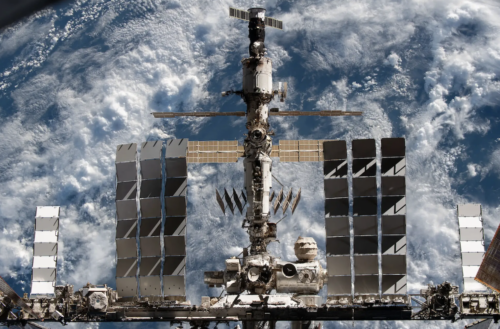
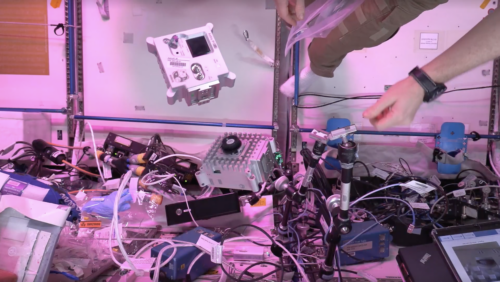
The Astro Pi computers inside the International Space Station.
The Astro Pi computers inside the International Space Station, where young people’s programs run.

In this blog post, we are pleased to share the Astro Pi 2024/25 impact report, where we look at ways in which the Astro Pi Challenge is bringing value to the lives of many young people and mentors, based on survey responses and interviews. Along the way, we’ll debunk some myths about space science.

How Astro Pi makes space science accessible

Here at the Raspberry Pi Foundation, we’ve heard a few myths about space science and coding, and how daunting it can be to write a computer program, let alone one that can run in space. We can’t let these myths stand — instead we’re going to debunk them, equipped with evidence we’ve collected about the 2024/25 Astro Pi Challenge and previous challenge rounds.

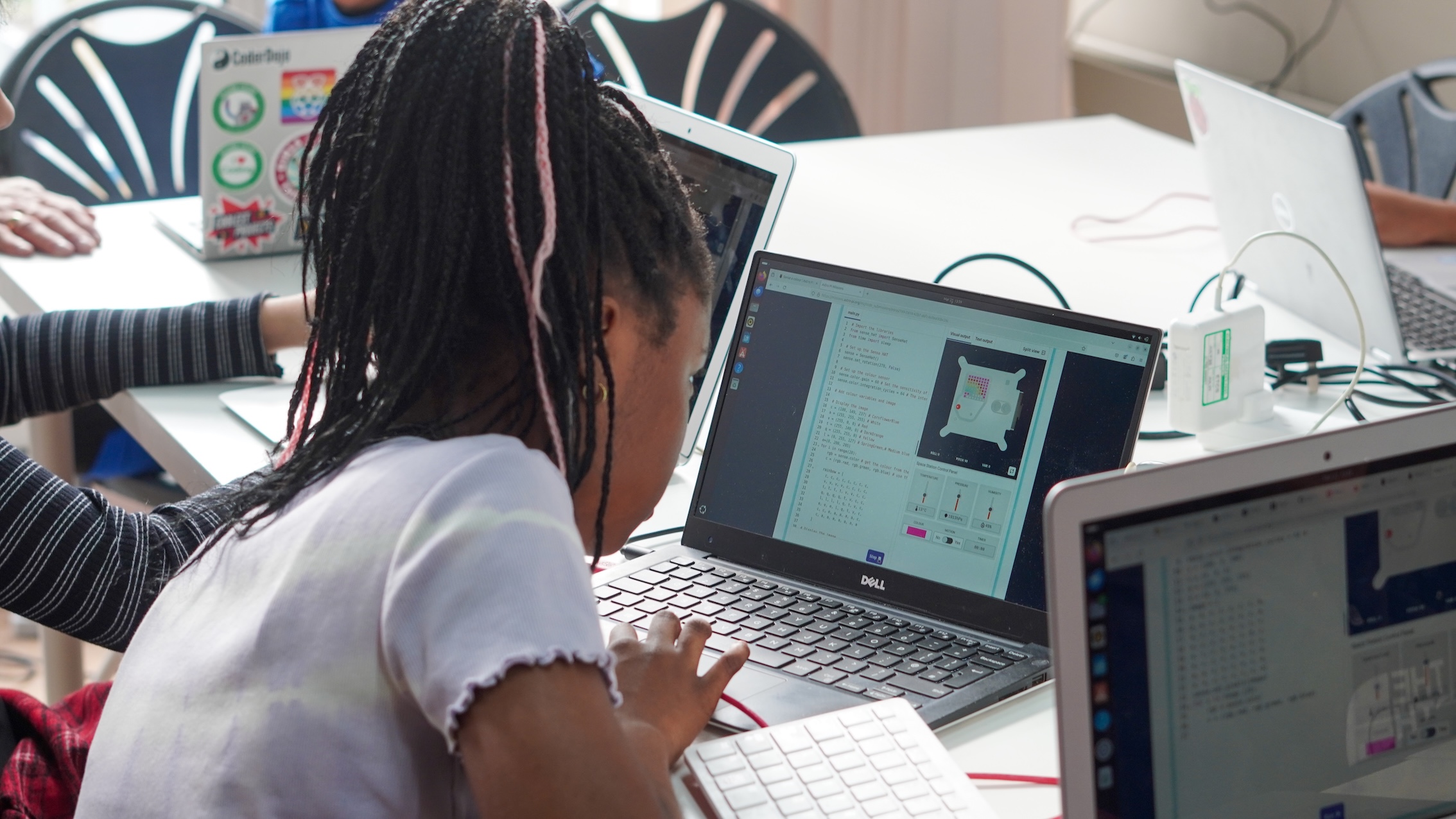
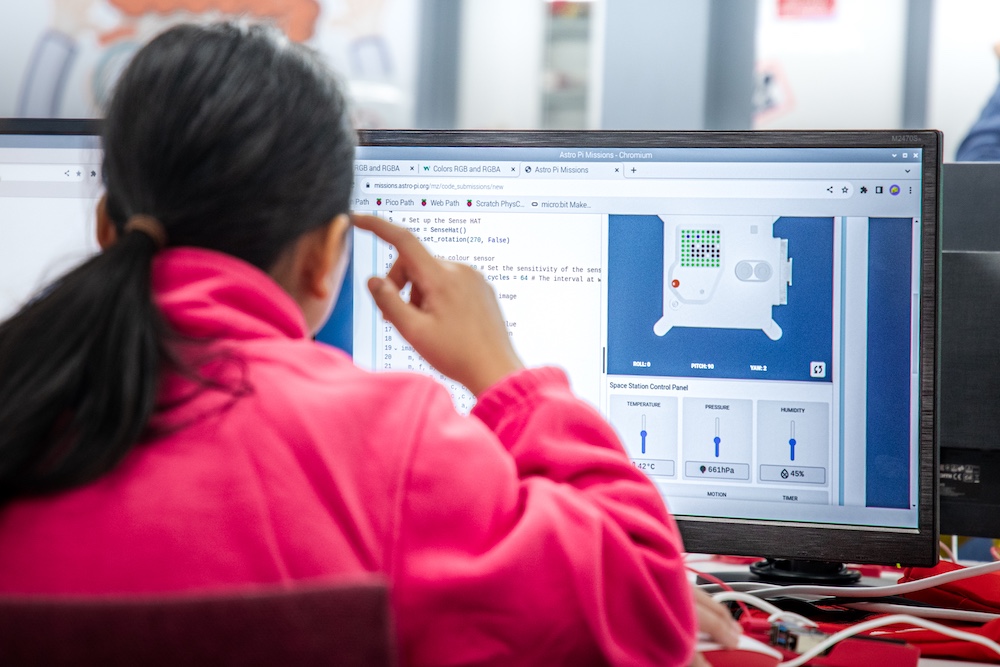
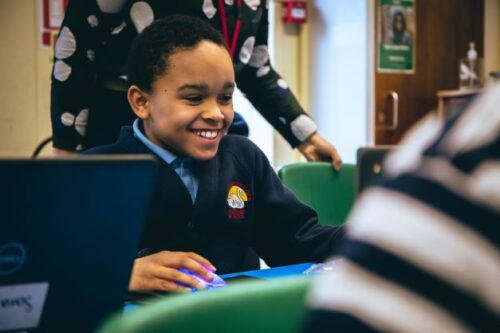
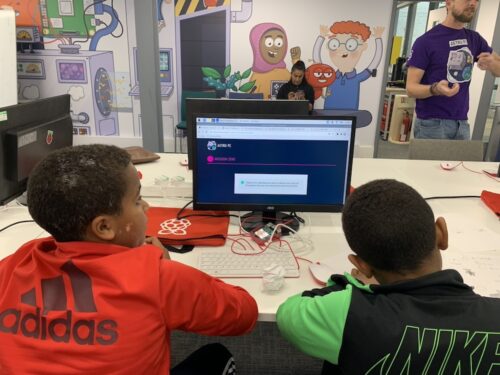
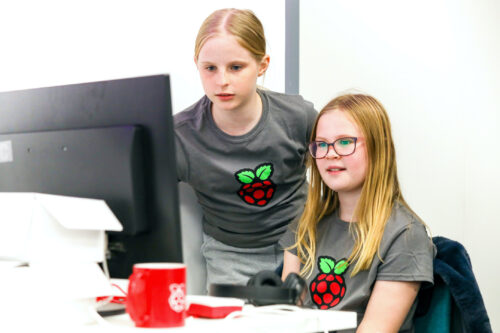
A young person takes part in Astro Pi Mission Zero.

Read on for some astronomical facts from our latest impact report, and get ready to help young people in your community send their code into space.

Myth 1: You have to be a rocket scientist to send things into space

Not true! In the Astro Pi Challenge 2024/25, young people created over 17,800 computer programs that ran on board the International Space Station (ISS). Teams of young people aged between 8 and 19 took part in the challenge in a range of settings, including schools, Code Clubs, libraries, and community youth groups. They wrote short programs in Python, which were then sent to run on special Raspberry Pi computers, called Astro Pis, in the Columbus module of the ISS. 

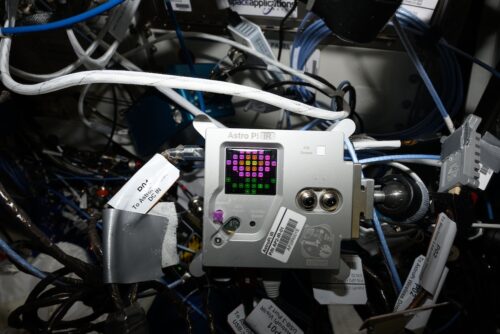
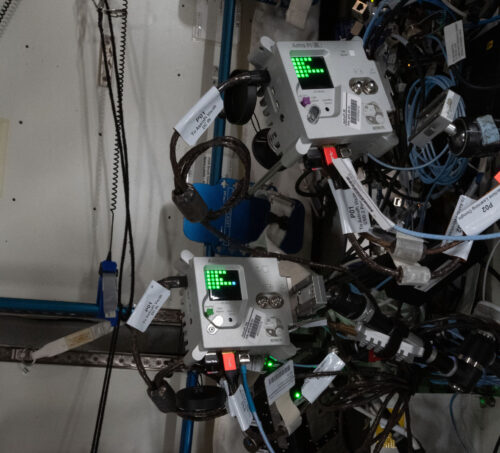
The Astro Pi computers.
The Astro Pi computers up close.

Since the first Astro Pis arrived on the ISS in 2015, over 160,000 young people have had their code run in space. To celebrate their achievements, they each received certificates with the exact time and location of the ISS when their programs ran.

“We want our code to run in space! We are fascinated by discovery and the opportunity to contribute to a real science experiment on the ISS.” – Mission Space Lab mentor

Myth 2: Only experienced programmers can write code for the International Space Station

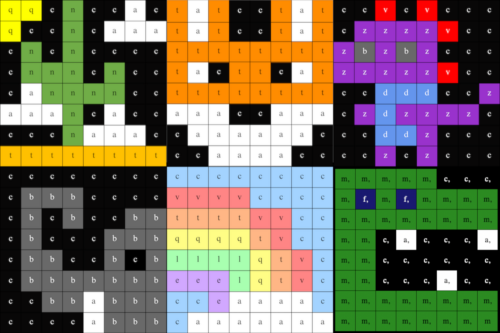
Not true! The Astro Pi Challenge is made up of two missions, Mission Zero and Mission Space Lab, and Mission Zero is perfect for young people who are new to text-based coding. With the help of step-by-step project instructions, young people write a short Python program to display personalised pixel art on board the ISS, using data from a sensor on one of the Astro Pi computers in their image.

Young people writing Mission Zero programs.

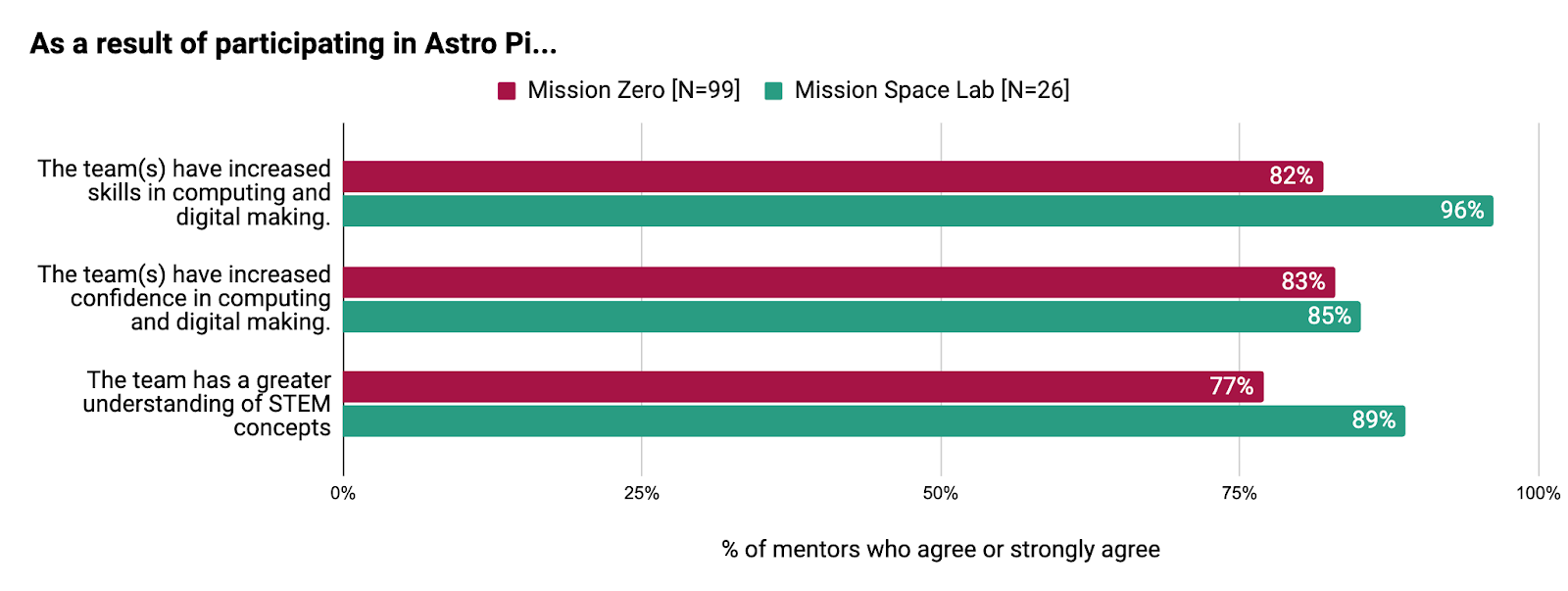
In fact, Mission Zero mentors find that the low-stakes nature of the activity coupled with the real-world connection to space create an ideal learning environment. 83% of Mission Zero 2024/25 mentors told us that participation increased young people’s skills and confidence in computing and digital making, and 78% believed that young people were likely to participate in other computing or digital making challenges in the future.

“They [young people] come from complicated environments and sometimes their confidence is very low. They don’t believe in themselves and this [Mission Zero] really empowers them.” – Mission Zero mentor

Myth 3: Learning to write code for the ISS only involves technical skills

Not true! Mission Zero engages young people in thinking creatively as they plan their artwork, and Mission Space Lab involves working in teams to write a computer program to solve a scientific task in space, combining teamwork, problem-solving, and knowledge from other scientific domains. While 100% of mentors whose teams successfully completed Mission Space Lab in 2024/25 agreed that participation improved young people’s skills in computing and digital making, 91% also confirmed that it increased young people’s confidence in these areas, and 91% told us that it increased young people’s understanding of STEM concepts. 

The impact likely goes beyond building skills. Mentors from both Astro Pi 2024/25 missions told us that the challenge made young people feel connected to a wider community of learners around the world, and the excitement of the challenge also extended to the mentors themselves, as well as other adults in their community.

“Mission Zero is a way of connecting not only to a worldwide group of learners, but also to explorers, future scientists, and future astronauts. To see them as part of a larger community and not just an activity or assignment that they have to do in class.” – Mission Zero mentor

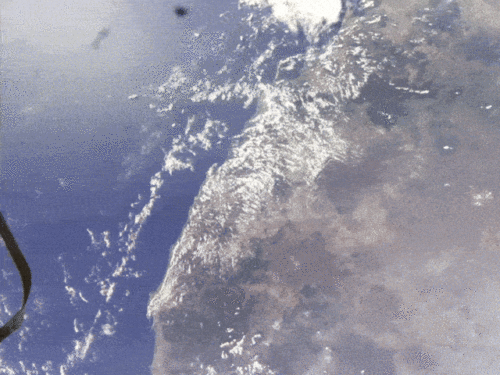
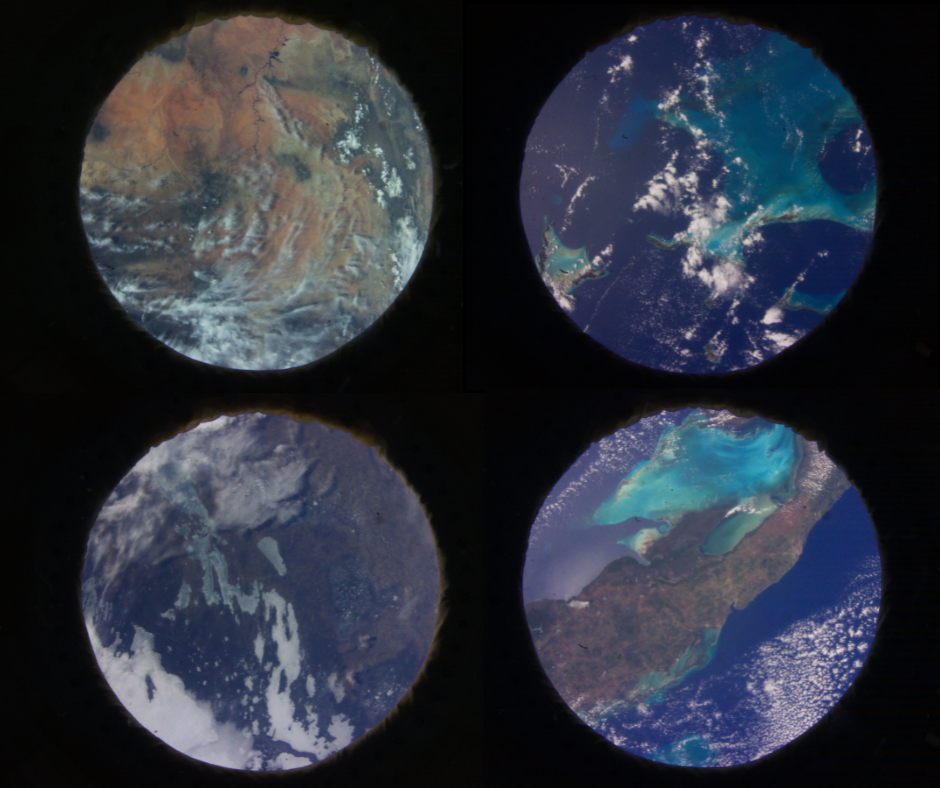
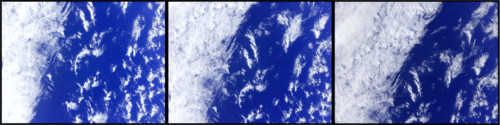
Images of Earth taken aboard the ISS by a Mission Space Lab team.
An image sequence captured by team TheNinja during their Mission Space Lab experiment

Thank you to everyone who continues to make the Astro Pi Challenge a success. To find out more about the ways in which the challenge impacts young people, read the full Astro Pi 2024/25 impact report:

If you would like to find out more about how you and your creators can participate in this year’s European Astro Pi Challenge, read our launch blog post.

The post Debunking myths about space science with Astro Pi impact evidence appeared first on Raspberry Pi Foundation.
Celebrate 10 years of the European Astro Pi Challenge — registration for 2025–26 is now open

Post Syndicated from Fergus Kirkpatrick original https://www.raspberrypi.org/blog/celebrate-10-years-of-the-european-astro-pi-challenge-registration-for-2025-26-is-now-open/

The European Astro Pi Challenge, an ESA Education project run in collaboration with the Raspberry Pi Foundation, is back for its tenth year! This special anniversary year marks a decade of inspiring young people to code and have their programs run aboard the International Space Station (ISS). We are delighted to announce that registration for both Astro Pi missions is now officially open for the 2025–26 challenge. 

An illustration of saying 10 years of your code in space
Figure 1: Astro Pi is 10 illustration

Meet the new Astro Pi Ambassador

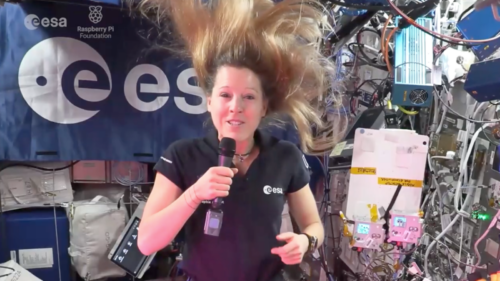
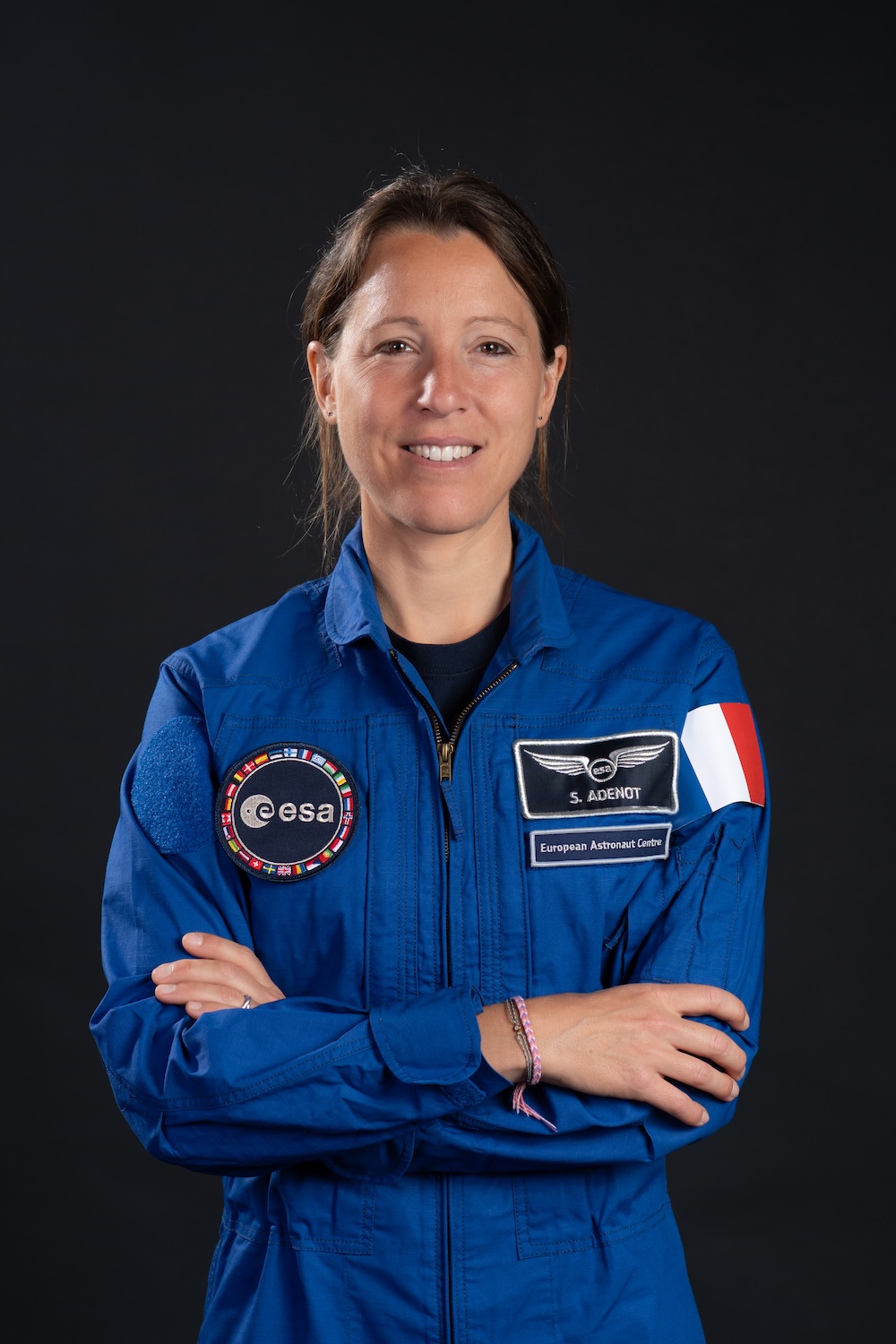
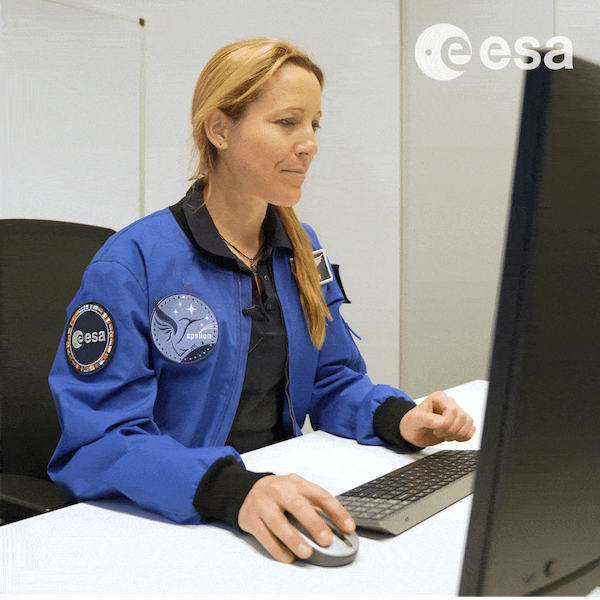
We are thrilled to introduce you to the Astro Pi ambassador for 2025–26, ESA Astronaut Sophie Adenot. Sophie is from France and has had an incredible journey to becoming an astronaut. She holds a Masters in Engineering, has been a helicopter test pilot, and was awarded the French National Order of Merit (Chevalier) for her public services in gender equality in the sciences. Sophie is one of the new “Hoppers” cohort of ESA astronauts who graduated in 2023. She will be going on her first mission to the ISS in Spring 2026. 

A picture of Sophie Adenot in an ESA Flight suit
Figure 2: Sophie Adenot

Choose your space mission

Not sure where to start? The European Astro Pi challenge, or Astro Pi for short, has two missions that young people can participate in depending on their coding abilities. Both Missions use Python programming to create short computer programs that will be run on the ISS. Which one will you choose? 

Mission Zero: Your pixel art in space

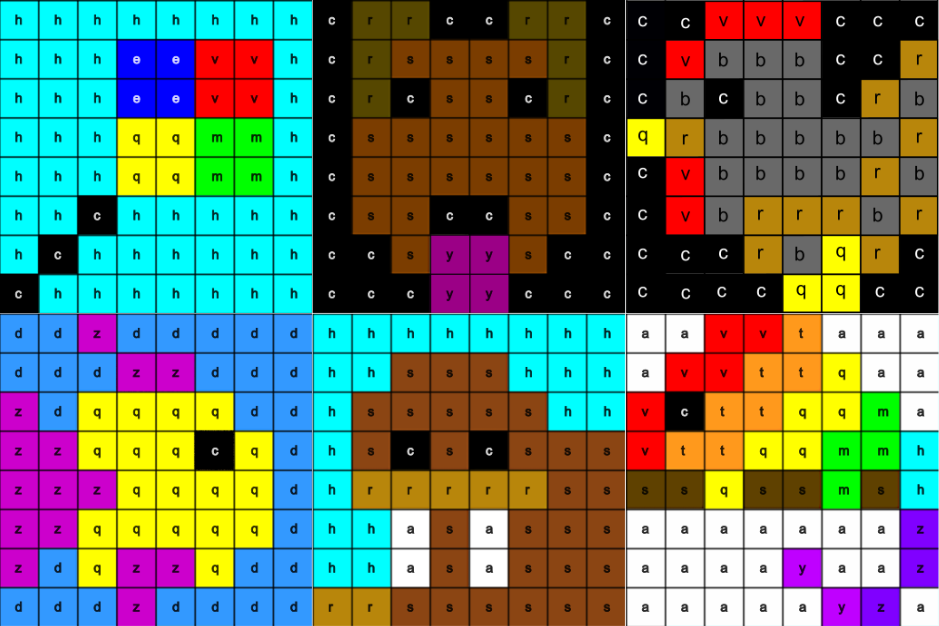
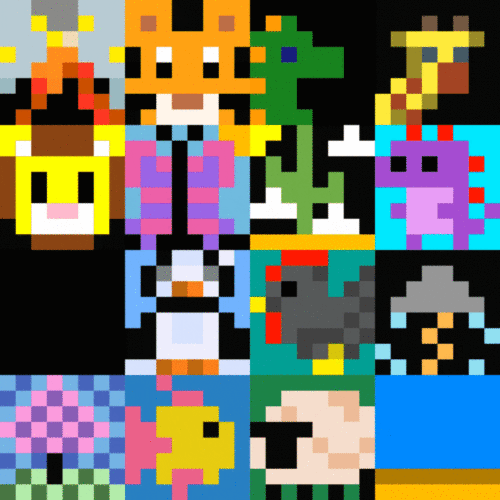
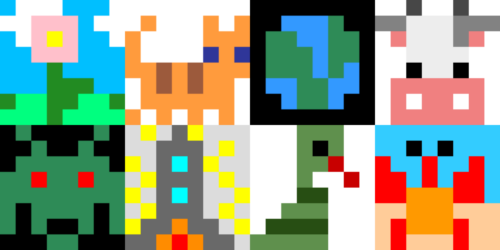
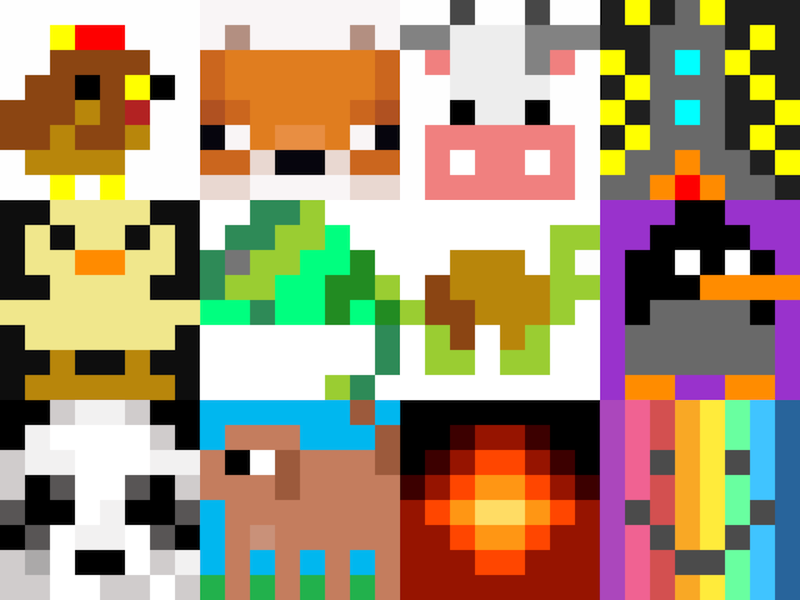
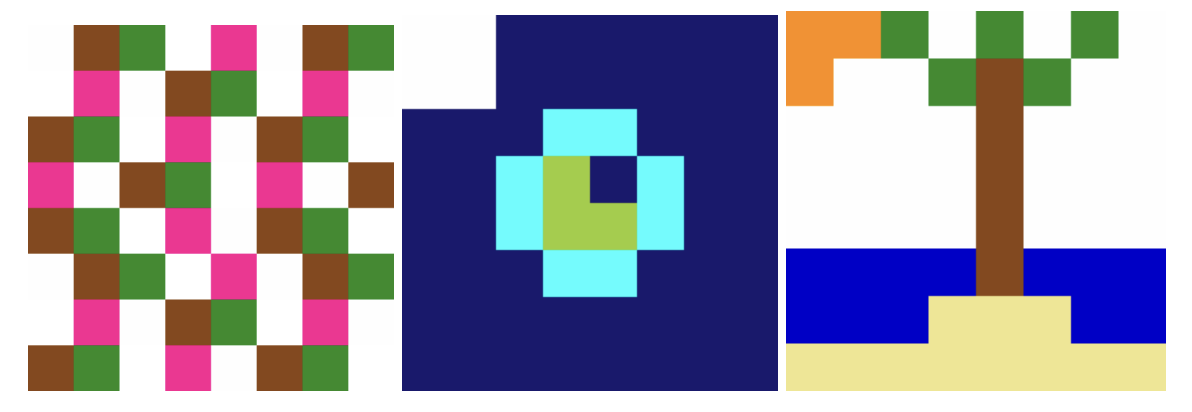
Mission Zero offers a chance for young people to create a nature-inspired piece of pixel art using Python and have it displayed for astronauts to see on special Raspberry Pi computers, called Astro Pis, aboard the ISS. We wanted to share some of our favourite pixel art creations from last year’s mission — you can find them as new examples in our project guide. If your team needs some inspiration to get started, they can choose to recreate or remix one of these examples, or create their own.

The deadline for Mission Zero submissions is 23 March 2026.

A selection of code examples available for Mission Zero 2025–26
Figure 3: New code examples

Mission Space Lab: Become a space scientist

For our more experienced coders, Mission Space Lab returns with a real-world scientific task: calculate the speed of the International Space Station as accurately as possible. Teams of between two and six  young people will write a Python program that collects data from the Astro Pi computers on the ISS to perform this calculation. 

This year, we’ve made some user improvements to the Astro Pi Replay tool, which allows teams to test their programs with a real-time simulation using historical ISS data and images. This updated online tool makes it even easier to see how your program would perform in orbit and troubleshoot any errors. 

The submission deadline for Mission Space Lab is 16 February 2026.

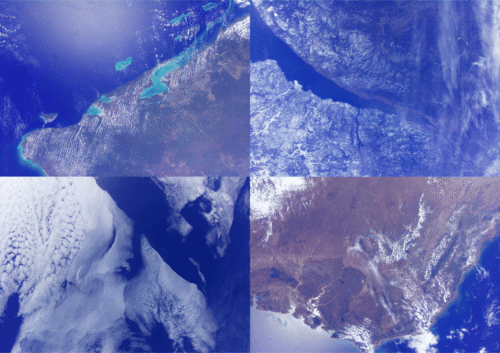
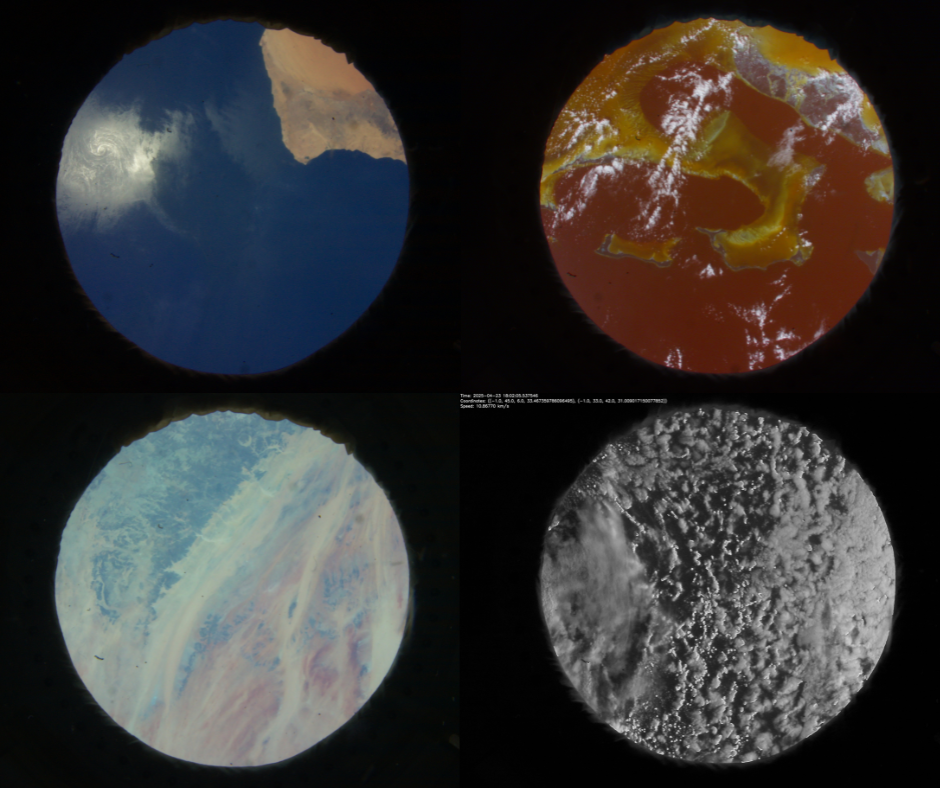
A selection of Earth Observation images captured by Mission Space Lab teams in 2024–25
Figure 4: EO images from Mission Space Lab teams

Celebrating a decade of your programs in space

For ten years, the European Astro Pi Challenge has given young people the unique opportunity to explore computer science and space. Ever since the first Astro Pis arrived on the ISS with ESA astronaut Tim Peake on his Principia Mission, young people have been writing programs to run in space. This year, we’re excited to see what new ideas you have for your pixel arts creations, and how you approach the speed challenge. 

Ready to send your programs to space? Visit astro-pi.org to learn more and register for the challenge today. 

Don’t forget to sign up for our newsletter to stay up to date on all the latest Astro Pi news,resources and events. We can’t wait to see your programs! 

P.S. We’d love to hear from some previous participants about how Astro Pi has impacted them. If you or someone you know would like to share a story, please email us at [email protected].

The post Celebrate 10 years of the European Astro Pi Challenge — registration for 2025–26 is now open appeared first on Raspberry Pi Foundation.
Code, confidence, and community: A look back at Astro Pi 2024–25

Post Syndicated from Fergus Kirkpatrick original https://www.raspberrypi.org/blog/code-confidence-and-community-a-look-back-at-astro-pi-2024-25/

Taking part in the European Astro Pi Challenge builds young people’s confidence and motivates them to try further digital making and programming activities, according to their mentors. The challenge, a European Space Agency (ESA) Education project run in collaboration with the Raspberry Pi Foundation, offers young people the amazing opportunity to write a short computer program to run on Raspberry Pi computers on board the International Space Station (ISS).

An incredible 27,304 young people from 27 countries got involved in Astro Pi 2024–25, with 26,294 succeeding in having their code run in space across the two challenge activities, Mission Zero and Mission Space Lab. As in past years, we’ve asked mentors and their teams about their experience and the impact participating had on them. So what did they say?

How we listened to feedback

To find out what worked well, what we could improve, and the impact Astro Pi has had on young people’s lives this year, we encouraged mentors to complete a survey after teams submitted their computer programs. We also ran focus group discussions to deepen our understanding. A huge thank you to the 99 Mission Zero and 26 Mission Space Lab mentors who completed our surveys, and the five mentors who participated in our focus groups.

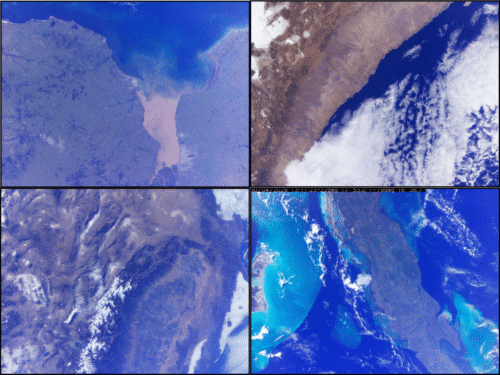
A selection of earth observation images captured by MSL teams.
A selection of earth observation images captured by MSL teams

What is working well

Low stakes but high impact

Mentors believe that Astro Pi is a great opportunity for young people to build their coding skills and knowledge of STEM concepts. Close to 80% of mentors for Mission Zero and 90% for Mission Space Lab agreed that these outcomes were being achieved for the young people in their teams. Mentors also appreciated that while the programme had real-world application, the learning experience was relaxed and low pressure.

Many of our young participants come from areas of educational disadvantage or traditionally underrepresented groups where confidence with technology and STEM subjects can be low. Mentors reported that the programme empowers young people, increasing their confidence with computing and digital making, and helping them connect with a wider community of learners from around the world. 

“They [young people] come from complicated environments and sometimes their confidence is very low. They don’t believe in themselves and this [Mission Zero challenge] really empowers them.” — Mission Zero mentor

“I think having a space mission, having Mission Zero is a way of connecting not only to a worldwide group of learners, but also explorers, future scientists, future astronauts. To see them as part of a larger community, not just an activity or assignment that they have to do in class. They discover their own abilities and potential, and exercise their creativity in a very low stakes environment… and then to see it come to life in that global way I think is extremely valuable.” — Mission Zero mentor

This increased confidence also encourages young people to take on other opportunities. 78% of Mission Zero mentors and 96% of Mission Space Lab mentors believe that it is likely that their students will participate in other coding and digital making challenges in the future. 

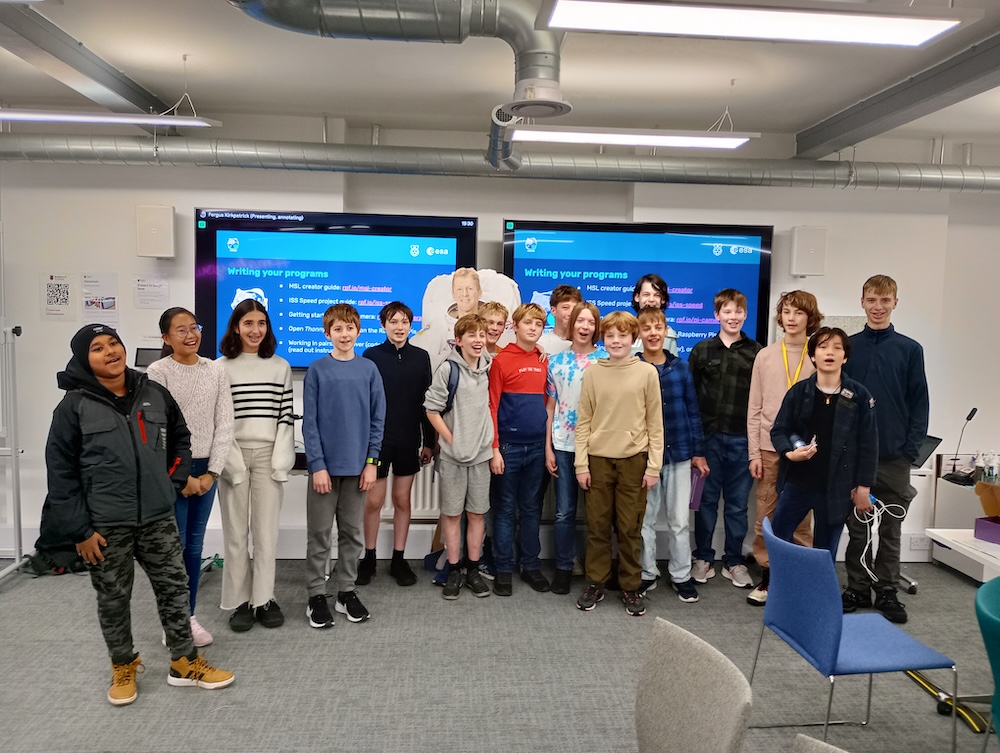
A group of students at a Mission Space Lab hackathon event.
A group of students at a Mission Space Lab hackathon event

Space is cool!

The connection to space and the ISS continues to be a strong motivator, not just for young people but also mentors and other peers. In our survey, 90% of mentors in Mission Zero and 92% in Mission Space Lab reported that the young people participating were highly motivated by the possibility of having their code run on the ISS. In focus groups, mentors highlighted how the excitement of working on a space project extended to them and other adults too.

“They’ve always really enjoyed the sheer fact that you get to send stuff into space because it is really cool.” — Mission Zero mentor

“You know, even the adults I tell about this say, ‘oh, that sounds amazing. Can I do it?’ I go, ‘No, you’re too old. I’m too old.’” — Mission Zero mentor

“We want our code to run in space! We are fascinated by discovery and the opportunity to contribute to a real science experiment on the ISS.” — Mission Space Lab mentor

The resources and guidance are useful

We know how crucial mentors are to the success of Astro Pi. Mentors come from diverse backgrounds and we are committed to making sure they feel prepared and supported. We were thrilled to hear that over 90% of Mission Zero mentors and 80% of Mission Space Lab mentors found the Astro Pi resources useful.

“I had no skills but the support proved to be excellent” — Mission Zero mentor

“Step-by-step instructions were excellent and really clear. Very easy to follow.” — Mission Zero mentor

For Mission Space Lab, the more technical activity, we’ve been working on providing additional support. In 2024–25 we introduced a new online simulator tool for teams to test their programs with historical ISS data. Mentors found the tool to be helpful, allowing them to troubleshoot their code.

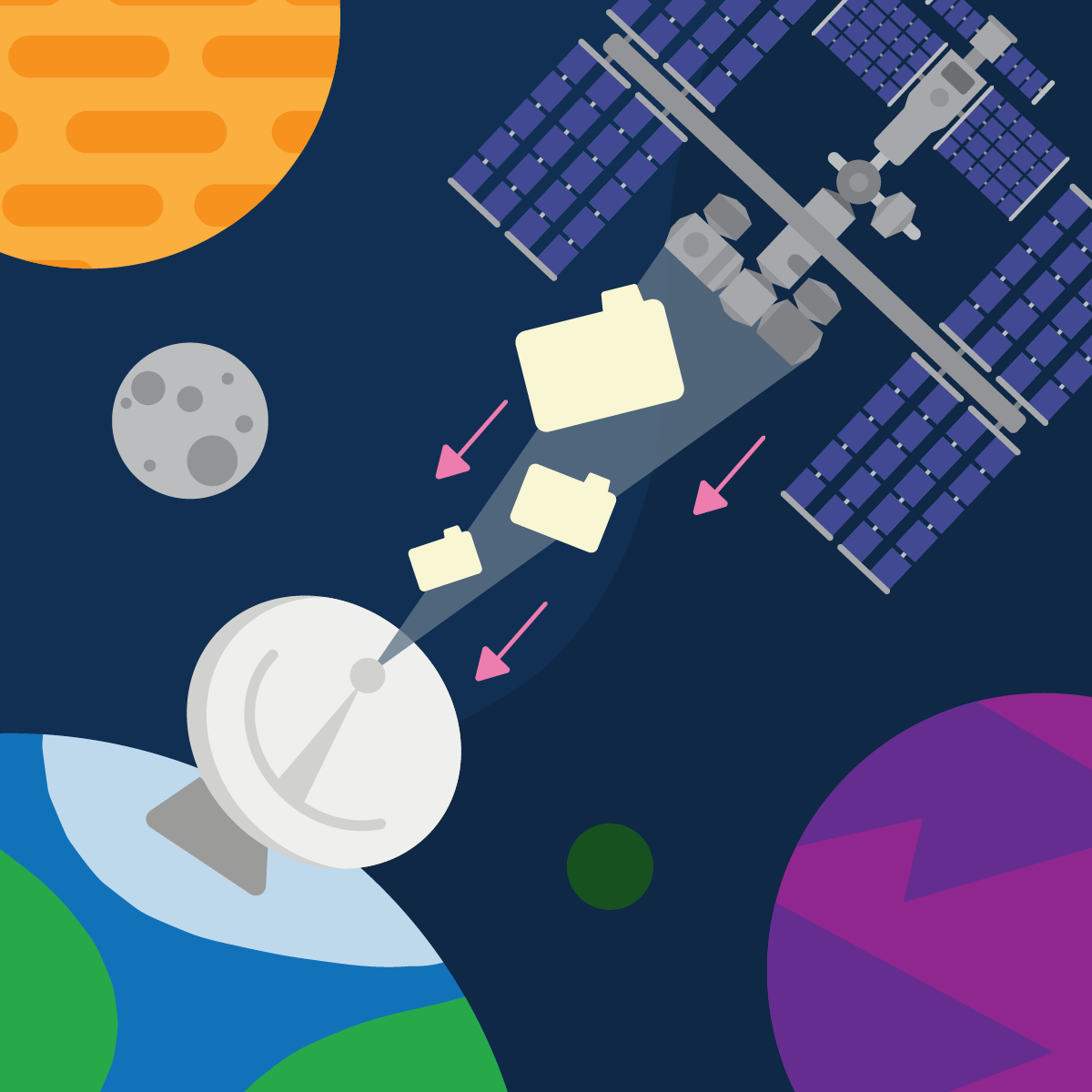
An illustration of the ISS sending files back to a satellite on Earth.
An illustration of the ISS sending files back to a satellite on Earth

What could be improved?

While we celebrate the successes, we’re always keen to understand how we can improve the programme.

As in previous years, mentors reported that young people whose computer programs passed the eligibility criteria and ran on the ISS (or “achieved flight status”, as we call it) benefited most from the experience. While 12% more Mission Space Lab teams achieved flight status this year compared to last year, some registered teams still did not submit programs. 

To understand why, we surveyed mentors who had registered but who did not then submit computer programs. In the 55 responses, the main reasons given were a shortage of time due to other school commitments, and their teams finding the challenge difficult. 

Some survey respondents suggested a need for more simplified, step-by-step instructions for less experienced learners. Additionally, a few teams faced technical issues with the online portal and the testing tool.

Thank you to all the mentors who provided their honest feedback. We’ve read and considered all of it and will use it to make Astro Pi even better in the future.

Astro Pi will be launching for its 10th year on Monday, 8 September 2025. We’ve been working on making it easier than ever to take part in both missions and are looking forward to supporting you and your teams in getting your code into space. If you’re interested in taking part, sign up to our newsletter and get the latest news and information about our resources for this year’s missions. 

Important dates:

8 September 2025: The Astro Pi Challenge opens for registration

16 February 2026: Closing date for Mission Space Lab

23 March 2026: Closing date for Mission Zero

The post Code, confidence, and community: A look back at Astro Pi 2024–25 appeared first on Raspberry Pi Foundation.
Astro Pi 2024/25: Another stellar year of space education concludes

Post Syndicated from Fergus Kirkpatrick original https://www.raspberrypi.org/blog/astro-pi-2024-25-another-stellar-year-of-space-education-concludes/

We’re thrilled to celebrate yet another incredible year of young people reaching for the stars, as the European Astro Pi Challenge 2024/25 draws to a close. Teams from across Europe and ESA Member States are now receiving their well-deserved certificates and data from the International Space Station (ISS). It’s been a truly inspiring year, showcasing the phenomenal talent and dedication of young coders and scientists.

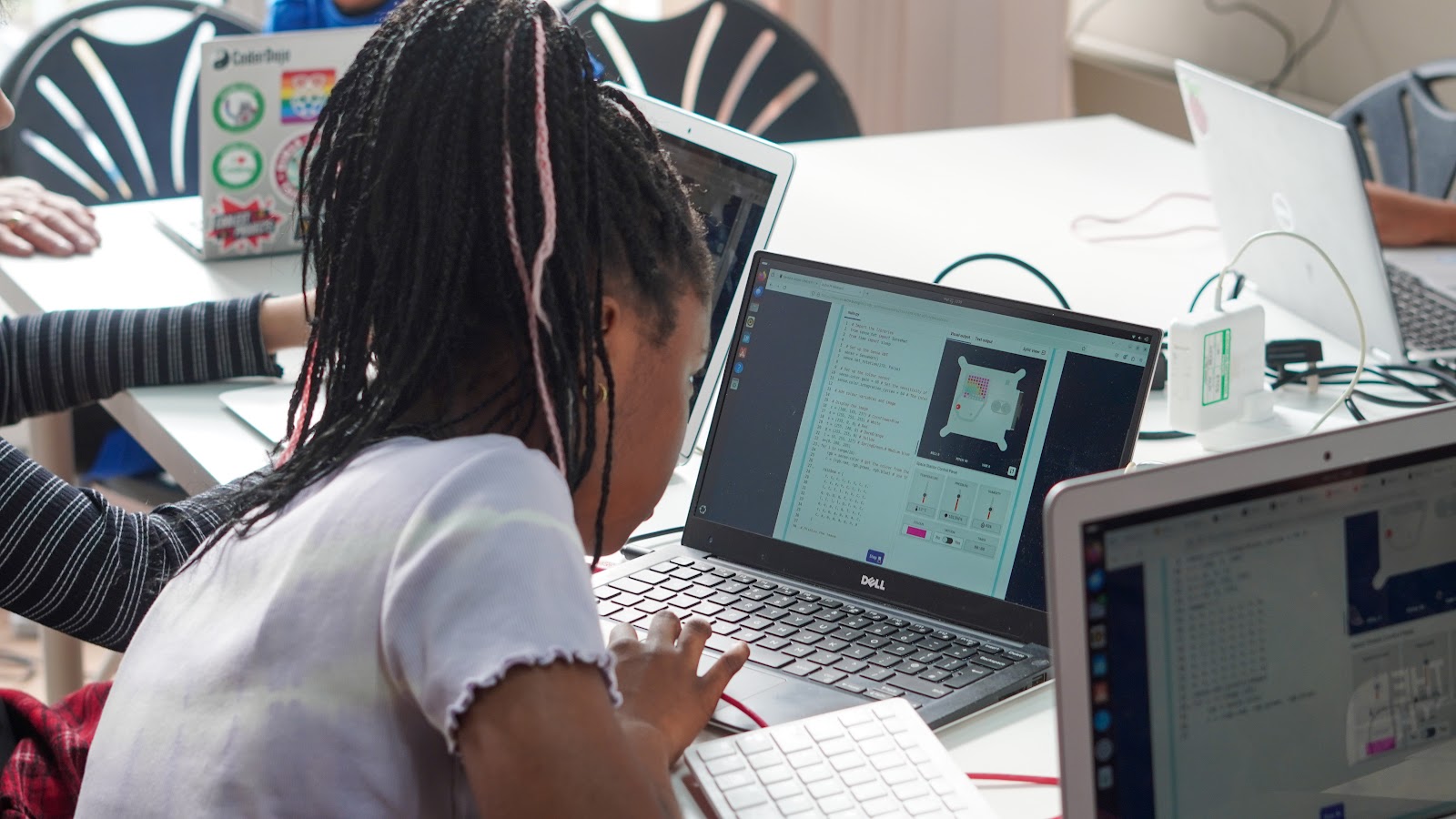
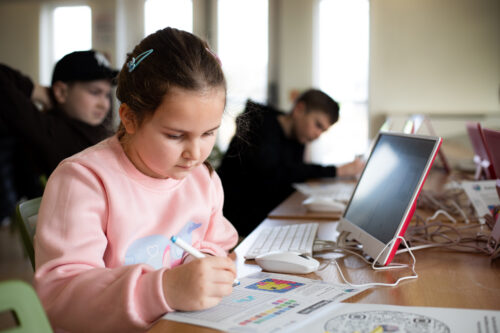
A photograph of a young learner coding on a computer for Mission Zero

The European Astro Pi Challenge is an ESA Education project run in collaboration with us here at the Raspberry Pi Foundation. It offers young people the amazing opportunity to conduct scientific investigations in space by writing computer programs that run on Raspberry Pi computers on board the ISS, called Astro Pis.

There‘s a lot to celebrate from this year’s Astro Pi, so let’s take a look at some of the highlights for each of our inspiring Missions: Mission Zero and Mission Space Lab.

A selection of images taken by Mission Space Lab teams
Figure 1: A selection of images taken by Mission Space Lab teams

Mission Zero: Inspiring coding, creativity, and inclusion

Mission Zero reached more young people than ever before in 2024/25, with 25,405 young people participating in 17,285 teams. After passing the rigorous testing and moderation processes, an amazing 17,109 teams (25,210 young people) were successful in getting their programs to run on the ISS. 

One of the great things about Mission Zero is that we see a good gender balance in participation. This year, 44% of participants identified as “female” and 4% as “prefer to self-describe”, “prefer not to say”, or “other”. This means that Mission Zero has achieved a more balanced gender representation than is typically seen in computing subjects, where the ratio is around 20:80 girls to boys.

Mission Space Lab: More teams have their programs run in space

Mission Space Lab gives young people the opportunity to calculate the speed of the ISS in orbit using sensor and camera data collected from the Astro Pis on board the ISS. This year, 1859 young people in 552 teams participated in Mission Space Lab. Notably, 309 Mission Space Lab teams, or 95% of submissions, ran their programs on the ISS and are now analysing the data they collected. That’s 73 more teams achieving flight status than in 2023/24, and a total of 1084 young people receiving unique data sets from space and certificates. 

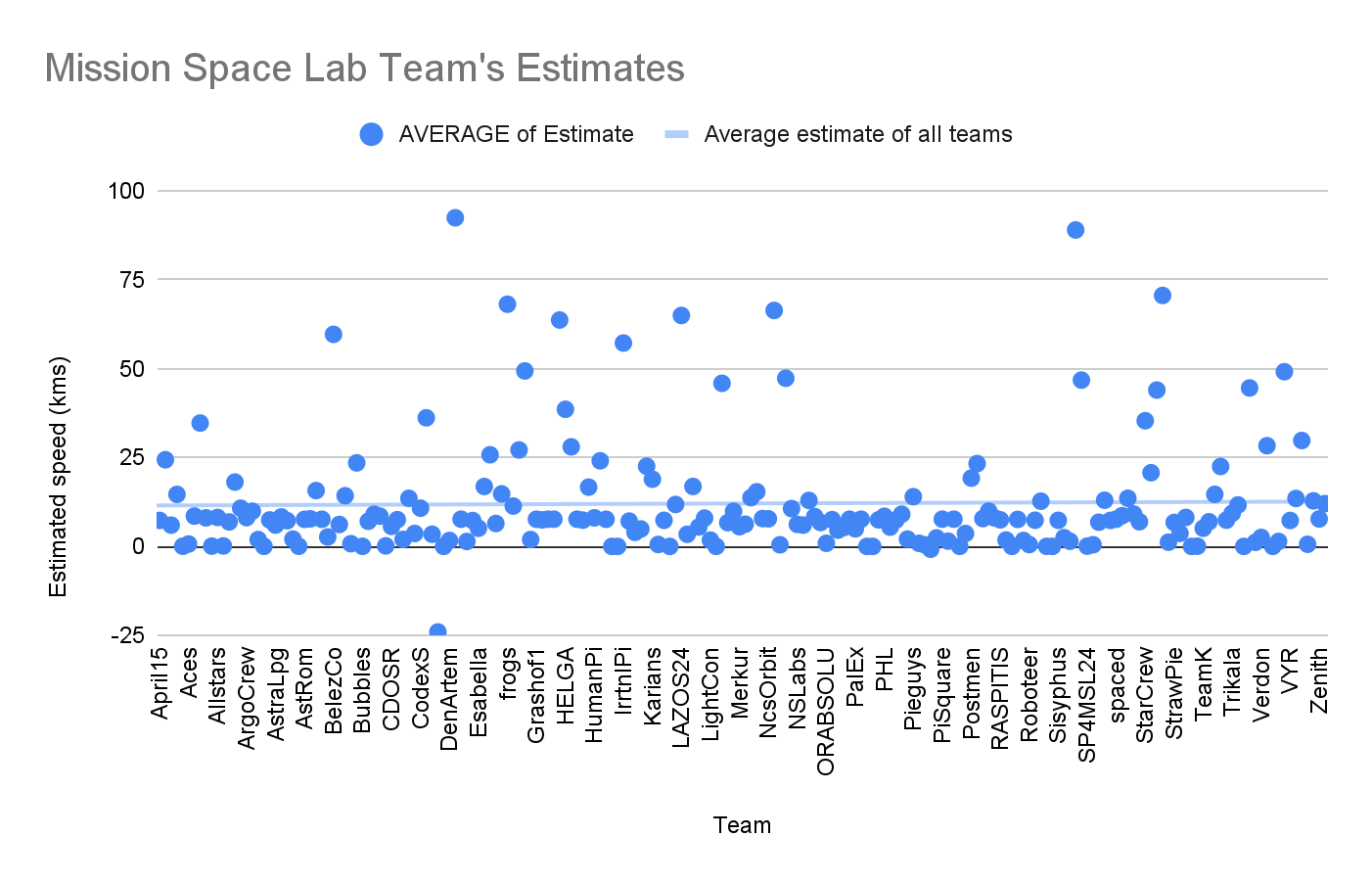
Running a program in space is very different from testing it on the ground. It’s always interesting to see how well your program has performed and how accurate the final output is. Below, you can see a scatter graph of the team estimates produced by their programs. The actual speed of the ISS is no secret: it’s travelling about 7.67 kilometres per second. How have teams performed with the ISS speed task?

Mission Space Lab teams’ speed estimates graph
Figure 2: Mission Space Lab teams’ speed estimates graph

Inspiring and impactful

Another highlight from this year has been seeing how impactful participation can be for young people and mentors facilitating the activity. We receive lots of valuable feedback from the Astro Pi community each year, and it’s always heartwarming to hear what your experience has been and how we can improve the challenge. Here are a couple of quotes from the community who took part this year:

Mission Zero mentor: “Having their programs run in space really motivated them to take part because it was an exciting reward and something they wanted to talk about with their friends.”

Parent of a Mission Zero participant: “I was completely inexperienced in Python, but easily managed to help my 7-year-old.”

More Code Clubs participating in 2024/25

It has been great to see lots of Code Clubs taking part in Astro Pi this year, both for Mission Zero and Mission Space Lab. This year, 986 young people from 700 teams did Mission Zero at their Code Club: that’s double the number from 2023/24. Plus, 43 Mission Space Lab teams from Code Clubs took part. That’s 143 young people, or almost double the number compared to the year before. 

We ran two code-alongs for the Code Club community this year, and it is encouraging to see increases for both missions. We will continue to support young people from all settings who want to take part in Astro Pi next year, whether it’s at school, Code Club, or other venues.

An educator helps young learners with a coding project

Conclusion

In summary, it’s been a great year for Astro Pi. We’ve reached lots of young people through the challenge, met many inspiring mentors, and seen some really positive trends. Plus, all the operations on the space station that make Astro Pi possible went smoothly: when you are running programs in space, that isn’t always the case! 

None of it would have been possible without the tireless efforts of the teachers, mentors, and educators who help run Astro Pi in your communities. From everyone here at Mission Control, thank you. 

If you’d like to tell us how we can provide more support to help you run Astro Pi, please email [email protected].

We’ll be back for more stellar space adventures in coding in September 2025.

The post Astro Pi 2024/25: Another stellar year of space education concludes appeared first on Raspberry Pi Foundation.
The countdown begins! Astro Pi participants to have their programs run in space

Post Syndicated from Fergus Kirkpatrick original https://www.raspberrypi.org/blog/the-countdown-begins-astro-pi-participants-to-have-their-programs-run-in-space/

This week, young people participating in the European Astro Pi Challenge 2024/25 will have their programs run in space! Astronauts from the European Space Agency (ESA) have been setting up the Astro Pi computers on board the International Space Station (ISS) ready to receive the programs. 

The European Astro Pi Challenge is an ESA Education project run in collaboration with the Raspberry Pi Foundation. It has two strands: Mission Zero, where young people write programs that display pixel art on LED screens on board the ISS, and Mission Space Lab, where more advanced learners attempt to calculate the speed of the ISS by writing programs that gather data from onboard equipment.

This year has already been a great year for the challenge!

A photograph of a young learner coding on a computer for Mission Zero
A young learner coding on a computer for Mission Zero

Mission Zero reaches more young people than ever

Mission Zero received 17,285 team submissions this year, representing 25,405 young people from ESA member and associate member states. This marks the highest-ever level of participation in Mission Zero since its inception back in 2017. Here at Mission Control, we’re delighted to announce that nearly all the participating teams (17,109 out of 17,285) have achieved ‘flight status’ — meaning that their programs will run in space. 

It’s been great to see so many young people taking part from areas of educational disadvantage too. Through partnerships with youth organisations and community events such as Beyond the Bias and Norwich Science Festival, we’ve seen Mission Zero reach even more young creators from traditionally underrepresented groups.

The 2024/25 Mission Zero project guide featured new coded pixel art examples for teams to remix and reinterpret. Many teams also created their own artworks and animations, with amazing creativity and coding skills on display. We’ll be selecting six submissions from this year to feature as the new code examples in the 2025/26 Mission Zero project guide. Look out for more news on this in the summer.

A selection of pixel art inspired by nature created by young people for Mission Zero
GIFs submitted by Mission Zero participants

New highs for Mission Space Lab

Mission Space Lab teams were tasked again this year with writing programs to collect data from cameras and sensors on board the ISS to calculate its speed. We’ve been really pleased to see 562 teams register and 325 submit their programs. This has resulted in an amazing 309 teams being awarded flight status — their programs will each run on the ISS for ten minutes, giving participants the unparalleled opportunity to record sensor data in space and take photos many miles above the Earth. 

More teams have submitted programs and achieved flight status this year than in 2023/24. We believe this uptick is due, in part, to a couple of new additions that have made submissions easier: 

  • Firstly, Mission Space Lab teams can now test their programs online using the Astro Pi Replay Tool. This gives them a chance to see if their program will work on the real Astro Pis on board the ISS by replaying historical data sets captured from previous missions. 

Secondly, teams have been able to use the Picamzero Python library, which makes it easier to use PiCamera2 functionality.

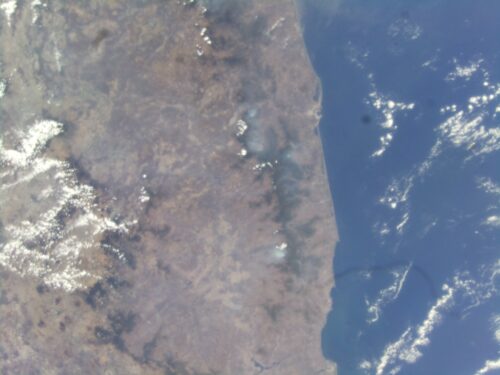
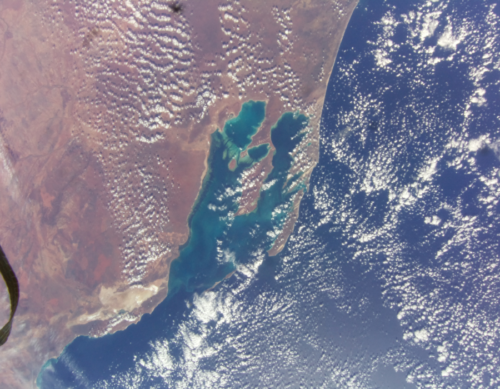
A photograph taken from space of the Peloponnese Peninsula
The Peloponnese Peninsula in Greece, taken in 2024 by the Astro Pi computers on the ISS

Deployment

Today’s the day when Mission Zero and Mission Space Lab teams with flight status will have their programs sent up to the ISS. Astronauts have been busy setting up the Astro Pi computers ready to receive the programs and putting them into position. Over the next two weeks, the programs will run and the collected data will be sent down from the ISS to Earth. 

An illustration of the International Space Station sending program files to a satellite dish on Earth
Files being sent down from the ISS

In June, Mission Zero and Mission Space Lab teams will receive certificates of participation with the exact times their programs ran on the ISS, along with the coordinates of where the ISS was above the Earth. Mission Space Lab teams will also receive a zip file with the data their programs collected. 

None of this would have been possible without the hard work of all the mentors, teachers, and Code Club leaders that organise the teams of young people doing the Astro Pi missions. 

Let’s stay curious, with our eyes upwards on that final frontier!

Looking for ways to keep your creators coding?

While you wait for the next cycle of the European Astro Pi Challenge, there are many other exciting coding opportunities for you and your teams to explore, including:

  • Coolest Projects: Coolest Projects is a free, worldwide showcase where young digital creators share the amazing things they’ve made with technology. There’s an international online showcase as well as in-person events in several countries. Every participant gets certificates and rewards, and projects of any kind and at any level are encouraged.
  • Code Club projects: Our extensive collection of Code Club projects explore Python, Scratch, the BBC micro:bit, and much more — there’s something available for all young people, no matter their level of experience.

The post The countdown begins! Astro Pi participants to have their programs run in space appeared first on Raspberry Pi Foundation.
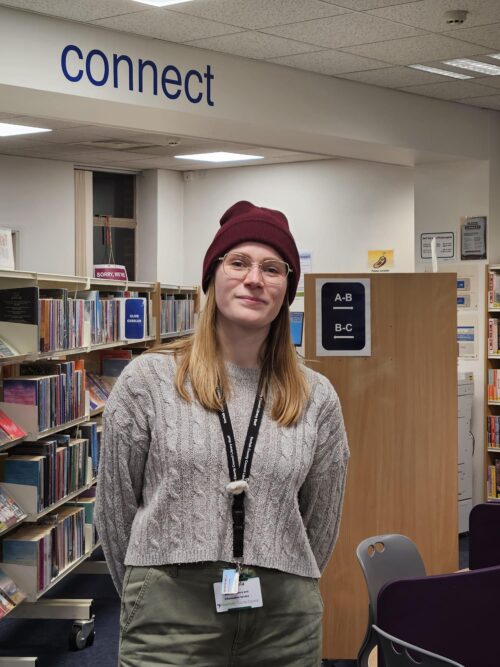
Community Story | Daniela, Thetford Library

Post Syndicated from Sophie Ashford original https://www.raspberrypi.org/blog/community-story-daniela-thetford-library/

We love hearing from members of the community and sharing the stories of amazing young people, volunteers, and educators who are using their passion for technology to create positive change in the world around them.

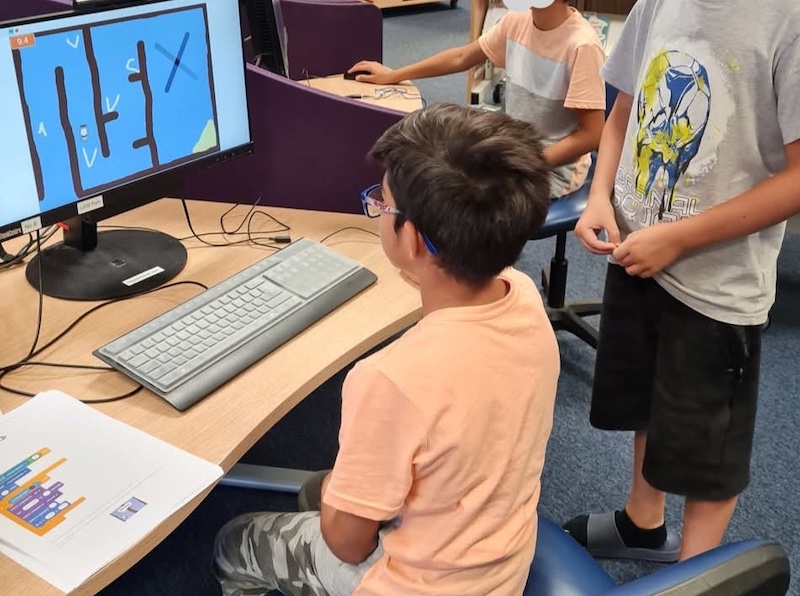
Daniela in a Code Club.

When Daniela made the transition from working in retail to joining the team at Thetford Library, she never imagined that she would one day be leading a Code Club. Her manager, who had previously run the club, asked if Daniela would be interested in taking over, and although she was nervous, she was also eager to embrace the challenge and learn new skills.

“At first, I was nervous about teaching coding, but seeing the children’s excitement made me realise it was so important, and I was learning just as much as they were.”

The Code Club was designed to run in eight-week blocks, with a new group of children joining for each term. However, the kids loved it so much that they didn’t want to leave. Daniela, with her growing passion for coding and mentoring, welcomed the children to attend as often as they wanted, with some children, including one particularly enthusiastic young creator, attending every session. This continuity allowed the children to delve deeper into the world of coding, learning in a different way to what they were used to at school.

Inspiring young coders through creativity

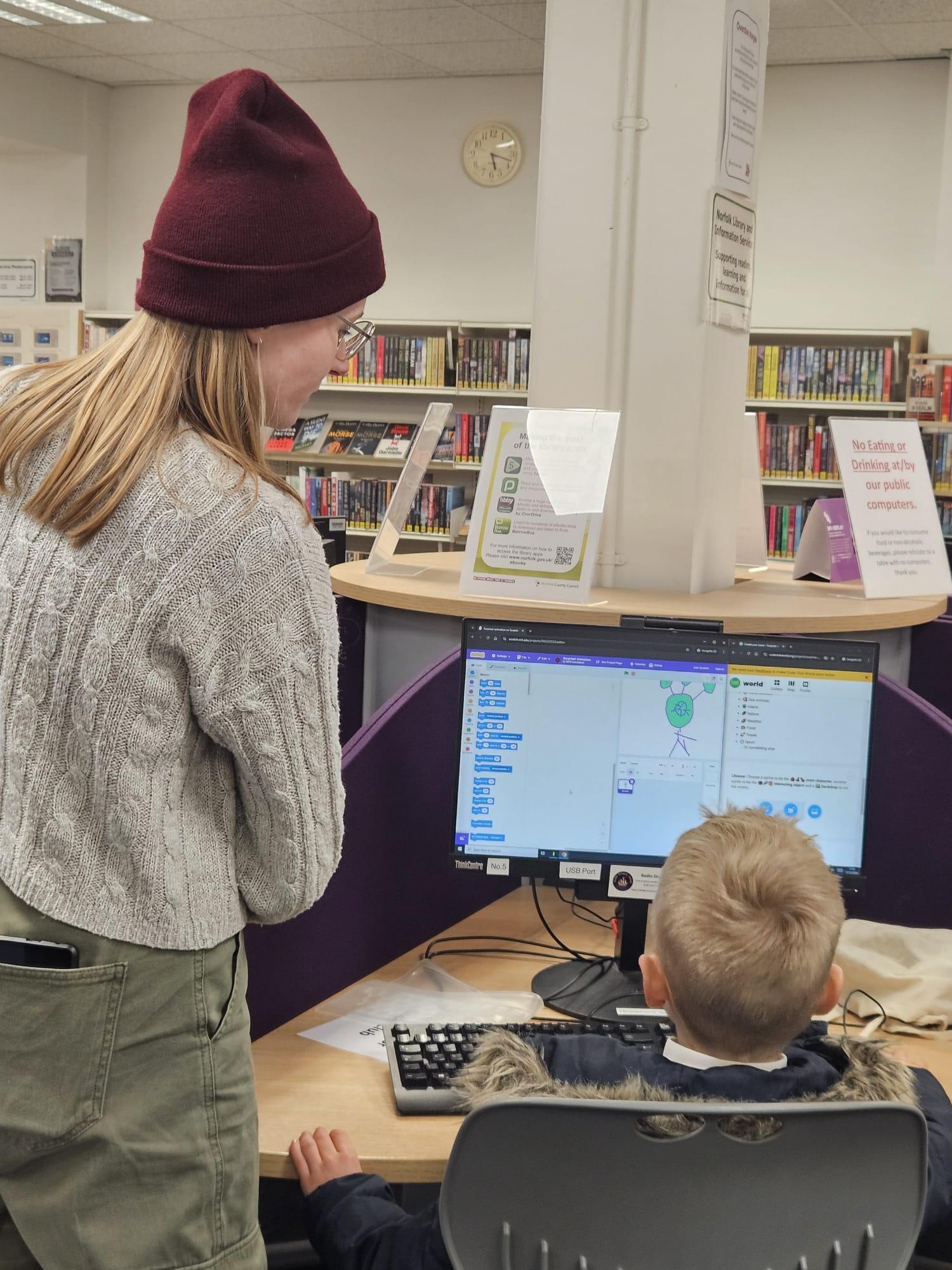
One of the key things that Daniela has found resonates most with the children is the combination of creativity and coding. She encourages the kids to draw and plan their projects first, which makes the process more engaging and accessible to all of the young people who want to attend. The freedom to be creative is something that she feels is crucial, especially when compared to the more structured and rigid environment of school curriculums. This approach has been particularly rewarding for one young girl in the club who insists on planning and drawing her own characters and backgrounds for all of her projects.

“Coding isn’t just about writing lines of code — it’s about storytelling, problem solving, and imagining what’s possible.”

Students in a Code Club.

Astro Pi: giving young people the confidence to dream big

Daniela’s journey into coding took a significant leap when she decided to explore the Astro Pi challenge, a project that involves writing code to run on Astro Pi computers aboard the International Space Station. Despite her initial nerves about diving into Python, a more advanced programming language than she had tried at the club previously, she was blown away by the possibilities it opened up. When telling the children, she almost felt that she was more excited at the prospect of them trying out real space science than them. But once she showed them some examples, the buzz was infectious and the sessions ran far smoother than she could have hoped. Daniela’s tip for trying Astro Pi for the first time? Find a fellow mentor to help you along the way and dream big.

“I never imagined we’d be working on space science at our library. Introducing children to coding early isn’t just about technology; it’s about giving them the confidence to dream big and think differently.”

Thetford Library

The success of the Code Club at Thetford Library is part of a broader initiative by Norfolk Libraries to provide digital skills to the community. They are committed to offering resources and opportunities for people of all ages to engage with technology. From their Digital Week, which focuses on improving digital literacy, to offering mentorship for adults learning to navigate the digital world, Norfolk Libraries is working hard to bridge the digital divide.

Benefits of volunteering at a Code Club 

For Daniela, the importance of introducing children to coding at an early age is not something she thought would become a passion for her when moving careers. She sees firsthand how these skills empower the children, giving them confidence and opening up future career opportunities. 

“Code Club has shown me that stepping outside your comfort zone is where the real growth happens. Both for me and the kids!”

A mentor is helping a student in class.

It’s this combination of creativity, learning, and the sheer joy of discovery that keeps Daniela passionate about running the Code Club, and why she continues to welcome every eager child who walks through the door.

Inspire young people in your community

If you are interested in encouraging your child to explore coding, take a look at the free coding project resources we have available to support you. If you would like to set up a Code Club for young people in your community, or attend one, head to codeclub.org for information and support.

The post Community Story | Daniela, Thetford Library appeared first on Raspberry Pi Foundation.
Five reasons to join the Astro Pi Challenge, backed by our impact report

Post Syndicated from Vicky Fisher original https://www.raspberrypi.org/blog/five-reasons-to-join-the-astro-pi-challenge/

We are excited to share our report on the impact of the 2023/24 Astro Pi Challenge. Earlier this year we conducted surveys and focus groups with mentors who took part in the Astro Pi Challenge, to understand the value and impact the challenge offers to young people and mentors. You can read the full report here, but here are the highlights.

A child taking part in Astro Pi Mission Zero.

What is the Astro Pi Challenge?

The European Astro Pi Challenge is an ESA Education project run in collaboration with the Raspberry Pi Foundation. It offers young people the amazing opportunity to learn how to code and conduct scientific investigations in space, by writing computer programs that run on Raspberry Pi computers on board the International Space Station (ISS). The annual Astro Pi Challenge is open to young people up to age 19 in ESA member and associate countries.

Each year, there are two missions: Mission Zero and Mission Space Lab.

Five reasons to take part in the Astro Pi Challenge

Based on the findings in this report, we wanted to highlight five great reasons to take part in the Astro Pi Challenge, and direct you to some resources to help you get started — there is still plenty of time to enter the 2024/25 challenge!

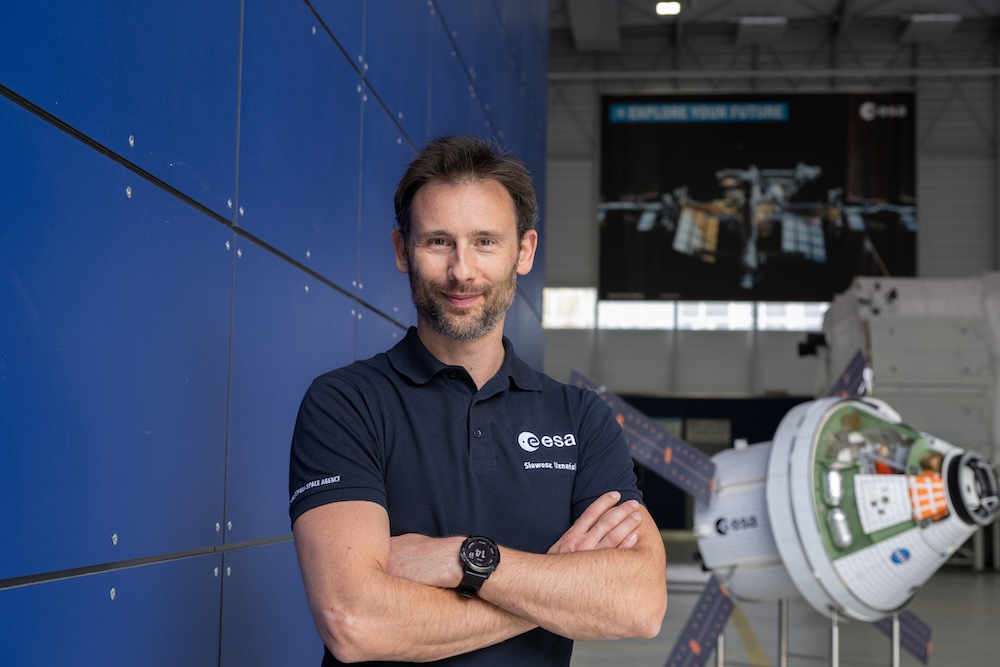
ESA astronaut Sławosz Uznański Astro Pi Challenge 2025 ambassador.

1. Young people get to run their code in space

Mentors told us how excited young people were to be working on something that connected with the real world, and how proud they were that their code ran on the International Space Station.

“Participating in Mission Space Labs offers students a great opportunity to work with the International Space Station, to see the Earth from above, to challenge them to overcome the terrestrial limits.” – Mission Space Lab mentor

2. Young people are inspired to continue to learn

91% of mentors told us that young people who successfully wrote code for Mission Space Lab were likely or very likely to participate in computing and digital making challenges in the future.

Mission Zero mentors shared that young people who saw others take part in the mission were inspired to get involved.

3. Young people learn new skills

Mission Space Lab mentors told us that young people who successfully wrote code for Mission Space Lab had a greater understanding of STEM concepts, and increased their skills and confidence in computing and digital making.

Mentors also said that Mission Zero provides a great first step into using Python.

“I think it was very good at setting up the first bit of Python and just having a very limited command set and a very quick result…” – Mission Zero mentor

4. Astro Pi mentors have fun

It’s not just the young people that enjoy Astro Pi — 95% of Mission Space Lab mentors and 99% of Mission Zero mentors said they somewhat or very much enjoyed taking part.

5. We provide the resources and support Astro Pi mentors need

Mentors gave us positive feedback on the guidance we provided to help them support young people. This year, we have produced even more resources and ways to support mentors to lead missions.

“The Mission [Space] Lab guide was fantastic for my students; step by step” – Mission Space Lab mentor

How to get involved

Astro Pi opened for registration on 16 September this year, and there is still plenty of time for you to sign up and run the missions with your young people. You can find all the information you need to take part on astro-pi.org, including the mentor guides, which help you prepare to run the activities.

Mission Zero mentor guide
Mission Space Lab mentor guide

We also provide project guides for Mission Zero and Mission Space Lab that walk young people through the steps they need to follow to get a working program ready for submission.

Mission Space Lab workshop held at RPF HQ.

If you would like some help getting started, you can:

Key dates

17:30 – 18:30 CET, 16 January – Mission Space Lab livestream and technical Q&A
17:30 – 18:30 CET, 28 January – Mission Zero codealong
09:00 CET, 24 February – Mission Space Lab closes
09:00 CET, 24 March – Mission Zero closes

The post Five reasons to join the Astro Pi Challenge, backed by our impact report appeared first on Raspberry Pi Foundation.
The European Astro Pi Challenge 2024/25 launches today

Post Syndicated from Fergus Kirkpatrick original https://www.raspberrypi.org/blog/the-european-astro-pi-challenge-2024-25-launches-today/

Registration is now open for the European Astro Pi Challenge 2024/25! The Astro Pi Challenge, an ESA Education project run in collaboration with us here at the Raspberry Pi Foundation, offers young people the incredible opportunity to write computer programs that will run in space.

Logo of the European Astro Pi Challenge.

Young people can take part in two exciting missions for beginners and more experienced coders, and send their code to run on special Raspberry Pi computers, called Astro Pis, on board the International Space Station (ISS).

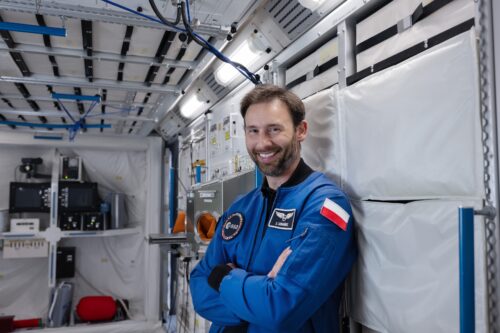
Meet the new Astro Pi ambassador, Sławosz Uznański

We are delighted that new ESA project astronaut Sławosz Uznański will be the ambassador for this year’s Astro Pi Challenge. Sławosz, born in Poland in 1984, has a background in space systems engineering and has conducted research in radiation effects. He recently served as the Engineer in Charge of CERN’s largest accelerator, the Large Hadron Collider.

Mission Zero: Send your pixel art into space

In Mission Zero, young people create beautiful pixel art to display on the Astro Pis’ LED screens. This mission requires no prior experience of Python coding, and it can be completed in around an hour.

A selection of pixel art images by Mission Zero 2023/24 participants. The images  show a variety of plants and animals, such as a cactus, a cat, and an elephant.
Pixel art examples by Mission Zero 2023/24 participants

To take part, young people design and code pixel art inspired by nature on Earth and beyond, to display on the Astro Pi computers for the astronauts on the ISS to see as they go about their daily tasks.

Using our step-by-step Mission Zero project guide, young people will learn to create simple Python programs in which they will code with variables and use the colour sensors on the Astro Pis to change the background colour in their images. To help your teams create their designs, check out the examples from teams that took part in Mission Zero in 2023/24 in the project guide.

A young person smiles while using a laptop.

Young people can create their Mission Zero programs individually or in teams of up to 4 people, and this year, we have added a save function for young people as they code. This will make it easier for mentors to run Mission Zero over more than one session, and also means that young people can finish their projects at home. They will need to use your classroom code and their team name to load their saved projects. 

Mission Space Lab: Calculate the speed of the ISS

Mission Space Lab asks teams to solve a real-world scientific task in space. It is ideally suited to young people who would like to learn more about space science and stretch their programming skills.

A photo of Mexico taken by an Astro Pi computer on board the ISS.
 A photo of Mexico taken using an Astro Pi computer during a team’s experiment in Mission Space Lab 2023/24

In Mission Space Lab this year, the task for teams of 2 to 6 young people is to calculate the speed at which the International Space Station is travelling — as accurately as possible. Teams need to write a Python program that:

  1. Collects data from the Astro Pi computers’ sensors or cameras about the orientation and motion of the ISS as it orbits the Earth, and
  2. Uses this data to calculate the travel speed
The Astro Pi computers inside the International Space Station.
The Astro Pi computers at a window in the International Space Station.

This year we have created a new way for teams to test their programs, with an online version of the Astro Pi Replay tool. All teams need to do is select their program and run it in Astro Pi Replay, which will create a real-time simulation of the program running on the ISS, using historical data and images. Astro Pi Replay will also show program outputs and report errors. This means teams can code their program in their preferred code editor, then test with an internet browser. However, if they wish, teams can still run the Astro Pi Replay tool offline with Thonny.

Important dates for your diary

  • 16 September 2024: Registration is now open for Mission Zero and Mission Space Lab!
  • 24 February 2025: Mission Space Lab submissions close
  • 24 March 2025: Mission Zero submissions close
  • April–May 2025: Astro Pi programs run on the International Space Station
  • June 2025: Astro Pi teams receive their certificates

Register today

Both missions are open to young people up to age 19 from eligible countries — all ESA Member States and beyond. To find out more and register, visit astro-pi.org

Look out for updates and resources being shared on the Astro Pi website, including a Mission Zero video codealong and Mission Space Lab live streams. You can also keep up-to-date with all the Astro Pi news on the Astro Pi X account, our Facebook, LinkedIn, and Instagram, or by signing up to the newsletter at astro-pi.org.

We can’t wait to see your programs!

The post The European Astro Pi Challenge 2024/25 launches today appeared first on Raspberry Pi Foundation.
Celebrating Astro Pi 2024

Post Syndicated from Vicky Fisher original https://www.raspberrypi.org/blog/celebrating-astro-pi-2024/

About the projects

Over the past few months, young people across Europe have run their computer programs  on the International Space Station (ISS) as part of Astro Pi Mission Zero and Mission Space Lab.

Mission Zero code deployment
Mission Zero code deployment | Credits: ESA/NASA

Mission Zero offers young people the chance to write a simple program that takes a reading from the colour and luminosity sensor on an Astro Pi computer on board the ISS, and uses it to set the background colour in a personalised image for the astronauts to see as they go about their daily tasks. In total, 16,039 teams and 24,663 young people participated in Mission Zero this year. This was a 3% increase in teams entering compared to last year.

Mission Space Lab offers teams of young people the chance to run scientific experiments on board the ISS. This year, 564 teams and 2,008 young people participated in Mission Space Lab. Compared with last year, there was a 4% increase in the number of teams who managed to achieve flight status and run their code in space.

Two young people at a computer.

To evaluate the projects, we encouraged mentors to complete surveys once their teams had submitted their computer programs. Overall, 135 Mission Zero mentors (11% of mentors) and 56 Mission Space Lab mentors (15% of mentors) completed surveys. We also ran focus groups with mentors from both projects to understand their experiences and the impact of these projects on young people.

Impact on young people

Understanding how technology is changing the world

The mentors we spoke to told us how valuable Mission Zero and Mission Space Lab are because these experiences connect young people to real technology. Mentors felt that Mission Zero and Mission Space Lab bridge the gap between theoretical coding and tangible outcomes, giving young people the confidence to engage with technology.

“Participating in Mission Space Lab offers students a great opportunity to work with the International Space Station, to see the Earth from above, to challenge them to overcome the terrestrial limits. It’s very important.” — Mission Space Lab mentor

A young person working on a coding project on a computer.

“We want students to use their digital skills as superpowers to make the world a better place and this competition really aligns with that because regardless of your race, your ethnicity, your gender, you can write some code that actually runs in space. And if you can do that, then you can make medical tech, or you can solve the big problem that the adults of the world are still grappling with, so it’s the opening up [of] opportunities.” — Mission Zero mentor

Mentors observed that the project inspired children to consider careers they previously thought were out of reach. Space exploration was no longer a far away and theoretical idea for the children, but something connected to their everyday lives and their own learning.

“Some of the people that I was teaching this to felt like becoming an astronaut was really difficult to learn… now it’s not necessarily a distant thing to study.” — Mission Zero mentor

Mentors also described how the young people gained confidence in their ability to engage with technologies. One mentor described the “self-esteem” and “pride” younger pupils gained from participation. Others talked about the confidence that came with achieving something like having their code run in space and receiving certificates proving they were “space scientists”.

Our mentors

None of this would be possible without the hard work and dedication of our mentors. So, as part of our evaluation, we wanted to understand how we can best support them. For Mission Space Lab, that took the form of assessing the new guidance that we published this year and that sits alongside the project. When we spoke to mentors, they told us this guide provided clear, step-by-step guidance that enabled the young people to work through the project, and the majority of survey respondents agreed: 89% rated the Mission Space Lab project guide as somewhat or very understandable. 

We also heard from mentors about the ways they are using Mission Zero in a wider context. Some told us that their schools ran the project as part of space-themed weeks where they used Mission Zero in conversations about space exploration, the Hubble telescope, and learning the names of the stars. Others used Mission Zero across multiple subjects by designing images and holding art competitions based on the design, as well as learning about pixels and animations. 

A young person at a desk using a computer.

Additionally, it was a pleasure to hear about young people who had participated in Mission Zero in previous years gaining leadership skills by supporting other young people to complete Mission Zero this year.

Next steps

Thank you to all the mentors who provided constructive feedback through surveys and focus groups. We have read and considered every comment and will continue to consider how to improve the experience for mentors and young people. 

We will publish an in-depth report with the findings of our evaluation later in the year; however, we’ve already made some changes to the programme that will be launching for the 2024/25 Astro Pi challenge and wanted to share these updates with you now.

Improvements for next year:

Mission Zero

  • We’re adding a save button to Mission Zero to allow young people to work on this across multiple sessions.
  • We’re adding new code examples to the Mission Zero project guide. These have been selected from team submissions from the 2023/24 challenge.

Mission Space Lab

  • We’re creating an online testing tool for Mission Space Lab so that it will be easier for teams to test whether or not their code works. It will feature new data and images captured from the ISS in spring 2024.

We hope that all the young people and mentors who participated in last year’s Astro Pi challenge enjoyed the experience and learnt a lot. With the exciting updates we’re working on for the 2024/25 Astro Pi challenge, we hope to see even more young people participate and share their creative projects next year.

Project launch dates

  • 16 September 2024: Mission Zero and Mission Space Lab launch
  • 24 February 2025: Mission Space Lab submissions close
  • 24 March 2025: Mission Zero submissions close
  • April – May 2025: Programs run on the International Space Station
  • June 2025: Teams receive certificates 

The post Celebrating Astro Pi 2024 appeared first on Raspberry Pi Foundation.
Young people receive their data from space and Astro Pi certificates

Post Syndicated from Fergus Kirkpatrick original https://www.raspberrypi.org/blog/young-people-receive-their-data-from-space-and-astro-pi-certificates/

Across Europe and beyond, teams of young people are receiving data from the International Space Station (ISS) this week. That’s because they participated in the annual European Astro Pi Challenge, the unique programme we deliver in collaboration with ESA Education to give kids the chance to write code that runs in space.

The Astro Pi computers inside the International Space Station.

In this round of Astro Pi, over 26,400 young people took part across its two missions — Mission Space Lab and Mission Zero — and had their programs run on the Raspberry Pi computers on board the ISS.

Mission Space Lab teams find out the speed of the ISS

In Mission Space Lab, we asked young people to team up and write code to collect data on the ISS and calculate the speed at which the ISS is travelling. 236 teams wrote programs that passed all our tests and achieved flight status to run in space. And not only will the Mission Space Lab teams receive their participation certificates this week — they’ll also receive the data their programs captured on the ISS.

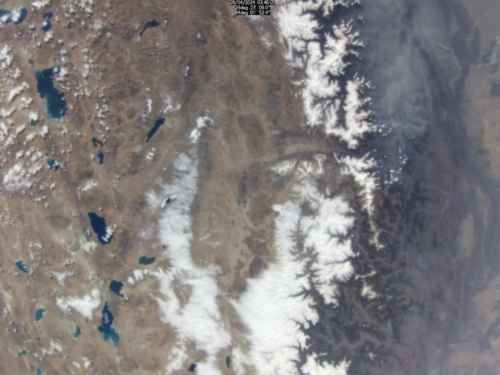
A picture of the Himalayas taken from space by the Astro Pi computers.

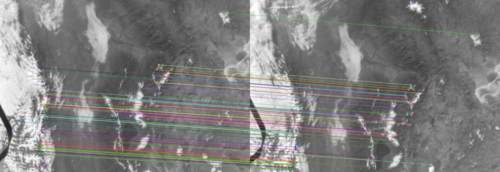
Many teams chose a feature extraction method to calculate the ISS’s speed, identifying two points on Earth from which to calculate the distance the ISS travelled over time. Using this method means using the high-quality camera on the Astro Pi computer to take some fantastic photos of Earth from the ISS’s World Observation Research Facility (WORF) window. Teams will receive these photos soon, which are unique views of Earth from space.

A picture of feature extraction between two images.
Feature extraction between two images

How fast does the ISS travel? 

The actual speed that the ISS is travelling in space while at normal altitude is 7.66km/s. Its altitude can affect the speed, so it can vary, but the ISS’s boosters fire up if it dips too low.

To help teams with writing programs that can adapt to some of these variances, and to show them the type data they can collect, we gave them a programming tool we call Astro Pi Replay. Using this tool, teams can simulate how their program would run on the Astro Pi computers up in space.

The International Space Station orbiting Earth.
The International Space Station orbiting Earth

This is the first time we asked Mission Space Lab teams to focus on a particular scientific question. So how did they do? The graph below shows some of the speeds that teams’ programs estimated. 

A graph showing the range of speeds calculated by Mission Space Lab teams.
The range of speeds calculated by Mission Space Lab teams

As you can see, a variety of speeds were estimated, but the average is fairly close to the ISS’s actual speed. Teams did a great job trying to solve the question and working like real space scientists. Once they receive their data this week, they can check how accurate their speed estimate was.

Mission Zero pixel art lights up astronauts’ daily tasks 

In Astro Pi Mission Zero, a coding activity suitable for beginners, 16,039 teams of young people created code to make pixel art inspired by nature. Nearly half (44%) of the 24,409 participants were girls! 15,942 of the Mission Zero teams had their code run on the ISS after we checked that it followed the rules.

Mission Zero Submissions

Every team whose program ran on the ISS — with their pixel art showing for the astronauts to see as they worked — will receive certificates with the time, date, and location coordinates of their Mission Zero run. 

We’ve been so impressed with this year’s pixel art creations that we’ve picked some as new examples for next year’s Mission Zero coding guide. That means young people will be able to choose one of a few pixel images to start with and recreate or remix them for their program. More info on that is coming soon, sign up to the Astro Pi newsletter to not miss it.

Let’s get ready for September

Thank you and congratulations to everyone who took part in the missions this year, and our special thanks to all the amazing educators who ran Astro Pi activities with young people.

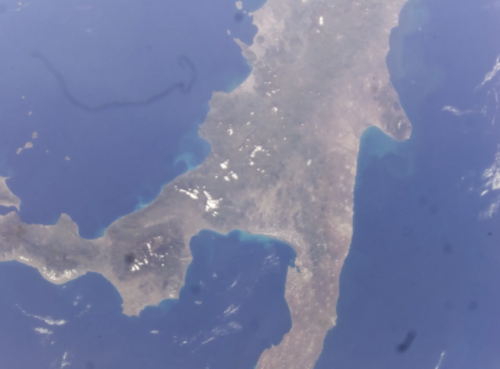
The boot shape of Italy photographed from space by the Astro Pi computers.
The south of Italy photographed from space by the Astro Pi computers

For us, there is much to reflect on and celebrate from this year’s challenge. We’ve had the chance to run Mission Zero with young people in person and identify a few changes to help make the activity easier. As Mission Space Lab now involves simulating programs running on the ISS with our new Astro Pi Replay tool, we’ll be exploring how to improve this as well.

We hope to engage lots of previous and new participants in the Astro Pi Challenge when it starts up again in September. Sign up for the newsletter on astro-pi.org to be the first to hear about the new round.

The post Young people receive their data from space and Astro Pi certificates appeared first on Raspberry Pi Foundation.
Young people’s Astro Pi code is sent to the International Space Station

Post Syndicated from Fergus Kirkpatrick original https://www.raspberrypi.org/blog/young-peoples-astro-pi-code-is-sent-to-the-international-space-station/

Young people taking part in the European Astro Pi Challenge are about to have their computer programs sent to the International Space Station (ISS). Astro Pi is run annually in collaboration by us and ESA Education, and offers two ways to get involved: Mission Zero and Mission Space Lab.

Logo of the European Astro Pi Challenge.

This year, over 25,000 young people from across Europe and eligible ESA Member States are getting their programs ‘uplinked’ to the Astro Pi computers aboard the ISS, where they will be running over the next few weeks. 

Mission Zero teams send their art into space

Mission Zero is an exciting activity for kids with little or no experience with coding. We invite young people to create a Python program that displays an 8×8 pixel image or animation. This program then gets sent to the ISS, and each pixel art piece is displayed for 30 seconds on the LED matrix display of the Astro Pi computers on the ISS.

Two Astro Pis on board the International Space Station.
Astro Pis on the ISS

We picked the theme ‘fauna and flora’ as the inspiration for young people’s pixel art, as it proved so popular last year, and we weren’t disappointed: this year, 24,378 young people submitted 16,039 Mission Zero creations!  

We’ve tested every program and are pleased to announce that 15,942 Mission Zero programs will be sent to run on the ISS from mid May. 

Once again, we have been amazed at the wonderful images and animations that young people have created. Seeing all the images that have been submitted is one of the most enjoyable and inspiring things to do as we work on the Astro Pi Challenge. Here is a little selection of some of our favourites submitted this year:

A selection of pixel art images and animation inspired by nature submitted by young people.
A selection of Mission Zero submissions

Varied approaches: How different teams calculate ISS speed

For Mission Space Lab, we invite more experienced young coders to take on a scientific challenge: to calculate the speed that the ISS orbits Earth. 

Teams are tasked with writing a program that uses the Astro Pis’ sensors and visible light camera to capture data for their calculations, and we have really enjoyed seeing the different approaches the teams have taken. 

The mark 2 Astro Pi units spin in microgravity on the International Space Station.

Some teams decided to calculate the distance between two points in photos of the Earth’s surface and combine this with how long it took for the ISS to pass over the points to find the speed. This particular method uses feature extraction and needs to account for ground sampling distance — how many square metres are represented in one pixel in an image of the ground taken from above — to get an accurate output.  

We’ve also seen teams use data from the gyroscope to calculate the speed using the angle readings and photos to get their outputs. Yet other teams have derived the speed using equations of motion and sampling from the accelerometer.

An example of features of the earth’s surface being matched across two different images.
Feature extraction example taken from images captured by the Astro Pis

All teams that took multiple samples from the Astro Pi sensors, or multiple images, had to decide how to output a final estimate for the speed of the ISS. Most teams opted to use the mean average. But a few teams chose to filter their samples to choose only the ‘best’ ones based on prior knowledge (Bayesian filtering), and some used a machine learning model and the Astro Pi’s machine learning dongle to select which images or data samples to use. Some teams even provided a certainty score along with their final estimate.

236 Mission Space Lab teams awarded flight status

However the team choses to approach the challenge, before their program can run on the ISS, we need to make sure of a few things. For a start, we check that they’ve followed the challenge rules and meet the ISS security requirements. Next, we check that the program can run without errors on the Astro Pis as the astronauts on board the ISS can’t stop what they’re doing to fix any problems. 

So, all programs submitted to us must pass a rigorous testing process before they can be sent into space. We run each program on several replica Astro Pis, then run all the programs sequentially, to ensure there’s no problems. If the program passes testing, it’s awarded ‘flight status’ and can be sent to run in space.

The Astro Pi computers inside the International Space Station.

This year, 236 teams have been awarded flight status. These teams represent 889 young people from 22 countries in Europe and ESA member states. The average age of these young people is 15, and 27% of them are girls. The UK has the most teams achieving flight status (61), followed by the Czech Republic (23) and Romania (22). You can see how this compares to last year and explore other breakdowns of participant data in the annual Astro Pi impact report.  

Our congratulations to all the Mission Space Lab teams who’ve been awarded flight status: it is a great achievement. All these teams will be invited to join a live online Q&A with an ESA astronaut in June. We can’t wait to see what questions you send us for the astronaut.

A pause to recharge the ISS batteries 

Normally, the Astro Pi programs run continuously from the end of April until the end of May. However, this year, there is an interesting event happening in the skies above us that means that programs will pause for a few days. The ISS will be moving its position on the ‘beta angle’ and pivoting its orientation to maximise the sunlight that it can capture with its solar panels. 

A picture of the International Space Station.
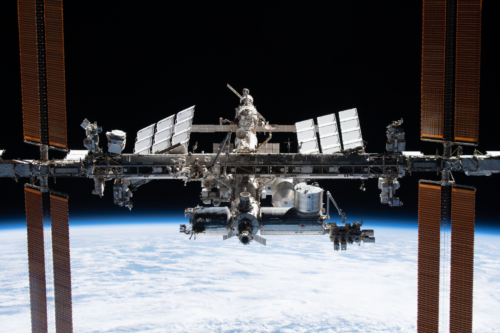
The International Space Station

The ISS normally takes 90 minutes to complete its orbit, 45 minutes of which is in sunlight, and 45 minutes in darkness. When it moves along the beta angle, it will be in continual sunlight, allowing it to capture lots of solar energy and recharge its batteries. While in its new orientation, the ISS is exposed to increased heat from the sun so the window shutters must be closed to help the astronauts stay cool. That means taking photos of the Earth’s surface won’t be possible for a few days.

What next?

Once all of the programs have run, we will send the Mission Space Lab teams the data collected during their experiments. All successful Mission Zero and Mission Space Lab teams and mentors will also receive personal certificates to recognise their mission completion.

Congratulations to all of this year’s Astro Pi Challenge participants, and especially to all successful teams.

The post Young people’s Astro Pi code is sent to the International Space Station appeared first on Raspberry Pi Foundation.
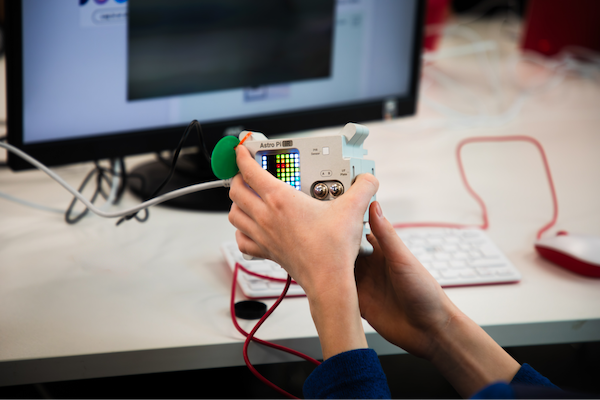
Get ready for Mission Space Lab with our new simulation tool

Post Syndicated from Fergus Kirkpatrick original https://www.raspberrypi.org/blog/get-ready-for-mission-space-lab-with-our-new-simulation-tool/

Since November, registration is open for Mission Space Lab, part of the European Astro Pi Challenge 2023/24. The Astro Pi Challenge is an ESA Education project run in collaboration with us here at the Raspberry Pi Foundation that gives young people up to age 19 the amazing opportunity to write computer programs that run on board the International Space Station (ISS). It is free to take part and young people can participate in two missions: Mission Zero, designed for beginners, and Mission Space Lab, designed for more experienced coders.

Two young people working together on a tech project.

This year, Mission Space Lab has a brand-new format. As well as introducing a new activity for teams to work on, we have created new resources to support teams and mentors, and developed a special tool to help teams test their programs. 

A young person writes Python code.

A big motivator for these changes was to make the activity more accessible and enable more young people to have their code run in space. Listening to feedback from participants and mentors, we are creating the opportunity for even more teams to submit programs that run on the ISS this year, by offering a specific activity and providing more extensive support materials.

A scientific task

For this year’s mission, ESA astronauts have given teams a specific scientific task to solve: to calculate the speed that the ISS is travelling as it orbits the Earth. People working in science often investigate a specific phenomenon or try to solve a particular problem. They have to use their knowledge and skills and the available tools to find ways to answer their research question. For Mission Space Lab, teams will work just like this. They will look at what sensors are available on the Astro Pi computers on board the ISS, develop a solution, and then write a Python program to execute it. To test their program, they will use the new Astro Pi Replay software tool we’ve created, which simulates running their program on board the ISS.

The two Astro Pi computers.
The Astro Pi computers 

To help teams and mentors take part in Mission Space Lab, we are providing a variety of supporting materials:

  • Our mentor guide has everything mentors need to support their teams through Mission Space Lab, including guidance for structuring the mission and tips to help teams solve problems.
  • Our creator guide helps young people design and create their programs. It provides information and technical instructions to help young people develop their coding skills and create a program that can be run on the Astro Pis on board the ISS.
  • We have created an ISS speed project guide that shows an example of how the scientific task can be solved using photos captured by the Astro Pi’s camera.

We have also run virtual sessions to help mentors and teams familiarise themselves with the new Mission Space Lab activity, and to ask any technical questions they might have. You can watch the recordings of these sessions on YouTube: 

The Astro Pi Replay tool

Astro Pi Replay is a new simulation tool that we have developed to support Mission Space Lab teams to test their programs. The tool simulates running programs on the Astro Pi computers on board the ISS. It is a Python library available as a plug-in to install in the Thonny IDE where teams write their programs. Thanks to this tool, teams can develop and test their programs on any computer that supports Python, without the need for hardware like the Astro Pi units on board the ISS.

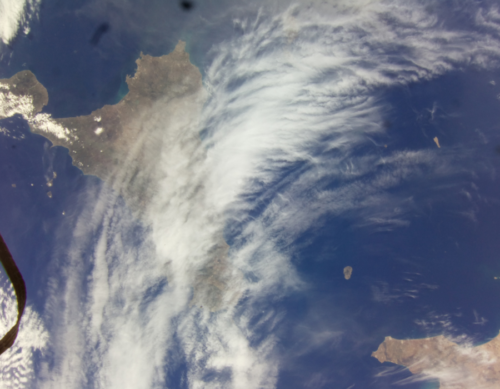
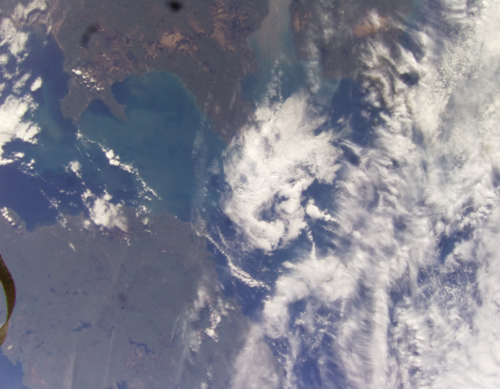
The Astro Pi Replay tool works by replaying a data set captured by a Mission Space Lab team in May 2023. The data set includes readings from the Astro Pi ‘s sensors, and images taken by its visible-light camera like the ones below. Whenever teams run their programs in Thonny with Astro Pi Replay, the tool replays some of this historical data. That means teams can use the historical data to test their programs and calculations.

A photo the Mediterranean sea with the coastline of Sicily and Tunisia
The Mediterranean sea with the coastlines of Sicily and Tunisia
A photo the Irish Sea with the coastlines of the UK and Ireland
The Irish Sea with the coastlines of Great Britain and Ireland
A photo the Coastline of Southern Egypt and the Red Sea
The coastline of southern Egypt and the Red Sea

One of the benefits of using this simulation tool is that it gives teams a taste of what they can expect if their program is run on the ISS. By replaying a sequence of data captured by the Astro Pis in space, teams using sensors will be able to see what kind of data can be collected, and teams using the camera will be able to see some incredible Earth observation images.

If you’re curious about how Astro Pi Replay works, you’ll be pleased to hear we are making it open source soon. That means you’ll be able to look at the source code and find out exactly what the library does and how.

Get involved

Community members have consistently reported how amazing it is for teams to receive unique Earth observation photos and sensor data from the Astro Pis, and how great the images and data are to inspire young people to participate in their computing classes, clubs, or events. Through the changes we’ve made to Mission Space Lab this year, we want to support as many young people as possible to have the opportunity to engage in space science and capture their own data from the ISS. 

If you want a taste of how fantastic Astro Pi is for learners, watch the story of St Joseph’s, a rural Irish school where participating in Astro Pi has inspired the whole community.

Submissions for Mission Space Lab 2023/24 are open until 19 February 2024, so there’s still time to take part! You can find full details and eligibility criteria at astro-pi.org/mission-space-lab.

If you have any questions about the European Astro Pi Challenge, please get in touch at [email protected].

The post Get ready for Mission Space Lab with our new simulation tool appeared first on Raspberry Pi Foundation.
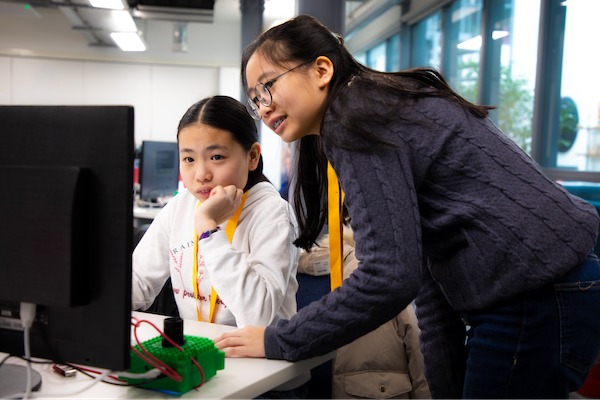
Celebrating the community: St Joseph’s Secondary School

Post Syndicated from Sophie Ashford original https://www.raspberrypi.org/blog/celebrating-the-community-st-josephs/

In our series of community stories, we celebrate some of the amazing young people and educators who are using their passion for technology to create positive change in the world around them. 

A group of students at secondary schools.

In our latest story, we’re sharing the inspiring journey of St Joseph’s Secondary School in Rush, Ireland. Over the past few years, the school community has come together to encourage coding and digital skills, harnessing the European Astro Pi Challenge as an opportunity to kindle students’ enthusiasm for tech and teamwork. 

We caught up with some of the educators and students at St Joseph’s, fresh off the success of their participation in another round of Astro Pi, to delve a little deeper into the school’s focus on making opportunities to engage with computing technologies accessible to all.

Introducing St Joseph’s Secondary School

St Joseph’s Secondary School is in the heart of Rush, a rural town steeped in agricultural heritage. The school houses a diverse student population coming from the local multigenerational farming families as well as families who’ve been drawn to Rush more recently by its beautiful countryside and employment opportunities. St Joseph’s leadership team has responded to the changing demographics and increase of its student population by adapting and growing the school’s curriculum to meet the evolving needs of the young people and help them build a strong community.

A group of students at a computer at secondary schools.
Working as teams for the Astro Pi Challenge has helped the St Joseph’s students connect and support each other as a community.

One of the school’s most popular initiatives has been teaching coding from first year (ages 12–13). This proactive approach has resonated with many students, including Kamaya, a member of the school’s 2022/23 Astro Pi cohort, who first discovered her passion for space science and computing through the movie Interstellar.

I remember the first time I was like, ‘OK, space is cool’ is when I watched a movie. It was called Interstellar. I [realised] I might want to do something like that in my future. So, when I came to [St Joseph’s] secondary school, I saw coding as a subject and I was like, ‘Mum, I’ve got to do coding.’

Kamaya, student at St Joseph’s

Inspiring students to build community through Astro Pi

A key person encouraging St Joseph’s students to give coding a try has been Mr Murray, or Danny as he is fondly referred to by students and staff alike. Danny was introduced to the importance of engaging with computing technologies while teaching science at a school in England: he attended a Code Club where he saw kids building projects with Raspberry Pis, and he couldn’t wait to get involved. Growing his knowledge from there, Danny changed subject focus when he moved back to Ireland. He took on the challenge of helping St Joseph’s expand their computer science offering, along with leading on all IT-related issues.

A secondary school teacher.
Teacher Danny Murray has used his enthusiasm to help shape a culture of digital skills at St Joseph’s.

When the school introduced mandatory coding taster sessions for all first-year students, Danny was blown away by the students’ eagerness and wanted to provide further opportunities for them to see what they could achieve with digital technologies.

This is where Astro Pi came in. After hearing about this exciting coding challenge through an acquaintance, Danny introduced it to his computer science class, as well as extending an open invitation to all St Joseph’s students. The uptake was vast, especially once he shared that the young people could become the recipients of some very exciting photos.

You get to see photos of Earth that nobody has ever seen. Imagine just talking to somebody and saying, ‘Oh, there’s a picture of the Amazon. I took that picture when I was 14. From space.’

Danny Murray, computing teacher at St Joseph’s

Danny’s mission is to instil in his students the belief that they can achieve anything. Collaborating on Astro Pi projects has enabled young people at St Joseph’s to team up and uncover their strengths, and has helped foster a strong community.

A culture of digital skills

The students’ sense of community has transcended Danny’s classroom, creating a culture of enthusiasm for digital skills at St Joseph’s. Today, a dedicated team of students is in charge of solving tech-related challenges within the school, as Deputy Principal Darren Byrne explains:

Our own students actually go class to class, repairing tech issues. So, every day there are four or five students going around checking PCs in classrooms. They […] give classes to our first-year students on app usage.
It’s invested in the whole school [now], the idea that students can look after this kind of technology themselves. We’re the ones reaching out for help from the students!

Darren Byrne, Deputy Principal at St Joseph’s

Spark enthusiasm in your school community

To find out how you can get involved in Astro Pi, visit astro-pi.org for further information, deadlines, and more. If you would like to learn more about the other free resources we have available to help you inspire a coding community in your school, head to www.raspberrypi.org/teach

Help us celebrate St Joseph’s Secondary School by sharing their story on X (formerly Twitter), LinkedIn, and Facebook.

The post Celebrating the community: St Joseph’s Secondary School appeared first on Raspberry Pi Foundation.
Explore space science and coding with Astro Pi Mission Space Lab

Post Syndicated from Fergus Kirkpatrick original https://www.raspberrypi.org/blog/european-astro-pi-challenge-mission-space-lab-2023-24/

Today we’re calling all young people who are excited to explore coding and space science, and the mentors who want to support and inspire them on their journey. Astro Pi Mission Space Lab is officially open again, offering young people all over Europe the amazing chance to have their code for a science experiment run in space on the International Space Station (ISS).

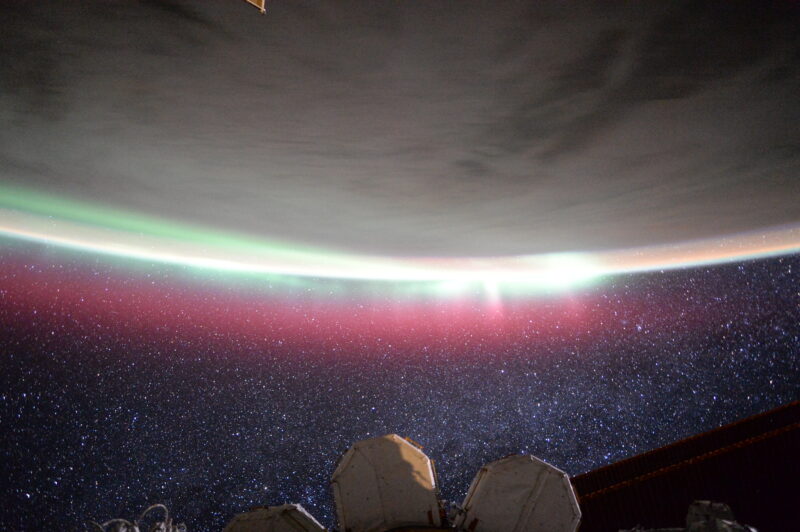
Aurora Borealis as seen from the ISS.
Aurora Borealis as seen from the ISS

With this year’s Mission Space Lab, astronauts from the European Space Agency are setting young people a task: to write a computer program that runs on the ISS and calculates the speed at which the ISS is orbiting planet Earth. Participation in Mission Space Lab is completely free.

Here’s ESA astronaut candidate Rosemary Coogan to introduce this year’s mission:

The mission: Calculate the speed of the ISS

Mission Space Lab invites young people up to age 19 to work in teams of 2 to 6 and write a Python program for the Astro Pi computers on board the ISS to collect data and calculate the speed at which the ISS is travelling. 

Your role as a mentor is to support teams as they design and create their program — with our free guidance resources to help you and your young creators.

We want as many young people as possible to have the chance to take part in Mission Space Lab, so the way in which teams solve the task set by the ESA astronauts can be different depending on the experience of your team:

  • Beginner programmers can follow the guided project we provide (more info below) to write their program.
  • Teams with more programming experience can get creative to come up with their own innovative solution and calculate the speed of the ISS as accurately as possible.

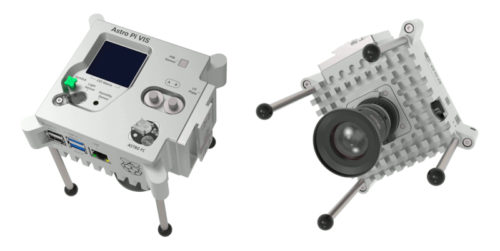
The Astro Pis are two Raspberry Pi computers stationed on the ISS, each equipped with a High Quality Camera, a Sense HAT add-on board with a number of sensors, and a Coral machine learning accelerator. Each Astro Pi has a hard casing designed especially for space travel.

The Astro Pi computers inside the International Space Station.

There are lots of ways to use sensor data from the Astro Pis to calculate the speed of the ISS, so young people can get creative solving their Mission Space Lab task while learning fascinating facts about physics and the inner workings of the ISS.

Two girls code together at a computer.

All Mission Space Lab participants whose programs run on the ISS will receive a certificate recognising their achievement, and they’ll get the chance to attend a Q&A webinar with an ESA astronaut. Teams also receive back data from the ISS based on their Mission Space Lab programs, for example photos or sensor measurements. That means you’ll have the option to explore and use that data in follow-on activities with your young people.

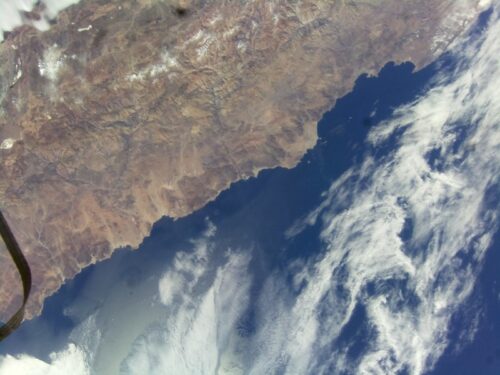
The coastline of Chile see from the ISS.
The coastline of Chile photographed by an Astro Pi on the ISS

Support for you to get started with Mission Space Lab

We are providing lots of supporting materials to help you and your team with Mission Space Lab:

  • A new Mission Space Lab mentor guide helps you assemble and support teams of young people who want to take part. It gives you as a mentor everything you need to answer your team’s questions and help them solve problems. It also includes tips on how to structure the Mission for your team. So young and your young people can make the most of Mission Space Lab, we suggest you run a series of sessions where your team can learn about the ISS, think about how they could use the different Astro Pi sensors, and design and create a program. The guide shows you how to help them use a design thinking approach during the Mission and develop problem solving and collaboration skills that are very important for careers in tech.
  • The Mission Space Lab creator guide helps young people design and create their Python programs. It contains all of the information they need to write a program that can be run on the Astro Pis. It includes discussion points for the team’s planning and design process. The technical instructions support young people to create a program that accomplishes its goal in the allocated runtime of 10 minutes.
  • We’re also providing a ISS speed project guide that shows one way for teams to complete the Mission Space Lab task: writing a program that calculates the ISS speed using photos taken by the Astro Pi’s camera. 

Mission Space Lab is open for submissions from today, 6 November 2023, until 19 February 2024.

Visit the Astro Pi website for full details and eligibility criteria: astro-pi.org/mission-space-lab

Sign up for Astro Pi news

The European Astro Pi Challenge is an ESA Education project run in collaboration with us here at the Raspberry Pi Foundation. 

You can keep up with all Astro Pi news by following the Astro Pi X account (formerly Twitter) or signing up to the newsletter at astro-pi.org.

The post Explore space science and coding with Astro Pi Mission Space Lab appeared first on Raspberry Pi Foundation.
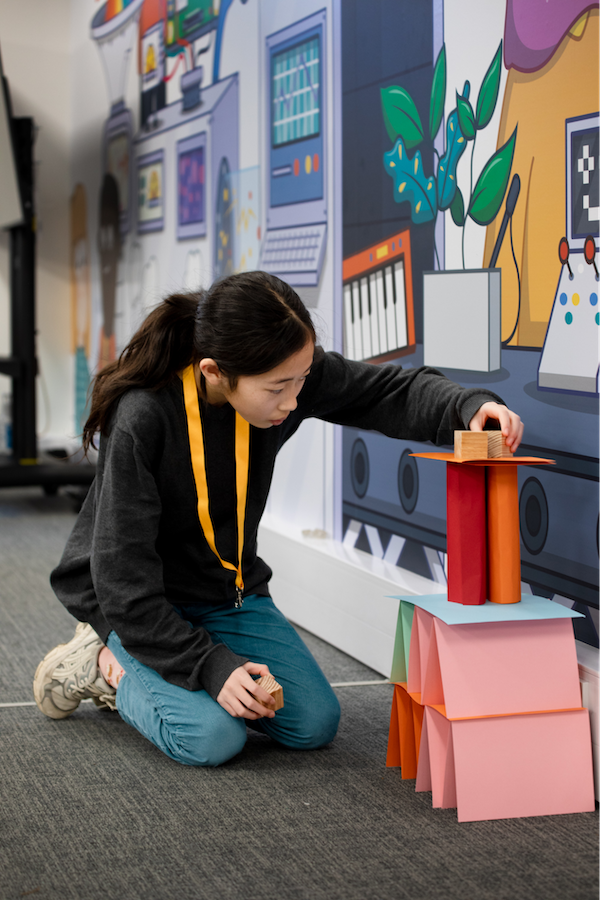
Launch kids’ code into space with the European Astro Pi Challenge 2023/24

Post Syndicated from Fergus Kirkpatrick original https://www.raspberrypi.org/blog/european-astro-pi-challenge-mission-zero-2023-24/

Throughout this year, space agencies have been embarking on new missions to explore our solar system, and young people can get involved too through the European Astro Pi Challenge 2023/24, which we’re launching today.

Logo of the European Astro Pi Challenge.

Kids’ code in space with the Astro Pi Challenge

In the past few months India’s Chandrayaan-3 mission landed near the Moon’s south pole, NASA’s Parker Solar Probe flew by Venus on its way to the sun, and the SpaceX Crew-7 launched to the International Space Station (ISS), led by ESA astronaut Andreas Mogensen. We’re especially excited about Andreas’ mission because he’s the astronaut who will help to run young people’s Astro Pi programs on board the ISS this year.

ESA astronaut Andreas Mogensen on board the ISS.
ESA astronaut Andreas Mogensen will help run kids’ Astro Pi code on board the ISS. Can you spot an Astro Pi computer in the photo?

As you may know, the European Astro Pi Challenge gives young people the amazing opportunity to conduct scientific experiments in space by writing computer programs for the Astro Pis, special Raspberry Pi computers on board the ISS.

Two Astro Pis on board the International Space Station.

The Astro Pi Challenge is free and offers two missions for young people: Mission Zero is an inspiring activity for introducing kids to text-based programming with Python. Mission Space Lab gives teams of young people the chance to take on a more challenging programming task and stretch their coding and science skills.

A young person with her coding project at a laptop.

Participation in Astro Pi is open to young people up to age 19 in ESA Member States (see the Astro Pi website for eligibility details).

Astro Pi Mission Zero opens today

In Astro Pi Mission Zero, young people write a simple Python program to take a reading using a sensor on one of the ISS Astro Pi computers and display a personalised pixel art image for the astronauts on board the ISS. They can take part by themselves or as coding teams.

Logo of Mission Zero, part of the European Astro Pi Challenge.

The theme for Mission Zero 2023/24 is ‘fauna and flora’: young people are invited to program pixel art images or animations of animals, plants, or fungi to display on the Astro Pi computers’ LED pixel screen and remind the astronauts aboard the ISS of Earth’s natural wonders.

A collection of 8 by 8 pixel images of animals.
A selection of Mission Zero pixel art images of animals.

By following the guide we provide, kids can complete the Mission Zero coding activity in around one hour, for example during a school lesson or coding club session. No coding experience is needed to take part. Kids can write their code in any web browser on any computer connected to the internet, without special equipment or software.

A map of Earth.
Mission Zero participants get a certificate showing the exact time and place where their code was run in space.

All young people that meet the eligibility criteria and follow the official Mission Zero guidelines will have their program run in space for up to 30 seconds. They will receive a unique and personalised certificate to show their coding achievement. The certificate will display the exact start and end time of their program’s run, and where the ISS was above Earth in this time period.

Mission Zero 2023/24 opens today and is open until Monday 25 March 2024. It’s very easy to support young people to get involved — find out more on the Astro Pi website:

Astro Pi Mission Space Lab will open soon

In this year’s Astro Pi Mission Space Lab, ESA astronauts are inviting teams of young people to solve a scientific task by writing a Python program.

Astro Pi Mission Space Lab logo.

The Mission Space Lab task is to gather data with the Astro Pi computers to calculate the speed at which the ISS is travelling. This new format of the mission will allow many more young people to run their programs in space and get a taste of space science.

The Strait of Gibraltar photographed by an Astro Pi on board the ISS.
The Strait of Gibraltar photographed by an Astro Pi on board the ISS during a previous Mission Space Lab.

Mission Space Lab will open on 6 November. We will share more information about how young people and mentors can participate very soon.

Sign up for Astro Pi news

The European Astro Pi Challenge is an ESA Education project run in collaboration with us here at the Raspberry Pi Foundation.
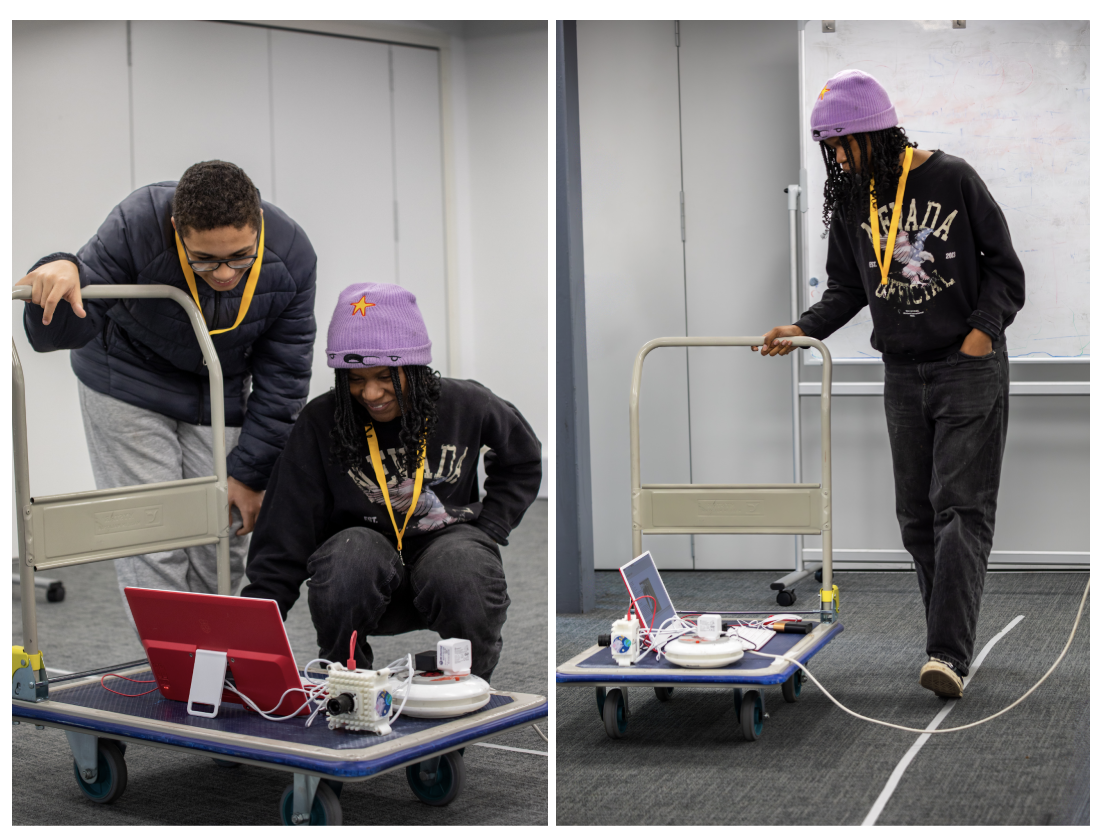
You can keep up with all Astro Pi news by following the Astro Pi X account (formerly Twitter) or signing up to the newsletter at astro-pi.org.

The post Launch kids’ code into space with the European Astro Pi Challenge 2023/24 appeared first on Raspberry Pi Foundation.
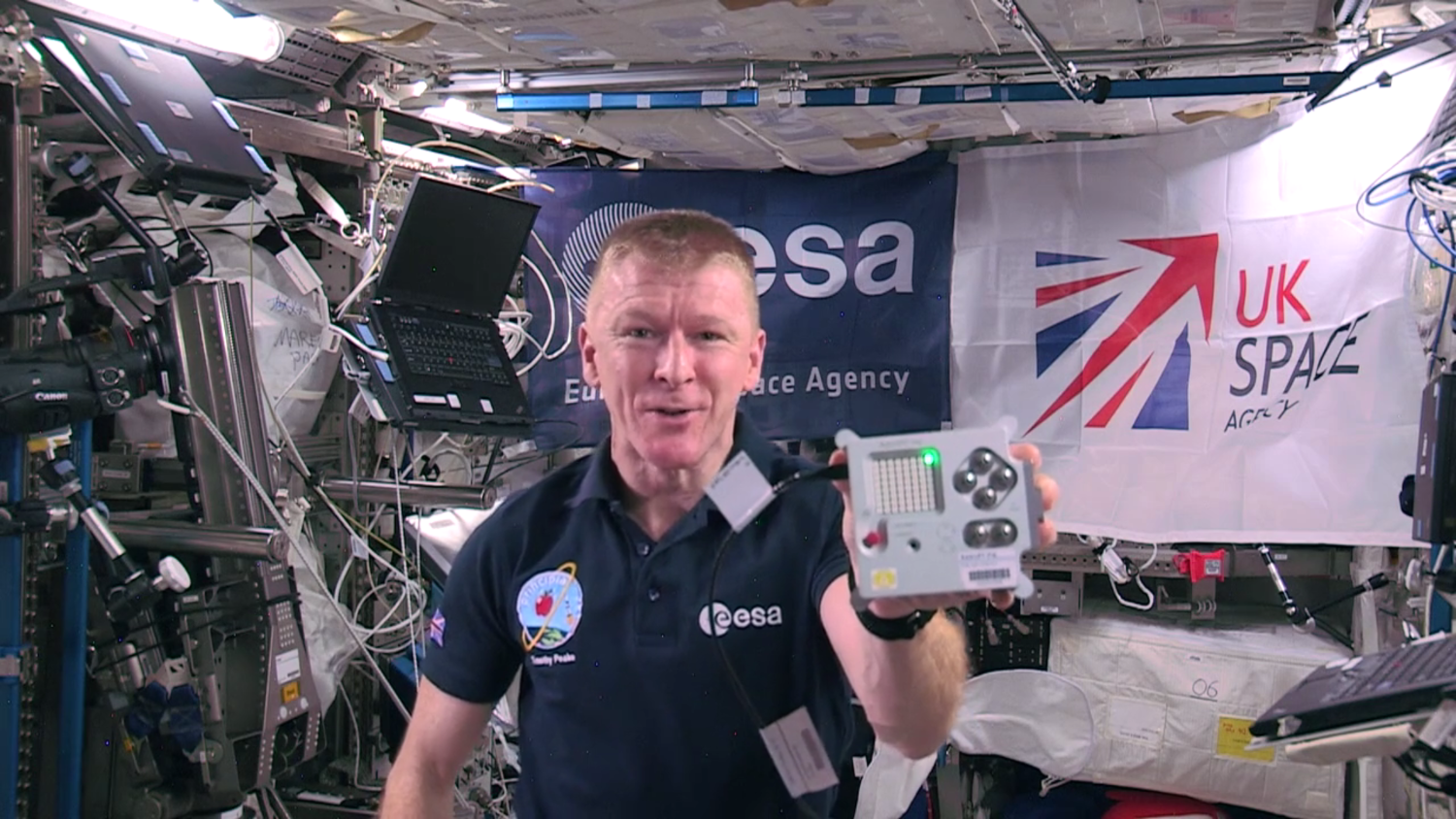
Young people’s amazing experiments in space: Astro Pi Mission Space Lab 2022/23

Post Syndicated from Fergus Kirkpatrick original https://www.raspberrypi.org/blog/astro-pi-mission-space-lab-2022-23-results/

Celebrate another year of young people’s computer programs in space with us: today we and our collaborators at the European Space Agency can finally announce the winning and highly commended teams in this year’s Astro Pi Mission Space Lab.

Astro Pi Mission Space Lab logo.

Mission Space Lab: Young people’s experiments in space

In Mission Space Lab, teams of young people work together to create computer programs for scientific experiments to be carried out on the International Space Station. The programs they design and create run on the two Astro Pi computers: space-adapted Raspberry Pis with cameras and a range of sensors. 

Two Astro Pis on board the International Space Station.
The two Astro Pi computers on board the ISS

Teams’ programs were deployed on the ISS during May and ran for up to 3 hours, collecting data for their experiments. Once we’d sent the teams their data, they started analysing it in order to write their Phase 4 reports. To identify patterns and phenomena they were interested in, many teams chose to compare their data with other sources.

The Astro Pi computers inside the International Space Station.
The Astro Pis in the WORF window of the ISS

We were especially excited to see the results from the experiments this year, particularly given that the upgraded Astro Pi units with their High Quality Cameras were positioned in a new observation window (WORF) on the ISS. This allowed teams to capture high-resolution images with a much wider field of view.

Photo taken by a Mission Space Lab experiment from the International Space Station of the Earth surface.
A volcano erupting in Guatemala, captured on the ISS by a team’s Mission Space Lab experiment

What have Mission Space Lab teams investigated this year?

We feel very privileged to see the culmination of the team’s experiments in their final reports. So let’s share a few highlights from this year’s experiments:

Team Aretusa from Sicily explored the effects of climate change by cross-referencing the images they captured with the Astro Pis with historical images from Google Earth. They used Near Infrared photography to capture images, and NDVI (Normalised Difference Vegetation Index) image processing in their analysis. Below you can see that they have compared data of Saudi Arabia from 1987 to 2023, showing increasing levels of vegetation grown in attempts to restore degraded land.

Images taken from space of plant cover in Saudi Arabia.

Team Barrande from the Czech Republic trained AI models on images they gathered to identify topographical features of Earth. Their Mission Space Lab program used the Astro Pi computer’s machine learning dongle to train one AI model in real time. Later, the team also used the collected images to train another model back on Earth. Comparing the outputs of the two models, the team could tell how well the models had identified different topographical features. The below selection shows an image the team’s experiment captured on the left, the same image after processing by the AI model trained on the Astro Pi computer in the middle, and the image processed by the AI model trained on Earth.

Three images showing how two image classifier machine learning models perform in comparison.

Team DAHspace from Portugal measured the intensity of the Earth’s magnetic field along the orbit path of the ISS. Using the magnetometer on the Astro Pi, their experiment recorded data allowing the team to track changes of intensity. The team mapped this data to the ISS’s coordinates, showing the difference in the Earth’s magnetic field between the North Pole (points 1 and 2 on the chart below) and the South Pole (points 3 and 4).

Magnetic field data plotted against latitude.

And the winning teams are…

We and our collaborators at ESA Education have been busy reviewing all of the reports to assess the scientific merit, use of the Astro Pi hardware, experiment design, and data analysis. The ten winning teams come from schools and coding clubs in 11 countries. We are sending each team some cool space swag to recognise their achievement. 

Winning teams

Team Experiment theme Based at Country
Magnet47 Life on Earth O’Neill CVI Canada
Aretusa Life on Earth Liceo Da Vinci Floridia Italy
ASaether Life on Earth “Andrei Saguna” National College Romania
Barrande Life on Earth Gymnázium Joachima Barranda Beroun Czech Republic
Escapers Life in space Code Club  Canada
Futura Life in space Scuola Svizzera Milano Italy
StMarks Life on Earth St Mark’s Church of England School United Kingdom
DAHspace Life on Earth EB 2,3 D. Afonso Henriques Portugal
T5Clouds Life on Earth Dominican College Ireland
PiNuts Life in space TEKNISK GYMNASIUM, Skanderborg Denmark

You can click on a team name to read the team’s experiment report. 

Highly commended teams

Along with the winning teams, we would like to commend the following teams for their experiments:

Team Experiment theme Based at Country
Parsec Life on Earth Liceo Da Vinci Pascoli Gallarate Italy
Celeste Life on Earth International School of Florence Italy
LionTech Life on Earth Colegiul Național ”Mihai Eminescu” Romania
OHSpace Life in Space Oxford High School United Kingdom
Magneto Life on Earth The American School of The Hague Netherlands
GreenEye Life on Earth ROBOTONIO Greece
Primus Life on Earth Independent coding club Germany

You can click on a team name to read the team’s experiment report. 

All of the teams whose Mission Space Lab programs ran on the ISS will receive a certificate signed by ESA astronaut Samantha Cristoforetti. The winning and highly commended teams will also be invited to a live video chat with an ESA astronaut in the autumn.

Congratulations to all 2022/23 participants

Huge congratulations to every team that participated in Astro Pi Mission Space Lab. We hope you found it fun and inspiring to take part. 

A big thank you to everyone who has been involved in the European Astro Pi Challenge this year. An amazing 24,850 young people from 29 countries had their programs run in space this year. We can’t wait to do it all again starting in September.

And it’s not just us saying thanks and well done — here’s a special message from ESA astronaut Matthias Maurer:

Looking forward to the next Astro Pi Challenge

On 18 September 2023, we’ll launch the European Astro Pi Challenge for 2023/24. Mission Zero will open in September, and we’ll announce exciting news about Mission Space Lab in September too.

Logo of the European Astro Pi Challenge.

If you know a young person who might be interested in the Astro Pi Challenge, sign up for the newsletter on astro-pi.org and follow the Astro Pi Twitter account for all the latest announcements about how you can support them to take the unique opportunity to write code to run in space.

The post Young people’s amazing experiments in space: Astro Pi Mission Space Lab 2022/23 appeared first on Raspberry Pi Foundation.
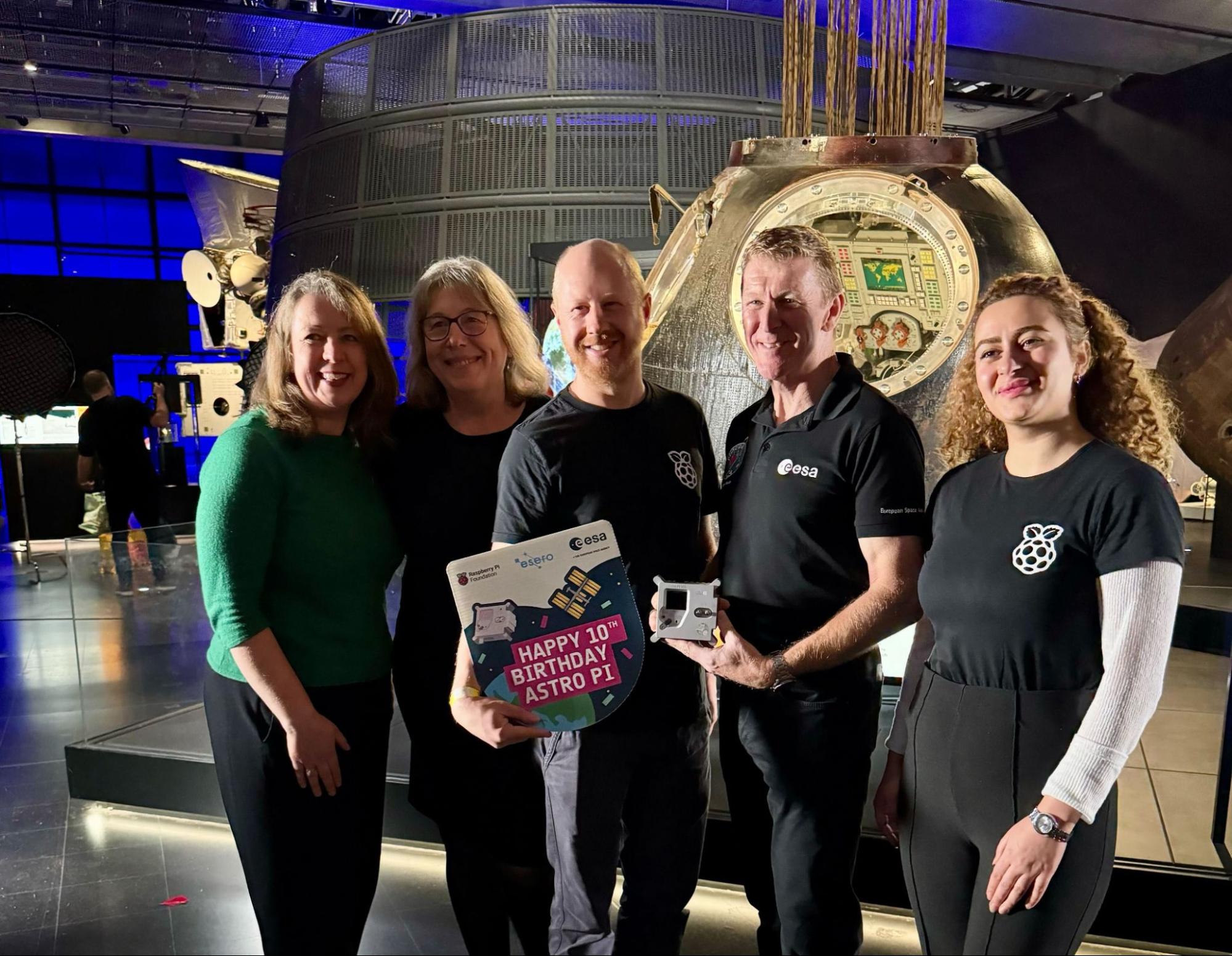
Welcome home! An original Astro Pi computer back from space is now on display at the Science Museum

Post Syndicated from Claire Given original https://www.raspberrypi.org/blog/astro-pi-computer-back-from-space-is-now-on-display-at-the-science-museum/

After seven successful years on the International Space Station, 250 vertical miles above our planet, the original two Astro Pi computers that we sent to the ISS to help young people run their code in space have been returned to Earth. From today, one of these Astro Pi computers will be displayed in the Science Museum, London. You can visit it in the new Engineers Gallery, which is dedicated to world-changing engineering innovations and the diverse and fascinating range of people behind them.

Astro Pi Izzy at the Science Museum in London.

A challenge to inspire young people about space and computing

The original Astro Pis, nicknamed Izzy and Ed, have played a major part in feeding tens of thousands of young people’s understanding and passion for science, mathematics, engineering, computing, and coding. In their seven years on the International Space Station (ISS), Izzy and Ed had the job of running over 70,000 programs created by young people as part of the annual Astro Pi Challenge.

Nicki Ashworth, 21, took part in the first-ever Astro Pi challenge after hearing about the opportunity at a science fair: “I thought it sounded like an interesting project, and good practice for my programming skills. I was young and had no idea of the extent of the project and how much it would influence my future.” 

Like many young people who have participated in the Astro Pi Challenge, Nicki credits the Astro Pi Challenge as an inspiration to learn more about space and programming, and to decide on a career path: “My experience with Astro Pi definitely helped to shape my future choices. I’m currently in my third year of a Mechanical Engineering degree at University of Southampton, specialising in Computational Engineering and Design. I’ve always loved programming, which is why I took part in the Astro Pi competition, but it led to a fascination with space. This encouraged me to look at engineering as a future, and led me to where I am today!”

Matthias catching Astro Pis in microgravity.

In the beginning…

It all started in 2014, when we started collaborating with organisations including the UK Space Agency and European Space Agency (ESA) to fly two Astro Pi computers to the ISS for educational activities during the six-month Principia mission of British ESA astronaut Tim Peake.

The Astro Pi computers each consist of a Raspberry Pi computer integrated with a digital camera and an add-on board filled with environmental sensors, all enclosed in a protective aluminium flight case.

Commander Tim Peake, Britain’s first visitor to the ISS, accompanied the two first Astro Pi computers on the ISS. He used them to run experiments imagined, designed, and coded by school-age young people across the UK. 

We held a competition in UK schools and coding clubs to invite young people to create experiments that could be run on the Astro Pis. Students conceived experiments and coded them in Python; we tested their Python programs and eventually picked seven to run on Izzy and Ed on the ISS.

The students’ experiments ranged from a simple but beautiful program to display the flag of the country over which the ISS was flying at a given time, to a reaction-time test for Tim Peake to measure his changing abilities across the six-month mission. The measurements from all the experiments were downloaded to Earth and analysed by the students.

“I still feel incredibly honoured to have competed in the very first [Astro Pi Challenge],” says Aaron Chamberlain, 18, who was 11 years old when he took part in the first-ever Astro Pi Challenge in 2015. “The experience was incredible and really cemented my enthusiasm for all things computing and coding. Finally looking at the photos the Raspberry Pi had taken of the astronauts floating 400 km above us was a feeling of awe that I will never forget.”

The next year, 2016, we expanded our partnership with ESA Education to be able to open up Astro Pi to young people across ESA Member states. The European Astro Pi Challenge has been going from strength to strength each year since, inspiring young people and adult mentors alike.

A young person holds up her Astro Pi Mission Zero certificate.

And today…

In 2021 we decided it was time to retire Izzy and Ed and replace them with upgraded Astro Pi computers with plenty of new and improved hardware, including a Raspberry Pi 4 Model B with 8 GB RAM. 

Dave Honess, STEM Didactics Expert at the European Space Agency, was engineering lead at the Foundation for the first Astro Pi Challenge, and the return of the original hardware is a special event and moment of reflection for him: “It was a strange experience to open the box and hold the original Astro Pis again after all that time and distance they have travelled — literally billions of miles. Even though their mission is over, we will continue to learn from them with a tear-down analysis to find out if they have been affected by their time in space. Since Principia, I have watched the European Astro Pi Challenge grow with pride year on year, but I still feel very fortunate to have been there at the beginning.”

Thanks to the upgraded hardware, we are able to continue to grow the Astro Pi Challenge in collaboration with ESA Education. And each year it’s so exciting to see the creative and ingenious programs tens of thousands of young people from across Europe send us; 24,850 young people took part in the Challenge in the 2022/2023 cycle.

But how have Astro Pis Izzy and Ed fared in space over these seven years? Jonathan Bell, Principal Software Engineer at Raspberry Pi Limited, had a chance to find out first-hand: “I was lucky enough to have a look inside the returned Astro Pis. I was looking for the cosmetic effects of the unit being on the ISS for so long. On the inside they still look as pristine as when I assembled them! Barely a speck of dust on the internal boards, nor any signs that the external interface ports were worn from their years of use. A few dings and scrapes on the anodised exterior were all that I could see — and a missing joystick cap (as it turns out, hot-melt glue isn’t a permanent adhesive…). It was great to see that they still worked! It made me feel proud for what the team and the Astro Pi programme has achieved over the years. It’s good to have Izzy and Ed back!”

Astro Pi MK II hardware.

Visit the Science Museum to see an Astro Pi for yourself

The new Engineers Gallery in the Science Museum opens today and is free to visit. Astro Pi computer Izzy is among the amazing exhibits. Learn more at: sciencemuseum.org.uk/engineers  

To find out more about the Astro Pi Challenge and how to get involved with your kids at home, your school, or your STEM or coding club, visit astro-pi.org. 

The next round of the Challenge starts in September — sign up for news to be the first to hear when we launch it.

The post Welcome home! An original Astro Pi computer back from space is now on display at the Science Museum appeared first on Raspberry Pi Foundation.
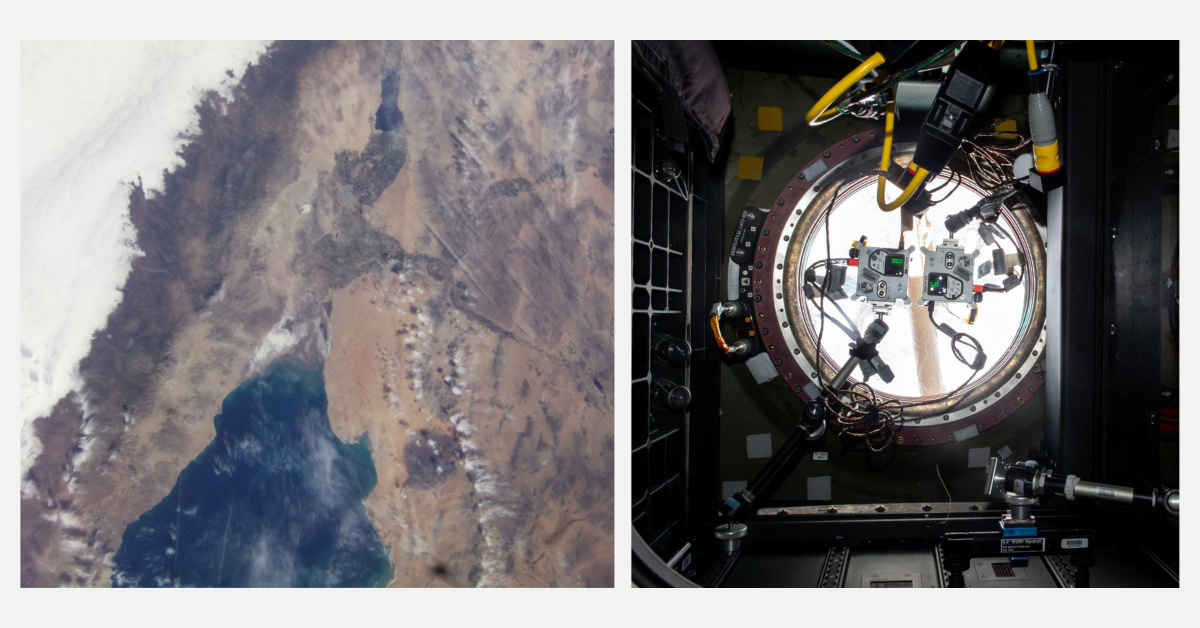
Young people designed 15,000 images for astronauts in Astro Pi Mission Zero 2022/23

Post Syndicated from Fergus Kirkpatrick original https://www.raspberrypi.org/blog/15000-young-people-astro-pi-mission-zero-2022-23/

In the Columbus module of the International Space Station (ISS), there are two Astro Pi computers called Marie Curie and Nikola Tesla. These computers run the programs young people create as part of the annual European Astro Pi Challenge.

A young person takes part in Astro Pi Mission Zero.

For this year’s Astro Pi Mission Zero, young people sent us over 15,000 programs to show the ISS astronauts colourful images and animations of animals and plants on the Astro Pi displays and remind them of home.

Logo of Mission Zero, part of the European Astro Pi Challenge.

A space mission inspired by nature

Mission Zero is a free beginners’ coding activity. It gives young people the unique opportunity to follow our step-by-step guide to write a simple program in Python that can run in space on the ISS orbiting planet Earth.

The mark 2 Astro Pi units spin in microgravity on the International Space Station.
The Astro Pi computers on board the ISS

The Mission Zero activity this year was to write code to use the Astro Pi’s colour sensor to measure the lighting conditions in the Columbus module, and to then use that measurement to set a colour in an image or animation on the Astro Pi’s 8×8 LED display. We invited young people to design images of fauna and flora to give the astronauts on board the ISS a reminder of the beautiful creatures, plantlife, and landscapes found on planet Earth.

A selection of pixel images of animals and plants, which young people coded for Astro Pi Mission Zero.

The Mission Zero activity is ideal for learners trying text-based programming for the first time. It covers some key programming concepts, including variables, sequence, and iteration.

Tens of thousands of young people had their programs run in space

This year we received 15,551 Mission Zero programs, and after carefully checking them against the entry and safety criteria, we were able to run 15,475 programs. They were sent to us by 23,605 learners working in teams or independently, and 10,207 of this year’s participants were girls.

A young person with her coding project at a laptop.

This year the most Mission Zero programs came from young people in the UK, followed by Spain, France, Italy, and Greece. Lots of different organisations supported young people to take part, including publicly funded primary and secondary schools, as well as educator- and volunteer-led Code Clubs and CoderDojos we support. 

We’re celebrating the many different people involved in this year’s mission with a mosaic of the Mission Zero logo made up of lots of the inspiring designs participants sent us. You can explore an interactive version of the image too!

A mosaic of thousands of designs creating a large version of the Mission Zero logo.
A mosaic of Mission Zero designs

All of the participants whose programs ran on the ISS will be receiving a certificate to recognise their efforts, which will include the time and coordinates of the ISS when their program ran. Programs created by young people from across Europe ran on board the ISS in the final week of May. 

Sign up to the Astro Pi newsletter

If you enjoyed Astro Pi Mission Zero this year, we would be delighted to see you again in the next annual round. If you’re feeling inspired by the images young people have created, we invite you to get involved too. We provide guides and help for all adult mentors who want to support young people to take part, and the step-by-step guide for coding a Mission Zero program in 19 European languages.

Logo of the European Astro Pi Challenge.

The activity of designing an image has been really popular, and we have been super impressed with the creativity of young people’s designs. That’s why we’ll be running Mission Zero in the same format again starting in September.

If you’d like to hear news of the Astro Pi Challenge, please sign up to the newsletter on astro-pi.org

We are always interested to hear your feedback about Mission Zero, as a mentor or participant. If you would like to share your thoughts with us, please email [email protected]

PS Look out for some cool news about the Astro Pi computers, which we’ll announce soon on this blog!

The post Young people designed 15,000 images for astronauts in Astro Pi Mission Zero 2022/23 appeared first on Raspberry Pi Foundation.
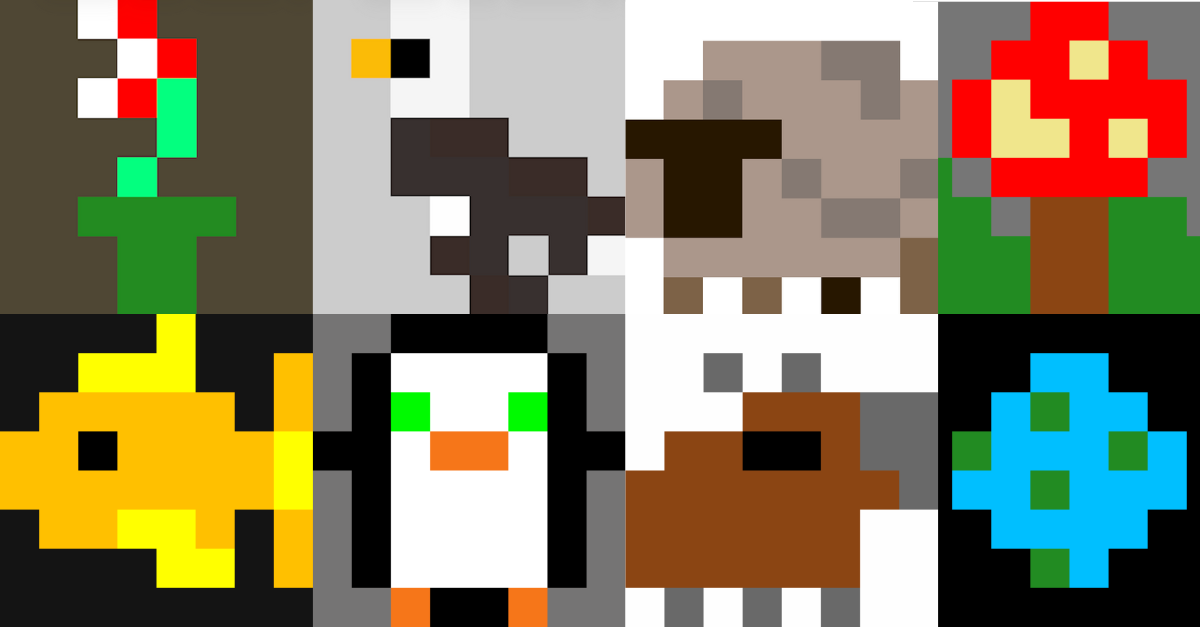
24850 young people’s programs ran in space for Astro Pi 2022/23

Post Syndicated from Fergus Kirkpatrick original https://www.raspberrypi.org/blog/young-peoples-computer-programs-space-iss-astro-pi-22-23/

Over 15,000 teams of young people from across Europe had their computer programs run on board the International Space Station (ISS) this month as part of this year’s European Astro Pi Challenge.

Logo of the European Astro Pi Challenge.

Astro Pi is run in collaboration by us and ESA Education, and offers two ways to get involved: Mission Zero and Mission Space Lab.

Mission Zero: Images of Earth’s fauna and flora in space 

Mission Zero is the Astro Pi beginners’ activity. To take part, young people spend an hour writing a short Python program for the Astro Pi computers on the International Space Station (ISS). This year we invited them to create an 8×8 pixel image or animation on the theme of fauna and flora, which their program showed on an Astro Pi LED matrix display for 30 seconds.

This year, 23,605 young people’s Mission Zero programs ran on the ISS. We need to check all the programs before we can send them to space and that means we got to see all the images and animations that the young people created. Their creativity was absolutely incredible! Here are some inspiring examples:

Pixel images from Mission Zero participants.

Mission Space Lab: Young people’s experiments on the ISS

Mission Space Lab runs over eight months and empowers teams of young people to design real science experiments on the ISS, executed by Python programs they write themselves. Teams choose between two themes: ‘Life in space’ and ‘Life on Earth’.

This year, the Mission Space Lab programs of 1245 young people in 294 teams from 21 countries passed our rigorous judging and testing process. These programs were awarded flight status and sent to the Astro Pis on board the ISS, where they captured data for the teams to analyse back down on Earth.

Mission Space Lab teams this year decided to design experiments such as analysing cloud formations to identify where storms commonly occur, looking at ocean colour as a measure of depth, and analysing freshwater systems and the surrounding areas they supply water to.

The Earth’s surface from the perspective of the International Space Station.
A selection of images taken by the Astro Pis of the Earth’s surface, including mountains, deserts, Aotearoa New Zealand south island, and lakes

Teams will be receiving their experiment data later this week, and will be analysing and interpreting it over the next few weeks. For example, the team analysing freshwater systems want to investigate how these systems may be affected by climate change. What their Mission Space Lab program has recorded while running on the Astro Pis is a unique data set that the team can compare against other scientific data.

The challenges of running programs in space

For the ‘Life on Earth’ category of Mission Space Lab experiments this year, the Astro Pis were positioned in a different place to previous years: in the Window Observational Research Facility (WORF). Therefore the Astro Pis could take photos with a wider view. Combined with the High Quality Camera of the upgraded Astro Pi computers we sent to the ISS in 2021, this means that the teams got amazing-quality photos of the Earth’s surface.

The Astro Pi computers inside the International Space Station.
The two Astro Pis positioned in an observation window on the ISS

Once the experiments for ‘Life on Earth’ were complete, the astronauts moved the Astro Pis back to the Columbus module and replaced their SD cards, ready for capturing the data for the ‘Life in Space’ experiments.

Running programs in an environment as unique as the ISS, where all hardware and software is put to the test, brings many complexities and challenges. Everything that happens on the ISS has to be scheduled well in advance, and astronauts have a strict itinerary to follow to keep the ISS running smoothly.

The earth’s surface from the perspective of the International Space Station, with a large robotic arm in view.
The Canadarm in view on the ISS, photographed by an Astro Pi computer

As usual, this year’s experiments met with their fair share of challenges. One initial challenge the Astro Pis had this year was that the Canadarm, a robotic arm on the outside of the ISS, was in operation during some of the ‘Life on Earth’ experiments. Although it’s fascinating to see part of the ISS in-shot, it also slightly obscured some of the photos.

Another challenge was that window shutters were scheduled to close during some of the experiments, which meant we had to switch around the schedule for Mission Space Lab programs to run so that all of the experiments aiming to capture photos could do so.

What’s next for Astro Pi?

Well done to all the young people who’ve taken part in the European Astro Pi Challenge this year.

  • If you’ve mentored young people in Mission Zero, then we will share their unique participation certificates with you very soon.
  • If you are taking part in Mission Space Lab, then we wish you the best of luck with your analysis and final reports. We are excited to read about your findings.

If you’d like to hear about upcoming Astro Pi Challenges, sign up to the newsletter at astro-pi.org.

The post 24850 young people’s programs ran in space for Astro Pi 2022/23 appeared first on Raspberry Pi Foundation.
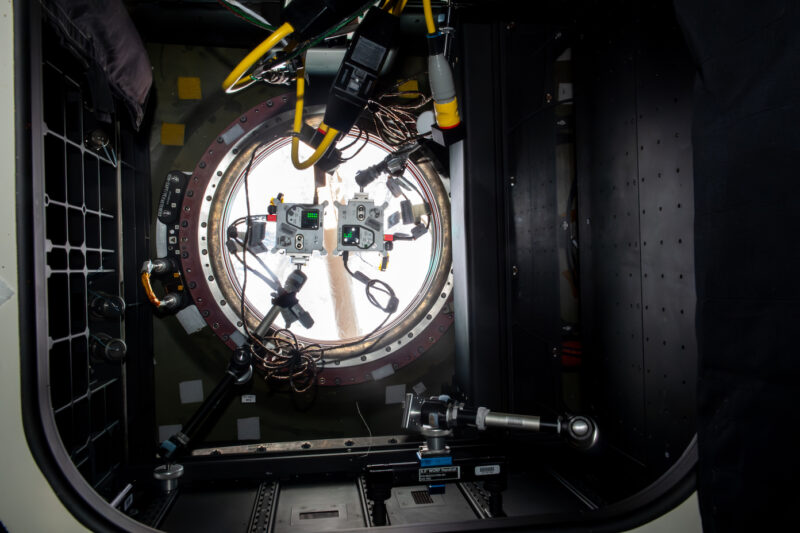
Mission Space Lab 2022-23 – 294 teams achieved Flight Status

Post Syndicated from Fergus Kirkpatrick original https://www.raspberrypi.org/blog/294-teams-experiments-iss-astro-pi-mission-space-lab-2022-23/

In brief

We are excited to share that 294 teams of young people participating in this year’s Astro Pi Mission Space Lab achieved Flight Status: their programs will run on the Astro Pis installed on the International Space Station (ISS) in April.

Mission Space Lab is part of the European Astro Pi Challenge, an ESA Education project run in collaboration with the Raspberry Pi Foundation. It offers young people the amazing opportunity to conduct scientific investigations in space, by writing computer programs that run on Raspberry Pi computers on board the International Space Station.
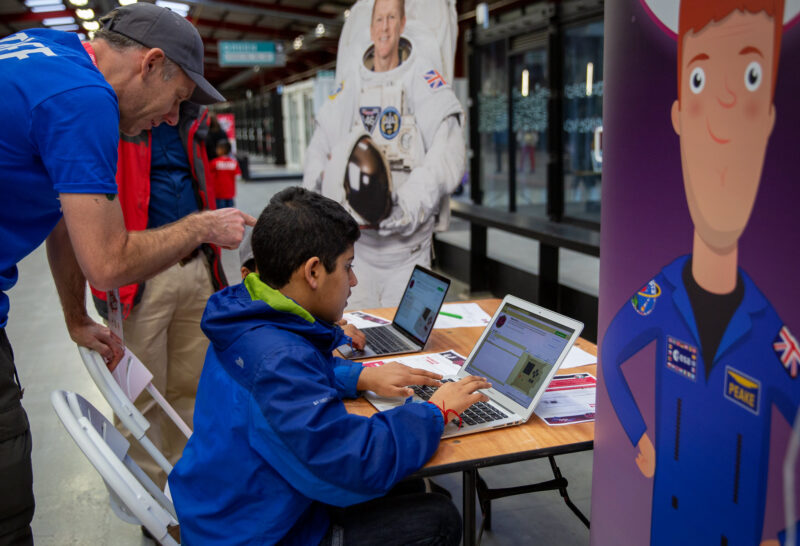
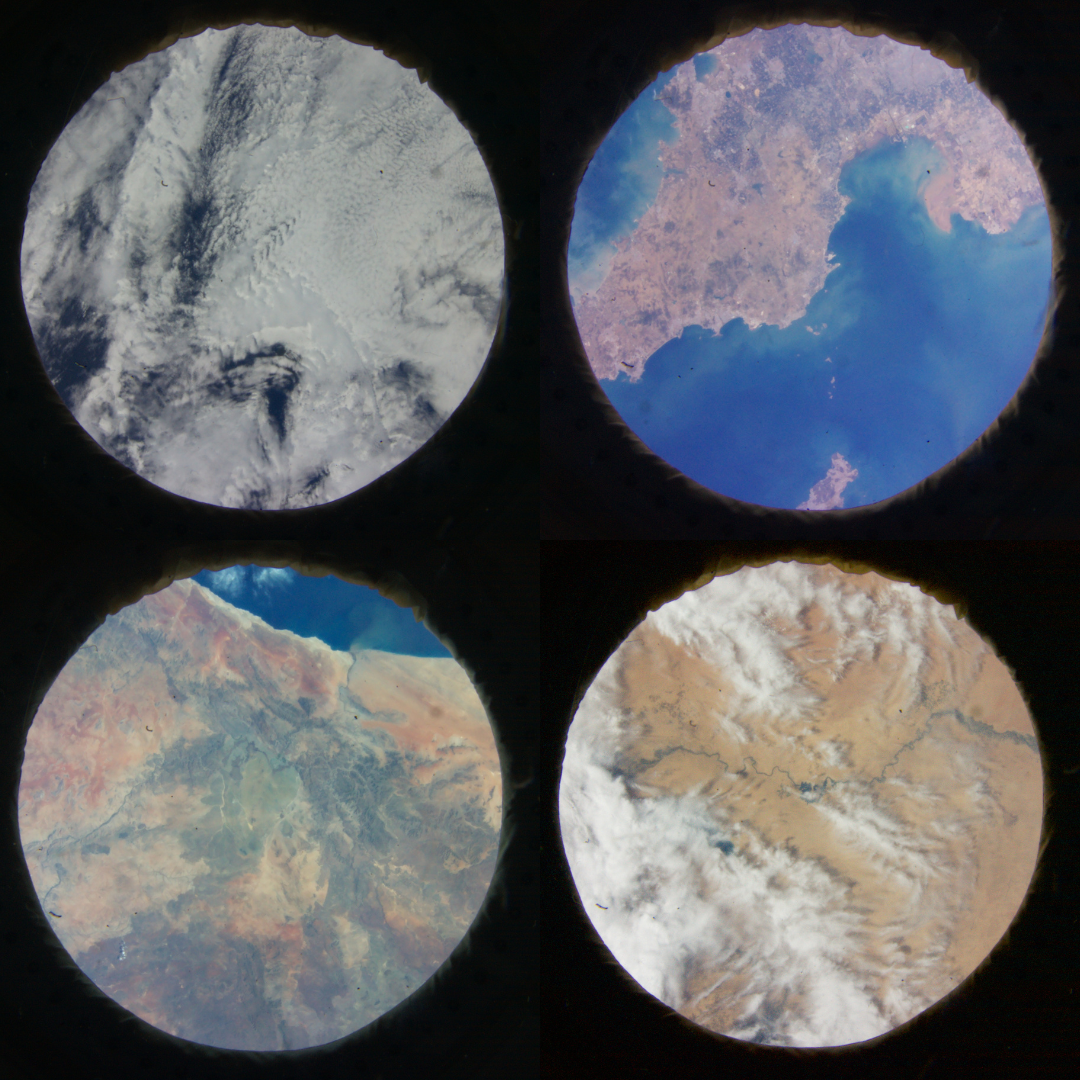
In depth

To take part in Mission Space Lab, young people form teams and choose between two themes for their experiments, investigating either ‘Life in space’ or ‘Life on Earth’. They send us their experiment ideas in Phase 1, and in Phase 2 they write Python programs to execute their experiments on the Astro Pis onboard the ISS. As we sent upgraded Astro Pis to space at the end of 2021, Mission Space Lab teams can now also choose to use a machine learning accelerator during their experiment time.

In total, 771 teams sent us ideas during Phase 1 in September 2022, so achieving Flight Status is a huge accomplishment for the successful teams. We are delighted that 391 teams submitted programs for their experiments. Teams who submitted had their programs checked for errors and their experiments tested, resulting in 294 teams being granted Flight Status. 134 of these teams included some aspects of machine learning in their experiments using the upgraded Astro Pis’ machine learning accelerator.

The 294 teams to whom we were able to award Flight Status this year represent 1245 young people. 34% of team members are female, and the average participant age is 15. The 294 successful teams hail from 21 countries; Italy has the most teams progressing to the next phase (48), closely followed by Spain (37), the UK (34), Greece (25), and the Czech Republic (25).

Life in space

Two Astro Pis on board the International Space Station.
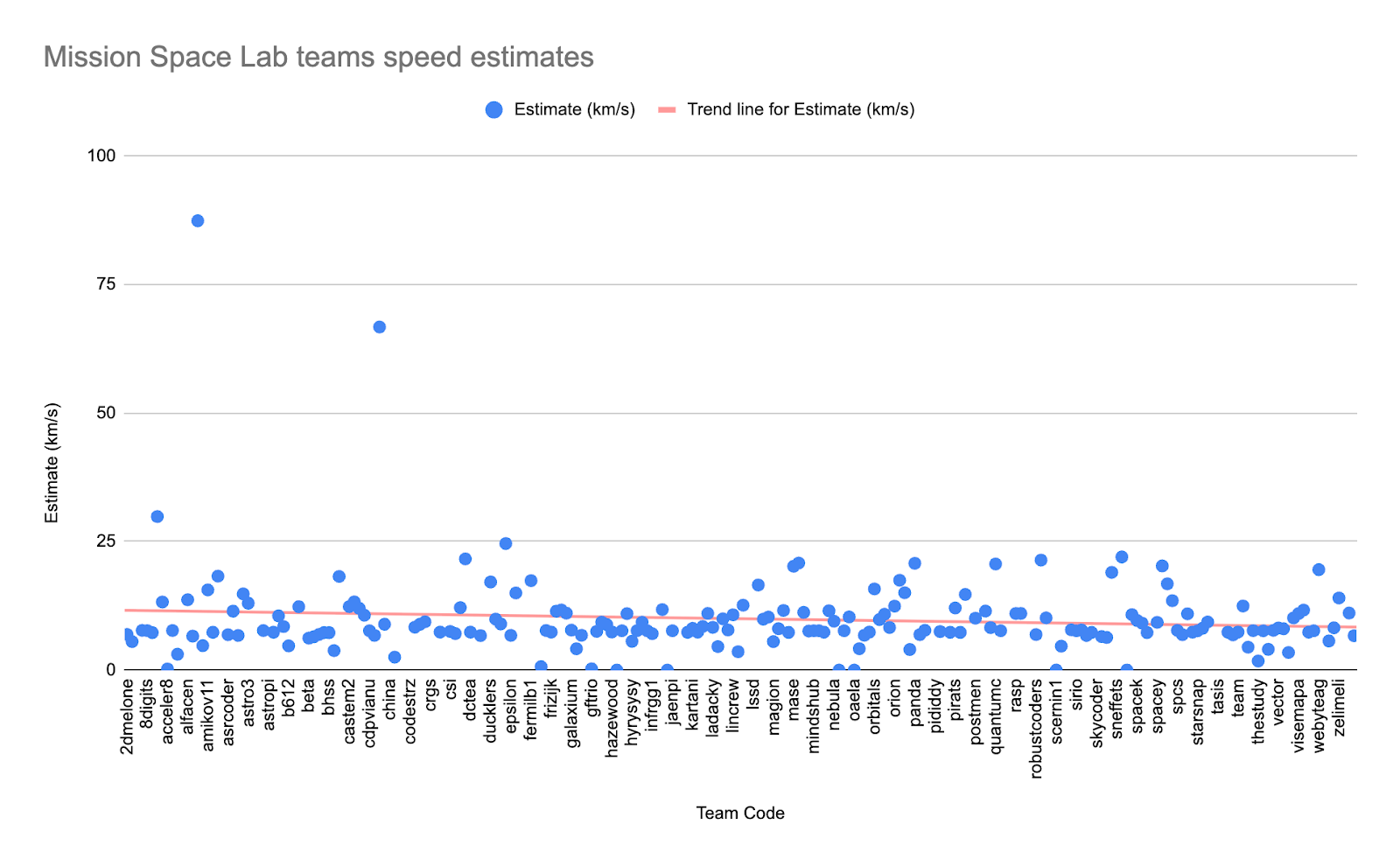
Mark II Astro Pis on the ISS

Teams can use the Astro Pis to investigate life inside ESA’s Columbus module of the ISS, by writing a program to detect things with at least one of the Astro Pi’s sensors. This can include for example the colour and intensity of light in the module, or the temperature and humidity.

81 teams that created ‘Life in space’ experiments have achieved Flight Status this year. Examples of experiments from this year are investigating how the Earth’s magnetic field is felt on the ISS, what environmental conditions the astronauts experience compared to those on Earth directly beneath the ISS as it orbits, or whether the cabin might be suitable for other lifeforms, such as plants or bacteria.

Life on Earth

An Astro Pi in a window on board the International Space Station.
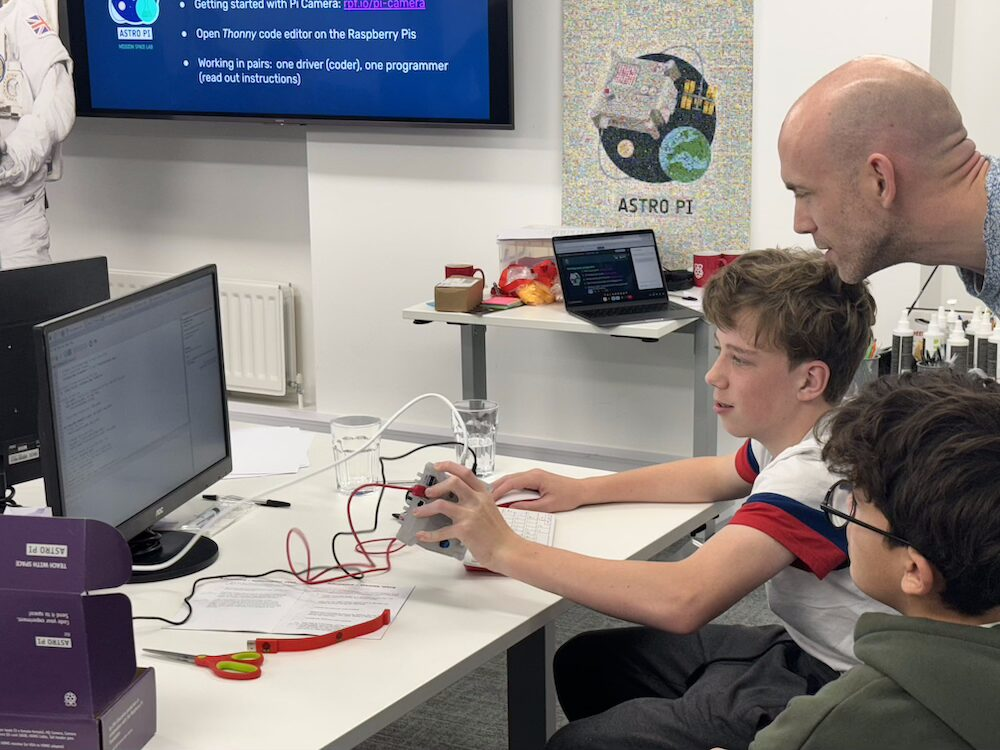
Astro Pi VIS in the window on the ISS

In the ‘Life on Earth’ theme, teams investigate features on the Earth’s surface using the cameras on the Astro Pis, which are positioned to view Earth from a window on the ISS.

This year the Astro Pis will be located in the Window Observational Research Facility (WORF), which is larger than the window the computers were positioned in in previous years. This means that teams running ‘Life on Earth’ experiments can capture better images. 206 teams that created experiments in the ‘Life on Earth’ theme have achieved Flight Status.

Thanks to the upgraded Astro Pi hardware, this is the second year that teams could decide whether to use visible-light or infrared (IR) photography. Teams running experiments using IR photography have chosen to examine topics such as plant health in different regions, the effects of deforestation, and desertification. Teams collecting visible light photography have chosen to design experiments analysing clouds in different regions, changes in ocean colour, the velocity of the ISS, and classification of biomes (e.g. desert, forest, grassland, wetland).
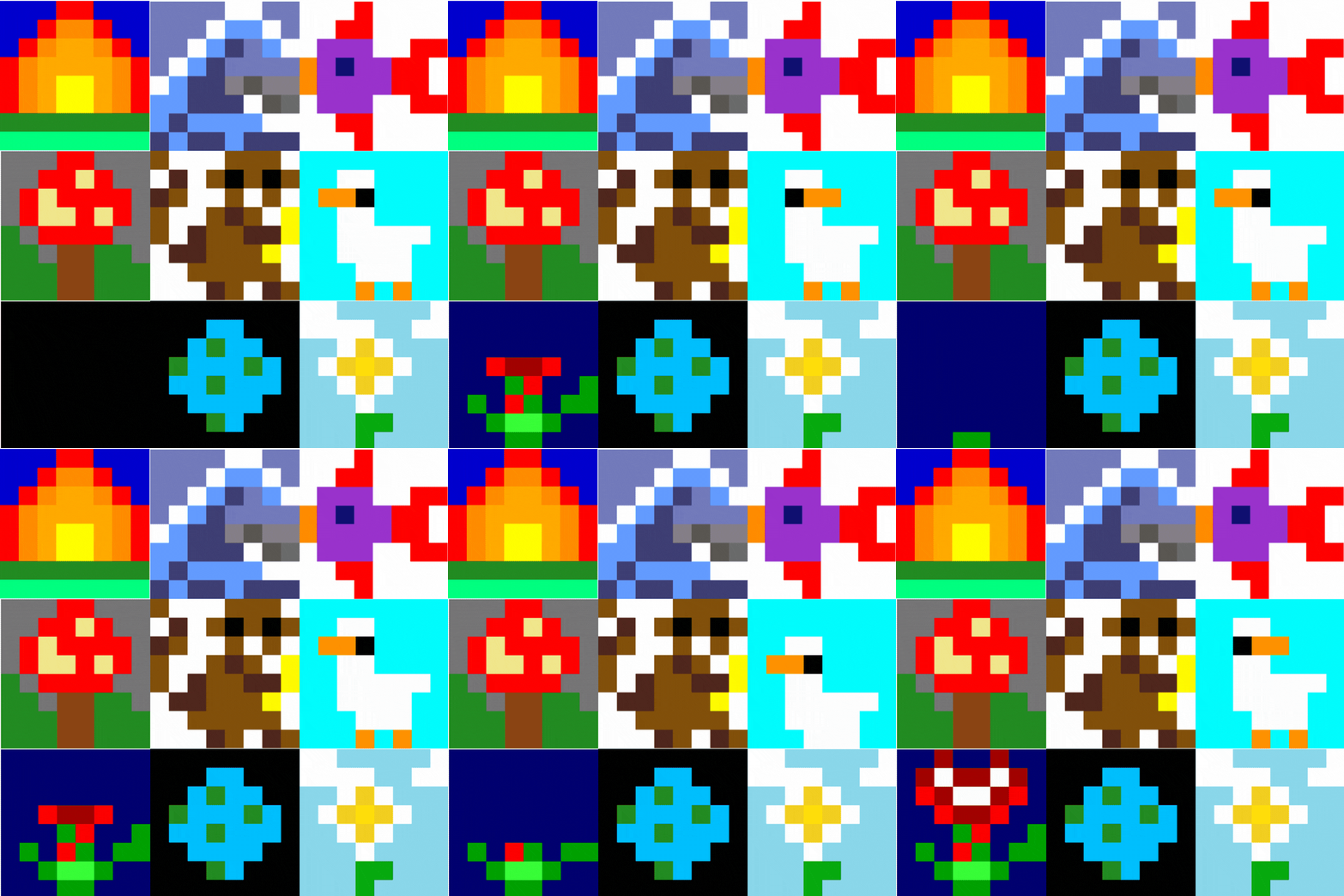
Testing, testing

Four photographs of the Earth and cloud formations, taken from the International Space Station by an Astro Pi.
Images taken by Astro Pi VIS on the ISS in Mission Space Lab 2021/22

Each of this year’s 391 submissions has been through a number of tests to ensure they follow the challenge rules, meet the ISS security requirements, and can run without errors on the Astro Pis. Once the experiments have started, we can’t rely on astronaut intervention to resolve any issues, so we have to make sure that all of the programs will run without any problems. 

This means that the start of the year is a very busy time for us. We run tests on Mission Space Lab teams’ programs on a number of exact replicas of the Astro Pis, including a final test to run every experiment that has passed all tests for the full three-hour experiment duration. The 294 experiments that received Flight Status will take over 5 weeks to run.
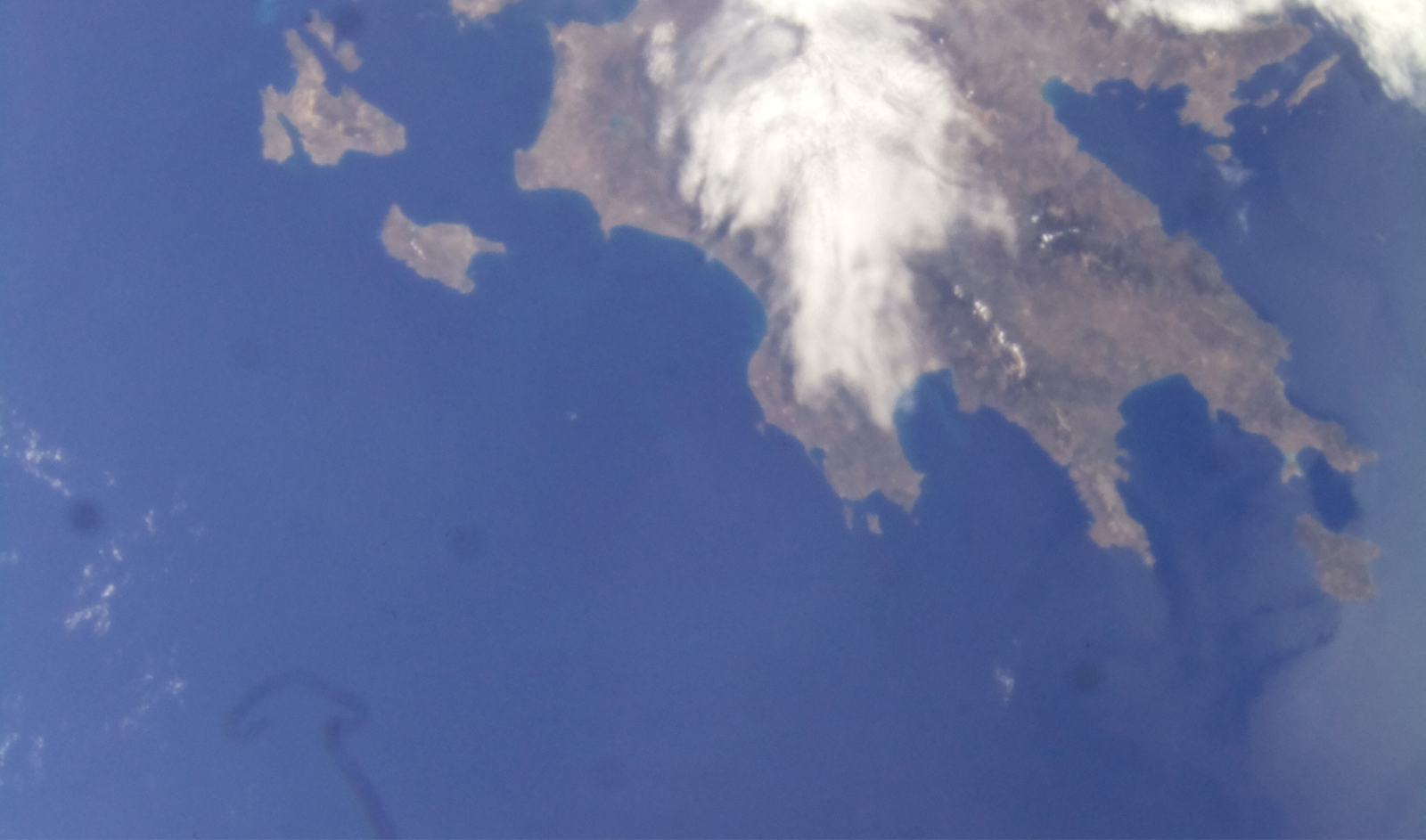
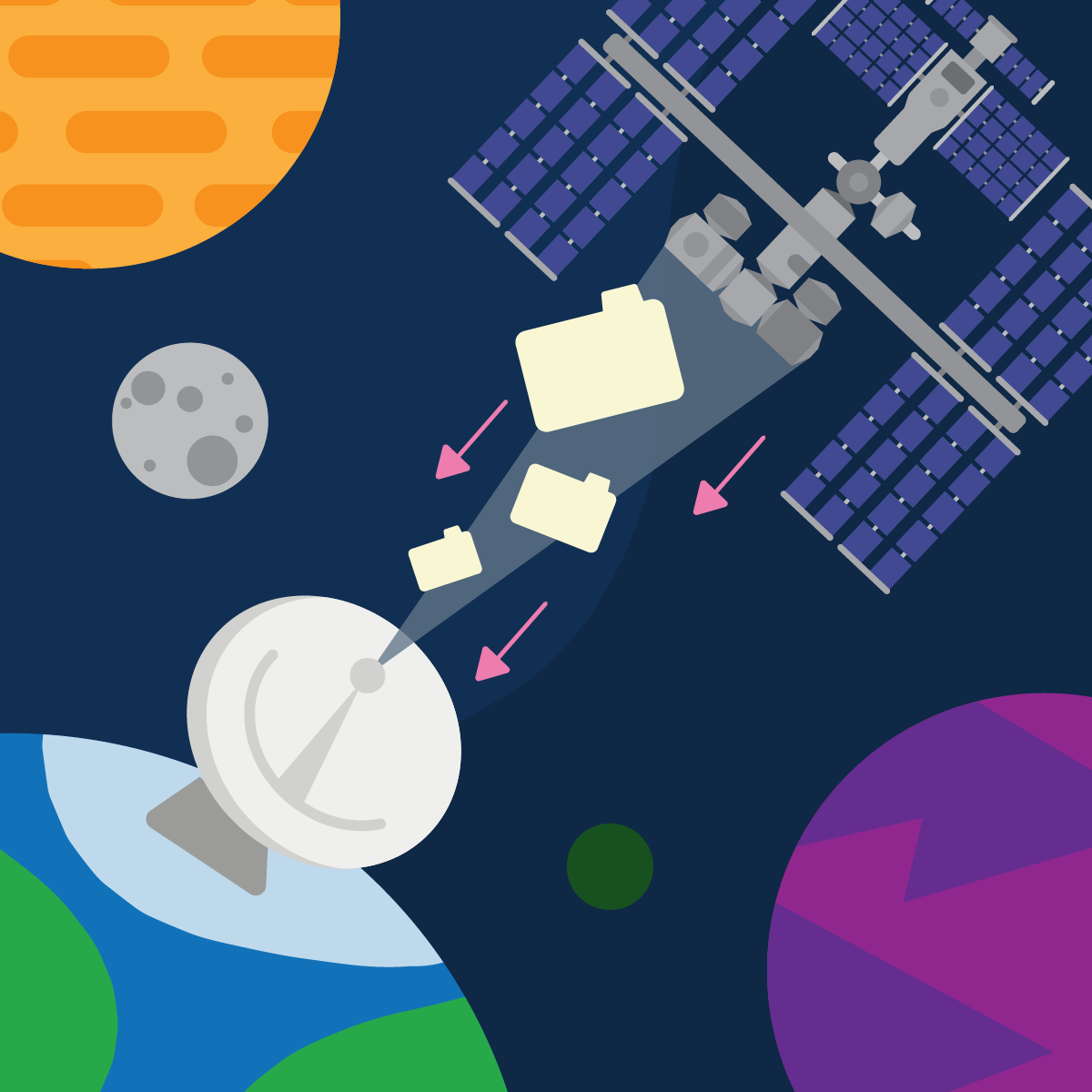
97 programs submitted by teams during Phase 2 of Mission Space Lab this year did not pass testing and so could not be awarded Flight Status. We wish we could run every experiment that is submitted, but there is only limited time available for the Astro Pis to be positioned in the ISS window. Therefore, we have to be extremely rigorous in our selection, and many of the 97 teams were not successful because of only small issues in their programs. We recognise how much work every Mission Space Lab team does, and all teams can be very proud of designing and creating an experiment.

Even if you weren’t successful this year, we hope you enjoyed participating and will take part again in next year’s challenge.

What next?

Once all of the experiments have run, we will send the teams the data collected during their experiments. Teams will then have time to analyse their data and write a short report to share their findings. Based on these reports, we will select winners of this year’s Mission Space Lab. The winning and highly commended teams will receive a special surprise.

Congratulations to all successful teams! We are really looking forward to seeing your results.

The post Mission Space Lab 2022-23 – 294 teams achieved Flight Status appeared first on Raspberry Pi Foundation.