All posts by Rachel Arthur

Designing for every learner in every classroom

Post Syndicated from Rachel Arthur original https://www.raspberrypi.org/blog/designing-for-every-learner-in-every-classroom/

One of the things I love most about my role as Chief Learning Officer at the Raspberry Pi Foundation is hearing from teachers around the world. A teacher in Kenya told me how their students debugged their first programming projects on a shared laptop. In Scotland, another explained how our resources gave them the confidence to teach computing for the very first time. These stories remind me daily why our work matters: every young person, no matter where they live, should have the chance to explore the power of computing.

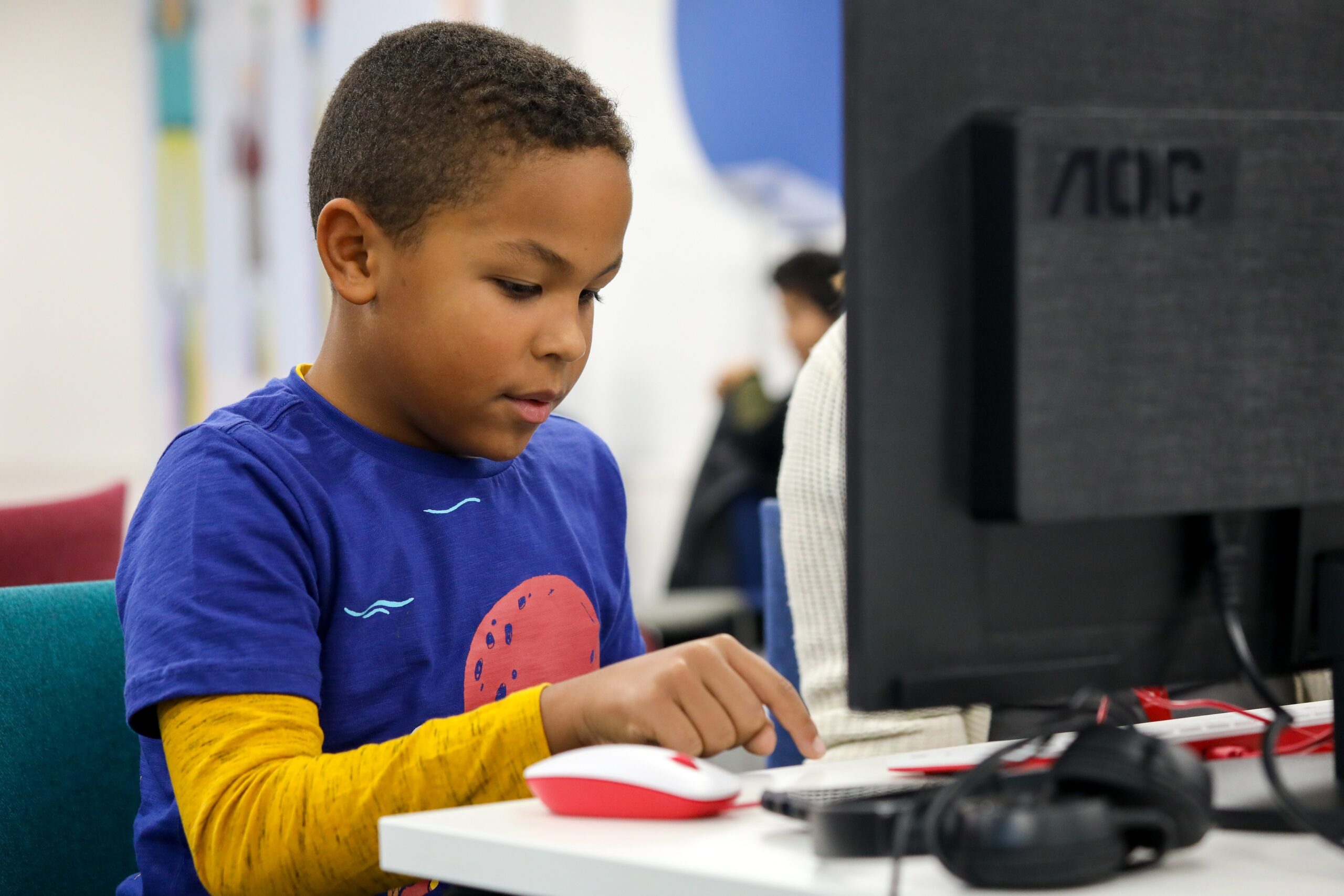
Young people use laptops to do their coding tasks.

But creating resources that work in such different contexts is not easy. How do we design materials that work in a wide range of learning environments, from a bustling city classroom to a rural school where internet access can vary? How do we make sure that every learner sees themselves reflected in the examples we choose?

That’s where our teaching and learning design principles come in.

What makes our approach different

Over the past decade, we’ve learned a huge amount about what teachers and learners need from us. We’ve made mistakes, we’ve listened, and we’ve refined our practice again and again. The result is a set of design principles that guide the creation of everything we make, from full curricula to one-off projects.

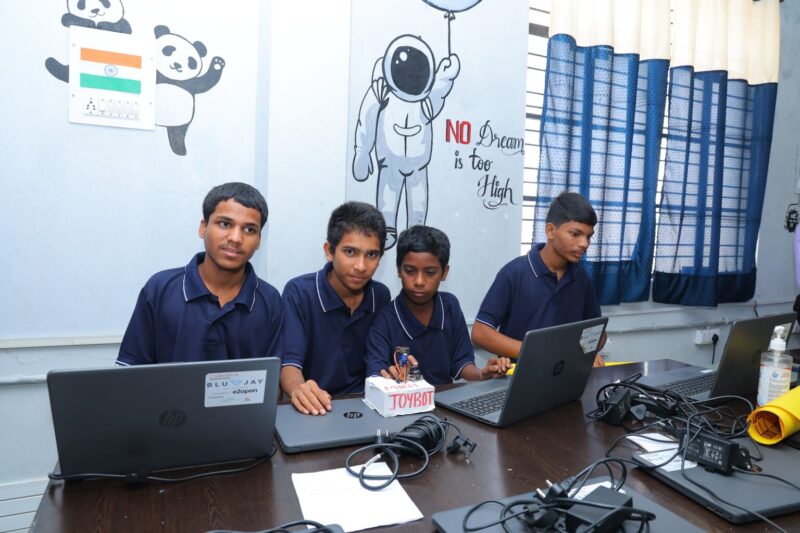
Four students at laptops in a school in India.

These principles are practical and based on real classroom experience. They’re our way of making sure our resources are reliable, inspiring, and flexible, wherever and however teachers use them.

Here’s what that looks like in action:

  • High quality – You can trust our resources to be accurate and classroom-ready. We put every piece of content through rigorous checks because we understand how busy you are.
  • Research-informed – Our choices are grounded in evidence, not guesswork. We blend academic studies with insight from teachers like you and our own evaluations to create approaches that genuinely work.
  • Consistent – We design our materials to fit together, so learners can build skills step by step, without confusion or contradiction along the way.
  • Inclusive by design – We think carefully about accessibility, representation, and language right from the start. When young people see themselves reflected in computing, they see it as a future they can be a part of.
  • Adaptable – No two classrooms are the same. By making our resources editable and flexible, we give you the freedom to shape them for your learners.

Why share these design principles now?

For us, being transparent about our approach is about trust. Teachers make daily decisions about which resources to use, often with limited preparation time. By showing you the principles behind our work, we want to give you the confidence that our content is not only free and adaptable, but also designed with care, expertise, and your learners at the heart.

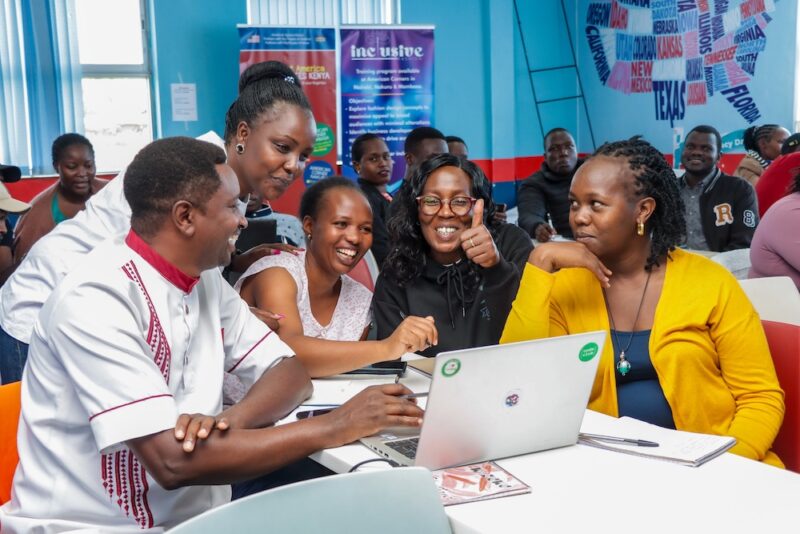
Educators participate in a teacher training in Kenya.

Looking ahead

The world of computing education is moving fast, from new programming software, to artificial intelligence tools. Our design principles give us a strong foundation to keep innovating while staying true to our mission of enabling young people to realise their full potential through the power of computing and digital technologies.

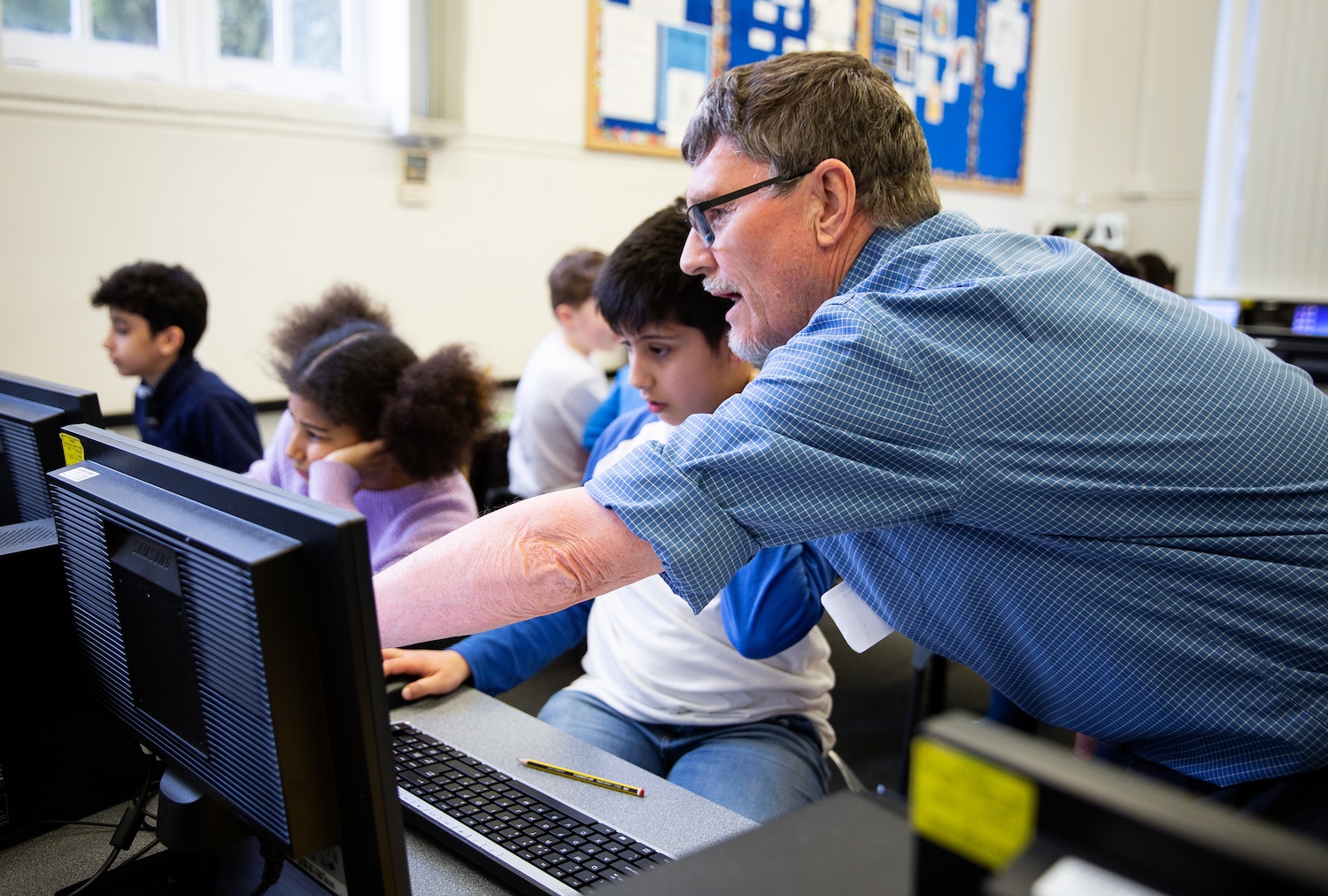
A boy and teacher in a computing class

And we’d love to hear from you! How do these principles resonate with your teaching? What helps you most in the classroom? Your feedback is what keeps making our work better.

The post Designing for every learner in every classroom appeared first on Raspberry Pi Foundation.

What do we even mean by digital literacy?

Post Syndicated from Rachel Arthur original https://www.raspberrypi.org/blog/what-do-we-even-mean-by-digital-literacy/

’Digital literacy’ is a term that seems to pop up everywhere. In the early 2000s, it was the next big thing; some even suggested it might replace traditional literacy and numeracy. But, like many educational trends, it soon faded from the spotlight, and became something that schools ‘should’ do, or something left to the lone teacher who had been handed the role of IT coordinator. 

For many teachers, at least in the UK, digital literacy meant booking a set of laptops (and hoping the last class had remembered to charge them) and ticking off history learning objectives by making a PowerPoint about Henry VIII’s wives. It became a bit of an afterthought. 

More recently, digital literacy seems to have been rebranded as ‘digital skills’, often framed as the capabilities young people need for the workplace of tomorrow. But I don’t think that tells the full story. 

Digital literacy beyond employability

Digital literacy isn’t just about employability; it’s about fairness and access. It’s about more than just learning to use spreadsheets (though my love for Excel remains strong); it’s about ensuring that all young people have the knowledge and confidence to navigate the digital world we live in today.

Digital literacy is about understanding the digital tools we rely on every day, securely accessing online services, making informed decisions about sharing personal information, and critically evaluating the endless stream of news and misinformation online. 

It’s also about artificial intelligence: not just playing with the latest tools, but understanding how they work, the biases built into them, and the ways they shape our lives.

Three ways to help students learn about the impact of technology

True digital literacy empowers young people to engage with technology thoughtfully, critically, and confidently. And that’s something worth making space for. To truly ensure that young people have fair access to the digitally enabled world we live in, we must equip them with the skills to understand and use technology effectively. This means making space for digital literacy within the curriculum and ensuring that all teachers feel confident in delivering it.

Digital literacy as a core part of teaching

Every teacher has a role to play in helping students develop these essential skills. This requires high-quality curriculum resources that integrate digital tools meaningfully into different subjects, as well as comprehensive teacher training to ensure every educator feels empowered to teach digital literacy as part of their everyday practice. 

So, let’s not treat digital literacy like that forgotten box of tangled charging cables in the staffroom (important, but nobody is quite sure what to do with it). Instead, let’s make it a core part of teaching, just like reading, writing, and knowing how to keep a straight face when a student asks if they really need to save their work.

Two girls code at a desktop computer while a female mentor observes them.

If we get this right, we’re not just preparing young people for the jobs of tomorrow, we’re making sure they can navigate today’s digital world safely, confidently, and with the critical thinking skills to tell fact from fiction (because let’s face it, the internet isn’t exactly short on absolute nonsense). 

Now, who’s up for making a PowerPoint about Henry VIII’s wives? 

More on digital literacy

You can discover our free teacher training and classroom resources, and read about how we’ve integrated digital literacy in The Computing Curriculum.

A version of this article appears in the newest issue of Hello World magazine, which is all about digital literacy. Explore issue 26 and download your free PDF copy today.

You can also listen to our recent Hello World podcast episode exploring three teachers’ digital literacy tips for the classroom.

The post What do we even mean by digital literacy? appeared first on Raspberry Pi Foundation.
Addressing the digital skills gap

Post Syndicated from Rachel Arthur original https://www.raspberrypi.org/blog/addressing-the-digital-skills-gap/

The digital skills gap is one of the biggest challenges for today’s workforce. It’s a growing concern for educators, employers, and anyone passionate about helping young people succeed.

Digital literacy is essential in today’s world, whether or not you’re aiming for a tech career — yet too many young people are entering adulthood without the skills to navigate it confidently and recent research shows that many young people finish school without formal digital qualifications.

Whilst this challenge is a global one, we’re exploring solutions in England where computing has been part of the national curriculum for a decade and the option of studying for a qualification (GCSE) in computer science is available to many 14-year-olds.

The SCARI report shows that GCSE computer science isn’t available in every school in England, and even where it is available, only a fraction of students opt to study it. Where GCSE computer science is offered, the focus is not on broader digital skills, but more on programming and theoretical knowledge which, while important, doesn’t support young people with the knowledge they need to succeed in the modern workplace.

How the Manchester Baccalaureate will help tackle the digital divide

At the Raspberry Pi Foundation, we’re working with the Greater Manchester Combined Authority to tackle this challenge head-on. Together, as part of their Manchester Baccalaureate initiative, we’re developing a self-paced course and certification to tackle the digital skills gap directly. 

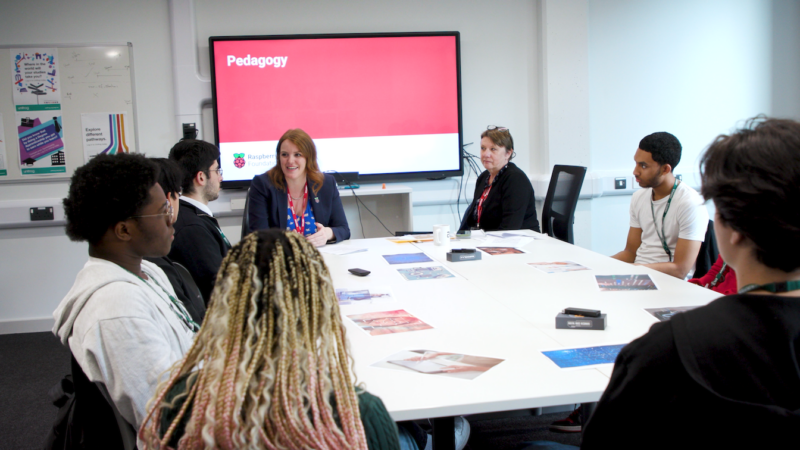
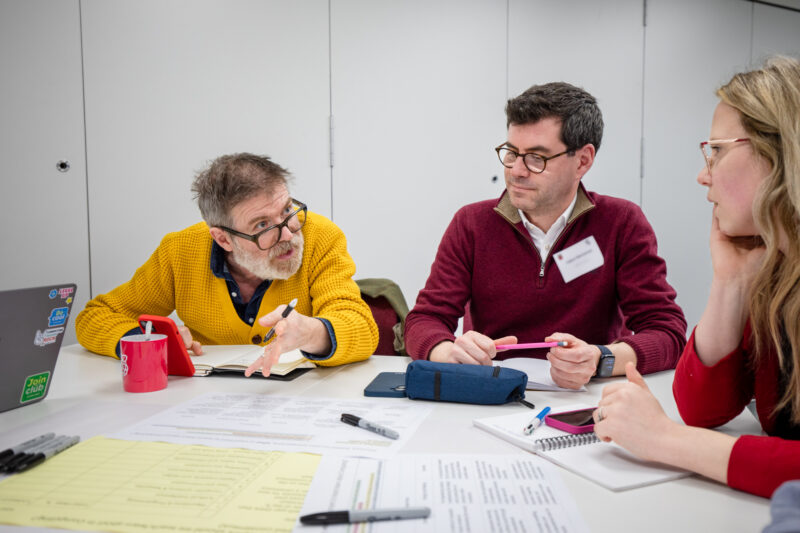
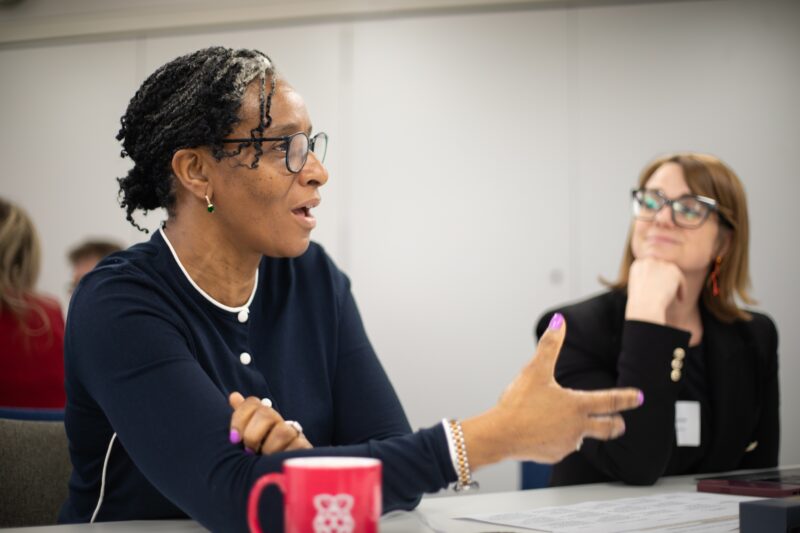
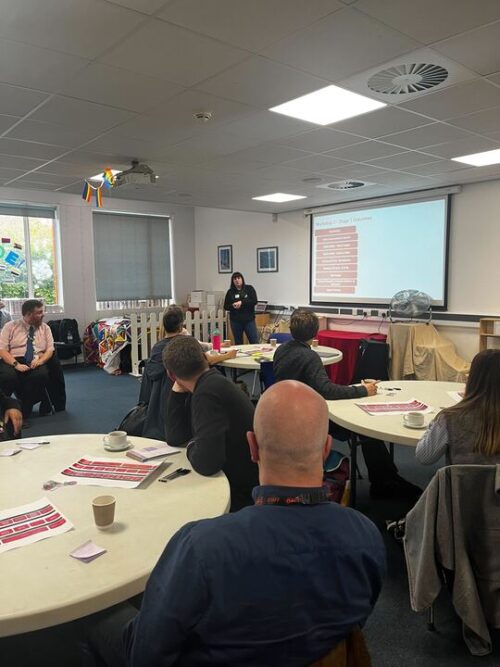
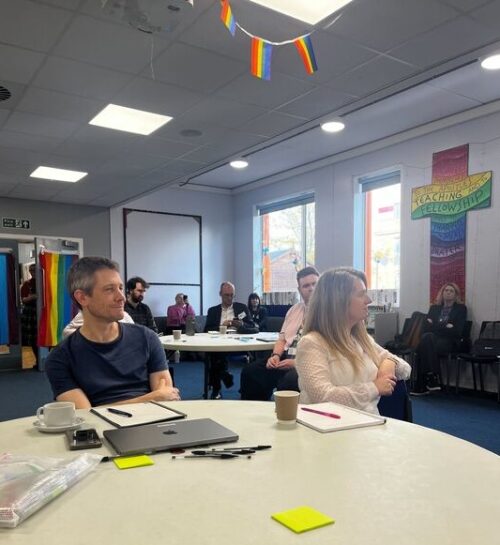
Teachers listening to a presentation at a recent workshop the Raspberry Pi Foundation held in Manchester.

The Raspberry Pi Foundation Certificate in Applied Computing is designed to be accessed by any pupil, anywhere. It includes a series of flexible modules that students can work through at their own pace. Targeted at young people ages 14 and up, the certificate covers three stages:

  • Stage 1 – Students gain essential digital skills, preparing them for a wide range of careers
  • Stages 2 and 3 – Students dive into specialisations in key tech areas, building expertise aligned with in-demand roles

What we’ve learnt in Manchester so far

We recently visited Oasis Academy Media City to hold a workshop on digital skills and get input on the certificate. We welcomed educators and industry experts to share their insights, and their feedback has been invaluable.

Teachers pointed out a common challenge: while they see the importance of digital skills, they often lack the time and resources to add new material to an already packed curriculum. By offering the certification as bite-sized modules that focus on specific skills, it makes it easier to slot the content into the timetable, and helps students with limited access to school (due to illness, for example) engage with the course.

Teachers listening to a presentation at a recent workshop the Raspberry Pi Foundation held in Manchester.

Educators were particularly excited about the opportunity for students to specialise in areas tied to in-demand roles that are currently being recruited for and our goal is to make the qualification engaging and relevant, helping students see how their learning applies in the real world.  

Next steps

We are currently piloting this qualification in schools throughout Manchester, gathering invaluable feedback from young people as they embark on this learning experience, which will help us refine the course.
Our full qualification will launch later this year, and we can’t wait to help students approach their futures with curiosity and confidence.

The post Addressing the digital skills gap appeared first on Raspberry Pi Foundation.
Addressing the digital skills gap

Post Syndicated from Rachel Arthur original https://www.raspberrypi.org/blog/addressing-the-digital-skills-gap/

The digital skills gap is one of the biggest challenges for today’s workforce. It’s a growing concern for educators, employers, and anyone passionate about helping young people succeed.

Digital literacy is essential in today’s world, whether or not you’re aiming for a tech career — yet too many young people are entering adulthood without the skills to navigate it confidently and recent research shows that many young people finish school without formal digital qualifications.

Whilst this challenge is a global one, we’re exploring solutions in England where computing has been part of the national curriculum for a decade and the option of studying for a qualification (GCSE) in computer science is available to many 14-year-olds.

The SCARI report shows that GCSE computer science isn’t available in every school in England, and even where it is available, only a fraction of students opt to study it. Where GCSE computer science is offered, the focus is not on broader digital skills, but more on programming and theoretical knowledge which, while important, doesn’t support young people with the knowledge they need to succeed in the modern workplace.

How the Manchester Baccalaureate will help tackle the digital divide

At the Raspberry Pi Foundation, we’re working with the Greater Manchester Combined Authority to tackle this challenge head-on. Together, as part of their Manchester Baccalaureate initiative, we’re developing a self-paced course and certification to tackle the digital skills gap directly. 

Teachers listening to a presentation at a recent workshop the Raspberry Pi Foundation held in Manchester.

The Raspberry Pi Foundation Certificate in Applied Computing is designed to be accessed by any pupil, anywhere. It includes a series of flexible modules that students can work through at their own pace. Targeted at young people ages 14 and up, the certificate covers three stages:

  • Stage 1 – Students gain essential digital skills, preparing them for a wide range of careers
  • Stages 2 and 3 – Students dive into specialisations in key tech areas, building expertise aligned with in-demand roles

What we’ve learnt in Manchester so far

We recently visited Oasis Academy Media City to hold a workshop on digital skills and get input on the certificate. We welcomed educators and industry experts to share their insights, and their feedback has been invaluable.

Teachers pointed out a common challenge: while they see the importance of digital skills, they often lack the time and resources to add new material to an already packed curriculum. By offering the certification as bite-sized modules that focus on specific skills, it makes it easier to slot the content into the timetable, and helps students with limited access to school (due to illness, for example) engage with the course.

Teachers listening to a presentation at a recent workshop the Raspberry Pi Foundation held in Manchester.

Educators were particularly excited about the opportunity for students to specialise in areas tied to in-demand roles that are currently being recruited for and our goal is to make the qualification engaging and relevant, helping students see how their learning applies in the real world.  

Next steps

We’re thrilled to share that, in November, we’ll be piloting this qualification in schools throughout Manchester. We’ll gather invaluable feedback from young people as they embark on this learning experience, which will help us refine the course. 

Our full qualification will launch in 2025, and we can’t wait to help students approach their futures with curiosity and confidence.

The post Addressing the digital skills gap appeared first on Raspberry Pi Foundation.