Post Syndicated from LastWeekTonight original https://www.youtube.com/watch?v=07JQr5W3970
Kernel prepatch 6.15-rc7
Post Syndicated from corbet original https://lwn.net/Articles/1021594/
The 6.15-rc7 kernel prepatch is out for
testing. “So while I wish we hadn’t had some of the excitement of last
“
week, on the whole it all still looks pretty solid, and unless something
strange happens I’ll do the final 6.15 release next weekend.
Qualcomm Computex 2025 Live Coverage
Post Syndicated from Ryan Smith original https://www.servethehome.com/qualcomm-computex-2025-live-coverage/
The second major Computex keynote for the day comes from Qualcomm, who is quickly becoming a regular presenter at the show. This year’s keynote is being presented by company CEO Cristiano Amon, and the theme is “The heart of your PC.” Qualcomm is making it clear from the start that this year’s keynote is going […]
The post Qualcomm Computex 2025 Live Coverage appeared first on ServeTheHome.
S12 E12: Trump and The Press & MiLB Update: 5/18/25: Last Week Tonight with John Oliver
Post Syndicated from LastWeekTonight original https://www.youtube.com/watch?v=Tj06ISUo5mg
NVIDIA Computex 2025 Keynote Live Coverage
Post Syndicated from Ryan Smith original https://www.servethehome.com/nvidia-computex-2025-keynote-live-coverage/
Kicking off today is the annual Computex tradeshow in Taiwan. Home to countless system and device manufacturers, Computex is a cornucopia of consumer electronics, and these days is also the biggest PC-centric show of the year. And even though it takes place in May, barely half-way through the year, the show routinely sets the stage […]
The post NVIDIA Computex 2025 Keynote Live Coverage appeared first on ServeTheHome.
Comic for 2025.05.19 – Binoculars
Post Syndicated from Explosm.net original https://explosm.net/comics/binoculars
New Cyanide and Happiness Comic
An Experiment With Air Power.
Post Syndicated from The History Guy: History Deserves to Be Remembered original https://www.youtube.com/watch?v=8mXNHp9yTBk
From failure to success: The birth of GrabGPT, Grab’s internal ChatGPT
Post Syndicated from Grab Tech original https://engineering.grab.com/the-birth-of-grab-gpt
Introduction
In March 2023, I embarked on a mission to explore the potential of Large Language Models (LLMs) within Grab. What started off as an attempt to solve a specific problem—reducing the burden on our ML Platform team’s support channels, ended up becoming something much bigger. The creation of GrabGPT, an internal ChatGPT-like tool that has transformed how folks in Grab interact with AI. This is the story of how a failed experiment led to one of Grab’s most impactful internal tools.
The problem: Overwhelmed support channels
As part of Grab’s machine learning platform team, we were drowning in user inquiries. Slack channels were flooded with questions and our on-call engineers were spending more time answering repetitive queries than building innovative solutions. This led me to ponder on this question, “could we use LLMs to build a chatbot that understands our platform’s documentation and answers these questions automatically?”
The first attempt: A chatbot for platform support
I started by exploring open-source frameworks to build a chatbot. I stumbled upon chatbot-ui, a simple yet powerful tool that could be wired up with LLMs. My idea was to feed the chatbot our platform’s Q\&A documentation (over 20,000 words) and let it handle user queries.
But there was a catch: GPT-3.5-turbo could only handle 8,000 tokens (~2,000 words). I spent days summarising the documentation, reducing it to less than 800 words. While the chatbot worked for a handful of frequently asked questions, it was clear that this approach wasn’t scalable. I tried with embedding search and it didn’t work that well too, so I decided to give up on this idea.
The pivot: Why not build Grab’s own ChatGPT?
As I stepped back, a new thought struck me: Grab doesn’t have its own ChatGPT-like tool yet. I had the frameworks, the LLM knowledge, and most importantly—access to Grab’s model-serving platform, catwalk. Why not build an internal tool that any Grabber could use?
Over a weekend, I extended the existing frameworks, added Google login for authentication, and deployed the tool internally. I called it Grab’s ChatGPT. Little did I know, this would become one of the most widely used tools in the company.
The tool quickly became a staple for Grabbers, especially in regions where ChatGPT was inaccessible (e.g., China). The name evolved too—our PM suggested GrabGPT, and it stuck.
The Success: GrabGPT takes off
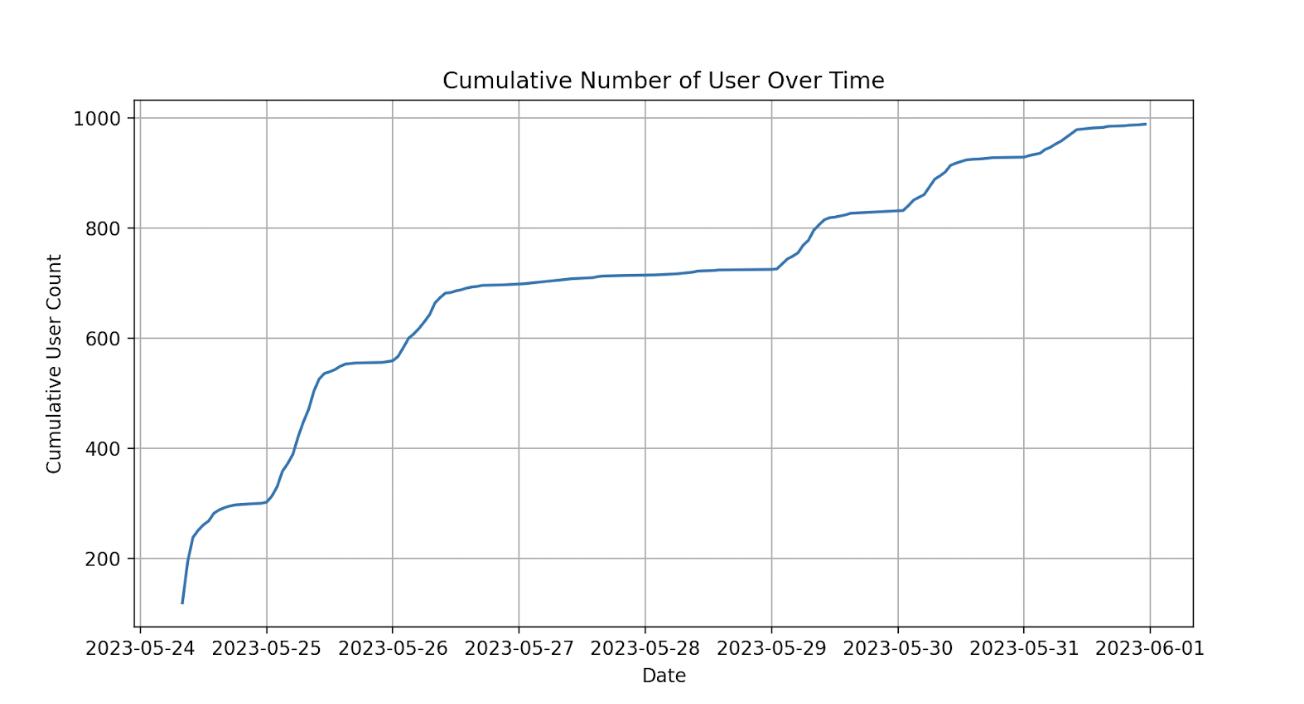
The response was overwhelming:
- Day 1: 300 users registered.
- Day 2: 600 new users.
- Week 1: 900 new users
- Month 3: Over 3000 users, with 600 daily active users
- Today: Almost all Grabbers are using GrabGPT.
Why GrabGPT works: More than just technology
The success of GrabGPT isn’t just about the tech,it’s about timing, security, and accessibility. Here’s why it resonated so deeply within Grab:
- Data security: GrabGPT operates on a private route, ensuring that sensitive company data never leaves our infrastructure.
- Global accessibility: Unlike ChatGPT, which is banned in some regions, GrabGPT is accessible to all Grabbers, regardless of location.
- Model agnosticism: GrabGPT isn’t tied to a single LLM provider. It supports models from OpenAI, Claude, Gemini, and more.
- Auditability: Every interaction on GrabGPT is auditable, making it a favorite of our data security and governance teams.
The broader impact: A catalyst for LLM strategy
GrabGPT didn’t just solve an immediate problem, it sparked a broader conversation about how LLMs can be leveraged across Grab. It showed that a single engineer, provided with the right tools and timing, can create something transformative. Today, GrabGPT is more than a tool; it’s a testament to the power of experimentation and adaptability.
Lessons learned
- Failure is a stepping stone: My initial failure with the support chatbot which then led me to a much bigger opportunity.
- Timing matters: GrabGPT succeeded because it addressed a critical need at the right time.
- Think big, start small: What began as a weekend project became a company-wide tool.
- Collaboration is key: The enthusiasm and contributions from other Grabbers were instrumental in scaling GrabGPT.
Conclusion
GrabGPT is a story of resilience, innovation, and the unexpected rewards from thinking outside the box. It’s a reminder that sometimes, the best solution comes from pivoting away from what doesn’t work and embracing new possibilities. As LLMs continue to evolve, I’m excited to see how GrabGPT will grow and inspire even more innovation within Grab.
I would like to end this article by letting readers know that if you’re working on a project and feel stuck, don’t be afraid to pivot. You never know, your next failure might just be the beginning of your greatest success. And if you’re at Grab, give GrabGPT a try. It might just change the way you work!
Join us
Grab is a leading superapp in Southeast Asia, operating across the deliveries, mobility and digital financial services sectors. Serving over 800 cities in eight Southeast Asian countries, Grab enables millions of people everyday to order food or groceries, send packages, hail a ride or taxi, pay for online purchases or access services such as lending and insurance, all through a single app. Grab was founded in 2012 with the mission to drive Southeast Asia forward by creating economic empowerment for everyone. Grab strives to serve a triple bottom line – we aim to simultaneously deliver financial performance for our shareholders and have a positive social impact, which includes economic empowerment for millions of people in the region, while mitigating our environmental footprint.
Powered by technology and driven by heart, our mission is to drive Southeast Asia forward by creating economic empowerment for everyone. If this mission speaks to you, join our team today!
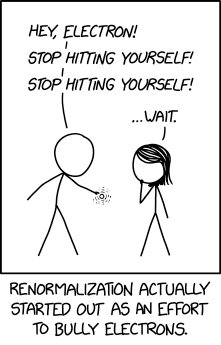
Renormalization
Post Syndicated from xkcd.com original https://xkcd.com/3091/
ADF’S Strategy #lastweektonight
Post Syndicated from LastWeekTonight original https://www.youtube.com/watch?v=Vgn-E0Y3Q7Q
Sights and Sounds: Aztec Pinball Machine Gameplay and Playfield Layout
Post Syndicated from Technology Connextras original https://www.youtube.com/watch?v=IrZCYj2ZHj8
Five more stable kernels
Comic for 2025.05.18 – Louis CK
Post Syndicated from Explosm.net original https://explosm.net/comics/louis-ck
New Cyanide and Happiness Comic
Life Saving Invention
Post Syndicated from The History Guy: History Deserves to Be Remembered original https://www.youtube.com/watch?v=9VLuH9XejCk
Hearts Aflame
Post Syndicated from Oglaf! -- Comics. Often dirty. original https://www.oglaf.com/heartsaflame/


Phison Pascari X200E 6.4TB PCIe Gen5 NVMe SSD Review
Post Syndicated from Eric Smith original https://www.servethehome.com/phison-pascari-x200e-6-4tb-pcie-gen5-nvme-ssd-review/
In our Phison Pascari X200E review, we see how this 6.4TB NVMe SSD provides great PCIe Gen5 drive performance
The post Phison Pascari X200E 6.4TB PCIe Gen5 NVMe SSD Review appeared first on ServeTheHome.
Old Tosh – Toshiba’s personal stereo radio cassette combo
Post Syndicated from Techmoan original https://www.youtube.com/watch?v=JlfNDQOgtfE
Седмицата (12–17 май)
Post Syndicated from Йовко Ламбрев original https://www.toest.bg/sedmitsata-12-17-may/

Ако изобщо у някого са останали някакви съмнения, че президентът Румен Радев се вълнува от нещо различно освен от политическото си дълголетие, дори и ако цената е да пожертва бъдещото развитие на България, то тези съмнения трябва да са отпаднали напълно през последните десетина дни. Притоплянето на идеята за референдум за еврото само уточнява посоката на… самолета. Румен Радев недвусмислено възнамерява да е поредният, който се състезава на терена на националпопулизма.
Емилия Милчева споделя сходни размисли в коментара си по темата, озаглавен „Валутата на президента“. В него тя обобщава и важните детайли от втория мандат на Радев, който приключва догодина. На фона на доверието, с което той дебютира в политиката, намерението му да се възползва от страховете на хората, за да остане под някаква форма във властта, всъщност превръща самия него в страхливец.
Елена Телбис обаче не се страхува да нарича нещата с истинските им имена. Нито пък възнамерява да крие какъв ще е политическият ѝ дневен ред, ако вземе че стане президент. Не гласувайте за нея, моля ви! Не за друго, ама кой ще прави политическа сатира след това? А това ни е далеч по-нужно от някакъв си президент. Не на „Тоест“ – на всички ни!
Една от важните обществени теми напоследък е намерението на Министерството на образованието и науката, оглавявано от Красимир Вълчев, да въведе задължително преподаване на религия в училищата. По тази тема Донка Дойчева-Попова разговаря с проф. Мария Шнитер, която именно от позицията на преподаваща религия и ценности споделя виждания и идеи, които би следвало да отекнат с камбанен звън в главите на някои хора от МОН и Българската православна църква. Скептичен съм, че това ще стане, но интервюто е едно от задължителните ви четива за седмицата, месеца, изобщо.
На този фон, разбира се, възникват и други въпроси. Къде в приоритетите на сегашната власт стои обучението по т.нар. STEM дисциплини (абревиатурата се е наложила като термин и произлиза от английските наименования на думите наука, технологии, инженерство и математика), които се предполага да са все по-важни в бъдеще? Както и развиването на дигиталните умения в най-общ смисъл. Особено предизвикателство е комбинирането им с хуманитарните дисциплини, без които ще се отдалечим от представата си за мирен и справедлив свят.
Преди време в „Тоест“ разказахме за Елизабет Холмс и „Теранос“ – една от измамите на новия век, в която се обещаваше биотехнологична революция в кръвните медицински изследвания. В момента Холмс излежава ефективна 11-годишна присъда във федерален затвор в САЩ. В този контекст новината от седмицата, че нейният интимен партньор е успял да получи милиони долари финансиране за биотехнологичен стартъп, който с помощта на изкуствен интелект ще променя бъдещето на медицинските изследвания, е… наистина не знам какво е. Наивността, с която се подхлъзваме по модерно звучащите технологии, става все по-притеснителна.
Достъпната среда не се изчерпва с възможността да се придвижиш по тротоара. За дигиталната достъпност разказва материалът на Ивелина Гаджева и Константин Кирилов от „Екипът на София“. Европейският акт за достъпност влиза в сила след малко повече от месец и цели да защити правата на хората с увреждания да се възползват наравно с останалите от възможностите на интернет, електронното пазаруване и изобщо на мрежата като такава. В статията се обяснява как сайтовете, които ползваме ежедневно, може да се променят, за да са по-удобни за незрящи и за хора с други увреждания, а това всъщност ще ги направи по-удобни и за всички останали.
Всеизвестно е, че на хората с увреждания в България не им е лесно. И не само заради недостъпната градска или дигитална среда, качеството на медицинските грижи или административните пречки. За тях често недостъпна е дори личната им сексуалност. Това е и темата на материала на Светла Енчева тази седмица, озаглавен „Невидимата сексуалност на хората с увреждания в България“. Защото те не са пасивни обекти на грижа, пише тя, а личности с човешко достойнство.
Темата за човешките права продължава и Теодора Станимирова, която, взeмайки повод от стряскащите резултати от изследване на домашното насилие сред еднополови двойки, задава резонния въпрос защо се докарахме дотам те да нямат адекватна защита от закона. Сещате ли се защо? Защото обществото ни се остави да бъде насъскано срещу ЛГБТИ хората и да забрави, че те са… хора.
Статията на Надежда Цекулова в поредицата ни за женското здравеопазване също засяга темата за равноправието, защото, оказва се, макар вече да отминава първата четвърт на ХХI век, равното третиране на мъжете и жените в медицината все още е илюзия. Медицинските проучвания продължават да гравитират около мъжкото здраве. Данните, на чиято база се анализират заболявания, предписва се лечение, правят се лекарства и т.н., се събират от проучвания, в които преобладават мъже. В този ред на мисли заглавието на статията е съвсем на мястото си: „Пропаст в данните. Защо жените още не се побират в медицинската статистика?“
И преди да си пожелаем хубав уикенд, си позволявам да ви напомня, че съвременният свят, въпреки всички модерни технологии, така и не разполага с витален бизнес модел, който да върши работа на журналистиката, без да ѝ се налага да прави компромиси със свободата и независимостта си. Единственият начин да имаме свободни медии е те да могат да разчитат на подкрепата на своята публика.
Приятно четене!
Unable to Stay Neutral
Post Syndicated from The History Guy: History Deserves to Be Remembered original https://www.youtube.com/watch?v=JuWB9qyVmIs
Comic for 2025.05.17 – Interview
Post Syndicated from Explosm.net original https://explosm.net/comics/interview-2
New Cyanide and Happiness Comic