Be Sure to Comment on FCC’s NPRM 14-28

Post Syndicated from Bradley M. Kuhn original http://ebb.org/bkuhn/blog/2014/06/04/fcc-14-28.html

I remind everyone today, particularly USA Citizens, to be sure to comment
on
the FCC’s
Notice of Proposed Rulemaking (NPRM) 14-28
. They even did a sane thing
and provided
an email address you can write to rather than using their poorly designed
web forums
,
but PC
Magazine published relatively complete instructions for other ways
.
The deadline isn’t for a while yet, but it’s worth getting it done so you
don’t forget. Below is my letter in case anyone is interested.

Dear FCC Commissioners,

I am writing in response to NPRM 14-28 — your request for comments regarding
the “Open Internet”.

I am a trained computer scientist and I work in the technology industry.
(I’m a software developer and software freedom activist.) I have subscribed
to home network services since 1989, starting with the Prodigy service, and
switching to Internet service in 1991. Initially, I used a PSTN single-pair
modem and eventually upgraded to DSL in 1999. I still have a DSL line, but
it’s sadly not much faster than the one I had in 1999, and I explain below
why.

In fact, I’ve watched the situation get progressively worse, not better,
since the Telecommunications Act of 1996. While my download speeds are
little bit faster than they were in the late 1990s, I now pay
substantially more for only small increases of upload speeds, even in a
major urban markets. In short, it’s become increasingly more difficult
to actually purchase true Internet connectivity service anywhere in the
USA. But first, let me explain what I mean by “true Internet
connectivity”.

The Internet was created as a peer-to-peer medium where all nodes were
equal. In the original design of the Internet, every device has its own
IP address and, if the user wanted, that device could be addressed
directly and fully by any other device on the Internet. For its part,
the network in between the two nodes were intended to merely move the
packets between those nodes as quickly as possible — treating all those
packets the same way, and analyzing those packets only with publicly
available algorithms that everyone agreed were correct and fair.

Of course, the companies who typically appeal to (or even fight) the FCC
want the true Internet to simply die. They seek to turn the promise of
a truly peer-to-peer network of equality into a traditional broadcast
medium that they control. They frankly want to manipulate the Internet
into a mere television broadcast system (with the only improvement to
that being “more stations”).

Because of this, the three following features of the Internet —
inherent in its design — that are now extremely difficult for
individual home users to purchase at reasonable cost from so-called
“Internet providers” like Time Warner, Verizon, and Comcast:

  • A static IP address, which allows the user to be a true, equal node on
    the Internet. (And, related: IPv6 addresses, which could end the claim
    that static IP addresses are a precious resource.)
  • An unfiltered connection, that allows the user to run their own
    webserver, email server and the like. (Most of these companies block TCP
    ports 80 and 25 at the least, and usually many more ports, too).
  • Reasonable choices between the upload/download speed tradeoff.

For example, in New York, I currently pay nearly $150/month to an
independent ISP just to have a static, unfiltered IP address with 10
Mbps down and 2 Mbps up. I work from home and the 2 Mbps up is
incredibly slow for modern usage. However, I still live in the Slowness
because upload speeds greater than that are extremely price-restrictive
from any provider.

In other words, these carriers have designed their networks to
prioritize all downloading over all uploading, and to purposely place
the user behind many levels of Network Address Translation and network
filtering. In this environment, many Internet applications simply do
not work (or require complex work-arounds that disable key features).
As an example: true diversity in VoIP accessibility and service has
almost entirely been superseded by proprietary single-company services
(such as Skype) because SIP, designed by the IETF (in part) for VoIP
applications, did not fully anticipate that nearly every user would be
behind NAT and unable to use SIP without complex work-arounds.

I believe this disastrous situation centers around problems with the
Telecommunications Act of 1996. While
the
ILECs

are theoretically required to license network infrastructure fairly at bulk
rates to

CLEC
s,
I’ve frequently seen — both professional and personally — wars
waged against
CLECs by
ILECs. CLECs
simply can’t offer their own types of services that merely “use”
the ILECs’ connectivity. The technical restrictions placed by ILECs force
CLECs to offer the same style of service the ILEC offers, and at a higher
price (to cover their additional overhead in dealing with the CLECs)! It’s
no wonder there are hardly any CLECs left.

Indeed, in my 25 year career as a technologist, I’ve seen many nasty
tricks by Verizon here in NYC, such as purposeful work-slowdowns in
resolution of outages and Verizon technicians outright lying to me and
to CLEC technicians about the state of their network. For my part, I
stick with one of the last independent ISPs in NYC, but I suspect they
won’t be able to keep their business going for long. Verizon either (a)
buys up any CLEC that looks too powerful, or, (b) if Verizon can’t buy
them, Verizon slowly squeezes them out of business with dirty tricks.

The end result is that we don’t have real options for true Internet
connectivity for home nor on-site business use. I’m already priced
out of getting a 10 Mbps upload with a static IP and all ports usable.
I suspect within 5 years, I’ll be priced out of my current 2 Mbps upload
with a static IP and all ports usable.

I realize the problems that most users are concerned about on this issue
relate to their ability to download bytes from third-party companies
like Netflix. Therefore, it’s all too easy for Verizon to play out this
argument as if it’s big companies vs. big companies.

However, the real fallout from the current system is that the cost for
personal Internet connectivity that allows individuals equal existence
on the network is so high that few bother. The consequence, thus, is
that only those who are heavily involved in the technology industry even
know what types of applications would be available if everyone had a
static IP with all ports usable and equal upload and download speeds
of 10 Mbs or higher.

Yet, that’s the exact promise of network connectivity that I was taught
about as an undergraduate in Computer Science in the early 1990s. What
I see today is the dystopian version of the promise. My generation of
computer scientists have been forced to constrain their designs of
Internet-enabled applications to fit a model that the network carriers
dictate.

I realize you can’t possibly fix all these social ills in the network
connectivity industry with one rule-making, but I hope my comments have
perhaps given a slightly different perspective of what you’ll hear from
most of the other commenters on this issue. I thank you for reading my
comments and would be delighted to talk further with any of your staff
about these issues at your convenience.

Sincerely,

Bradley M. Kuhn,
a citizen of the USA since birth, currently living in New York, NY.

Джесика Кори: „Хари Потър и забранените книги“

Post Syndicated from original https://nookofselene.wordpress.com/2014/06/01/jessica_khoury_harry_potter/

Много от авторите на любими ми книги признават, че са се вдъхновили да пишат от поредицата „Хари Потър“ – не непременно за конкретните истории, а да пишат по принцип. Но ролята на „Хари Потър“ в живота на Джесика Кори, автор на „Произход“ и други фантастични йънг адълт романи, е дори още по-голяма. Ето нейния разказ – за забранените книги, за порастването и за правото на избор…

В моя малък роден град в Джорджия, в който имаше 144 църкви и само един бар, „Хари Потър“ беше определян като върха на дяволските творения – съзаклятие, създадено, за да примамва малките деца по порочни пътища, водещи до морална гибел. Можех да преброя на пръстите на едната си ръка децата, за които знаех, че са прочели забранените книги, и бях наясно, че бяха тормозени заради това. Но виждах книгите в стекове в „Уол-Март“ (единственото място, където реално се продаваха книги в града ни) и, въпреки че не смеех да си го призная, те ми шепнеха.
harry_potter_halfblood_prince По различни поводи дори дръзвах да се доближа на три метра от тях, заставах и ги изучавах отстрани, като се преструвах, че небрежно разглеждам шоколадчетата до касата. С равностойни срам и очарование запаметявах корицата на „Хари Потър и Нечистокръвния принц“ и се чудех какви ли думи се крият вътре. Когато мои приятели ми подшушнаха, че братовчедът на приятел на техен приятел е прочел тези книги (информация, посрещната с много гримаси и клатене на глави), ушите ми сигурно бяха почервенели. „Не мога да им кажа“ – мислех си. – „Не мога да им кажа.“
Но наистина исках да ги прочета. Много. Дори не съм сигурна какво ме притегляше към тях. Дали това, че бяха забранени? Или пък дебелината им? Винаги съм имала и винаги ще имам слабост към дебели книги. Или пък може би изкусителните им мистериозни корици?
Спомням си деня, в който най-сетне попитах родителите си дали може да прочета „Хари Потър“. Обмислях речта си цяла седмица. Имах си набелязани етапи и шлифовани аргументи. Логично бях пресметнала, че най-добрият ми подход е: „Но ако не съм ги чела, как бих могла да се защитавам срещу тях?“.
Първата ми молба, която беше доста по-смирена, отколкото я бях репетирала, беше посрещната със звучно НЕ. Но аз не се отказах. Отне ми няколко месеца, но най-сетне постоянството ми ми се отплати. Мисля, че в един момент родителите ми се измориха от постоянното ми натякване и затова се омилостивиха. Но не ми дадоха разрешението си с гневен отговор или като капитулация, а като признание на автономията ми. „Ние не искаме да четеш тези книги“ – казаха те, – „но ти разрешаваме да прецениш сама. Вече си на 15 и ние уважаваме твоята способност да избираш. Отсега нататък е твой избор какво ще четеш и каквото и да е то, ние ще продължаваме да те обичаме и да ти вярваме.“
jessicaБеше шокиращ момент, по-освобождаващ от всичко, което някога бях изживявала. Беше много по-определяща стъпка към зрелостта ми от вземането на шофьорска книжка, отиването в колеж или първото гласуване. Това беше денят, в който родителите ми признаха и уважиха моята способност да правя избор и въпреки че не харесаха решението ми, никога не се разколебаха в любовта и доверието си.
„Хари Потър“ се превърна в повратна точка във взаимоотношенията ми с моите родители. Ако те не бяха изрекли тези думи, ако вместо това бях изчела тези книги тайно и с чувство на вина, може би щях да се превърна в съвсем различен човек. Несъмнено връзката ми с тях щеше да беше силно нарушена. Вместо това прочетох книгите без никакъв срам, влюбих се в тях и запазих уважението на родителите си въпреки различното им мнение.
Загубих ли приятели? Да. Спомням си как казах на някои от тях, че съм прочела книгите и дори че съм ги харесала и те шокирани заявиха, че прекратяват приятелството ни и никога повече няма да си проговорим. Така и стана, не го направихме – но за моя изненада бях облекчена. Никога изпитах липсата им. Чувах как другите си шепнат: „Разбрахте ли, че Джесика чете „Хари Потър“?“ и се усмихвах.
Години по-късно щях да седна в киното с някои от тези си приятели – и дори с родителите си – за премиерата на филма „Хари Потър и Орденът на феникса“. Години по-късно щях да се озова в Хогсмийд в увеселителния парк „Вълшебният свят на Хари Потър“ с маслена бира в ръка и да плача, защото всичко беше започнало именно на това място. Точно тук беше започнала автономията ми.
Не беше порочно. Не бях засрамена. Но станах по-уверена в своите избори и в своята независимост. Много деца пораснаха с Хари Потър, а аз пораснах заради него.

Khoury, Jessica. Harry Potter And The Forbidden Books // NPR Books, 31.05.2014. 

Гледат ли се на харизан кон зъбите?

Post Syndicated from Longanlon original http://kaka-cuuka.com/3408

Кения претърпява поредната си суша и поради това е заплашена от поредния масов глад. Въпреки това, отказва предложения за помощи, защото били “храна за кучета”, а преди години забрани вноса и отглеждането на всякакви ГМО култури…

(Чети още…) (521 думи)

„Х-Мен: Дни на отминалото бъдеще“ – човешкият избор в центъра на пътуването

Post Syndicated from original https://nookofselene.wordpress.com/2014/05/24/x-men-days-of-future-past/

Напоследък четем все повече книги и гледаме все повече филми в жанра антиутопия – откриваме нови и нови апокалиптични сценарии, в които планетата ни е замърсена, населението – намалено чрез изтребление и/или поробено, и то не от извънземни. Това, което силно ни привлича и което популярната култура ни предлага, е всъщност отражение на собствените ни страхове – страховете от война, от екологична катастрофа, от всякакви беди, породени от човешката алчност и от човешката склонност към неприемане на различните. Чрез книгите и филмите съзнателно или несъзнателно все по-често търсим отговор на въпроса: как може да се избегне това?
1
Вече сме гледали общо шест игрални филма за Х-Мен. Тяхната популярност е огромна, но това важи и за опасността от изхабяване на героите и стесняване на кръга от зрители само до най-запалените читатели на комиксите. Това обаче все още не се е случило.
Трилогия, развиваща се в началото на XXI век („Х-Мен“, „Х-Мен 2“, „Х-Мен 3: Последен сблъсък“), една предистория и една следистория на отделен герой („Х-Мен началото: Върколак“ и „Върколака“), както и една предистория на целия екип, развиваща се през 60-те на ХХ век („Х-мен: Първа вълна“) – какво повече може да се направи, ще се запитат по-незапознатите зрители?
Още много може да се направи, ще отговори всеки, който е по-запознат със света на Х-Мен и на супергеройските комикси като цяло.
Защото тези комикси не само ни дават страхотни герои с готини сили, но и истории, чието богатство не знае граници. И понякога само една-единствена история е достатъчна, за да задвижи отново колелото на филмовата поредица и да върне магията.
2.

„Х-Мен: Дни на отминалото бъдеще“ е сюжет от броеве 141-142 на „Uncanny X-Men“, публикувани през далечната 1981 г. Наистина далечна, защото антиутопичното бъдеще, което обрисува, се развива в тогава тънещата в мъглите на неизвестното бъдеще 2013 г. Стражите – гигантски роботи, създадени, за да подчиняват мутантите – затварят всеки с Х-гени в трудови лагери. В комикса малкото свободни Х-Мен изпращат ума на възрастната Кити Прайд в по-младото й Аз. Кити от настоящето води Х-Мен към предотвратяването на фатален момент в историята, който ще подбуди антимутантската истерия – убийството на сенатор Кели, извършено от Мистик.
През 1993 г. историята е претворена в двоен епизод на анимационния сериал „Х-Мен“. Вместо Кити в настоящето (през 90-те) от бъдещето идва мутантът Бишоп, който атакува член на Х-Мен заради все още несъстоялото се убийство на сенатор Кели.
Историята несъмнено е любима за феновете, защото през 2001 г. те поставят този комикс на 25-то място в топ 100 на най-добрите комикси на „Marvel“ за всички времена.

И ето я магията за филмовата поредица за Х-Мен – двете времеви линии в сюжета правят възможно той да бъде продължение едновременно на успешната трилогия и на също така любимата предистория „Х-Мен: Първа вълна“. Така можем да видим всичките си любими герои накуп (че дори и с няколко допълнения) и те да обединят сили срещу настъпилия/настъпващия апокалипсис.
3Назад във времето се връща Върколака – понастоящем най-популярният герой, при това единственият от Х-Мен със самостоятелни екранизации. Кити отново има своята роля – силите й са се разширили и развили и именно тя го изпраща в миналото.
Всичко това звучи много обещаващо и много амбициозно, но дали резултатът е на ниво?
Още в първите секунди на филма усещам, че отговорът ще бъде да – чувам думите на Професора, виждам картини на страшното бъдеще. Чудя се – как нещата са се объркали така и защо?
И ето ги добре познатите герои от трилогията – Кити, Колоса, Върколака, възрастните Професора и Магнито – както и новопоявилите се Блинк, Бишоп, Сънспот, Уорпат. А враговете им… о, враговете им са нещо, което не сме виждали нито в комикса, нито в анимацията, нито дори във фенфикшъните с най-развинтена фантазия, вложена в тях.
Стражите са по-ужасни от всичките си образи досега, защото имат способността да се променят.
5Също както в комикса, причината на бъдещия апокалипсис е Мистик. Но не само заради убийство, с чието извършване тя без да иска отприщва антимутантските настроения и бъдещата война, а и заради уникалните й гени, които са направили Стражите наистина непобедими.
В повечето филми за Х-Мен имаме конкретен мутант, който се оказва двигател на действието заради уникалните си сили. В първия филм това е дарбата на Плевел да изсмуква и прихваща чуждите способности, във втория – регенерацията на Върколака, а в третия малкият Лийч, умеещ да блокира способностите на околните, е превърнат в източник за тъй наречено „лекарство“ срещу мутиралите гени, което предизвиква нов разрив в обществото.
Също както и предишните филми за Х-Мен, и в „Дни на отминалото бъдеще“ е поставен въпросът за приемането на различните. И то отново от двете гледни точки – различните мутанти-изроди в очите обикновените хора заплашват самото им съществуване, а различните недоразвити човеци от гледна точка на Магнито могат да бъдат единствено военен враг.
Най-съдбоносният избор в „Дни на отминалото бъдеще“ е в ръцете на Мистик. Тя ни е позната от трилогията като бездушна убийца и от предисторията като добро момиче, тръгващо по лош път заради обикновеното желание да си намери място под слънцето – и именно сега трябва да разберем как тези две толкова различни по характер героини са всъщност един и същи човек.
„Не искам вашето бъдеще. Не искам вашето страдание!“ – роптае младият Чарлз Екзевиър. Непроменимо ли е бъдещето? Обречена ли е Мистик да се превърне в злодей? Обречено ли е човечеството на война, робство и смърт, или има начин крахът да бъде избегнат?
„Дни на отминалото бъдеще“ отговаря на този и на много други въпроси по фантастичен начин. 6Показва ни всичките ни любими герои на едно място, но най-важното – и трансформацията на основните персонажи. Виждаме младият учен Ханк Маккой, който все още не е приел напълно Звяра в себе си, както и Магнито, който с бодри крачки се е устремил към злодея, когото познаваме. Виждаме, че пътят на младия Чарлз Екзевиър към Професор Х далеч не така безпроблемен, както сме си мислели. Виждаме съдбовната важност на човешкия избор. Защото именно в избора е отговорът – в него е бъдещето и от него зависи какво ще е то.
„Дни на отминалото бъдеще“ ни предлага това, както и други послания, а също и много екшън, страхотен, заради фантастичните сили на героите. Типичното за „Х-Мен“ чувство за хумор също не е пропуснато, а Живака надминава всичките ми очаквания към екранизирането на този герой – сериозно, мислиш си, че вече няма как да те изненадат с поредния як мутант и се оказва, че не е съвсем така. 🙂
Едно е ясно – Х-Мен са много далеч от изчерпване на големия екран и отсега нямам търпение за следващия, осми филм от поредицата – „Х-Мен: Апокалипс“, 2016 г. Кой е Апокалипс ли? Един много, ама наистина много обещаващ злодей…

7

For your eyes only (or Adding better encryption to MariaDB)

Post Syndicated from Michael "Monty" Widenius original http://monty-says.blogspot.com/2014/05/for-your-eyes-only-or-adding-better.html

With MariaDB and MySQL we have always taken security seriously.

In MariaDB 10.0 we added roles to make it easier to administrate many users.

MariaDB and MySQL has also many different encryption functions, but what has been neglected in the past is to make encryption easy to use.

This is now about to change.

I recently had a meeting with Elmar Eperiesi-Beck from eperi about simplifying the usage of encryption. We agreed to start a close collaboration around encryption for MariaDB with an agenda to deliver something very secure and easy to use soon.

The things we are initially focusing on are:

  • Adding column level encryption.
    • This will be done at the field level, invisible for the storage engine.
  • Block level encryption for certain storage engines.
    • Initially we will target InnoDB and XtraDB.

MariaDB will initially support storing the security keys on a remote file systems, accessed only at startup, and later also support using a daemon for key management.

The above will make your encrypted data in MariaDB secure for:

  • Database users that has user access to the database.
  • Anyone that would attempt to steal the hard disk with the database.

By using the daemon approach a MariaDB installation will even be secure against database administrators, as they will not have any way to access the key data.

eperi has 11 years of experience with encryption and I am very happy to see them engage with MariaDB to provide better security to MariaDB users!

To Serve Users

Post Syndicated from Bradley M. Kuhn original http://ebb.org/bkuhn/blog/2014/05/14/to-serve-users.html

(Spoiler alert: spoilers regarding a 1950s science fiction short story that you may
not have read appear in this blog post.)

Mitchell
Baker announced
today that Mozilla Corporation (or maybe Mozilla Foundation? She doesn’t
really say…) will begin implementing proprietary software by default
in Firefox at the behest of wealthy and powerful media companies
.
Baker argues this serves users: that Orwellian phrasing caught
my attention most.

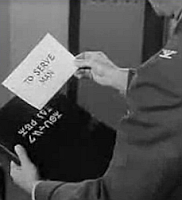
image from Twilight Zone Episode, To Serve Man, showing the book with the alien title on the front and its translation.

In the old science
fiction story, To Serve Man
(which later was adapted for the
The Twilight Zone
), aliens come to earth and freely share
various technological advances, and offer free visits to the alien world.
Eventually, the narrator, who remains skeptical, begins translating one of
their books. The title is innocuous, and even well-meaning: To Serve Man. Only
too late does the narrator realize that the book isn’t about service to
mankind, but rather — a cookbook.

It’s in the same spirit that Baker seeks to serve Firefox’s users
up on a platter to the MPAA, the RIAA, and like-minded wealthy for-profit
corporations. Baker’s only defense appears to be that other browser
vendors
have done the same, and cites specifically for-profit companies such as
Apple, Google, and Microsoft.

Theoretically speaking, though, the Mozilla Foundation is supposed to be a
501(c)(3)
non-profit charity which told the IRS
its charitable purpose was:
to keep the Internet a universal platform that is accessible by anyone
from anywhere, using any computer, and … develop open-source
Internet applications
. Baker fails to explain how switching Firefox to
include proprietary software fits that mission. In fact, with a bit of
revisionist history, she says that open source was merely an
“approach” that Mozilla Foundation was using, not their
mission.

Of course, Mozilla Foundation is actually a thin non-profit shell wrapped
around a much larger entity called the Mozilla Corporation, which is a for-profit
company. I have always been dubious about this structure,
and actions like this that make it obvious that “Mozilla”
is focused on being a for-profit company, competing with other for-profit
companies, rather than a charity serving the public (at least, in the way
that I mean “serving”).

Meanwhile, I greatly appreciate that various Free Software communities
maintain forks and/or alternative wrappers around many web browser
technologies, which, like Firefox, succumb easily to for-profit corporate
control. This process (such as Debian’s iceweasel fork and GNOME’s
ephiphany interface to Webkit) provide an nice “canary in the
coalmine” to confirm there is enough software-freedom-respecting code
still released to make these browsers usable by those who care about
software freedom and reject the digital restrictions management that
Mozilla now embraces. OTOH, the one item that Baker is right about: given
that so few people oppose proprietary software, there soon may not be much
of a web left for those of us who stand firmly for software freedom.
Sadly, Mozilla announced today their plans to depart from curtailing that
distopia and will instead help accelerate its onset.

Related Links:


The collective thoughts of the interwebz