Post Syndicated from Home Assistant original https://www.youtube.com/watch?v=qCd7RHprmc0
Best of “How To”: Identify What You Enjoy
Post Syndicated from The Atlantic original https://www.youtube.com/watch?v=gbGVYBLkKB4
Computing Curriculum Framework: Adapting to India’s diverse landscapes
Post Syndicated from Mamta Manaktala original https://www.raspberrypi.org/blog/computing-curriculum-framework-adapting-to-indias-diverse-landscapes/
The digital revolution has reshaped every facet of our lives, underscoring the need for robust computing education. At the Raspberry Pi Foundation our mission is to enable young people to realise their full potential through the power of computing and digital technologies. Since starting out in 2008 as a UK-based educational charity, we’ve grown into a global leader in advancing computing literacy.
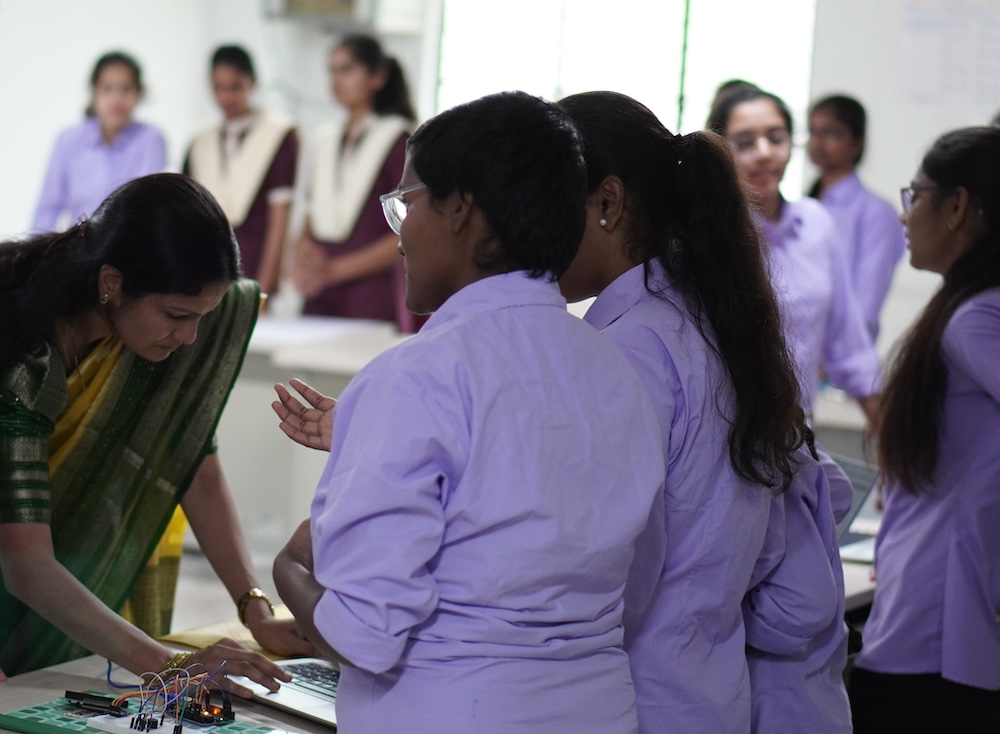
At the heart of our efforts lies a simple yet powerful vision: to ensure every young person develops the knowledge, skills, and confidence to use digital technologies effectively. This includes understanding societal and ethical issues, using technology for creative problem solving, and fostering a mindset of adaptability that will enable them to thrive amid rapid technological change.
A vision for global computing education
To realise this vision, we developed The Computing Curriculum (TCC). Launched in 2018 as part of the UK’s National Centre for Computing Education, TCC is a comprehensive set of free teaching resources tailored for students aged 5–16. Over the years, the curriculum has evolved through rigorous testing and teacher feedback, which has helped to make it one of the most effective and inclusive computing education tools globally.
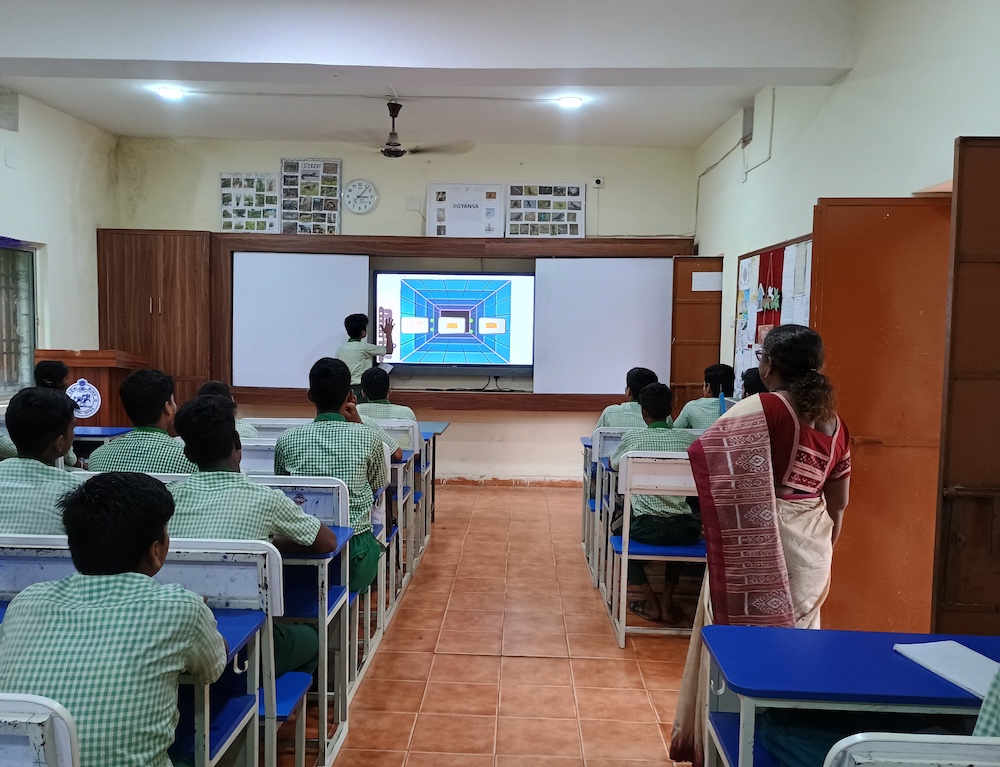
Contextualising computing education for India
India’s vast diversity — in languages, social and economic contexts, and educational infrastructure — creates unique challenges and opportunities. As a result, we at the Raspberry Pi Foundation have adapted and localised our computing curriculum to meet the needs of Indian students. Collaborations with the Telangana Social Welfare Residential Educational Institutions Society (TGSWREIS) and the Odisha Mo School programme have been pivotal in this endeavour.
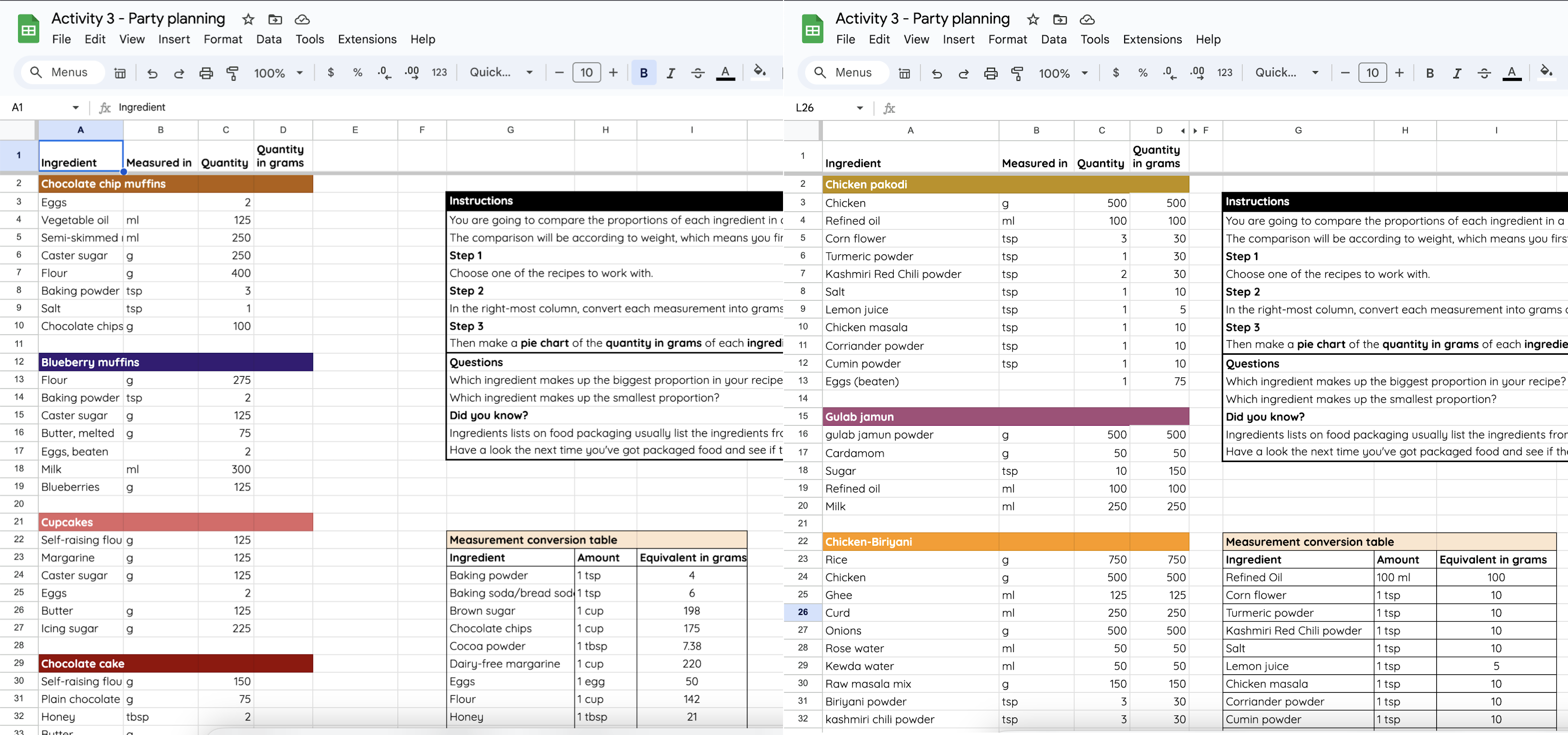
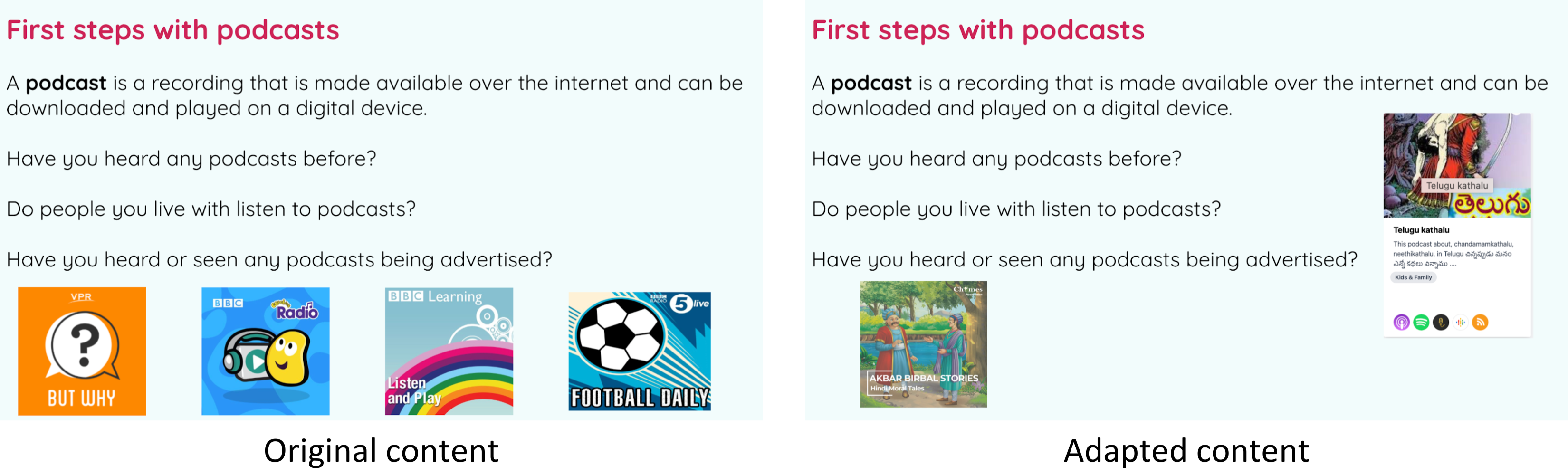
In Telangana, we adapted TCC to create a 70+ hour computing curriculum designed for government schools with limited resources. Similarly, in Odisha, elements of this curriculum have been tailored to develop Kaushali, an IT and coding curriculum for over 8,000 state schools. This localised approach ensures that computing education becomes accessible and relevant for students across India.
A curriculum designed for impact
The computing curriculum for India spans Grades 6 to 10 (age group 11-16) and is structured to ensure progressive learning. Students revisit foundational concepts repeatedly, building on prior knowledge as they advance through the grades. The curriculum emphasises forming a strong understanding of concepts over rote learning and integrates research-informed pedagogical approaches.
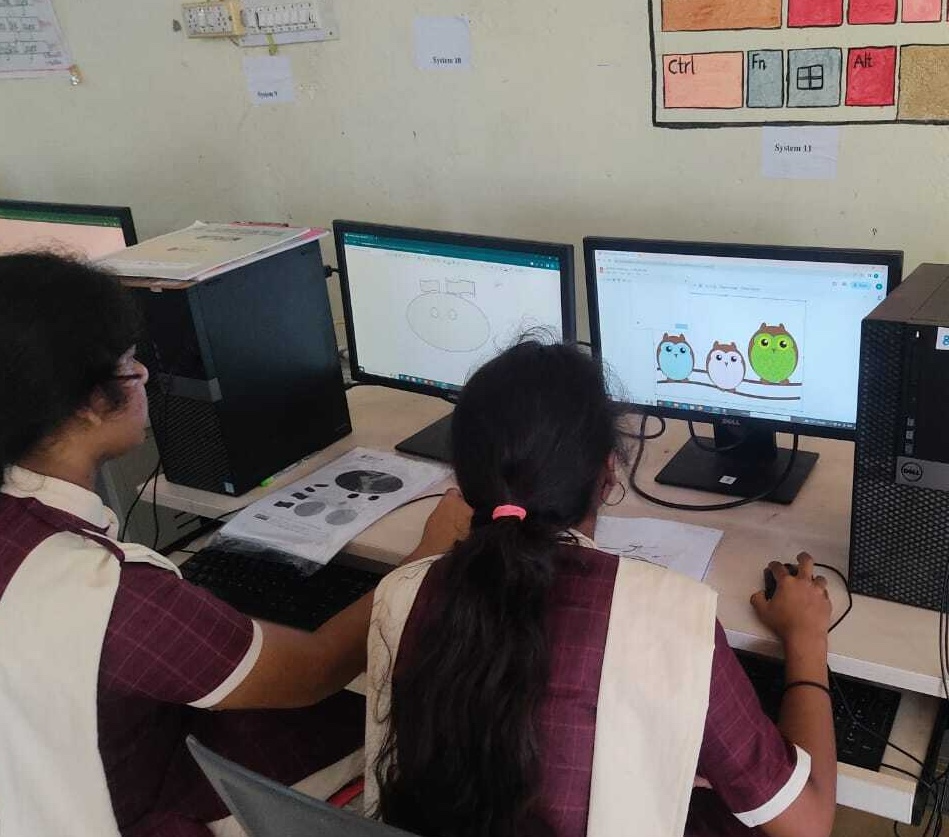
We tested our localised curriculum resources in Telangana Coding Academy, and there was lots of positive feedback from educators and observers. Overall, the educators were happy with the content format, and the observers noted that students enjoyed learning and completing the activities. This was also evident from the student discussion notes and student survey responses.
“[…] this content is more than what we are expecting for the school years[…] this time they [are] having [a] practical session. So they are very happy to do it and whenever they are free[,] they will come and ask us. ‘[C]an you take [an] extra class for us?’” – Educator
“[…] They are very [appreciative of] the content and [t]hey [are] learning very well, and the response is very good.” – Educator
Key features of the curriculum:
- Tailored content: Materials are customised to align with the proficiency levels and contexts of Indian students, ensuring accessibility
- Localised examples: By incorporating culturally relevant examples, students find the learning experience relatable and engaging
- Simplified language: Designed for students who may lack confidence in English, the curriculum employs clear and concise language for better comprehension
- Hands-on learning: Practical activities, including projects and model creation, solidify understanding and foster creativity
- Ready-to-use resources: Teachers are equipped with lesson plans, presentations, worksheets, and activity sheets, reducing preparation time and enhancing delivery
Learning objectives:
The curriculum focuses on equipping students with:
- An understanding of digital systems and their impact on people and society
- Computational thinking and problem-solving skills for real-world applications
- Confidence and knowledge to become creators and innovators
- Awareness of digital citizenship and responsible technology use
Curriculum structure:
Each academic year includes 30–34 sessions, each lasting 45–60 minutes. Lessons are structured into deliverable units comprising detailed plans, presentations, and worksheets. Both plugged (computer-based) and unplugged (activity-based) learning methods are used, with a 60:40 ratio, ensuring balanced and inclusive learning experiences.
Sample progression across grades:
Curriculum highlights
Grade 6: Building a foundation
Students develop foundational computer skills, learn basic text formatting, and explore introductory programming concepts using Scratch. They also begin to understand how to group and describe objects based on their properties.
Grade 7: Expanding horizons
Students delve into computer networks, the internet, and the World Wide Web. They learn to use loops in Scratch programming and explore data organisation using flat-file databases and spreadsheets.
Grade 8: Deepening understanding
Students gain a deeper understanding of how computer systems function and use spreadsheets for data analysis. They continue to build their programming skills in Scratch, focusing on sequences, variables, and selection. They are also introduced to HTML and CSS for basic web development.
Grade 9: Exploring advanced concepts
Students learn about data representation, including binary and character coding schemes. They design and create websites using HTML and CSS, incorporating accessibility and good web design principles. They also explore the layers of computing systems, including hardware, operating systems, and logic circuits.
Grade 10: Applying knowledge and skills
Students explore advanced data representation, including image and sound representation. They are introduced to cybersecurity concepts and delve deeper into Python programming, focusing on selection and iteration. They also learn about data science and how to create a blog to support a cause.
Assessment framework:
To measure student progress effectively, the curriculum incorporates both formative and summative assessments:
- Formative assessments: Embedded in lessons to monitor progress and identify misconceptions early.
- Summative assessments: Provide a holistic overview of learning outcomes through tools like multiple-choice quizzes and rubrics. These assessments focus on understanding concepts and skills, moving beyond mere code writing.
Bridging the digital divide
Our localised computing curriculum is more than a technical education initiative — it is helping to bridge the digital divide. By empowering students with essential digital skills, it fosters innovation, enhances employability, and enables young people to participate actively in the global digital economy.
The road ahead
As technology continues to evolve, so does the need for adaptive and inclusive computing education. We remain committed to supporting governments, educators, and students in this journey. By fostering a generation of digitally literate and empowered individuals, we can create a future where technology serves as a force for good in society.
Through collaborations and localised efforts, the dream of making computing education accessible to every corner of India is steadily becoming a reality. Together, we can equip students with the skills and mindset needed to navigate the complexities of the digital age and shape a brighter, more inclusive future.
The post Computing Curriculum Framework: Adapting to India’s diverse landscapes appeared first on Raspberry Pi Foundation.
Anker 778 Thunderbolt 4 Dock Mini-Review
Post Syndicated from Eric Smith original https://www.servethehome.com/anker-778-thunderbolt-4-dock-mini-review/
In our Anker 778 mini review, we see what this Thunderbolt 4 dock offers and explain why we continue to use it in the lab
The post Anker 778 Thunderbolt 4 Dock Mini-Review appeared first on ServeTheHome.
The North American X-10
Post Syndicated from The History Guy: History Deserves to Be Remembered original https://www.youtube.com/watch?v=P6ICAkvYaes
D Roll
Post Syndicated from xkcd.com original https://xkcd.com/3028/
Comic for 2024.12.23 – Text
Post Syndicated from Explosm.net original https://explosm.net/comics/text
New Cyanide and Happiness Comic
Kernel prepatch 6.13-rc4
Post Syndicated from corbet original https://lwn.net/Articles/1003223/
Linus has released 6.13-rc4 for testing.
“So this definitely is looking a bit smaller than most rc4s, and I
expect (and hope) that rc5 will be absolutely tiny because you should
all already be relaxing over the xmas holidays.
But hey, if somebody is out there keeping the lights on, please do
keep testing.“
Illinois Invaded!
Post Syndicated from The History Guy: History Deserves to Be Remembered original https://www.youtube.com/watch?v=MC9zms6lXM4
Darktable 5.0.0 released
Post Syndicated from jzb original https://lwn.net/Articles/1003200/
Version
5.0.0 of the darktable
photography workflow application has been released. Major changes in
this release include user-interface/user-experience (UI/UX)
improvements, speed improvements for bulk operations, and the addition
of a inter-script-communication event to allow a running
script to send messages to another running script. LWN last looked at darktable in
2022.
It is that good! Home Assistant Voice Preview Edition
Post Syndicated from BeardedTinker original https://www.youtube.com/watch?v=p7hh627kjtI
This is The End of LGR Donation Unboxing Videos
Post Syndicated from LGR original https://www.youtube.com/watch?v=nk7Y7S7dWAk
Accidental Lightning Pilot
Post Syndicated from The History Guy: History Deserves to Be Remembered original https://www.youtube.com/watch?v=UBxIM5oRNjs
Comic for 2024.12.22 – Trapped
Post Syndicated from Explosm.net original https://explosm.net/comics/trapped
New Cyanide and Happiness Comic
Comic for 2024.12.22 – Inappropriate Text
Post Syndicated from Explosm.net original https://explosm.net/comics/inappropriate-text
New Cyanide and Happiness Comic
TSA-2024
Post Syndicated from Oglaf! -- Comics. Often dirty. original https://www.oglaf.com/tsa-2024/


Yule Log
Post Syndicated from Oglaf! -- Comics. Often dirty. original https://www.oglaf.com/yulelog/


The F-89 "Scorpion."
Post Syndicated from The History Guy: History Deserves to Be Remembered original https://www.youtube.com/watch?v=EqZ90uwjmro
STH Weekly Newsletters You Want to Subscribe in Q4 2024
Post Syndicated from Patrick Kennedy original https://www.servethehome.com/sth-weekly-newsletters-you-want-to-subscribe-in-q4-2024/
Subscribe to our newsletters to stay up to date on the latest reviews and coverage from STH and more delivered to your inbox
The post STH Weekly Newsletters You Want to Subscribe in Q4 2024 appeared first on ServeTheHome.
Stenberg: Dropping hyper
Post Syndicated from corbet original https://lwn.net/Articles/1003161/
Curl maintainer Daniel Stenberg announces
that the curl project will be dropping hyper, its experimental HTTP backend
written in Rust, due to lack of developer interest.
While the experiment itself is deemed a failure, I think we learned
from it and improved curl in the process. We had to rethink and
reassess several implementation details when we aligned HTTP
behavior with hyper. libcurl parses and handles HTTP stricter
now. Better.