All posts by Mamta Manaktala

Computing and AI for all: From classrooms to national dialogue in India

Post Syndicated from Mamta Manaktala original https://www.raspberrypi.org/blog/computing-and-ai-for-all-from-classrooms-to-national-dialogue-in-india/

On 7 February 2026, we witnessed something special in Bhubaneswar: a day where classroom experience took centre stage in conversations about computing and AI education in India at our Computing and AI for All conference.
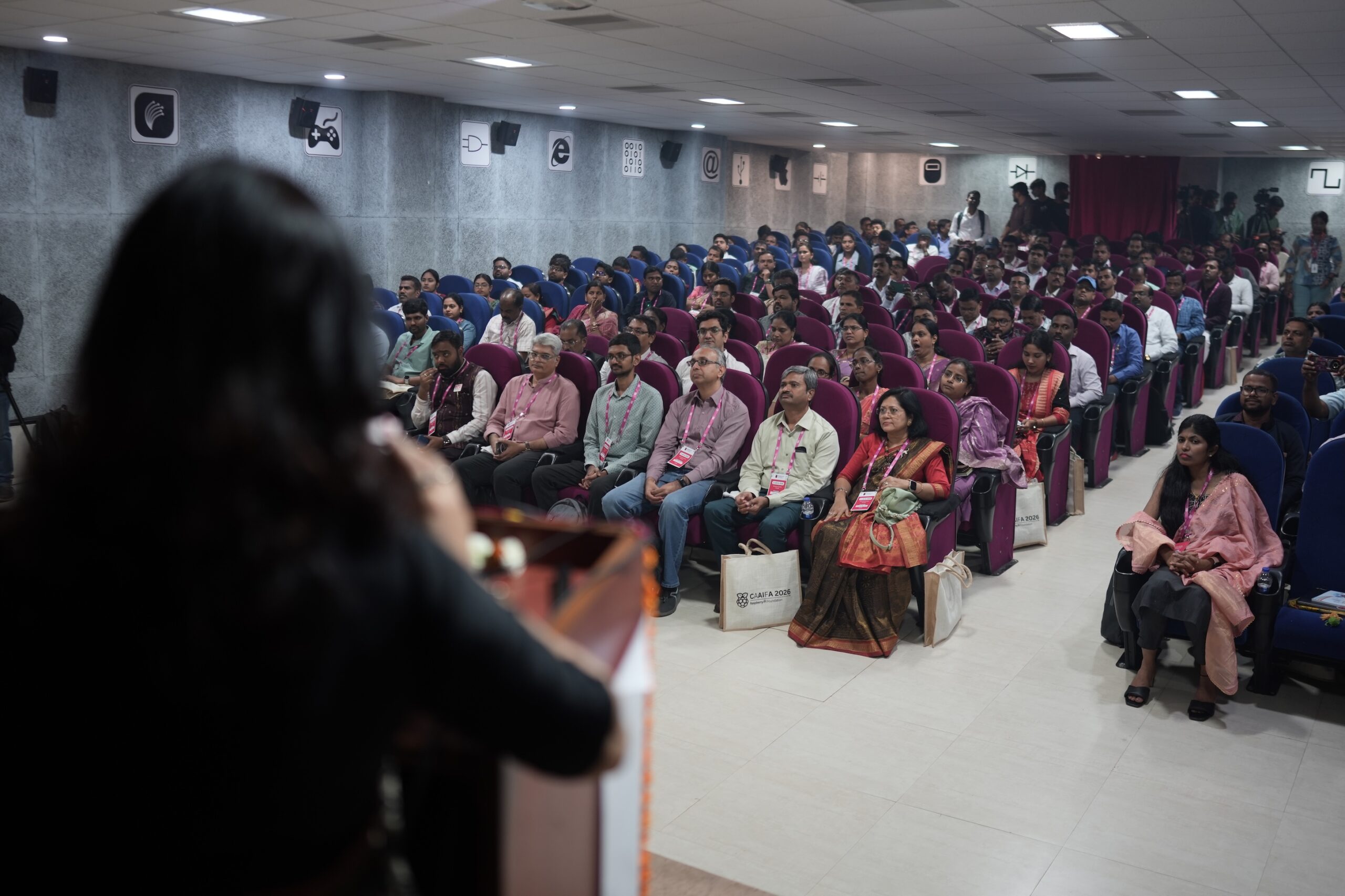
At this event, we brought together educators, researchers, and system leaders for shared learning, reflection, and professional dialogue where classroom practice was placed at the heart of the discussion.

An event to connect conversations

Across computing and AI education in India, conversations about policy, pedagogy, research, and future readiness often take place in separate spaces. At Computing and AI for All, we wanted to connect these strands in a national forum where classroom practitioners, researchers, and system leaders could speak with each other about computing and AI education. 

The theme ‘Computing and AI for all: Classroom to policy’ connected:

  • Ecosystem and policy
  • Pedagogy and innovation
  • AI and future readiness
  • Research, evidence and impact

Bringing these conversations together helped shape a richer dialogue than we’ve seen in many traditional education forums.

Grounding in classroom experience

The response from educators to the opportunity to attend was both energising and encouraging. 165 educators and 22 invited guests joined us on the day. The event also featured 35 paper and poster presentations, reflecting the breadth of classroom practice, research, and innovation that teachers were keen to share.
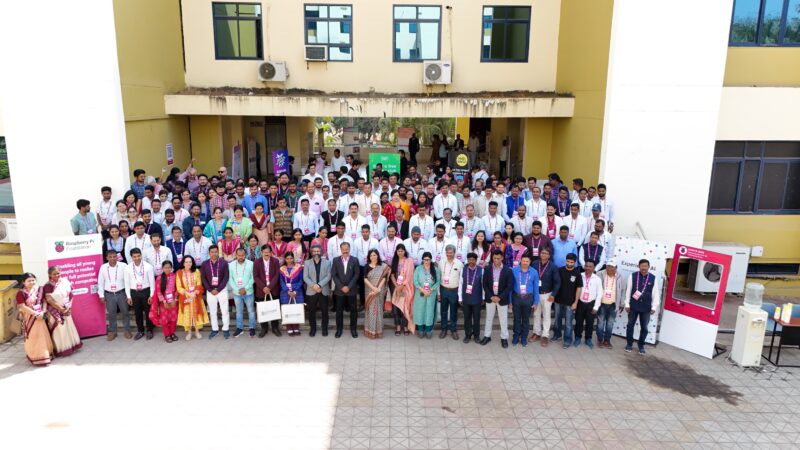
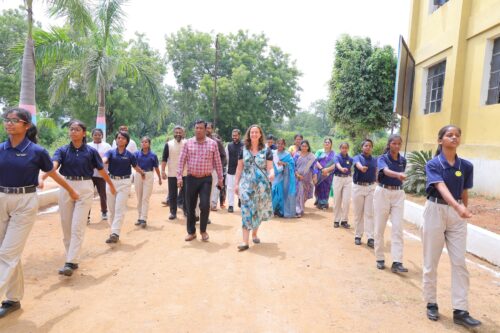
An aerial view of the attendees of the Computing and AI for All event.

The conference also brought together diverse contributors. Alongside teachers, there was representation from organisations such as Computer Science Teachers’ Associations, the University of Southampton, Quest Alliance, and Learning Links Foundation. Also part of the event were attendees from government bodies including TTWREIS – Telangana Tribal Welfare Residential Educational Institutes; PSSS – Panchasakha Shikhya Setu Sangathan (a Govt. of Odisha initiative); and IIITMK Kerala. The presence of an international delegate from Nepal further broadened the exchange of perspectives.
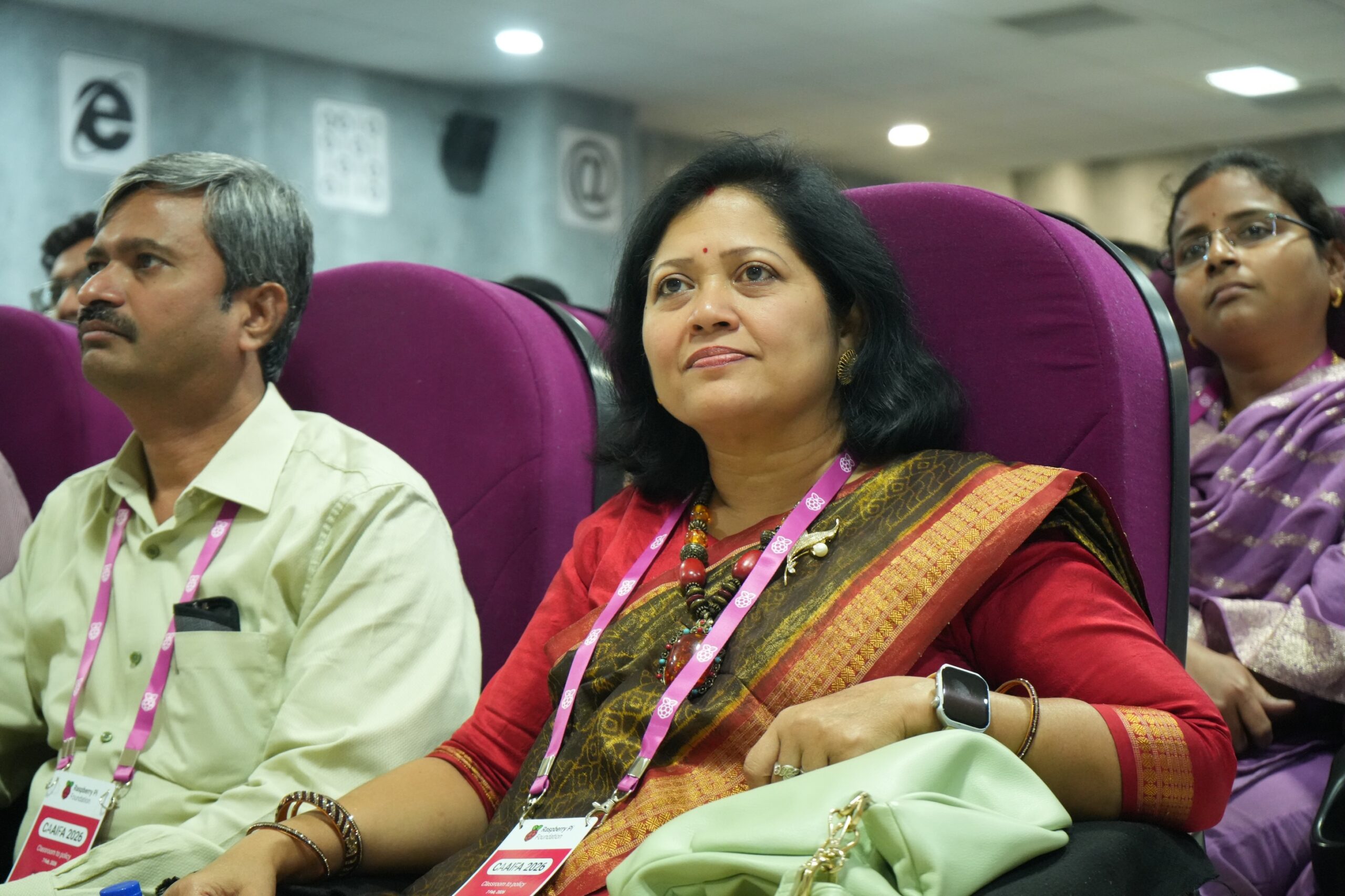
First and foremost, the event was rooted in classroom practice. 88% of participants were ICT teachers, with strong representation from Odisha and Telangana, where we have been working on partnerships to support computing educators. A significant proportion of the educators present were attending a computing conference in person for the first time, so it was a milestone in their professional journey.
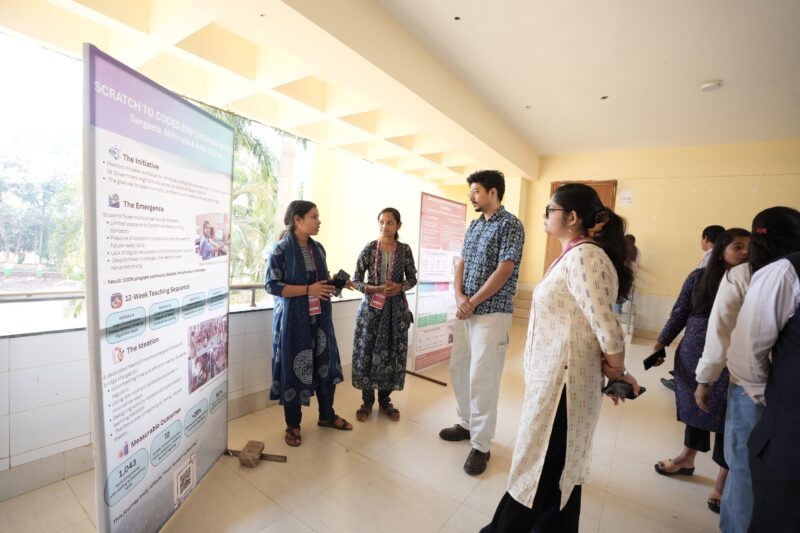
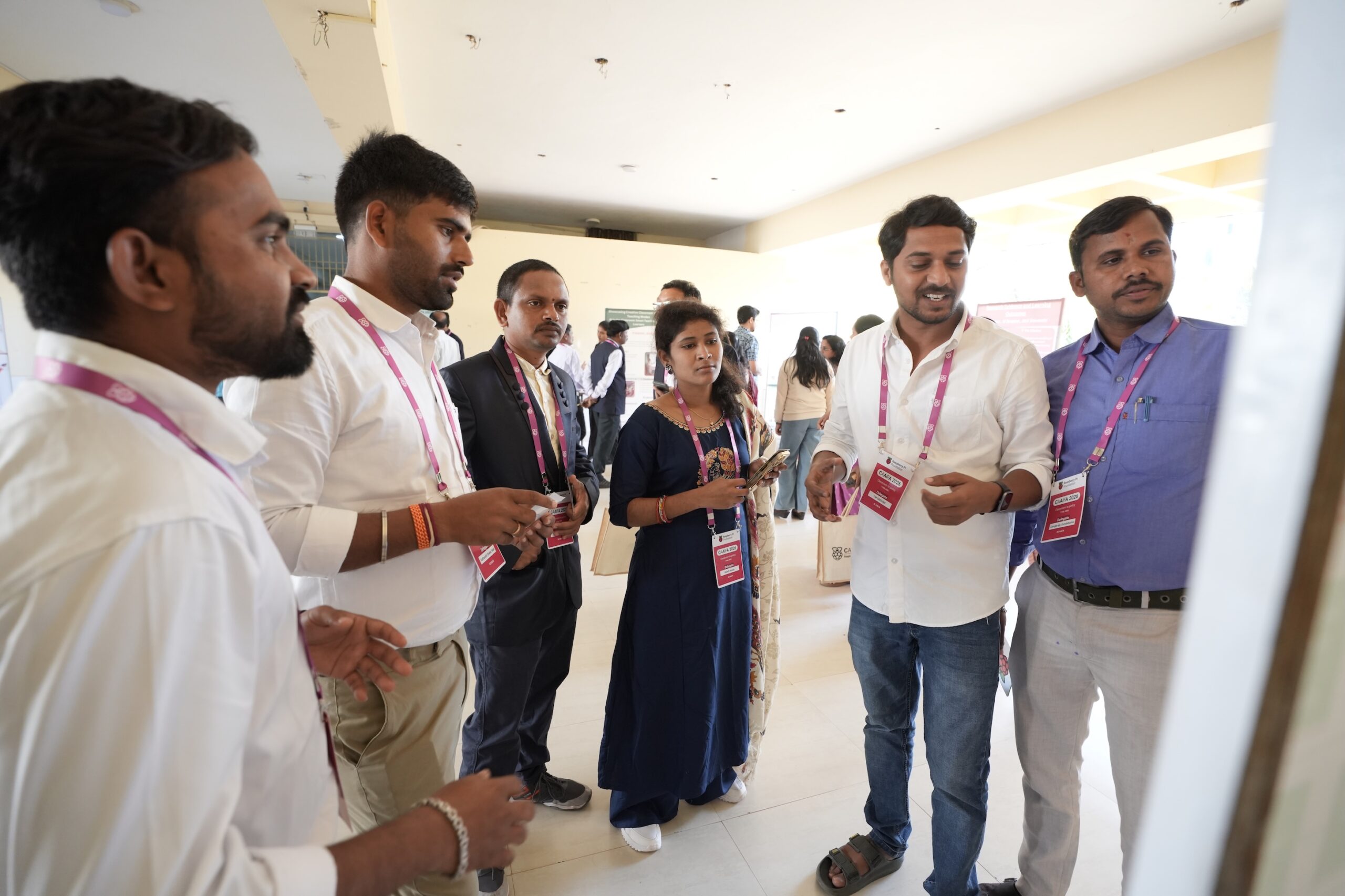
Teachers present a poster at the Computing and AI for All event.

Teachers stepping onto a national stage to present their classroom experiments, research, and reflections signaled an important shift: computing and AI education in India is no longer something designed solely for teachers. It is increasingly being shaped by teachers and informed by their lived classroom realities and professional expertise.

Ideas, evidence, and inspiration

The conference featured a full-day academic programme beginning with a formal inauguration and an introduction to our work in India.
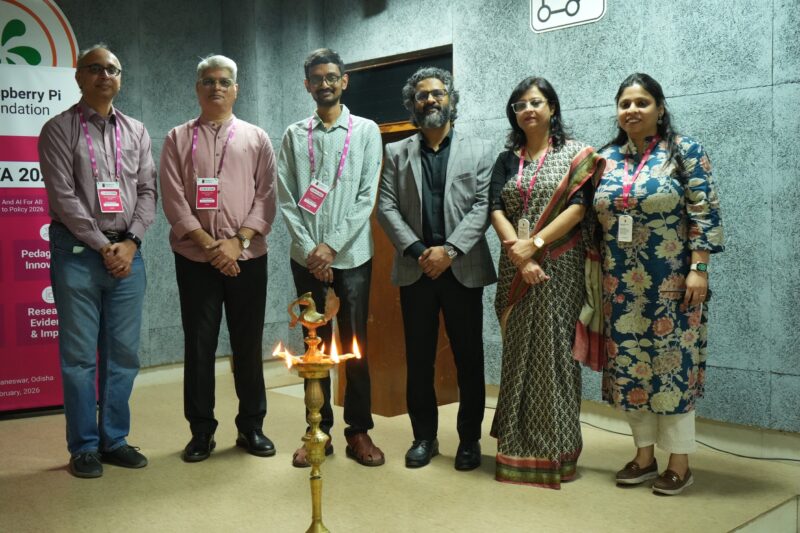
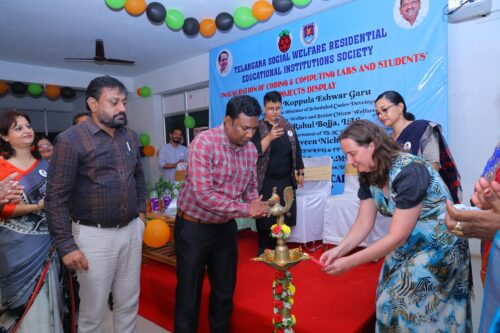
The group performing the formal inauguration of the Computing and AI for All event.

The keynote by the Foundation’s Director of Research and Impact, Shuchi Grover — ‘Democratizing the future: Why computing and AI literacy matters for every child, everywhere”’ — set an equity-driven, future-focused tone. It reminded us that AI literacy is not optional; it’s foundational for learning and opportunity.

In the panel discussion on ‘Embedding ethical AI in everyday teaching: From principles to classroom practice’, teachers, researchers and leaders exchanged ideas about how to integrate responsible AI without losing sight of learning goals.
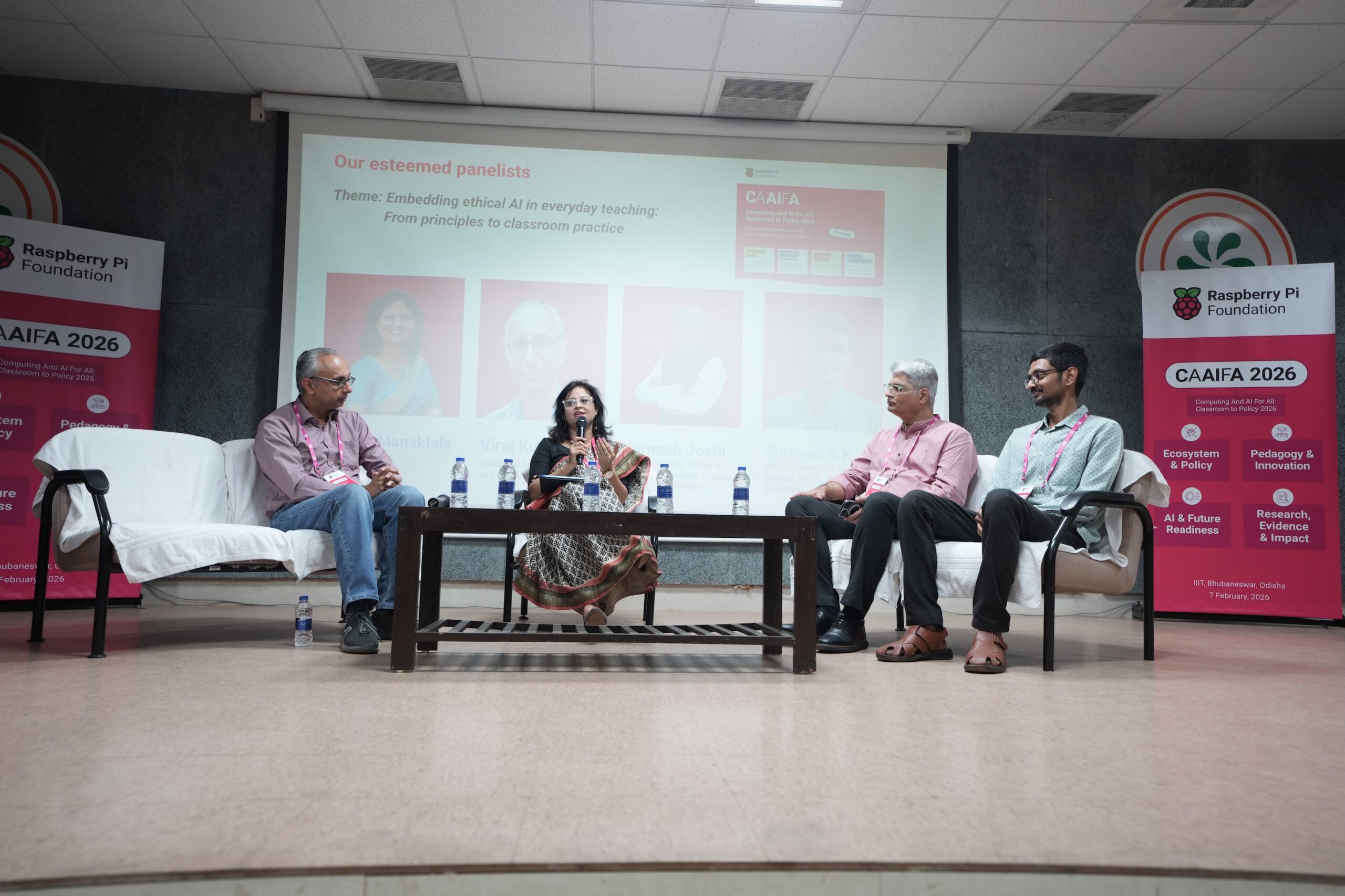
Across sessions, teachers and researchers shared a wide range of classroom-centred insights, including:

  • Using generative AI for algebraic discovery
  • Designing AI-supported personalised learning models
  • Inclusive coding practices with Scratch
  • Using AI to reduce teacher workload
  • Low-cost computing innovations in K–12 classrooms
  • Hands-on technical explorations, such as Kali Linux on Raspberry Pi

These sessions reflected both pedagogical creativity and deep engagement with everyday classroom challenges.

The structured poster gallery created space for peer feedback and deeper discussion around critical themes such as:

  • AI for first-generation learners
  • Classroom research evidence
  • AI tools to support ICT engagement

What educators told us

In the feedback we captured, educators described the conference as:

  • Highly educative
  • A space for cross-state collaboration
  • A confidence-building platform for presenting work

One participant shared: “I’m honoured to be part of [the conference]. It was inspiring to listen to educational experts sharing valuable insights on AI tools and education.”
Many participants asked us to expand the event, suggesting a two-day format, extended hands-on AI workshops, and practical demonstrations they could take back to their classrooms.

Looking ahead

Our Computing and AI for All event formed a national, educator-led platform linking classroom innovation, AI literacy, research evidence, and policy dialogue.

What stood out most was the spirit of participation:

  • Teachers sharing real classroom experiments
  • Researchers listening
  • Policy voices engaging
  • First-time presenters stepping into a national forum

If AI is shaping the future of work and society, then teachers need to play a part in shaping the future of AI education. Computing and AI for All was one move in this direction that we were pleased to facilitate — and it is only the beginning.

The post Computing and AI for all: From classrooms to national dialogue in India appeared first on Raspberry Pi Foundation.
Computing Curriculum Framework: Adapting to India’s diverse landscapes

Post Syndicated from Mamta Manaktala original https://www.raspberrypi.org/blog/computing-curriculum-framework-adapting-to-indias-diverse-landscapes/

The digital revolution has reshaped every facet of our lives, underscoring the need for robust computing education. At the Raspberry Pi Foundation our mission is to enable young people to realise their full potential through the power of computing and digital technologies. Since starting out in 2008 as a UK-based educational charity, we’ve grown into a global leader in advancing computing literacy.

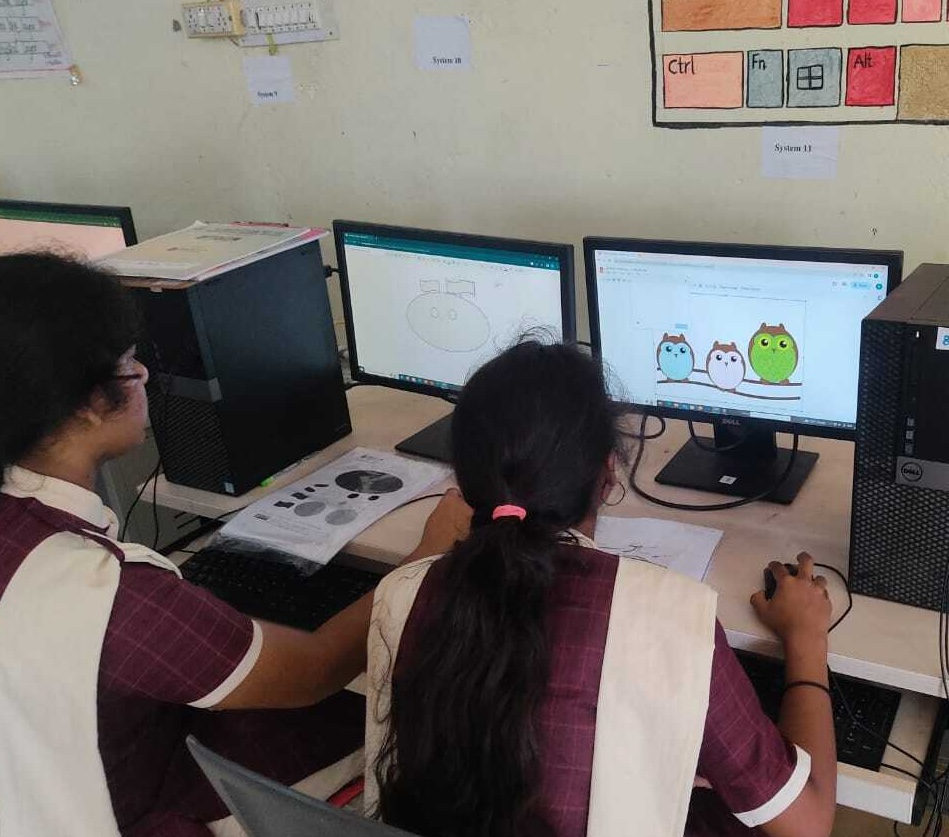
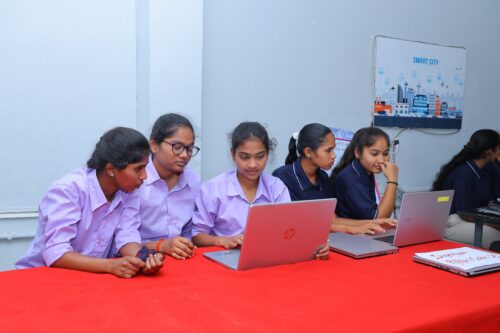
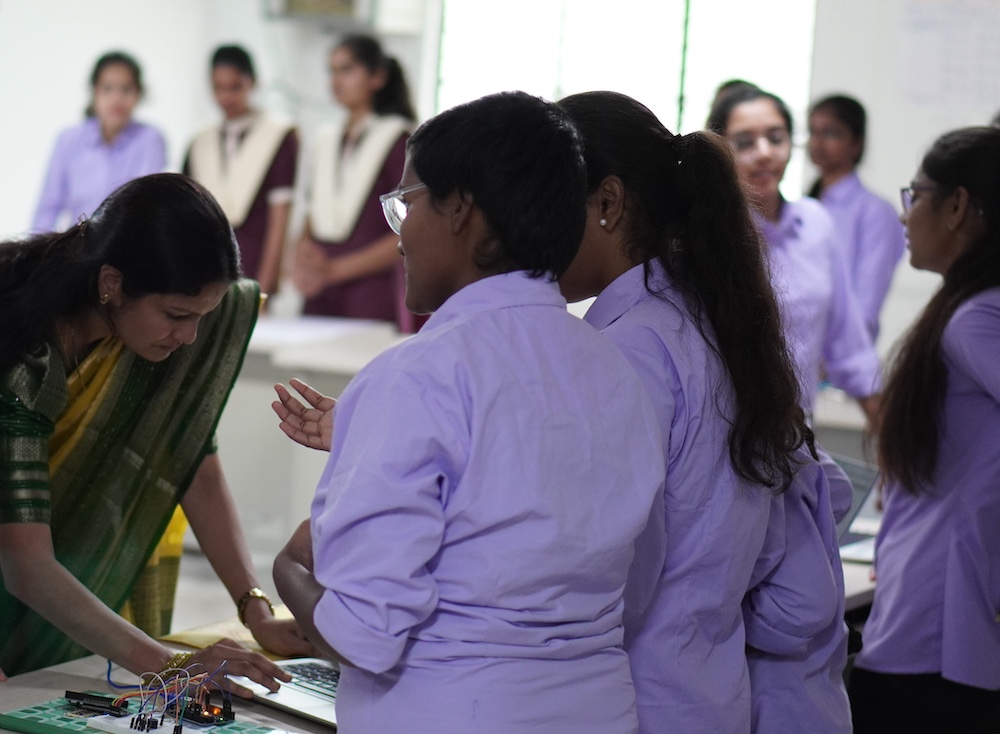
An educator and students working on a coding task.

At the heart of our efforts lies a simple yet powerful vision: to ensure every young person develops the knowledge, skills, and confidence to use digital technologies effectively. This includes understanding societal and ethical issues, using technology for creative problem solving, and fostering a mindset of adaptability that will enable them to thrive amid rapid technological change.

A vision for global computing education

To realise this vision, we developed The Computing Curriculum (TCC). Launched in 2018 as part of the UK’s National Centre for Computing Education, TCC is a comprehensive set of free teaching resources tailored for students aged 5–16. Over the years, the curriculum has evolved through rigorous testing and teacher feedback, which has helped to make it one of the most effective and inclusive computing education tools globally.

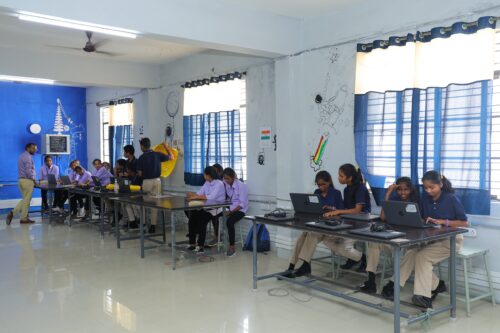
A group of students in a classroom.

Contextualising computing education for India

India’s vast diversity — in languages, social and economic contexts, and educational infrastructure — creates unique challenges and opportunities. As a result, we at the Raspberry Pi Foundation have adapted and localised our computing curriculum to meet the needs of Indian students. Collaborations with the Telangana Social Welfare Residential Educational Institutions Society (TGSWREIS) and the Odisha Mo School programme have been pivotal in this endeavour.

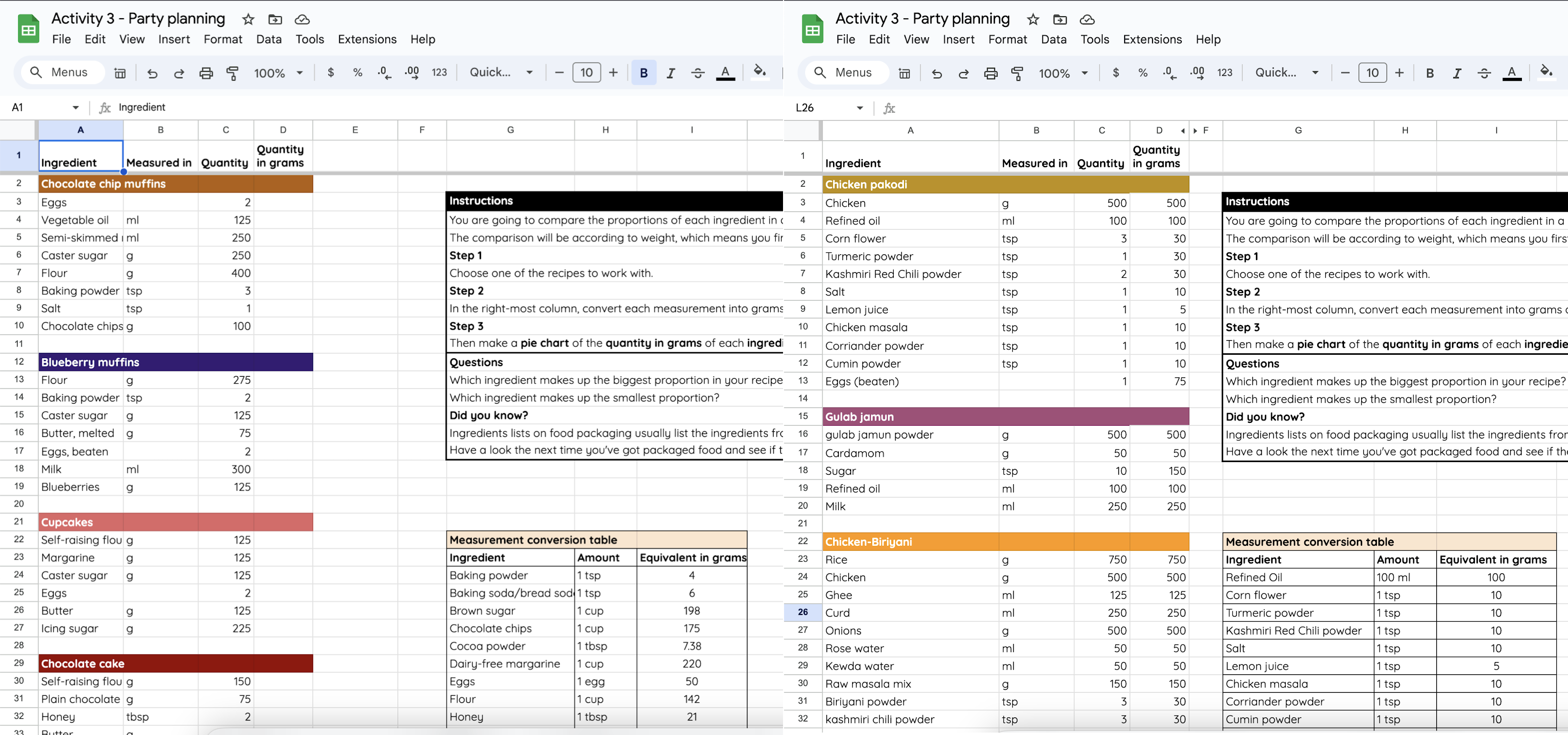
Modelling data using a spreadsheet (Grade 9)
Creating media — audio production (Grade 7)

In Telangana, we adapted TCC to create a 70+ hour computing curriculum designed for government schools with limited resources. Similarly, in Odisha, elements of this curriculum have been tailored to develop Kaushali, an IT and coding curriculum for over 8,000 state schools. This localised approach ensures that computing education becomes accessible and relevant for students across India.

A curriculum designed for impact

The computing curriculum for India spans Grades 6 to 10 (age group 11-16) and is structured to ensure progressive learning. Students revisit foundational concepts repeatedly, building on prior knowledge as they advance through the grades. The curriculum emphasises forming a strong understanding of concepts over rote learning and integrates research-informed pedagogical approaches.

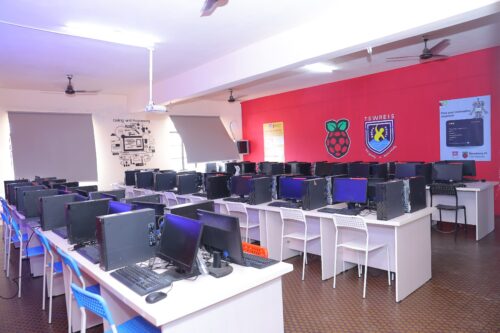
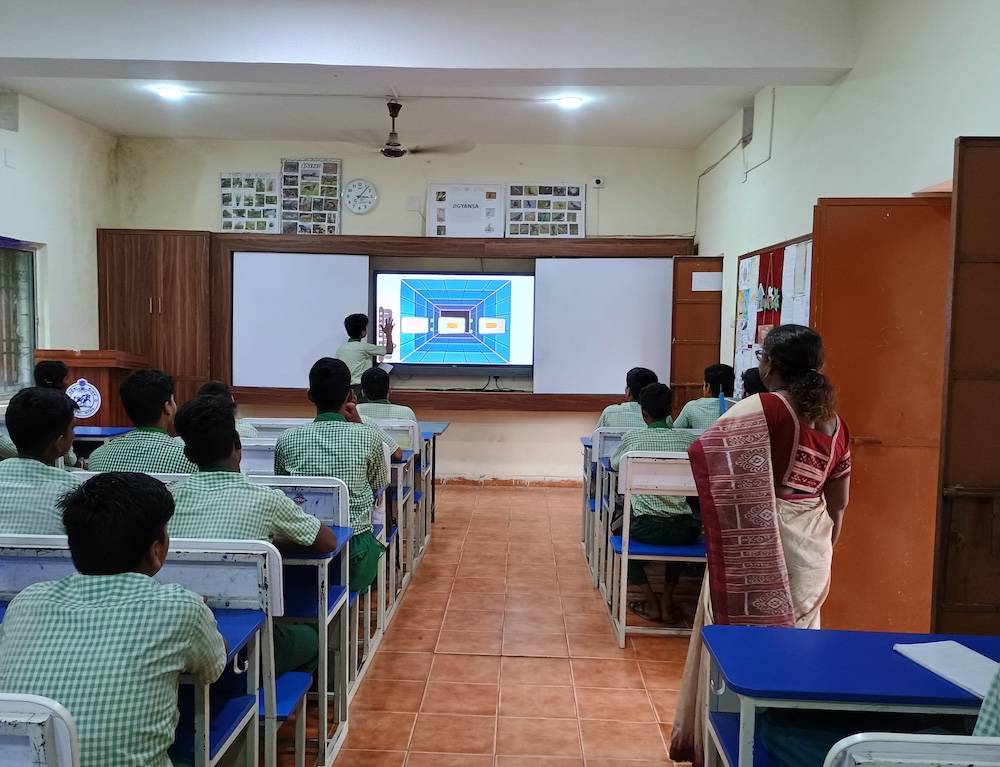
Students using computers in a classroom.

We tested our localised curriculum resources in Telangana Coding Academy, and there was lots of positive feedback from educators and observers. Overall, the educators were happy with the content format, and the observers noted that students enjoyed learning and completing the activities. This was also evident from the student discussion notes and student survey responses.

“[…] this content is more than what we are expecting for the school years[…] this time they [are] having [a] practical session. So they are very happy to do it and whenever they are free[,] they will come and ask us. ‘[C]an you take [an] extra class for us?’” – Educator

“[…] They are very [appreciative of] the content and [t]hey [are] learning very well, and the response is very good.” – Educator

Key features of the curriculum:

  • Tailored content: Materials are customised to align with the proficiency levels and contexts of Indian students, ensuring accessibility
  • Localised examples: By incorporating culturally relevant examples, students find the learning experience relatable and engaging
  • Simplified language: Designed for students who may lack confidence in English, the curriculum employs clear and concise language for better comprehension
  • Hands-on learning: Practical activities, including projects and model creation, solidify understanding and foster creativity
  • Ready-to-use resources: Teachers are equipped with lesson plans, presentations, worksheets, and activity sheets, reducing preparation time and enhancing delivery

Learning objectives:
The curriculum focuses on equipping students with:

  • An understanding of digital systems and their impact on people and society
  • Computational thinking and problem-solving skills for real-world applications
  • Confidence and knowledge to become creators and innovators
  • Awareness of digital citizenship and responsible technology use

Curriculum structure:
Each academic year includes 30–34 sessions, each lasting 45–60 minutes. Lessons are structured into deliverable units comprising detailed plans, presentations, and worksheets. Both plugged (computer-based) and unplugged (activity-based) learning methods are used, with a 60:40 ratio, ensuring balanced and inclusive learning experiences.

Sample progression across grades:

Curriculum highlights

Grade 6: Building a foundation

Students develop foundational computer skills, learn basic text formatting, and explore introductory programming concepts using Scratch. They also begin to understand how to group and describe objects based on their properties.  

Grade 7: Expanding horizons

Students delve into computer networks, the internet, and the World Wide Web. They learn to use loops in Scratch programming and explore data organisation using flat-file databases and spreadsheets.  

Grade 8: Deepening understanding

Students gain a deeper understanding of how computer systems function and use spreadsheets for data analysis. They continue to build their programming skills in Scratch, focusing on sequences, variables, and selection. They are also introduced to HTML and CSS for basic web development.  

Grade 9: Exploring advanced concepts

Students learn about data representation, including binary and character coding schemes. They design and create websites using HTML and CSS, incorporating accessibility and good web design principles. They also explore the layers of computing systems, including hardware, operating systems, and logic circuits.  

Grade 10: Applying knowledge and skills

Students explore advanced data representation, including image and sound representation. They are introduced to cybersecurity concepts and delve deeper into Python programming, focusing on selection and iteration. They also learn about data science and how to create a blog to support a cause.

Assessment framework:
To measure student progress effectively, the curriculum incorporates both formative and summative assessments:

  • Formative assessments: Embedded in lessons to monitor progress and identify misconceptions early.
  • Summative assessments: Provide a holistic overview of learning outcomes through tools like multiple-choice quizzes and rubrics. These assessments focus on understanding concepts and skills, moving beyond mere code writing.

Bridging the digital divide

Our localised computing curriculum is more than a technical education initiative — it is helping to bridge the digital divide. By empowering students with essential digital skills, it fosters innovation, enhances employability, and enables young people to participate actively in the global digital economy.

The road ahead

As technology continues to evolve, so does the need for adaptive and inclusive computing education. We remain committed to supporting governments, educators, and students in this journey. By fostering a generation of digitally literate and empowered individuals, we can create a future where technology serves as a force for good in society.

Through collaborations and localised efforts, the dream of making computing education accessible to every corner of India is steadily becoming a reality. Together, we can equip students with the skills and mindset needed to navigate the complexities of the digital age and shape a brighter, more inclusive future.

The post Computing Curriculum Framework: Adapting to India’s diverse landscapes appeared first on Raspberry Pi Foundation.
Coding futures: Celebrating our educational partnership in Telangana

Post Syndicated from Mamta Manaktala original https://www.raspberrypi.org/blog/tswreis-coding-academy-computing-education-partnership-telangana/

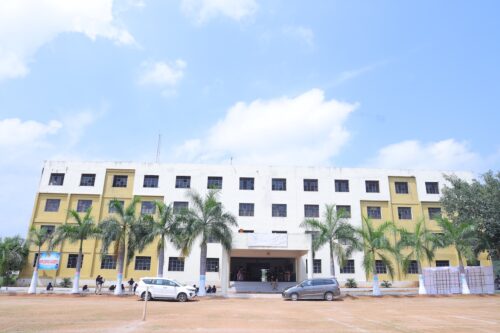
On September 29 2023, amidst much excitement and enthusiasm, a significant event took place at a unique school in Moinabad, Telangana: the teams of the Raspberry Pi Foundation and Telangana Social Welfare Residential Educational Institutions Society (TSWREIS) gathered to celebrate our partnership on the esteemed Coding Academy of TSWREIS.

This event marked a special project for us where we are piloting a distinctive, progression-based computing curriculum in a government school and a degree college in India.

A group of female students at the Coding Academy in Telangana.

Partnering with TSWREIS to bring computing education to Telangana

At the Foundation, our goal is to work closely with schools, tailoring our offerings to their contexts. Our objective is to design and evaluate unique learning experiences by integrating content from our diverse range of high-quality educational products. Through these efforts, we aim to drive significant advancements in education and technology, benefiting both students and education systems across the world.

TSWREIS manages 268 residential educational institutions in Telangana, with a primary focus on delivering quality education to under-resourced young people, particularly children from scheduled castes and tribes in rural areas. Among these institutions is the Coding Academy school, located in Moinabad, which operates as a fully residential co-ed school for grades 6 to 12, accommodating around 800 students. Additionally, TSWREIS oversees another centre of excellence, the Coding Academy degree college in Shamirpet catering to 600 undergraduate female students.

We joined forces with TSWREIS to form a collaborative partnership with their Coding Academy units at both high school and college. We’re committed to sharing our expertise in computing and coding curriculum for students from Grade 6 to intermediate at the school, and across all courses at the college.

Our computing curriculum encompasses computer science, information technology, and digital literacy, and all its materials have been thoroughly researched and tested in the UK. Based on our 12 pedagogical principles, our curriculum ensures a project-based and holistic approach to learning. We also plan to provide national and international avenues for the Coding Academy students to showcase their learnings, for example through Coolest Projects, the world-leading, global technology showcase for young creators that we host every year. 

The exciting model for our partnership with TSWREIS

We took on the challenge of directly delivering a comprehensive curriculum at the Coding Academy school and college through our own educators, exclusively hired and trained for this project. This is an exciting new approach for us, because up to this point, we have never directly delivered a curriculum anywhere in the world. However, we know we have created a world-class computing curriculum for educators in formal (and non-formal) settings, and we have many years’ experience of training teachers, so we are well-prepared to face this project and its potential challenges head-on and make it a success.

A group of people from the Raspberry Pi Foundation at the Coding Academy in Telangana.

To begin the project, our team members based in India conducted a thorough study of the Coding Academy students’ interests and learning levels. Based on this, our Curriculum team in the UK and India customised and localised the content in our curriculum. We will be observing the curriculum’s delivery in classrooms and collecting students’ responses, and based on this data we’ll further refine the localised curriculum. 

Throughout the project’s lifespan, we’ll measure the effectiveness of our curriculum and the impact of learning on the students. To do this, we’ll collect data from classroom observations, periodic assessments, and focused group discussions with students and educators.

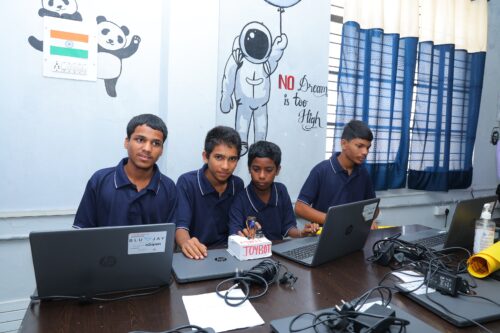
A group of male students at the Coding Academy in Telangana.

Starting from the second year of the project, we will build capacity within the system. In collaboration with TSWREIS, we’ll select teachers from within the organisation based on their interest and competence, and initiate their training. Our objective is that by the project’s fifth year, TSWREIS will have achieved self-sufficiency in delivering computing education to students at the Coding Academy as well as other institutions in its purview.

The promise of this project for our work in India

We began delivering lessons at the Coding Academy college and school in July, and it’s worth mentioning that it’s been a rollercoaster ride so far. We’ve been working closely with the TSWREIS team to equip both the academic units with the resources needed for seamless implementation of the project. Our India-based team has been able to ensure continuity in the project’s momentum and plug every gap, and is working tirelessly to make this big, challenging, and exciting project blossom and succeed. When it comes to the students’ energy, enthusiasm, and the sparkle in their eyes for their learning, it’s unmatched, and everyone feels proud of their achievements so far.

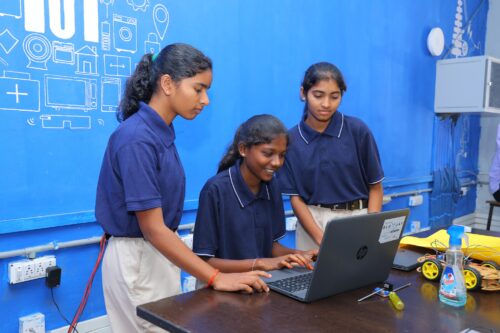
Three female students at the Coding Academy in Telangana.

This work with TSWREIS holds immense importance for us, representing our dedication to shaping a brighter educational landscape especially for young people from under-resourced communities. We hope to replicate similar initiatives across various regions in India, enabling widespread access to quality education. We also aspire to take forward our initiatives in much larger dimensions for the entirety of India. 

Students welcome Rachel Bennett at the Coding Academy in Telangana.

In addition to our partnership with TSWREIS, we are actively engaged in several other impactful projects in India, such as our partnership with Mo School Abhiyan in Odisha to serve the government’s schools across Odisha state, and our collaboration with Pratham Foundation, which is helping us reach under-resourced communities and furthering our commitment to enhancing educational experiences.

We look towards the future

In reflection, the voices at the launch event on September 29 echoed the anticipation and optimism that filled the air on that memorable day. Chief guests who graciously attended the event were Shri. E Naveen Nicholas, IAS, Secretary at TSWREIS & TTWREIS, and Rachel Bennett, our Managing Director at the Raspberry Pi Foundation. Heartfelt gratitude to them for their presence and blessings. We also extend our thanks to our funding partner in this work, Ezrah Charitable Trust, and our delivery partners for their invaluable support.
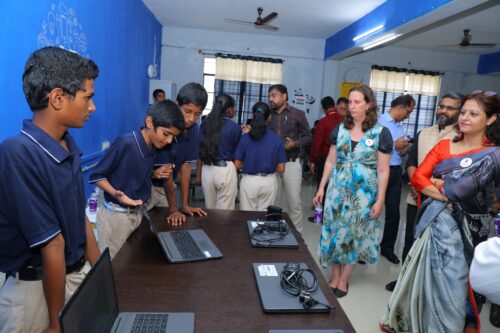
The group of people from the Raspberry Pi Foundation and TSWREIS at the Coding Academy in Telangana.

The energy felt on the event day continues to drive our determination to do the work that lies ahead. As we look forward to the future, our hope and the hope of both the Coding Academy team and students are aligned: hope for a brighter, technologically empowered future, where education becomes a beacon of opportunity for all.

The post Coding futures: Celebrating our educational partnership in Telangana appeared first on Raspberry Pi Foundation.