Tag Archives: The Computing Curriculum

Adapting our computing curriculum resources for Telangana — the journey so far

Post Syndicated from Jaskaran Singh original https://www.raspberrypi.org/blog/adapting-our-computing-curriculum-resources-for-telangana-the-journey-so-far/

This blog is the third and final in our mini-series about the things we’ve learnt from adapting The Computing Curriculum resources, and from training teachers to use them in schools. In the first two blogs, we wrote about our experiences in Kenya and Odisha, India. Here, we focus on our work in Telangana, India. 
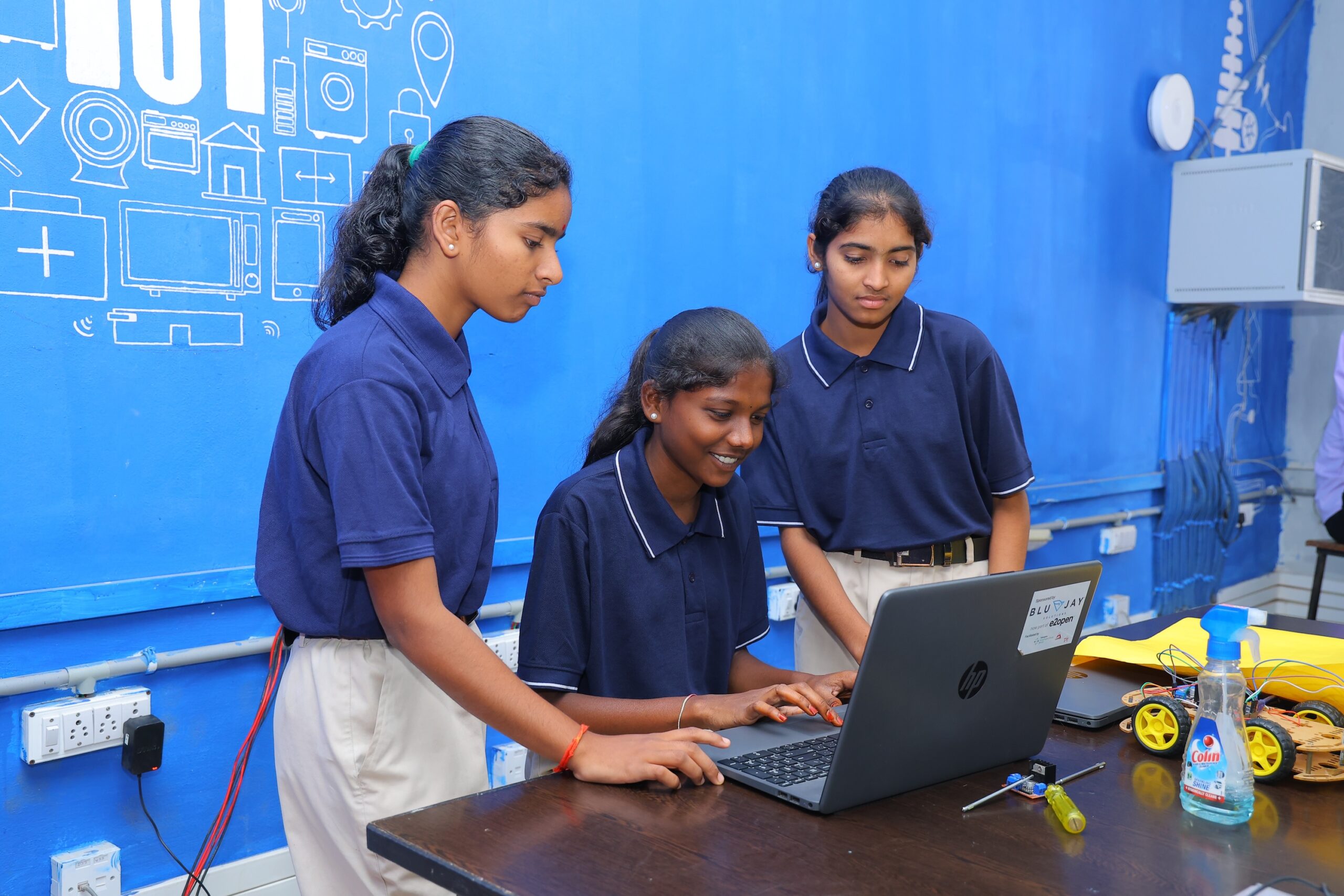
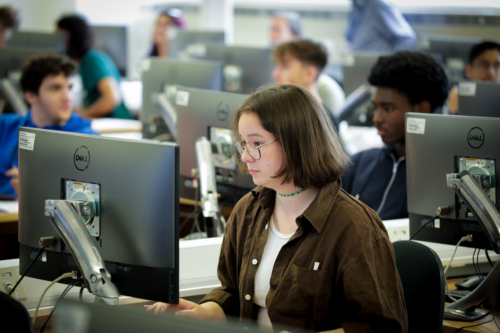
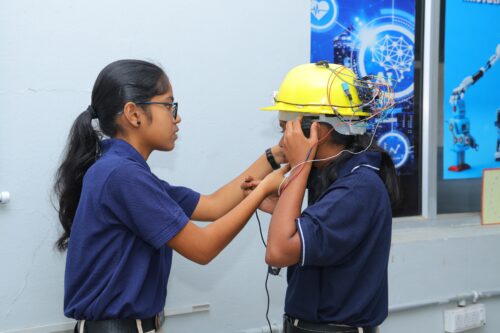
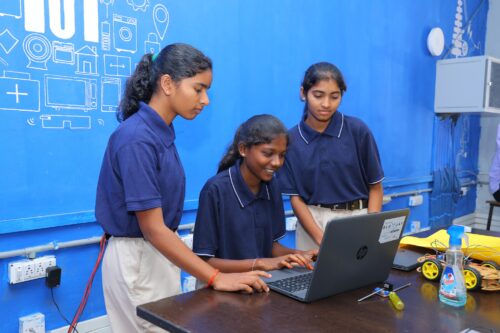
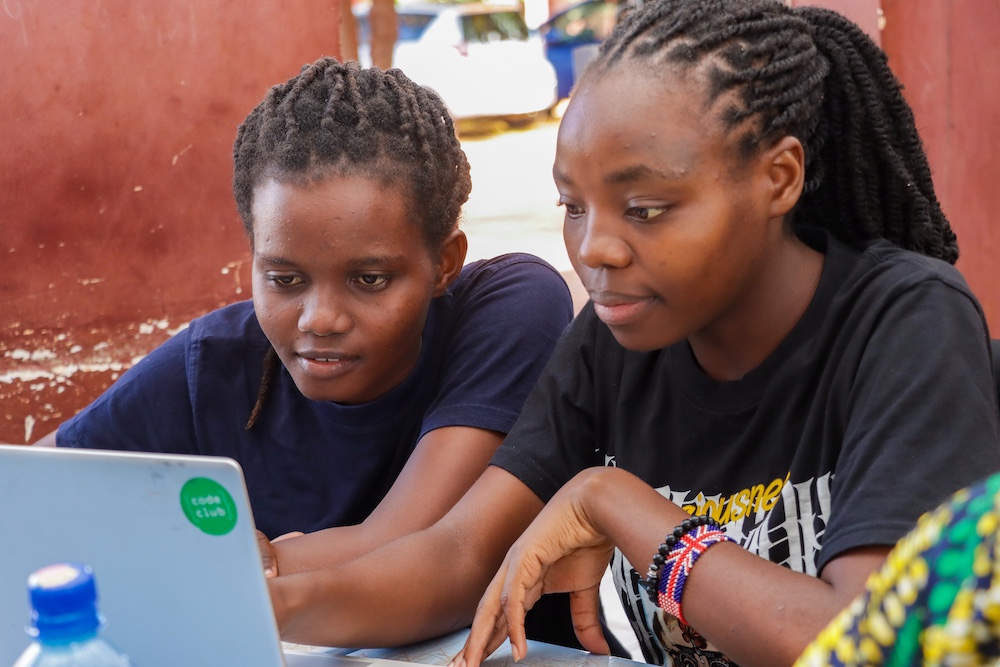
Three female students at the Coding Academy in Telangana.

This blog was written by Jaskaran Singh, Impact Manager, and Mamta Manaktala, Senior Learning Manager.

Adapting for unique needs

Every country and region has unique opportunities, challenges, and needs. In a vast country like India, every state is different — what works in Odisha may not work in other locations. Thus, to meet the needs of students in the state of Telangana, we’ve been working on adapting The Computing Curriculum specifically for them.
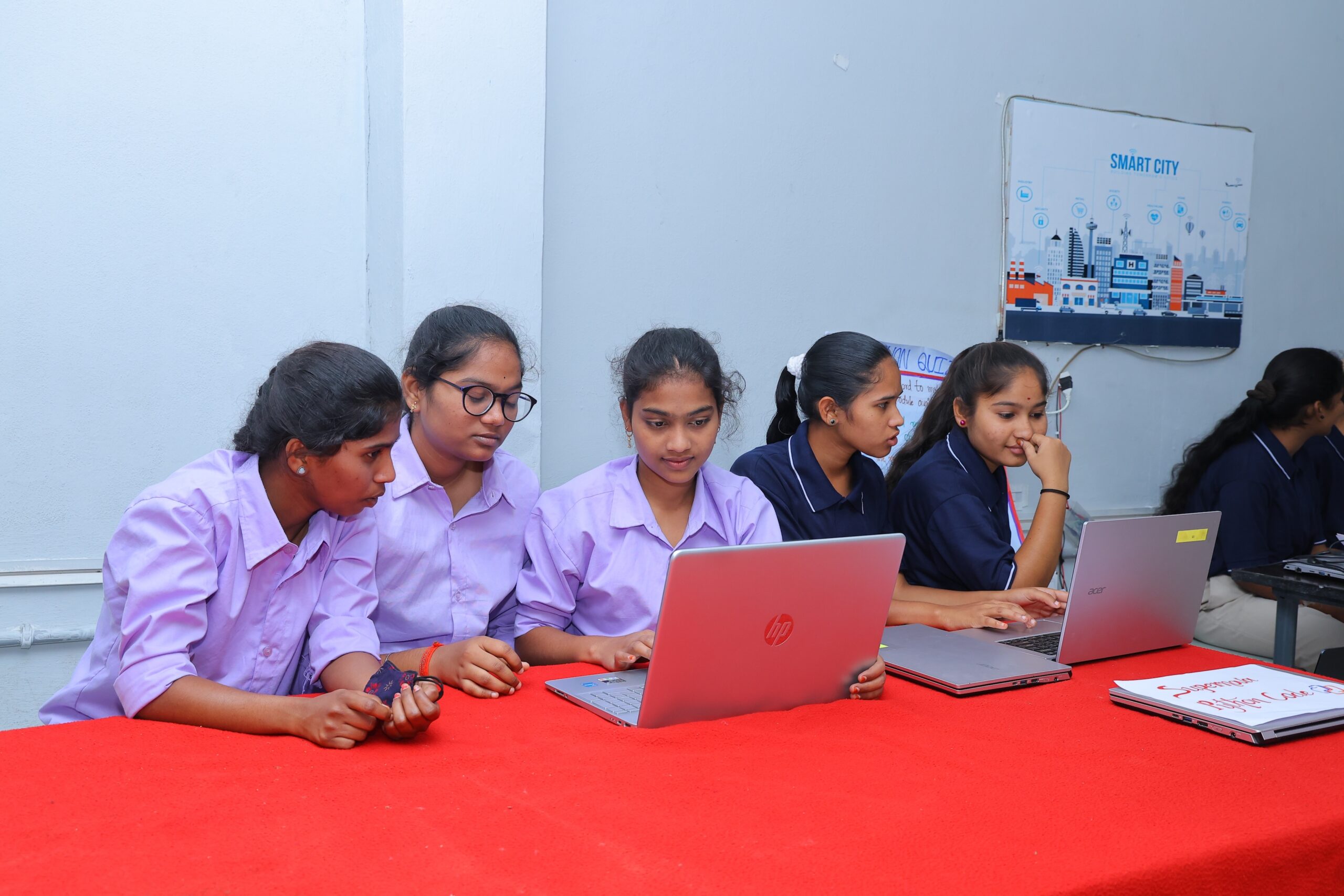
A group of female students at the Coding Academy in Telangana.

Our work in Telangana began in 2023, when we kickstarted a five-year partnership with the Telangana Social Welfare Residential Educational Institutions Society (TGSWREIS), a society under the Government of Telangana. Through the partnership, we’ve developed an adapted curriculum, along with training for educators working in educational institutions with limited resources. The adapted curriculum includes localised examples and activities, and teaching approaches to make the learning experience feel relevant and meaningful for students in Telangana, while keeping the core learning outcomes aligned with global standards. 

Testing and iterating

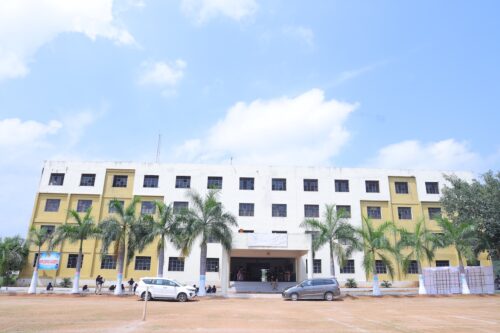
Since the start of the partnership, we’ve been testing the curriculum at the Coding Academy School, a co-educational school at Moinabad, and the Coding Academy College, a degree college for women in Shamirpet.

Our work delivering the curriculum in Telangana was our first time using a direct-to-learners model. The Coding Academy School and College gave us unique opportunities to work with students directly and observe first-hand the difference the programme made in their learning journeys. 
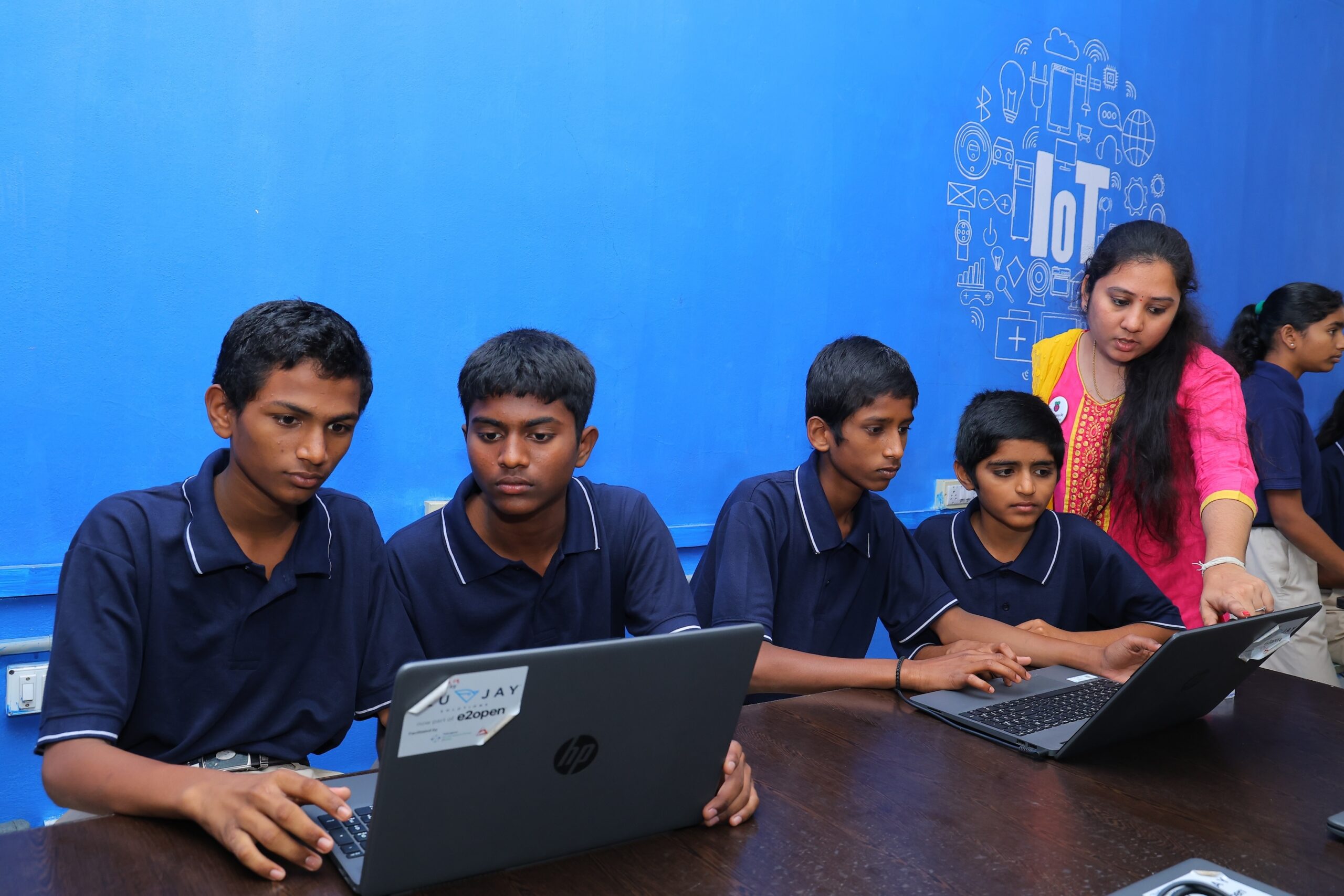
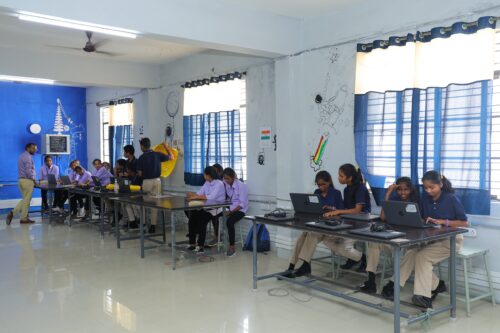
A group of students and a teacher at the Coding Academy in Telangana.

During the first year of implementation, we gathered useful feedback from students and teachers. Check out one of our earlier blogs where we share some of the findings. We used these inputs to further develop the curriculum.

This updated version of the curriculum was implemented in the 2024/25 academic year. At the school, our educators worked with 210 students in grades 7–9, while at the college, our educators worked with 382 undergraduate students. As in the first year, we used data from assessments, lesson observations, educator interviews, student surveys, and student focus groups to understand what’s working well and what could be improved. So what did we learn?

What we learnt over the past year

Our evaluation findings show that the updated curriculum worked well and positive outcomes are being achieved for most students. Educators felt prepared to teach the curriculum in this second year and found the ongoing support and spaces for discussion really useful. Moreover, we found that there are potential positive ripple effects beyond the school as well. 

Learning outcomes are being achieved to a high degree

In surveys, 91% of students in the school and 96% of students in the college responded that the lessons helped them get better at computing and coding. Students feel they are not just learning new skills but also finding the content enjoyable: 88% of students in the school and 98% of students in the college responded that they are enjoying their classes. Educators and observers also reported that students were engaged during lessons, and often completed activities without needing any support. 
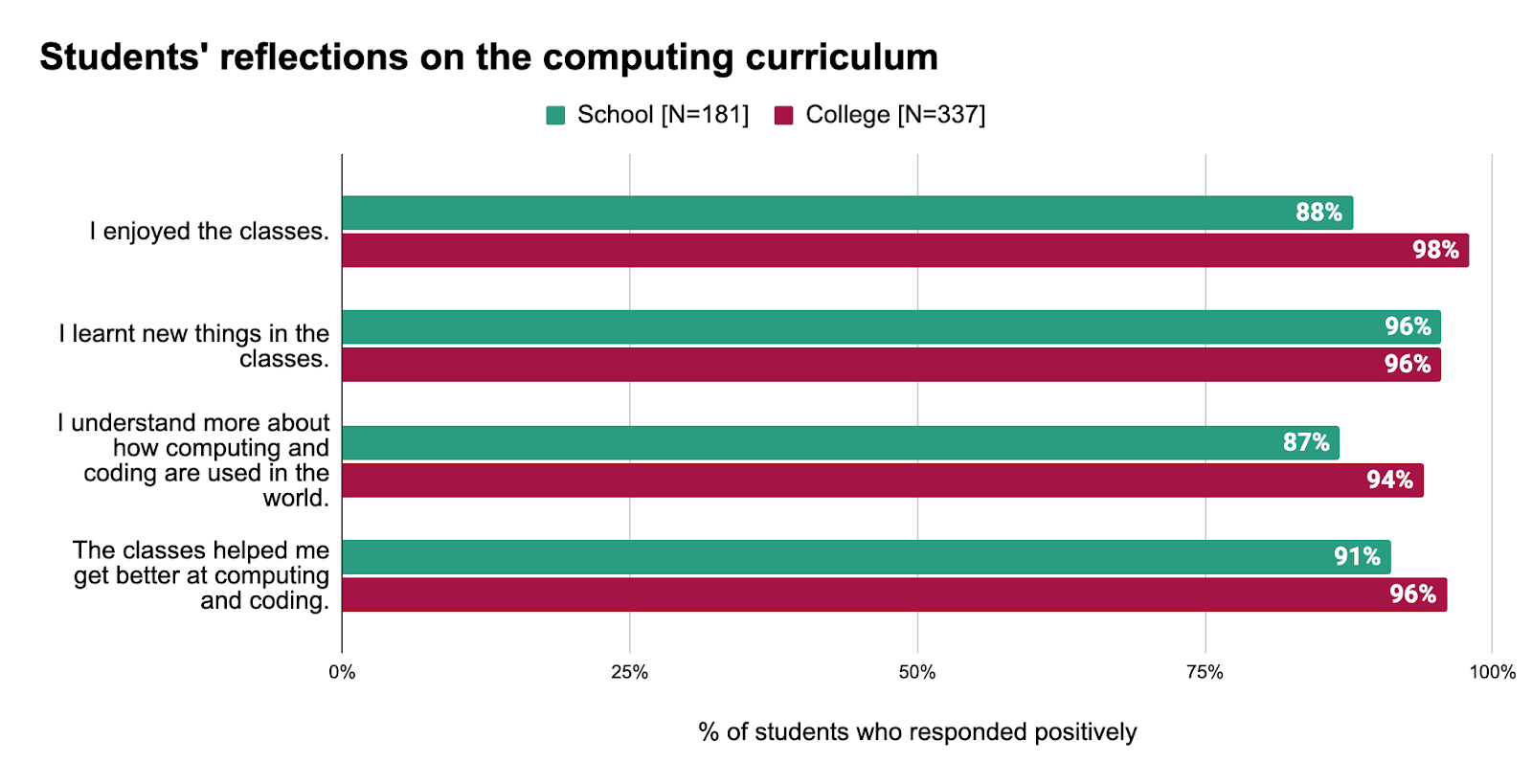
Students' reflections on the computing curriculum.

Students’ assessment scores further confirmed positive learning outcomes. 4 out of every 5 scores in the school and 9 out of every 10 scores in the college were 60% or above, which was higher than in the first year of the adapted curriculum’s implementation.

The updated curriculum is more aligned to student needs

The changes we made to the curriculum included:

  • Adding more localised examples
  • Simplifying the language 
  • Restructuring the flow of the content

Educators were highly positive about the updates to the curriculum. 

“The students are able to [better] understand the examples because we updated [to] the India context examples.” — Educator, Coding Academy School 

“Students are receiving it very well because we have modified the content this year, and [that includes] the placements of the unit and the connectivity of the lessons and units.” — Educator, Coding Academy School

Additionally, for the college curriculum, we aligned the content more closely with the learning objectives set by Osmania University — with which the college is affiliated. We also included more advanced topics for students specialising in data science. During interviews, educators reported that the content was now much better aligned to student expectations. 

“[The curriculum] we have designed is based as per [the] Osmania University curriculum. [The lessons] are definitely meeting the students’ needs because whatever discussions we are taking in classes, they are [successfully] participating in those discussions and they are doing whatever activities we give them.” — Educator, Coding Academy College

Outside of knowledge and skills in computing, the curriculum is also helping students develop wider life skills. In our survey, college students shared that working on projects gives them a sense of accomplishment and the confidence to solve real-world problems. Many students also reported that through the curriculum they are developing higher-order thinking skills, which will support their future careers. 

“The thrill lies the creativity and problem-solving aspects. I get to turn ideas into reality pieces, and there is something incredible satisfying about debugging code and watching it run flawlessly. It’s like slow, challenging puzzles, frustrating at times but rewarding when everything clicks.” — Student, Coding Academy College

“My favourite thing [about] the computing and coding classes [is the] Scratch programme. I have learnt it [for the] first time. By learning I have enjoyed a lot. During the coding process, it trains our brain to think deeply, identify trouble, and break things up and put pieces together [as] a solution.” — Student, Coding Academy College

Students are inspired to continue engaging 

Students are showing high interest in applying their skills outside of their classes. Almost all students — 100% in the school and 99% in the college — reported that they would like to participate in coding-related competitions. 
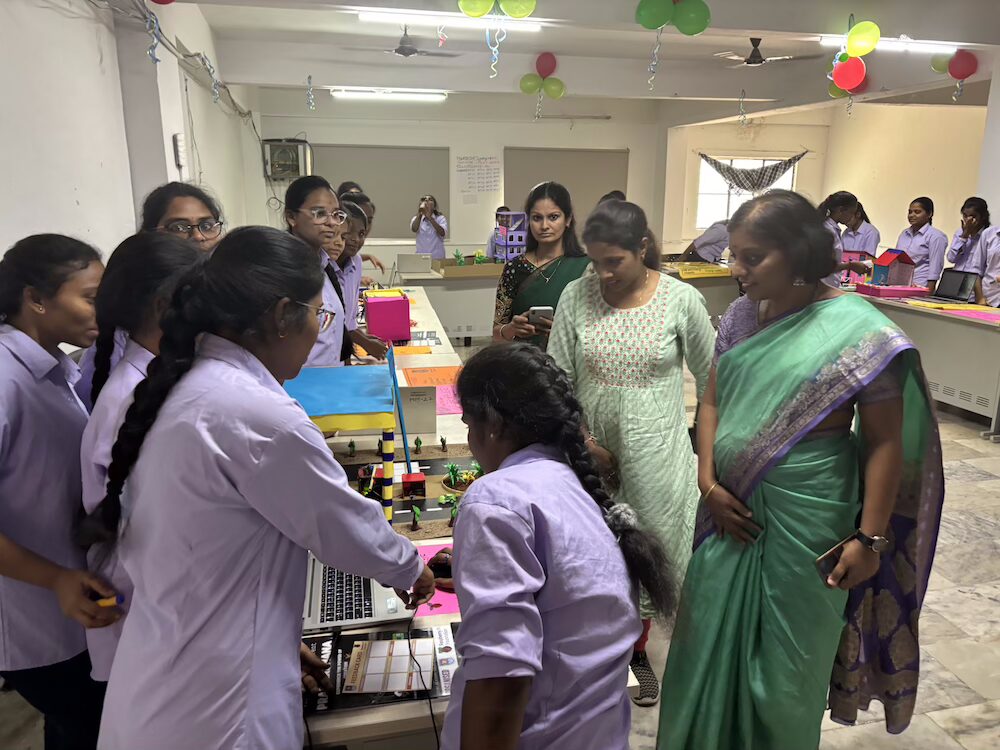
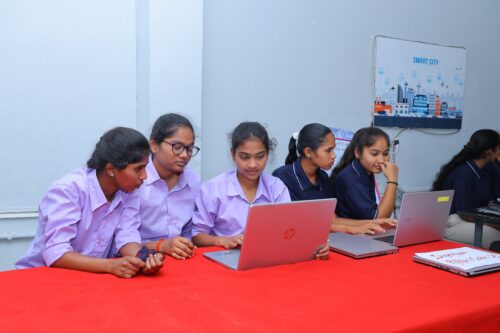
A group of female students working on a coding project.

Educators also told us that many students are exploring future job opportunities in the computing and digital technology fields, and are curious about topics outside the curriculum. Interestingly, 93% of the college students who were studying courses not traditionally associated with jobs in computing and digital technology reported that they would like to pursue a job in computing.

The positive benefits go beyond the school

We have also learnt that a high-quality computing education for young people has potentially wider benefits for the community. One educator described how students are helping their families, many of whom have limited experiences, engage more confidently with digital technologies.

“Families don’t know how to use smartphones and laptop computers, but our students know very well so I can say they do teach to their elders how to use these platforms.” — Educator, Coding Academy School

Ongoing support for educators was important

To help educators feel confident and prepared, individualised learning resources were provided throughout the year. These were well received by educators. Educators also found the weekly meetings with our India-based team members useful to discuss ongoing challenges regarding delivery and assessments. 

What could still be improved

There were improvements this year in the availability of equipment, and the use of Wi-Fi dongles addressed internet connectivity issues to some degree. However, educators still faced some challenges. For example, educators in the school faced issues accessing printed worksheets and educators in the college faced issues accessing projectors during their lessons. We are working closely with our delivery partner to address these issues for the new academic year.
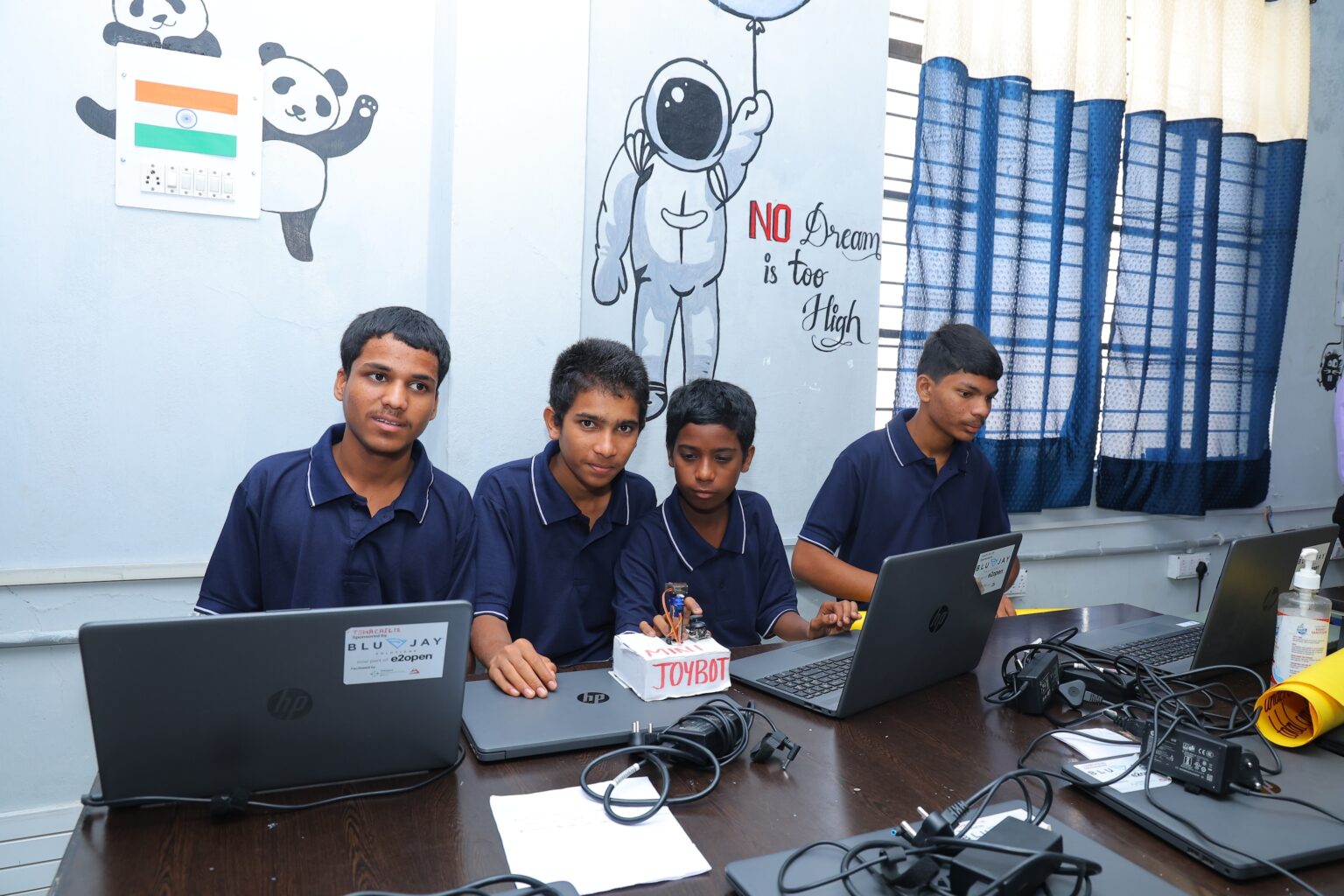
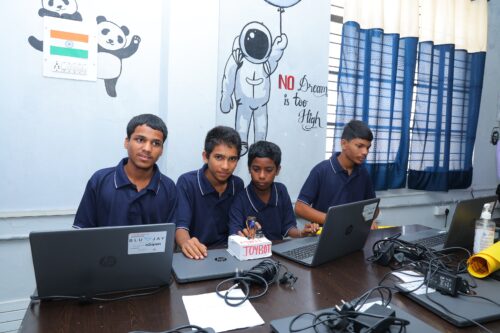
A group of male students working on a coding project.

With regard to the content, educators felt the curriculum could benefit from some further amendments. For the school curriculum, these include easing the transition from block-based to text-based coding. For the college curriculum, there were suggestions for more focus on real-world applications of coding and including advanced topics, like machine learning, for undergraduates specialising in computing-related subjects. We have considered all these suggestions and made necessary revisions to the curriculum.

Next steps in Telangana: Scaling up impact

With the success of the pilot, we’re excited to announce that the adapted curriculum will now be implemented at over 350 schools and junior colleges in the state of Telangana. A majority of schools will be with the same partner, TGSWREIS, while some schools and junior colleges will be with other partners. The Coding Academy School will become our hub for trialling new curriculum content and strategies, and conducting research studies and teacher training and support. Additionally, the school will also host inter-school events.
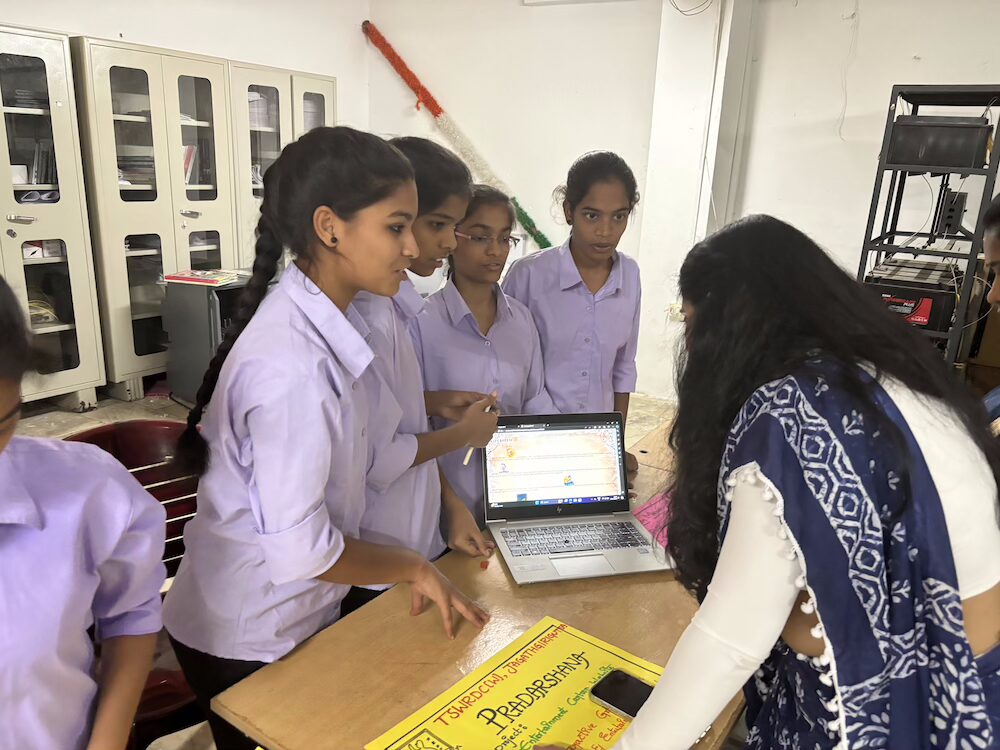
A group of female students working on a coding project.

The progress we’ve seen so far in Telangana is very encouraging. We look forward to continuing these partnerships and helping more young people realise their potential through the power of computing and digital technologies.

What we learnt about adapting curriculum resources for different regions

From our work in Telangana, Odisha, and Kenya, we’ve learnt that a curriculum isn’t a one-size-fits-all product. The local context, culture, and educational provisions are important considerations when adapting learning resources for different regions. We’ve also learnt that building long-term partnerships with organisations who have local expertise is key to understanding these considerations and effectively reaching communities where we can make the biggest difference. Finally, we’ve learnt that adaptation isn’t a one-time activity. It’s a cycle of continuous refinement; listening closely to feedback from the ground is important to ensure that our support for educators and learning experiences for young people have the best possible impact.

Want to learn more about our curriculum resources?

You can access our free Computing Curriculum resources on our website — we are currently working to make the materials for India and Kenya downloadable there.

The post Adapting our computing curriculum resources for Telangana — the journey so far appeared first on Raspberry Pi Foundation.
Adapting our computing curriculum resources for Odisha — the journey so far

Post Syndicated from Fiona Coventry original https://www.raspberrypi.org/blog/adapting-our-computing-curriculum-resources-for-odisha-the-journey-so-far/

Today’s blog is the second in a mini-series of three sharing our experiences of adapting computing curriculum resources for different contexts, and off training teachers to use them in schools. Last month we wrote about our collaboration with partners in Kenya. Here we discuss our work in Odisha, India.

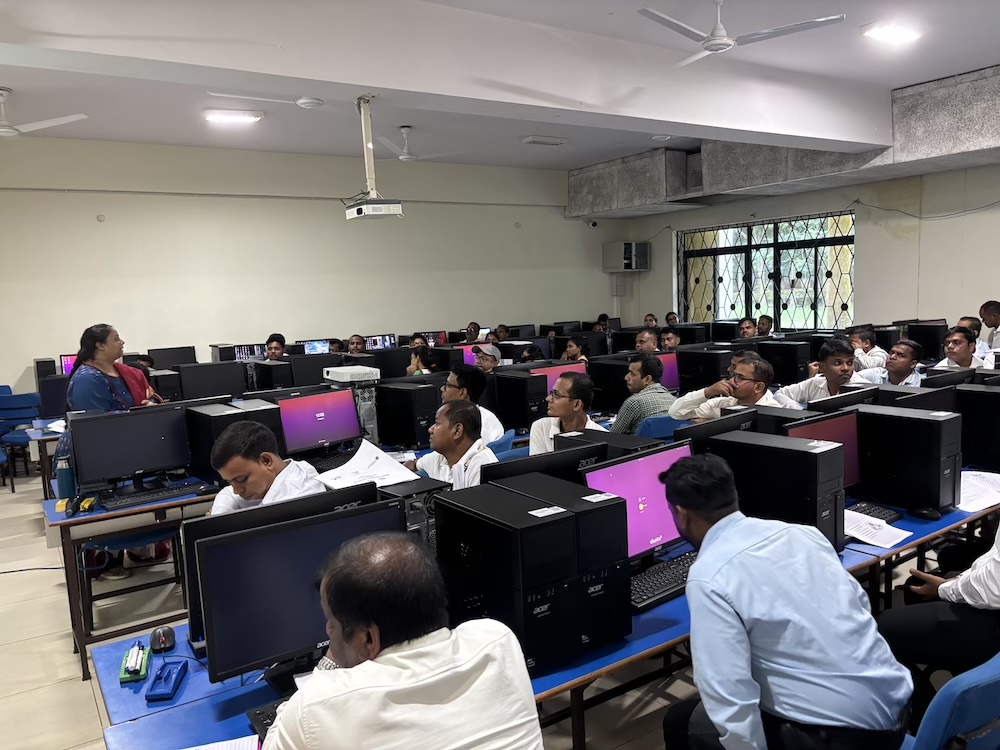
Teachers at a teacher training in Odisha.

This article has been written by Fiona Coventry, Impact Manager, and Mamta Manaktala, Senior Learning Manager.

A long-term partnership in Odisha

We know that building long-term partnerships with organisations that have local expertise is key to making a real impact for young people. This fact was echoed by people involved in education initiatives worldwide who spoke at the What Works Hub for Global Education 2024 annual conference, which Fiona followed online. Our work in Odisha is an example of this.

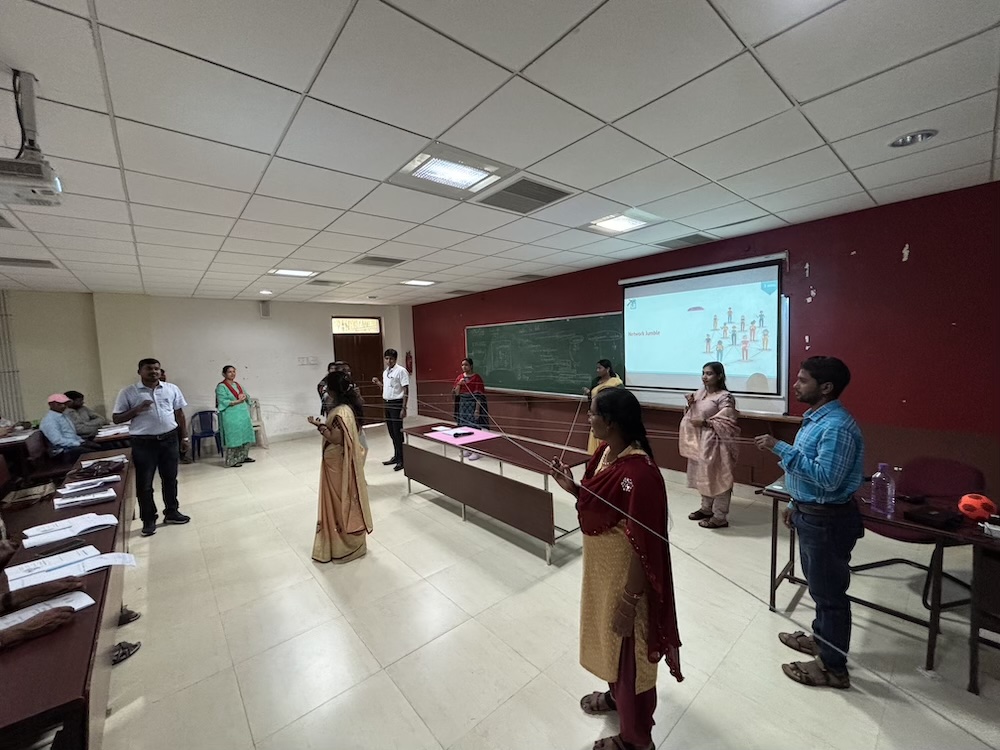
Teachers at a teacher training in Odisha.

We have now been working with our government partner in Odisha, Panchasakha Shikhya Setu (formerly Mo School Abhiyan), for four years. Our journey began in 2021, when we worked together to establish a network of Code Clubs in government and government-aided schools in the state. In 2023, our focus shifted to developing a formal computing curriculum for students in grades 9 and 10 (known locally as the Kaushali curriculum), in collaboration with two other partners. 

Work in the 2024/2025 academic year

Adaptation is a crucial aspect of how we ensure our computing resources are accessible to as many young people as possible. For our work in Odisha, we adapted content from The Computing Curriculum and then localised it to fit the requirement of the students.

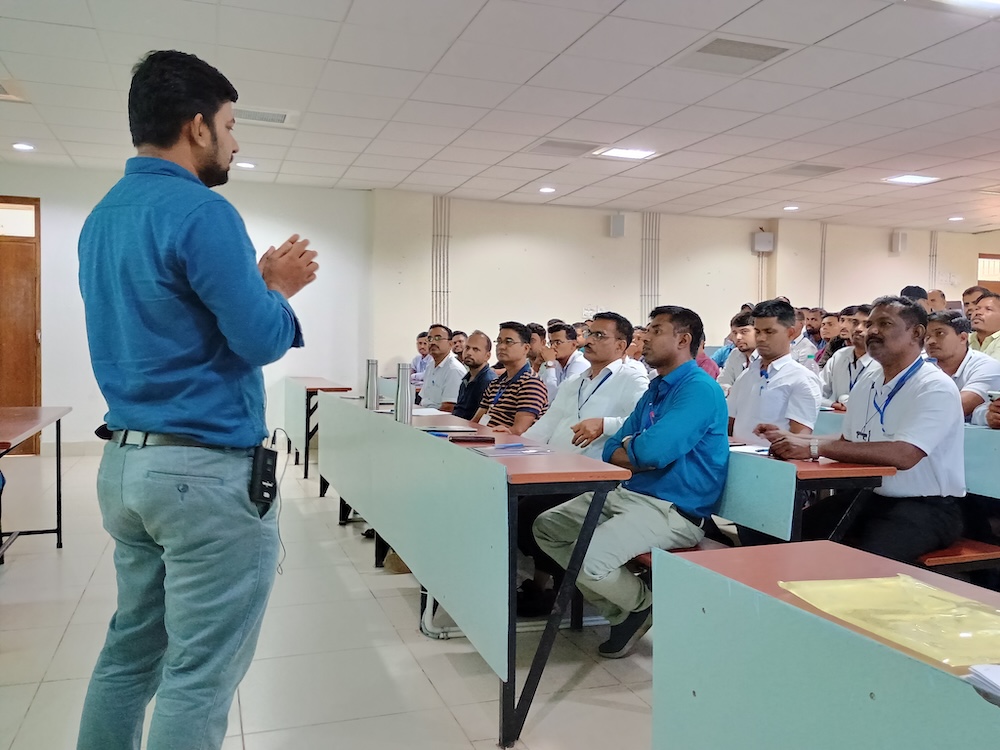
Teachers at a teacher training in Odisha.

In Odisha’s June 2024 to April 2025 academic year, we rolled out adapted computing curriculum content for grade 10 students, for students who had already learned with adapted grade 9 content in 2023/24. We worked with our partners to develop the curriculum content and trained 310 master teachers from across Odisha, along with 30 State Resource Groups (SRGs) to support them. Before the end of 2024, the 310 master teachers subsequently trained 8109 teachers, who would reach an estimated 880,000 students with the grade 9 and 10 curriculum content. We had an ongoing responsibility to support 1846 of these teachers in our allocated districts, with an estimated reach to around 205,000 students.

Impact of the grade 9 and 10 curriculum

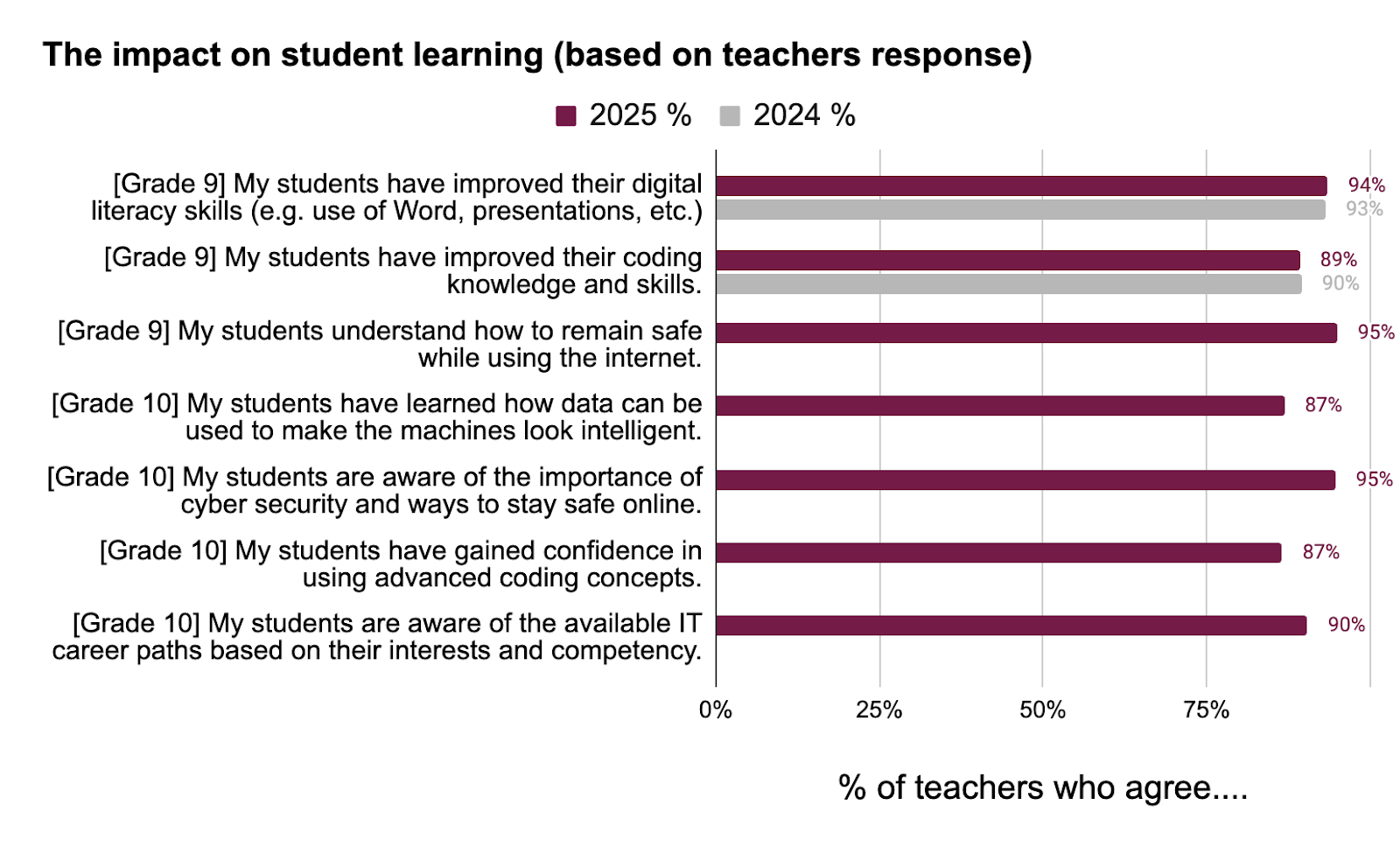
In early 2025 we issued a follow-up survey about student learning, content, and training to a sample of teachers in our allocated districts, and 310 teachers responded. (We used a stratified sampling approach designed to ensure the survey results were representative of all teachers.)

At least 87% of teachers agreed that students achieved the outcomes we asked about, e.g. regarding coding skills, staying safe online, and use of data in machine intelligence. 

Moreover, responses related to our grade 9 curriculum remained similarly high compared to 2024 survey responses.

2025 Odisha teacher survey responses regarding their students' learning.
2025 Odisha teacher survey responses regarding their students’ learning. Click to enlarge.

Teachers also expressed their appreciation for the computing curriculum resources and training in free-text comments and interviews, for example:

“IT and coding is essential nowadays. So a good initiative, adding this to schools’ curriculum.” – Teacher in Odisha

“The training was quite informative, interesting and helpful.” – Teacher in Odisha

“It is very useful training for me. It boosts my knowledge and helps me for classroom transaction.” – Teacher in Odisha

Addressing challenges

An ongoing challenge in Odisha has been supporting those teachers who lack experience with computing and/or with our recommended teaching approaches for computing. We have been working hard to help these teachers develop the knowledge, skills, and confidence to effectively deliver the curriculum content in the limited time they have alongside their other professional commitments.

Teachers at a teacher training in Odisha.

In the 2023/2024 academic year, many teachers had told us they needed further training and support. For this reason, we offered longer training in the 2024/25 academic year. We also adapted our training approach based on learning from earlier phases, such as including activities teachers could complete on their smartphones, enabling more hands-on learning while reducing dependence on available IT equipment. The outcome of this was positive: in the follow-up survey, fewer teachers felt they needed additional training to deliver the lessons, and most teachers we interviewed felt this year’s training was an improvement on the previous year’s.

Our team also ran weekly webinars to support teachers and address their queries. These were very well received by teachers. Of the responses received to feedback form available after each webinar:

  • 97% agreed that the “webinar helped me to understand the topics covered more clearly.”
  • 98% agreed that the “webinar was useful to support my teaching.”

This was supported by comments from teachers, for example:

“All questions were answered. The webinar was good. Gained a lot. Thank you very much.”  – Teacher in Odisha

“I learned many unknown things about Scratch, it will help my classroom teaching.” – Teacher in Odisha

In this year’s follow-up survey, teachers also less frequently indicated they felt they needed “additional content to support students”. They provided useful feedback and suggestions regarding the curriculum content, e.g. further simplifying and localising it, which we will incorporate into future resource development.

Another persistent challenge has been limited access to IT equipment and the internet in schools, and what this means for student-device ratios and how teachers are able to deliver the content. For future resources we are developing, we are therefore adapting the amount of content to be delivered over a series of lessons.

Next steps for our partnership in Odisha

In 2025, we are working with the same partners to implement a curriculum for grades 6 to 8, initially in around 460 schools. We and our partners have developed the curriculum content and are currently in the process of training teachers in preparation for classroom delivery.

We are also continuing to support the teachers previously trained on the grade 9 and 10 curriculum through webinars and school visits.

Want to see our curriculum resources?

You can access our free Computing Curriculum resources on our website — we are currently working to make the materials for India, and for Kenya, downloadable there.

Look out for the final blog in this mini-series next month, which will focus on our computer science curriculum in Telangana, India.

The post Adapting our computing curriculum resources for Odisha — the journey so far appeared first on Raspberry Pi Foundation.
Adapting our computing curriculum resources for Kenya — the journey so far

Post Syndicated from Fiona Coventry original https://www.raspberrypi.org/blog/adapting-our-computing-curriculum-resources-for-kenya-the-journey-so-far/

Young people everywhere deserve a high-quality computing education. But what a high-quality computing education looks like differs depending on a learner’s culture, context, and the existing provision in the country they live in. Therefore, adapting our educational resources for a range of contexts is a key part of our work at the Raspberry Pi Foundation, for example when we collaborate with partners to localise our Computing Curriculum resources.

Two young people using a computer.

In this blog post, we share our experiences of adapting curriculum resources with our partners in Kenya, and the impact of this work. This is the first post in a mini-series of three — look out for the upcoming ones about our partnerships in the Indian states of Odisha and Telangana.

Our computing curriculum partnerships in Kenya

Last year, we embarked on partnerships in two areas of Kenya and aimed to roll out computing curriculum resources to students in grades 4 to 9 in Kenyan schools:

During the 2024 academic year, we trained 39 local community trainers, who subsequently trained 453 teachers. We also adapted The Computing Curriculum materials to develop resources — lesson plans, presentation slides, and supporting activities — that are relevant and engaging in the schools our partners work with.

Educators participate in a teacher training in Kenya.

Impact in 2024

We estimate that around 55,000 students were reached by our Kenya computing curriculum resources in 2024. Most teachers who had used our resources felt the lessons had improved their students’ knowledge and skills. Of those who responded to our follow-up survey:

  • 94% agreed that their students had improved their knowledge of computing concepts
  • 92% agreed that their students have developed their computing skills
  • 90% agreed that their students better understand how to use technology safely.
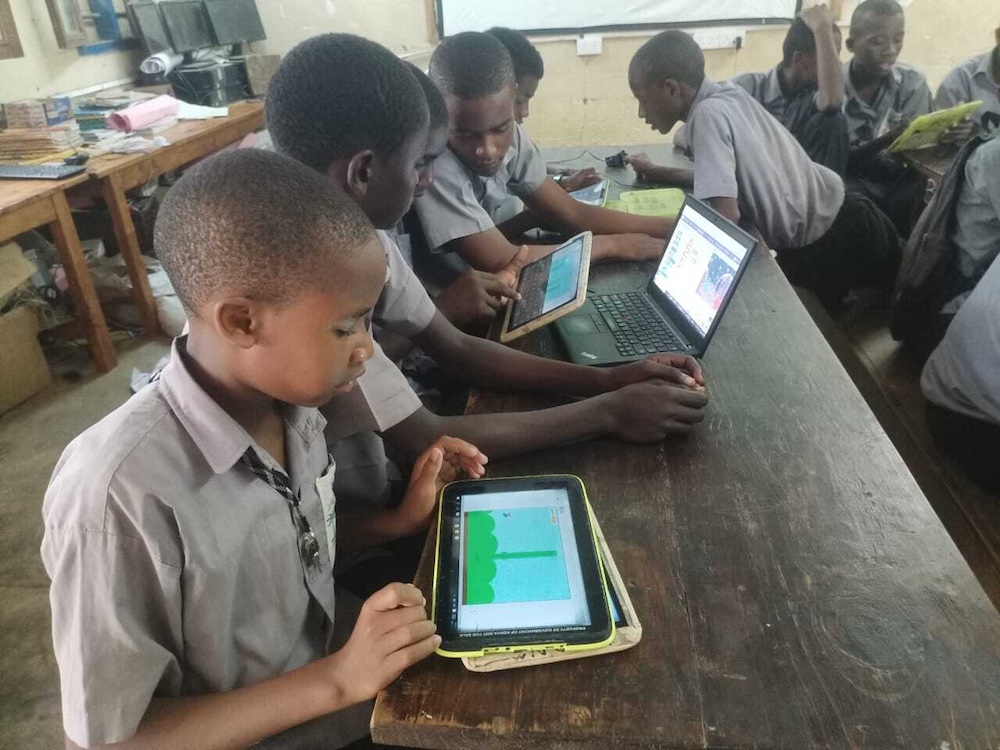
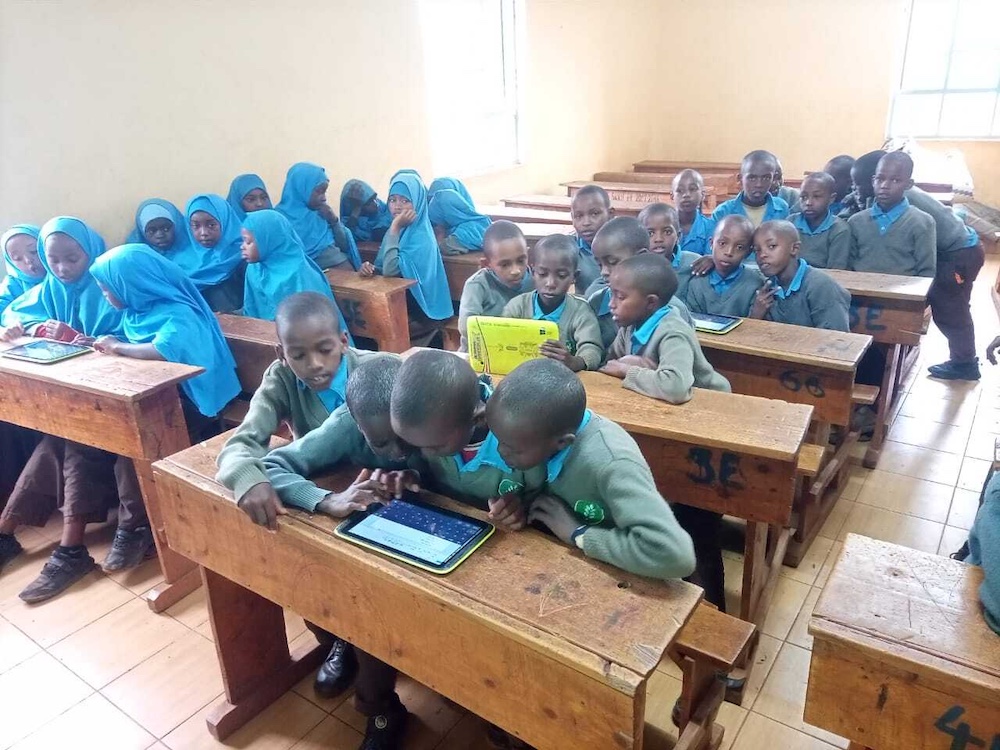
Young people using tablets in a classroom.

This was supported by conversations with teachers and students. In student focus groups, students were able to list topics they had learned about and skills they had developed.

“….The lessons have had a significant positive impact on the students. They now demonstrate greater confidence in using technology, particularly with tasks involving programming in Scratch. This has improved their problem-solving skills and made them more engaged in learning.” – Teacher, Mombasa

“In my computing lessons, I’ve learned how to use a computer safely and properly. I learned how to type, use the mouse, and open programs. We also learned about coding, which is really fun because we can make things happen on the screen by giving the computer instructions. I’ve also learned how to create a simple document using software like Excel sheets. I really enjoy using the computer to solve problems and make things work.” – Learner,  FCDC

Implementation: Challenges, solutions, and building on progress

While teachers tended to agree that students’ skills and knowledge had increased, fewer felt that most students had achieved the specific learning objectives identified in the resources. This was often due to the content being only partially delivered, for example, due to limited availability of computing equipment in schools. However, many students lacked prior experience with the topics covered in the lessons, suggesting a large improvement in their skills compared to a low baseline.

Young people learning about computing in a classroom.

Similarly, some training sessions were affected by challenges with the equipment, infrastructure, and learning environment available. Teachers were appreciative of the training and many have begun to deliver the computing lessons, but often lacked prior experience with computing and hence requested additional support.

In response to feedback from partners and teachers, we made some updates to our Computing Curriculum and training resources in preparation for the 2025 academic year. For example, we increased the alignment to Kenya’s national curriculum, prepared a more comprehensive teacher guide, and incorporated time for teachers to discuss solutions to common delivery challenges during training.

Educators participate in a teacher training in Kenya.

In 2025, we are working with partners to upskill even more teachers and broaden the reach of our computing lessons to a further four counties. Our partners have now begun upskilling both new and existing teachers on the updated resources, and we will continue to work with them to monitor and evaluate their programme’s success in the coming months.

Want to learn more about our curriculum resources?

You can access our free Computing Curriculum resources on our website — we are currently working to make the materials for Kenya, and for India, downloadable there.

Look out for the next blog in this mini-series in July!

The post Adapting our computing curriculum resources for Kenya — the journey so far appeared first on Raspberry Pi Foundation.
The Computing Curriculum: Three global perspectives

Post Syndicated from Dan Fisher original https://www.raspberrypi.org/blog/the-computing-curriculum-global-perspectives/

Across continents and cultural contexts, our free Computing Curriculum serves as a common thread that connects educators. Read the stories of 3 educators who share their thoughts on the curriculum’s application, adaptability, and the impact it’s had on their educational settings. 

I’m Freda, and I co-founded a non-profit organisation called Waloyo in South Africa.

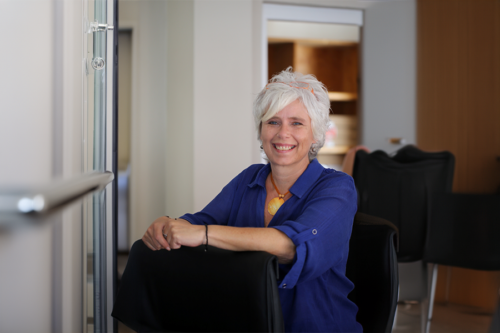
Photo of Freda, co-founder of the non-profit organisation called Waloyo.

Coming from a background of technology consulting, I know the value of computing education. I have a real drive to teach young kids coding so they can get ahead and find jobs in our digital economy.

Our role at Waloyo is to work with non-profit organisations that work with young people and want to expand their services to include computing skills training. Waloyo trains non-profit facilitators, who in turn teach computing skills to youth between the ages of 6 and 18. A unique challenge is that the majority of facilitators we train don’t have any previous computing experience. The resources we use need to be clear and easy to follow.

What I really love about The Computing Curriculum resources is the facilitator guides.

Our initial plan was to run the training programmes after school and outside the school curriculum, but we were getting requests from schools to support them too. South Africa doesn’t have a national computing curriculum, so there aren’t many subject specialist teachers. So we looked for curriculum resources from other countries to support our work and that’s how we found The Computing Curriculum. 

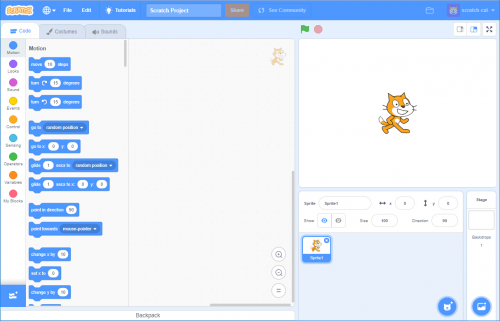
In rural Africa where we work, students have low levels of exposure to computers and computing. So whether they are 6 or 18 years old, we usually start with Scratch. The younger kids then continue with Scratch and the older kids move quickly on to Python as they build confidence.

Screenshot of Scratch 3 interface

What I really love about The Computing Curriculum resources is the facilitator guides. They fit in well with our process of training NGO facilitators to work directly with the kids. I love the comprehensiveness and flexibility of what your curriculum provides to enable this method of delivery.

So far we’ve launched 3 programmes in communities in South Africa, impacting around 150 young people, and it’s worked beautifully. It’s phenomenal to see how excited the kids get when the computer does what they want it to do!

I’m Al, and I’ve been a secondary science teacher since 1991.

Photo of Al out hiking in rocky terrain.

For the past 13 years, I’ve taught in international schools. Two years ago, I decided to retrain in teaching computing. My wife and I are currently teaching in Kazakhstan. I now teach at primary level but still handle some secondary classes. For primary, there’s significant time pressure, especially with extra lessons for the local language, making it challenging to fit computing into the schedule.

The private schools where I work are starting to implement the UK computer science curriculum. At one of the schools, they have a robotics course which has given rise to a misconception that everything in computing is about robotics! My role, therefore, involves expanding the concept of robotics to include a broader range of computing activities and finding efficient ways to integrate these new materials into the curriculum with minimal effort from the staff. I focus on selecting appropriate units to fit into what the schools are already doing rather than implementing a comprehensive new program.

The Raspberry Pi Foundation’s curriculum resources are valuable because they provide comprehensive lists of programs and ideas that I can adapt for my colleagues. I adapt resources to make them more accessible for primary teachers, simplifying and customising them for ease of use.

The Raspberry Pi Foundation’s curriculum resources are valuable because they provide comprehensive lists of programs and ideas that I can adapt for my colleagues.

Once students understand that computing is a tool for developing skills rather than just passive consumption, they take ownership of their learning which boosts their confidence. Culturally relevant materials are particularly effective, especially in diverse international classrooms. Adapting resources to be culturally relevant and incorporating students’ examples enhances their usefulness and impact. The resources are excellent, but by tailoring them, they can be even more effective, particularly in an international context with diverse nationalities and learning concepts.

Head of ICT at an international school in Egypt

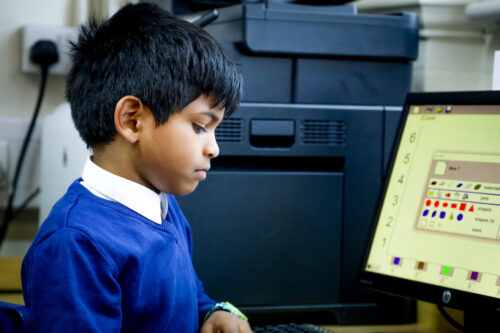
In a computing classroom, a boy looks down at a keyboard.

As Head of Department, I am responsible for what all the different age groups learn, from year 1 to year 12. We use the Cambridge International (CIE) curriculum, so I was looking for supplementary resources that build from the basics, have a clear progression map, and complement the resources we already had.

With The Computing Curriculum, it is easy to pick out individual lesson resources to use. I love that it doesn’t need a licence and that the students don’t face any problems when they download it to practise at home. I’m covering curriculums for both computing and digital literacy, so I use resources that are relevant to my curriculum maps.

With The Computing Curriculum, it is easy to pick out individual lesson resources to use.

In some schools, their idea of an ICT lesson is getting students to play games, use Word documents, make PowerPoint presentations, and that’s it. But this generation of students love coding and making their own games. So instead of playing the game, we teach them how to develop a game and how to add the characters themselves.

From year 1 to year 2, students take part in a wide range of computing activities and develop a lot of new skills. They find these skills amazing. It makes them feel engaged, excited, and that they are doing something valuable.

Using The Computing Curriculum 

These educators’ stories show how easy it is to adapt our Computing Curriculum to your unique context, enhancing students’ technical skills and inspiring creativity, critical thinking, and a passion for problem-solving. We look forward to continuing this journey with these and other educators as they transform computing education for their learners.

If you’re looking for new computing resources to teach with, why not give The Computing Curriculum a try? You can also read our culturally relevant pedagogy research that Al mentions in his interview.

The post The Computing Curriculum: Three global perspectives appeared first on Raspberry Pi Foundation.
Supporting Computing in England through our renewed partnership with Oak National Academy

Post Syndicated from Rik Cross original https://www.raspberrypi.org/blog/supporting-computing-in-england-with-oak-national-academy/

We are pleased to announce that we are renewing our partnership with Oak National Academy in England to provide an updated high-quality Computing curriculum and lesson materials for Key Stages 1 to 4.

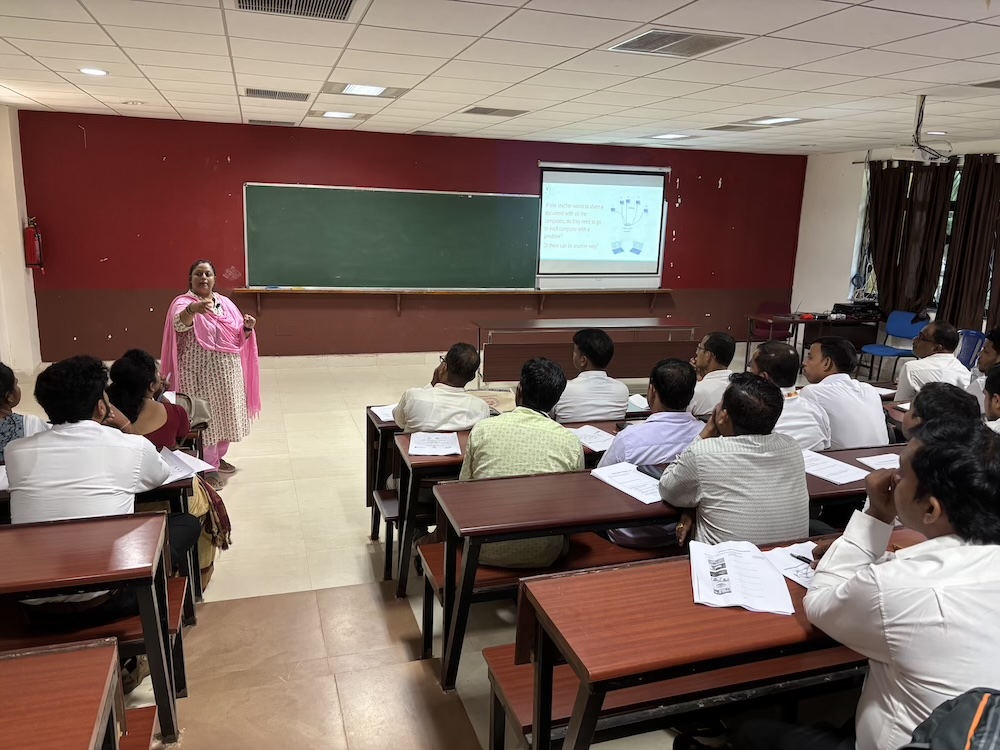
In a computing classroom, a girl looks at a computer screen.

New curriculum and materials for the classroom

In 2021 we partnered with Oak National Academy to offer content for schools in England that supported young people to learn Computing at home while schools were closed as a result of the coronavirus pandemic.

A teacher and learner at a laptop doing coding.

In our renewed partnership, we will create new and updated materials for primary and secondary teachers to use in the classroom. These classroom units will be available for free on the Oak platform and will include everything a teacher needs to deliver engaging lessons, including slide decks, worksheets, quizzes, and accompanying videos for over 550 lessons. The units will cover both the general national Computing curriculum and the Computer Science GCSE, supporting teachers to provide a high-quality Computing offering to all students aged 5 to 16.

Secondary school age learners in a computing classroom.

These new resources will update the very successful Computing Curriculum and will be rigorously tested by a Computing subject expert group.

“I am delighted that we are continuing our partnership with Oak National Academy to support all teachers in England with world-leading resources for teaching Computing and Computer Science. This means that all teachers in England will have access to free, rigorous and tested classroom resources that they can adapt to suit their context and students.” – Philip Colligan, CEO

All our materials on the Oak platform will be free and openly available, and can be accessed by educators worldwide.

Research-informed, time-saving, and adaptable resources

As we did with The Computing Curriculum, we’ll design these teaching resources to model best practice, and they will be informed by leading research into pedagogy and computing education, as well as by user testing and feedback. 

Young learners at computers in a classroom.

The materials will bring teachers the added benefit of saving valuable time, and schools can choose to adapt and use the resources in the way that works best for their students

Supporting schools in England and worldwide

We have already started work and will begin releasing units of lessons in autumn 2024. All units across Key Stages 1 to 4 will be available by autumn 2025.

A teenager learning computer science.

We’re excited to continue our partnership with Oak National Academy to provide support to teachers and students in England. 

And as always, our comprehensive classroom resources can be downloaded for free, by anyone in the world, from our website.

The post Supporting Computing in England through our renewed partnership with Oak National Academy appeared first on Raspberry Pi Foundation.
Coding futures: Celebrating our educational partnership in Telangana

Post Syndicated from Mamta Manaktala original https://www.raspberrypi.org/blog/tswreis-coding-academy-computing-education-partnership-telangana/

On September 29 2023, amidst much excitement and enthusiasm, a significant event took place at a unique school in Moinabad, Telangana: the teams of the Raspberry Pi Foundation and Telangana Social Welfare Residential Educational Institutions Society (TSWREIS) gathered to celebrate our partnership on the esteemed Coding Academy of TSWREIS.

This event marked a special project for us where we are piloting a distinctive, progression-based computing curriculum in a government school and a degree college in India.

A group of female students at the Coding Academy in Telangana.

Partnering with TSWREIS to bring computing education to Telangana

At the Foundation, our goal is to work closely with schools, tailoring our offerings to their contexts. Our objective is to design and evaluate unique learning experiences by integrating content from our diverse range of high-quality educational products. Through these efforts, we aim to drive significant advancements in education and technology, benefiting both students and education systems across the world.

TSWREIS manages 268 residential educational institutions in Telangana, with a primary focus on delivering quality education to under-resourced young people, particularly children from scheduled castes and tribes in rural areas. Among these institutions is the Coding Academy school, located in Moinabad, which operates as a fully residential co-ed school for grades 6 to 12, accommodating around 800 students. Additionally, TSWREIS oversees another centre of excellence, the Coding Academy degree college in Shamirpet catering to 600 undergraduate female students.

We joined forces with TSWREIS to form a collaborative partnership with their Coding Academy units at both high school and college. We’re committed to sharing our expertise in computing and coding curriculum for students from Grade 6 to intermediate at the school, and across all courses at the college.

Our computing curriculum encompasses computer science, information technology, and digital literacy, and all its materials have been thoroughly researched and tested in the UK. Based on our 12 pedagogical principles, our curriculum ensures a project-based and holistic approach to learning. We also plan to provide national and international avenues for the Coding Academy students to showcase their learnings, for example through Coolest Projects, the world-leading, global technology showcase for young creators that we host every year. 

The exciting model for our partnership with TSWREIS

We took on the challenge of directly delivering a comprehensive curriculum at the Coding Academy school and college through our own educators, exclusively hired and trained for this project. This is an exciting new approach for us, because up to this point, we have never directly delivered a curriculum anywhere in the world. However, we know we have created a world-class computing curriculum for educators in formal (and non-formal) settings, and we have many years’ experience of training teachers, so we are well-prepared to face this project and its potential challenges head-on and make it a success.

A group of people from the Raspberry Pi Foundation at the Coding Academy in Telangana.

To begin the project, our team members based in India conducted a thorough study of the Coding Academy students’ interests and learning levels. Based on this, our Curriculum team in the UK and India customised and localised the content in our curriculum. We will be observing the curriculum’s delivery in classrooms and collecting students’ responses, and based on this data we’ll further refine the localised curriculum. 

Throughout the project’s lifespan, we’ll measure the effectiveness of our curriculum and the impact of learning on the students. To do this, we’ll collect data from classroom observations, periodic assessments, and focused group discussions with students and educators.

A group of male students at the Coding Academy in Telangana.

Starting from the second year of the project, we will build capacity within the system. In collaboration with TSWREIS, we’ll select teachers from within the organisation based on their interest and competence, and initiate their training. Our objective is that by the project’s fifth year, TSWREIS will have achieved self-sufficiency in delivering computing education to students at the Coding Academy as well as other institutions in its purview.

The promise of this project for our work in India

We began delivering lessons at the Coding Academy college and school in July, and it’s worth mentioning that it’s been a rollercoaster ride so far. We’ve been working closely with the TSWREIS team to equip both the academic units with the resources needed for seamless implementation of the project. Our India-based team has been able to ensure continuity in the project’s momentum and plug every gap, and is working tirelessly to make this big, challenging, and exciting project blossom and succeed. When it comes to the students’ energy, enthusiasm, and the sparkle in their eyes for their learning, it’s unmatched, and everyone feels proud of their achievements so far.

Three female students at the Coding Academy in Telangana.

This work with TSWREIS holds immense importance for us, representing our dedication to shaping a brighter educational landscape especially for young people from under-resourced communities. We hope to replicate similar initiatives across various regions in India, enabling widespread access to quality education. We also aspire to take forward our initiatives in much larger dimensions for the entirety of India. 

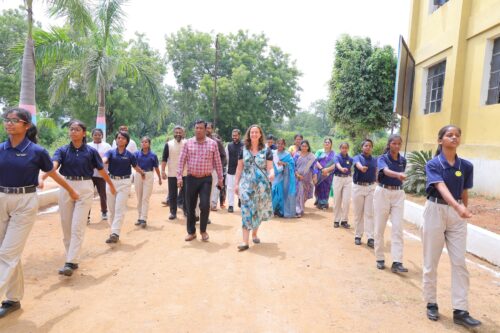
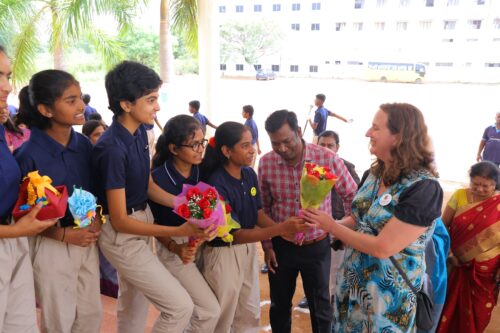
Students welcome Rachel Bennett at the Coding Academy in Telangana.

In addition to our partnership with TSWREIS, we are actively engaged in several other impactful projects in India, such as our partnership with Mo School Abhiyan in Odisha to serve the government’s schools across Odisha state, and our collaboration with Pratham Foundation, which is helping us reach under-resourced communities and furthering our commitment to enhancing educational experiences.

We look towards the future

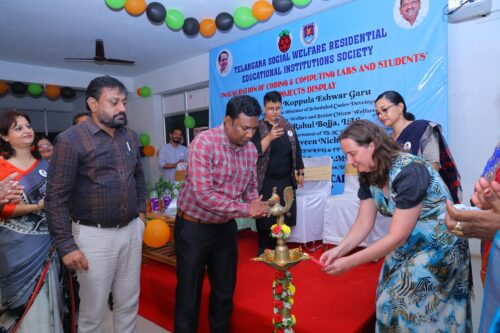
In reflection, the voices at the launch event on September 29 echoed the anticipation and optimism that filled the air on that memorable day. Chief guests who graciously attended the event were Shri. E Naveen Nicholas, IAS, Secretary at TSWREIS & TTWREIS, and Rachel Bennett, our Managing Director at the Raspberry Pi Foundation. Heartfelt gratitude to them for their presence and blessings. We also extend our thanks to our funding partner in this work, Ezrah Charitable Trust, and our delivery partners for their invaluable support.

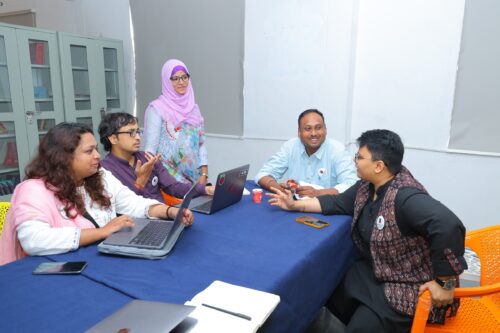
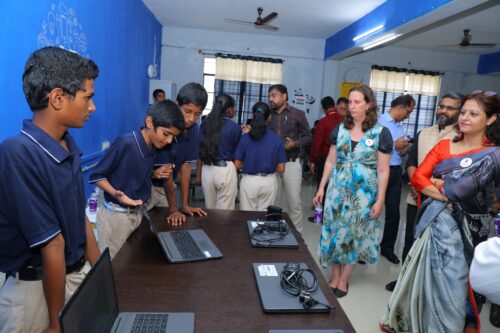
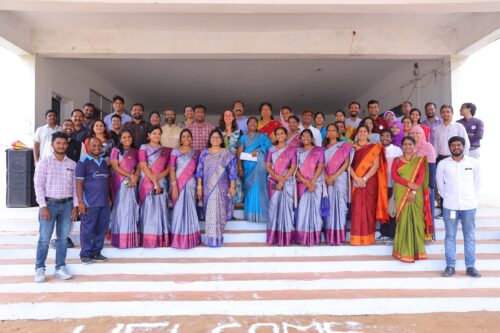
The group of people from the Raspberry Pi Foundation and TSWREIS at the Coding Academy in Telangana.

The energy felt on the event day continues to drive our determination to do the work that lies ahead. As we look forward to the future, our hope and the hope of both the Coding Academy team and students are aligned: hope for a brighter, technologically empowered future, where education becomes a beacon of opportunity for all.

The post Coding futures: Celebrating our educational partnership in Telangana appeared first on Raspberry Pi Foundation.
Teach your learners with The Computing Curriculum

Post Syndicated from Sway Grantham original https://www.raspberrypi.org/blog/computing-curriculum-lesson-plans/

Computing combines a very broad mixture of concepts and skills. We work to support any school to teach students about the whole of computing and how to create with digital technologies. A key part of this support is The Computing Curriculum.

Two girls code at a desktop computer while a female mentor observes them.
We help schools around the world teach their learners computing.

The Computing Curriculum: Free and comprehensive

The Computing Curriculum is our complete bank of free lesson plans and other resources that offer you everything you need to teach computing lessons to all school-aged learners. It helps you cover the full breadth of computing, including computing systems, programming, creating media, data and information, and societal impacts of digital technology.

The 500 hours of free, downloadable resources within The Computing Curriculum include all the materials you need in your classroom: from lesson plans and slide decks to activity sheets, homework, and assessments. To our knowledge, this is the most comprehensive set of free teaching and learning materials for computing and digital skills in the world.

Two learners and a teacher in a physical computing lesson.

We continuously update The Computing Curriculum to reflect the latest research about this young subject.

Our Curriculum’s resources are based on clear progression and content frameworks we’ve designed, and we continuously update them based on the latest research and feedback from practising teachers. Doing this is particularly important for computing education resources, because computing is a young subject where thoughts and understanding about the best teaching approaches are still evolving.

Computing lesson plans that save time and engage your learners

With The Computing Curriculum, we support educators of all levels of experience. Whether you specialise in computing, or you are a newcomer to the subject, the Curriculum will save you time and help you deliver engaging lessons.

In our 2022 survey of teachers who have used The Computing Curriculum resources:

  • 91% said the Curriculum was effective or very effective at saving teachers time
  • 89% said it was effective or very effective at developing teachers’ subject knowledge
  • 81% said it was effective or very effective at engaging students

The resources are organised as themed units, and they support your computing lesson planning, preparation, and delivery because they are comprehensive as well as adaptable. You are free to use the resources as they are, or adjust them to your context, access to hardware, and learners’ needs and experience level.

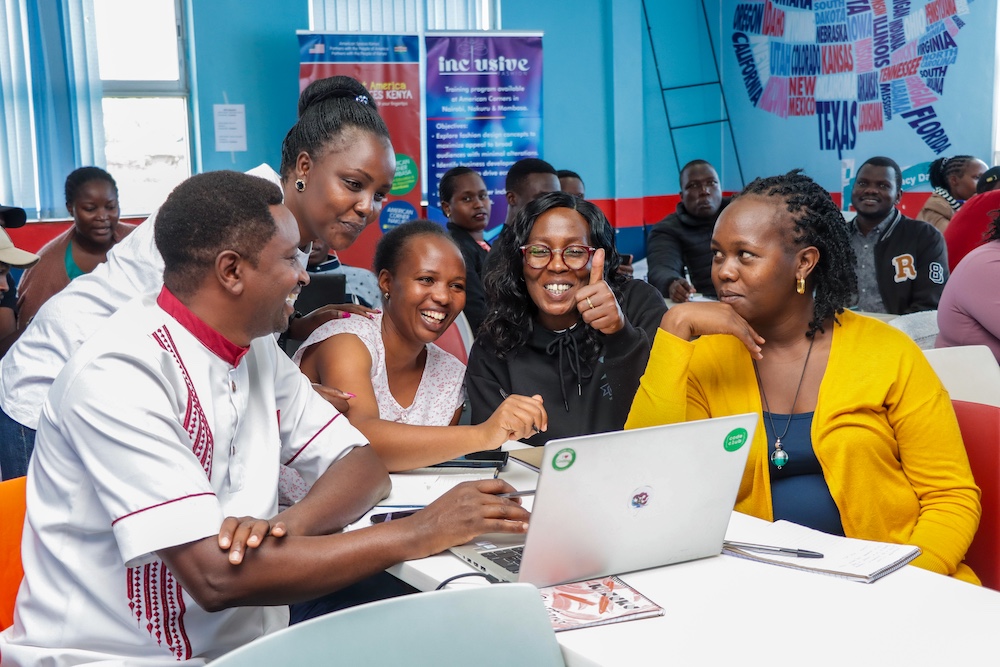
A Kenyan child smiles at a computer.
The Computing Curriculum will help you plan and deliver engaging lessons.

One aspect of The Computing Curriculum that will facilitate your teaching is the progression framework on which the resources are based. In creating the resources, we have considered the learning objectives throughout each unit and year group, and throughout the entire schooling period. This progression is detailed in curriculum maps and learning graphs, and you’ll be able to use these documents to plan your lessons and to check your learners’ understanding.

Start teaching with The Computing Curriculum

You can download and use the resources for the year groups you teach computing right now. And please tell us of your experiences using The Computing Curriculum in your classroom, so that we can make the resources even better for educators around the world.

If you are interested in curriculum resources tailored for your region, please contact us via this form. You can find out how we adapted resources from The Computing Curriculum for learners living in a refugee camp in Kenya if you’d like to learn about our approach to tailoring resources.

The post Teach your learners with The Computing Curriculum appeared first on Raspberry Pi.