Tag Archives: Telangana

Computing and AI for all: From classrooms to national dialogue in India

Post Syndicated from Mamta Manaktala original https://www.raspberrypi.org/blog/computing-and-ai-for-all-from-classrooms-to-national-dialogue-in-india/

On 7 February 2026, we witnessed something special in Bhubaneswar: a day where classroom experience took centre stage in conversations about computing and AI education in India at our Computing and AI for All conference.
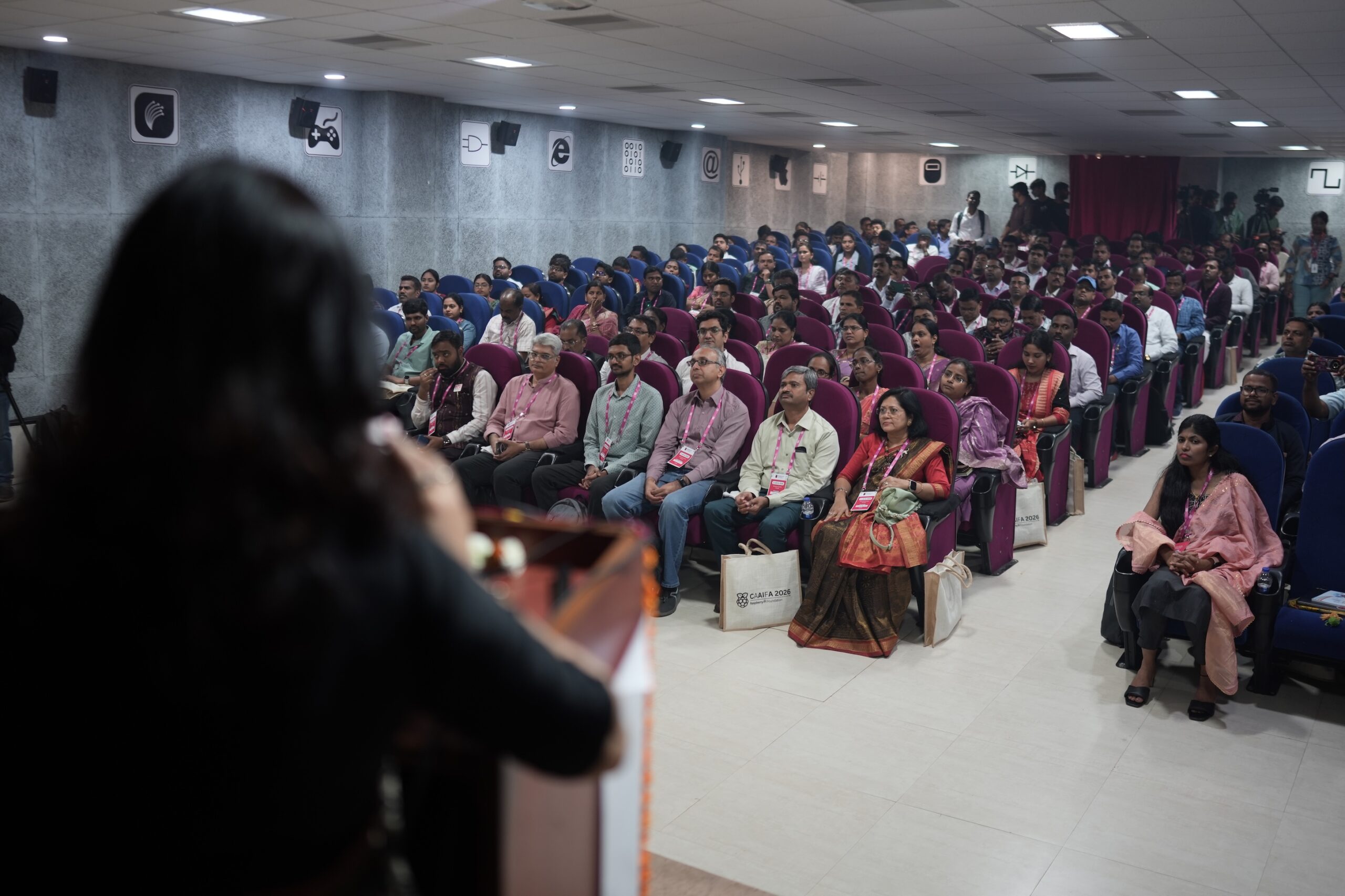
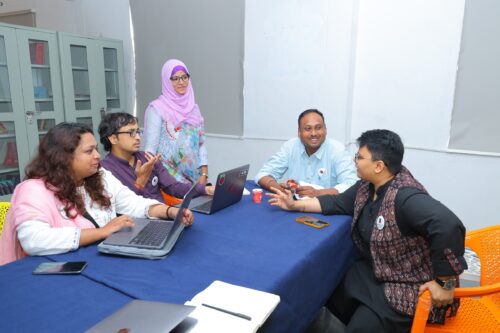
At this event, we brought together educators, researchers, and system leaders for shared learning, reflection, and professional dialogue where classroom practice was placed at the heart of the discussion.

An event to connect conversations

Across computing and AI education in India, conversations about policy, pedagogy, research, and future readiness often take place in separate spaces. At Computing and AI for All, we wanted to connect these strands in a national forum where classroom practitioners, researchers, and system leaders could speak with each other about computing and AI education. 

The theme ‘Computing and AI for all: Classroom to policy’ connected:

  • Ecosystem and policy
  • Pedagogy and innovation
  • AI and future readiness
  • Research, evidence and impact

Bringing these conversations together helped shape a richer dialogue than we’ve seen in many traditional education forums.

Grounding in classroom experience

The response from educators to the opportunity to attend was both energising and encouraging. 165 educators and 22 invited guests joined us on the day. The event also featured 35 paper and poster presentations, reflecting the breadth of classroom practice, research, and innovation that teachers were keen to share.
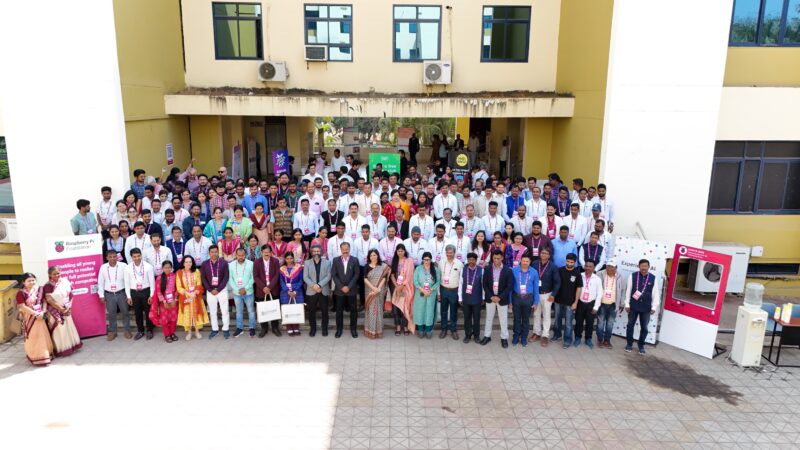
An aerial view of the attendees of the Computing and AI for All event.

The conference also brought together diverse contributors. Alongside teachers, there was representation from organisations such as Computer Science Teachers’ Associations, the University of Southampton, Quest Alliance, and Learning Links Foundation. Also part of the event were attendees from government bodies including TTWREIS – Telangana Tribal Welfare Residential Educational Institutes; PSSS – Panchasakha Shikhya Setu Sangathan (a Govt. of Odisha initiative); and IIITMK Kerala. The presence of an international delegate from Nepal further broadened the exchange of perspectives.
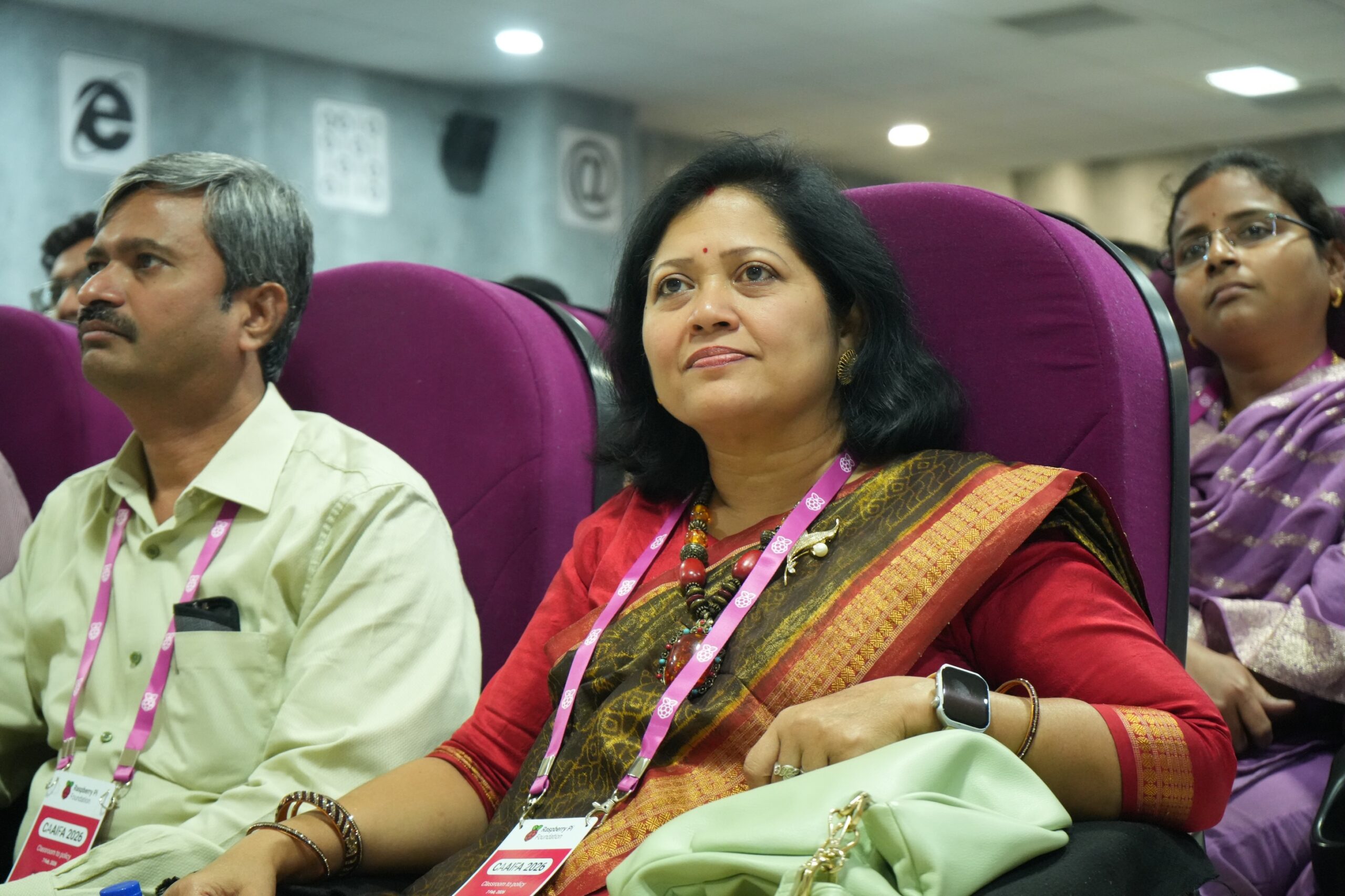
First and foremost, the event was rooted in classroom practice. 88% of participants were ICT teachers, with strong representation from Odisha and Telangana, where we have been working on partnerships to support computing educators. A significant proportion of the educators present were attending a computing conference in person for the first time, so it was a milestone in their professional journey.
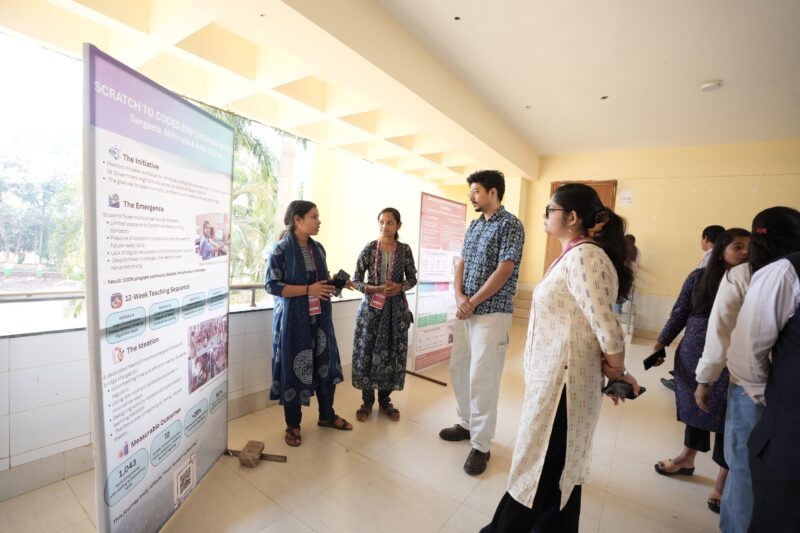
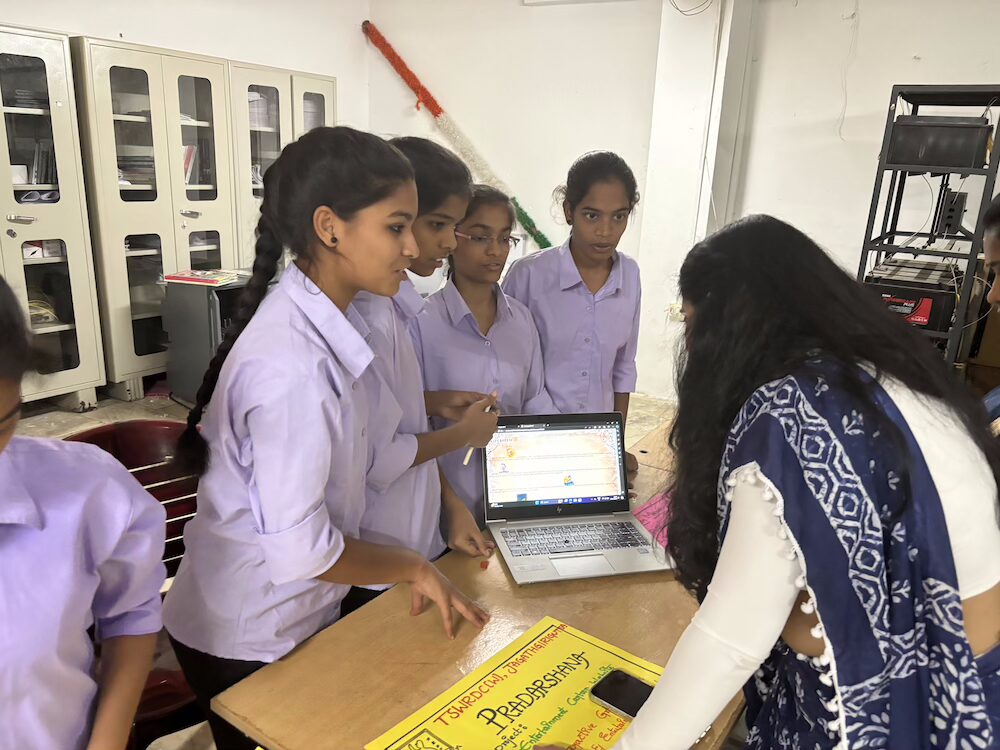
Teachers present a poster at the Computing and AI for All event.

Teachers stepping onto a national stage to present their classroom experiments, research, and reflections signaled an important shift: computing and AI education in India is no longer something designed solely for teachers. It is increasingly being shaped by teachers and informed by their lived classroom realities and professional expertise.

Ideas, evidence, and inspiration

The conference featured a full-day academic programme beginning with a formal inauguration and an introduction to our work in India.
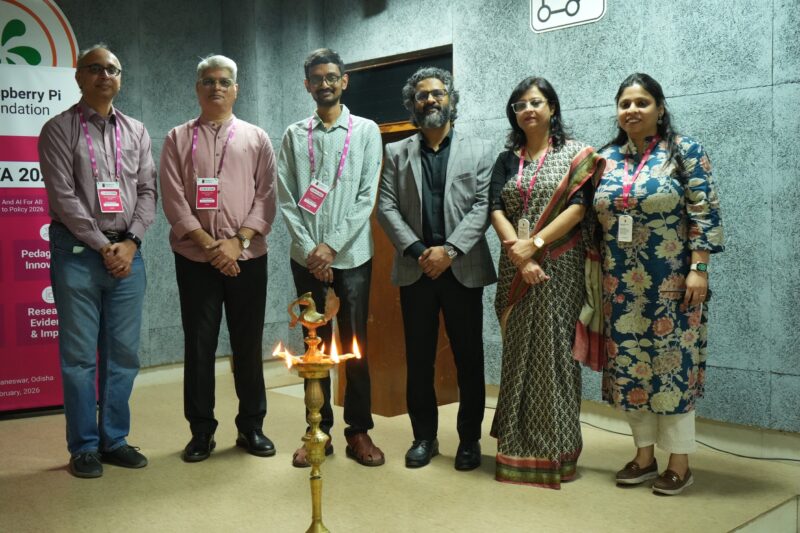
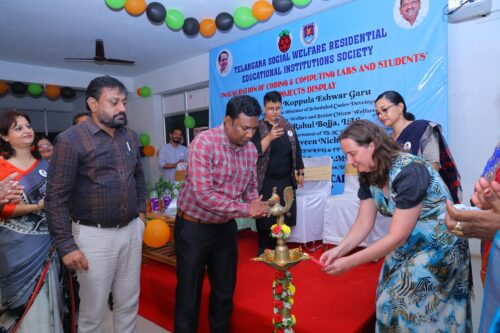
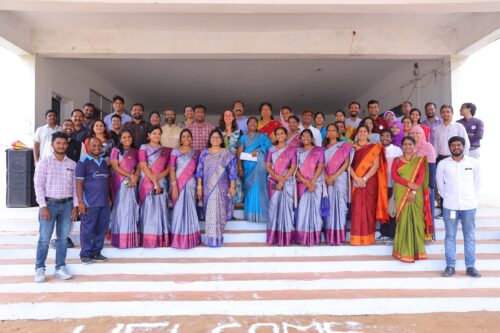
The group performing the formal inauguration of the Computing and AI for All event.

The keynote by the Foundation’s Director of Research and Impact, Shuchi Grover — ‘Democratizing the future: Why computing and AI literacy matters for every child, everywhere”’ — set an equity-driven, future-focused tone. It reminded us that AI literacy is not optional; it’s foundational for learning and opportunity.

In the panel discussion on ‘Embedding ethical AI in everyday teaching: From principles to classroom practice’, teachers, researchers and leaders exchanged ideas about how to integrate responsible AI without losing sight of learning goals.
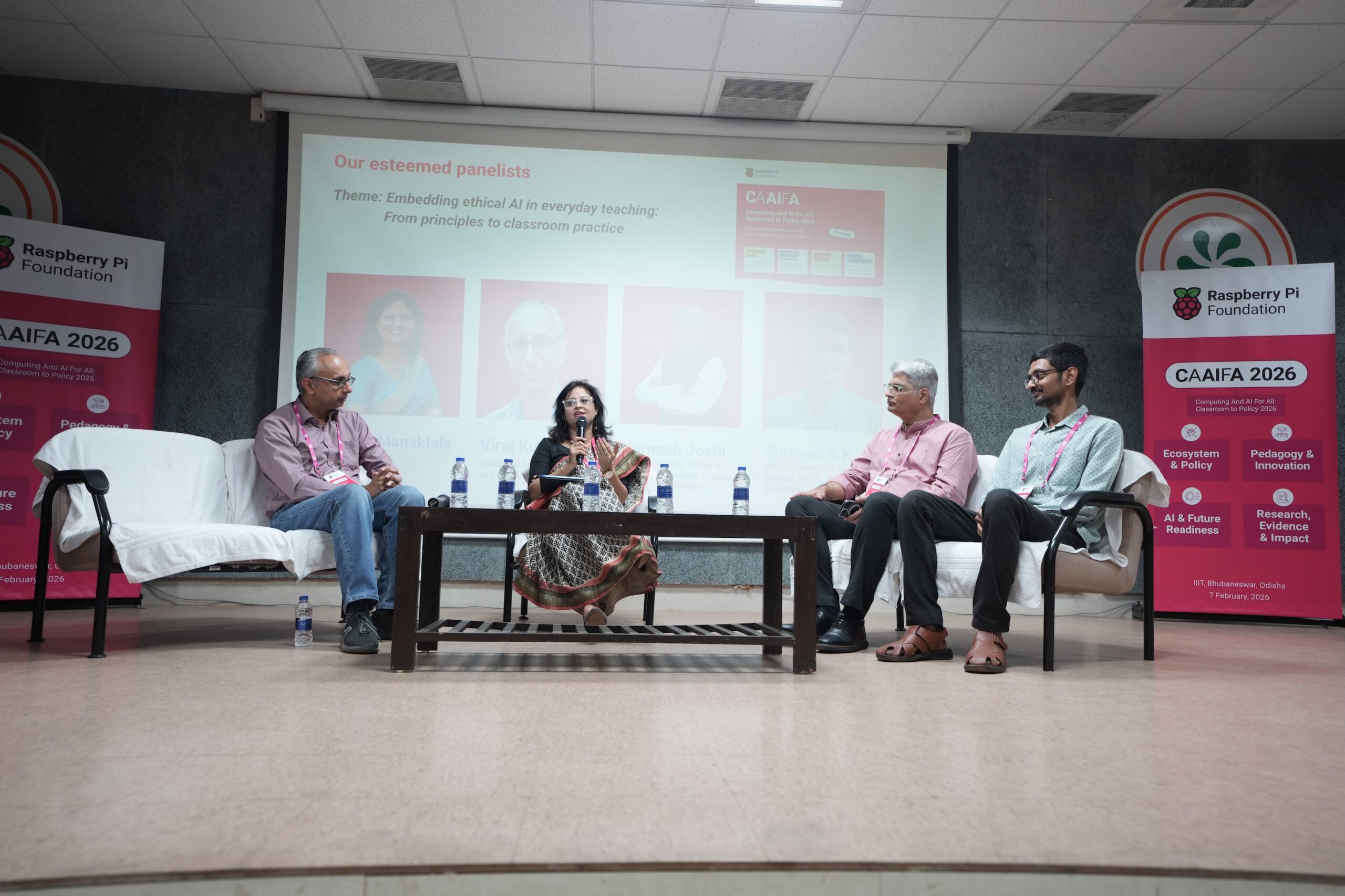
Across sessions, teachers and researchers shared a wide range of classroom-centred insights, including:

  • Using generative AI for algebraic discovery
  • Designing AI-supported personalised learning models
  • Inclusive coding practices with Scratch
  • Using AI to reduce teacher workload
  • Low-cost computing innovations in K–12 classrooms
  • Hands-on technical explorations, such as Kali Linux on Raspberry Pi

These sessions reflected both pedagogical creativity and deep engagement with everyday classroom challenges.

The structured poster gallery created space for peer feedback and deeper discussion around critical themes such as:

  • AI for first-generation learners
  • Classroom research evidence
  • AI tools to support ICT engagement

What educators told us

In the feedback we captured, educators described the conference as:

  • Highly educative
  • A space for cross-state collaboration
  • A confidence-building platform for presenting work

One participant shared: “I’m honoured to be part of [the conference]. It was inspiring to listen to educational experts sharing valuable insights on AI tools and education.”
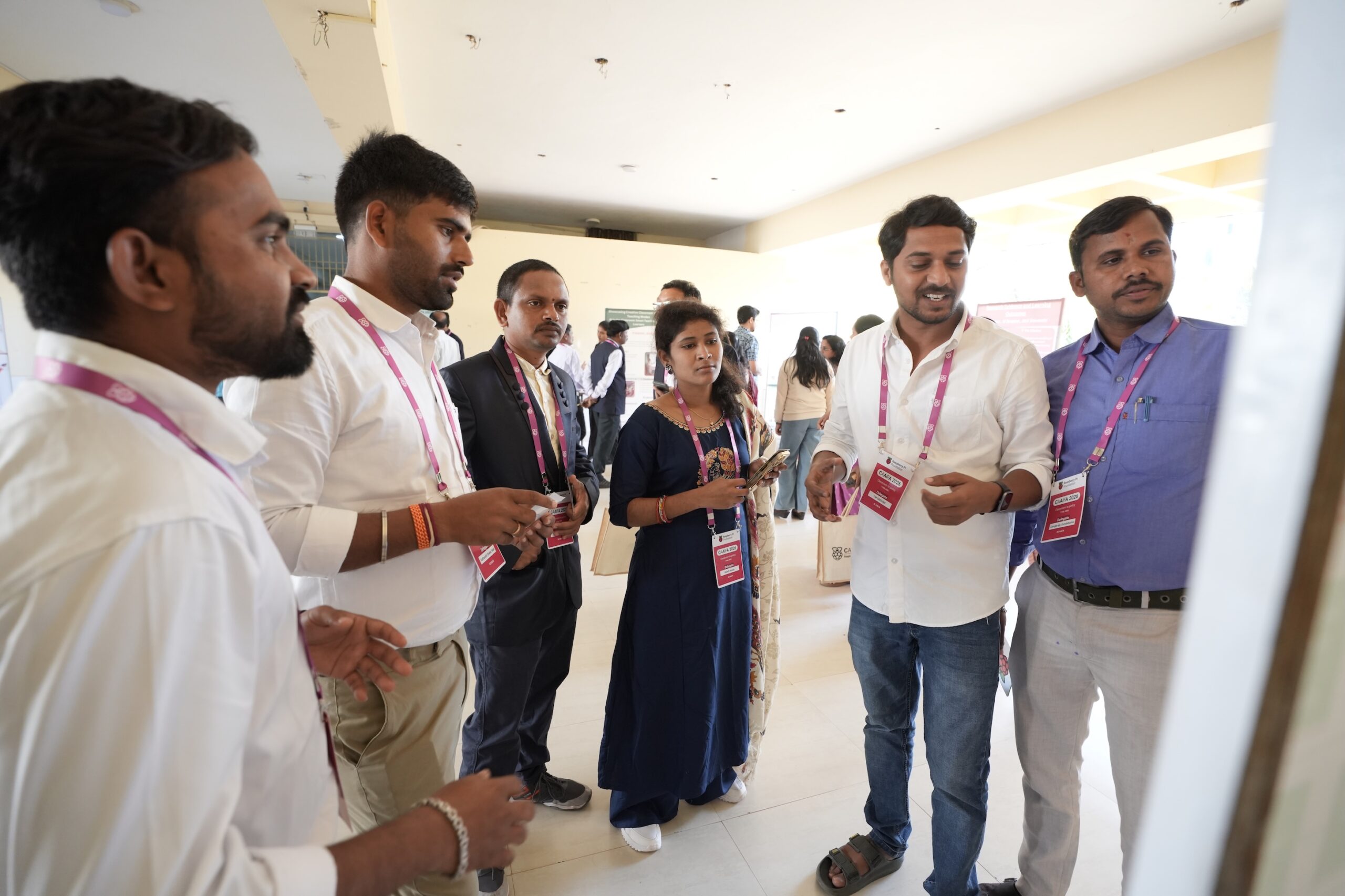
Many participants asked us to expand the event, suggesting a two-day format, extended hands-on AI workshops, and practical demonstrations they could take back to their classrooms.

Looking ahead

Our Computing and AI for All event formed a national, educator-led platform linking classroom innovation, AI literacy, research evidence, and policy dialogue.

What stood out most was the spirit of participation:

  • Teachers sharing real classroom experiments
  • Researchers listening
  • Policy voices engaging
  • First-time presenters stepping into a national forum

If AI is shaping the future of work and society, then teachers need to play a part in shaping the future of AI education. Computing and AI for All was one move in this direction that we were pleased to facilitate — and it is only the beginning.

The post Computing and AI for all: From classrooms to national dialogue in India appeared first on Raspberry Pi Foundation.
 Introducing our new ‘Programming with AI’ unit

Post Syndicated from Rajib Sarkar original https://www.raspberrypi.org/blog/introducing-our-new-programming-with-ai-unit/

In the age of AI, we believe kids still need to learn to code. We’re also testing how AI tools can be used to help with teaching and learning programming. This blog dives into our new classroom unit ‘Programming with AI’, which we’ve developed for teachers to introduce students to learning to code using tools built on large language models (LLMs). We share an overview of the unit, and the early excitement of educators and learners with whom we’re exploring this new approach to teaching and learning programming.

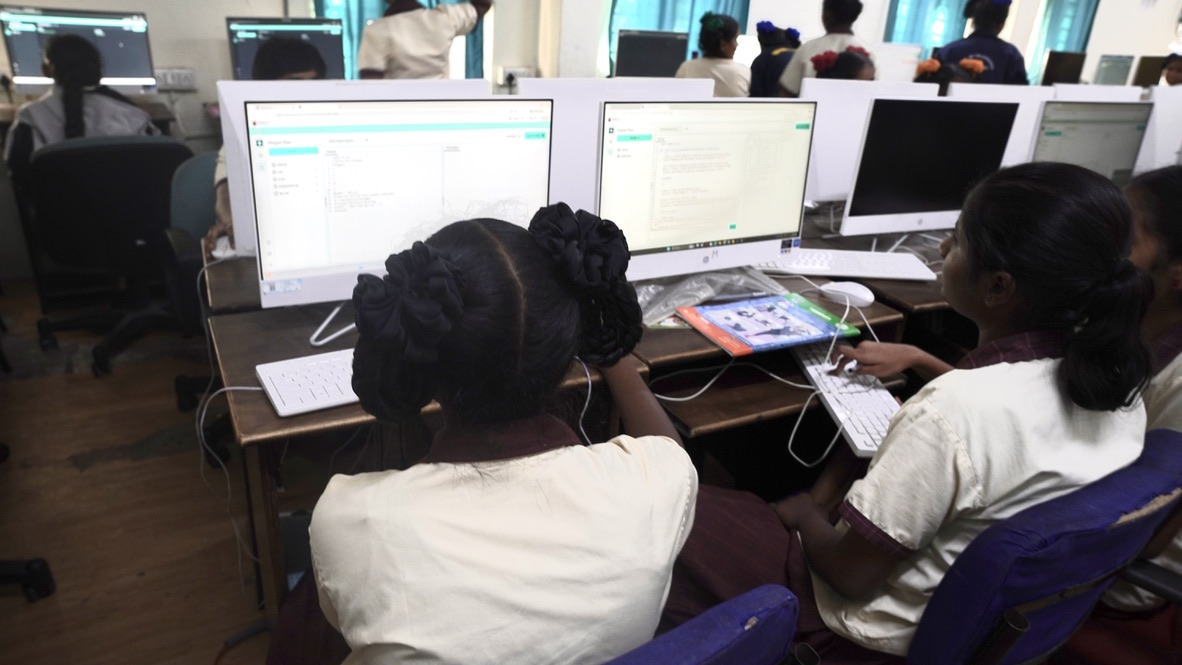
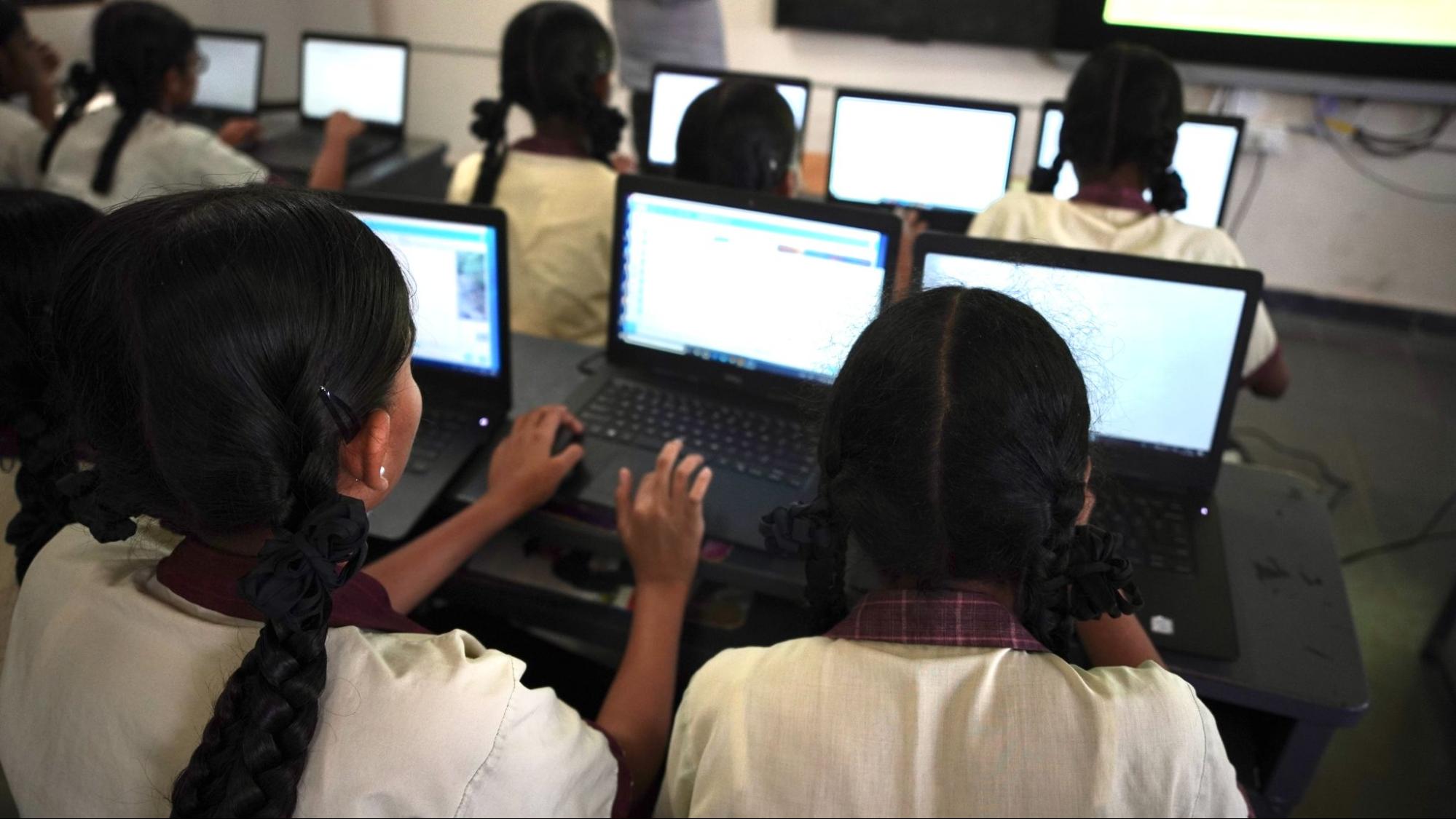
Students completing activities from lesson 1

Bridging the gap in programming education

As India is accelerating its efforts to modernise digital and computing education, it’s the ideal place for us to test how best to introduce learners to AI-assisted approaches to programming and teach them responsible AI use.

We decided to design a ‘Programming with AI’ unit of eight lessons that support students aged 14–16 to progress from block-based programming to text-based Python programming, Python being one of the most widely employed programming languages in industry and academia. In the new unit, students are guided to use LLM-based tools safely, ethically, and responsibly in order to undertake data analysis projects in Python. Students learn how to use the tools, such as Gemini and ChatGPT, to deepen their understanding, experiment with ideas, and connect classroom concepts with real-world technological applications.

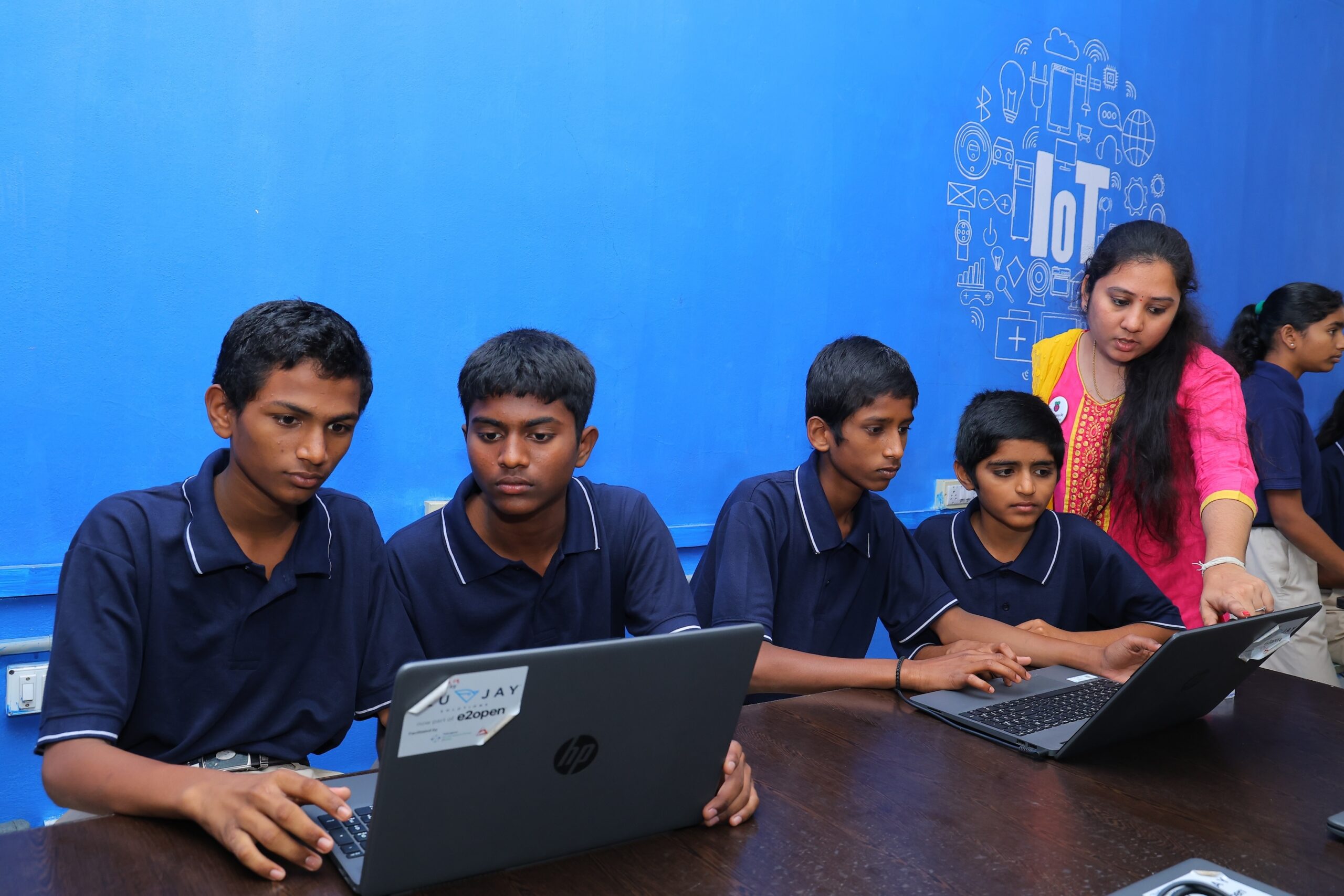
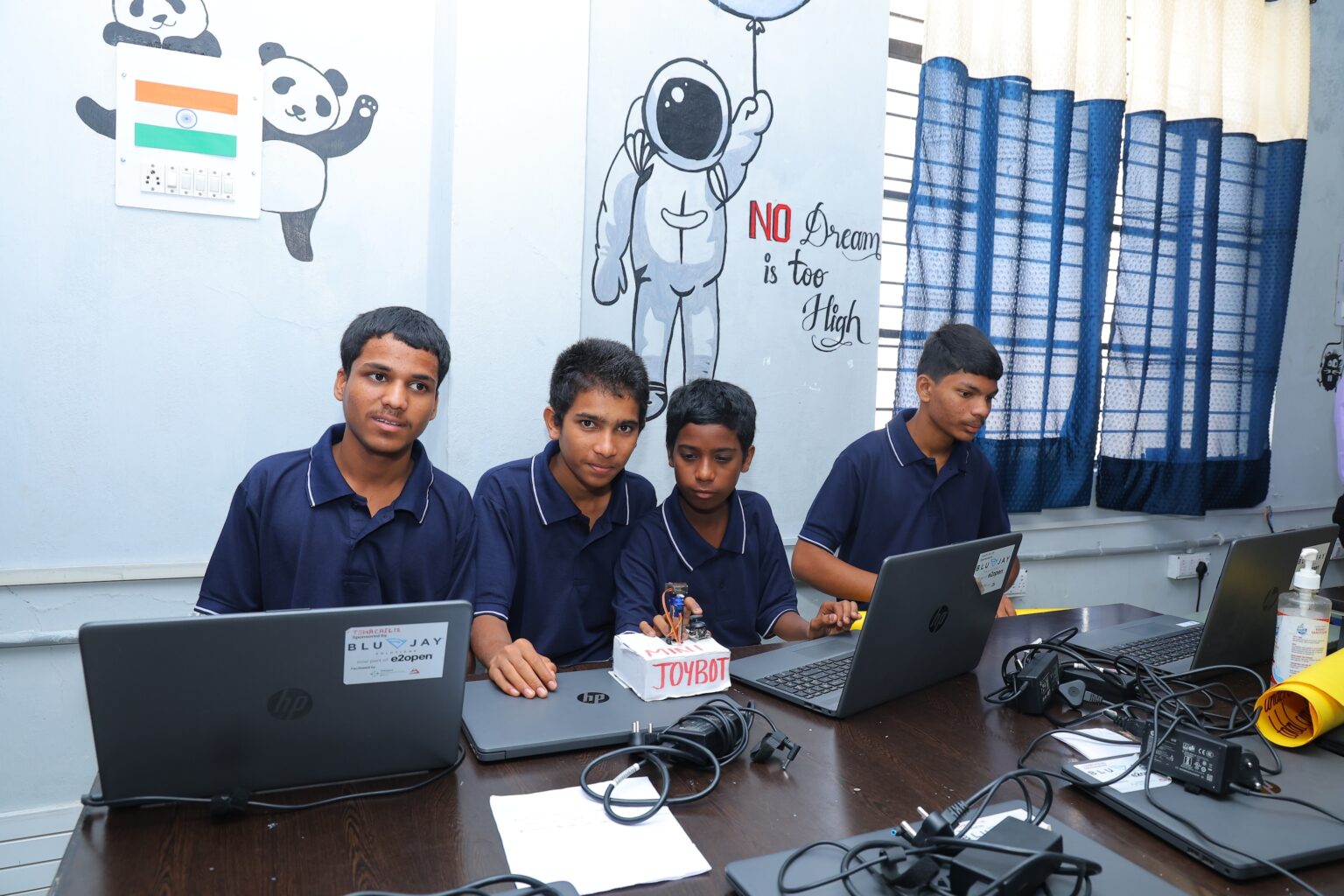
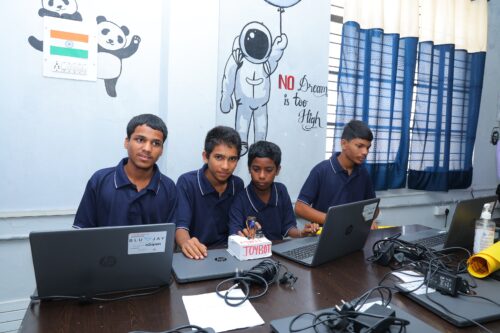
A group of male students at the Coding Academy in Telangana.

The ‘Programming with AI’ unit is currently being piloted across five residential schools under our partner, the Telangana Social Welfare Residential Educational Institutions Society. In the coming months, we will evaluate the impact of this AI-supported approach to learning programming on student engagement, motivation, and overall learning outcomes.

Key design decisions during unit development

During the design phase of the unit, we identified three main challenges we wanted to address:

  1. The first was the transition from block-based to text-based coding. The students we were designing for are familiar with block-based programming like Scratch, but Python needs precisely typed code (syntax). This is a huge shift, and we wanted to offer a way to bridge the gap.
  2. We also had to figure out how to teach prompting LLM tools to students who are learning English as their second language.
  3. Finally, LLMs are non-deterministic. This means that LLM tools don’t always produce the same output, even when given the same prompt. They also do not generate correct code consistently.

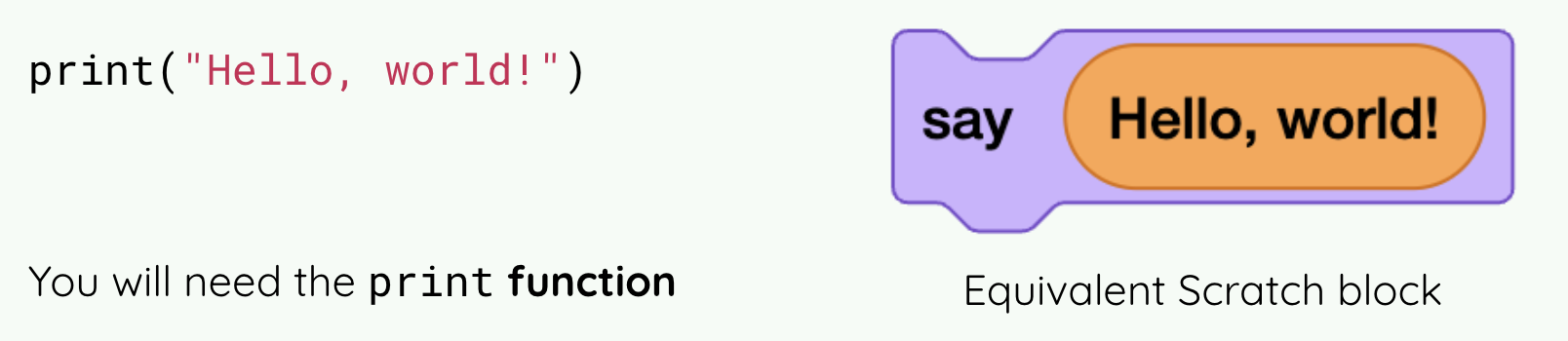
To solve the first problem, we decided that the initial lessons in the unit should start by showing familiar Scratch blocks right next to the equivalent Python syntax. This direct comparison makes the transition from block-based to text-based programmer smoother.

Comparison of Python syntax with equivalent Scratch block

To teach prompting, we built a gradual path. The unit starts with a debugging code activity, where students get code with errors and a prompt to make an LLM tool fix the errors. Later, they learn to break down a prompt into their goal (what output they want) and the context (additional information for the LLM tool). Eventually, they use a structured framework to prompt the tool to generate complete, bug-free code.

Handling the unpredictable outputs of LLM tools we turned into a learning activity. In one lesson, students are given different chatbot-generated code segments and asked to analyse and reflect on the code quality. This crucial exercise helps them build the critical thinking and code evaluation skills they need for programming with AI tools.

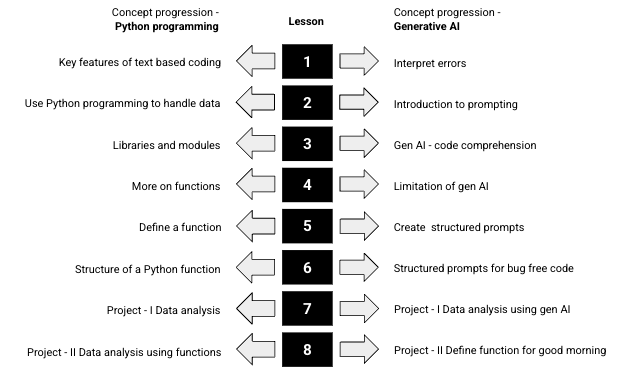
Illustration showing the progression of Python and generative AI concepts covered in the unit
The progression of Python and generative AI concepts covered in the unit

Over the eight lessons, there is a progression of Python concepts and generative AI concepts, as shown in the image above. They lead students to complete two challenging, real-world data analysis projects.

Preparing the educators

To ensure the successful pilot of the ‘Programming with AI’ unit, a comprehensive teacher training program was essential. We understood that teachers needed confidence and competence not only in the subject matter — programming — but also in guiding students to ethically and effectively use LLM tools.

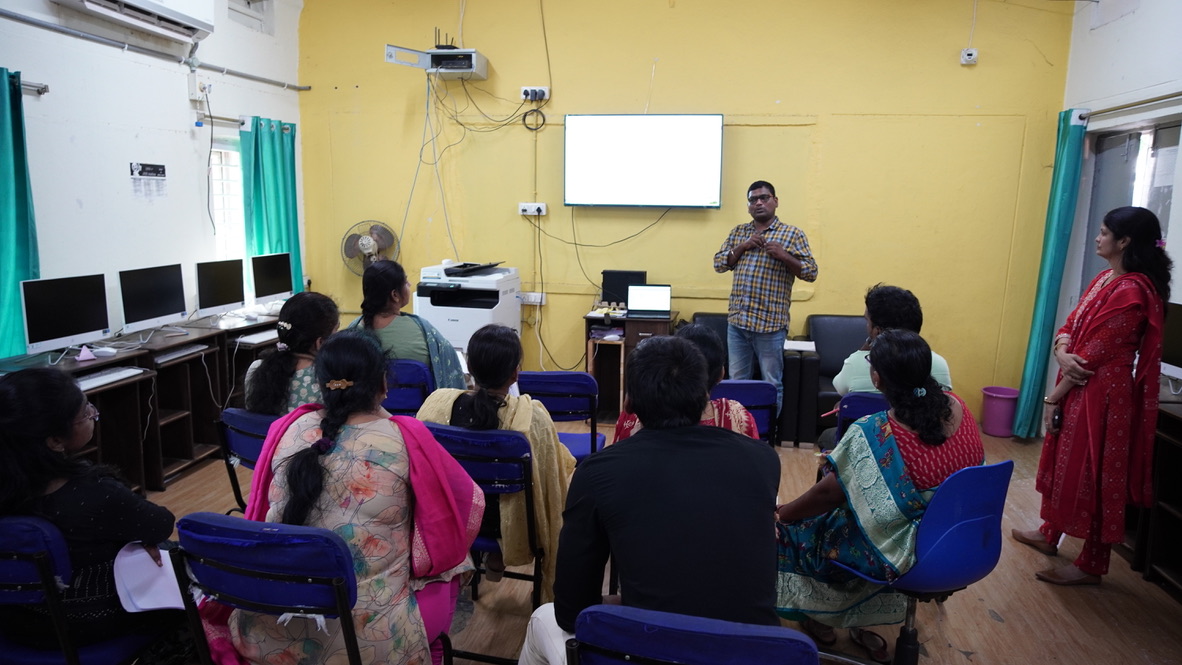
STEM and ICT teachers participated in the training

The training was an intensive, three-day programme: two days were held in-person for deep collaboration and one day was virtual for reinforcing key information. We covered five critical areas:

  • Hands-on activities to ensure comfort with the Python programming language
  • Exploring the capabilities and limitations of LLM tools
  • Effective prompt writing, which teachers would in turn model for their students to use for code debugging and idea generation
  • Reviewing lesson flow and learning objectives to understand the structure of a lesson
  • Adapting specific pedagogies to integrate an LLM tool in teaching the Python programming language

This training ensured our educators were not just teaching a new unit, but felt like confident facilitators ready to lead the shift towards AI-supported learning.

Initial student reactions: Excitement, familiarity with LLM tools, and seamless transition

The pilot of the ‘Programming with AI’ unit began during the second week of December 2025 across five selected schools. It was immediately met with enthusiastic student engagement — they were highly excited to learn Python programming using LLM tools.

When teachers initiated discussions about AI, students demonstrated their familiarity with LLMs, chatbots, and related concepts. They were not only aware of generative AI but could readily name and describe the functions of LLM tools, telling us they were actively using these tools to create projects in various other subjects.

Students could easily connect with the activities in the lessons as they had foundational understanding of programming, which they developed while learning block-based coding in Scratch. This prior knowledge enabled their seamless transition to the new learning. Perhaps most impressive was the students’ rapid adoption of LLM tools to debug their code. This skill can ease what is traditionally a steep learning curve when students first learn text-based programming.

We are now eagerly anticipating their curiosity and progress in the upcoming lessons.

Looking ahead and collecting impact data

With the initial enthusiasm confirmed, the pilot program moves into its next critical phase. Teachers will continue to deliver the unit over the next few months in the five selected schools in Telangana.

STEM and ICT teachers participated in the training
The teachers and team at our ‘Programming with AI’ training.

During this extended observation period, our primary focus will be on rigorous data collection and impact assessment. We will closely monitor how students interact with the provided learning materials and how they use LLM tools throughout the unit. We will systematically assess whether the new teaching approach successfully helps students achieve the defined learning objectives for Python programming. Crucially, we will capture comprehensive data to understand the impact of this AI-integrated approach on engagement, skill acquisition, and problem-solving compared to traditional methods.

Based on the synthesis and analysis of all the gathered data, we will share our gathered insights early next year. The findings will inform our plans for more widely introducing the AI-integrated unit and for developing similar content for other settings and age groups.

The post  Introducing our new ‘Programming with AI’ unit appeared first on Raspberry Pi Foundation.
Adapting our computing curriculum resources for Telangana — the journey so far

Post Syndicated from Jaskaran Singh original https://www.raspberrypi.org/blog/adapting-our-computing-curriculum-resources-for-telangana-the-journey-so-far/

This blog is the third and final in our mini-series about the things we’ve learnt from adapting The Computing Curriculum resources, and from training teachers to use them in schools. In the first two blogs, we wrote about our experiences in Kenya and Odisha, India. Here, we focus on our work in Telangana, India. 

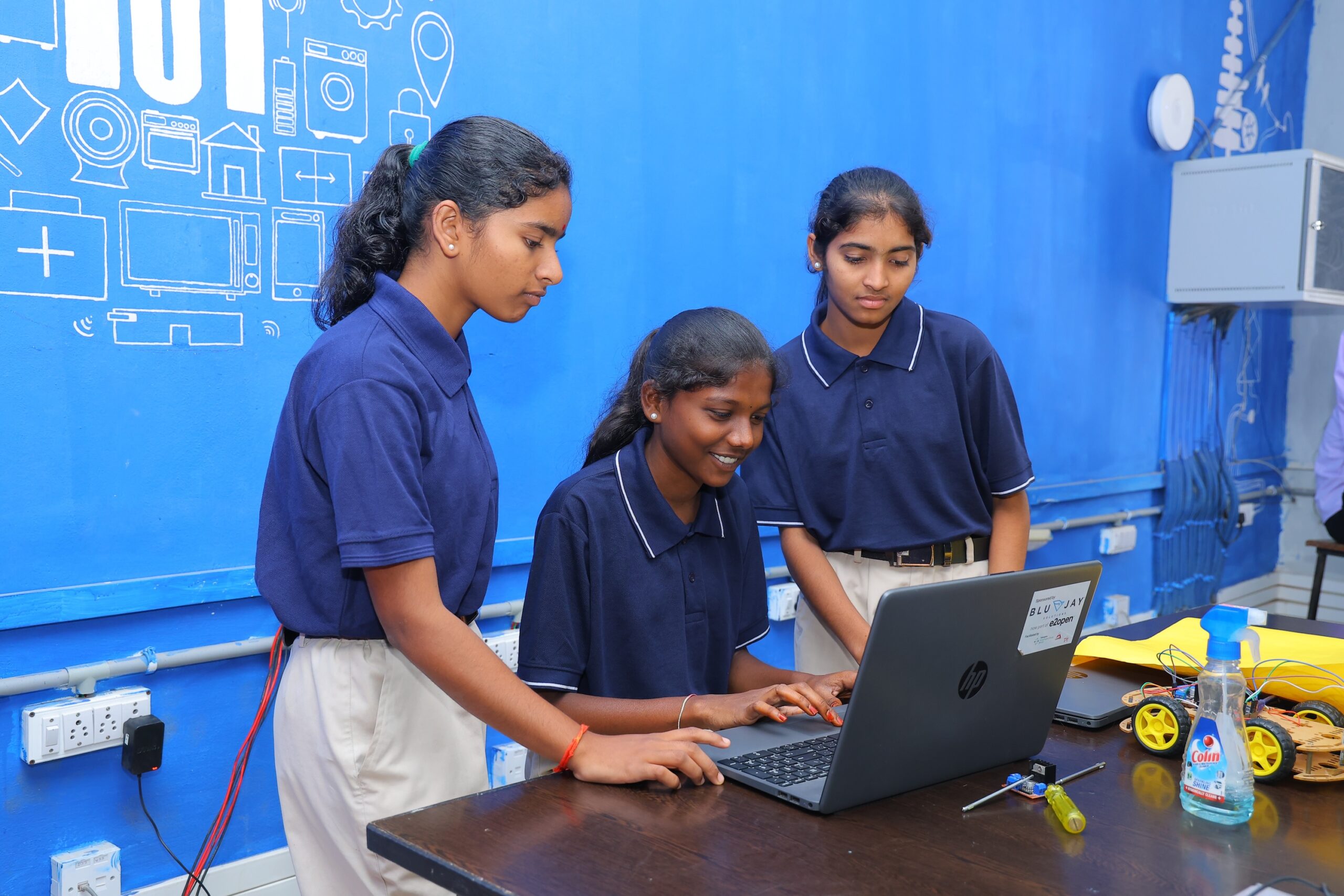
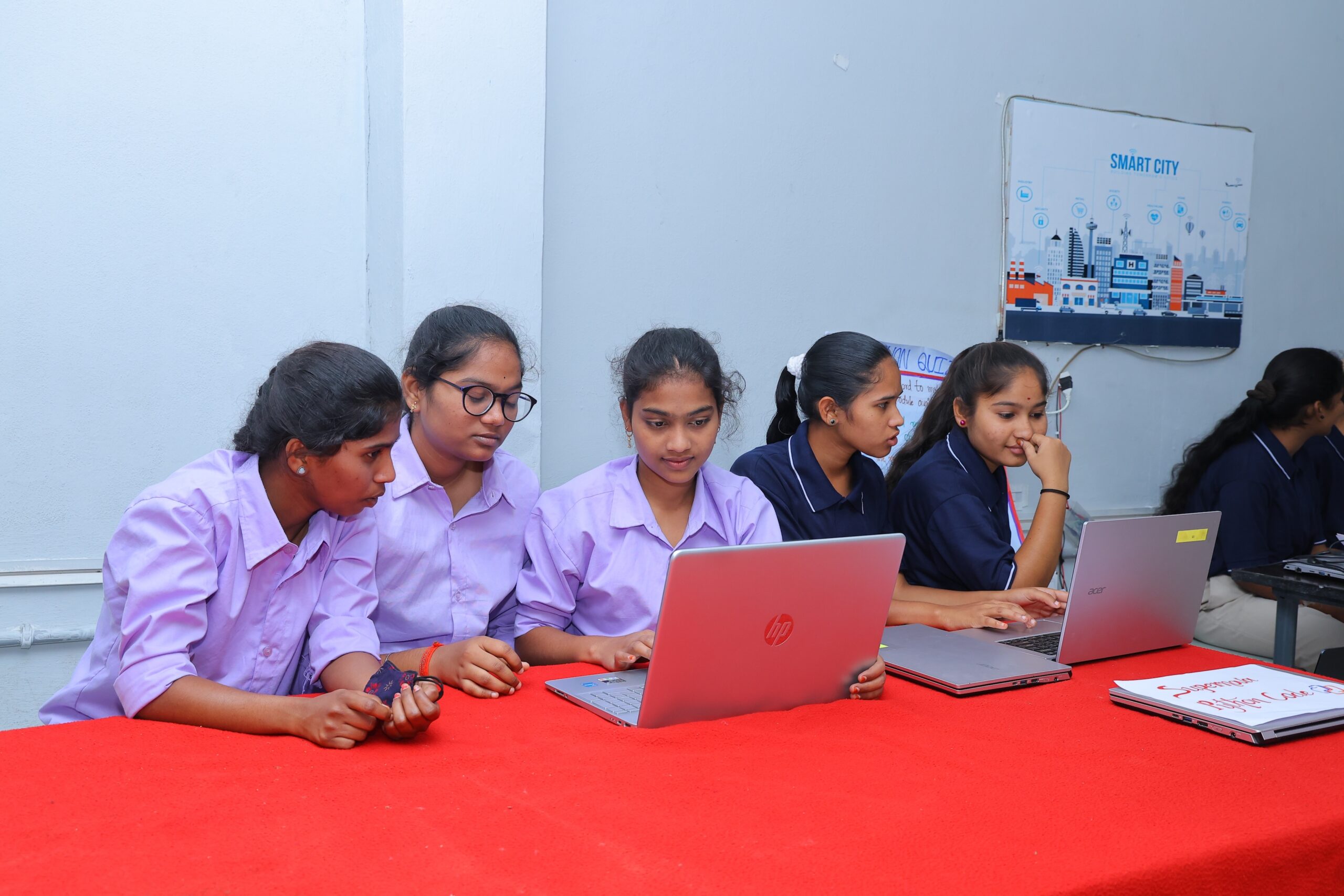
Three female students at the Coding Academy in Telangana.

This blog was written by Jaskaran Singh, Impact Manager, and Mamta Manaktala, Senior Learning Manager.

Adapting for unique needs

Every country and region has unique opportunities, challenges, and needs. In a vast country like India, every state is different — what works in Odisha may not work in other locations. Thus, to meet the needs of students in the state of Telangana, we’ve been working on adapting The Computing Curriculum specifically for them.

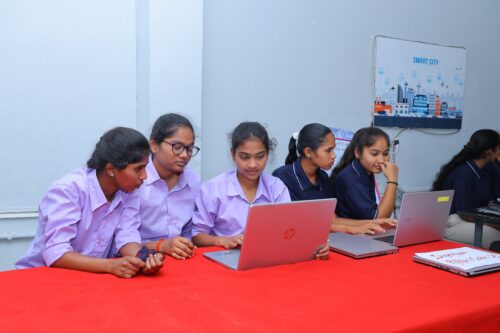
A group of female students at the Coding Academy in Telangana.

Our work in Telangana began in 2023, when we kickstarted a five-year partnership with the Telangana Social Welfare Residential Educational Institutions Society (TGSWREIS), a society under the Government of Telangana. Through the partnership, we’ve developed an adapted curriculum, along with training for educators working in educational institutions with limited resources. The adapted curriculum includes localised examples and activities, and teaching approaches to make the learning experience feel relevant and meaningful for students in Telangana, while keeping the core learning outcomes aligned with global standards. 

Testing and iterating

Since the start of the partnership, we’ve been testing the curriculum at the Coding Academy School, a co-educational school at Moinabad, and the Coding Academy College, a degree college for women in Shamirpet.

Our work delivering the curriculum in Telangana was our first time using a direct-to-learners model. The Coding Academy School and College gave us unique opportunities to work with students directly and observe first-hand the difference the programme made in their learning journeys. 

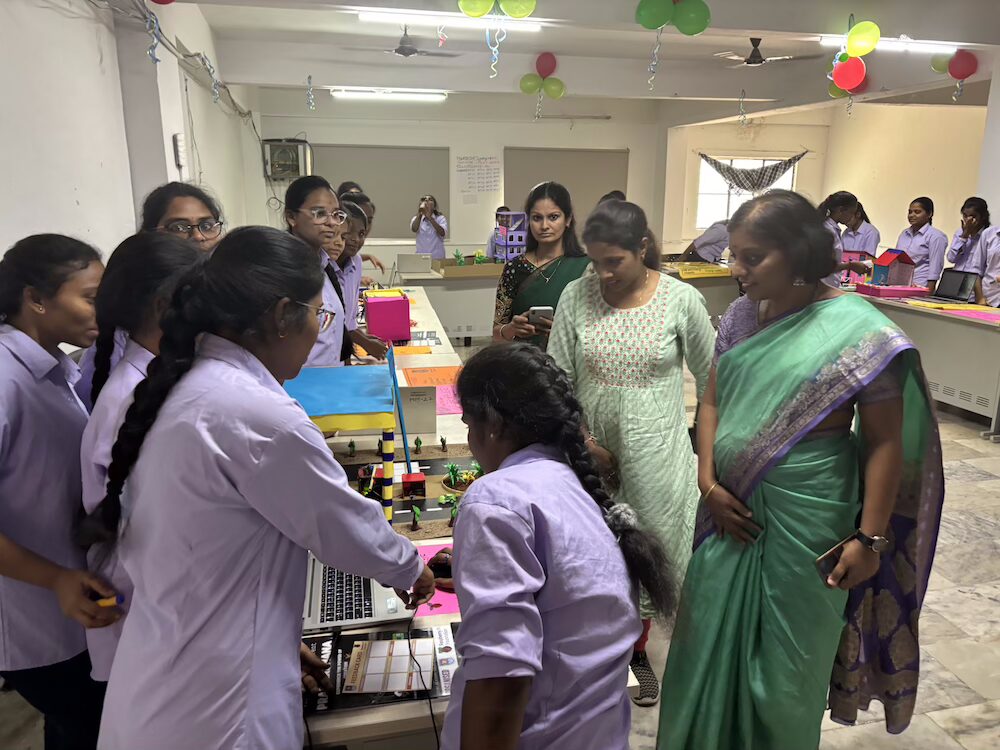
A group of students and a teacher at the Coding Academy in Telangana.

During the first year of implementation, we gathered useful feedback from students and teachers. Check out one of our earlier blogs where we share some of the findings. We used these inputs to further develop the curriculum.

This updated version of the curriculum was implemented in the 2024/25 academic year. At the school, our educators worked with 210 students in grades 7–9, while at the college, our educators worked with 382 undergraduate students. As in the first year, we used data from assessments, lesson observations, educator interviews, student surveys, and student focus groups to understand what’s working well and what could be improved. So what did we learn?

What we learnt over the past year

Our evaluation findings show that the updated curriculum worked well and positive outcomes are being achieved for most students. Educators felt prepared to teach the curriculum in this second year and found the ongoing support and spaces for discussion really useful. Moreover, we found that there are potential positive ripple effects beyond the school as well. 

Learning outcomes are being achieved to a high degree

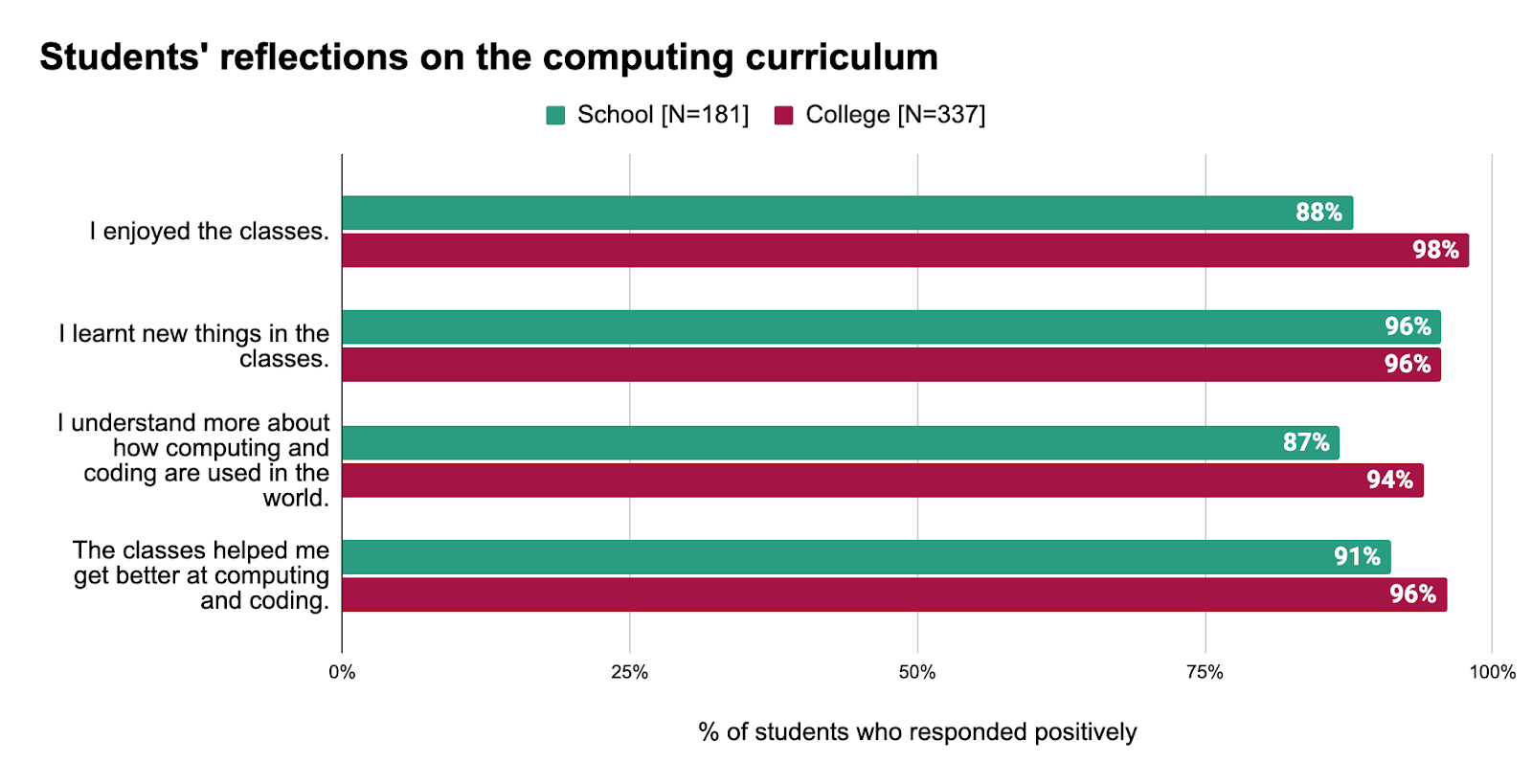
In surveys, 91% of students in the school and 96% of students in the college responded that the lessons helped them get better at computing and coding. Students feel they are not just learning new skills but also finding the content enjoyable: 88% of students in the school and 98% of students in the college responded that they are enjoying their classes. Educators and observers also reported that students were engaged during lessons, and often completed activities without needing any support. 

Students' reflections on the computing curriculum.

Students’ assessment scores further confirmed positive learning outcomes. 4 out of every 5 scores in the school and 9 out of every 10 scores in the college were 60% or above, which was higher than in the first year of the adapted curriculum’s implementation.

The updated curriculum is more aligned to student needs

The changes we made to the curriculum included:

  • Adding more localised examples
  • Simplifying the language 
  • Restructuring the flow of the content

Educators were highly positive about the updates to the curriculum. 

“The students are able to [better] understand the examples because we updated [to] the India context examples.” — Educator, Coding Academy School 

“Students are receiving it very well because we have modified the content this year, and [that includes] the placements of the unit and the connectivity of the lessons and units.” — Educator, Coding Academy School

Additionally, for the college curriculum, we aligned the content more closely with the learning objectives set by Osmania University — with which the college is affiliated. We also included more advanced topics for students specialising in data science. During interviews, educators reported that the content was now much better aligned to student expectations. 

“[The curriculum] we have designed is based as per [the] Osmania University curriculum. [The lessons] are definitely meeting the students’ needs because whatever discussions we are taking in classes, they are [successfully] participating in those discussions and they are doing whatever activities we give them.” — Educator, Coding Academy College

Outside of knowledge and skills in computing, the curriculum is also helping students develop wider life skills. In our survey, college students shared that working on projects gives them a sense of accomplishment and the confidence to solve real-world problems. Many students also reported that through the curriculum they are developing higher-order thinking skills, which will support their future careers. 

“The thrill lies the creativity and problem-solving aspects. I get to turn ideas into reality pieces, and there is something incredible satisfying about debugging code and watching it run flawlessly. It’s like slow, challenging puzzles, frustrating at times but rewarding when everything clicks.” — Student, Coding Academy College

“My favourite thing [about] the computing and coding classes [is the] Scratch programme. I have learnt it [for the] first time. By learning I have enjoyed a lot. During the coding process, it trains our brain to think deeply, identify trouble, and break things up and put pieces together [as] a solution.” — Student, Coding Academy College

Students are inspired to continue engaging 

Students are showing high interest in applying their skills outside of their classes. Almost all students — 100% in the school and 99% in the college — reported that they would like to participate in coding-related competitions. 

A group of female students working on a coding project.

Educators also told us that many students are exploring future job opportunities in the computing and digital technology fields, and are curious about topics outside the curriculum. Interestingly, 93% of the college students who were studying courses not traditionally associated with jobs in computing and digital technology reported that they would like to pursue a job in computing.

The positive benefits go beyond the school

We have also learnt that a high-quality computing education for young people has potentially wider benefits for the community. One educator described how students are helping their families, many of whom have limited experiences, engage more confidently with digital technologies.

“Families don’t know how to use smartphones and laptop computers, but our students know very well so I can say they do teach to their elders how to use these platforms.” — Educator, Coding Academy School

Ongoing support for educators was important

To help educators feel confident and prepared, individualised learning resources were provided throughout the year. These were well received by educators. Educators also found the weekly meetings with our India-based team members useful to discuss ongoing challenges regarding delivery and assessments. 

What could still be improved

There were improvements this year in the availability of equipment, and the use of Wi-Fi dongles addressed internet connectivity issues to some degree. However, educators still faced some challenges. For example, educators in the school faced issues accessing printed worksheets and educators in the college faced issues accessing projectors during their lessons. We are working closely with our delivery partner to address these issues for the new academic year.

A group of male students working on a coding project.

With regard to the content, educators felt the curriculum could benefit from some further amendments. For the school curriculum, these include easing the transition from block-based to text-based coding. For the college curriculum, there were suggestions for more focus on real-world applications of coding and including advanced topics, like machine learning, for undergraduates specialising in computing-related subjects. We have considered all these suggestions and made necessary revisions to the curriculum.

Next steps in Telangana: Scaling up impact

With the success of the pilot, we’re excited to announce that the adapted curriculum will now be implemented at over 350 schools and junior colleges in the state of Telangana. A majority of schools will be with the same partner, TGSWREIS, while some schools and junior colleges will be with other partners. The Coding Academy School will become our hub for trialling new curriculum content and strategies, and conducting research studies and teacher training and support. Additionally, the school will also host inter-school events.

A group of female students working on a coding project.

The progress we’ve seen so far in Telangana is very encouraging. We look forward to continuing these partnerships and helping more young people realise their potential through the power of computing and digital technologies.

What we learnt about adapting curriculum resources for different regions

From our work in Telangana, Odisha, and Kenya, we’ve learnt that a curriculum isn’t a one-size-fits-all product. The local context, culture, and educational provisions are important considerations when adapting learning resources for different regions. We’ve also learnt that building long-term partnerships with organisations who have local expertise is key to understanding these considerations and effectively reaching communities where we can make the biggest difference. Finally, we’ve learnt that adaptation isn’t a one-time activity. It’s a cycle of continuous refinement; listening closely to feedback from the ground is important to ensure that our support for educators and learning experiences for young people have the best possible impact.

Want to learn more about our curriculum resources?

You can access our free Computing Curriculum resources on our website — we are currently working to make the materials for India and Kenya downloadable there.

The post Adapting our computing curriculum resources for Telangana — the journey so far appeared first on Raspberry Pi Foundation.
Coding futures: Celebrating our educational partnership in Telangana

Post Syndicated from Mamta Manaktala original https://www.raspberrypi.org/blog/tswreis-coding-academy-computing-education-partnership-telangana/

On September 29 2023, amidst much excitement and enthusiasm, a significant event took place at a unique school in Moinabad, Telangana: the teams of the Raspberry Pi Foundation and Telangana Social Welfare Residential Educational Institutions Society (TSWREIS) gathered to celebrate our partnership on the esteemed Coding Academy of TSWREIS.

This event marked a special project for us where we are piloting a distinctive, progression-based computing curriculum in a government school and a degree college in India.

A group of female students at the Coding Academy in Telangana.

Partnering with TSWREIS to bring computing education to Telangana

At the Foundation, our goal is to work closely with schools, tailoring our offerings to their contexts. Our objective is to design and evaluate unique learning experiences by integrating content from our diverse range of high-quality educational products. Through these efforts, we aim to drive significant advancements in education and technology, benefiting both students and education systems across the world.

TSWREIS manages 268 residential educational institutions in Telangana, with a primary focus on delivering quality education to under-resourced young people, particularly children from scheduled castes and tribes in rural areas. Among these institutions is the Coding Academy school, located in Moinabad, which operates as a fully residential co-ed school for grades 6 to 12, accommodating around 800 students. Additionally, TSWREIS oversees another centre of excellence, the Coding Academy degree college in Shamirpet catering to 600 undergraduate female students.

We joined forces with TSWREIS to form a collaborative partnership with their Coding Academy units at both high school and college. We’re committed to sharing our expertise in computing and coding curriculum for students from Grade 6 to intermediate at the school, and across all courses at the college.

Our computing curriculum encompasses computer science, information technology, and digital literacy, and all its materials have been thoroughly researched and tested in the UK. Based on our 12 pedagogical principles, our curriculum ensures a project-based and holistic approach to learning. We also plan to provide national and international avenues for the Coding Academy students to showcase their learnings, for example through Coolest Projects, the world-leading, global technology showcase for young creators that we host every year. 

The exciting model for our partnership with TSWREIS

We took on the challenge of directly delivering a comprehensive curriculum at the Coding Academy school and college through our own educators, exclusively hired and trained for this project. This is an exciting new approach for us, because up to this point, we have never directly delivered a curriculum anywhere in the world. However, we know we have created a world-class computing curriculum for educators in formal (and non-formal) settings, and we have many years’ experience of training teachers, so we are well-prepared to face this project and its potential challenges head-on and make it a success.

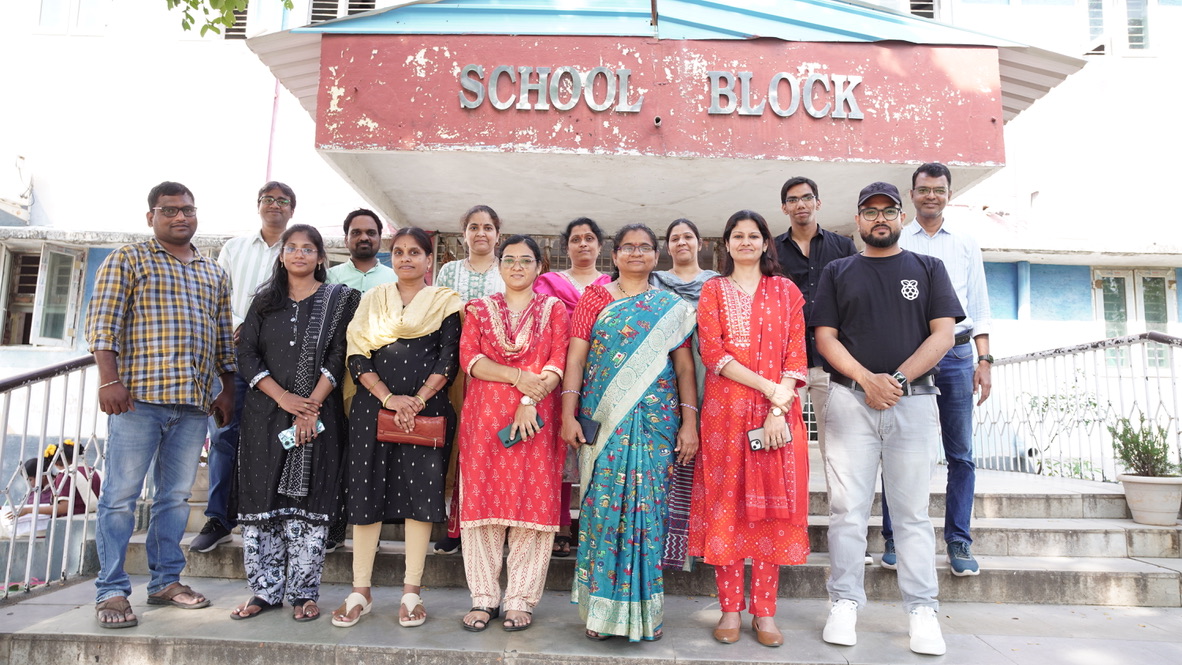
A group of people from the Raspberry Pi Foundation at the Coding Academy in Telangana.

To begin the project, our team members based in India conducted a thorough study of the Coding Academy students’ interests and learning levels. Based on this, our Curriculum team in the UK and India customised and localised the content in our curriculum. We will be observing the curriculum’s delivery in classrooms and collecting students’ responses, and based on this data we’ll further refine the localised curriculum. 

Throughout the project’s lifespan, we’ll measure the effectiveness of our curriculum and the impact of learning on the students. To do this, we’ll collect data from classroom observations, periodic assessments, and focused group discussions with students and educators.

A group of male students at the Coding Academy in Telangana.

Starting from the second year of the project, we will build capacity within the system. In collaboration with TSWREIS, we’ll select teachers from within the organisation based on their interest and competence, and initiate their training. Our objective is that by the project’s fifth year, TSWREIS will have achieved self-sufficiency in delivering computing education to students at the Coding Academy as well as other institutions in its purview.

The promise of this project for our work in India

We began delivering lessons at the Coding Academy college and school in July, and it’s worth mentioning that it’s been a rollercoaster ride so far. We’ve been working closely with the TSWREIS team to equip both the academic units with the resources needed for seamless implementation of the project. Our India-based team has been able to ensure continuity in the project’s momentum and plug every gap, and is working tirelessly to make this big, challenging, and exciting project blossom and succeed. When it comes to the students’ energy, enthusiasm, and the sparkle in their eyes for their learning, it’s unmatched, and everyone feels proud of their achievements so far.

Three female students at the Coding Academy in Telangana.

This work with TSWREIS holds immense importance for us, representing our dedication to shaping a brighter educational landscape especially for young people from under-resourced communities. We hope to replicate similar initiatives across various regions in India, enabling widespread access to quality education. We also aspire to take forward our initiatives in much larger dimensions for the entirety of India. 

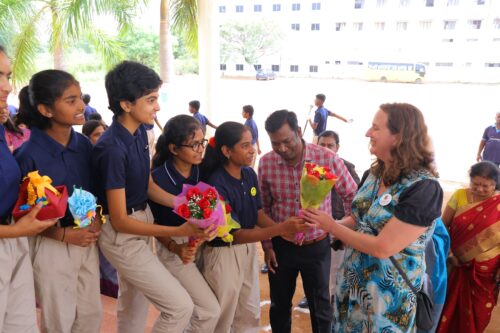
Students welcome Rachel Bennett at the Coding Academy in Telangana.

In addition to our partnership with TSWREIS, we are actively engaged in several other impactful projects in India, such as our partnership with Mo School Abhiyan in Odisha to serve the government’s schools across Odisha state, and our collaboration with Pratham Foundation, which is helping us reach under-resourced communities and furthering our commitment to enhancing educational experiences.

We look towards the future

In reflection, the voices at the launch event on September 29 echoed the anticipation and optimism that filled the air on that memorable day. Chief guests who graciously attended the event were Shri. E Naveen Nicholas, IAS, Secretary at TSWREIS & TTWREIS, and Rachel Bennett, our Managing Director at the Raspberry Pi Foundation. Heartfelt gratitude to them for their presence and blessings. We also extend our thanks to our funding partner in this work, Ezrah Charitable Trust, and our delivery partners for their invaluable support.
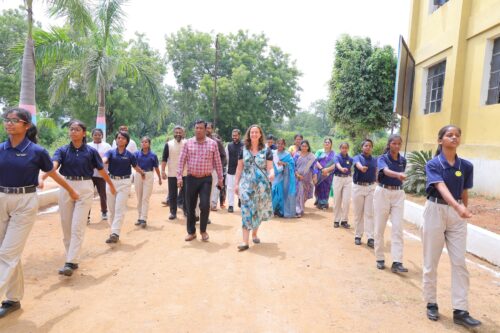
The group of people from the Raspberry Pi Foundation and TSWREIS at the Coding Academy in Telangana.

The energy felt on the event day continues to drive our determination to do the work that lies ahead. As we look forward to the future, our hope and the hope of both the Coding Academy team and students are aligned: hope for a brighter, technologically empowered future, where education becomes a beacon of opportunity for all.

The post Coding futures: Celebrating our educational partnership in Telangana appeared first on Raspberry Pi Foundation.