Tag Archives: Zabbix summit 2025

Community, Coffee, and Code: A Zabbix Summit 2025 Recap

Post Syndicated from Michael Kammer original https://blog.zabbix.com/community-coffee-and-code-a-zabbix-summit-2025-recap/31577/

Zabbix Summit 2025 is officially in the history books, so now is the perfect time for a casual, behind‑the‑scenes run‑through of what went down. If you were there, this should ring a few bells (or spark some “oh hey, I forgot about that” moments). If you couldn’t make it, consider this your own personal highlight reel!
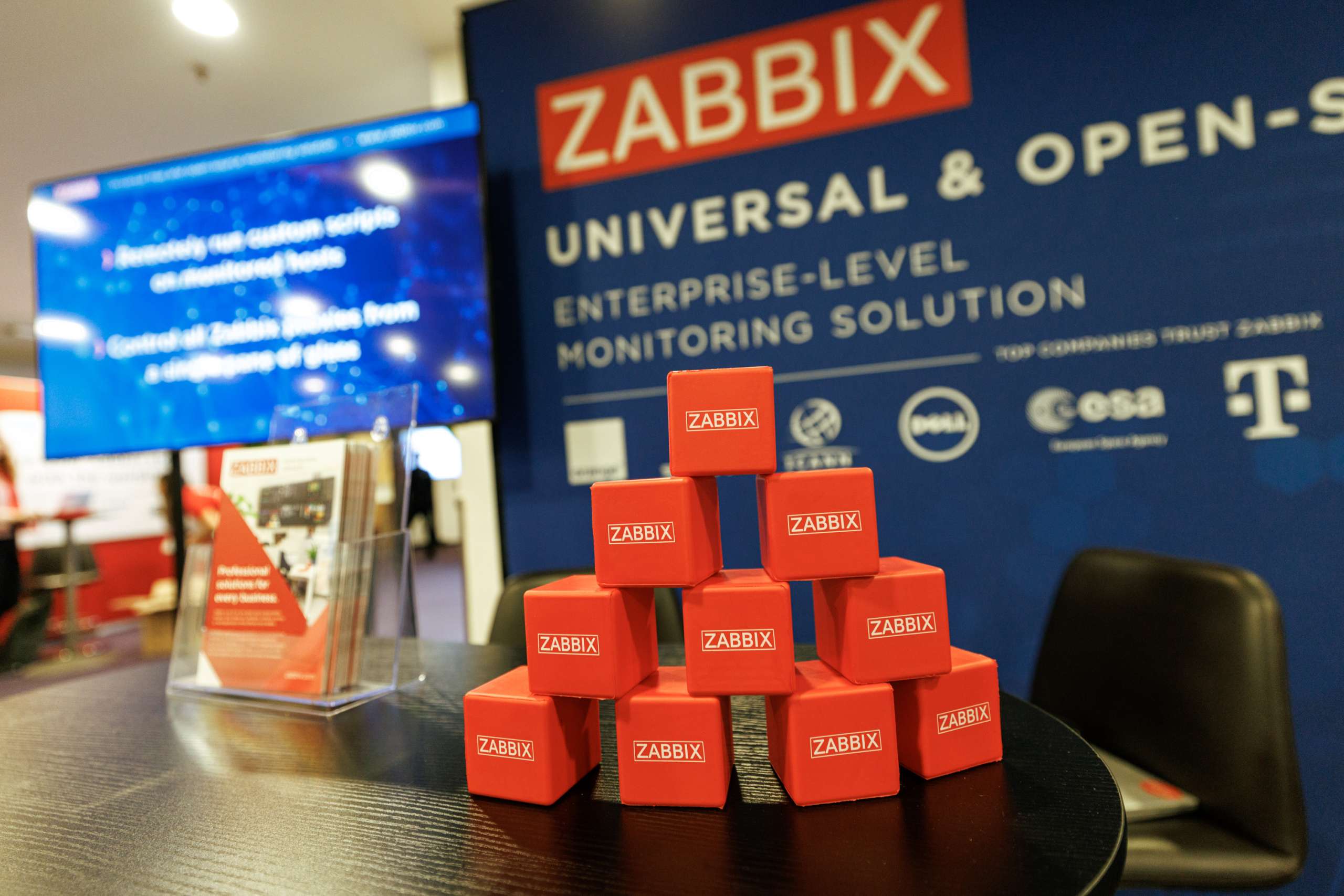
Featuring approximately 550 attendees from 42 countries, the Summit took place from October 8-10 at the Radisson Blu Hotel Latvija in the heart of downtown Riga. The 13th in-person version of our premier yearly event was in many ways our biggest and boldest yet, and it included keynote sessions, two parallel tracks (including a developer track), workshops, hands-on sessions, training and certification exams, and a variety of evening social and networking events.

Open source, open house

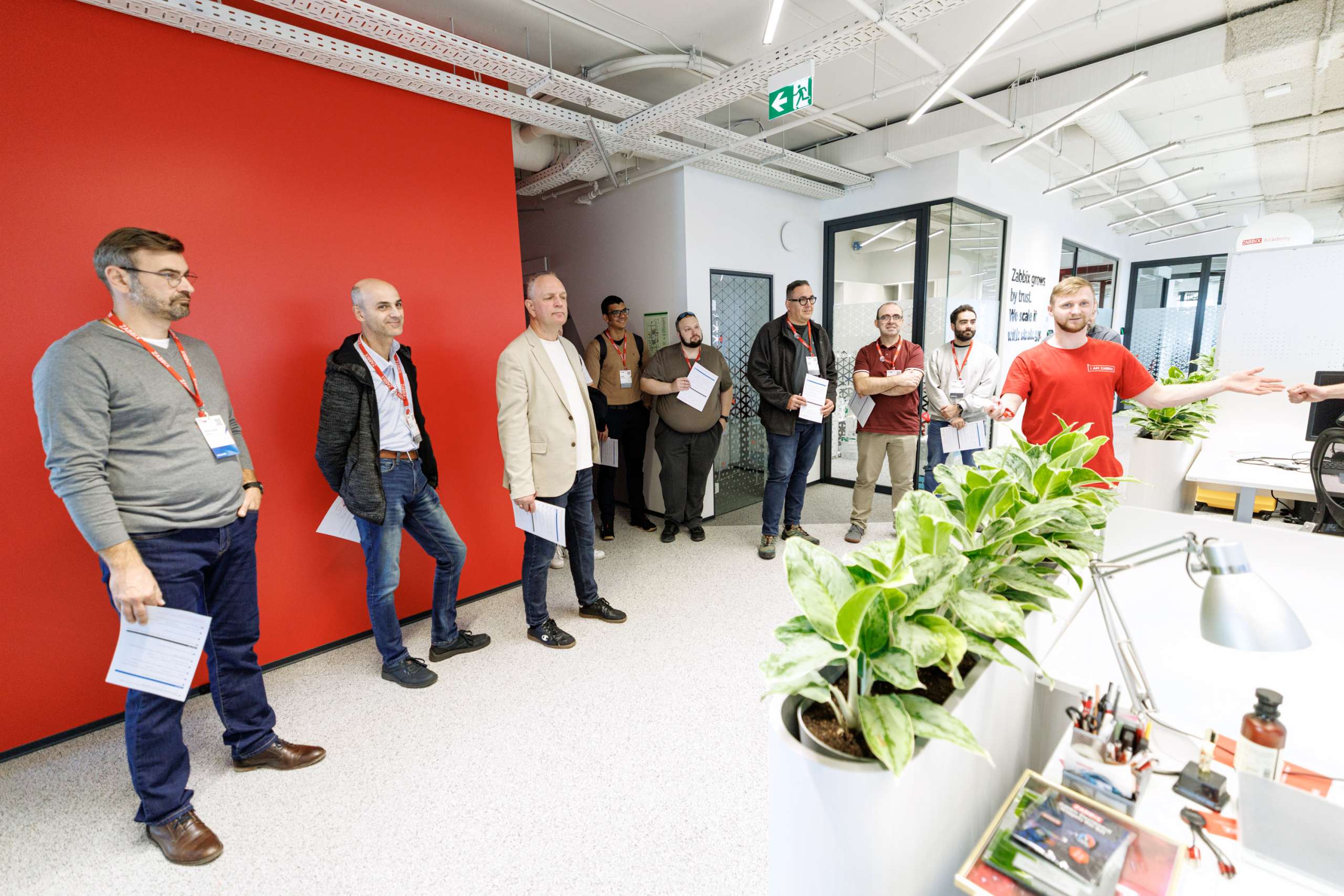
On October 8, we welcomed nearly 100 guests to our brand-new headquarters for Zabbix Summit 2025’s Open House Day. The new facility gave us plenty of space to host everyone, and visitors got to explore our new HQ, take part in a fun quiz with Zabbix facts, and catch up with longtime colleagues while meeting new ones from the community and the Zabbix team.
Day 1: Looking ahead 

The Summit officially kicked off with Zabbix Founder and CEO Alexei Vladishev’s keynote address, entitled “Zabbix 8.0: A New Chapter in Monitoring.” The address laid out in detail what’s around the corner for Zabbix, including:

  • Zabbix Academy – a new learning hub with self-paced, expert-built courses to boost Zabbix skills anytime and from anywhere.
  • Zabbix France – Zabbix is acquiring IZI-IT and opening a new office in France to provide localized support and closer collaboration with French clients and partners.
  • Zabbix Cloud – a host of new features, including automatic upgrades and backups, plus predictable pricing and simplified user management.
  • Zabbix 8.0 LTS (coming in 2026) – a major leap forward with APM and OpenTelemetry for end-to-end visibility, Complex Event Processing (CEP) and AI-based correlation, plus new UI & visualizations for a smoother experience.
  • Zabbix Mobile App – coming with 8.0 LTS for iOS & Android, the app will offer instant push notifications, issue management, collaboration, seamless connection with Zabbix Cloud, and multi-server views in your pocket.
  • Zabbix Marketplace (2026) – A new global space to connect Zabbix users with vendor and partner solutions, Zabbix Marketplace will extend the power of Zabbix beyond our core product.
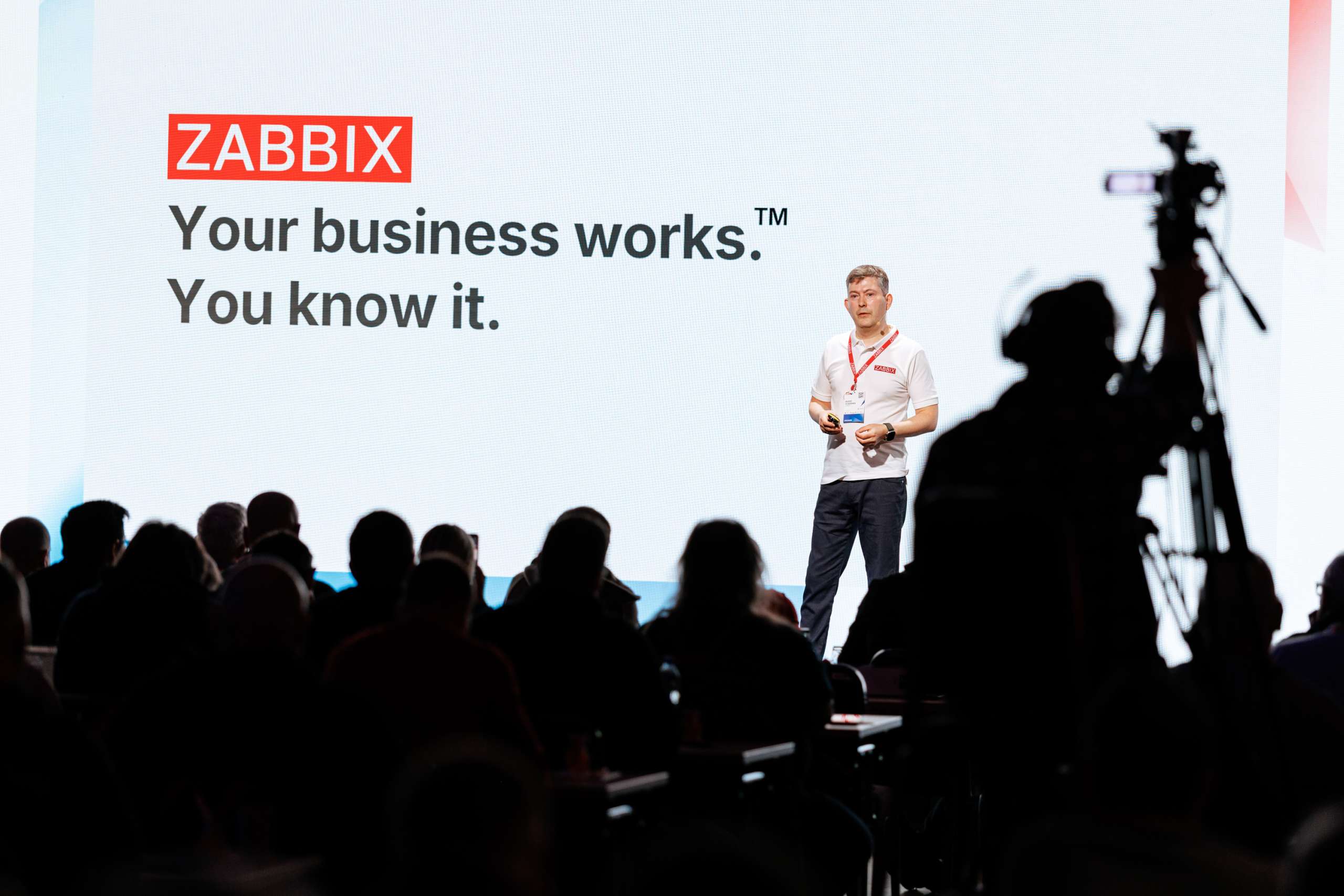
Next up was initMAX Founder and CEO Tomáš Heřmánek, who showed how to turn physical sensor data from analog inputs into Zabbix metrics with budget hardware and integrations, complete with templates and triggers.

Another crowd-pleasing session reached the audience thanks to Richard Germanus of CANCOM, who shared the story of how CANCOM consolidated six monitoring systems into one, managing approximately 30,000 hosts, deploying 162 Zabbix proxies, standardizing templates, integrating Power BI for dashboards, automating with APIs, and offering monitoring-as-a-service.

Shortly thereafter, a lightning talk by SEB Bank’s Giedrius Stasiulionis explored “Monitoring Sounds with Zabbix” – in other words, converting audio and sound waves into meaningful metrics, a fresh and inventive notion.

The day’s other lightning talk, “Monitor Your Nearby Areas and Events with Zabbix” by longtime Summit fixture and Zabbix superfan Janne Pikkarainen, showed how anyone can use Zabbix to centralize event data like train timetables, traffic patterns, or cinema showtimes.
Developer track: Something for everyone

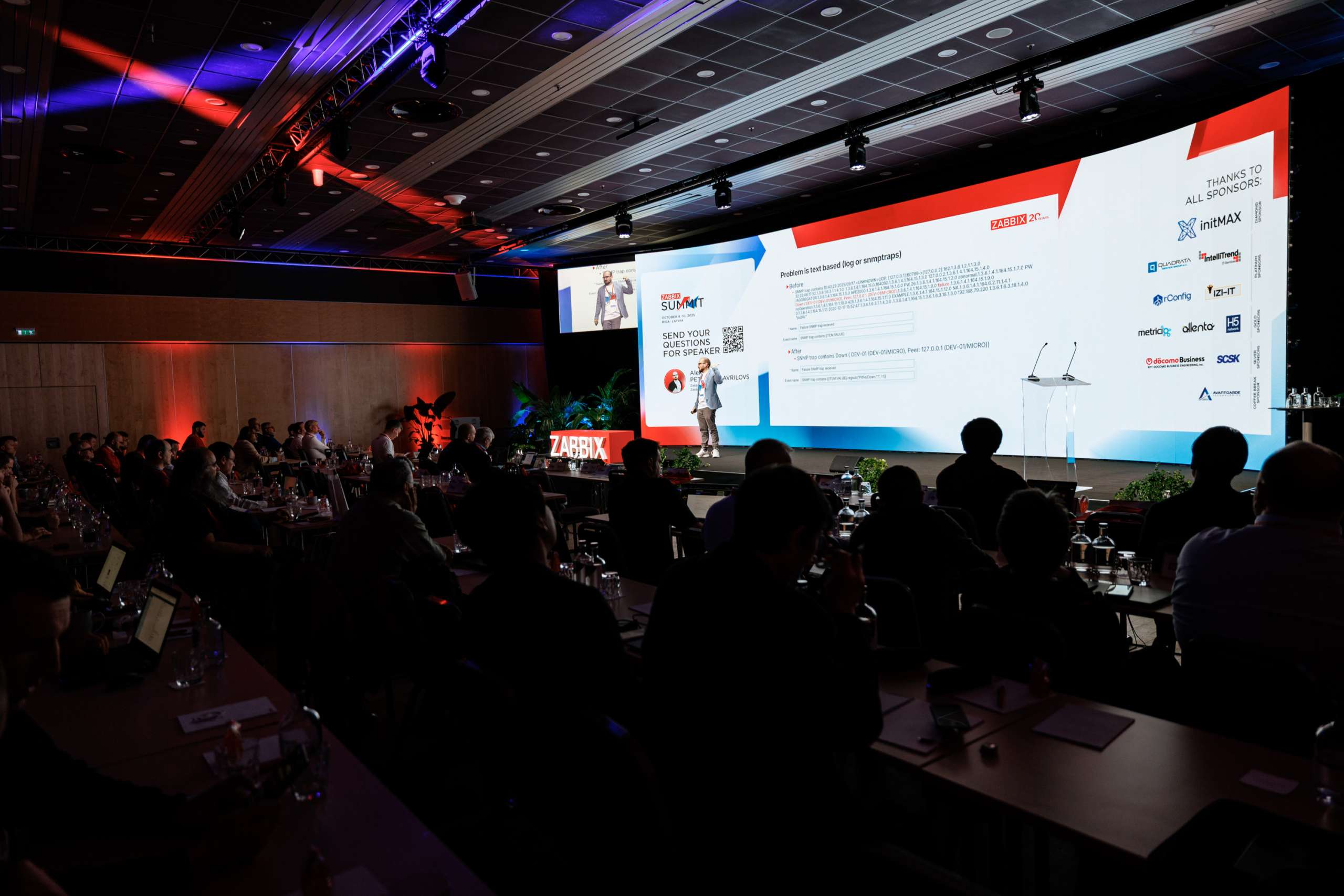
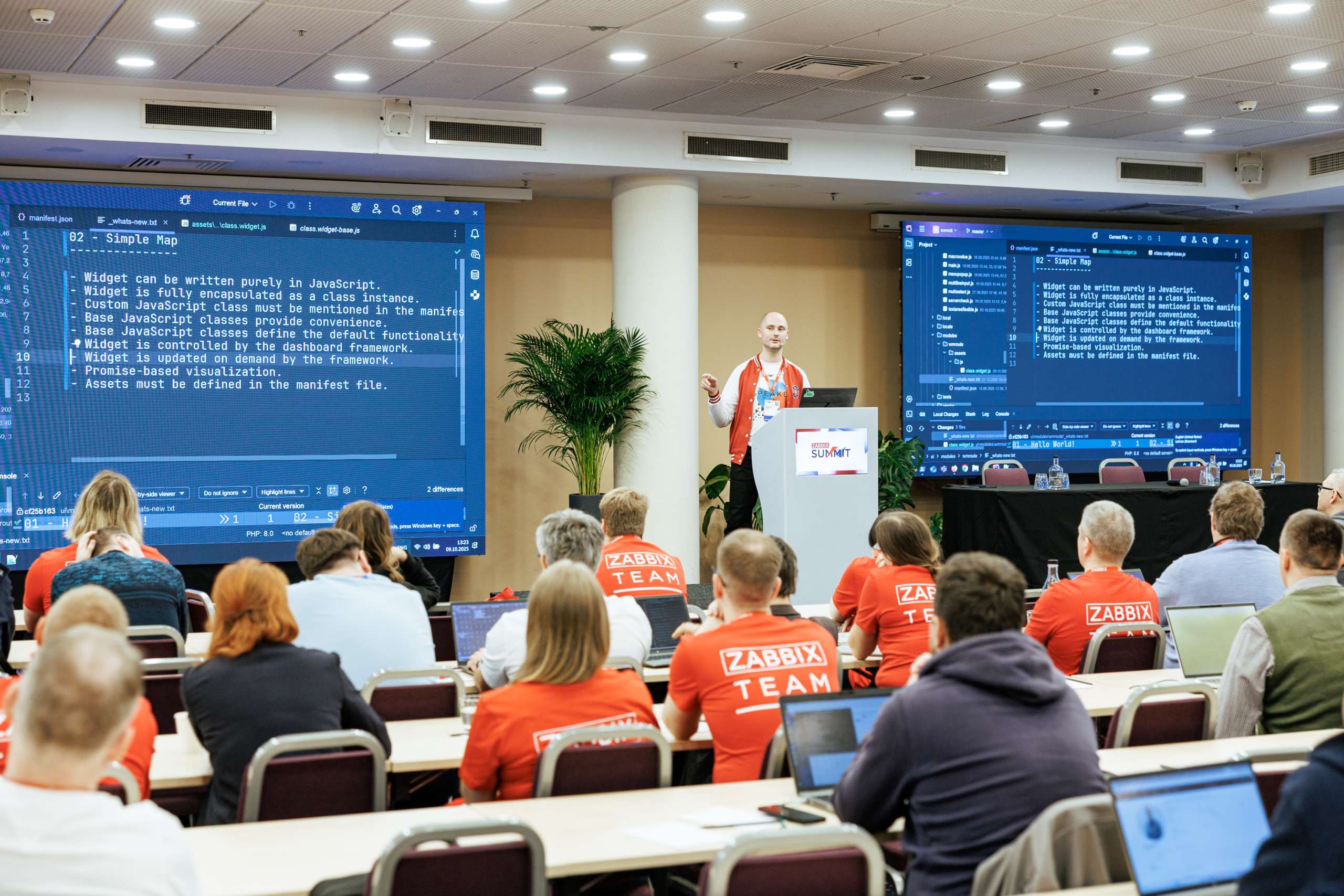
Meanwhile, the Summit Developer track was full of special sessions for builders and extension authors, such as “Extend Zabbix Agent 2 with Your Plugin”, which saw Senior Golang Developer Eriks Sneiders show an appreciative audience how Zabbix agent 2’s plugin architecture works, how to use existing plugins, and how to build brand-new custom ones.

Other topics in the Developer track included template design, advanced scripting, API tips, and internal tooling, giving Zabbix techies some food for thought and hopefully sparking a batch of fresh ideas!
Day 2: Showing the big picture

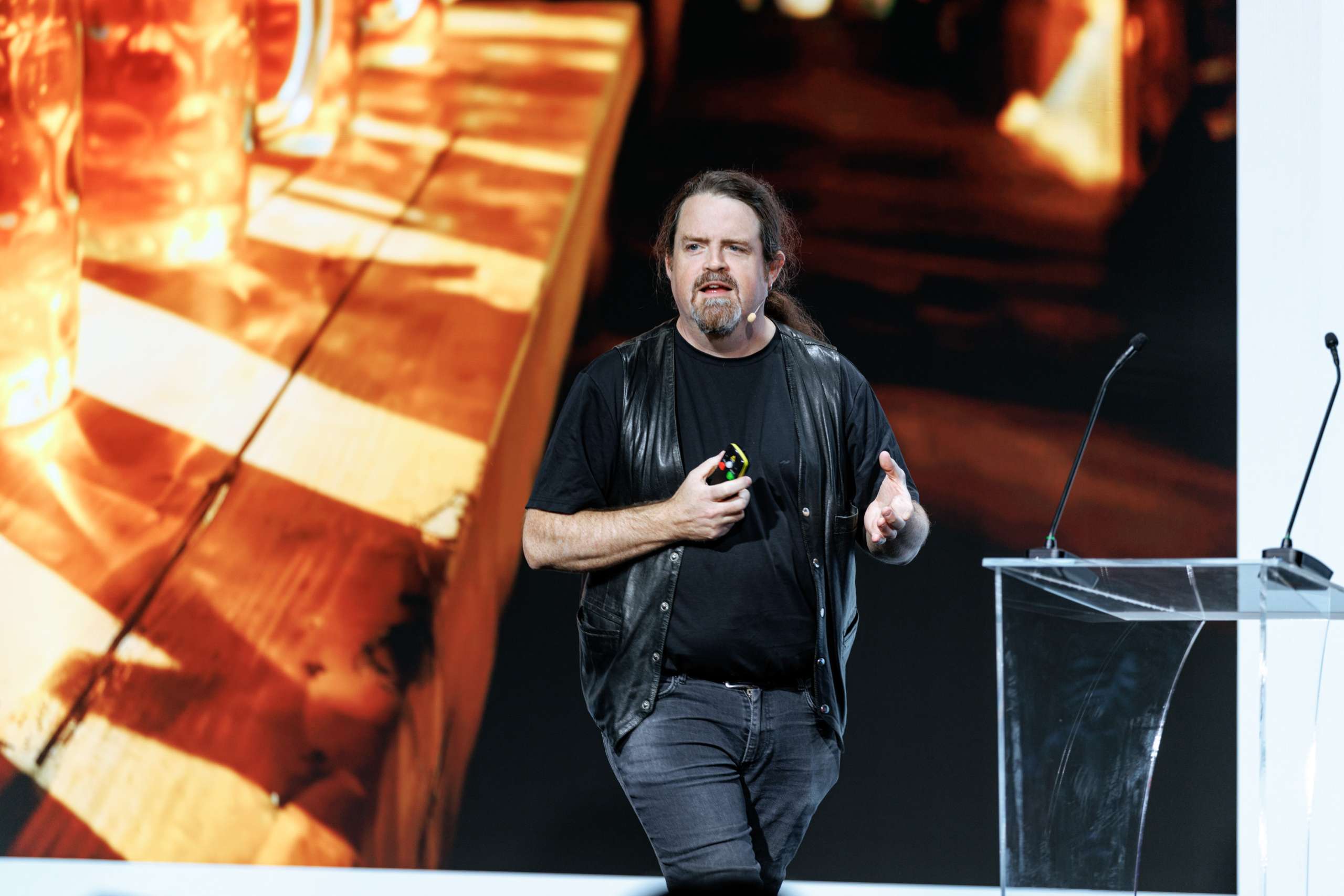
After a long first day and night, Zabbix Summit 2025’s special guest Dylan Beattie made some noise and woke everyone up with a talk entitled “Open Source, Open Mind: The Cost of Free Software.”

Dylan took the Summit audience on a journey through the history and philosophy of free and open source software, touching on questions about licensing issues, looking at the motivations of developers, discussing edge cases and challenges, and asking whether truly sustainable open-source ecosystems can exist.
Later, Inqbeo Founder Christian Anton shared a system in which a central Zabbix instance serves multiple tenants, with the architecture leveraging Kafka to stream metric data partitioned per tenant, storing results in S3 (in Prometheus format), and visualizing via Grafana. This enables isolation and the creation of custom dashboards.

Other main-stage sessions tackled topics like scaling Zabbix, managing large datasets, tag and template strategies, and AI/automation in monitoring.
Connecting people with the Community track

Zabbix Summit 2025 also introduced a Community track, a dedicated space at Zabbix where users, enthusiasts, and contributors could share ideas and shape the future of Zabbix. Instead of deeply technical or development-level presentations, this track focused on community-driven topics like integrations, templates, connectors, media types, and open resources.

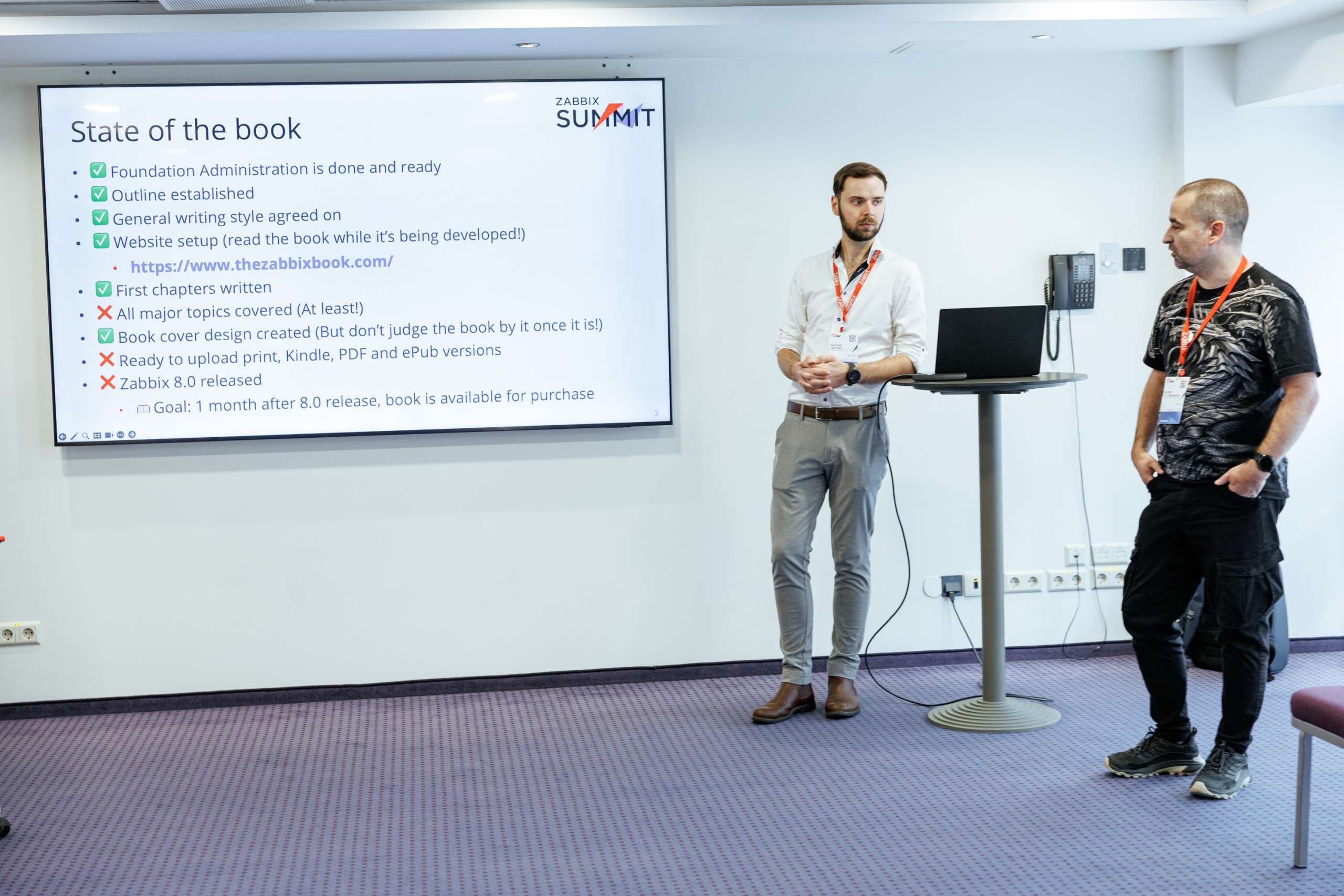
A key highlight was the “Zabbix Book Breakout Room”, led by Alexei Vladishev himself along with longtime community members Patrik Uytterhoeven, Brian van Baekel, and Nathan Liefting. Zabbix users were able to brainstorm ideas for new chapters, missing topics, translations, and community contributions to the online Zabbix Book.
Turning ideas into action

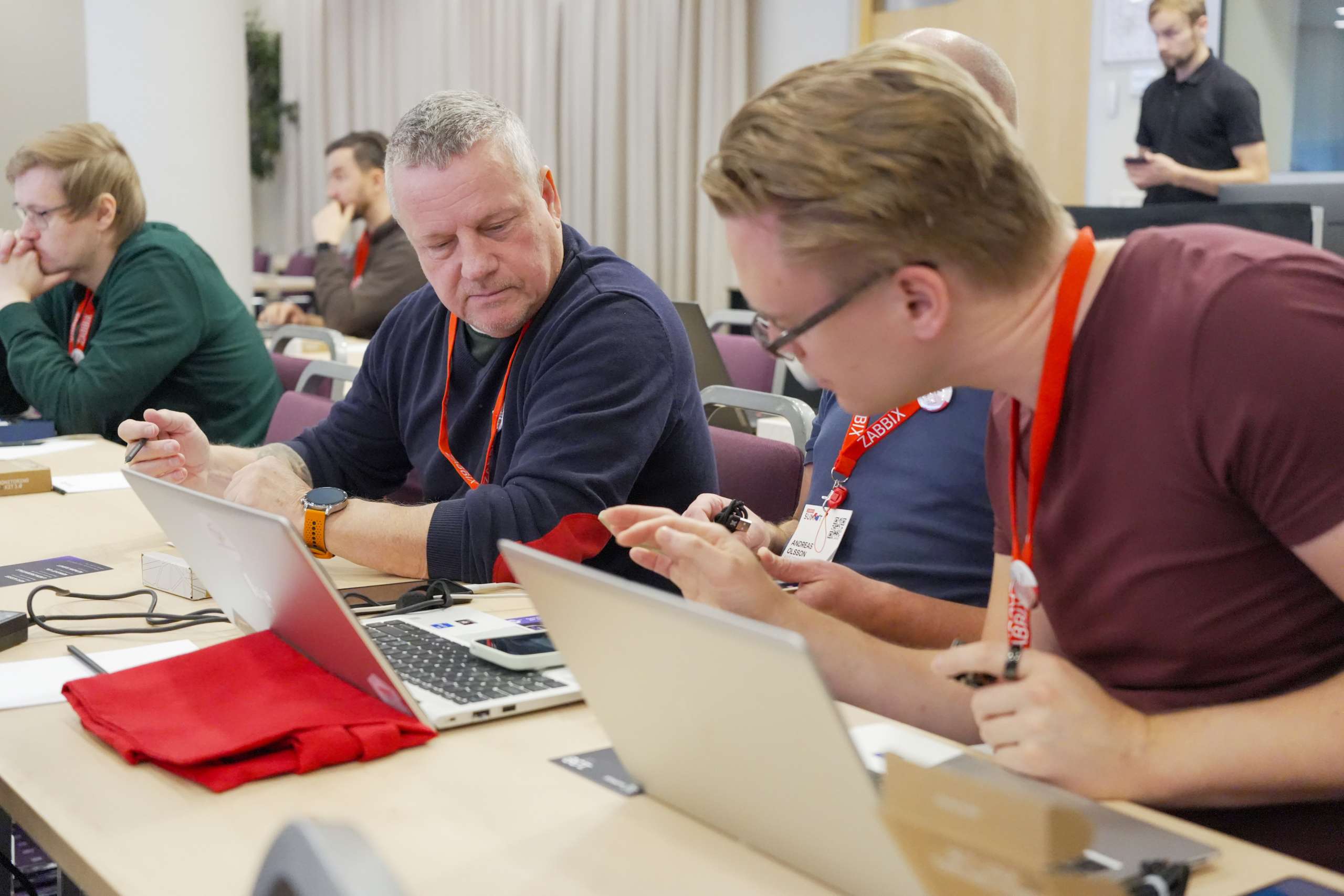
Day 2 was also full of hands-on workshops, including a fascinating one from the team at initMAX that was based on their day 1 presentation. Participants got kits with an ESP32 board, a camera, a 3D-printed counter mount, and a few other odds and ends. They were then guided step-by-step as they integrated the device into Zabbix, built monitoring scenarios, and used AI models to interpret camera images.

Meanwhile, the Summit also hosted training and certification exams before, during, and after the main event. Attendees could take courses like Automation & Integration with API, Database Monitoring, SNMP Monitoring, and level-up exams (Specialist and Professional) at discounted rates.
A different kind of networking

One of the things that makes the Zabbix Summit experience so special is the depth of the networking experience – there’s no awkward small talk or simple business card exchanges here, but rather a series of real connections made, deals closed, and new partnerships cemented.

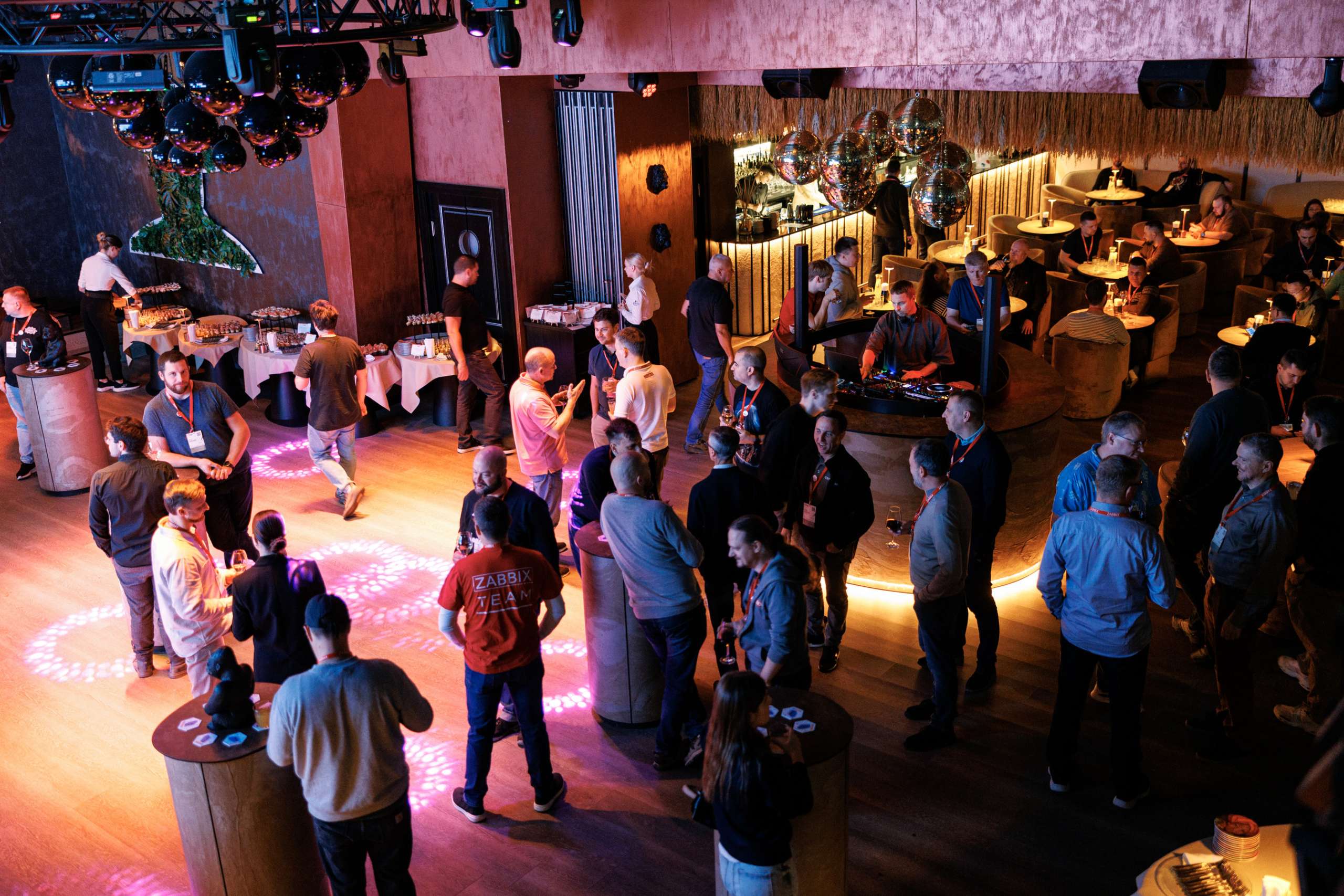
Accordingly, a lot of the magic at Zabbix Summit 2025 happened after hours, with everyone gathering at Riga’s famed Monkey Club for the Summit Welcome Event on October 8 to enjoy a lively atmosphere, a wide selection of cocktails, and plenty of opportunities to connect with fellow monitoring and observability enthusiasts.
October 9’s Main Event took place in the Tallinn Quarter Angārs, which blended concert hall energy with an open-plan street food kitchen and bar that gave everyone plenty of room to mingle.

A special treat was provided in the form of an original Zabbix-related song by Zabbix PHP Developer and part-time rock star Vladimirs Maksimovs, which got the entire crowd on its feet and set the tone for an unforgettable evening.

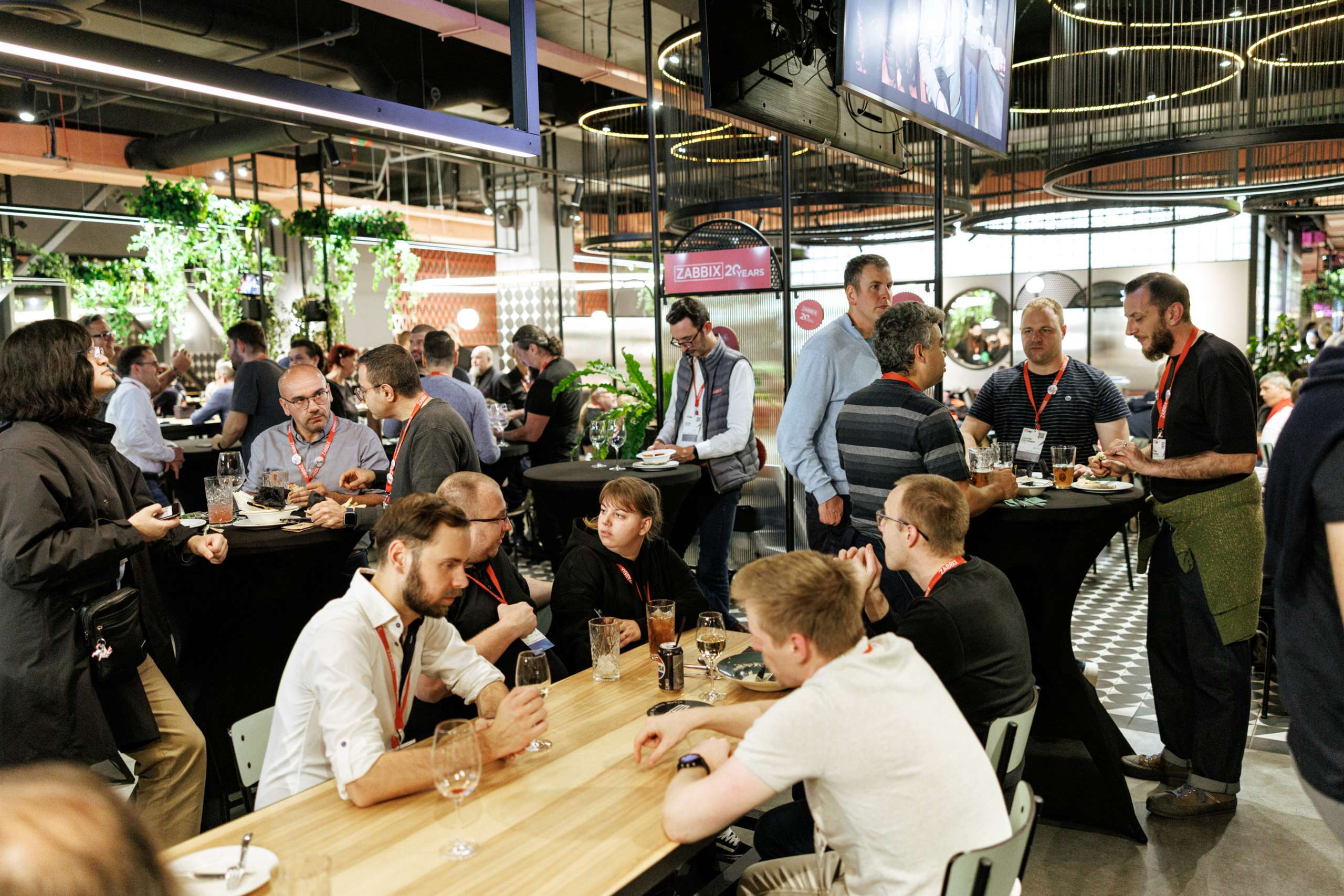
In what has become a bit of a tradition within a tradition, the Summit officially wrapped up on October 10 at Riga’s Burzma Food Hall, with its relaxed atmosphere, multiple cuisines, and communal tables. It’s proven to be the perfect place for reflecting on Summit highlights, swapping contact info, or plotting collaborations.
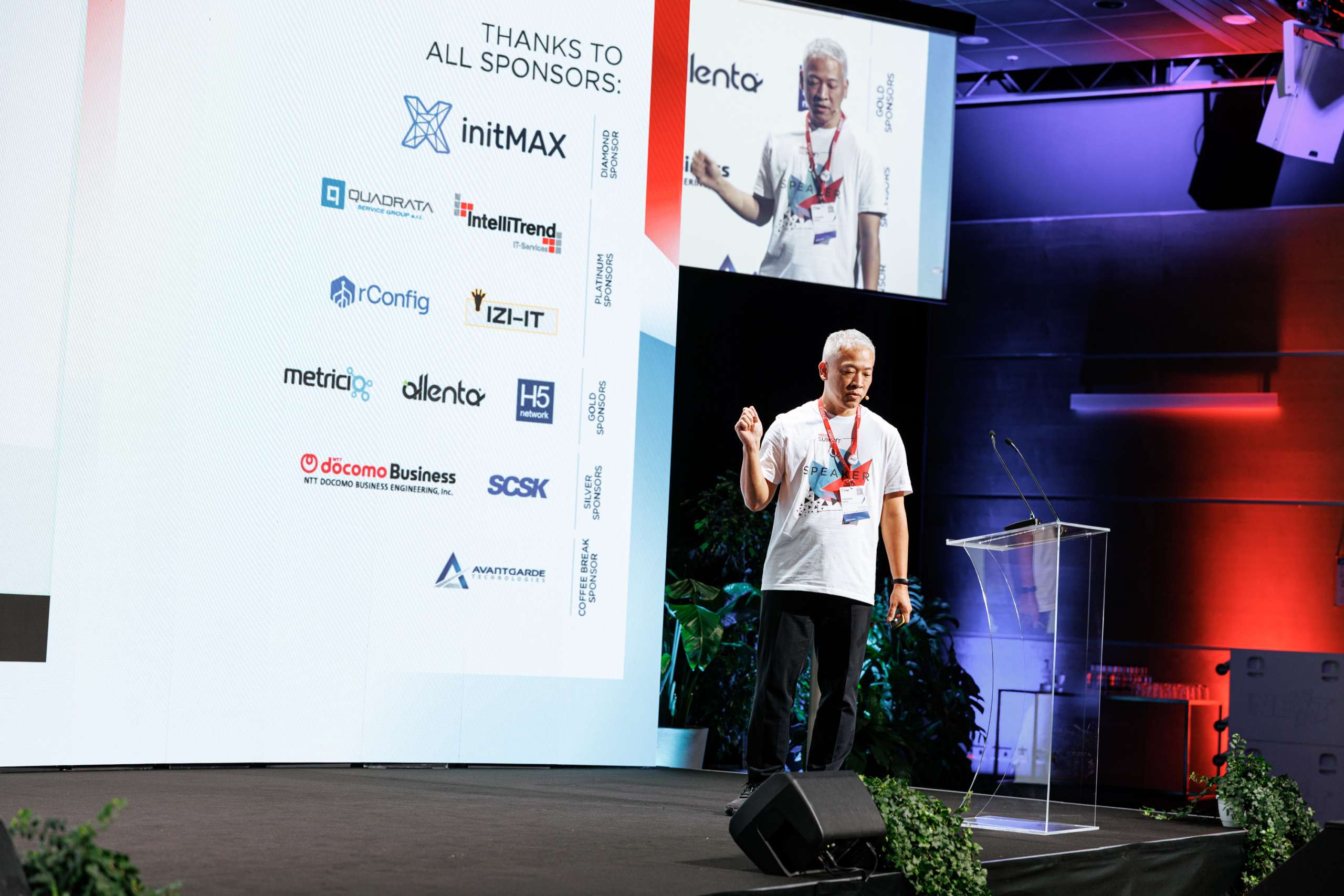
Thank you to our sponsors!

We want to extend our heartfelt thanks to all the sponsors of Zabbix Summit 2025, whose commitment not only helped us bring everyone together under one roof but also contributed to the growth of both Zabbix and the entire global monitoring ecosystem. We value your partnership and look forward to working with you for many years to come!

Thanks again to our sponsors and everyone else who helped make Zabbix Summit 2025 possible!

In case you couldn’t make it…

If you didn’t manage to make the trip, you can still enjoy the Summit atmosphere in the privacy of your own home! Recordings of both days are available on Zabbix’s YouTube channel:

Zabbix Summit 2025 Day 1 

Zabbix Summit 2025 Day 2 

The slides and texts of the presentations are also available here.

And that’s a wrap on Zabbix Summit 2025! From mind-blowing tech talks to caffeinated hallway chats and everything in between, this year’s Summit experience delivered. Whether you came for the deep dives or just the cool merch (no shame in that), we hope you went away inspired, connected, and maybe just a little more obsessed with monitoring and observability than before. See you in 2026!

The post Community, Coffee, and Code: A Zabbix Summit 2025 Recap appeared first on Zabbix Blog.

Exploring the Human Side of Software with Dylan Beatty

Post Syndicated from Michael Kammer original https://blog.zabbix.com/exploring-the-human-side-of-software-with-dylan-beatty/31320/

There are plenty of good reasons to attend Zabbix Summit 2025, but one of the most important is the fact that this year’s Summit will feature Dylan Beattie as a special guest speaker. A Software Development Consultant and Founder of Ursatile, Dylan is an international keynote speaker, and a long-time contributor to the open-source community. He’s also a Microsoft MVP and has created Rockstar, an esoteric programming language that started as an inside joke and ended up being featured in Classic Rock magazine.

At the Summit, Dylan will give a talk titled “Open Source, Open Minds. The Cost of Free Software.” We asked him about his beginnings in the tech industry, what drove the creation of Rockstar, and why communication is the key to successful software development.

Can you tell us a bit about your journey into software development? How did you get started, and was there any particular moment when you realized that you were on the right path?

Like a lot of folks in tech, I got started on the 8-bit home computers of the 1980s – mine was an Amstrad 6128, which came with a couple of fairly mediocre games, but it also had a BASIC and a LOGO interpreter, and I pretty quickly found out that writing little programs and trying to create my own games was way more fun than playing the games which were included with it. I graduated from that to a 286 PC with MS—DOS 5, Windows 3.1 – but I really wasn’t thinking about it as a career.

The turning point was when I was sixteen years old, and I was supposed to be going to university to study mathematics. Dad brought home a new 486 PC a couple of weeks before my final exams, I spent my study leave messing around on the computer instead of studying, and when I didn’t get the grades I needed for my university course I figured maybe that was a sign I should be studying computer science instead. I went to Southampton and got a bachelor’s degree in computer science, learned C, C++, Lisp, SQL, and HTML. I graduated right as the dot-com bubble was bursting but still managed to get a job building data-driven web applications, and I’ve never really looked back.

You talk a lot about the human side of software. Why do you think communication is such a critical skill in development?

One of the perennial challenges facing the craft of programming is that it can be a profoundly solitary activity. One person working on their own can create an app or a game, put it online, and share their creation with literally millions of people – no meetings, no emails, just one person cranking out code. But then you try to translate those coding skills into domains like banking, healthcare, aviation, domains where software quality can have a real, material effect on people’s lives, and you realize that the code is actually the easy part.

The ability to talk to people, figure out what they need, help them understand your own ideas; to create consensus and avoid misunderstanding? It’s way more important than being able to crank out code. The most expensive problems I’ve had to deal with in my career haven’t been bugs in the code, they’ve been misunderstandings about what the team is doing and why it matters.

How did you end up creating a programming language (Rockstar) that can do double-duty as rock lyrics?

Good question! So, there’s always been this trope of the “rockstar programmer” – these mythical, high-powered, hyper-productive developers who can crank out millions of lines of fast, flawless code – and about a decade ago there was a massive spike in recruiters putting out adverts for “rockstar programmers.” When somebody suggested on Twitter that somebody should create a programming language called Rockstar to really confuse recruiters, that gave me an idea.

Initially it was just a piece of comedy writing – a parody of a programming language specification. I wanted to see if it was possible to extract enough clichés from rock music to create a formal grammar for a Turing-complete programming language that read exactly like song lyrics. It turns out that the answer is yes! I published the parody spec on GitHub, it got shared on Reddit and Hacker News, and the whole thing snowballed from there. Eventually I had no choice but to actually build a Rockstar interpreter, which turned out to be way more difficult than I thought, but also a lot of fun. The latest version is online here  – it’s built in C#, compiles to native binaries for WIndows, Linux, and macOS, plus there’s a web assembly version on the website so curious folks can run Rockstar right in their browser without having to download anything!

Before taking on a speaking slot at this year’s Summit, how familiar were you with Zabbix? What has your experience of using it been like?

I’ve got to be honest – I’m not sure I’d ever heard of Zabbix before I was invited to speak at Zabbix Summit 2025, but that’s not unusual. I get invited to a lot of events that are focused around a particular technology or platform, and it’s a constant reminder of just how vast our industry is that somebody will organize a conference around a product I’ve never even heard of and attract literally hundreds of smart, curious people who want to share their own experiences and learn from each other. One thing about Zabbix which was particularly interesting to me when I started researching it was the licensing model. I think it’s a relatively unusual example of a commercially sustainable product or software that’s published under the Affero GPL license, so I’m really looking forward to chatting with other attendees about that and how that’s influenced their decision to use it.

You’re famous for your detailed and theatrical presentations – what makes a technical talk memorable to you?

A great talk is one that really connects with an audience, and the best way I’ve found to do that is to look for the little things that we all do every day that we’ve all learned just accept at face value, even when we have no idea why they work that way. Why is a capital “A” ASCII code 65 but a lowercase “a” is code 97? Why is validating email addresses difficult? Why is vertically aligning something in CSS such a big deal? There’s a good chance that a lot of folks in the audience have asked themselves that same question at some point, so the curiosity is already there. Tapping into that curiosity gets their attention, and then you can tell them the good stuff: the history, the stories, the personalities, the decisions.

There’s a lot of stuff in tech which feels kinda stupid, but none of it was designed to be stupid (well, except Rockstar!) Once you understand the context and the history, everything makes a lot more sense – and then at some point, maybe months later, you’ll hit a weird text encoding bug, or a problem with a system that won’t accept certain kinds of email addresses, and you’ll remember the talk. I get email from folks sometimes talking about how something from one of my presentations has helped them fix a weird bug years after they saw the presentation. That’s a great feeling.

Can you drop any hints about your presentation at this year’s Summit? What should audience members expect?

Sure! We’re going to talk about MIT, laser printers, software, Commander Keen, Doom, Quake, Netscape, the origins of the term “open source”, Linksys routers, WordPress, how the xz-utils backdoor nearly ended up compromising about half the computers on the internet – and a really cute story about a squirrel. It’s going to be awesome. I can’t wait!


The post Exploring the Human Side of Software with Dylan Beatty appeared first on Zabbix Blog.

Expand your Knowledge at Zabbix Summit 2025

Post Syndicated from Michael Kammer original https://blog.zabbix.com/expand-your-knowledge-at-zabbix-summit-2025/31168/

October is just around the corner, and that annual shift into Q4 can mean only one thing – it’s almost Summit time! Zabbix Summit 2025 will take place on October 8-10 in Riga, Latvia at the Radisson Blu Hotel Latvija, and it’s shaping up to be the perfect blend of established traditions and fresh approaches – we’ve been at this for a (very lucky) 13 years now, and we’d like to think we’ve kept the aspects of the Summit experience that everyone knows and loves while adding a few twists! Here’s what you can expect for the price of admission:

Top-tier presentations from Zabbix leaders and experts

The learning begins with Zabbix Founder and CEO Alexei Vladishev’s keynote speech, which promises to be an “info drop” full of details about upcoming releases, new features, and what Alexei sees on the horizon for Zabbix. From there, it will be time for over 30 main stage speakers spread across two days of conference action. Some of the highlights include:

Presentations from Zabbix experts on topics like:

  • Turning playbooks into automated action plans
  • Streaming metrics for multiple tenants without chaos
  • Syncing systems painlessly
  • Maintaining control over massive amounts of Zabbix data
  • Detecting and responding to security threats before they escalate

Deep dives that will show you how to:

  • Spot the blind spots in large-scale networks (and fix them)
  • Keep tabs on Zabbix itself (after all, even monitoring needs monitoring)
  • Take full control of tag management
  • Use Zabbix Proxy to scale without breaking a sweat

Practical case studies, including:

  • Turning sensor data into insights with AI
  • Keeping SAP environments and multisite clusters in check
  • Transforming enterprise-level monitoring
  • Supercharging operations via migration projects
  • Making discovery, correlation, and AI work together for smart monitoring in action

Expect all this, plus inside information from the Zabbix team on the path to becoming a Zabbix partner and how Zabbix services can help you scale efficiently. As if that weren’t enough, this year’s Summit will also feature special guest Dylan Beattie! A Software Development Consultant and Founder of Ursatile, Dylan is an international keynote speaker, and a long-time contributor to the open-source community.

At the Summit, Dylan will give a talk titled “Open Source, Open Minds. The Cost of Free Software.” Expect stories about why developers choose to give their code away, what happens when they change their minds, the quirks of licenses and legalities, and the big question of whether open source can ever be truly sustainable.

Dedicated Dev and Community tracks

Created by developers and for developers, the Dev Track makes its debut this year and brings together some of the top minds on the Zabbix development team to cover topics as diverse as extending Zabbix Agent 2 with custom plugins, enhanced widget development, and template design best practices.

For attendees of a slightly less technical persuasion, the Community Track is there to facilitate author led discussions about community-driven content and resources, like the Zabbix Book. Assembled by longtime Zabbix enthusiasts Patrik Uytterhoeven, Brian van Baekel, and Nathan Liefting, the Zabbix Book will get its own breakout room, where Summit attendees can brainstorm in small groups about how to improve the book via new ideas and topics.

Hands-on workshops

The Summit experience has always been about finding opportunities to put theory into practice, and this year’s workshops showcase the latest features and use cases in action. Attendees will be able to dive into workshops on AI powered monitoring with Zabbix and ESP32, nested LLDs (low-level discovery), reducing alert noise, diagnosing performance issues with Diaginfo, and using Netflow integration via H5 Network. It’s a rare opportunity to confirm your knowledge retention by performing real-world tasks under the guidance of workshop hosts and their assistants.

Training and certification (yes, with discounts!)

A Zabbix Summit is the perfect place to get recognized as a Zabbix specialist or professional by taking part in Zabbix Certified Training sessions and exams at bargain prices. These one-day courses will be held from October 6 through October 13:

  • Automation and Integration with Zabbix API
  • Advanced Zabbix Database Monitoring
  • Advanced Zabbix SNMP Monitoring
  • Zabbix Certified Specialist Upgrade
  • Zabbix Certified Professional Upgrade

If you find yourself in Riga after the Summit, it’s worth your time to take part in the full Zabbix Certified Specialist course scheduled for October 13-17. Please remember that you can choose more than one training course and also keep in mind that you can attend the courses (without the 50% Summit discount) even if you’re not joining us at the Summit. You can register for all training sessions and exams here.

Networking and community building


A big part of what makes a Zabbix Summit a Zabbix Summit is the vibe – a big, global community coming together to catch up with old friends, welcome new members, and celebrate a certain open-source monitoring solution that brings us all together. That atmosphere of conviviality is exactly what makes a Summit such a one-of-a-kind networking opportunity. We’ve put together an open house visit and three evening events that are the ideal places to connect with like-minded monitoring enthusiasts, show off your skills, or get your company’s name in front of industry decision-makers.

This year’s Zabbix Open House on October 8 is your chance to see where the magic happens – drop by our offices and chat with our team members, grab yourself a coffee in our kitchen, and take part in a quiz that will teach even the most seasoned Zabbix fans a few new fun facts.

No summit would be complete without its events, and the opening event of Zabbix Summit 2025 on October 8 will take place at Riga’s renowned Monkey Club, with delicious fusion cuisine, a broad selection of cocktails and beverages, and a chance to unwind in style with your fellow Summit attendees.

The main event on October 9 is hosted by the Tallinn Quarter Hangar, which boasts a concert hall as well as a modern, open-plan street food kitchen and bar that are guaranteed to offer something for everyone.

On October 10, Zabbix Summit 2025 will wrap up at downtown Riga’s Burzma food hall, which offers 10 restaurants and a bar serving up a broad range of flavors from every corner of the globe. It’s the perfect location to relive Summit highlights in the company of your fellow Zabbix enthusiasts, and we’re looking forward to seeing you there!

Can’t make it? There’s always YouTube

A Zabbix Summit is one of those “you had to be there” events, but if you can’t make it to Riga, no worries – as in previous years, we’re going to be livestreaming all the speeches on our YouTube channel! Find out more and subscribe to the livestream here.

The post Expand your Knowledge at Zabbix Summit 2025 appeared first on Zabbix Blog.