All posts by Fiona Coventry

Adapting our computing curriculum resources for Odisha — the journey so far

Post Syndicated from Fiona Coventry original https://www.raspberrypi.org/blog/adapting-our-computing-curriculum-resources-for-odisha-the-journey-so-far/

Today’s blog is the second in a mini-series of three sharing our experiences of adapting computing curriculum resources for different contexts, and off training teachers to use them in schools. Last month we wrote about our collaboration with partners in Kenya. Here we discuss our work in Odisha, India.
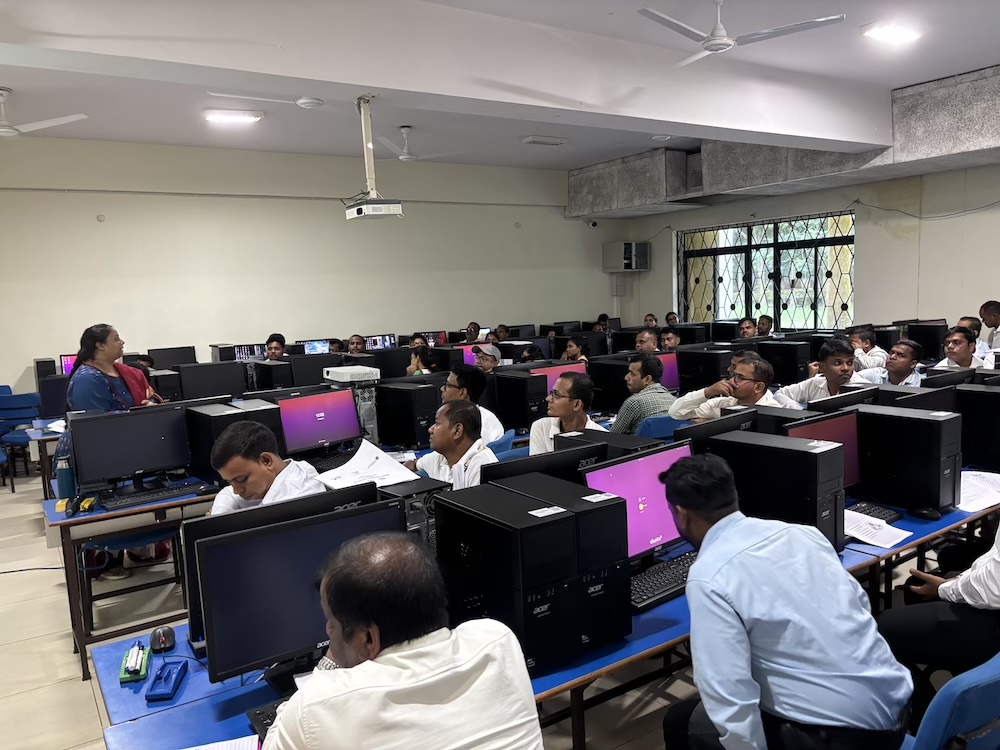
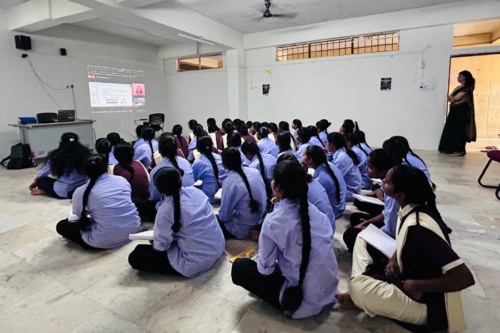
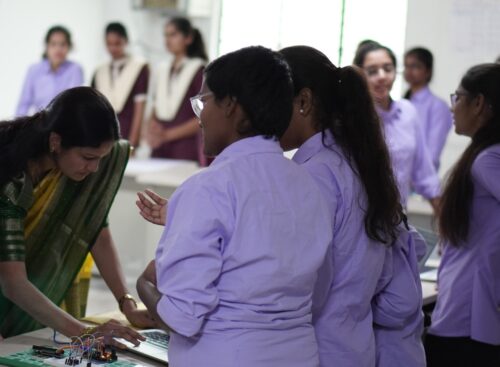
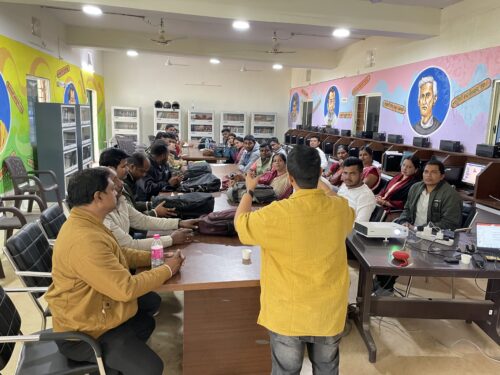
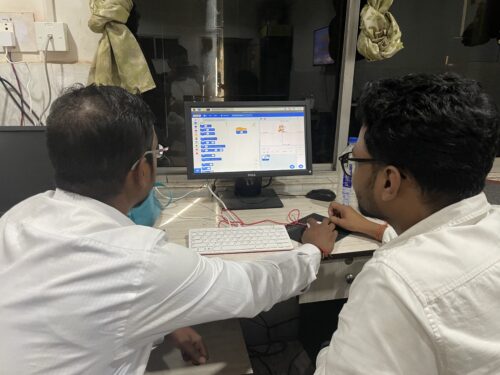
Teachers at a teacher training in Odisha.

This article has been written by Fiona Coventry, Impact Manager, and Mamta Manaktala, Senior Learning Manager.

A long-term partnership in Odisha

We know that building long-term partnerships with organisations that have local expertise is key to making a real impact for young people. This fact was echoed by people involved in education initiatives worldwide who spoke at the What Works Hub for Global Education 2024 annual conference, which Fiona followed online. Our work in Odisha is an example of this.
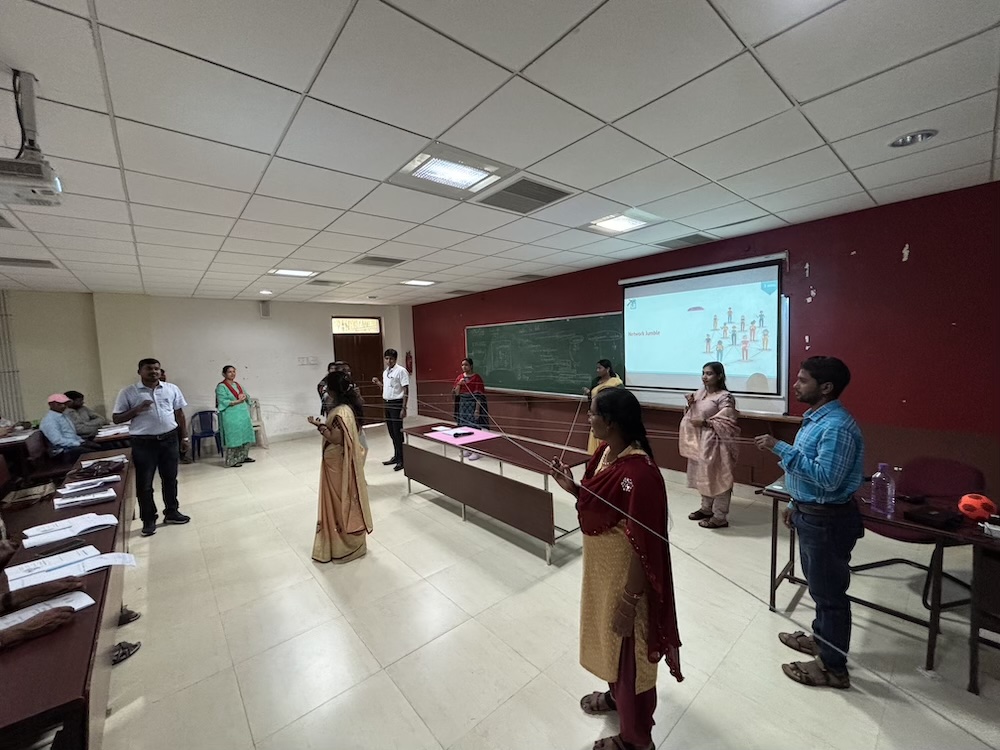
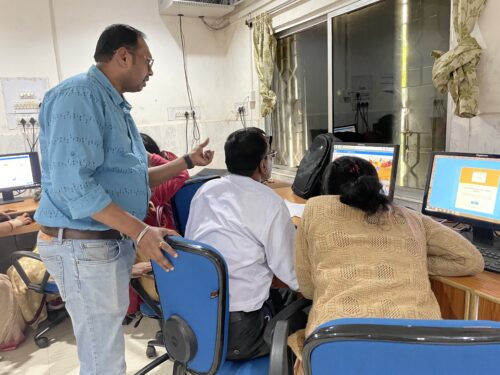
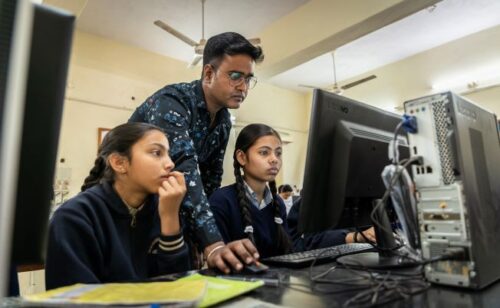
Teachers at a teacher training in Odisha.

We have now been working with our government partner in Odisha, Panchasakha Shikhya Setu (formerly Mo School Abhiyan), for four years. Our journey began in 2021, when we worked together to establish a network of Code Clubs in government and government-aided schools in the state. In 2023, our focus shifted to developing a formal computing curriculum for students in grades 9 and 10 (known locally as the Kaushali curriculum), in collaboration with two other partners. 

Work in the 2024/2025 academic year

Adaptation is a crucial aspect of how we ensure our computing resources are accessible to as many young people as possible. For our work in Odisha, we adapted content from The Computing Curriculum and then localised it to fit the requirement of the students.
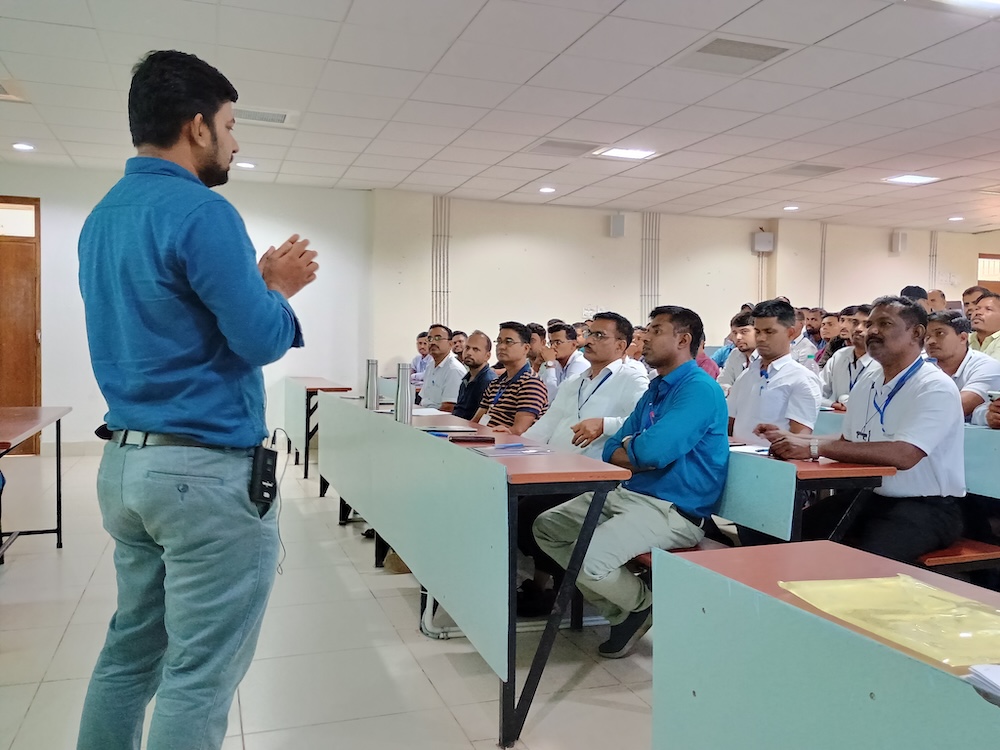
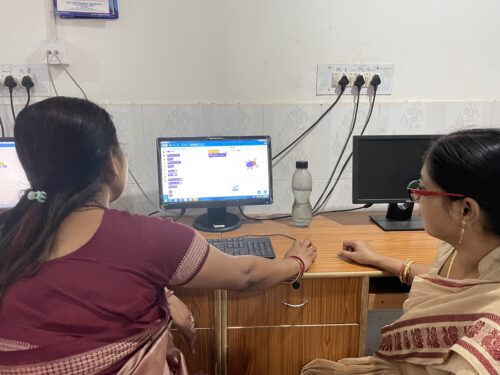
Teachers at a teacher training in Odisha.

In Odisha’s June 2024 to April 2025 academic year, we rolled out adapted computing curriculum content for grade 10 students, for students who had already learned with adapted grade 9 content in 2023/24. We worked with our partners to develop the curriculum content and trained 310 master teachers from across Odisha, along with 30 State Resource Groups (SRGs) to support them. Before the end of 2024, the 310 master teachers subsequently trained 8109 teachers, who would reach an estimated 880,000 students with the grade 9 and 10 curriculum content. We had an ongoing responsibility to support 1846 of these teachers in our allocated districts, with an estimated reach to around 205,000 students.

Impact of the grade 9 and 10 curriculum

In early 2025 we issued a follow-up survey about student learning, content, and training to a sample of teachers in our allocated districts, and 310 teachers responded. (We used a stratified sampling approach designed to ensure the survey results were representative of all teachers.)

At least 87% of teachers agreed that students achieved the outcomes we asked about, e.g. regarding coding skills, staying safe online, and use of data in machine intelligence. 

Moreover, responses related to our grade 9 curriculum remained similarly high compared to 2024 survey responses.
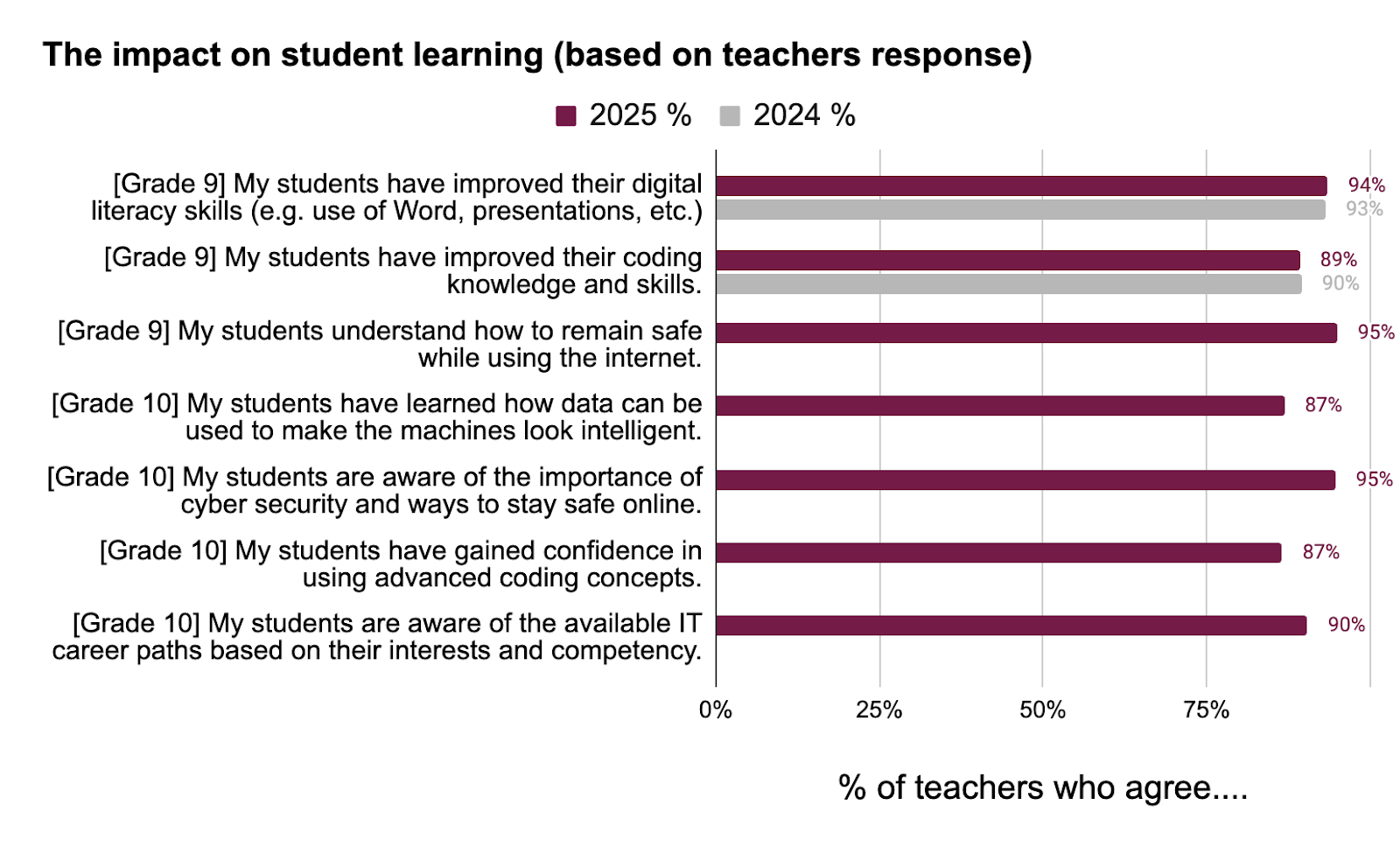
2025 Odisha teacher survey responses regarding their students' learning.
2025 Odisha teacher survey responses regarding their students’ learning. Click to enlarge.

Teachers also expressed their appreciation for the computing curriculum resources and training in free-text comments and interviews, for example:

“IT and coding is essential nowadays. So a good initiative, adding this to schools’ curriculum.” – Teacher in Odisha

“The training was quite informative, interesting and helpful.” – Teacher in Odisha

“It is very useful training for me. It boosts my knowledge and helps me for classroom transaction.” – Teacher in Odisha

Addressing challenges

An ongoing challenge in Odisha has been supporting those teachers who lack experience with computing and/or with our recommended teaching approaches for computing. We have been working hard to help these teachers develop the knowledge, skills, and confidence to effectively deliver the curriculum content in the limited time they have alongside their other professional commitments.
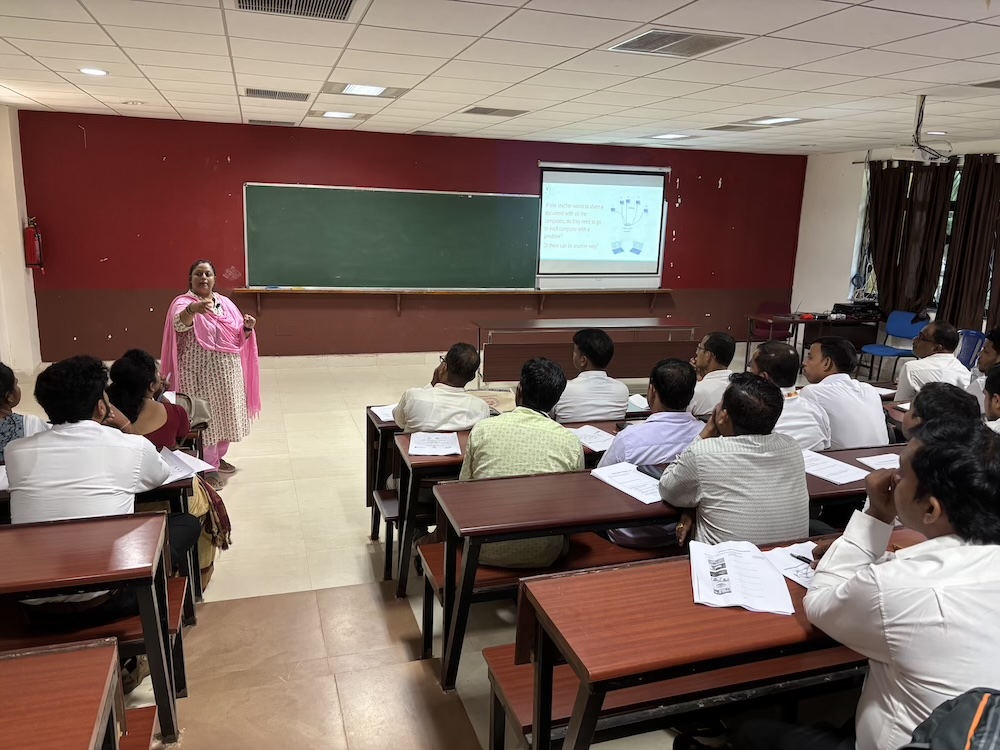
Teachers at a teacher training in Odisha.

In the 2023/2024 academic year, many teachers had told us they needed further training and support. For this reason, we offered longer training in the 2024/25 academic year. We also adapted our training approach based on learning from earlier phases, such as including activities teachers could complete on their smartphones, enabling more hands-on learning while reducing dependence on available IT equipment. The outcome of this was positive: in the follow-up survey, fewer teachers felt they needed additional training to deliver the lessons, and most teachers we interviewed felt this year’s training was an improvement on the previous year’s.

Our team also ran weekly webinars to support teachers and address their queries. These were very well received by teachers. Of the responses received to feedback form available after each webinar:

  • 97% agreed that the “webinar helped me to understand the topics covered more clearly.”
  • 98% agreed that the “webinar was useful to support my teaching.”

This was supported by comments from teachers, for example:

“All questions were answered. The webinar was good. Gained a lot. Thank you very much.”  – Teacher in Odisha

“I learned many unknown things about Scratch, it will help my classroom teaching.” – Teacher in Odisha

In this year’s follow-up survey, teachers also less frequently indicated they felt they needed “additional content to support students”. They provided useful feedback and suggestions regarding the curriculum content, e.g. further simplifying and localising it, which we will incorporate into future resource development.

Another persistent challenge has been limited access to IT equipment and the internet in schools, and what this means for student-device ratios and how teachers are able to deliver the content. For future resources we are developing, we are therefore adapting the amount of content to be delivered over a series of lessons.

Next steps for our partnership in Odisha

In 2025, we are working with the same partners to implement a curriculum for grades 6 to 8, initially in around 460 schools. We and our partners have developed the curriculum content and are currently in the process of training teachers in preparation for classroom delivery.

We are also continuing to support the teachers previously trained on the grade 9 and 10 curriculum through webinars and school visits.

Want to see our curriculum resources?

You can access our free Computing Curriculum resources on our website — we are currently working to make the materials for India, and for Kenya, downloadable there.

Look out for the final blog in this mini-series next month, which will focus on our computer science curriculum in Telangana, India.

The post Adapting our computing curriculum resources for Odisha — the journey so far appeared first on Raspberry Pi Foundation.
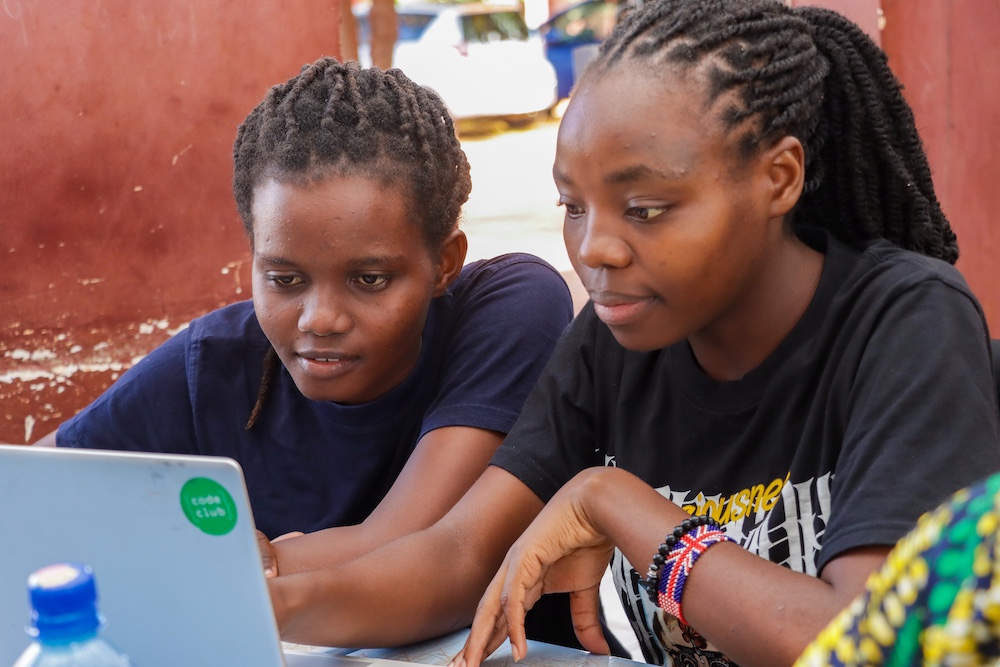
Adapting our computing curriculum resources for Kenya — the journey so far

Post Syndicated from Fiona Coventry original https://www.raspberrypi.org/blog/adapting-our-computing-curriculum-resources-for-kenya-the-journey-so-far/

Young people everywhere deserve a high-quality computing education. But what a high-quality computing education looks like differs depending on a learner’s culture, context, and the existing provision in the country they live in. Therefore, adapting our educational resources for a range of contexts is a key part of our work at the Raspberry Pi Foundation, for example when we collaborate with partners to localise our Computing Curriculum resources.

Two young people using a computer.

In this blog post, we share our experiences of adapting curriculum resources with our partners in Kenya, and the impact of this work. This is the first post in a mini-series of three — look out for the upcoming ones about our partnerships in the Indian states of Odisha and Telangana.

Our computing curriculum partnerships in Kenya

Last year, we embarked on partnerships in two areas of Kenya and aimed to roll out computing curriculum resources to students in grades 4 to 9 in Kenyan schools:

During the 2024 academic year, we trained 39 local community trainers, who subsequently trained 453 teachers. We also adapted The Computing Curriculum materials to develop resources — lesson plans, presentation slides, and supporting activities — that are relevant and engaging in the schools our partners work with.

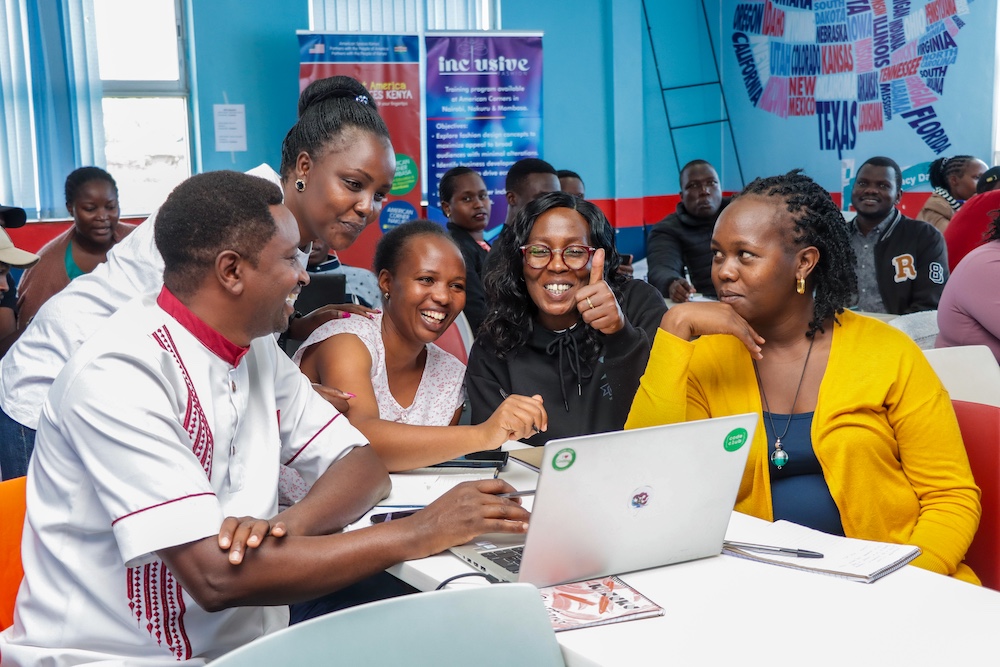
Educators participate in a teacher training in Kenya.

Impact in 2024

We estimate that around 55,000 students were reached by our Kenya computing curriculum resources in 2024. Most teachers who had used our resources felt the lessons had improved their students’ knowledge and skills. Of those who responded to our follow-up survey:

  • 94% agreed that their students had improved their knowledge of computing concepts
  • 92% agreed that their students have developed their computing skills
  • 90% agreed that their students better understand how to use technology safely.
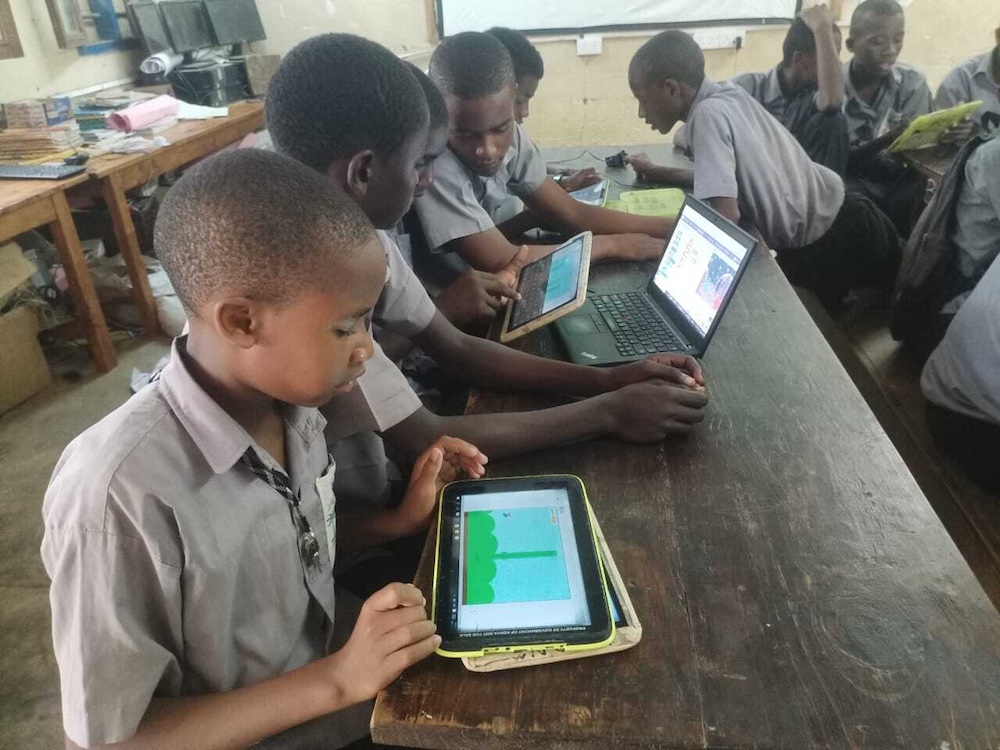
Young people using tablets in a classroom.

This was supported by conversations with teachers and students. In student focus groups, students were able to list topics they had learned about and skills they had developed.

“….The lessons have had a significant positive impact on the students. They now demonstrate greater confidence in using technology, particularly with tasks involving programming in Scratch. This has improved their problem-solving skills and made them more engaged in learning.” – Teacher, Mombasa

“In my computing lessons, I’ve learned how to use a computer safely and properly. I learned how to type, use the mouse, and open programs. We also learned about coding, which is really fun because we can make things happen on the screen by giving the computer instructions. I’ve also learned how to create a simple document using software like Excel sheets. I really enjoy using the computer to solve problems and make things work.” – Learner,  FCDC

Implementation: Challenges, solutions, and building on progress

While teachers tended to agree that students’ skills and knowledge had increased, fewer felt that most students had achieved the specific learning objectives identified in the resources. This was often due to the content being only partially delivered, for example, due to limited availability of computing equipment in schools. However, many students lacked prior experience with the topics covered in the lessons, suggesting a large improvement in their skills compared to a low baseline.

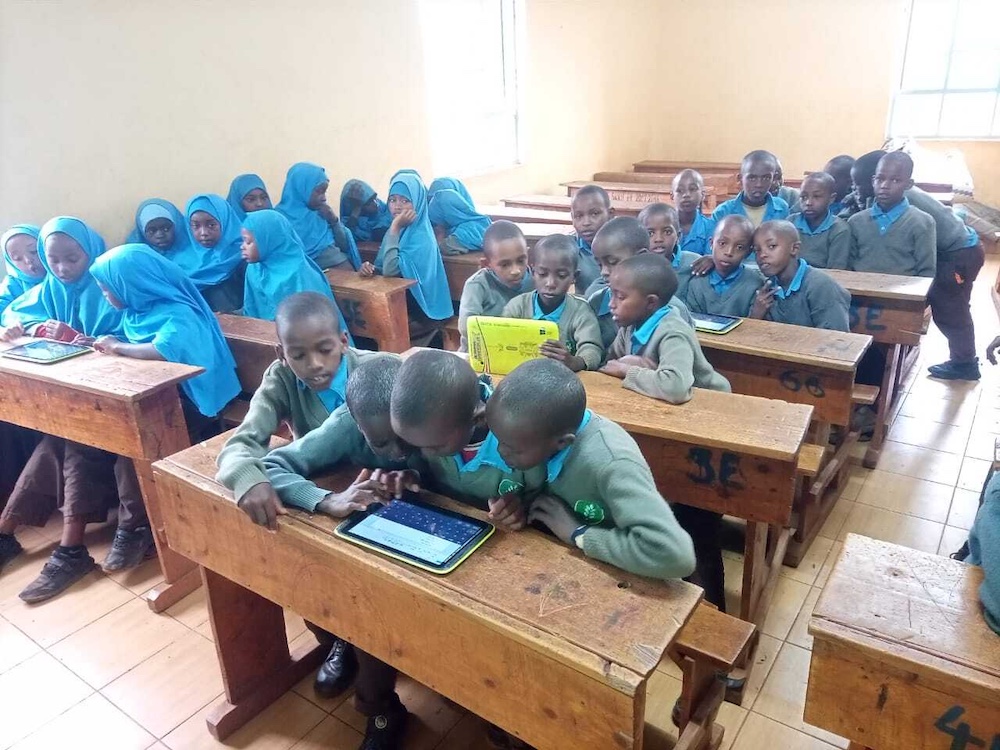
Young people learning about computing in a classroom.

Similarly, some training sessions were affected by challenges with the equipment, infrastructure, and learning environment available. Teachers were appreciative of the training and many have begun to deliver the computing lessons, but often lacked prior experience with computing and hence requested additional support.

In response to feedback from partners and teachers, we made some updates to our Computing Curriculum and training resources in preparation for the 2025 academic year. For example, we increased the alignment to Kenya’s national curriculum, prepared a more comprehensive teacher guide, and incorporated time for teachers to discuss solutions to common delivery challenges during training.

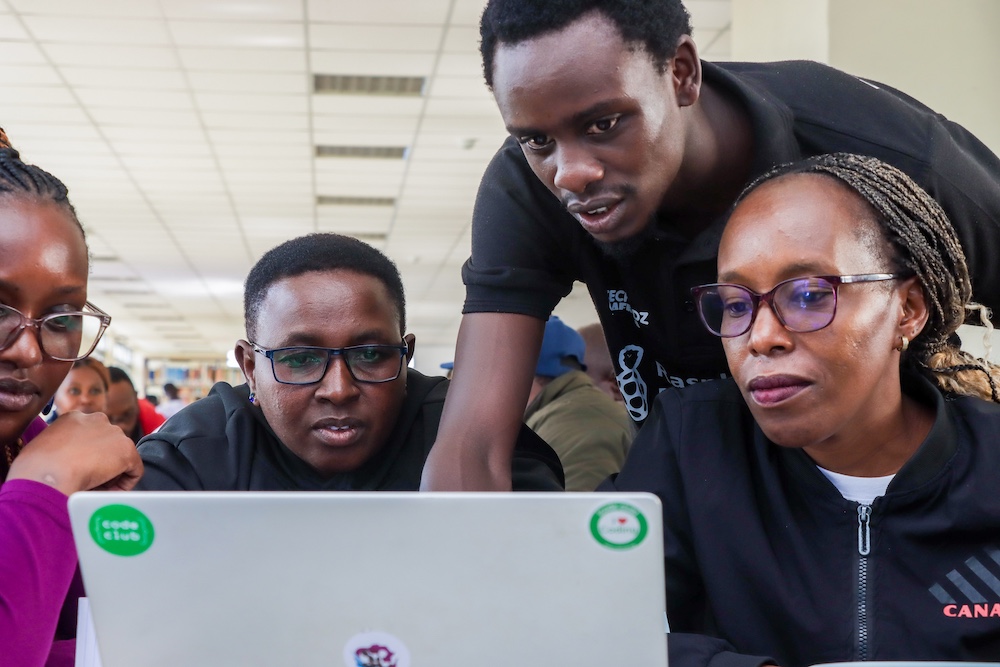
Educators participate in a teacher training in Kenya.

In 2025, we are working with partners to upskill even more teachers and broaden the reach of our computing lessons to a further four counties. Our partners have now begun upskilling both new and existing teachers on the updated resources, and we will continue to work with them to monitor and evaluate their programme’s success in the coming months.

Want to learn more about our curriculum resources?

You can access our free Computing Curriculum resources on our website — we are currently working to make the materials for Kenya, and for India, downloadable there.

Look out for the next blog in this mini-series in July!

The post Adapting our computing curriculum resources for Kenya — the journey so far appeared first on Raspberry Pi Foundation.
Experience AI: The story so far

Post Syndicated from Fiona Coventry original https://www.raspberrypi.org/blog/experience-ai-the-story-so-far/

In April 2023, we launched our first Experience AI resources, developed in partnership with Google DeepMind to support educators to engage their students in learning about the topic of AI. Since then, the Experience AI programme has grown rapidly, reaching thousands of educators all over the world. Read on to find out more about the impact of our resources, and what we are learning.

The Experience AI resources

The Experience AI resources are designed to help educators introduce AI and AI safety to 11- to 14-year-olds. They consist of:

  • Foundations of AI: a comprehensive unit of six lessons including lesson plans, slide decks, activities, videos, and more to support educators to introduce AI and machine learning to young people
  • Two standalone lessons:
    • Large language models (LLMs): a lesson designed to help young people discover how large language models work, their benefits, and why their outputs are not always reliable
    • Ecosystems and AI — Biology: a lesson providing an opportunity for young people to explore how AI applications are supporting animal conservation
  • AI safety: a set of resources with a flexible design to support educators in a range of settings to equip young people with the knowledge and skills to responsibly and safely navigate the challenges associated with AI

We also offer a free online course, Understanding AI for educators, to help educators prepare to teach about AI.

International expansion

The launch of Experience AI came at an important time: AI technologies are playing an ever-growing role in our everyday lives, so it is crucial for young people to gain the understanding and skills they need to critically engage with these technologies. While the resources were initially designed for use by educators in the UK, they immediately attracted interest from educators across the world, as well as individuals wanting to learn about AI. The resources have now been downloaded over 325,000 times by people from over 160 countries. This includes downloads from over 7000 educators worldwide, who will collectively reach an estimated 1.2 million young people.

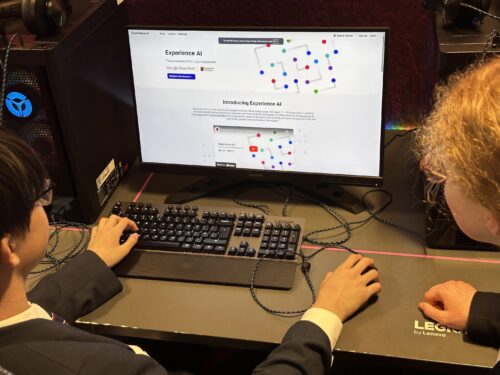
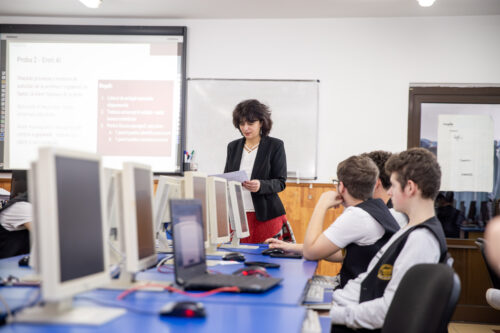
Photo of an educator teaching an Experience AI lesson.

Thanks to funding from Google DeepMind and Google.org, we have also been working with partners from across the globe to localise and translate the resources for learners and educators in their countries, and provide training to support local educators to deliver the lessons. The educational resources are now available in up to 15 languages, and to date, we have trained over 100 representatives from 20 international partner organisations, who will go on to train local educators. Five of these organisations have begun onward training already, collectively training over 1500 local educators so far.

The impact of Experience AI

The Experience AI resources have been well received by students and educators. Based on responses to our follow-up surveys, in countries where we have partners

  • 95% of educators agreed that the Experience AI sessions have increased their students’ knowledge of AI concepts 
  • 90% of young people (including young people in formal and non-formal education settings and learning independently) indicated that they better understand what AI and machine learning are
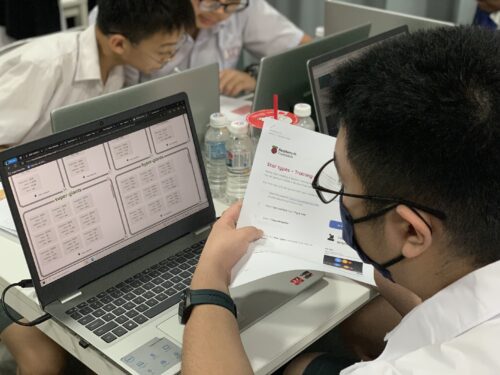
Photo of a young person learning about AI on a laptop.

This is backed up by qualitative feedback from surveys and interviews.

“Students’ perception and understanding of AI has improved and corrected. They realised they can contribute and be a part of the [development], instead of only users.” – Noorlaila, educator, SMK Cyberjaya, Malaysia

“[Students] found it interesting in the sense that it’s relevant information and they didn’t know what information was used for training models.” – Teacher, Liceul Tehnologic “Crisan” Criscior, Romania

“Based on my knowledge and learning about AI, I now appreciate the definition of AI as well as its implementation.” – Student, Changamwe JSS, Kenya

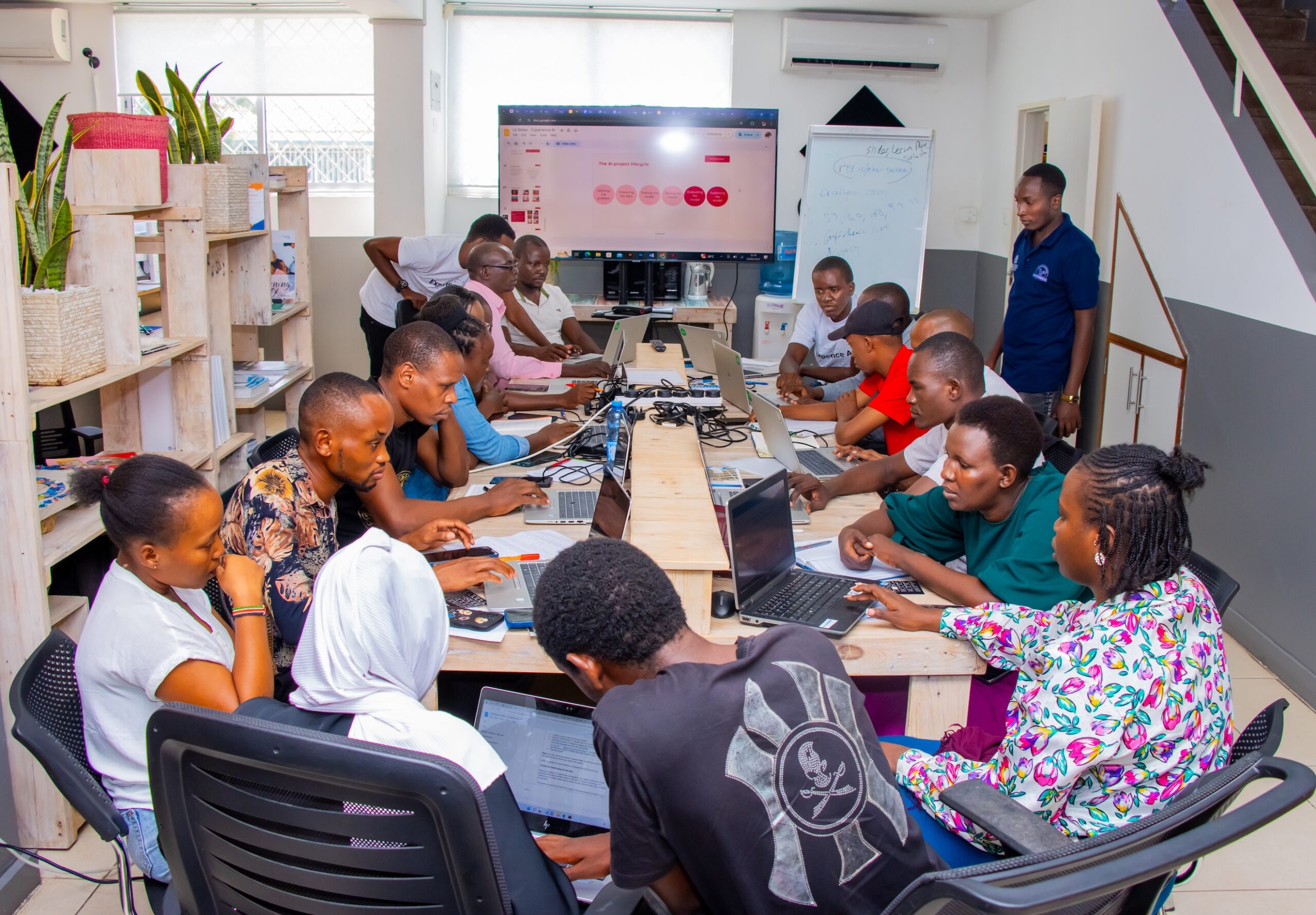
Photo of a group of educators participating in an Experience AI teacher training event in Kenya.

The training and resources also support educators to feel more confident to teach about AI:

  • 93% of international partner representatives who participated in our training agreed that the training increased their knowledge of AI concepts
  • 88% of educators receiving onward training by our international partners agreed that the training increased their confidence to teach AI concepts
  • 87% of educator respondents from our ‘Understanding AI for educators’ online course agreed that the course was useful for supporting young people

“It was a wonderful experience for me to join this workshop. Truly I was able to learn a lot about AI and I feel more confident now to teach the kids back at school about this new knowledge.” – Nur, educator, SMK Bandar Tasek Mutiara, trained by our partner Penang Science Cluster, Malaysia

“This was one of the best information sessions I’ve been to! So, so helpful!” – Meagan, educator, University of Alberta, trained by our partner Digital Moment, Canada

“The layout of the course in terms of content structuring is amazing. I love the discussion forum and the insightful yet empathetic responses by the course moderators on the discussion board. Honestly, I am really glad I started my AI in education journey with you.” – Priyanka, head teacher (primary level), United Arab Emirates, online course participant

What are we learning?

We are committed to continually improving our resources based on feedback from users. A recent review of feedback from educators highlighted key aspects of the resources that educators value most, as well as some challenges educators are facing and possible areas for improvement. For example, educators particularly like the interactive aspects, the clear structure and explanations, and the videos featuring professionals from the AI industry. We are continuing to look for ways we can better support educators to adapt the content and language to better support students in their context, fit Experience AI into their school timetables, and overcome technical barriers. 

We value feedback on our resources and will continue to highlight the importance of AI education in schools and work with partners across the globe to adapt our resources for different contexts.

Get involved

If you would like to try out our Experience AI resources, head to experience-ai.org, where you can find our free resources and online course, as well as information about local partners in your area.

The post Experience AI: The story so far appeared first on Raspberry Pi Foundation.
Implementing a computing curriculum in Telangana

Post Syndicated from Fiona Coventry original https://www.raspberrypi.org/blog/implementing-a-computing-curriculum-in-telangana/

Last year we launched a partnership with the Government of Telangana Social Welfare Residential Educational Institutions Society (TGSWREIS) in Telangana, India to develop and implement a computing curriculum at their Coding Academy School and Coding Academy College. Our impact team is conducting an evaluation. Read on to find out more about the partnership and what we’ve learned so far.

Aim of the partnership 

The aim of our partnership is to enable students in the school and undergraduate college to learn about coding and computing by providing the best possible curriculum, resources, and training for teachers. 

Students sit in a classroom and watch the lecture slides.

As both institutions are government institutions, education is provided for free, with approximately 800 high-performing students from disadvantaged backgrounds currently benefiting. The school is co-educational up to grade 10 and the college is for female undergraduate students only. 

The partnership is strategically important for us at the Raspberry Pi Foundation because it helps us to test curriculum content in an Indian context, and specifically with learners from historically marginalised communities with limited resources.

Adapting our curriculum content for use in Telangana

Since our partnership began, we’ve developed curriculum content for students in grades 6–12 in the school, which is in line with India’s national education policy requiring coding to be introduced from grade 6. We’ve also developed curriculum content for the undergraduate students at the college. 

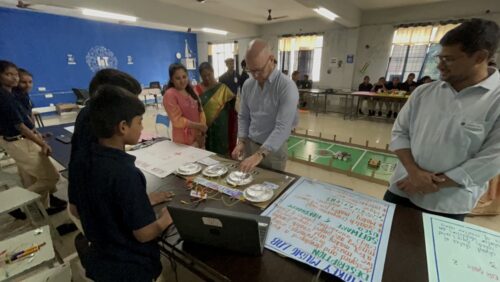
Students and educators engage in digital making.

In both cases, the content was developed based on an initial needs assessment — we used the assessment to adapt content from our previous work on The Computing Curriculum. Local examples were integrated to make the content relatable and culturally relevant for students in Telangana. Additionally, we tailored the content for different lesson durations and to allow a higher frequency of lessons. We captured impact and learning data through assessments, lesson observations, educator interviews, student surveys, and student focus groups.

Curriculum well received by educators and students

We have found that the partnership is succeeding in meeting many of its objectives. The curriculum resources have received lots of positive feedback from students, educators, and observers.

Students and educators engage in digital making.

In our recent survey, 96% of school students and 85% of college students reported that they’ve learned new things in their computing classes. This was backed up by assessment marks, with students scoring an average of 70% in the school and 69% in the college for each assessment, compared to a pass mark of 40%. Students were also positive about their experiences of the computing and coding classes, and particularly enjoyed the practical components.

“My favourite thing in this computing classes [sic] is doing practical projects. By doing [things] practically we learnt a lot.” – Third year undergraduate student, Coding Academy College

“Since their last SA [summative assessment] exam, students have learnt spreadsheet [concepts] and have enjoyed applying them in activities. Their favourite part has been example codes, programming, and web-designing activities.” – Student focus group facilitator, grade 9 students, Coding Academy School

However, we also found some variation in outcomes for different groups of students and identified some improvements that are needed to ensure the content is appropriate for all. For example, educators and students felt improvements were needed to the content for undergraduates specialising in data science — there was a wish for the content to be more challenging and to more effectively prepare students for the workplace. Some amendments have been made to this content and we will continue to keep this under review. 

In addition, we faced some challenges with the equipment and infrastructure available. For example, there were instances of power cuts and unstable internet connections. These issues have been addressed as far as possible with Wi-Fi dongles and educators adapting their delivery to work with the equipment available.

Our ambition for India

Our team has already made some improvements to our curriculum content in preparation for the new academic year. We will also make further improvements based on the feedback received. 

Students and educators engage in digital making.

The long-term vision for our work in India is to enable any school in India to teach students about computing and creating with digital technologies. Over our five-year partnership, we plan to work with TGSWREIS to roll out a computing curriculum to other government schools within the state. 

Through our work in Telangana and Odisha, we are learning about the unique challenges faced by government schools. We’re designing our curriculum to address these challenges and ensure that every student in India has the opportunity to thrive in the 21st century. If you would like to know more about our work and impact in India, please reach out to us at [email protected].

We take the evaluation of our work seriously and are always looking to understand how we can improve and increase the impact we have on the lives of young people. To find out more about our approach to impact, you can read about our recently updated theory of change, which supports how we evaluate what we do.

The post Implementing a computing curriculum in Telangana appeared first on Raspberry Pi Foundation.
Introducing Code Clubs in eastern India: 32,000 more young digital makers

Post Syndicated from Fiona Coventry original https://www.raspberrypi.org/blog/code-club-eastern-india-computer-science-education/

At the Raspberry Pi Foundation, our mission is to enable young people to realise their full potential through the power of computing and digital technologies. One way we achieve this is through supporting a global network of school-based Code Clubs for young people, in partnership with organisations that share our mission.

For the past couple of years we have been working with Mo School Abhiyan, a citizen–government partnership that aims to help people to connect, collaborate, and contribute to revamping the government schools and government-aided schools in the Indian state of Odisha. Together with Mo School Abhiyan we have established many more Code Clubs to increase access to computer science education, which is an important priority in Odisha.

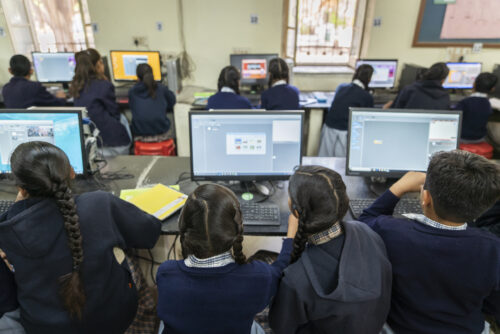
Learners in a computing classroom.

We evaluate all of our projects to understand their impact, and this was no exception. We found that our training improved teachers’ skills, and we learned some valuable lessons — read on to find out more.

Background and aims of the project

After some successful small-scale trials with 5 and then 30 schools, our main project with Mo School Abhiyan began in August 2021. In the first phase, between August 2021 and January 2022, we aimed to train 1000 teachers from 1000 schools.

Teachers in Code Club training in Odisha, India.

For a number of reasons, including coronavirus-related school closures, not all teachers were able to complete their training during this phase. Therefore we revised the programme, splitting the teachers in two groups depending on how far they had progressed with their initial training. We also added more teachers, so our overall aim became to support 1075 teachers to complete their training and start running clubs in 2022.

Our training and ongoing support for the teachers

We trained the teachers using a hybrid approach through online courses and in-person training by our team based in India. As we went along and learned more about what worked for the teachers, we adapted the training. This included making some of the content, such as the Prepare to run a Code Club online course, more suitable for an Indian context.

Teachers in Code Club training in Odisha, India.

As most of the teachers were not computing specialists but more often teachers of other STEM subjects, we decided to focus the training on the basics of using Scratch programming in a Code Club.

We continue to provide support to the teachers now that they’ve completed their training. For instance, each Friday we run ‘Coding pe Charcha’ (translating to ‘Discussion on Coding’) sessions online. In these sessions, teachers come together, get answers to their questions about Scratch, take part in codealongs, and find out on how their students can take part in our global technology showcase Coolest Projects.

Measuring the impact of the training

To understand the impact of our partnership with Mo School Abhiyan and learn lessons we can apply in future work, we evaluated the impact of the teacher training using a mixed-methods approach. This included surveys at the start and end of the main training programme, shorter feedback forms after some elements of the training, and follow-up surveys to understand teachers’ progress with establishing clubs. We used Likert-style questions to measure impact quantitatively, and free-text questions for teachers to provide qualitative feedback.

Teachers in Code Club training in Odisha, India.

One key lesson early on was that the teachers were using email infrequently. We adapted by setting up Whatsapp groups to keep in touch with them and send out the evaluation surveys.

Gathering feedback from teachers

Supported by our team in India, teachers progressed well through the training, with nine out of every ten teachers completing each element of the training.

Teachers’ feedback about the training was positive. The teachers who filled in the feedback survey reported increases in knowledge of coding concepts that were statistically significant. Following the training, nine out of every ten teachers agreed that they felt confident to teach children about coding. They appeared to particularly value the in-person training and the approach taken to supporting them: eight out of every ten teachers rated the trainer as “extremely engaging”.

Teachers in Code Club training in Odisha, India.

The teachers’ feedback helped us identify possible future improvements. Some teachers indicated they would have liked more training with opportunities to practise their skills. We also learned how important it is that we tailor Code Club to suit the equipment and internet connectivity available in schools, and that we take into account that Code Clubs need to fit with school timetables and teachers’ other commitments. This feedback will inform our ongoing work.

The project’s impact for young people

In our follow-up surveys, 443 teachers have confirmed they have already started running Code Club sessions, with an estimated reach to at least 32,000 young people. And this reach has the potential to be even greater, as through our partnership with Mo School Abhiyan, teachers have registered more than 950 Code Clubs to date.

An educator helps two young people at a computer.

Supported by the teachers we’ve trained, each of the young people attending these Code Clubs will get the opportunity to learn to code and create with technology through our digital making projects. The projects enable young people to be creative and to share their creations with each other. Our team in India has started visiting Code Clubs to better understand how the clubs are benefiting young people.

What’s next for our work in India

The experience we’ve gained through the partnership with Mo School Abhiyan and the findings from the evaluation are helping to inform our growing work with communities in India and around the world that lack access to computing education. 

In India we will continue to work with state governments and agencies to build on our experience with Mo School Abhiyan. We are also exploring opportunities to develop a computing education curriculum for governments and schools in India to adopt.

If you would like to know more about our work and impact in India, please reach out to us via [email protected].

The post Introducing Code Clubs in eastern India: 32,000 more young digital makers appeared first on Raspberry Pi Foundation.