Post Syndicated from LastWeekTonight original https://www.youtube.com/watch?v=MIYCek92ICQ
S13 E24: Texas Midterms & Brazil Elections 2026: 9/27/26: Last Week Tonight with John Oliver
Post Syndicated from LastWeekTonight original https://www.youtube.com/watch?v=iXSKsjpiClQ
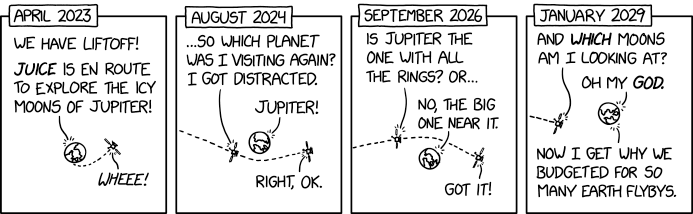
Jupiter Icy Moons Explorer
Post Syndicated from xkcd.com original https://xkcd.com/3304/
Kernel prepatch 7.3-rc5
Post Syndicated from corbet original https://lwn.net/Articles/1096959/
The 7.3-rc5 kernel prepatch is out for
testing. Linus said: “I don’t think there’s any real pattern to it
“
other than ‘big’. But nothing looks particularly alarming, I think that
despite the diffstat it’s just the same old, same old.
ASUS AI Tech 2026 Seoul South Korea
Post Syndicated from Patrick Kennedy original https://www.servethehome.com/asus-ai-tech-2026-seoul-south-korea/
At the ASUS AI Tech 2026 day in Seoul, South Korea, the company brought together its partners, customers, and suppliers and I hosted a panel
The post ASUS AI Tech 2026 Seoul South Korea appeared first on ServeTheHome.
Cloudflare’s 2026 Annual Founders’ Letter
Post Syndicated from Matthew Prince original https://blog.cloudflare.com/cloudflares-2026-annual-founders-letter/
This week Cloudflare celebrates our 16th birthday. Like many 16-year-olds, we find ourselves looking around at the world we grew up in and feeling caught between the past and future. Also like many 16-year-olds, we look at all the change in the world and sometimes see risk. But, on balance, we come out incredibly optimistic for what lies ahead. What drives our optimism and fear is a recognition that change involves disruption.
The Internet is changing more today than at any point since Cloudflare launched back on September 27, 2010. Some of that change seems undoubtedly good. Some of it is upending the way we think the Internet works.
One significant change is the rate of growth of the web itself. From 2012 through 2025, the web plateaued and by some measures even shrank. That changed in mid-2025 when there was an explosion of new websites. The popular narrative is that growth has been driven by AI "slop." And, while there is some of that, that's not the majority of what we see.
Instead, AI has unleashed a new cohort of creators. Individuals with ideas but without coding skills who, aided by so-called "vibe coding" tools, are able to bring new creations to life. We're proud that the majority of these tools have Cloudflare's developer platform as their preferred deployment target. Technology at its best allows more people to express their creativity. We have front row seats to watch students around the world building apps to solve real-world problems. Startups with new business ideas getting built in record time. Today more than 7 million developers are building the future on Cloudflare’s developer platform.
The last year has also changed in terms of who — and increasingly what — is using the Internet. We originally forecast that automated traffic would pass human traffic in the second half of 2027. The rise of agents and AI crawlers pulled that date forward to May of 2026. And, if current trends continue — which, if anything, seems conservative — automated traffic will be 1,000 times human traffic in just five years. Not because we believe human traffic will decline, but because traffic from agents is exploding.
For people using them, these agents are already astonishing. Ask one to find you a flight, a contractor or a cheaper phone plan, and it will read more pages in a minute than you could in an afternoon, then come back with an answer. It does the legwork so you don't have to.
But that legwork isn’t free. If you ask your AI agent to suggest where you should go to lunch, it may survey 1,000 restaurant menus in the area only to suggest one. The one restaurant may get your business, but the other 999 had to shoulder the load of serving the agent without getting anything in return. The risk here is a tragedy of the commons problem where the users benefiting from the agents and their traffic don't bear the costs of the load they put on the system and therefore don't exercise appropriate restraint.
AI has made it easier than ever for those students and startups to build something. Agents could make it much harder for anyone to find it. Today, small businesses win customers with emotion or convenience. You patronize a certain deli because the person working the counter remembers your name or because it’s part of how you define your identity. Or you shop at a local store even though you know it doesn't have the best selection or prices but it's on your drive home.
Your agent doesn't care who remembers your name, and it isn't driving home past the local store. It goes with whatever it has the most information about, and that's usually whoever has been around the longest. The risk then is that as agents handle more and more commerce, they'll make it harder for new entrants to break in. That, in turn, is likely to lead to consolidation and a less robust business environment.
We were a new entrant once. Sixteen years ago this week, we launched Cloudflare on stage at TechCrunch Disrupt while our engineers sat in the audience fixing bugs. There were eight left when we walked on. By the time we walked off, they were fixed and we were live in five data centers on three continents. Nobody's agent would have recommended us. People took a chance on us anyway. We want the next new entrants to get the same chance.
That’s what we’re playing for. Not a future with five AI companies, but one with 500,000, spread around the world. Not one where content creators wither away and die because they can't be compensated, but one where anyone can create, reach a global audience and get paid for their work. And not one where a few mega corporations win by default, but one where new entrants with better products can serve customers well, and win.
Last year we wrote about what AI was doing to publishers. This year the same shift is reaching the restaurant and the deli. What replaces the Internet's old business model is the most interesting question of the next five years. This week, we take another swing at answering it.
Like every birthday, we're celebrating by giving presents instead of getting them, and some of the presents are for the 999 restaurants. Agents crawl the web the way search engines always have: everything, over and over, whether it's changed or not. Our data suggests more than half of what good bots fetch hasn't changed since their last visit. We've been working so that crawlers see more of the web while fetching only what's new, which cuts the load on the sites they crawl. And we're giving anyone who puts content or applications online a way to get paid when agents use what they've built.
Cloudflare's mission isn't to build a better Internet, it's to help build a better Internet. That means we can't do it alone. So this week we'll also be announcing partnerships with companies and organizations that want the same future we do.
Like other 16-year-olds in this new era of AI, we get to ship our opinions. We're shipping them for an Internet that still has room for a teenager launching their first app, the deli where they remember your name, and whoever is building the next Cloudflare.
And we’ve never been more excited about it.
What Is the Meaning of Mystical Experience?
Post Syndicated from The Atlantic original https://www.youtube.com/shorts/VMhgXofraB8
Из Виетнам преди десет години
Post Syndicated from Йовко Ламбрев original https://yovko.net/vietnam-10-years-ago/

Големите градове, където и да се намират, вероятно са най-удачните места за улична фотография. Но Азия, без съмнение е раят за уличните фотографи – с многото хора, свикнали да не разчитат на някаква дистанция или лично пространство; с цветовете; с динамиката, която е част от живота на улицата.
Преди точно десет години се озовах във Виетнам. Една страна, която буквално живее на улицата. Улицата е бизнес, прехрана, в най-буквалния смисъл – и за тези, които присядат на малко столче и хапват топла супа или някаква друга популярна улична храна, и за тези, които изкарват прехраната си, приготвяйки и предлагайки такава храна. На мотопед, велосипед или пеша, виетнамецът е на улицата повече време, отколкото вкъщи или някъде другаде. Улицата там е сцена на самия живот.
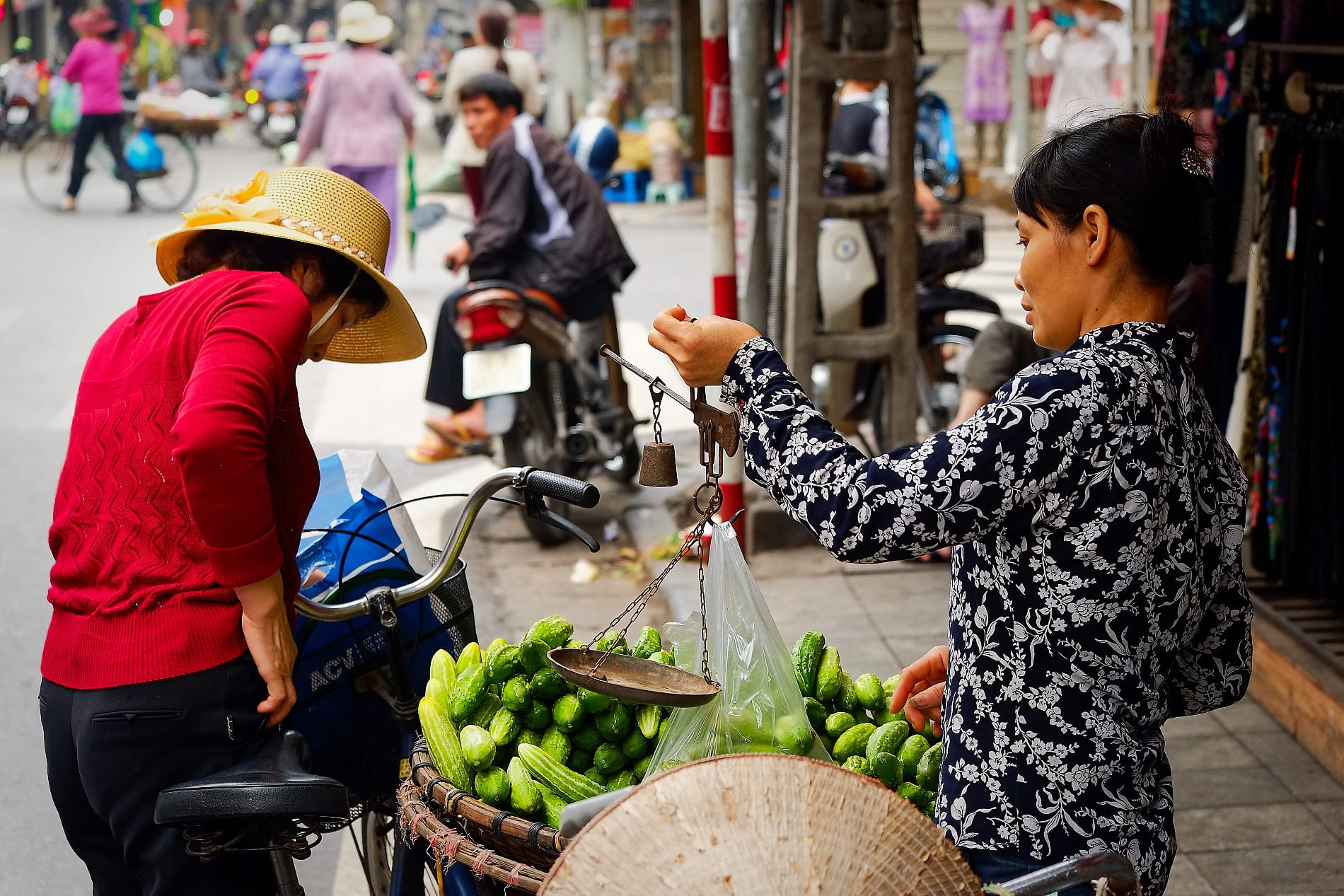
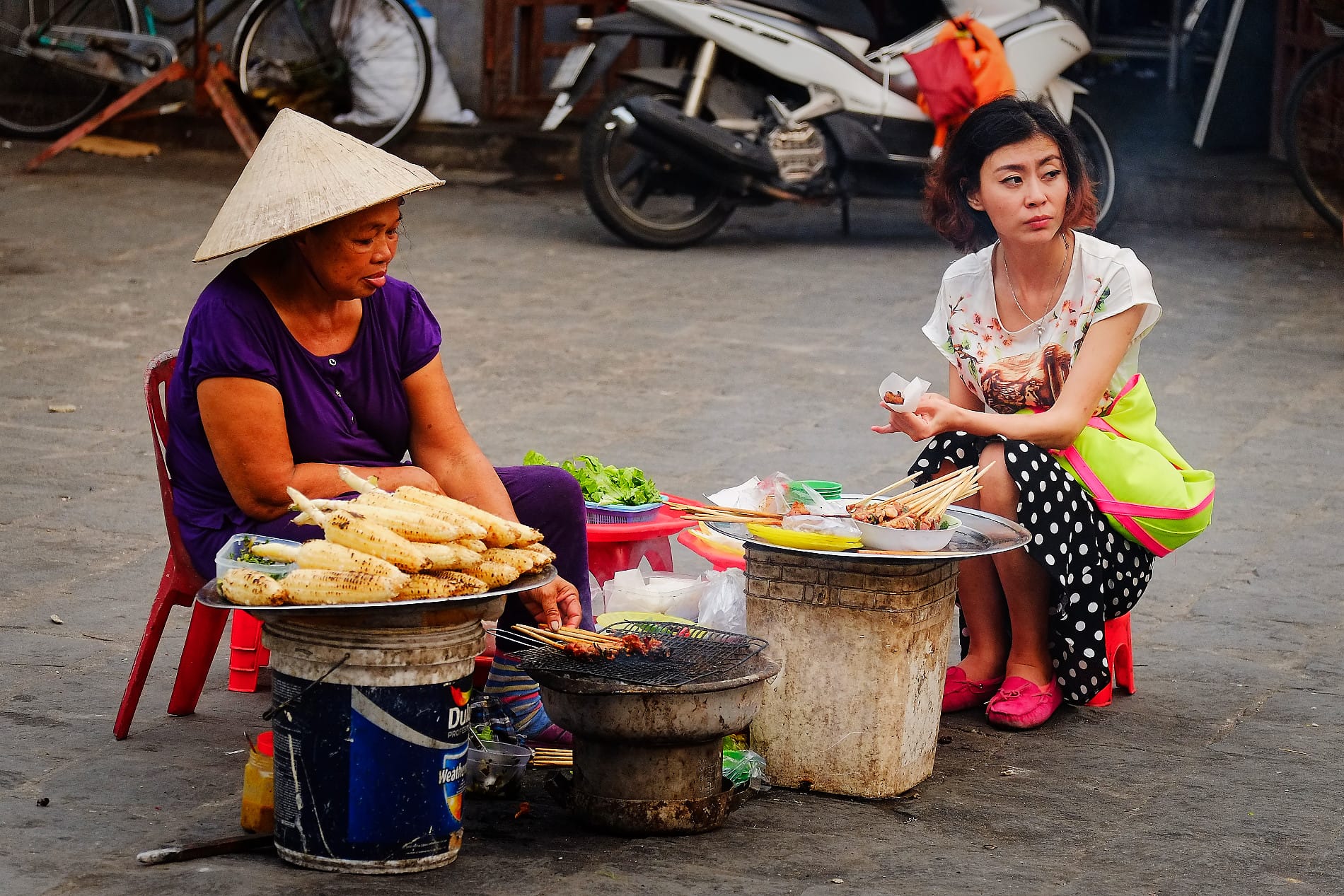
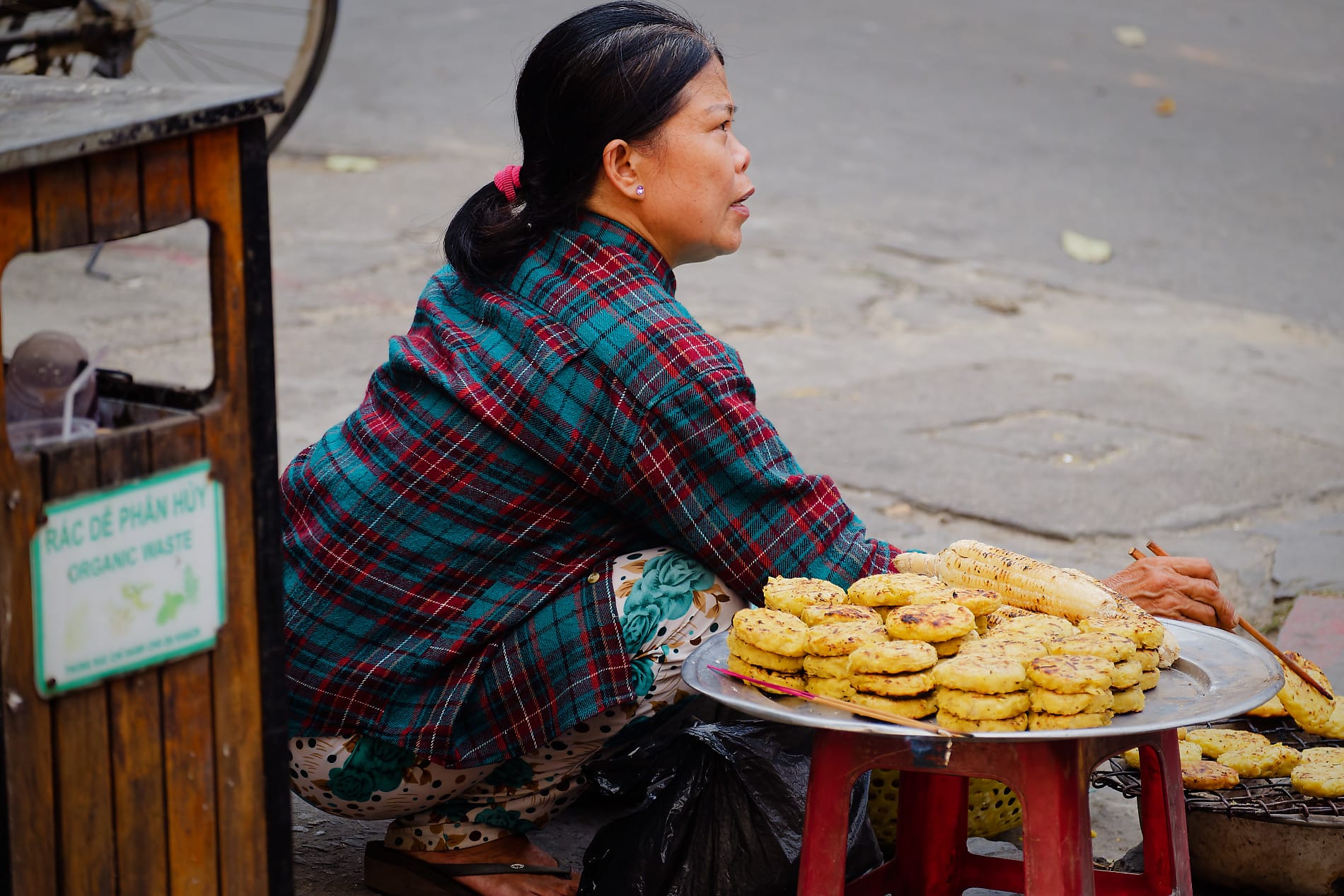



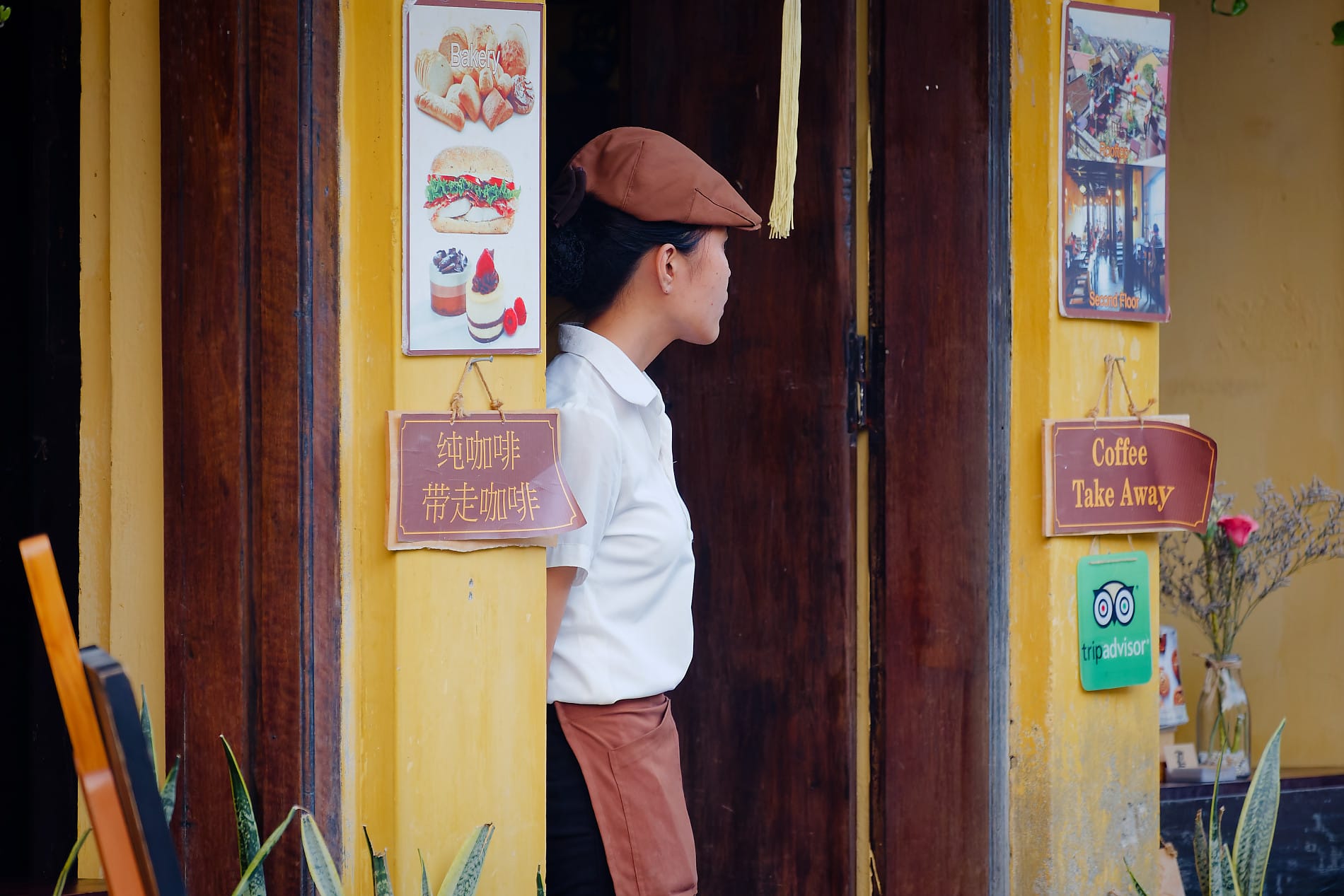


Кадри от улиците на Ханой, Хой Ан, Ми Сън и Ха Лонг
Когато снимам хора на улицата обикновено не публикувам снимките веднага и това е нарочно, за да оставя достатъчно време „уловеният“ момент да се раздалечи във времето от неговото публично разкриване. Но признавам, че цели десет години разстояние е твърде много, най-малкото защото историите зад кадрите започват да избледняват в паметта ми.
Момичето с цигарата на заглавната снимка не е виетнамка. Туристка е, от смесен произход, тръгнала на обиколка из тези места, водена от желанието да научи повече за корените си. Докато снимах кадъра по-долу, жена ми я беше заприказвала. Но не помня нищо повече от нейната история.
И двете снимки са някъде от безкрайните плажове около Да Нанг.

Comic for 2026.09.27 – Crosses
Post Syndicated from Explosm.net original https://explosm.net/comics/crosses
New Cyanide and Happiness Comic
Президентски избори 2026 – последна права за заявленията
Post Syndicated from Боян Юруков original https://yurukov.net/blog/2026/pr2026-stats/
До 29-ти септември в полунощ българите зад граница могат да подават заявления за гласуване в секциите в чужбина. Дори с последните промени в Изборния кодекс тези заявления са особено важни предвид рекордно ниския брой автоматично одобрени секции, с които бяхме свикнали на предходните няколко вота.
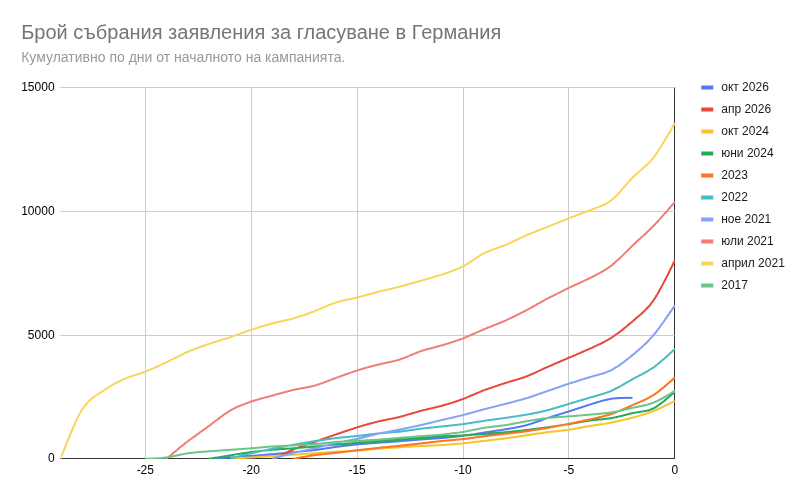
На 15-ти септември писах за напредъка в рамките на първата седмица. Преди това писах защо е важно, а през март – често за срещани грешки в попълването. Два дни и половина преди крайния срок има около 27500 подадени заявления. Това е рекордно малък брой спрямо последните десет години като изключим изборите през октомври 2024, когато имаше много автоматично обявени секции и заявленията не бяха толкова важни за отварянето им.
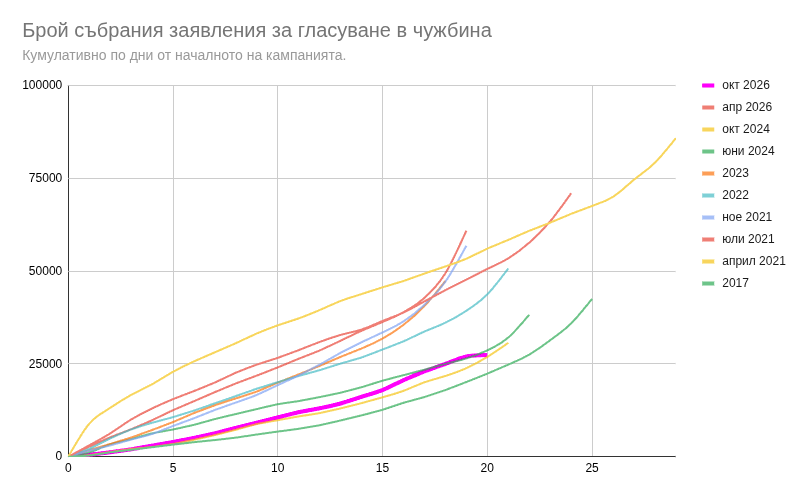
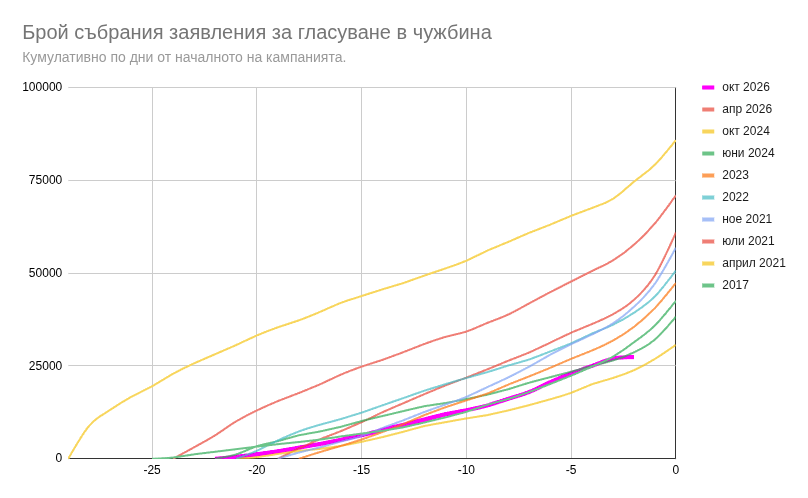
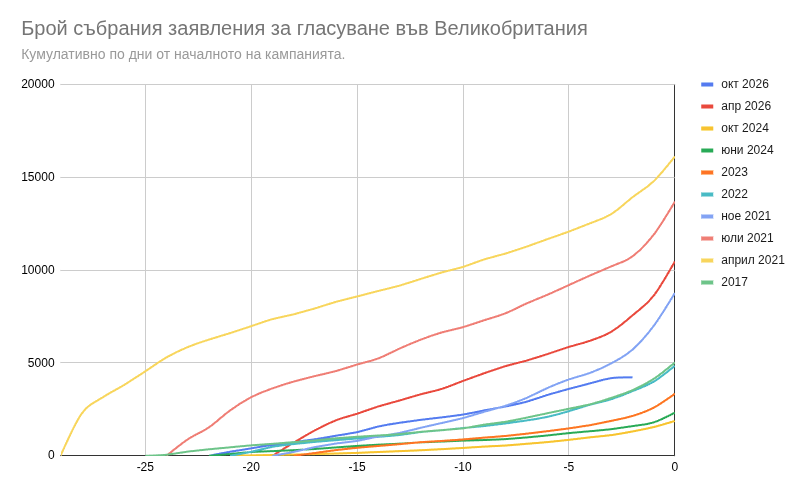
Сега обаче ситуацията е различна особено за българите извън Европейския съюз, където се отварят секции само в дипломатическите представителства или със заявление. Във Великобритания виждаме сравнително висока активност спрямо вотовете между 2022 и 2024, но двойно и тройно по-ниска от изборите през април 2026 и тези през 2021-ва.
В Германия картината е подобна, но говорим за два до пет пъти по-малко от годините със силна активност. В Германия се очаква да има по-малко секции от минали години по тази причина.
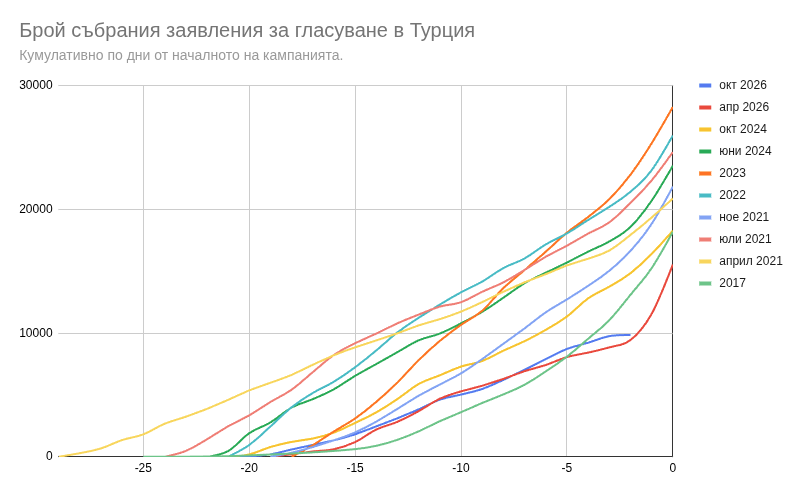
Както съм показвал преди, кривите на активността на подаване на заявления в Турция традиционно са различни от всички други държави. Това е индикация за различно поведение. През двата вота тази година обаче това не е така. Освен, че има значително по-малко заявления, активността следва траекторията на всички останали български диаспори.
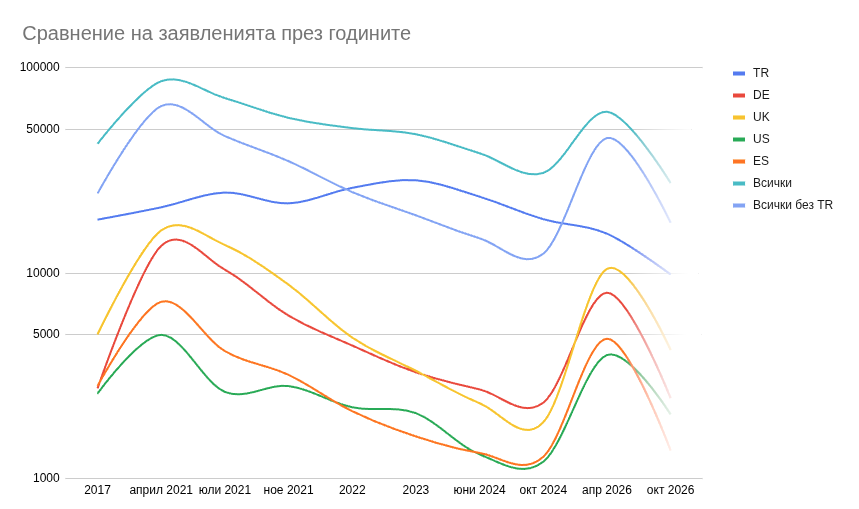
Предварително сравнение на броя заявления между изборите в последните 10 години показва, че ще има значително намаление не само спрямо април, но и спрямо предишните президентски избори. Вижда се ясно намалението в активността в Турция от 2023 до сега. Заради промените в Избирателния кодекс има повече активност в САЩ и Великобритания, видимо доста по-малко от април.
Когато завърши кампанията и обявят секциите зад граница, ще направя нова карта с тях и адресите им. Виждам, че МВнР готви вече своя карта, което е добре. Ще пусна и съвети и обяснение за казуси особено предвид, че има значителна несигурност за гласуването в чужбина при балотажа. Забелязах обаче и притеснителни индикации, че са си решили къде да са секциите в чужбина още преди диаспорите ни да имат възможност да заявят желанието си и да се организират. За сега това е само съмнение, което се надявам да отхвърля когато публикуват решението за секциите.
Love
Post Syndicated from Oglaf! -- Comics. Often dirty. original https://www.oglaf.com/love/


What Spiritual Growth Looks Like | David Brooks and Ayad Akhtar
Post Syndicated from The Atlantic original https://www.youtube.com/watch?v=-AHUhLqD0AE
How Fallout From the Iran War Could Cost Trump Leverage Against China
Post Syndicated from The Atlantic original https://www.youtube.com/shorts/nraDoAVRshE
Qualcomm Unveils Snapdragon 8 Elite Gen 6 and Elite Extreme Gen 6: Next Gen Flagship Mobile Chips
Post Syndicated from Ryan Smith original https://www.servethehome.com/qualcomm-unveils-snapdragon-8-elite-gen-6-and-elite-extreme-gen-6-next-gen-flagship-mobile-chips/
This week Qualcomm unveiled its next generation of high-end mobile SoCs: Snapdragon 8 Elite Gen 6, and Elite Extreme Gen 6. The flagship chips bring a slew of new features to the table, including new Oryon CPU cores, GPU matrix cores, and LPDDR6 support
The post Qualcomm Unveils Snapdragon 8 Elite Gen 6 and Elite Extreme Gen 6: Next Gen Flagship Mobile Chips appeared first on ServeTheHome.
Why Are We So Worried About Our Attention Span?
Post Syndicated from The Atlantic original https://www.youtube.com/shorts/_lyzHVLjdF4
5 Songs That Explain America To Me
Post Syndicated from The Atlantic original https://www.youtube.com/shorts/LBT3h_qxiMY
GDB 18.1 released
Post Syndicated from corbet original https://lwn.net/Articles/1096897/
Version 18.1 of the GDB interactive debugger has been released. Changes
include new commands to manipulate the environment of the subprocess, the
ability to save the command history to a file, support for a couple of new
targets, several Python API additions, and more. See the
NEWS file for the complete list.
Trump’s Desperate Diesel Plan Will Backfire | The David Frum Show
Post Syndicated from The Atlantic original https://www.youtube.com/watch?v=C-zdkbQhndo
Best Ultra Short Throw Projectors 2026 – Don’t Miss This One
Post Syndicated from The Hook Up original https://www.youtube.com/watch?v=d0kBQdMMHtk
My personal stereo story
Post Syndicated from Techmoan original https://www.youtube.com/watch?v=8-Mk9eH4YCk