Backblaze Computer Backup was built on a simple promise: unlimited backup for everything on your computer. That promise hasn’t changed. But the way files live on your computer has, and we want to explain what’s happening, why it matters, and where we’re headed.
How cloud sync used to work
Not long ago, when you installed Dropbox or OneDrive, those apps copied your files directly onto your hard drive. They were real, local files. Backblaze would find them, back them up, and you could restore them just like anything else on your machine.
What changed
Over the past several years, cloud sync providers have fundamentally rearchitected how they store files at the operating system level. On Windows, tools like Dropbox and OneDrive now use something called the Cloud Files API, which represents your synced files as reparse points—essentially placeholders that point back to the cloud rather than storing actual data locally. The file appears to be there, but it’s really a redirect.
This isn’t a bad thing for those apps: it lets them sync efficiently and save local disk space. But it creates a real problem for backup software.
Why we can’t reliably back up placeholders
When Backblaze Computer Backup encounters a reparse point, we’re not looking at your file—we’re looking at a pointer. Backing that up wouldn’t actually protect your data; it would just save the redirect. And restoring a redirect isn’t a real restore. Since reliable backup and restore is the entire point, we made the decision to exclude folders managed this way rather than give customers a false sense of security.
This is also consistent with how we’ve always built the backup client: lightweight, unlimited, and focused on real user-generated files rather than duplicating data that already lives in the cloud.
Where we’ve made it work, and where we’re still working
We’ve successfully added support for iCloud Drive and Google Drive by working within those platforms’ models. Extending the same support to every sync provider is more complex, but it’s something we’re actively exploring.
Files where third-party tools have not added reparse points or other placeholder indicators and are stored directly on a customer’s computer, outside of third-party sync folders, continue to be backed up as they always have been. We are actively evaluating how to better support data from synced sources in the future.If you have questions about your current backup coverage, you can read our Docs about backing up third-party application data, or reach out to our Support team at [email protected].
In 2007, Backblaze started in a one-bedroom Palo Alto apartment. Since those days of hand-assembling Storage Pods, we’ve grown to manage over 5 exabytes of data for 500,000 customers across 175 countries. As our mission to make customers unstoppable grew, our team naturally grew with it, moving far beyond the walls of any single office.
The pandemic gave us the final piece of data we needed to evolve. When the world reopened, our San Mateo headquarters never quite looked the same. The office became a bit of a paradox: a large, quiet space where a handful of people moved through a space designed for hundreds. Meanwhile, the true heart and soul of the company was already thriving elsewhere, solving the world’s toughest storage challenges from data centers in Phoenix, spare bedrooms in Austin, and kitchen tables in Cheltenham.
We didn’t rush this. We experimented, explored, and really listened to our team. When we looked at the data, we found only around 5% of our teams worked out of the San Mateo office regularly. By testing new ways of collaborating, we confirmed what we already suspected: our culture isn’t tied to a physical floor plan, it’s tied to our shared commitment to our customers and each other. As of February 1, 2026, we made it official: Backblaze has moved beyond the hybrid model to become a fully remote, distributed company.
Listening, learning, and being practical
This transition isn’t about a grand corporate strategy, but about meeting our employees where they’re at—everywhere. While we appreciate the flexibility, we noticed that hybrid models can unintentionally create two different cultures, one for those who can make it into the office and another for everyone else. Whether an employee is in San Jose or the Philippines, we want them to have the same access to leadership, and each other. We’re now a team that finally matches the diversity and reach of the 175 countries we serve.
Beyond the culture, this is also about being good stewards of our financial resources. Holding onto an expensive, mostly empty office in one of the world’s costliest real estate markets was not a good investment. By letting go of the San Mateo office, we can more responsibly direct those investments toward our people—funding intentional collaboration tools, resources, and smaller local gatherings that strengthen connection and culture.
Let’s talk about the bedrock : Our data centers
While the “cloud” often feels like a metaphor, our Data Center Technicians know it’s built on hardware, precision, and physical presence. When it comes to data centers, there is no shifting the in-person work. Someone needs to be there to swap out a drive, and when it comes to making sure we’re always-on, that is a 24/7/365 commitment.
They are the heartbeat of Backblaze. Every day, they show up in person to the facilities where data actually lives, keeping the drives spinning to ensure that your data is always available and accessible.
Remote flexibility is a privilege afforded to the rest of the company by the physical excellence of our Data Center teams. They are the essential anchor that allows the rest of us to be weightless. We celebrate their work not as an exception to our model, but as the very foundation that makes our distributed future possible.
We’re still figuring it out
We are still finding new ways to connect. This isn’t a static policy, but a continuous effort to make sure people can be successful wherever they work. We’re replacing accidental hallway chats with deliberate rituals, from cross-functional coffee chats and regional off-sites with local talent and execs, to providing on-demand access to professional workspaces for solo work or we want to assemble together.
Closing the San Mateo office isn’t a retreat from our history; it’s an embrace of the company we’ve already become. As we grow across new markets and time zones, we’re committed to raising the bar on what distributed work can look like so our teams can collaborate in ways that drive real impact around the world. We are building a smarter, more intentional Backblaze, one that is as distributed as the data we protect and as resilient as the customers we serve.
Some innovations change the trajectory of a company, others change the trajectory of an entire industry. Today, I’m absolutely chuffed that one of our original Storage Pods, ul010 to be exact, is heading to the Computer History Museum. Not as a curiosity, but as a piece of living history that changed not just how Backblaze stored data, but how the entire cloud industry thought about server design.
Some history
On September 1, 2009, we published a blog post called Petabytes on a Budget: How to Build Cheap Cloud Storage. The post went into detail about how we, as a bootstrapped company, could provide an unlimited backup service at a reasonable rate without compromising on performance or burning through cash. Essentially, open-sourcing our server design and making it available to the masses was a bit of a gamble given that a better-funded company could copy our design, deploy it at scale, and put us out of business.
Our “secret sauce” has always been our software stack and design decisions, so we felt strongly that while they could mimic some of our economics, being able to build a service as performant as ours would be out of reach.
At the beginning
Founder Brian Wilson had this to say about some of Backblaze’s history:
The founders of Backblaze were primarily software engineers, and after wiring up some prototypes on Tim’s office desk, we worked with the company Protocase all by email and telephone to have the first actual sheet metal Pod enclosure manufactured. The “custom” part of the Pods is the sheet metal enclosure, for cost reasons all of the components inside the enclosure are standard drives, motherboard, power supplies that you can purchase for consumers.
An early Storage Pod prototype (never in production)
So the sheet metal Pod has screw holes where the computer motherboard sits down and gets attached to the metal enclosure. They have to be precisely in the correct location or the screws wouldn’t line up. I (Brian) thought there was no way we (a bunch of software engineers) could get that all perfectly lined up on the very first prototype. But when we got the very first sheet metal enclosure shipped to our corporate office, every screw hole to mount the drives, backplanes, power supply, and motherboard were in perfect with alignment. However…
We forgot that computers have power buttons! All the complex stuff was correct, but there was no location on the case to have a power button. So Tim jammed a screwdriver in some air vents on the first prototype sheet metal Pod and opened up a hole wide enough for the power button. Below is Tim opening a hole for the Pod’s power button:
And with that one modification, the very first sheet metal Pod was deployed in the datacenter and started storing customer data for the next several years, performing flawlessly.
While we’d spend the next decade moving away from the title word “cheap”, the blog post and how we thought about our storage problem struck a chord with enthusiasts, businesses, and the storage industry at large. Our Storage Pod wasn’t just a chassis full of drives, it was proof that infrastructure innovation doesn’t have to come from billion-dollar labs. Sometimes it comes from engineers willing to be cleverly unconventional.
Innovation across the industry followed. Partially inspired by our architecture and philosophies around solving storage density and interconnectivity issues, the Open Compute Project (2011), and Netflix’s Open Connect (2012) came to life and continue their innovative charters to this day. Protocase, which bent the sheet metal for our original Storage Pod, spun up an entire company, 45 Drives, to meet the “build this for us” demand they were experiencing. As we moved from version 1 to version 6 of our Storage Pods and beyond, we looked on fondly as capital-efficient, high-density 4u servers became commonplace, and commoditized. Today, you can customize your own dense servers from a variety of providers, from 45Drives to Sanmina to Dell.
Why donate the Pod?
One of my favorite places in the Bay Area is the Computer History Museum in Mountain View. Walking through the exhibits, and seeing an old Babbage machine, telecom equipment, and the evolution of electronic gaming was inspiring to me when I first moved to the bay 15 years ago. At Backblaze, we’ve also kept a museum of sorts, originally created by Andy Klein. Our museum consisted of Storage Pods from version 1 all the way to version 6, along with the original RAID array we tested our systems on, and it has been displayed at our office for years.
Backblaze went fully remote in mid-January, and as our museum became destined for storage, I tried to think of other interesting things to do with it, and the Computer History Museum sprang to mind. I reached out and they graciously agreed to consider the original Storage Pod. (I appreciated the kind way in which they declined taking on our entire museum—they have space constraints as well!)
The handoff was a bit of an adventure
I went to our office before it closed up for good to take some pictures and bring the Storage Pod to their ingestion site.
I drove to the Shustek Research Archives, which serves as an archive, preservation, and ingestion site for all the historic items bound for the Computer History Museum and its archives. It’s also where the curators do a final yay/nay on whether the items truly are a part of computer history. It was a little bittersweet to drop off the Storage Pod, but knowing it would be going to a nice home felt great.
When Backblaze began in 2007, their goal was to provide unlimited cloud backup storage for $5 a month. Their first product relied on hardware—Storage Pod 1.0—which represented a watershed, defying the era’s proprietary technical norms by using off-the-shelf components and open-source software. By famously sharing their design blueprints with the world, Backblaze also ignited a revolution in ‘open hardware,’ proving that high-density enterprise storage could be built for a fraction of the cost of traditional approaches. We are honored to preserve this original unit.
— Dag Spicer, Senior Curator, Computer History Museum
After the handoff, all I could do was wait and see whether the curators felt that our Storage Pod was worthy to be a part of their collection. Less than three weeks later, I got the news that the Pod was accepted and will join the historical relics of the CHM.
A post-Pod world
While our Storage Pod helped democratize storage at a time where the industry was in need, today B2 Cloud Storage with B2 Overdrive and B2 Neo help companies, industries, and builders democratize their tech stacks. And that kind of flexibility will help accelerate them into and past the AI-era.
Our donated Storage Pod once held backups—data comprising the many aspects of our customer’s lives, stories, and work. And, it’s also a symbol of our stories—the late nights, bold bets, and belief in the innovation that sparked the Backblaze founders in the first place. My sincere hope is that through its retirement at the Computer History Museum, it will inspire the next generation of innovators, and if that’s you…hey, nice to meet you!
As our customers scale larger AI workloads, build increasingly data-intensive applications, power more complex media workflows, and demand faster recovery times, we continue to invest in performance, infrastructure, and features to support them.
Today, we’re announcing updates to B2 Cloud Storage pricing and APIs that reflect those investments and reinforce our long-standing commitment to straightforward pricing and open cloud freedom.
Price updates
Free API calls: Effective May 1, we’re making API calls free for all B2 Cloud Storage customers.* This removes transaction costs and makes it easier to build, scale, and run high-volume workloads subject to our standard platform usage rules and Terms of Service.
Storage price: Also effective May 1, we are updating pricing from $6/TB to $6.95/TB.
Things that aren’t changing
Pricing on existing committed contracts will not change until renewal, and pricing for B2 Overdrive and B2 Reserve will remain the same. Also not changing: 3x free egress for all B2 customers and unlimited free egress between Backblaze B2 and many leading neoclouds, content delivery network (CDN) and compute partners. Our commitment to transparent, predictable pricing remains unchanged.
Why the changes for B2 Cloud Storage?
1. Continuing to deliver high-performance, cost-effective cloud storage
Backblaze B2 has long been the simplest and most cost-effective alternative to legacy cloud providers. That value proposition hasn’t changed.
Behind the scenes, however, we continuously invest in infrastructure capacity, durability, performance improvements, security enhancements, and product innovation to support increasingly demanding workloads, especially AI training, large-scale media processing, and application data at scale.
This pricing update allows us to continue making those investments while maintaining the simplicity and cost advantage our customers rely on.
2. Doubling down on openness and predictability
One of the biggest reasons customers choose B2 Cloud Storage is freedom:
Freedom from surprise bills
Freedom from punitive egress fees
Freedom from vendor lock-in
By making API calls free for all customers*, we’re removing another layer of billing complexity and friction. Customers can build, iterate, and scale without worrying about transaction costs adding up in the background.
Cloud storage should enable innovation, not penalize it at the moment of success.
3. Why eliminate API charges now?
As workloads like AI training, media pipelines, and high-frequency application access grow, API activity increases. Removing API charges simplifies billing and ensures customers can innovate without worrying about transaction-level costs.
Thank you
We know you have a lot of choices when it comes to cloud storage. The trust you place in Backblaze to safeguard and power your data is something we never take lightly.
Our goal is to be a long-term partner in helping you build, protect, and scale your business. These updates ensure we can continue investing in performance, reliability, and simplicity for years to come.
Thank you for choosing Backblaze and for being part of our community. We’re honored to support the work you’re building.
*Fees apply for the Event Notifications feature as part of that specific offering.
FAQ
Am I affected by this B2 Cloud Storage pricing update?
The storage price increase applies to pay-as-you-go B2 Cloud Storage customers beginning on May 1. Existing committed contracts stay the same until renewal time. New committed contracts will start at $6.95/TB. Pricing for B2 Reserve and B2 Overdrive will remain the same.
When will I, as an existing B2 Cloud Storage pay-as-you-go customer, see this update in my monthly bill?
The updated rate will apply to storage usage beginning on May 1 and will be reflected in your next billing cycle after that date.
Are API calls now completely free?
Beginning May 1, all standard API calls for B2 Cloud Storage are free for all customers except transactions related to a product or features with a different price point. As of this publishing, the only transactions in this category are related to our Event Notifications feature.
Will Backblaze continue to offer unlimited free egress to neocloud, CDN and compute partners?
Yes. Unlimited free egress to approved neocloud, CDN, and compute partners remains unchanged.
Is Backblaze still much more affordable than other cloud providers like AWS?
Yes. B2 Cloud Storage remains substantially more affordable than traditional cloud providers, particularly when factoring in API fees, egress policies, and predictable pricing—often one-fifth the price.
Are you introducing minimum storage duration fees or other hidden charges?
No. Unlike some competitors, we are not introducing minimum storage duration fees or new complexity into our pricing model. Our commitment to straightforward pricing remains the same.
Will this impact performance, durability, or SLAs?
No changes are being made to durability or availability commitments. We continue to offer an SLA of 99.9% uptime and design for 11 9’s durability.
What sort of improvements do you plan alongside the increase in pricing?
We continue investing in performance optimizations, partner integrations, security enhancements, and features that support AI, media, backup, and application workloads. Stay tuned for upcoming announcements.
Sure, we may be a global tech company who spends our days on the front lines of helping our customers solve their toughest data storage challenges, but that doesn’t mean we don’t ever power down the devices and curl up with a good book. Welcome to the third annual Bookblaze, Backblaze’s much-anticipated book guide where our team shares the stories, insights, and adventures that shaped their reading year.
From thought-provoking nonfiction to immersive fiction and unexpected gems, these recommendations are curated by the people who read, think, and create here at Backblaze—offering you a cozy companion for winter nights, inspiration for your 2026 reading list, and maybe even the perfect gift idea along the way. Whether you’re reconnecting with old favorites or discovering your next great read, we hope this year’s picks spark joy, curiosity, and conversation.
Chris McGranahan, Director, Information Security Architecture
It’s an exhaustive but entertaining explanation of how our world came to be the way it is, why CO2 is so important to it and how the path we’re currently on is likely to create a world that hasn’t existed in millions of years and never supported humans. And, if you want a fun fiction read, check out any of the Murderbot Diaries series by Martha Wells.
I love deeply flawed female protagonists. I also love the fact that myth retellings have been so popular for the last few years, and this year, I decided to tackle my hyper-specific TBR I was neglecting. (Editor’s note: For those of you not afflicted with chronic book collecting, TBR = to be read.)
Clytemnestra tells the story of one of the most reviled women in Greek mythology. She’s cunning, ruthless, and quite possibly the original champion of playing the long game to seek revenge, as a key player in the Trojan War you’ve probably never heard of. And yet, you can’t help but root for her. It’s shocking that this is a debut novel because, though it can be a slow burn in parts, the characterization and completely immersive writing provides a different perspective of how the Trojan War unfolded for those left at home.
I appreciate how Positive Intelligence translates mindset and emotional intelligence into practical exercises for building mental fitness. The Saboteur framework makes it easy to spot negative thinking and shift toward a more productive mindset. It’s a great balance of psychology, neuroscience, and real-world application that supports personal and professional growth.
In work and in life, we often struggle with saying “no”, even to ourselves. We take on more than we can effectively manage and execute. As a result, we’re burned out—frustrated by our ever-growing to-do lists and disappointed in the quality of what we do get done. This book helped me understand why doing less actually results in accomplishing more and better things. In addition, it gave me a sense of how to make this case to others—whether it’s about prioritization of work projects or helping a loved one who’s feeling overwhelmed.
Although there were some dark moments in the book, in general it was a feel good book of a boy coming of age through adulthood, paying his dues and then paying it forward. The setting is right in the Backblaze neighborhood so it’s always interesting to picture the local intersections, and schools referenced in the novel.
Elisa Miller, Sr. Organizational Development Partner
Octavia Butler is a masterful sci fi writer who has woven a tale in the 1990s set to present time about a dystopian reality oddly similar to the one we are living/heading towards currently of lawlessness, greed, and the quest for survival. Focusing on the power of community, togetherness, and nature, this book was an epic (and scary) adventure into what happens when people gather together to fight the status quo while lifting one another up. It’s not for the faint of heart, but it really was a game changer for me to read, offering solutions beyond capitalism and towards empowerment of humanity, spirituality, and purpose.
It’s a buddy comedy, but also the fate of the human race is at stake. There’s lots of science to nerd out on if that’s your thing. And Andy Weir is a former software engineer, so you could kinda sorta say it’s “for work.”
Sleep training my child without having to resort to too much crying seemed daunting, but this book helped inform our process with evidence based guidance. I am happy to report that I have a great little sleeper because of it. This book will help any parent gain the skills and confidence to effectively sleep train their child.
This book series is absolute insanity, and if you are able to get the audiobook, you will not regret it. I even got my sister’s mother-in-law to listen to it on audio and she loved it. The premise is that it’s the end of the world, and Carl is sucked into a dungeon to fight for the entertainment of the universe at large—plus there’s a talking cat! What’s not to like? It’s a genre known as LitRPG (editor’s note: Literary role-playing game) which follows Carl and his friends’ progression as they work through the dungeon and try to topple the powers that be.
The new “Hunger Games” book is the first prequel I’ve read in years that genuinely adds something meaningful to its original series. It pulled me right back into Panem, had me rewatching all the movies, and had me loving characters that I didn’t expect to get attached to. A fantastic return to a world I thought I already knew.
This series reminds me of old-school science fiction in all the best ways. Without giving too much away, a terraforming project is sabotaged, leading to unexpected outcomes for the targeted planet. Meanwhile, back on Earth, the world ends, and a race begins for the remainder of humanity to find a new home. Tchaikovsky’s brilliance thrives in the details of understanding systems, people, biology, engineering, and science, and each new revelation about what’s happening—in this new world with a new sentient species, and with the humans on their ever-devolving arc ship—stems from each of those details showing up in ways that feel both expected and unexpected at the same time.
It’s that time of year again where the holidays are barreling towards us at an incredible rate. With so many cyber sales and new things hitting the market, it’s the most wonderful time of year to read gift guides. To help, I’ve asked my fine companions at Backblaze to list out some of their favorite gift ideas for this year, and I’ve compiled them for you here. Enjoy the suggestions, and my rambling commentary!
The couch outside of my office and the recliner are where I spend the majority of my at-home time. What better way to keep your drinks, snacks, and second screens handy than this caddy?
Have you ever put cereal and milk into a yeti mug and drank it after everything’s turned into a sugary mush? Me neither, but now you don’t have to—this cup allows you to maintain two great tastes that taste great together, but without them having to touch until you’re ready!
For the chef in your life—or for the aspiring chef that never quite understood what the word “seasoning” meant—this is a great seasoning blend. Let’s face it, if you’re eating their food, it’s a gift for you too!
Another one for the chef’s in your life. This knife block bundle looks good, by all accounts feels good, and also cuts good—which is great. By the way, does anyone in your life use pairing knives? It’s something I’m just now getting the hang of…fun!
I have this, I use this, and I love this. It’s likely been in gift-guides of yesteryear but it’s just that good. Whether you’re a single human like me who doesn’t want to open a whole bottle and just wants a glass from time to time, or you’re an aficionado wanting to taste his bottles before opening them for a fancy dinner, this pumps inert argon gas into your wine bottles without having to open the cork. Great stuff.
Popularized by Tiktok videos, this olive oil stands up to the hype and adds a good amount of actual flavor to your dishes. Whether you’re drizzling or frying, it’s a good recommendation!
And speaking of frying, Butcherbox allows you to order sustainability sourced meats and have them delivered right to your door. It might be too late if you’re looking for a Thanksgiving bird, but you might need a few steaks eventually!
Espresso. Some pronounce it with an “x.” And while it does give you a caffeine boost in a hurry, there’s nothing express about it…except for getting a machine like this that can really speed up and boost your home coffee consumption.
Soft, cuddly, and rapidly drying—these towels are a treat. I got to use one a few months ago while visiting a friend of mine and I still think about them, seriously! It might actually be time to rotate my towels and these are at the top of the list.
Cleaning yourself with onsen towels is great, but what about cleaning the actual shower or bath? These allow you to get all the nooks and crannies between the tiles, and because they’re cordless you can also use them on your car rims. Do you ever wash those? You should!
What’s one of my top-10 favorite things? Assembling Ikea furniture while listening to music. But I also enjoy biking! This combines both as the adult and children bikes are shipped to you and you get to assemble them at home before taking them on the road! It keeps costs low, and satisfaction high!
I have been wearing fitness trackers for a very long time, from smartwatches to fitbits to step-counters, and this is my favorite one so far! I love that I can quickly charge it every 4-5 days and it gives me great insights into activity and sleep, without having to wear something bulky to bed.
I am often envious of people who travel with duffel bags because of all the stuff you can fit into them. I still use my old-timey rollaboard, but I do have one of these that I throw in the car with me when I hit the ski slopes. These are great, come with backpack straps, and also have a lot of clips where you can hook carabineers up to (which is a great way to bring shoes you don’t want to pack).
Airplanes have come a long way but unless you’re sitting in your own personal pod up front (must be nice), there never seems to be enough room for all your stuff! This ledge fits neatly onto your window sill and allows for you to get a little more utility out of your surroundings! Just…don’t get an aisle seat.
As the Wu-Tang Clan once sang, “protect ya neck.” This travel pillow helps do just that when you’re on the go. No one likes falling asleep on a plane and waking up to a stiff neck—this helps!
These are great for monitoring the outside of your home, but the real killer app comes from using the indoor ones as baby monitors. Seriously, my family has been using them for years in the kiddos’ rooms, and not only is the quality much better than a standard baby monitor, but the recording features make for some really cute videos, and there’s no range restrictions. It’s a win-win-win.
3D printing has become very mainstream over the last few years, and this at-home unit with space for multiple filaments makes it incredibly easy to create your favorite designs.
Books. You know them, you love them, you should probably read one of my favorites from the last 10 years (The 7 ½ Deaths of Evelyn Hardcastle) and any of the Kindles should help you do just that! I’m a book on tape guy now because I tend to walk a lot (and if you have Audible I highly recommend the Dungeon Crawler Carl series), but if you enjoy holding something in your hands, the paper white Kindles are fantastic.
Classic games are classic for a reason! The recommendation from our org was for Diablo on Good Old Games, but there are a ton of classics there to choose from. One of my favorite series: Quest for Glory. Version 4 my favorite as it dives into Eastern European folktale lore!
Transformers have always been popular, and these voice-activated robots are what I dreamed of when I was a kiddo. Now that I’m no longer a kiddo, I still kind of want one, because watching toys “build themselves” gives me real Toy Story vibes.
K-Pop Demon Hunters took the world by storm, and now you can turn it into a crafting activity for you or your kiddos! Wobbles are little crochet kits, and come with everything you need to make something cute and squishy, right at home!
This little gaming handheld allows you to emulate the games of your youth. Whether you liked playing the Sega Game Gear or the Game Boy, you can get all your favorites in one place with these on-the-go systems.
On the go or on the couch, good headphones are paramount. These are relatively shallow and offer noise cancelling technology to keep the outside world out while you’re listening to tunes, audiobooks, or podcasts!
Give the gift of Backblaze
Of course you can always give the gift of Computer Backup. It makes a great gift and helps keep the data of your family and friends safe and sound. Peace of mind is a great gift.
Something you’ve had on your mind didn’t make our list? Tell us in the comments—we love hearing what people are excited about!
Recently, a short seller made claims about Backblaze that were factually inaccurate, misleading, and filled with errors.
Short sellers frequently spread false or misleading information to manipulate a company’s stock price for their personal financial gain at the expense of other stockholders. Nevertheless, we want to set the record straight.
Whether you’re a Backblaze customer, investor, or you’re just getting to know us, here’s what you need to know:
The short seller largely rehashed baseless claims made by two disgruntled former employees last year.
Out of an abundance of caution, and following industry best practices, our Audit Committee hired an independent third party law firm and forensic accounting firm, which confirmed there was no wrongdoing or issues with Backblaze’s public financial results.Since then, we have publicly filed two annual financial statements, which were fully audited and which are available on the SEC EDGAR site.
In an effort to enrich themselves, the short seller questioned the health of Backblaze.
We have never been stronger. As reported in our last earnings call, we continue to demonstrate financial strength. Our revenue is over $127 million per year and growing. Our balance sheet is strong with over $50 million in cash and short-term investments as of December 31, 2024.
Wall Street analysts report that the company is strong. For example, a respected analyst who has closely watched Backblaze since the IPO in November 2021, released an analysis of Backblaze after the short seller report was published. TipRanks, summarizing the report, finds the short seller claims to be unsubstantiated.
The short seller tried to push some other false narratives about Backblaze. Here are the facts:
Your data is safe. We have successfully safeguarded customer data for more than 17 years, and continue to focus on delivering reliable, high-performance cloud solutions for our customers.
Leading cloud storage provider. We are driving business growth by providing high value to customers. We have a track record of customer success stories that highlight how we help them improve performance, reduce costs, and transition to us from competitors, unlocking efficiencies in the process.
Continued innovation. We continue to innovate to best serve the needs of our customers. We recently announced B2 Overdrive, a high-performance offering designed to power customers’ massive AI needs, as well as Event Notifications, Live Read, and Scalable Application Keys, amongst others.
If you want to hear more about how we’re doing and what we’re working on, check out our investor relations section.
I’m Mark Potter, the Chief Information Security Officer (CISO) at Backblaze. Today, I’m sharing some planned upcoming changes to our password requirements designed to enhance customer account security.
Here’s your TL;DR:
We’re implementing a 15 character minimum requirement for passwords. New accounts, as well as any changed or reset passwords, will need to be a minimum length of 15 characters.
Later this year, we will be requiring multifactor authentication (MFA) for all accounts. We strongly recommend that you enable MFA now.
A little background about cyber attacks, and how they affect public cloud providers
All public cloud providers are subjected to a range of ongoing cyberattacks including attempts by cybercriminals seeking to break into customer accounts. Bad actors use a variety of tactics including credential stuffing, which is where they will use email addresses and passwords found in public breach databases, in telegram combolists, purchased on the dark web, or through other sources.
They will also attempt to use those same email addresses combined with commonly used/weak password lists to try to gain access to accounts. When this approach is used across multiple accounts, it is referred to as a password spray attack.
As an infrastructure provider, we have monitoring controls in place to help augment platform security. For example, we recently observed an increase in rate-limited credential stuffing and password spray attacks targeting email addresses where the majority did not have associated Backblaze accounts, as well as attempts using email addresses associated with Backblaze customer accounts. We also noticed a surge in credential stuffing activity around the time haveibeenpwned posted an article about the ALIEN TXTBASE Stealer Logs in late February.
The recent attacks we observed originated from a broad range of rotating IP addresses associated with networks in the U.S. and around the globe, which is a common tactic. Attackers will also often hide behind a proxy or virtual private network (VPN), and change their IP address frequently in an attempt to bypass rate limiting controls implemented by cloud providers.
In these types of attacks, the focus is on attempting to guess credentials, rather than try to find a vulnerability on the platform itself. It’s the equivalent of an autodialer for the internet. Much like all those spam calls you get, cyber attackers are trying combinations of known emails and passwords (the internet equivalent of your phone number) to see if they can get access to your account (or get you to pick up the phone, metaphorically speaking).
What’s changing?
In line with current best practices, we have recently upgraded our password controls so that passwords for new accounts, as well as any changed or reset passwords, will need to be a minimum length of 15 characters. This is consistent with NIST recommendations.
We encourage customers to change their passwords now if they are shorter than 15 characters. This will not impact customers that have implemented SSO.
We have also added a password strength meter to applicable forms, and implemented checks with an external service to attempt to determine whether the selected password is weak, or is one commonly used by cybercriminals as part of password spray attacks. We also check to see if the email address and password provided have been listed in public breach databases, telegram combolists, or other sources via an external provider to attempt to protect customers from credential stuffing attacks.
Later this year, we will be rolling out a mandatory MFA requirement. This requirement is being enforced by most of the major cloud providers. An email-based MFA will be enforced if customers do not currently have MFA enabled on their account. We encourage customers to select the MFA they would prefer to use ahead of the mandatory MFA date, if they would prefer to use a method other than email.
Please see our Docs article on how to enable MFA, and feel free to reach out in the blog comments below or to our Support team if you have any questions.
It’s time once again for our annual book guide, where Backblaze authors give you the inside scoop on what they’ve been reading. So, whether the weather outside is frightful, or, like at our home office in San Mateo, weird and drizzly, we hope you enjoy!
I love a good book about music, and when I saw autographed copies of “Never Understood” on sale at the merchandise stand at the Jesus and Mary Chain’s San Francisco gig earlier this year, I could not walk away without buying one. The book is co-authored by William and Jim Reid, the Scottish brothers who have been the only consistent band members since they started making music in the early ‘80s, and alternates between their accounts from early life in a Glasgow tenement through growing up listening to the Velvet Underground, Iggy Pop, and Bowie in the nearby post-war new town of East Kilbride, to realizing that the band each of them wanted to form on their own was actually the same band, and the subsequent rollercoaster ride of recording, touring, breaking up, and getting back together.
There’s a lot of humor amongst the rock and roll excess—one of my favorite moments was the contrasting explanations of how they assigned roles as they were getting started. From William: “It wasn’t like it was Jim’s dream to be the singer—we basically had a big fight about who was gonna sing and he lost.” Jim writes: “We actually tossed a coin for it, but the outcome was the same: William won. I was the singer.” Comedy soon turns to tragedy, however, as Jim explains how he turned to heavy drinking to overcome his shyness of singing on stage, setting the scene for a lifelong battle with alcohol.
Lee Brackstone, the book’s editor, deserves credit for the excellent job he’s done stitching this all together. Even though the viewpoint bounces between the two brothers, it reads as a single narrative. William’s passages are set in a serif font, while Jim’s are sans, so you quickly develop a feel for who you’re reading. It’s a riveting tale, whether you love or hate the band’s music—I envy you listening to their debut album Psychocandy for the first time if you don’t fall into either of those camps—and the brothers’ love/hate relationship brings a poignant dimension to what is already a classic story of early success, record label indifference and shenanigans, figuring out how to play the music you hear in your head, and being shocked that other people actually want to hear it too.
A comet strikes the earth and blocks out the sun. Bad news for people, good news for vampires. If you like the concept of 30 Days of Night and enjoy great world building and story telling with a bloody twist, this is a fantastic addition to your schedule. Bonus: It’s an audio drama, so perfect for your commute.
I stumbled upon this book right around the time one big thing in my life was proceeding nicely and another was not. Why? This book didn’t give me all the answers—sorry, there are no silver bullets—yet it provided a digestible, pragmatic framework for successfully managing big projects and initiatives, with situational awareness for the psychology of the many stakeholders who will be key to the success. As an impatient person who also likes to plan, I took away new nuance from the authors’ Think Slow, Act Fast model. And, as a student of Eric Ries’ The Lean Startup model, I appreciate the authors of this book adding their own flavor of MVP with the Maximum Virtual Product concept when you simply cannot lean-test something as big as you envision and yet you can develop virtual proxies to test underlying assumptions and elements. Now I’m ready to tackle far more big things.
I love historical fiction and The Women is the first book I’ve read about the Vietnam War. As a big Kristin Hannah fan, I love how she weaves different stories about the historical event into her own. We were immersed into the world of how women were treated in the Vietnam War and I’ll never forget their stories. This one is a must read!
I’d suggest “The Coming Wave” by Mustafa Suleyman. It offers an insightful perspective on the evolving world of artificial intelligence and its impact on society. It’s about a year old now, but still great in my opinion.
This book changed how I see things and perceive challenges or setbacks fundamentally. Growing up, I was wired to strive for perfection in everything I did, and this book shifted my focus from being perfect to continuous improvement. It helped me see opportunities for learning and growth when things don’t go as planned. The best part is that the ideas in this book work for all parts of life, not just work.
Teresa Dodson, Sr. Director, Partner Marketing and Alliances
From the official summary: Leadership is not about titles, status, and wielding power. A leader is anyone who takes responsibility for recognizing the potential in people and ideas, and has the courage to develop that potential. Check it out!
I suppose it’s cheating a bit to recommend a whole series, but the story arc in this series by fantasy heavyweight Brandon Sanderson is great! Full disclosure: I’m hit or miss on Brandon Sanderson’s wider works. (I hate Mistborn and love The Way of Kings. Feel free to get mad at me in the comments.) That said, this series starts with a plucky young heroine on a dystopian planet (don’t worry folks: no love triangle in this one—if you know, you know) and extends into a fascinating view of space travel, AI, and what it means to have a soul.
Happy Reading from Backblaze
We hope this list piques your interest—we may be a tech company, but nothing beats a good, old fashioned book (or audiobook) to help you unwind, disconnect, and lose yourself in someone else’s story for a while.
Any reading recommendations to give us? Let us know in the comments.
Highways have lanes for a reason. The lanes help ensure that large volumes of traffic can reach their destinations quickly and safely. And they support order and predictability in systems where some folks want (or need) to go NASCAR fast and others like myself a little less so.
Backblaze is now applying such fundamental highway engineering thinking to the B2 Cloud Storage platform, introducing a rate limiting policy designed to effectively support different types of customers and usage demands so everyone can continue to enjoy the high performance storage they need while better protecting all from the risk that any one customer or set of customers creates a traffic pileup for everyone else.
In practical terms, the new Backblaze policy prevents unexpected API usage spikes by limiting customers’ call and byte rates to specific thresholds per a specific period of time; if the rate is exceeded, the customer will temporarily receive a 503 status code when using our S3 compatible API, or a 429 status code when using our Backblaze B2 native API. This is similar to policies and status codes you’ve seen from other global cloud object storage providers including Amazon Web Services S3 and Microsoft Azure.
Based on our analysis of customer usage patterns, we are confident that the overwhelming majority of you will not reach rate limit thresholds–just smooth sailing, or open road if we stick to the highway/lanes analogy.
Backblaze can also assist customers that need a limit increase, for performance and proof of concept (PoC) testing, recovery and restore, and/or anticipated everyday needs.
Click down details:
All Backblaze B2 customers will be under the governance of the policy after it is rolled out across the platform. Backblaze Computer Backup usage is not within the scope of this policy.
Customers will be assigned different default rate limits based on account history and usage patterns, as well as information gleaned during sales-assisted implementation and renewal planning discussions.
New, self-service customers with smaller datasets stored will initially be provisioned for uploads up to 50 requests and 100MB per second, and for downloads up to 20 requests and 25MB per second, all per account. Other API operations may also be limited to keep traffic flowing, but again, this won’t be noticeable to most customers.
Customers with larger datasets and all sales assisted customers whom we’ve supported during implementation and/or renewal will be provisioned with significantly higher limits and can be eligible for custom limits.
Traffic analysis and engineering is a dynamic activity, so we’ll likely revise limits over time in response to evolving usage patterns, improvements we roll out, and, of course, customer feedback. We will announce significant changes here on the blog.
You can visit our API documentation for more information. Please also don’t hesitate to contact our support team with any questions and/or to proactively talk about the right rate limits to serve your unique needs.
Backblaze is happy to announce that Marc Suidan has joined our team as Chief Financial Officer (CFO). Marc will lead the financial organization, spearheading overall strategy, forecasting, and reporting.
What Marc brings to the role
Marc comes to Backblaze with 20 years of experience advising and leading companies of all sizes in the technology and media industries, including most recently serving as the CFO of The Beachbody Company (NYSE: BODi). He has also held leadership positions with PricewaterhouseCoopers, McKinsey & Company, and others where he drove growth and innovation.
Marc has deep knowledge and experience strategically guiding companies through financial growth. His expertise and leadership will be a valuable asset as we empower customers to move to an open cloud and to do more with their data.”
—Gleb Budman, CEO and Chairperson of the Board, Backblaze
Marc takes over for Frank Patchel, who will retire from the company in Q3 2024 after leading Backblaze through a successful IPO in 2021 and serving as an integral member of the leadership team in the years since. Thanks to Frank for all his contributions to Backblaze—we wish him well in retirement.
Regarding his new role at Backblaze, Marc said:
I believe that Backblaze is uniquely positioned for success in the cloud services industry and their vision to lead and grow the open cloud ecosystem is what drew me to the company. I’m excited to join Backblaze and lead the financial organization as we continue to drive strong growth, increase profitability, and deliver shareholder value.”
You may think the answer to “What do fireworks and the cloud have in common?” is nothing. But, you would be wrong.Both are carefully designed, highly-researched systems that contain a chain reaction of events that lead to a desired outcome. In the case of data centers (DCs), that’s storing and using data. In the case of fireworks, that’s a delightful explosion.
More importantly for our purposes today, both data centers and fireworks are loud. Not upstairs-neighbor loud; rather, they are hearing-loss-and-noise-pollution loud. But, which thing is louder, the cloud or fireworks? What are their sonic qualities, and which is more dangerous?
So, in honor of America’s Independence Day, let’s quantify that with data.
Let’s talk about how we measure sound
We talked briefly about how loud the cloud is in a previous article. All that noise comes from a combination of factors, largely cooling systems—either those that affect large areas of the DC, or those that are part of the hardware of each server rack. Back in 2017, we measured our DCs at approximately 78dB, and other sources report that DCs can reach up to 96dB.
And, it’s unfair to paint a data center with a broad brush, sonically speaking. There are different zones in a data center, and they can vary widely in the amount of decibels produced based on a variety of factors. Here’s a handy list:
Lower range (40-55 dBs): This quieter zone might be experienced in administrative areas or server rooms with less densely packed equipment. It’s comparable to quiet conversation or background noise in a library.
Mid range (55-70 dBs): This is a more common range within data centers, representing the noise level near operating servers. It’s similar to normal conversation or background noise in a restaurant.
Higher range (70-85 dBs): This zone can be found near high-powered equipment or cooling systems. It’s comparable to a vacuum cleaner or busy traffic. Prolonged exposure at these levels can begin to cause hearing damage.
Very high range (85-96 dBs or above): This is the loudest zone and is typically only encountered near generators or during maintenance activities. It’s similar to a power lawnmower or motorcycle and can cause hearing damage with prolonged exposure.
This can all seem relatively esoteric, but it has real world effects. Noise pollution has been shown to cause all sorts of environmental impacts in humans and other animals, and it’s a hot topic of conversation amongst people who live nearby and amongst those responsible for designing and building DCs.
And, how loud are fireworks?
As we all know, there are many types of fireworks, ranging from the humble sparkler to the professionals-only aerial explosives. In theory, consumer-level explosives are supposed to have a noise limit of 120 dBs when fired from 15 meters (about 50 ft.) away. Just to get us all on the same page (for science), here’s a table that outlines some dB ranges for major types of fireworks:
Type of Firework
Noise Level
Decibel Range
Description
Sparklers
Soft Crackling
80-90 dB
Hand-held sticks that emit showers of sparks.
Glow Worms
Soft Crackling/Hissing
85-100 dB
Ground-based fireworks that glow and crackle slightly.
Snakes
Crackling/Popping
90-110 dB
Long, snake-like fireworks that unfurl with a crackling or popping sound.
Poppers
Moderate Pops
100-115 dB
Small, paper-wrapped fireworks that make a popping sound when lit.
Fountains
Crackling/Hissing
95-120 dB
Ground-based fireworks that spray sparks and make a crackling or hissing noise.
Roman Candles
Moderate Pops/Booms
110-130 dB
Hand-held tubes that shoot out stars with loud pops or small booms.
Bottle Rockets
Loud Whistle/Boom
120-140 dB
Fireworks that launch into the air with a whistle and explode with a loud boom.
Aerial Shells (Small)
Moderate-Loud Booms
130-150 dB
Launched into the air, these explode with moderate to loud booms and create colorful visual effects.
Aerial Shells (Large)
Very Loud Booms
150-175 dB
Large shells launched high into the air, exploding with very loud booms and spectacular visuals.
Salute Batteries
Extremely Loud Booms
150-180 dB+
Rapid-fire bursts of loud explosions, often used in professional displays.
Curveball: A direct comparison of dBs isn’t our only metric for “dangerous”
Here’s the funny thing about sound and human hearing, and it ties back to our discussion of decibels: Different types of sound register differently with us, and “loud” isn’t the only risk factor for potential hearing loss. Think of when you’re listening to singers—in general, humans find deeper ranges to be “quieter” while they find higher-pitched ranges to be “louder.” In theory, they could be putting out the same loudness of sound, but we perceive it differently.
A second factor is that a short, percussive sound (like a firework), and a quieter sound that you’re exposed to for longer periods of time (like in a data center) can cause different types of damage. Any loud noise can cause hearing loss—a rapid change in pressure can easily damage the delicate anatomy of the inner ear.
When you’re talking about prolonged exposure, the safe zone is generally 70dB and below. And, while 85dB is considered safe over a period of eight hours, that safe period gets cut in half for every 3dB increase. So, at 88dBs, safe exposure time is 4 hours. At that 96dBs we cited above, you’re at risk for hearing loss in less than an hour.
Of course, there are several ways to mitigate hearing loss in instances where you know you’ll be exposed to potentially dangerous levels of sound, like if you’re attending a fireworks show or going to visit a data center. Over-ear hearing protection and earplugs—which range from your common wax/silicone variety to specially designed models that let in more or less noise—are your two main options (as it relates to your body). And, data centers and fireworks each have methods of reducing sound.
A warning from our robot friend, and declaring a winner
In doing my very thorough research, I did wonder what would happen if you stack these noises… that is, what happens if you set off a firecracker in a data center? Would the noises stack (80dB + 120dB = 200dB)? Would they equalize, then have an additive increment (80dB + the 40dB between baseline and firecracker spike)?
So, I asked my favorite large language model robot friend, who I seem to have distressed. It answered:
Setting off a firecracker in a server room would be a very bad idea for several reasons, and the combined noise level wouldn’t be the biggest concern.
Turns out, while the noise levels would be significant, the combined effect might not be as dramatic as one might imagine. First, unlike open spaces, server rooms often have soundproofing measures to dampen noise. This would limit the amplification of the firecracker’s sound as it does the existing server noise. And second, the firecracker’s sudden, high-intensity sound would likely be the dominant noise even within the server’s noise range. The combined effect wouldn’t be a simple addition of decibel levels. The firecracker’s very loud, short burst would likely overpower the server’s constant hum within the room.
LLMconclusion:
Setting off a firecracker in a server room is extremely dangerous and has far worse consequences than just a loud noise. It’s crucial to prioritize safety and avoid such actions in these critical environments.
Obviously (or I hope it’s obvious), this is not something we’d test in our real-world environment, and we don’t ever recommend that you do either. However, it’s safe to say that in the battle of cloud vs. fireworks, it’s a tad unfair to do a direct comparison of their loudness. Fireworks are (on average) louder, as they’re designed to be. Data centers are still very loud, and the quality of the sound therein is also likely to cause hearing damage over a period of time, and all that is still true even when we’re making active efforts to reduce and dampen the noise in DCs.
Safety first, friends. Remember that ear protection around both servers and fireworks is advisable, and use fireworks and data centers responsibly. We’ll see you on the other side.
It is time, once again, to celebrate the things that bring us together as tech and sci-fi lovers of the world. Today, to mark the upcoming high holiday, May the Fourth, we’re bridging our current reality to that time long ago in a galaxy far, far away by discussing the important issues: How in the world are we expected to survive in space without good internet?
Maybe it’s just me, but it seems absurd that the Death Star blueprints had to be literally carried off a spaceship on what’s essentially an external hard drive when the Jedi Council (RIP) could make perfect holographic representations of themselves from across the galaxy. Sure, you can argue that making an off-site copy and sneaking it out was the most covert way to go about it, but didn’t some of those characters in Rogue One die next to a giant antenna? One powerful enough that it controlled traffic into and out of the planet? Why did they have to transmit the plans to the closest battleship when, in theory, they could have sent them anywhere?
Never fear folks, we are here with what we think, based on a fair amount of research and our own humble opinions, are the answers. The truth is that current and future space internet still requires a good bit of hardware and networking. Let’s talk about where we’re at today, where we could be in the near future, and why the Rebel Scum may have, in fact, needed to run faster than Darth Vader, sacrificing all those lives, to get the Death Star schematics out of the sector.
How Do We Currently Move Data Through Space?
The internet, as we know and love it, is largely a function of hardware. To simplify things to their most base definition, the internet is a network of all the networks on the planet. Key word there, folks: planet. We use fiber optic cables to connect things on our terrestrial plane. What happens when we want to take things to space?
We have a variety of telecommunications operations that allow us to move data through space, but they’re nowhere near as fast as our fiber-optic cables, especially with recent advancements in fiber transmission. To make our space communications that fast, we’d need analogous hardware and/or scientific advancements in some very cool research areas.
For today’s conversation, here are the basics: when you transmit data (via any medium, not just through space), you convert it to a format computers can read, namely 0s and 1s. Typically we represent those values by moderating or fluctuating different types of electromagnetic waves. Currently the most prevalent form of data transmission in space is radio, and lasers are a developing, but usable technology.
Our Earth-based organizations move data through space both near and far using different networks of satellites and listening technology. Both use a satellite system called the Tracking and Data Relay Satellite (TRDS), which orbits Earth at a far enough range that relay points are nearly always visible to spacecraft like the International Space Station (ISS).
As you get further out into deep space, you can beam your signal directly to Earth—you just have a smaller window of time where orbits are aligned to make that possible. In that case, rovers stationed on other planets might co-opt other orbiters to relay signals back to Earth. The only problem there is that those orbiters typically have a scientific mission of their own, which means that the relay orbiter has to make a choice about what traffic is prioritized. These things also signal what space internet could be in the future: a network of relay satellites that transfer data planet to planet.
And, while networking on Earth is designed for and assumes real-time responses, scientists are working on Delay-Tolerant Networking (DTN) which is designed to handle significant delays and optimize routing based on that information. It’s not yet mainstream, but DTN has been successfully demonstrated on several missions, including on NASA’s Curiosity mission and the European Space Agency (ESA) Rosetta comet mission.
We see a couple of types of communications networks in the Star Wars films, and more in the non-canonical expanded universe:
Holonet: This is a galaxy-wide communication network mentioned in the films. It’s likely a complex system of satellites, relays, and subspace transceivers that facilitate rapid data transfer. This is similar to what we’re using and building today.
Subspace: While primarily used for faster-than-light travel, subspace might also be used for transmitting information. Subspace is a fictional realm that allows hyperspace travel, and it’s possible that communication signals could piggyback on this network for faster travel times.
Hyperspace Communication Droids: Legends lore (non-canon Star Wars material) mentions these specialized droids that could transmit messages via hyperspace, achieving near-instantaneous communication.
Since the last two depend on the fictional subspace zone, we’re really just considering the Holonet today. And, that works largely like our current technology, though they obviously have more satellites and relays to work with. That’s good news for our little thought experiment—we can look at file transmission times on our current Mars missions to get some analogous numbers.
Mars Transmission Times & File Sizes
Okay folks, now that the science is out of the way, let’s get down to brass tacks. Why was it possibly faster to move the Death Star plans via external storage than just transmitting them out once the planetary shields had been lifted? That answer depends on transmission times and file size. I’ll talk about transmission times first.
The current technology we use to communicate with Mars has a few different transmission times we can work with:
Radio, low-gain antenna: Up to a few kilobits per second (kbps)
Radio, high-gain antenna: Up to several megabits per second (Mpbs)
Laser, standard communications systems: Up to 10 gigabits per second (Gbps)
Laser, advanced systems under development: In development, but 10s of Gbps
For our purposes, let’s go ahead and choose two and use a 10GB file as an example. The basic transmission time formula is:
Transmission time = file size / data rate
Assuming radio waves and a high-gain antenna:
Transmission time = (10GB * 8 bits) / (1Mbps) = 80,000 seconds, or about 22 hours
Assuming laser communications with a standard system:
We have two main canonical sources of truth we can use to infer the file size of the Death Star schematics: A New Hope and Rogue One: A Star Wars Story. (The plans were discussed in the Clone Wars, but not in detail.) Full disclosure: I used AI tools to assist with our file size estimations.
A New Hope
In the OG, we get a glimpse of the plans the rebels have smuggled out as they plan to attack the Death Star, and we can use these to make some assumptions about file size. Interestingly, these plans were actually created for the movie by a few scientists at NASA’s Jet Propulsion Labs (JPL), and they were originally credited in the film.
As easy as shooting womp rats.
Factors to consider about file size:
Visual Complexity: The schematics we see on the holographic projectors show detailed technical diagrams with various sections, labels, and annotations.
Color Depth: While the movie doesn’t definitively show color, for the sake of estimation, let’s assume the plans are grayscale (requiring 1 byte per pixel).
Resolution: Estimating the exact resolution from the movie is difficult. However, considering the detail visible on screen and the technology of the time (1977), a conservative guess might be a resolution similar to standard definition video (around 480p).
Calculating File Size—A Conservative Estimate
The formula for calculating file size per image is:
File size per image = Width x Height x Color Depth
Let’s assume the Death Star plans are displayed on a holographic projector with a resolution of 640 x 480 pixels (a common standard definition resolution). If they are grayscale images, they would require 1 byte per pixel for color depth, so:
However, the plans likely consist of multiple schematics and blueprints. In the movie, we see various sections and scrolling text, suggesting a considerable amount of information.
The formula for calculating total file size is:
Total file size = File size per image * Number of images
Let’s assume the Death Star plans consist of a total of 100 grayscale images (a very rough estimate), so:
Total file size = 307,200 bytes/image * 100 images Total file size = 30,720,000 bytes
1MB is equal to 1,048,576 bytes, so that’s 29.3MB (30,720,000 bytes / 1,048,576 bytes/MB).
Remember, this is a very rough estimate.
The actual file size could be much larger or smaller depending on factors like:
Compression: The Death Star technology might utilize advanced data compression techniques, significantly reducing the file size.
Vector Graphics: If the plans are stored as vector graphics (scalable images), the file size would be smaller compared to bitmaps (storing pixel information).
Additional Data: The data card might contain additional information beyond visual schematics, like text descriptions, material specifications, etc., which could increase the file size.
Taking everything into account, a reasonable guess for the Death Star plans file size in Star Wars: A New Hope could be in the ballpark of 20 to 50 megabytes. This is enough to hold a significant amount of technical data but still fit on a reasonably sized data card for the time period the movie depicts (1977).
Rogue One
In Rogue One, we don’t actually see the plans in detail like we do in A New Hope, but we do have a short clip showing digital blueprints. Based on what we can glean from that and other newer, canonical sources, which employ 3D holograms, here’s a revised estimate for the Death Star schematics file size:
Factors to consider about file size:
Data Complexity: Rogue One reveals plans that include detailed schematics, technical readouts, and potentially 3D models. These elements significantly increase the file size compared to our previous estimate based on static images.
3D Model Complexity: The size of 3D models depends on the level of detail. High-resolution models with intricate textures would require more data than simpler ones.
Data Hierarchy: The plans likely involve a layered structure, with overviews and deep dives into specific sections. This adds to the overall file size.
Compression: The presence of data compression is unknown. Compression algorithms can significantly reduce file size, but the effectiveness depends on the data type.
Gotta love a data center.
Estimated Range:
Given these factors, here’s a possible range for the Death Star schematics:
Low-End Estimate (100s of GB):
Moderately complex 3D models.
Some level of data compression.
Focus on essential schematics and technical data.
High-End Estimate (Low Single-Digit TB):
Highly detailed 3D models encompassing the entire Death Star.
Limited or no data compression.
Extensive data beyond core schematics, including maintenance procedures, weapon system details, etc.
Final Call?
Sure, we don’t know if data storage techniques are different in the Star Wars universe, and sure, the difference between technology in 1977 vs. 2016 gives sci-fi writers are a lot more to work with, but considering the complexity of the Death Star and the variety of data hinted at in Rogue One, the schematics file size likely falls somewhere between hundreds of gigabytes to a low single-digit terabyte. Frankly, despite the New Hope plans being our original introduction to the universe, this range is more realistic for a project of such immense scale.
Of course, with a file size in the 100s of GBs or low TBs, it makes a lot more sense why the Rebels didn’t attempt to transmit the files much, much further away. We know from the movie that the Death Star plans were on a relatively isolated planet in an Imperial-controlled quadrant, and who knows how large quadrants are.
For the sake of argument, let’s say the Death Star schematics were 1TB and there’s a safe planet at the equivalent distance of Mars. Transmitting the files via radio with a high-gain antenna would take about 2330 hours, and transmitting via laser would take 217 hours.
With that in mind, even though it’s pretty old school, it was probably faster to put the files on a drive on a spaceship, and then have that spaceship get those files where they needed to go (you know, not accounting for misadventures).
Always Have a Backup: Is a Droid the Safest Way to Transmit Files?
The most confusing part of this whole discussion is why, once they were past the “Darth Vader is attempting to murder us” part, they didn’t make several copies of the data and distribute it to various, separate entities. The urgency of the mad rush of Luke trying to reach the Rebels is compelling and all, but also an excellent reason you should always have a geographically separated backup. R2-D2’s badassery notwithstanding, the fate of the universe should have some redundancy.
If It Works, It Works
Hey, in the end, we really can’t complain. Luke got the files to Leia; Leia goes on to be instrumental in the Rebel victories against not one, but two Death Stars, and we all just had to endure the dark times of the prequels before we got the compelling story of Rogue One. Cheers, Star Wars fans, and May the Fourth be with you.
For those of you attending NAB 2024 (coming up in Las Vegas from April 14–17), we’re excited to invite you to our Backblaze Tech Talk series in booth SL7077. This series will deliver insights from expert guest speakers from a range of media workflow service providers in conversation with Backblaze solution engineers. Whether you’re an experienced workflow architect or new to the industry, anyone attending will leave with actionable insights to improve their own media workflows.
All presentations are free, open to attendees, and will be held in the Backblaze booth (SL7077). Bonus: Get scanned while you’re there for exclusive Backblaze swag.
Sunday, April 14:
3:00 p.m.: Leslie Hathaway, Sales Engineer and Brian Scheffler, Pre-Sales Sys. Engineer at Quantum discuss AI tools, CatDV Classic & .io utilizing Backblaze for primary storage.
Monday, April 15:
10:00 a.m.: Helge Høibraaten, Co-Founder of CuttingRoom presents “Cloud-Powered Remote Production: Collaborative Video Editing on the Back of Backblaze.”
11:00 a.m.: Mattia Varriale, Sales Director EMEA at Backlight presents “Optimizing Media Workflow: Leveraging iconik and Backblaze for Cost-Effective, Searchable Storage.”
1:00 p.m.: Danny Peters, VP of Business Development, Americas at ELEMENTS presents “Bridging On-Premises and Cloud Workflows: The ELEMENTS Media Ecosystem.”
2:00 p.m.: Sam Bogoch, CEO at Axle AI with a new product announcement that is Powered by Backblaze.
3:00 p.m.: Greg Hollick, Chief Product Officer and Co-Founder at CloudSoda presents “Effortless Integration: Automating Media Assets into Backblaze with CloudSoda.”
Tuesday, April 16:
10:00 a.m.: Raul Vecchione, from Product Marketing at bunny.net presents “Edge Computing—Just Smarter.”
11:00 a.m.: Paul Matthijs Lombert, CEO at Hedge presents “Every Cloud Workflow Starts at the (H)edge.”
1:00 p.m.: Craig Hering, Co-Founder & CEO of Suite Studios presents “Suite Studios and Backblaze Integration Providing Direct Access to Your Data for Real-Time Editing and Archive.”
2:00 p.m.: Murad Mordukhay, CEO of Qencode presents “Building an Efficient Content Repository With Backblaze.”
Don’t miss out on these great tech talks. Elevate your expertise and connect with fellow media industry leaders. We look forward to seeing you at NAB! And, if you’re ready to sit down and take a deep dive into your storage needs, book a meeting here.
Backblaze is happy to announce that David Ngo has joined our team as Chief Product Officer, a role responsible for spearheading the company’s global product management function, shaping the strategy, crafting the technology roadmap and overseeing execution.
What David Brings to the Role
David is a software as a service (SaaS) data protection industry veteran with more than 25 years of global leadership experience. He previously served as the global chief technology officer (CTO) for Metallic, a division of Commvault, which provides data protection and cyber resilience as a service. He will play a pivotal role in guiding overall product direction for our existing customers as well as emerging needs as the company continues to succeed in moving upmarket.
I am pleased to welcome David as our new Chief Product Officer. David brings impressive engineering, design, and product leadership to Backblaze. He joins us at an exciting time as we help more customers break free from traditional cloud walled gardens and move to an open cloud ecosystem and empower them to do more with their data.
Gleb Budman, Backblaze CEO and Chairperson of the Board
Ngo joins a team with an impressive track record of building and scaling products and solutions that excite customers, drive growth, and deliver impact. With over 500,000 customers and three billion gigabytes of data storage under management, Backblaze has built data storage products at industry leading pricing over the past 15 years. Ngo further expands the company’s leadership by bringing his vast cloud, infrastructure, and data management knowledge developed during his time leading global teams at Commvault.
David says of his new role:
I am thrilled to lead the amazing product organization at Backblaze and to help accelerate growth for our company. I am committed to continuing the company’s impressive track record of building powerful products that support customers’ data needs and leading the industry towards an open cloud ecosystem.
It’s that time again—cozy season is upon us and your Backblaze authors are eager to share some of their favorite reads. Feel free to use them as a gift guide (if you still have gifts to give, that is), as a list of recs to start your New Year’s resolutions off right, or just some excellent excuses to take some much-needed solo time away from the family.
So, whether the weather outside is frightful, or, like at our home office in San Mateo, weird and drizzly, we hope you enjoy! And, as always, feel free to let us know what you thought in the comments.
Tech Expertise and Whimsical Reads, All in One List
In 1979, a clutch of young, multiracial bands burst onto the music scene in the UK, each offering their own take on ska, the precursor to reggae that originated in 1950’s Jamaica. “Too Much Too Young”, named after The Specials’ 1980 UK number one hit, tells the fascinating story of how bands such as The Specials, The Selecter, and The Beat (ok, “The English Beat” in the U.S.) took punk’s do-it-yourself ethic, blended it with reggae rhythms, and, as the 70s turned into the 80s, released a string of singles and albums that dominated the pop charts.
Looking back from 2023, it’s astonishing to realize that this was the first time many audiences had seen black and white musicians on stage together, and musician-turned-author Daniel Rachel does a great job telling the 2 Tone story in the context of the casual racism, economic recession, and youth unemployment of the time. Highly recommended for any music fan, whether or not you remember moonstomping back in the day!
I picked up this book while waiting for a flight at an airport and it quickly became a source of inspiration. Authored by Tony Fadell, who played a significant role in building successful tech products like iPod, iPhone, and the Nest thermostat, the book provides insights and strategies on how to build yourself, build your career, and ultimately build products that users love. What I love about the book is how it creates a practical roadmap for building things in life and business, and it makes those things seem more possible and achievable regardless of what stage of career (or life) you’re in. I’d highly recommend this for anyone who loves to build things, but is not sure what to focus on in what order.
Backblaze has created several data intensive applications, and while normally I am not a fan of deeply technical books because I am a learn-by-doing type of person, I think this book does a fantastic job at explaining the strengths and weaknesses of various strategies to handling large amounts of data. It also helps that I am a big fan of the freedom/speed of NoSQL, and here at Backblaze we use Cassandra to keep our index of over 500 billion Backblaze B2 files. 🙂
It’s probably the shortest book I read this year, but the one that stuck with me the most. “Before the Coffee Gets Cold” is a new take (at least for me) on time traveling that dives into what would you do if you could go back in time, but it doesn’t change anything (or does it?). Each chapter is a short story following a different character’s journey to decide to sit in the chair and drink the coffee. You won’t regret picking up this book!
I reread “A Brief History of Time” by Stephen Hawking this past year. I read it years ago to understand the science. This time as I read it I felt an appreciation for the elegance that is the universe. The book is an approachable scientific read, but it does demand your full attention while reading, and if you slept through your high school and college physics classes, the book may not be for you.
“Demon Copperhead” is the book that brought me back to reading for pleasure after having a baby. Some perspective for new parents—he’s almost one and a half, so… go easy on yourselves. Anyway, about this book: you probably never thought you wanted to get inside the head of a teenage boy from the hollers of coal country, but you do. Trust me, you do. Barbara Kingsolver doesn’t hold back when it comes to, let’s say, the authenticity of what a teenage boy from the hollers of coal country thinks about, and she somehow manages to do it without being cringe. It’s a damning critique of social services, the foster care system, the school system to some extent, Big Pharma to a huge extent, and even Big City Liberals in a way that’s clarifying for this Big City Liberal who now lives …in the hollers of coal country.
The book that really stuck with me this year is “Radical Candor” by Kim Scott. This was the best book on leadership and management I’ve ever read, and I’ve been recommending it to my friends and colleagues who are looking for ways to improve in those skills. I love how Scott gives you actionable items to take with you into the workplace rather than generalized advice that’s less applicable to specific situations. I loved the book so much I started listening to the Radical Candor podcast, which has quickly become a favorite of mine as well.
For fans of “The Handmaid’s Tale”, “Hunger Games”, and any other books where women are badasses (can I say that?) fighting a dystopian empire, “The Grace Year” will not disappoint. This book examines the often fraught and complex relationships between women, with a magical bent. Think Lady of the Flies. Just like the mentioned references, this thrilling read will leave you feeling both hopeful and sad—exactly the mix of feelings we’re all looking for at the end of the year, amIright?
I do not feel like I need to sell this book too hard. Here’s the gist. Jim Butcher (of Dresden Files and Codex Alera fame) wrote this book. It’s about an airship-filled steampunk society that’s divided into living habitats they call spires. It has air ship battles. Magic. Snarky characters. And possibly most important of all: TALKING CATS AS A MAIN CHARACTER. Enjoy.
I don’t really have a book recommendation, but I have a few books that I’m reading at the moment: “To Shape a Dragon’s Breath” (a recommendation from a fellow Backblazer that I’m only a couple of chapters into) and Robert Jordan’s “The Eye of the World” (has been on my list for over a decade, so far I’m underwhelmed).
The idea that the internet is “a series of tubes” may have been widely mocked when former Senator Ted Stevens of Alaska famously described it. But he wasn’t entirely wrong. I love how Blum starts with a simple question: “Where does this cord that comes out of my modem actually go?” and then that takes him on a journey of exploration around the world.
Mary Roach presents a unique view of the challenges of space, investigating the comical side of planetary exploration, from zero-gravity hijinks to the surprisingly practical challenges of personal hygiene in orbit. Forget packing trendy outfits in your stylish carry-on; in the cosmos, it’s all about zero-gravity hairstyles and toothpaste that doesn’t float away mid-brush.
This book is a wonderful mashup of near-future sci fi, magical realism, strong character arcs, and so much more. It’s brilliant at taking things that seem familiar—urban San Francisco for example, or science as a concept—and inserting chaos and whimsy in ways that challenge our base assumptions and create a totally unexpected, but absolutely believable, universe. It’s so matter-of-fact in tone, that you may just question whether magic does exist. And, with all that, the book ends by delivering a poignant and thoughtful ending that turns all that quirkiness inside out, and forces you to wonder about the world you’re living in right now, and how you can change things. It’s one of my go-to recommendations for fans of all kinds of fiction.
So, full disclosure—I continue to struggle with being a toddler dad when it comes to reading. (Evidence: I’ve read “The Grinch”10 times in the last 24 hours and my heart is feeling three sizes too small). So this isn’t a new recommendation, but rather a recommendation I’m realizing not enough people in tech have received yet. “Mr. Penumbra’s 24-Hour Bookstore” brings together my two worlds: books and tech… and, well, fantasy and mystery sort of (not my worlds, but I like to dwell in the idea that there’s a near-real fantasy world at the edge of our experience). If you like data and narrative structure, or if you like a spooky adventure, or if you like dusty old bookshops, Robin Sloan has you covered with this one. And, once you’ve read this, get on his email lists, he writes about history, fiction, and technology (and olive oil) beautifully. P.S.: I don’t know why Picador insists on this terrible cover, it does little to convey the world inside the book—don’t make my mistake and judge this book by its cover).
Happy Reading From Backblaze
We hope this list piques your interest—we may be a tech company, but nothing beats a good, old fashioned book (or audiobook) to help you unwind, disconnect, and lose yourself in someone else’s story for a while. (Okay, we may be biased on the Publishing team.)
Any reading recommendations to give us? Let us know in the comments.
The holidays are fast approaching and with them the many cyber sales that provide both inspiration and opportunity for gift giving on any budget. To help narrow the field, every year I ask my fellow Backblazers to submit the gifts that they are looking forward to both gifting and receiving. (Hopefully some of their loved ones read the blog?) And of course, I’ve sprinkled in a few of my favorites as well. Without further ado, here’s what we suggest looking into for your 2023 gift giving!
This little thing is pretty neat. It helps you keep track of your health, tracking everything from sleep to stress levels. It lasts for a week on a single charge, and is super easy on the eyes, so you’ll want to wear it all over the place.
We have a lot of hikers, joggers, and runners at Backblaze and, as firm believers in thinking about your backup options before a disaster, the Garmin is an awesome-to-have trail buddy.
While a cocktail shaker is a pretty common household item, this one is sure to impress. Ask questions like, “Could my drink possibly get any colder and stay that way?” and “Can I customize my shaker with a sticker of my cat’s face?” And the Yeti’s answer is yes. Also, you know we love when a product comes in red.
Wine anyone? If you or someone in your life is a big wino, older wines are a delicious treat, with a potentially fatal stumbling block: old, crumbly corks. The Durand corkscrew helps take them out with no breakage.
Another one for winos, the Coravin is an incredible wine system that uses tiny needles and argon gas to pour wine into your glass without having to actually open it. I can personally vouch for this one as a single human who has nice wine bottles and often wants a single glass once or twice a week.
Tea time is a dreamy time and this matcha set allows you to make yourself a traditional cup. And if you need some matcha powder for it, this one comes high comes highly recommended: Organic Ceremonial Grade Matcha Powder.
Tea and coffee at a campsite are a must-have, and if you’ve never tried a Jet Boil, this model is easy to use. Also helpful for those times where you lose power and need to make some hot water in a hurry.
Foodies know and love the sous vide method, a.k.a. low temperature, long time (LTLT). If you’re into cooking your food in a hot tub, you’ll be happy to know that this accessory has come down in price dramatically over time. We like this version of a kitchen appliance, but there is certainly a wide world of sous vide gadgets out there if you’re interested.
Love fancy foods but can’t travel to get them? Goldbelly has become the go-to for nationwide delivery of local favorites, and they now do meal kits as well. We’re not going to say you should give up on your standard, probably nutritionally balanced Hello Freshes of the world, but we will say that these are a whole lot more, well, iconic.
Have your own mini-garden whether you’re in a house or an apartment. With just a little bit of counter space, a semi-green thumb, some patience, and water, you’ll never have herbs go bad in your fridge again.
Not since the times of the Game Boy Advance or maybe the Nintendo 3DS have handheld gaming systems seen such a rise in popularity. Along with the Nintendo Switch, these three handhelds bring the power of a computer to your fingertips on the go. While it’s not quite a gaming rig, it’s good enough for most airline flights, and hey…they’ll all play Baldur’s Gate 3.
It’s a great time to be a nerd. Critical Role, Dimension 20, The Adventure Zone, and many more role playing games (RPGs) are super popular nowadays, and it’s high time you take part. Get the D&D starter kit, some dice, and your soon-to-be best friends, create your character and get rolling.
Backblaze is based in California, but that doesn’t mean that we don’t know about weather. (What’s this wet stuff falling from the sky again?) That said, as a Midwesterner by heritage (dontcha know), I know something about staying warm. Heated clothes take the benefits of your favorite heated blanket and give them to you on the go.
We’re all about being good community members, and this local (to us) company makes hats, fanny packs, and bomber jackets using environmentally friendly materials. They’re good products, in more ways than one.
Studies have shown that meditation has measurable benefits for your mind and body. There are a plethora of tools out there to help you build good habits (see below), but this one is stinkin’ cute. Let this little guy help visually take you through a guided meditation. Bonus: it’s a great gift for kids, too.
The Calm app helps people stay mindful with everything from guided meditation to celebrity-read stories. We’re big fans of their social posts that just encourage you to take a 15 second break—it’s a positive interruption to the doomscroll effect, and a great way to preview some of the app’s content.
A twist on photo frames: you can send pictures to it and have all of your favorite memories staring back at you when you look over. Or, send photos to anyone, anywhere. Definitely some potential prank opportunities to be had; but it’s also a great way to keep in touch with far-flung family members.
Sonos surround systems are a great addition to homes. Multiple speakers can sync up to make sure that you’re never far away from rocking out to Weird Al, no matter where you are in the house.
For the audiophiles in your life, the AirPods Max are the over-the-ear variant of the traditional AirPod. They’re much harder to lose, giving you that impressive combo of sound and noise cancellation you’ve come to expect.
To balance the scales for our Android lovers, here are Google’s in-ear buds. They have a lot of bells and whistles including noise cancellation and built-in Android Assistant. Now when you talk to yourself, someone will answer. (That’s a good thing right?).
LEGO
LEGO is having a bit of a moment (at least in my family) and we have spent a lot of time building complicated models. For the adults in your life that love to tinker, we recommend some of these cool sets!
And, of course, we’d be remiss if we didn’t remind you that Backblaze Computer Backup makes a great gift. Help your family and friends experience the sweet, sweet peace of mind that comes from a good backup strategy and make sure they never lose a file again. Bonus: you don’t even have to go to the store to get it.
Go Forth and Gift!
We hope this guide sparked some ideas and simplified some choices. We’ll also be publishing our second-annual book guide in December if you’re struggling with something for the literary folks in your life. (There’s some good stuff in the first one too.) We love hearing about what folks are excited about, so feel free to give us some more good options in the comments below.
The year is 2023, and the human race has spread across the globe. Nuclear powered flying cars are everywhere, and the first colonies have landed on Mars! [Radio crackles.]
Okay, so that isn’t exactly how it’s gone down, but in honor of Halloween, the day celebrates the whimsy of all things being possible, let’s talk about things that used to be science fiction and aren’t anymore.
Artificial Intelligence (AI)
Have we gotten reader fatigue from this topic yet? (As technology people by nature, we’re deep in it.) The rise of generative AI over the past year or so has certainly brought this subject into the spotlight, so in some ways it seems “early” to judge all the ways that AI will change things. On the other hand, there are lots of tools and functions we’ve been using for a while that have been powered by AI algorithms, including AI assistants.
Shout out to this content creator for a hilarious video.
At the risk of not doing this topic justice in this list, I’ll say that there’s plenty of reporting on—and plenty of potential for—AI now and in the future.
Aliens
This year, the U.S. House Oversight Committee was conducting an investigation on unidentified flying objects (UFOs). While many UFOs turn out to be things like weather balloons and drones designed for home use, well, some apparently aren’t. Three military veterans, including a former intelligence officer, went on record saying that the government has a secret facility where it’s been reverse engineering highly advanced vehicles, and that the U.S. has recovered “non-human biologics” from these crash sites. (Whatever that means—but we all know what that means, right…)
Here’s the video, if you want to see for yourself.
Weirdly, the public response was… not much of one. (The last couple of years have been “a year”.) But, chalk this one up as confirmed.
Space Stations
The list of sci-fi shows and books set on space stations is definitely too long to list item by item. Depending on your age (and we won’t ask you to tell us), you may think of Isaac Asimov’s Foundation series (the books), Star Wars, Zenon, Girl of the 21st Century (or maybe the Zequel?), Babylon 5, or the Expanse.
Back in the real world, the International Space Station (ISS) has been in orbit since 1998 and runs all manner of scientific experiments. Notably, these experiments include the Alpha Meter Spectrometer (AMS-02) which is designed to detect things like dark matter and antimatter and solve the fundamental mysteries of the universe. (No big deal.)
For those of us stuck on Earth (for now), you can keep up with the ISS in lots of ways. Check out this map that lets you track whether you can see it from your current location. (Wave the next time it floats over!) And, of course, there are some fun YouTube channels streaming the ISS. Here’s just one:
Universal Translators
Okay, universal translators is the cool sci-fi name, but if you want the actual, machine learning (ML) name, folks call that interlingual machine translation. Translation may seem straightforward at first glance, but, as this legendary Star Trek episode demonstrates, things are not always so simple.
And sure, it’s easy to say that this is an unreasonable standard given that most human languages are known—but are they? Native language reclamation projects like those from the Cherokee and Oneida tribes demonstrate how easy it is to lose the nuance of a language without those who natively speak it. Advanced degrees in poetry translation, like this Masters of Fine Arts from the University of Iowa (go Hawks!), help specialists grapple with and capture the nuance between smell, scent, odor, and stench across different languages. And, add to those challenges that translators also have to contend with the wide array of accents in each language.
With that in mind, it’s pretty amazing that we now have translation devices that can be as small as earbuds. Most still require an internet connection, and some are more effective than others, but it’s safe to say we live in the future, folks. Case in point: I had a wine tasting in Tuscany a few months ago where we used Google Translate exclusively to speak with the winemaker and proprietor.
iPads
“What?” you say. “iPads are so normal!” Sure, now you’re used to touch screens. But, let me present you with this image from a show that is definitely considered science fiction:
Shockingly, not an iPad.
Yes, folks, that’s Captain Jean Luc Picard from Star Trek: The Next Generation. And here’s a later one, from Star Trek: Deep Space Nine.
These are plans for the arboretum, so Keiko is probably dropping some knowledge.
Star Trek wikis describe the details of a Personal Access Display Device, or PADD, including a breakdown of how they changed over time in the series. Uhura even had a “digital clipboard” in the original Star Trek series:
We’d have to revisit the episode to see what this masterful side-eye is about.
And, just for the record, we’ll always have a soft spot in our heart for Chief O’Brien’s love of backups.
Robot Domestic Laborer
If you were ever a fan of this lovely lady—
Rosie the Robot, of course, longtime employee and friend of The Jetsons.
—then you’ll be happy to know that your robot caretaker(s) have arrived. Just as Rosie was often seen using a separate vacuum cleaner, they’re not all integrated into one charming package—yet. If you’re looking for the full suite of domestic help, you’ll have to get a few different products.
First up, the increasingly popular (and, as time goes on, increasingly affordable) robot vacuum. There are tons of models, from the simple vacuum to the vacuum/mop. While they’re reportedly prone to some pretty hilarious (horrific?) accidents, having one or several of these disk-shaped appliances saves lots of folks lots of time. Bonus: just add cat, and you have adorable internet content in the comfort of your own home.
Next up, the Snoo, marketed as a smart bassinet, will track everything baby, then use that data to help said baby sleep. Parents who can afford to buy or rent this item sing its praises, noting that you can swaddle the baby for safety and review the data collected to better care for your child.
And, don’t forget to round out your household with this charming toilet cleaning robot.
Robot Bartenders
In this iconic scene from The Fifth Element, Luc Besson’s 1997 masterpiece, a drunken priest waxes poetic about a perfect being (spoiler: she’s a woman) to a robot bartender. “Do you know what I mean?” the priest asks. The robot shakes its head. “Do you want some more?”
Start at about 2:00 minutes.
These days, you can actually visit robot bartenders in Las Vegas or on Royal Caribbean cruise ships. Or, if you’re looking for a robot bartender that does more than serve up a great Sazerac, you can turn to Brillo, a robot bartender powered by AI who can also engage in complex dialogue.
Please politely ignore that his face is the stuff of nightmares…it’s what’s on the inside (and in the glass) that counts.
And, if leaving your house sounds terrible, don’t worry: you can also get a specialized appliance for your home.
It’s a Good Time to Be Cloud Storage
One thing that all these current (and future) tech developments have in common: you never see them carting something trailing wires. That means (you guessed it!) that they’re definitely using a central data source delivered via wireless network, a.k.a the cloud.
After you’ve done all the work to, say, study an alien life form or design and program the perfect cocktail, you definitely don’t want to do that work twice. And, do you see folks slowing down to schedule a backup? Definitely not. Easy, online, always updating backups are the way to go.
So, we’re not going to say Backblaze Computer Backup makes the list as a sci-fi idea that we’ve made real; we’re just saying that it’s probably one of those things that people leave off-stage, like characters brushing their teeth on a regular basis. And, past or future, we’re here to remind you that you should always back up your data.
Things We Still Want (Get On It, Scientists!)
Everything we just listed is really cool and all, but let’s not forget that we are still waiting for some very important things. Help us out scientists; we really need these:
We feel compelled to add that, despite our jocular tone, the line between science and science fiction has always been something of a thin one. Studies have shown and inventors like Motorola’s Martin Cooper have gone on record pointing to their inspiration in the imaginative works of science fiction.
So, that leaves us standing by for new developments! Let’s see what 2024 brings. Let us know in the comments section what cool tech in your life fits this brief.
Over the coming months, Backblaze will make big updates and upgrades to both our products—B2 Cloud Storage and Computer Backup. Considering the volume of new stuff on the horizon, I’m dropping into the blog today to explain what’s happening, when, and why for our customers as well as any others who are considering adopting our services. Here’s what’s new.
B2 Cloud Storage Updates
Price, Egress, and Product Upgrades
Meeting and exceeding customers’ needs for building applications, protecting data, supporting media workflows, and more is the top priority for B2 Cloud Storage. To further these efforts, we’ll be implementing the following updates:
Price Changes
Storage Price: Effective October 3, 2023, we are increasing the monthly pay-as-you-go storage rate from $5/TB to $6/TB. The price of B2 Reserve will not change.
Free Egress: Also effective October 3, we’re making egress free (i.e. free download of data) for all B2 Cloud Storage customers—both pay-as-you-go and B2 Reserve—up to three times the amount of data you store with us, with any additional egress priced at just $0.01/GB. Because supporting an open cloud environment is central to our mission, expanding free egress to all customers so they can move data when and where they prefer is a key next step.
Backblaze B2 Upgrades
From Object Lock for ransomware protection, to Cloud Replication for redundancy, to more data centers to support data location needs, Backblaze has consistently improved B2 Cloud Storage. Stay tuned for more this fall, when we’ll announce upload performance upgrades, expanded integrations, and more partnerships.
Things That Aren’t Changing
Storage pricing on committed contracts, B2 Reserve pricing, and unlimited free egress between Backblaze B2 and many leading content delivery network (CDN) and compute partners are all not changing.
Why the Changes for B2 Cloud Storage?
1. Continuing to provide the best cloud storage.
I am excited that B2 Cloud Storage continues to be the best high-quality and low-cost alternative to traditional cloud providers like AWS for businesses of all sizes. After seven years in service with no price increases, the bar was very high for considering any change to our pricing. We invest in making Backblaze B2 a better cloud storage provider every day. A price increase enables us to continue doing so into the future.
2. Advancing the freedom of customers’ data.
We’ve heard from customers that one of the greatest benefits of B2 Cloud Storage is freedom—freedom from complexity, runaway bills, and data lock-in. We wanted to double down on these benefits and further empower our customers to leverage the open cloud to use their data how and where they wish. Making egress free supports all these benefits for our customers.
Backblaze Computer Backup
Price, Version History, Version 9.0, and Admin Upgrades
To expand our ability to provide astonishingly easy computer backup that is as reliable as it is trustworthy and affordable, we’re instituting the following updates to Backblaze Computer Backup and sharing some upcoming product upgrades:
Computer Backup Pricing: Effective October 3, new purchases and renewals will be $9/month, $99/year, and $189 for two-year subscription plans, and Forever Version History pricing will be $0.006/GB.
Free One Year Extended Version History: Also effective October 3, all Computer Backup licenses may add One Year Extended Version History, previously a $2 per month expense, for free. Being able to recover deleted or altered files up to a year later saves Computer Backup users from huge headaches, and now this benefit is available to all subscribers. Starting October 3, log in to your account and select One Year of Extended Version History for free.
Version 9.0: In September, the release of Version 9.0 will go live. Among some improvements to performance and usability, this release includes a highly requested new local restore experience for end users. We’ll share all the details with you in September when Version 9.0 goes live.
Groups Administration Upgrades: In addition to Version 9.0, we’ve got an exciting roadmap of upgrades to our Groups functionality aimed at serving our growing and evolving customer base. For those who need to manage everything from two to two thousand workstations, we’re excited to offer more peace of mind and control with expanded tools built for the enterprise at a price still ahead of the competition.
Why the Change for Computer Backup?
Since launching Computer Backup in 2008, we’ve stayed committed to a product that backs up all your data automatically to the cloud for a flat rate. Over the following 15 years, the average amount of data stored per user has grown tremendously, and our investments to build out our storage cloud to support that growth has increased to keep pace.
At the same time, we’ve continued to invest in improving the product—as we have been recently with the upcoming release of Version 9.0, in our active development of new Group administration features, and in the free addition of optional One Year Extended Version history for all users. And, we still have more to do to ensure our product consistently lives up to its promise.
To continue offering unlimited backup, innovating, and adding value to the best computer backup service, we need to align our pricing with our costs.
Thank You
We understand how valuable your data is to your business and your life, and the trust you place in Backlaze every day is not lost on me. We are deeply committed to our mission of making storing, using, and protecting that data astonishingly easy, and the updates I’ve shared today are a big step forward in ensuring we can do so for the long haul. So, in closing, I’ll say thank you for entrusting us with your precious data—we’re honored to serve you.
FAQ: B2 Cloud Storage
Am I affected by this B2 Cloud Storage pricing update?
Maybe. This update applies to B2 Cloud Storage pay-as-you-go customers—those who pay variable monthly amounts based on their actual consumption of the service—who have not entered into committed contracts for one or more years.
When will I, as an existing B2 Cloud Storage pay-as-you-go customer, see this update in my monthly bill?
The updated pricing is effective October 3, 2023, so you will see it applied starting from this date to bills sent after this date.
How does Backblaze measure monthly average storage and free egress?
Backblaze measures pay-as-you-go customers’ usage in byte hours. The monthly storage average is based on the byte hours. As of October 3, 2023, monthly egress up to three times your average is free; any monthly egress above this 3x average is priced at $0.01 per GB.
Will Backblaze continue to offer unlimited free egress to CDN and compute partners?
Yes. This change has no impact on the unlimited free egress that Backblaze offers through leading CDN and compute partners including Fastly, Cloudflare, CacheFly, bunny.net, and Vultr.
How can I switch from pay-as-you-go B2 Cloud Storage to a B2 Reserve annual capacity bundle plan?
B2 Reserve bundles start at 20TB. You can explore B2 Reserve with our Sales Team here to discuss making a switch.
Is Backblaze still much more affordable than other cloud providers like AWS?
Yes. Backblaze remains highly affordable compared to other cloud storage providers. The service also remains roughly one-fifth the cost of AWS S3 for the combination of hot storage and egress, with the exact difference varying based on usage. For example, if you store 10TB in the U.S. West and also egress 10% of it in a month, your pricing from Backblaze and AWS is as follows:
In this instance, Backblaze is 17% or about one-fifth the cost of AWS S3.
What sort of improvements do you plan alongside the increase in pricing?
Beyond including free egress for all customers, we have a number of other upgrades and improvements in the pipeline. We’ll be announcing them in the coming months, but they include improvements to the upload experience, features to expand use cases for application storage customers, new integrations, and more partnerships.
Is Backlaze making any other updates to B2 Cloud Storage pricing, such as adding a minimum storage duration fee?
No. This is the extent of the update effective October 3, 2023. We also continue to believe that minimum storage duration fees as levied by some vendors run counter to the interests of many customers.
When was your last price increase?
This is the only price increase we have had since we launched B2 Cloud Storage in 2015.
FAQ: Computer Backup
What are the new prices?
Monthly licenses will be $9, yearly licenses will be $99, and two-year licenses will be $189. One Year Extended Version History will be available for free to those who wish to enable it. The $2 per month charge for Forever Version History will be removed while the incremental rate for when a file has been changed, modified, or deleted over a year ago will be $0.006/GB/month.
When are prices changing?
October 3, 2023 at 00:00 UTC is when the price increase will go into effect for new purchases and renewals. Existing contracts and licenses will be honored for their duration, and any prorated purchases after that time will be prorated at the new rate.
How does Extended Version History work?
Extended Version History allows you to “go back in time” further to retrieve earlier versions of your data. By default that setting is set to 30 days. With this update, you can choose to keep versions up to one year old for free.
What is a version?
When an individual file is changed, updated, edited, or deleted, without the file name changing, a new version is created.
When will the One Year Extended Version History option be included with my license?
On October 3, 2023, we’ll be removing the charge for selecting One Year Extended Version History. Any changes made to that setting ahead of that date will result in a prorated charge to the payment method on file.
I do not have One Year Extended Version History. Do I need to do anything to get it?
Yes. We will not be changing anyone’s settings on their behalf, so please see below for instructions on how to change your version history settings to one year. Note: making changes to this setting before October 3 will result in a prorated charge, as noted above.
How do I add One Year Extended Version History to my account or to my Group’s backups?
For individual Backblaze users: simply log in to your Backblaze account and navigate to the Overview page. From there you’ll see a list of all your computers and their selected Version History. To make a change, press the Update button next to the computer you wish to add One Year Extended Version History for.
For Group admins: simply log in to your Backblaze account and navigate to the Groups Management page. From there, you’ll see a list of all of the Groups you manage and their selected Version History. To make a change, press the Update button next to the Group you wish to enable One Year Extended Version History for, and all computers within it will be enabled.
Can I still use Forever Version History?
Yes. Forever Version History is still available. The prior $2 per month charge will be removed, and only files changed, deleted, or modified over a year ago will be charged at the incremental $0.006/GB/month.
I already have One Year Extended Version History on my account. Will my price go up?
It depends on your payment plan. If you are on a monthly plan with One Year Extended Version History, you will not see an increase. However, anyone on a yearly plan will see an increase from $94 to $99, and for two-year licenses, your price will increase from $178 to $189.
Backblaze is happy to announce that Chris Opat has joined our team as senior vice president of cloud operations. Chris will oversee the strategy and operations of the Backblaze global cloud storage platform.
What Chris Brings to Backblaze
Chris expands the company’s leadership by bringing his impressive cloud and infrastructure knowledge with more than 25 years of industry experience.
Previously, Chris served as senior vice president leading platform engineering and operations at StackPath, a specialized provider in edge technology and content delivery. He also held leadership roles at CyrusOne, CompuCom, Cloudreach, and Bear Stearns/JPMorgan. Chris earned his Bachelor of Science degree in television and digital media production from Ithaca College.
Backblaze CEO, Gleb Budman, shared that Chris is a forward-thinking cloud leader with a proven track record of leading teams that are clever and bold in solving problems and creating best-in-class experiences for customers. His expertise and approach will be pivotal as more customers move to an open cloud ecosystem and will help advance Backblaze’s cloud strategy as we continue to grow.
Chris’ Role as SVP of Cloud Operations
As SVP of Cloud Operations, Chris oversees cloud strategy, platform engineering, and technology infrastructure, enabling Backblaze to further scale capacity and improve performance to meet larger-sized customers’ needs, as we continue to see success in moving up-market.
Chris says of his new role at Backblaze:
Backblaze’s vision and mission resonate with me. I’m proud to be joining a company that is supporting customers and advocating for an open cloud ecosystem. I’m looking forward to working with the amazing team at Backblaze as we continue to scale with our customers and accelerate growth.
To provide the best experiences, we use technologies like cookies to store and/or access device information. Consenting to these technologies will allow us to process data such as browsing behavior or unique IDs on this site. Not consenting or withdrawing consent, may adversely affect certain features and functions.
Functional
Always active
The technical storage or access is strictly necessary for the legitimate purpose of enabling the use of a specific service explicitly requested by the subscriber or user, or for the sole purpose of carrying out the transmission of a communication over an electronic communications network.
Preferences
The technical storage or access is necessary for the legitimate purpose of storing preferences that are not requested by the subscriber or user.
Statistics
The technical storage or access that is used exclusively for statistical purposes.The technical storage or access that is used exclusively for anonymous statistical purposes. Without a subpoena, voluntary compliance on the part of your Internet Service Provider, or additional records from a third party, information stored or retrieved for this purpose alone cannot usually be used to identify you.
Marketing
The technical storage or access is required to create user profiles to send advertising, or to track the user on a website or across several websites for similar marketing purposes.


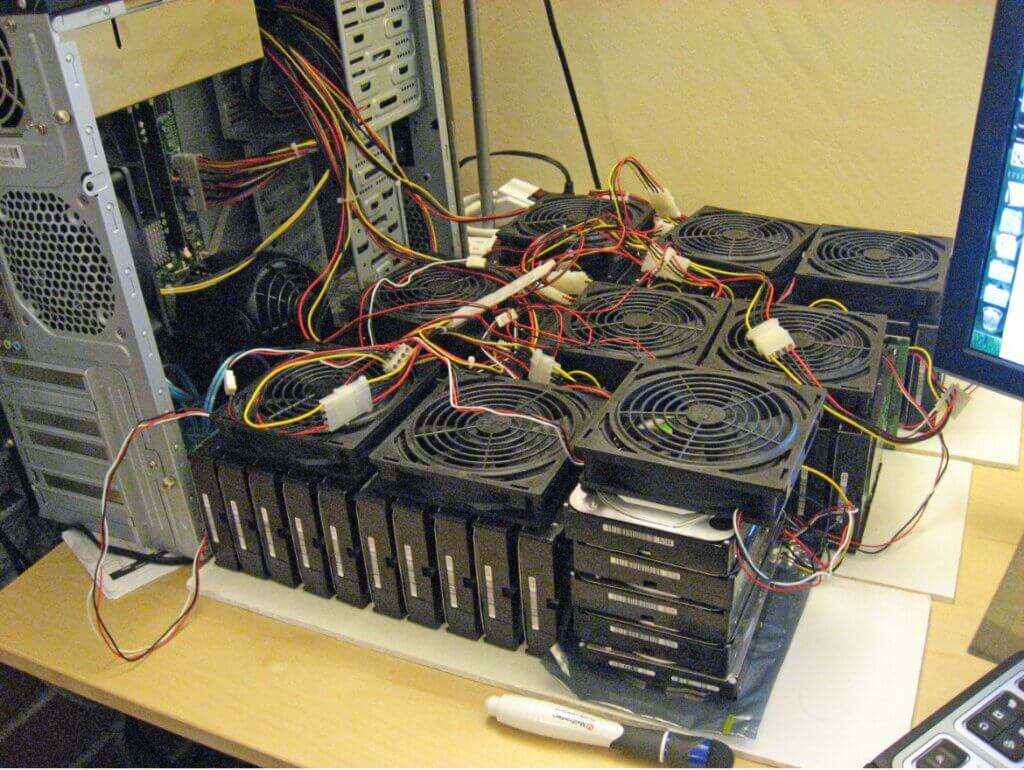
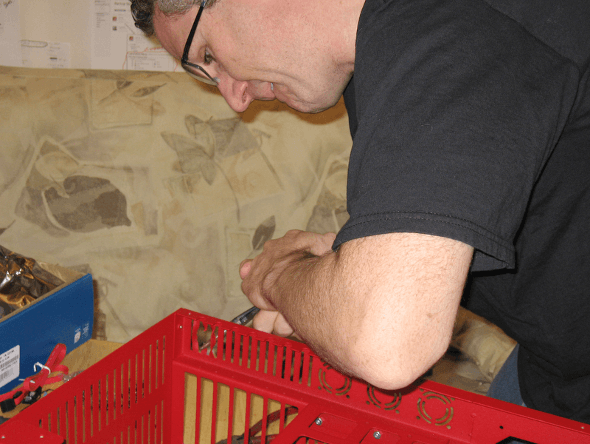
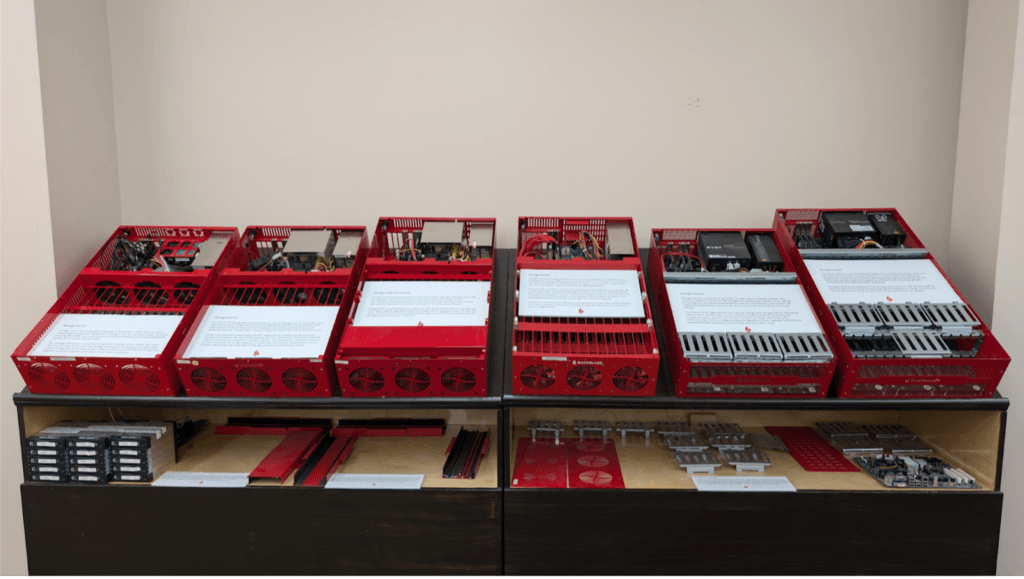
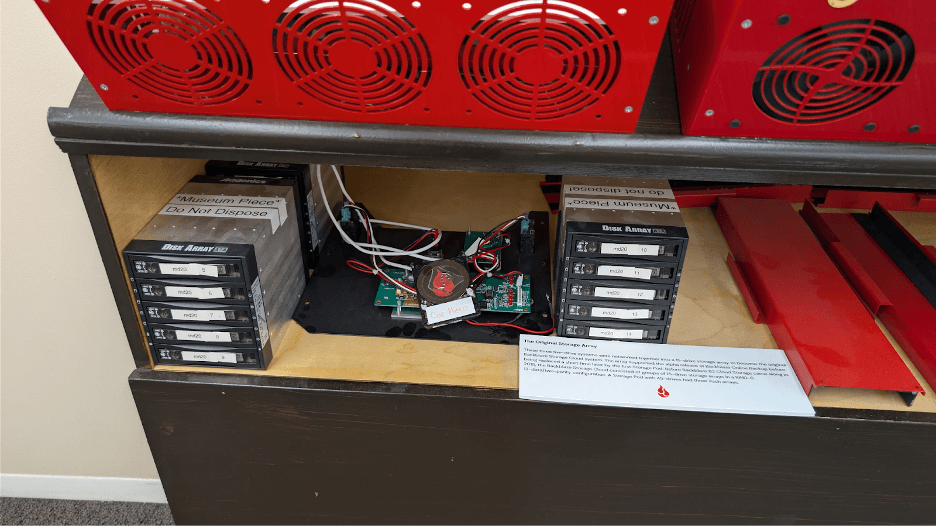
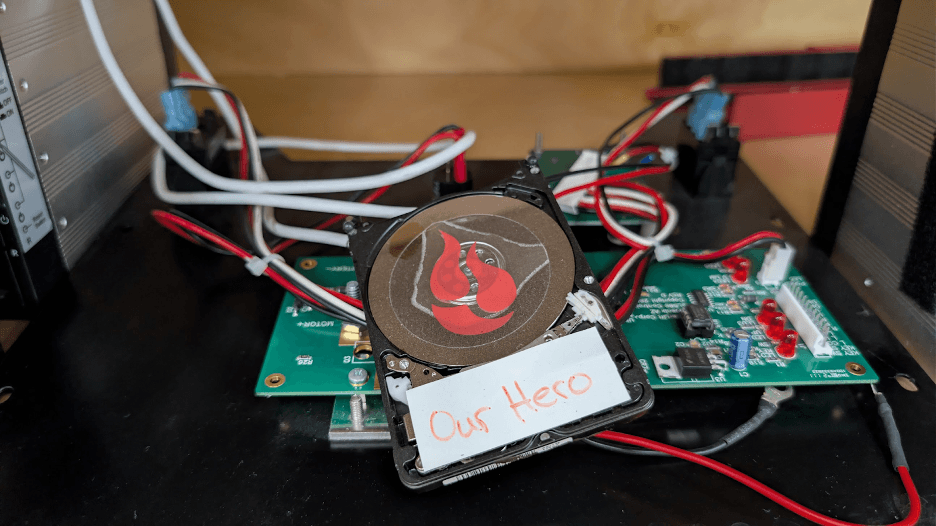
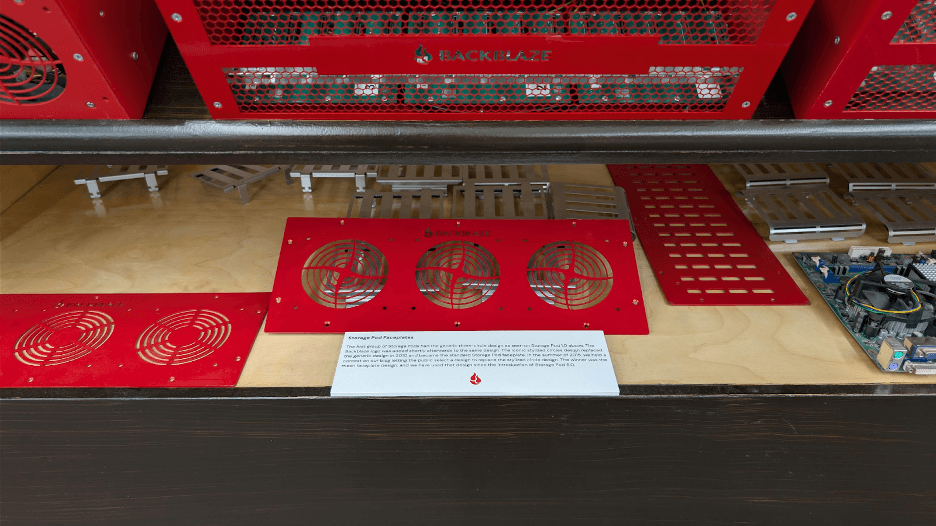
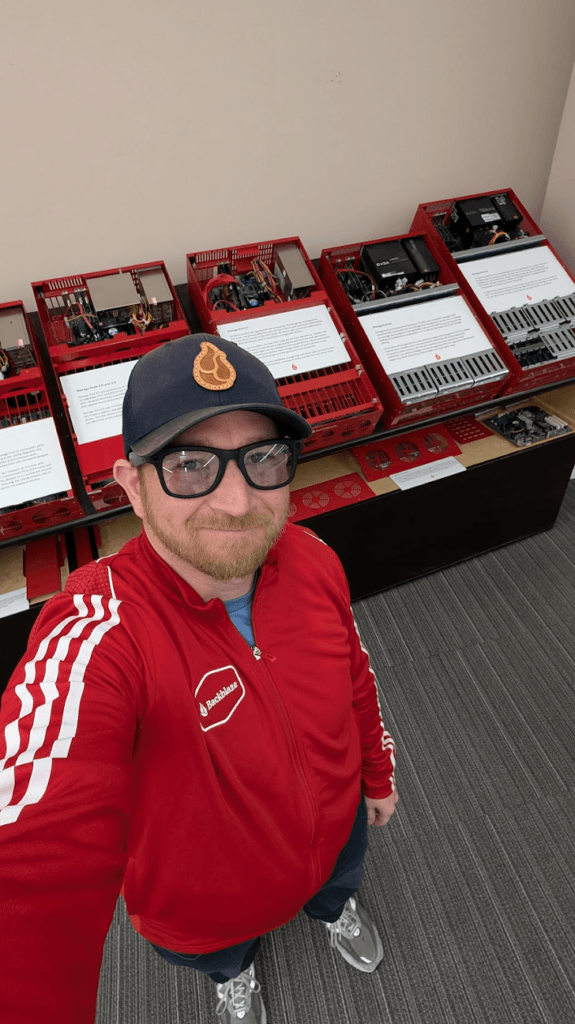
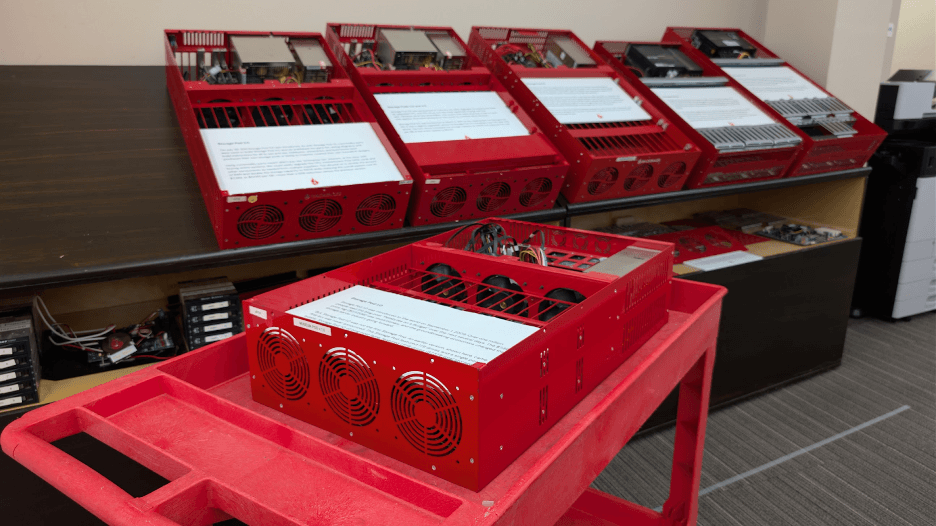
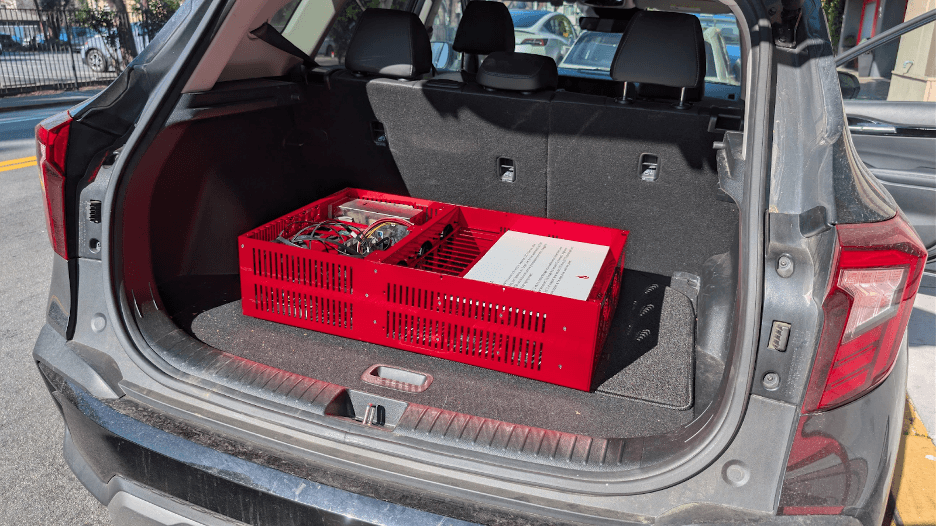
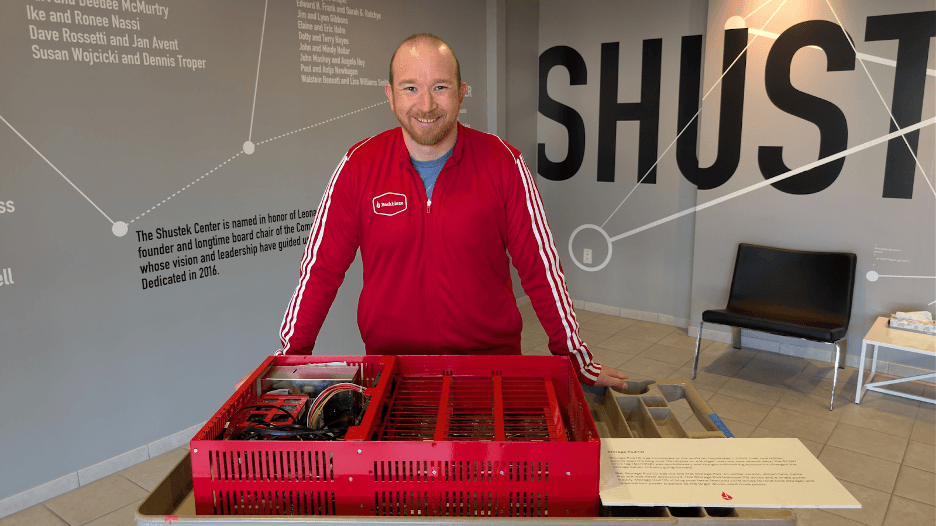
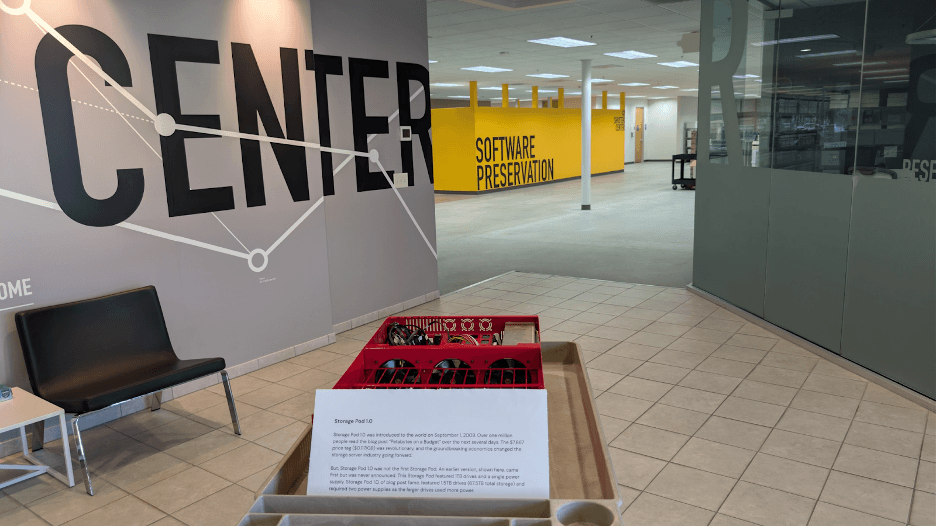


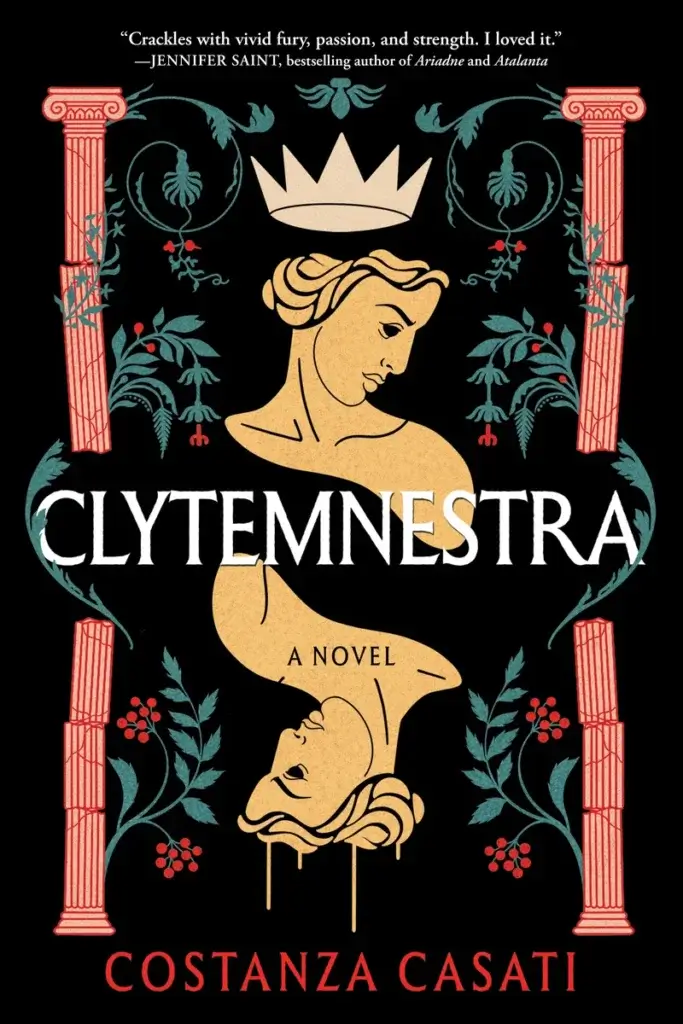
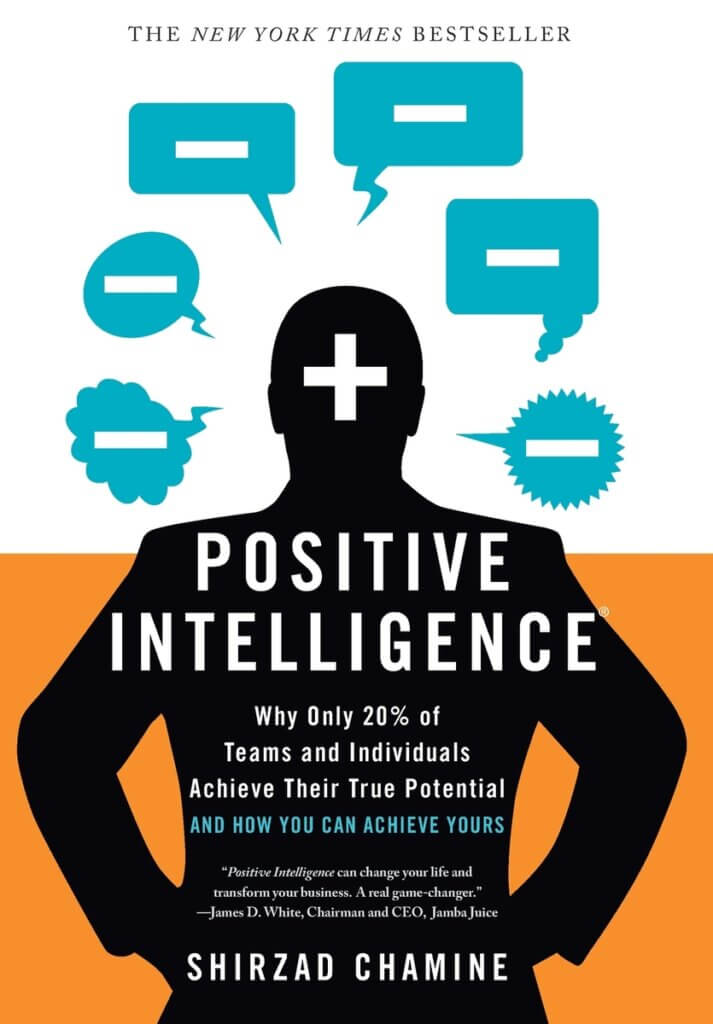
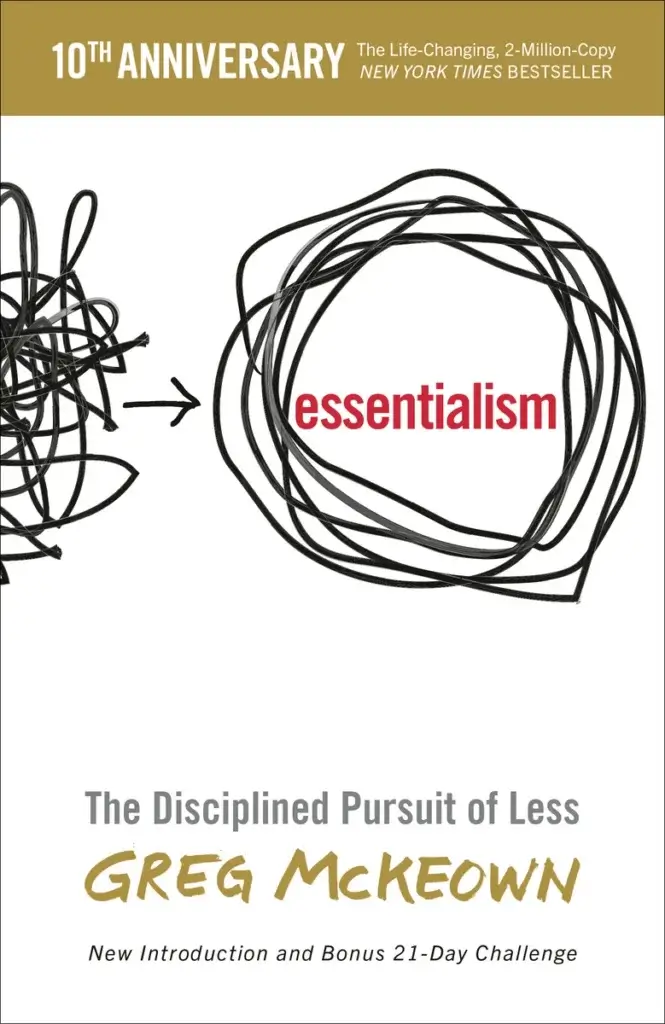
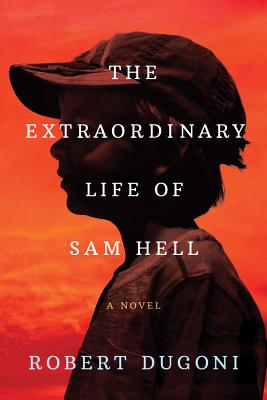

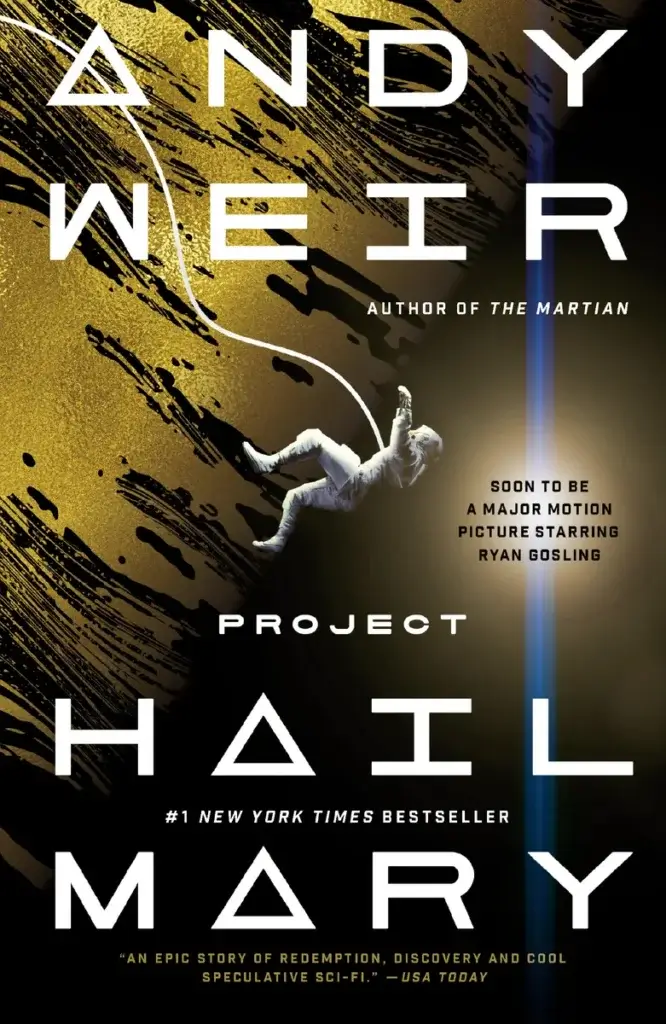
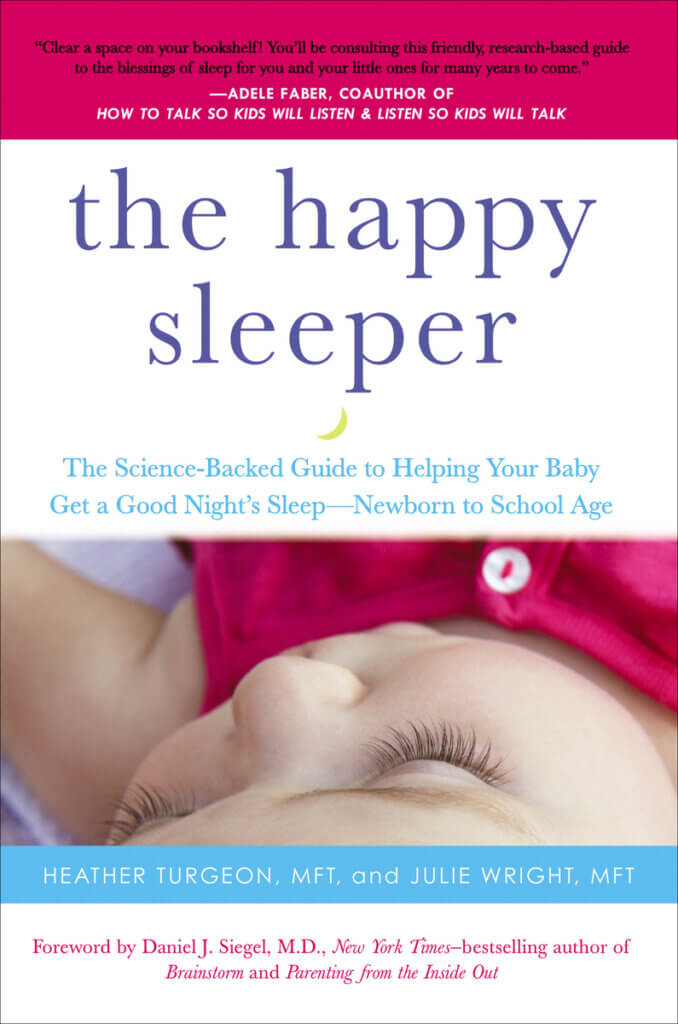
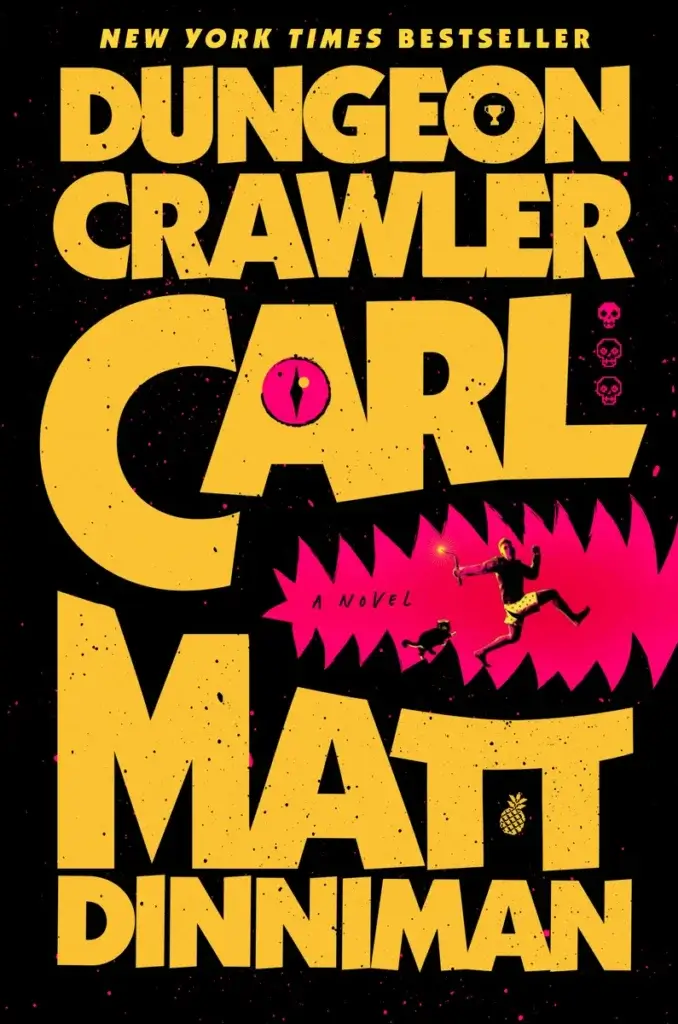

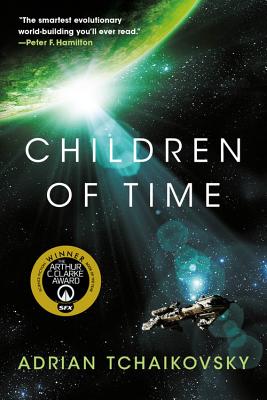




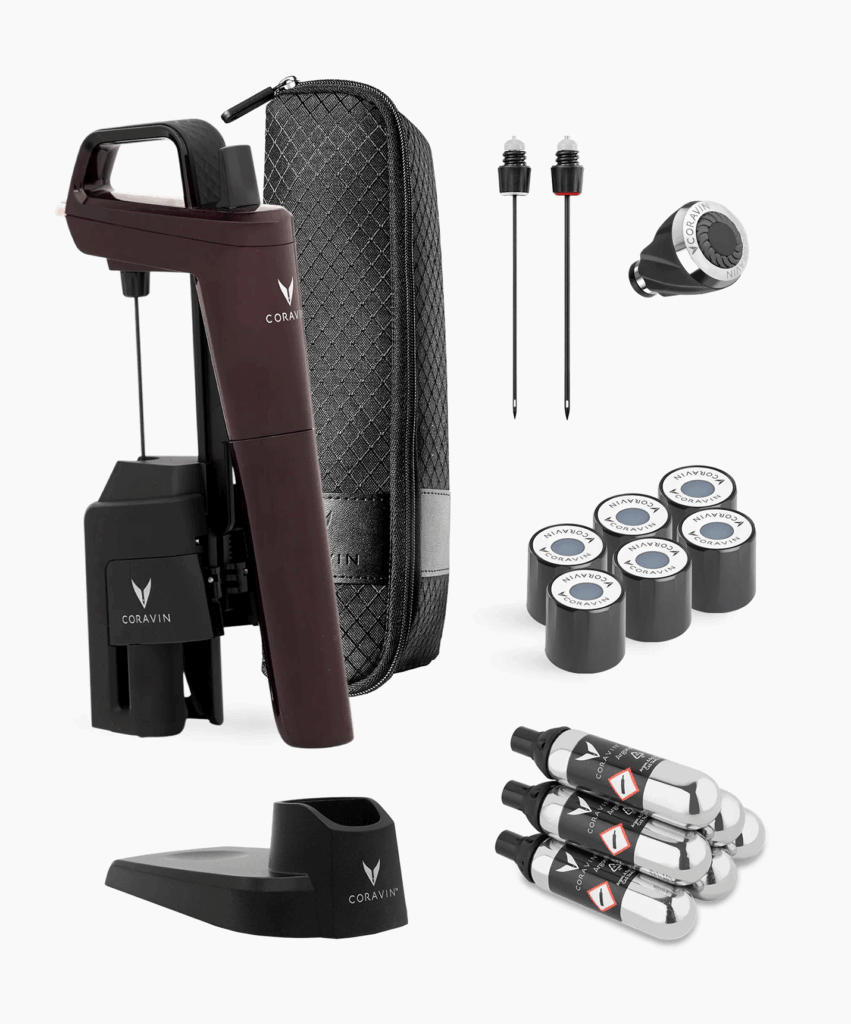


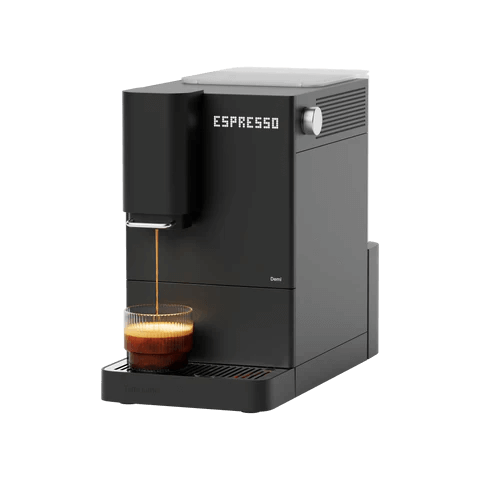


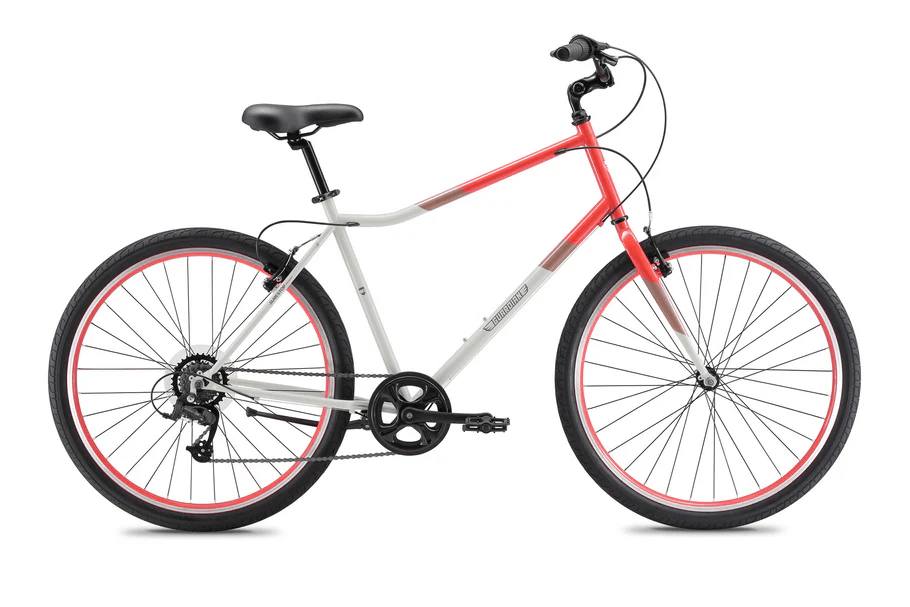

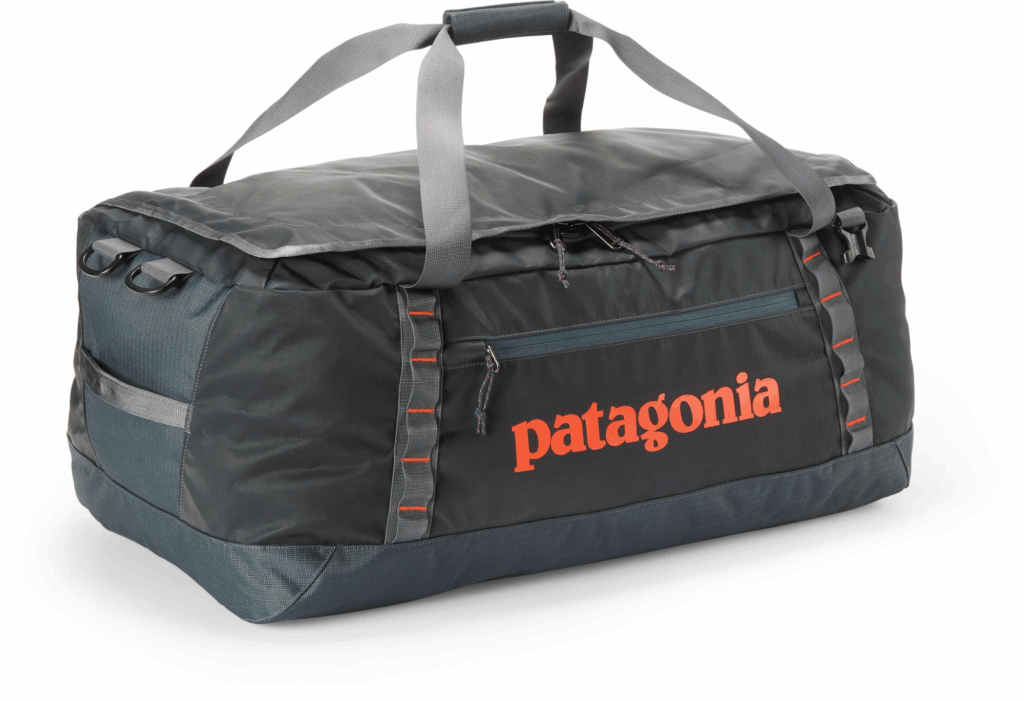


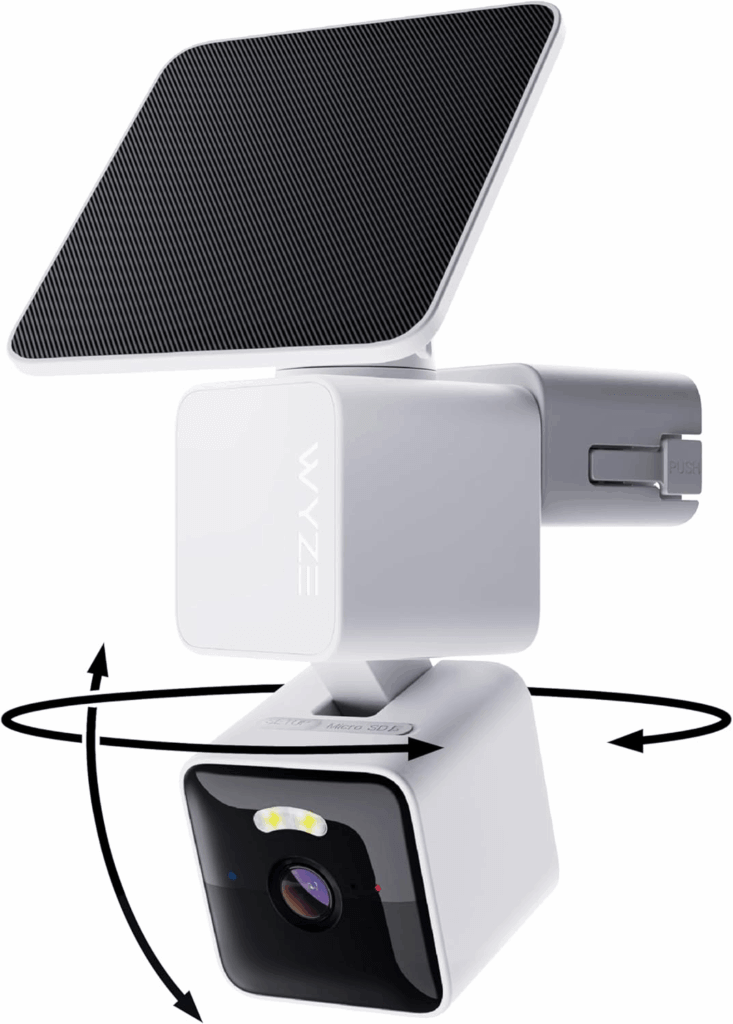







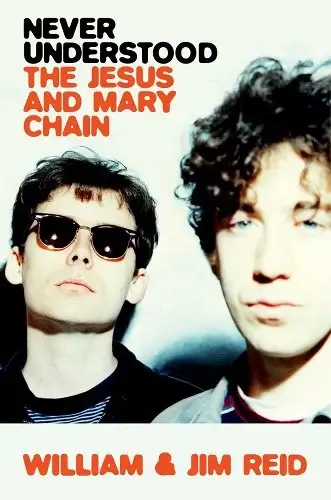
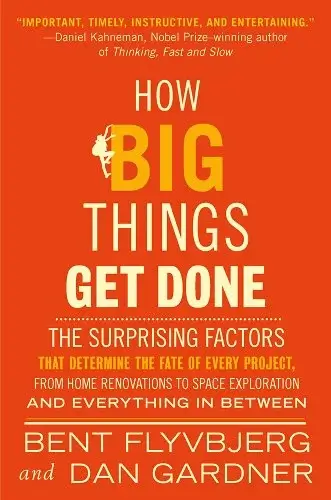

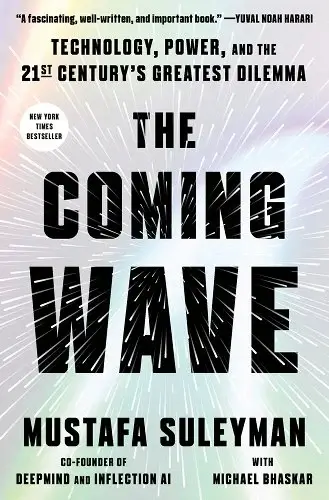
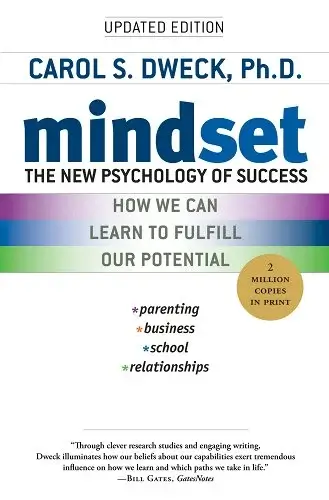

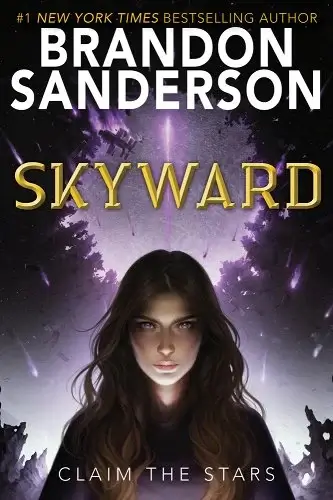



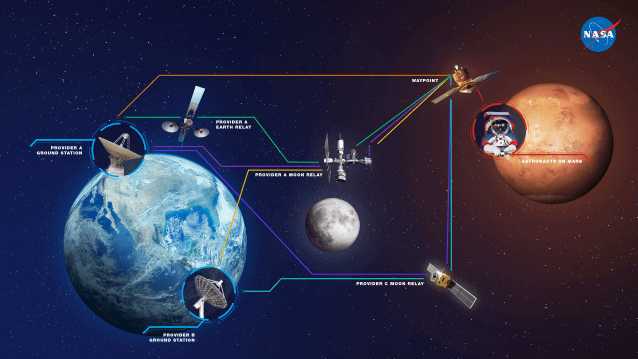





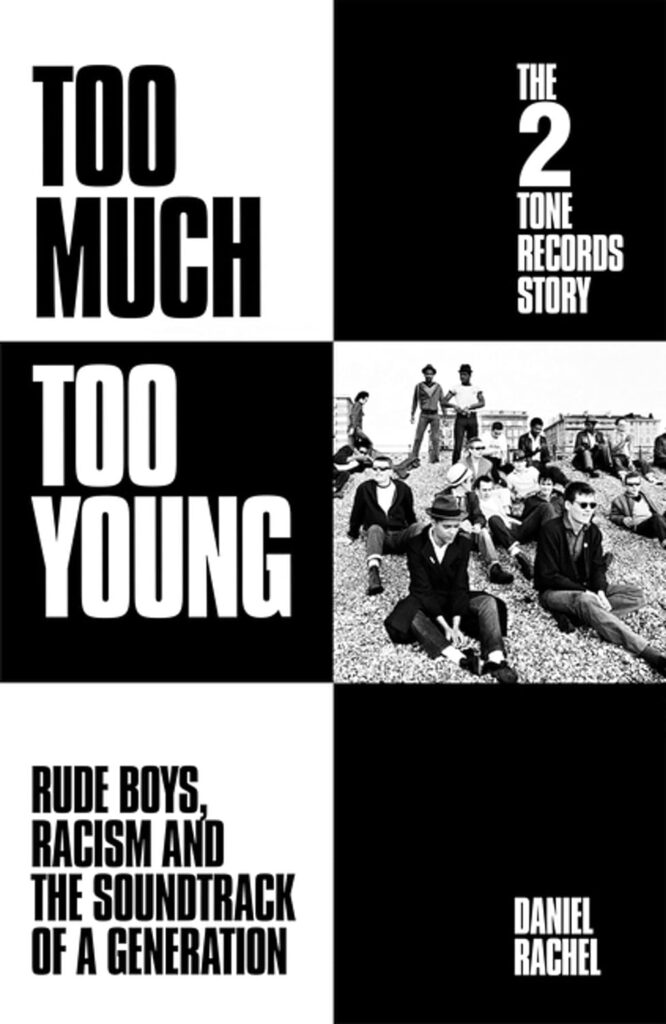







.jpg)