All posts by Cloudforce One

React2Shell and related RSC vulnerabilities threat brief: early exploitation activity and threat actor techniques

Post Syndicated from Cloudforce One original https://blog.cloudflare.com/react2shell-rsc-vulnerabilities-exploitation-threat-brief/

On December 3, 2025, immediately following the public disclosure of the critical, maximum-severity React2Shell vulnerability (CVE-2025-55182), the Cloudforce One Threat Intelligence team began monitoring for early signs of exploitation. Within hours, we observed scanning and active exploitation attempts, including traffic originating from infrastructure associated with Asian-nexus threat groups.

Early activity indicates that threat actors quickly integrated this vulnerability into their scanning and reconnaissance routines. We observed systematic probing of exposed systems, testing for the flaw at scale, and incorporating it into broader sweeps of Internet‑facing assets. The identified behavior reveals the actors relied on a combination of tools, such as standard vulnerability scanners and publicly accessible Internet asset discovery platforms, to find potentially vulnerable React Server Components (RSC) deployments exposed to the Internet.

Patterns in observed threat activity also suggest that the actors focused on identifying specific application metadata — such as icon hashes, SSL certificate details, or geographic region identifiers — to refine their candidate target lists before attempting exploitation. 

In addition to React2Shell, two additional vulnerabilities affecting specific RSC implementations were disclosed: CVE-2025-55183 and CVE-2025-55184. Both vulnerabilities, while distinct from React2Shell, also relate to RSC payload handling and Server Function semantics, and are described in more detail below.

Background: React2Shell vulnerability (CVE-2025-55182)

On December 3, 2025, the React Team disclosed a Remote Code Execution (RCE) vulnerability affecting servers using the React Server Components (RSC) Flight protocol. The vulnerability, CVE-2025-55182, received a CVSS score of 10.0 and has been informally referred to as React2Shell.

The underlying cause of the vulnerability is an unsafe deserialization flaw in the RSC Flight data-handling logic. When a server processes attacker-controlled payloads without proper validation, it becomes possible to influence server-side execution flow. In this case, crafted input allows an attacker to inject logic that the server interprets in a privileged context.

Exploitation is straightforward. A single, specially crafted HTTP request is sufficient; there is no authentication requirement, user interaction, or elevated permissions involved. Once successful, the attacker can execute arbitrary, privileged JavaScript on the affected server.

This combination of authenticated access, trivial exploitation, and full code execution is what places CVE-2025-55182 at the highest severity level and makes it significant for organizations relying on vulnerable versions of React Server Components. 

In response, Cloudflare has deployed new rules across its network, with the default action set to Block. These new protections are included in both the Cloudflare Free Managed Ruleset (available to all Free customers) and the standard Cloudflare Managed Ruleset (available to all paying customers), as detailed below. More information about the different rulesets can be found in our documentation.

CVE

Description

Cloudflare WAF Rule ID

CVE-2025-55182

React – RCE

Rules to mitigate React2Shell Exploit

Paid: 33aa8a8a948b48b28d40450c5fb92fba

Free: 2b5d06e34a814a889bee9a0699702280

CVE-2025-55182 – 2

React – RCE Bypass

Additional rules to mitigate exploit bypass

Paid: bc1aee59731c488ca8b5314615fce168

Free: cbdd3f48396e4b7389d6efd174746aff

CVE-2025-55182

Scanner Detection

Additional paid WAF rule to catch React2Shell scanning attempts

Paid: 1d54691cb822465183cb49e2f562cf5c

Recently disclosed RSC vulnerabilities

In addition to React2Shell, two additional vulnerabilities affecting specific RSC implementations were disclosed. The two vulnerabilities, while distinct from React2Shell, also relate to RSC payload handling and Server Function semantics, with corresponding Cloudflare protections noted below:

CVE

Description

Cloudflare WAF Rule ID

CVE-2025-55183

Leaking Server Functions

In deployments where Server Function identifiers are insufficiently validated, an attacker may force the server into returning the source body of a referenced function

Paid: 17c5123f1ac049818765ebf2fefb4e9b

Free: 3114709a3c3b4e3685052c7b251e86aa

CVE-2025-55184

React Function DoS

A crafted RSC Flight Payload containing cyclical Promise references can trigger unbounded recursion or event-loop lockups under certain server configurations, resulting in denial-of-service conditions

Paid: 2694f1610c0b471393b21aef102ec699

Investigation of early scanning and exploitation

The following analysis details the initial wave of activity observed by Cloudforce One, focusing on threat actor attempts to scan for and exploit the React2Shell vulnerability. While these findings represent activity immediately following the vulnerability’s release, and were focused on known threat actors, it is critical to note that the volume and scope of related threat activity have expanded dramatically since these first observations.

Tactics

Unsurprisingly, the threat actors were relying heavily on publicly available, commercial, and a variety of other tools to identify vulnerable servers:

  • Vulnerability intelligence: The actors leveraged vulnerability intelligence databases that aggregated CVEs, advisories, and exploits for tracking and prioritization.

  • Vulnerability reconnaissance: The actors conducted searches using large-scale reconnaissance services, indicating they are relying on Internet-wide scanning and asset discovery platforms to find exposed systems running React App or RSC components. They also made use of tools that identify the software stack and technologies used by websites.

  • Vulnerability scanning: Activity included use of Nuclei (User-Agent: Nuclei – CVE-2025-55182), a popular rapid scanning tool used to deploy YAML-based templates to check for vulnerabilities. The actors were also observed using a highly likely React2Shell scanner associated with the User-Agent “Mozilla/5.0 (Windows NT 10.0; Win64; x64) AppleWebKit/537.36 (KHTML, like Gecko) Chrome/60.0.3112.113 Safari/537.36 React2ShellScanner/1.0.0“.

  • Vulnerability exploitation: The actors made use of Burp Suite, a web application security testing platform for identifying and exploiting vulnerabilities in HTTP/S traffic.

Techniques 

Recon via Internet-wide scanning and asset discovery platform 
To enumerate potential React2Shell targets, the actors leveraged an Internet-wide scanning and asset-discovery platform commonly used to fingerprint web technologies at scale. Their queries demonstrated a targeted effort to isolate React and Next.js applications — two frameworks directly relevant to the vulnerability — by searching for React-specific icon hashes, framework-associated metadata, and page titles containing React-related keywords. This approach likely allowed them to rapidly build an inventory of exploitable hosts before initiating more direct probing.

Targeting enumeration and filtering 
During their reconnaissance phase, the operators applied additional filtering logic to refine their target set and minimize noise. Notably, they excluded Chinese IP space from their searches, indicating that their enumeration workflow intentionally avoided collecting data on possibly domestic infrastructure. They also constrained scanning to specific geographic regions and national networks to identify likely high-value hosts. Beyond basic fingerprinting, the actors leveraged SSL certificate attributes — including issuer details, subject fields, and top-level domains — to surface entities of interest, such as government or critical-infrastructure systems using .gov or other restricted TLDs. This combination of geographic filtering and certificate-based pivoting enabled a more precise enumeration process that prioritized strategically relevant and potentially vulnerable high-value targets.

Preliminary target analysis
Observed activity reflected a clear focus on strategically significant organizations across multiple regions. Their highest-density probing occurred against networks in Taiwan, Xinjiang Uygur, Vietnam, Japan, and New Zealand — regions frequently associated with geopolitical intelligence collection priorities. Other selective targeting was also observed against entities across the globe, including government (.gov) websites, academic research institutions, and critical‑infrastructure operators. These infrastructure operators specifically included a national authority responsible for the import and export of uranium, rare metals, and nuclear fuel.

The actors also prioritized high‑sensitivity technology targets such as enterprise password managers and secure‑vault services, likely due to their potential to provide downstream access to broader organizational credentials and secrets. 

Additionally, the campaign targeted edge‑facing SSL VPN appliances whose administrative interfaces may incorporate React-based components, suggesting the actor sought to exploit React2Shell against both traditional web applications and embedded web management frameworks in order to maximize access opportunities.

Early threat actor observations
Cloudforce One analysis confirms that early scanning and exploitation attempts originated from IP addresses previously associated with multiple Asia-affiliated threat actor clusters.  While not all observed IP addresses belong to a single operator, the simultaneous activity suggests shared tooling, infrastructure, or experimentation in parallel among groups with a common purpose and shared targeting objectives. Observed targeting enumeration and filtering (e.g. a focus on Taiwan and Xinjiang Uygur, but exclusion of China), as well as heavy use of certain scanning and asset discovery platforms, suggest general attribution to Asia-linked threat actors.

Overall trends

Cloudflare’s Managed Rulesets for React2Shell began detecting significant activity within hours of the vulnerability’s disclosure. The graph below shows the daily hit count across the two exploit-related React2Shell WAF rules. 


Aggregate rule hit volume over time

The React2Shell disclosure triggered a surge of opportunistic scanning and exploit behavior. In total, from 2025-12-03 00:00 UTC to 2025-12-11 17:00UTC, we received 582.10M hits. That equates to an average of 3.49M hits per hour, with a maximum number of hits in a single hour reaching 12.72M. The average unique IP count per hour was 3,598, with the maximum number of IPs in an hour being 16,585.


Hourly count of unique IPs sending React2Shell-related probes 

Our data also shows distinct peaks above 6,387 User-Agents per hour, indicating a heterogeneous mix of tools and frameworks in use, with the average number of unique User-Agents per hour being 2,255. The below graph shows exploit attempts based on WAF rules (Free and Managed) triggering on matching payloads:


Unique User-Agent strings used in React2Shell-related requests

To better understand the types of automated tools probing for React2Shell exposure, Cloudflare analyzed the User-Agent strings associated with React2Shell-related requests since December 3, 2025. The data shows a wide variety of scanning tools suggesting broad Internet-wide reconnaissance: 

Top 10 User Agent strings by exploit attempts

Mozilla/5.0 (Windows NT 10.0; Win64; x64) AppleWebKit/537.36 (KHTML, like Gecko) Chrome/60.0.3112.113 Safari/537.36 Assetnote/1.0.0

Block Security Team/Assetnote-HjJacErLyq2xFe01qaCM1yyzs

Mozilla/5.0 (Windows NT 10.0; Win64; x64) AppleWebKit/537.36 (KHTML, like Gecko) Chrome/60.0.3112.113 Safari/537.36 (GIS – AppSec Team – Project Vision)

Mozilla/5.0 (Windows NT 10.0; Win64; x64) AppleWebKit/537.36

python-requests/2.32.5

Mozilla/5.0 (Windows NT 10.0; Win64; x64) AppleWebKit/537.36 (KHTML, like Gecko) Chrome/60.0.3112.113 Safari/537.36 Assetnote/1.0.0 (ExposureScan)

Mozilla/5.0 (Windows NT 10.0; Win64; x64) AppleWebKit/537.36 (KHTML, like Gecko) Chrome/91.0.4472.124 Safari/537.36

Mozilla/5.0 (Windows NT 10.0; Win64; x64) AppleWebKit/537.36 (KHTML, like Gecko) Chrome/142.0.0.0 Safari/537.36

Mozilla/5.0 (Windows NT 10.0; Win64; x64) AppleWebKit/537.36 (KHTML, like Gecko) Chrome/60.0.3112.113 Safari/537.36

Mozilla/5.0 (Macintosh; Intel Mac OS X 10_15_7) AppleWebKit/605.1.15 (KHTML, like Gecko) Version/18.1 Safari/605.1.1

Payload variation and experimentation

Cloudflare analyzed the payload sizes associated with requests triggering React2Shell-related detection rules. The long-tailed distribution — dominated by sub-kilobyte probes, but punctured by extremely large outliers — suggest actors are testing a wide range of payload sizes:

Metric

Value

Maximum payload size

375 MB

Average payload size

3.2 KB

p25 (25th Percentile)

703 B

p75 (75th Percentile)

818 B

p90 (90th Percentile)

2.7 KB

p99 (99th Percentile)

66.5 KB

Standard deviation

330 KB

Additional React vulnerabilities identified 

In parallel with our ongoing analysis of the React2Shell vulnerability, two additional vulnerabilities affecting React Server Components (RSC) implementations have been identified:

1. React function DoS

The vulnerability CVE-2025-55184 was recently disclosed, revealing that React Server Component frameworks can be forced into a Node.js state where the runtime unwraps an infinite recursion of nested Promises.

This behavior:

  • Freezes the server indefinitely

  • Prevents yielding back to the event loop

  • Effectively takes the server offline

  • Does not require any specific Server Action usage — merely the presence of a server capable of processing an RSC Server Action payload 

The trigger condition is a cyclic promise reference inside the RSC payload.

2. Leaking server functions 

Another vulnerability, CVE-2025-55183, was also recently disclosed, revealing that certain React Server Component frameworks can leak server-only source code under specific conditions.

If an attacker gains access to a Server Function that:

  • Accepts an argument that undergoes string coercion, and

  • Does not validate that the argument is of an expected primitive type

then the attacker can coerce that argument into a reference to a different Server Function. The coerced value’s toString() output causes the server to return the source code of the referenced Server Function.

How Cloudflare is protecting customers

Cloudflare’s protection strategy is multi-layered, relying on both the inherent security model of its platform and immediate, proactive updates to its Web Application Firewall (WAF). 

  • Cloudflare Workers: React-based applications and frameworks deployed on Cloudflare Workers are inherently immune. The Workers security model prevents exploits from succeeding at the runtime layer, regardless of the malicious payload.

  • Proactive WAF deployment: Cloudflare urgently deployed WAF rules to detect and block traffic proxied through its network related to React2Shell and the recently disclosed RSC vulnerabilities.   

The Cloudflare security team continues to monitor for additional attack variations and will update protections as necessary to maintain continuous security for all proxied traffic. 

Continuous monitoring 

While Cloudflare’s emergency actions — the WAF limit increase and immediate rule deployment — have successfully mitigated the current wave of exploitation attempts, this vulnerability represents a persistent and evolving threat. The immediate weaponization of CVE-2025-55182 by sophisticated threat actors underscores the need for continuous defense.

Cloudflare remains committed to continuous surveillance for emerging exploit variants and refinement of WAF rules to detect evasive techniques. However, network-level protection is not a substitute for remediation at the source. Organizations must prioritize immediate patching of all affected React and Next.js assets. This combination of platform-level WAF defense and immediate application patching remains the only reliable strategy against this critical threat.

Indicators of Compromise

Tool/Scanner

User Agent String

Observation/Purpose

Nuclei

Nuclei – CVE-2025-55182

User-Agent for rapid, template-based scanning for React2Shell vulnerability

React2ShellScanner

Mozilla/5.0 (Windows NT 10.0; Win64; x64) AppleWebKit/537.36 (KHTML, like Gecko) Chrome/60.0.3112.113 Safari/537.36 React2ShellScanner/1.0.0

User-Agent for a likely custom React2Shell vulnerability scanner

Disrupting FlyingYeti’s campaign targeting Ukraine

Post Syndicated from Cloudforce One original https://blog.cloudflare.com/disrupting-flyingyeti-campaign-targeting-ukraine


Cloudforce One is publishing the results of our investigation and real-time effort to detect, deny, degrade, disrupt, and delay threat activity by the Russia-aligned threat actor FlyingYeti during their latest phishing campaign targeting Ukraine. At the onset of Russia’s invasion of Ukraine on February 24, 2022, Ukraine introduced a moratorium on evictions and termination of utility services for unpaid debt. The moratorium ended in January 2024, resulting in significant debt liability and increased financial stress for Ukrainian citizens. The FlyingYeti campaign capitalized on anxiety over the potential loss of access to housing and utilities by enticing targets to open malicious files via debt-themed lures. If opened, the files would result in infection with the PowerShell malware known as COOKBOX, allowing FlyingYeti to support follow-on objectives, such as installation of additional payloads and control over the victim’s system.

Since April 26, 2024, Cloudforce One has taken measures to prevent FlyingYeti from launching their phishing campaign – a campaign involving the use of Cloudflare Workers and GitHub, as well as exploitation of the WinRAR vulnerability CVE-2023-38831. Our countermeasures included internal actions, such as detections and code takedowns, as well as external collaboration with third parties to remove the actor’s cloud-hosted malware. Our effectiveness against this actor prolonged their operational timeline from days to weeks. For example, in a single instance, FlyingYeti spent almost eight hours debugging their code as a result of our mitigations. By employing proactive defense measures, we successfully stopped this determined threat actor from achieving their objectives.

Executive Summary

  • On April 18, 2024, Cloudforce One detected the Russia-aligned threat actor FlyingYeti preparing to launch a phishing espionage campaign targeting individuals in Ukraine.
  • We discovered the actor used similar tactics, techniques, and procedures (TTPs) as those detailed in Ukranian CERT’s article on UAC-0149, a threat group that has primarily targeted Ukrainian defense entities with COOKBOX malware since at least the fall of 2023.
  • From mid-April to mid-May, we observed FlyingYeti conduct reconnaissance activity, create lure content for use in their phishing campaign, and develop various iterations of their malware. We assessed that the threat actor intended to launch their campaign in early May, likely following Orthodox Easter.
  • After several weeks of monitoring actor reconnaissance and weaponization activity (Cyber Kill Chain Stages 1 and 2), we successfully disrupted FlyingYeti’s operation moments after the final COOKBOX payload was built.
  • The payload included an exploit for the WinRAR vulnerability CVE-2023-38831, which FlyingYeti will likely continue to use in their phishing campaigns to infect targets with malware.
  • We offer steps users can take to defend themselves against FlyingYeti phishing operations, and also provide recommendations, detections, and indicators of compromise.

Who is FlyingYeti?

FlyingYeti is the cryptonym given by Cloudforce One to the threat group behind this phishing campaign, which overlaps with UAC-0149 activity tracked by CERT-UA in February and April 2024. The threat actor uses dynamic DNS (DDNS) for their infrastructure and leverages cloud-based platforms for hosting malicious content and for malware command and control (C2). Our investigation of FlyingYeti TTPs suggests this is likely a Russia-aligned threat group. The actor appears to primarily focus on targeting Ukrainian military entities. Additionally, we observed Russian-language comments in FlyingYeti’s code, and the actor’s operational hours falling within the UTC+3 time zone.

Campaign background

In the days leading up to the start of the campaign, Cloudforce One observed FlyingYeti conducting reconnaissance on payment processes for Ukrainian communal housing and utility services:

  • April 22, 2024 – research into changes made in 2016 that introduced the use of QR codes in payment notices
  • April 22, 2024 – research on current developments concerning housing and utility debt in Ukraine
  • April 25, 2024 – research on the legal basis for restructuring housing debt in Ukraine as well as debt involving utilities, such as gas and electricity

Cloudforce One judges that the observed reconnaissance is likely due to the Ukrainian government’s payment moratorium introduced at the start of the full-fledged invasion in February 2022. Under this moratorium, outstanding debt would not lead to evictions or termination of provision of utility services. However, on January 9, 2024, the government lifted this ban, resulting in increased pressure on Ukrainian citizens with outstanding debt. FlyingYeti sought to capitalize on that pressure, leveraging debt restructuring and payment-related lures in an attempt to increase their chances of successfully targeting Ukrainian individuals.

Analysis of the Komunalka-themed phishing site

The disrupted phishing campaign would have directed FlyingYeti targets to an actor-controlled GitHub page at hxxps[:]//komunalka[.]github[.]io, which is a spoofed version of the Kyiv Komunalka communal housing site https://www.komunalka.ua. Komunalka functions as a payment processor for residents in the Kyiv region and allows for payment of utilities, such as gas, electricity, telephone, and Internet. Additionally, users can pay other fees and fines, and even donate to Ukraine’s defense forces.

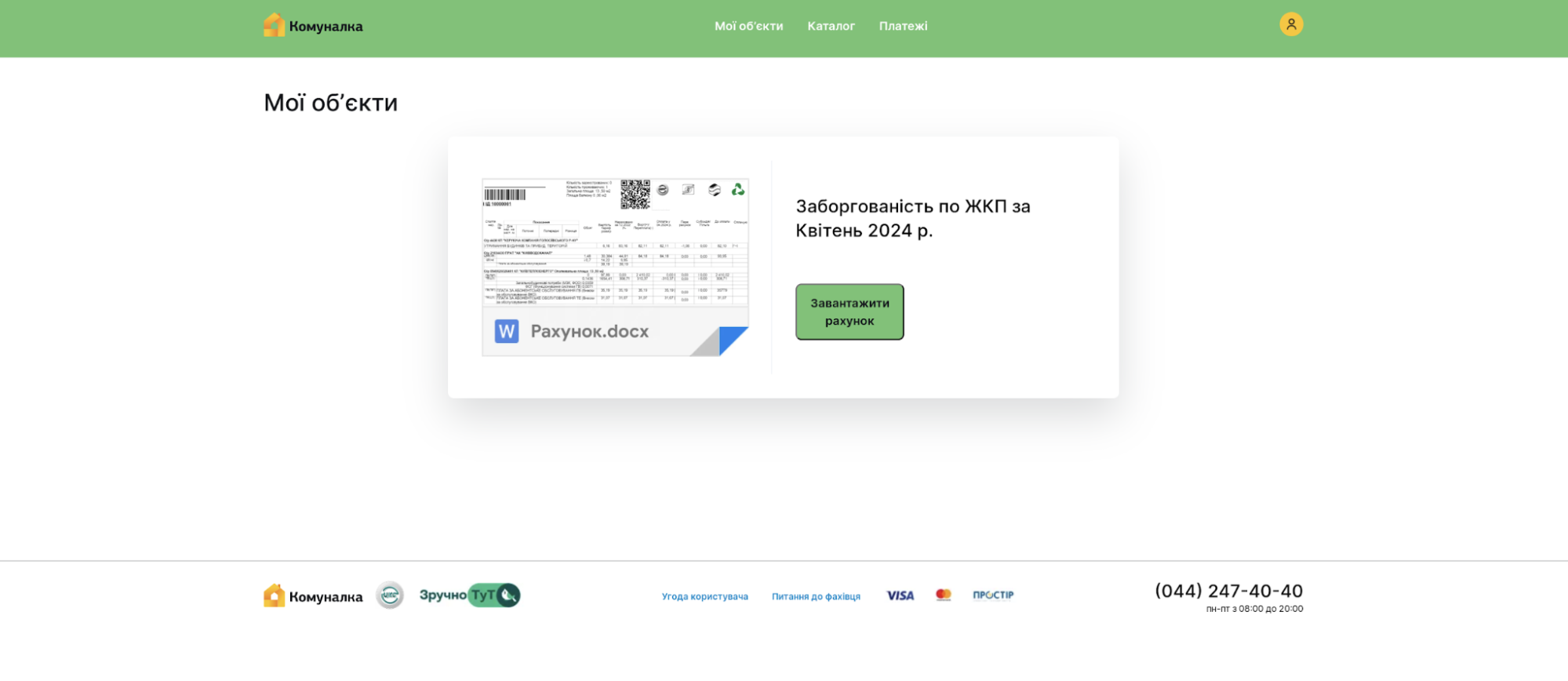
Based on past FlyingYeti operations, targets may be directed to the actor’s Github page via a link in a phishing email or an encrypted Signal message. If a target accesses the spoofed Komunalka platform at hxxps[:]//komunalka[.]github[.]io, the page displays a large green button with a prompt to download the document “Рахунок.docx” (“Invoice.docx”), as shown in Figure 1. This button masquerades as a link to an overdue payment invoice but actually results in the download of the malicious archive “Заборгованість по ЖКП.rar” (“Debt for housing and utility services.rar”).

Figure 1: Prompt to download malicious archive “Заборгованість по ЖКП.rar”

A series of steps must take place for the download to successfully occur:

  • The target clicks the green button on the actor’s GitHub page hxxps[:]//komunalka.github[.]io
  • The target’s device sends an HTTP POST request to the Cloudflare Worker worker-polished-union-f396[.]vqu89698[.]workers[.]dev with the HTTP request body set to “user=Iahhdr”
  • The Cloudflare Worker processes the request and evaluates the HTTP request body
  • If the request conditions are met, the Worker fetches the RAR file from hxxps[:]//raw[.]githubusercontent[.]com/kudoc8989/project/main/Заборгованість по ЖКП.rar, which is then downloaded on the target’s device

Cloudforce One identified the infrastructure responsible for facilitating the download of the malicious RAR file and remediated the actor-associated Worker, preventing FlyingYeti from delivering its malicious tooling. In an effort to circumvent Cloudforce One’s mitigation measures, FlyingYeti later changed their malware delivery method. Instead of the Workers domain fetching the malicious RAR file, it was loaded directly from GitHub.

Analysis of the malicious RAR file

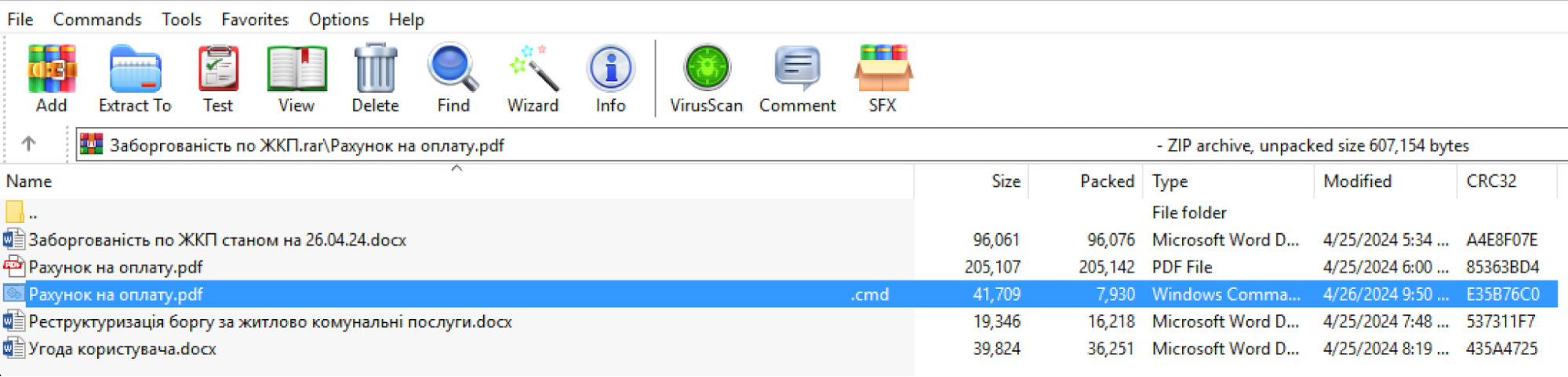
During remediation, Cloudforce One recovered the RAR file “Заборгованість по ЖКП.rar” and performed analysis of the malicious payload. The downloaded RAR archive contains multiple files, including a file with a name that contains the unicode character “U+201F”. This character appears as whitespace on Windows devices and can be used to “hide” file extensions by adding excessive whitespace between the filename and the file extension. As highlighted in blue in Figure 2, this cleverly named file within the RAR archive appears to be a PDF document but is actually a malicious CMD file (“Рахунок на оплату.pdf[unicode character U+201F].cmd”).

Figure 2: Files contained in the malicious RAR archive “Заборгованість по ЖКП.rar” (“Housing Debt.rar”)

FlyingYeti included a benign PDF in the archive with the same name as the CMD file but without the unicode character, “Рахунок на оплату.pdf” (“Invoice for payment.pdf”). Additionally, the directory name for the archive once decompressed also contained the name “Рахунок на оплату.pdf”. This overlap in names of the benign PDF and the directory allows the actor to exploit the WinRAR vulnerability CVE-2023-38831. More specifically, when an archive includes a benign file with the same name as the directory, the entire contents of the directory are opened by the WinRAR application, resulting in the execution of the malicious CMD. In other words, when the target believes they are opening the benign PDF “Рахунок на оплату.pdf”, the malicious CMD file is executed.

The CMD file contains the FlyingYeti PowerShell malware known as COOKBOX. The malware is designed to persist on a host, serving as a foothold in the infected device. Once installed, this variant of COOKBOX will make requests to the DDNS domain postdock[.]serveftp[.]com for C2, awaiting PowerShell cmdlets that the malware will subsequently run.

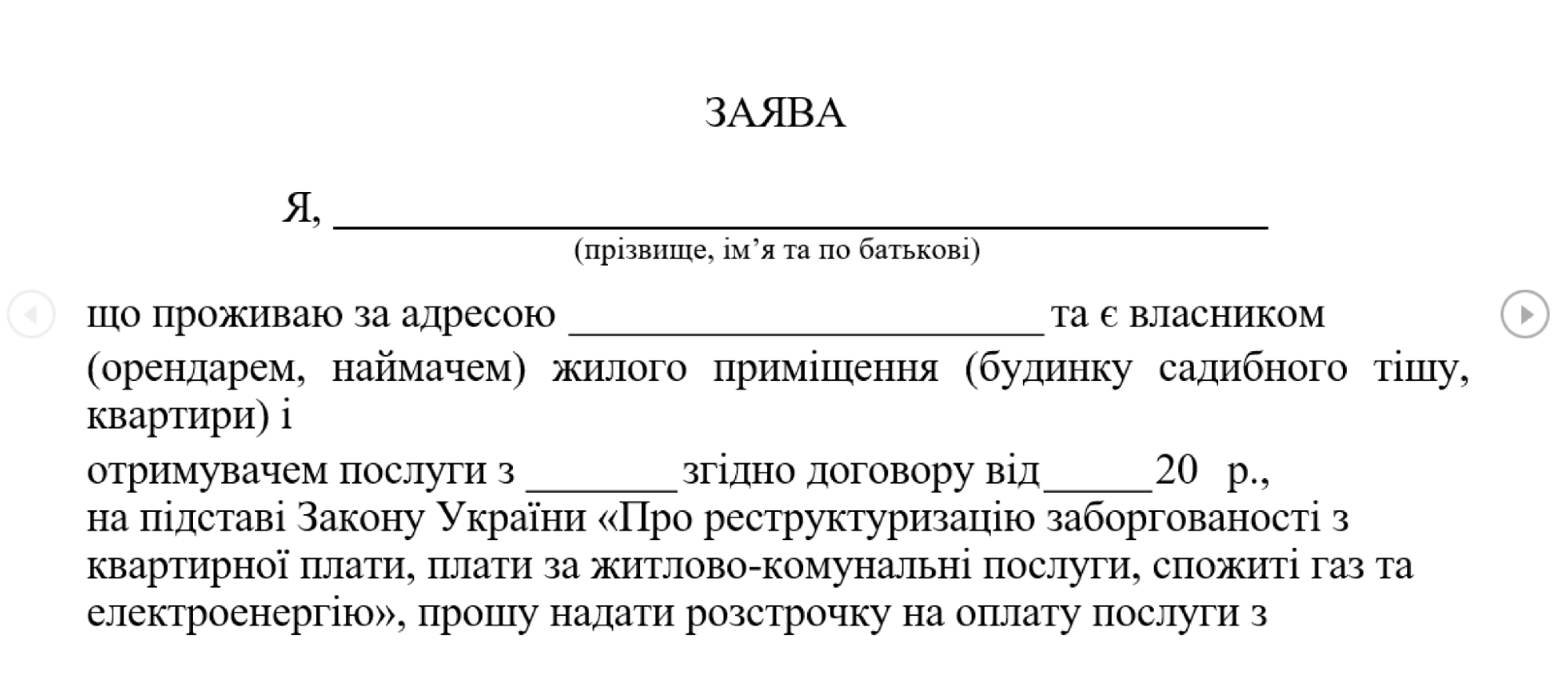
Alongside COOKBOX, several decoy documents are opened, which contain hidden tracking links using the Canary Tokens service. The first document, shown in Figure 3 below, poses as an agreement under which debt for housing and utility services will be restructured.

Figure 3: Decoy document Реструктуризація боргу за житлово комунальні послуги.docx

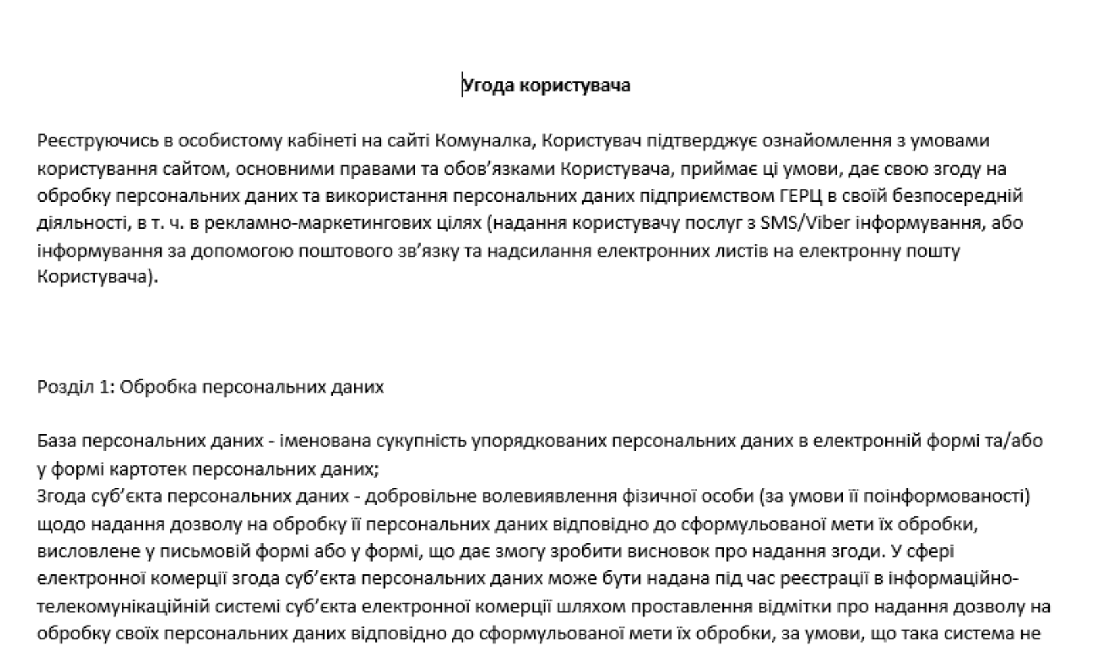
The second document (Figure 4) is a user agreement outlining the terms and conditions for the usage of the payment platform komunalka[.]ua.

Figure 4: Decoy document Угода користувача.docx (User Agreement.docx)

The use of relevant decoy documents as part of the phishing and delivery activity are likely an effort by FlyingYeti operators to increase the appearance of legitimacy of their activities.

The phishing theme we identified in this campaign is likely one of many themes leveraged by this actor in a larger operation to target Ukrainian entities, in particular their defense forces. In fact, the threat activity we detailed in this blog uses many of the same techniques outlined in a recent FlyingYeti campaign disclosed by CERT-UA in mid-April 2024, where the actor leveraged United Nations-themed lures involving Peace Support Operations to target Ukraine’s military. Due to Cloudforce One’s defensive actions covered in the next section, this latest FlyingYeti campaign was prevented as of the time of publication.

Mitigating FlyingYeti activity

Cloudforce One mitigated FlyingYeti’s campaign through a series of actions. Each action was taken to increase the actor’s cost of continuing their operations. When assessing which action to take and why, we carefully weighed the pros and cons in order to provide an effective active defense strategy against this actor. Our general goal was to increase the amount of time the threat actor spent trying to develop and weaponize their campaign.

We were able to successfully extend the timeline of the threat actor’s operations from hours to weeks. At each interdiction point, we assessed the impact of our mitigation to ensure the actor would spend more time attempting to launch their campaign. Our mitigation measures disrupted the actor’s activity, in one instance resulting in eight additional hours spent on debugging code.

Due to our proactive defense efforts, FlyingYeti operators adapted their tactics multiple times in their attempts to launch the campaign. The actor originally intended to have the Cloudflare Worker fetch the malicious RAR file from GitHub. After Cloudforce One interdiction of the Worker, the actor attempted to create additional Workers via a new account. In response, we disabled all Workers, leading the actor to load the RAR file directly from GitHub. Cloudforce One notified GitHub, resulting in the takedown of the RAR file, the GitHub project, and suspension of the account used to host the RAR file. In return, FlyingYeti began testing the option to host the RAR file on the file sharing sites pixeldrain and Filemail, where we observed the actor alternating the link on the Komunalka phishing site between the following:

  • hxxps://pixeldrain[.]com/api/file/ZAJxwFFX?download=one
  • hxxps://1014.filemail[.]com/api/file/get?filekey=e_8S1HEnM5Rzhy_jpN6nL-GF4UAP533VrXzgXjxH1GzbVQZvmpFzrFA&pk_vid=a3d82455433c8ad11715865826cf18f6

We notified GitHub of the actor’s evolving tactics, and in response GitHub removed the Komunalka phishing site. After analyzing the files hosted on pixeldrain and Filemail, we determined the actor uploaded dummy payloads, likely to monitor access to their phishing infrastructure (FileMail logs IP addresses, and both file hosting sites provide view and download counts). At the time of publication, we did not observe FlyingYeti upload the malicious RAR file to either file hosting site, nor did we identify the use of alternative phishing or malware delivery methods.

A timeline of FlyingYeti’s activity and our corresponding mitigations can be found below.

Event timeline

Date Event Description
2024-04-18 12:18 Threat Actor (TA) creates a Worker to handle requests from a phishing site
2024-04-18 14:16 TA creates phishing site komunalka[.]github[.]io on GitHub
2024-04-25 12:25 TA creates a GitHub repo to host a RAR file
2024-04-26 07:46 TA updates the first Worker to handle requests from users visiting komunalka[.]github[.]io
2024-04-26 08:24 TA uploads a benign test RAR to the GitHub repo
2024-04-26 13:38 Cloudforce One identifies a Worker receiving requests from users visiting komunalka[.]github[.]io, observes its use as a phishing page
2024-04-26 13:46 Cloudforce One identifies that the Worker fetches a RAR file from GitHub (the malicious RAR payload is not yet hosted on the site)
2024-04-26 19:22 Cloudforce One creates a detection to identify the Worker that fetches the RAR
2024-04-26 21:13 Cloudforce One deploys real-time monitoring of the RAR file on GitHub
2024-05-02 06:35 TA deploys a weaponized RAR (CVE-2023-38831) to GitHub with their COOKBOX malware packaged in the archive
2024-05-06 10:03 TA attempts to update the Worker with link to weaponized RAR, the Worker is immediately blocked
2024-05-06 10:38 TA creates a new Worker, the Worker is immediately blocked
2024-05-06 11:04 TA creates a new account (#2) on Cloudflare
2024-05-06 11:06 TA creates a new Worker on account #2 (blocked)
2024-05-06 11:50 TA creates a new Worker on account #2 (blocked)
2024-05-06 12:22 TA creates a new modified Worker on account #2
2024-05-06 16:05 Cloudforce One disables the running Worker on account #2
2024-05-07 22:16 TA notices the Worker is blocked, ceases all operations
2024-05-07 22:18 TA deletes original Worker first created to fetch the RAR file from the GitHub phishing page
2024-05-09 19:28 Cloudforce One adds phishing page komunalka[.]github[.]io to real-time monitoring
2024-05-13 07:36 TA updates the github.io phishing site to point directly to the GitHub RAR link
2024-05-13 17:47 Cloudforce One adds COOKBOX C2 postdock[.]serveftp[.]com to real-time monitoring for DNS resolution
2024-05-14 00:04 Cloudforce One notifies GitHub to take down the RAR file
2024-05-15 09:00 GitHub user, project, and link for RAR are no longer accessible
2024-05-21 08:23 TA updates Komunalka phishing site on github.io to link to pixeldrain URL for dummy payload (pixeldrain only tracks view and download counts)
2024-05-21 08:25 TA updates Komunalka phishing site to link to FileMail URL for dummy payload (FileMail tracks not only view and download counts, but also IP addresses)
2024-05-21 12:21 Cloudforce One downloads PixelDrain document to evaluate payload
2024-05-21 12:47 Cloudforce One downloads FileMail document to evaluate payload
2024-05-29 23:59 GitHub takes down Komunalka phishing site
2024-05-30 13:00 Cloudforce One publishes the results of this investigation

Coordinating our FlyingYeti response

Cloudforce One leveraged industry relationships to provide advanced warning and to mitigate the actor’s activity. To further protect the intended targets from this phishing threat, Cloudforce One notified and collaborated closely with GitHub’s Threat Intelligence and Trust and Safety Teams. We also notified CERT-UA and Cloudflare industry partners such as CrowdStrike, Mandiant/Google Threat Intelligence, and Microsoft Threat Intelligence.

Hunting FlyingYeti operations

There are several ways to hunt FlyingYeti in your environment. These include using PowerShell to hunt for WinRAR files, deploying Microsoft Sentinel analytics rules, and running Splunk scripts as detailed below. Note that these detections may identify activity related to this threat, but may also trigger unrelated threat activity.

PowerShell hunting

Consider running a PowerShell script such as this one in your environment to identify exploitation of CVE-2023-38831. This script will interrogate WinRAR files for evidence of the exploit.

CVE-2023-38831
Description:winrar exploit detection 
open suspios (.tar / .zip / .rar) and run this script to check it 

function winrar-exploit-detect(){
$targetExtensions = @(".cmd" , ".ps1" , ".bat")
$tempDir = [System.Environment]::GetEnvironmentVariable("TEMP")
$dirsToCheck = Get-ChildItem -Path $tempDir -Directory -Filter "Rar*"
foreach ($dir in $dirsToCheck) {
    $files = Get-ChildItem -Path $dir.FullName -File
    foreach ($file in $files) {
        $fileName = $file.Name
        $fileExtension = [System.IO.Path]::GetExtension($fileName)
        if ($targetExtensions -contains $fileExtension) {
            $fileWithoutExtension = [System.IO.Path]::GetFileNameWithoutExtension($fileName); $filename.TrimEnd() -replace '\.$'
            $cmdFileName = "$fileWithoutExtension"
            $secondFile = Join-Path -Path $dir.FullName -ChildPath $cmdFileName
            
            if (Test-Path $secondFile -PathType Leaf) {
                Write-Host "[!] Suspicious pair detected "
                Write-Host "[*]  Original File:$($secondFile)" -ForegroundColor Green 
                Write-Host "[*] Suspicious File:$($file.FullName)" -ForegroundColor Red

                # Read and display the content of the command file
                $cmdFileContent = Get-Content -Path $($file.FullName)
                Write-Host "[+] Command File Content:$cmdFileContent"
            }
        }
    }
}
}
winrar-exploit-detect

Microsoft Sentinel

In Microsoft Sentinel, consider deploying the rule provided below, which identifies WinRAR execution via cmd.exe. Results generated by this rule may be indicative of attack activity on the endpoint and should be analyzed.

DeviceProcessEvents
| where InitiatingProcessParentFileName has @"winrar.exe"
| where InitiatingProcessFileName has @"cmd.exe"
| project Timestamp, DeviceName, FileName, FolderPath, ProcessCommandLine, AccountName
| sort by Timestamp desc

Splunk

Consider using this script in your Splunk environment to look for WinRAR CVE-2023-38831 execution on your Microsoft endpoints. Results generated by this script may be indicative of attack activity on the endpoint and should be analyzed.

| tstats `security_content_summariesonly` count min(_time) as firstTime max(_time) as lastTime from datamodel=Endpoint.Processes where Processes.parent_process_name=winrar.exe `windows_shells` OR Processes.process_name IN ("certutil.exe","mshta.exe","bitsadmin.exe") by Processes.dest Processes.user Processes.parent_process_name Processes.parent_process Processes.process_name Processes.process Processes.process_id Processes.parent_process_id 
| `drop_dm_object_name(Processes)` 
| `security_content_ctime(firstTime)` 
| `security_content_ctime(lastTime)` 
| `winrar_spawning_shell_application_filter`

Cloudflare product detections

Cloudflare Email Security

Cloudflare Email Security (CES) customers can identify FlyingYeti threat activity with the following detections.

  • CVE-2023-38831
  • FLYINGYETI.COOKBOX
  • FLYINGYETI.COOKBOX.Launcher
  • FLYINGYETI.Rar

Recommendations

Cloudflare recommends taking the following steps to mitigate this type of activity:

  • Implement Zero Trust architecture foundations:    
  • Deploy Cloud Email Security to ensure that email services are protected against phishing, BEC and other threats
  • Leverage browser isolation to separate messaging applications like LinkedIn, email, and Signal from your main network
  • Scan, monitor and/or enforce controls on specific or sensitive data moving through your network environment with data loss prevention policies
  • Ensure your systems have the latest WinRAR and Microsoft security updates installed
  • Consider preventing WinRAR files from entering your environment, both at your Cloud Email Security solution and your Internet Traffic Gateway
  • Run an Endpoint Detection and Response (EDR) tool such as CrowdStrike or Microsoft Defender for Endpoint to get visibility into binary execution on hosts
  • Search your environment for the FlyingYeti indicators of compromise (IOCs) shown below to identify potential actor activity within your network.

If you’re looking to uncover additional Threat Intelligence insights for your organization or need bespoke Threat Intelligence information for an incident, consider engaging with Cloudforce One by contacting your Customer Success manager or filling out this form.

Indicators of Compromise

Filename SHA256 Hash Description
Заборгованість по ЖКП.rar a0a294f85c8a19be048ffcc05ede6fd5a7ac5e2f0032a3ca0050dc1ae960c314 RAR archive
Рахунок на оплату.pdf
                                                                                 .cmd
0cca8f795c7a81d33d36d5204fcd9bc73bdc2af7de315c1449cbc3551ef4fb59 COOKBOX Sample (contained in RAR archive)
Реструктуризація боргу за житлово комунальні послуги.docx 915721b94e3dffa6cef3664532b586be6cf989fec923b26c62fdaf201ee81d2c Benign Word Document with Tracking Link (contained in RAR archive)
Угода користувача.docx 79a9740f5e5ea4aa2157d9d96df34ee49a32e2d386fe55fedfd1aa33e151c06d Benign Word Document with Tracking Link (contained in RAR archive)
Рахунок на оплату.pdf 19e25456c2996ded3e29577b609de54a2bef90dad8f868cdad795c18df05a79b Random Binary Data (contained in RAR archive)
Заборгованість по ЖКП станом на 26.04.24.docx e0d65e2d36afd3db1b603f10e0488cee3f58ade24d8abc6bee240314d8696708 Random Binary Data (contained in RAR archive)
Domain / URL Description
komunalka[.]github[.]io Phishing page
hxxps[:]//github[.]com/komunalka/komunalka[.]github[.]io Phishing page
hxxps[:]//worker-polished-union-f396[.]vqu89698[.]workers[.]dev Worker that fetches malicious RAR file
hxxps[:]//raw[.]githubusercontent[.]com/kudoc8989/project/main/Заборгованість по ЖКП.rar Delivery of malicious RAR file
hxxps[:]//1014[.]filemail[.]com/api/file/get?filekey=e_8S1HEnM5Rzhy_jpN6nL-GF4UAP533VrXzgXjxH1GzbVQZvmpFzrFA&pk_vid=a3d82455433c8ad11715865826cf18f6 Dummy payload
hxxps[:]//pixeldrain[.]com/api/file/ZAJxwFFX?download= Dummy payload
hxxp[:]//canarytokens[.]com/stuff/tags/ni1cknk2yq3xfcw2al3efs37m/payments.js Tracking link
hxxp[:]//canarytokens[.]com/stuff/terms/images/k22r2dnjrvjsme8680ojf5ccs/index.html Tracking link
postdock[.]serveftp[.]com COOKBOX C2