Post Syndicated from xkcd.com original https://xkcd.com/2839/
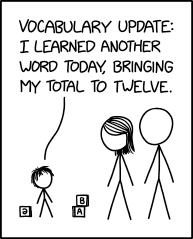
Post Syndicated from xkcd.com original https://xkcd.com/2839/
Post Syndicated from Explosm.net original https://explosm.net/comics/post-removed
New Cyanide and Happiness Comic
Post Syndicated from corbet original https://lwn.net/Articles/947054/
Linus has released 6.6-rc5 for testing.
“Things are back to normal, and we have a networking pull this
”
week.
Post Syndicated from Talks at Google original https://www.youtube.com/watch?v=rVcLM7cjn6c
Post Syndicated from Rohit Kumar original https://www.servethehome.com/davuaz-da-k9801w-8-port-2-5gbe-1-port-10gbe/
In our Davuaz Da-K9801W we see an iteration of the Realtek-based 8-port 2.5GbE and 1-port SFP+ 10GbE switch that is even smaller
The post Davuaz Da-K9801W 8-port 2.5GbE 1-port 10GbE appeared first on ServeTheHome.
Post Syndicated from BeardedTinker original https://www.youtube.com/watch?v=K3lpEmPfZqE
Post Syndicated from Explosm.net original https://explosm.net/comics/phone-bathroom
New Cyanide and Happiness Comic
Post Syndicated from Bozho original https://blog.bozho.net/blog/4142
Може би в целия шум и предизборно напрежение работата на парламента остава в съзнанието на хората като „нещо там се карат“.
Отвътре пък често сме твърде фокусирани върху конкретните закони. Темпото е високо, във всеки закон има сериозни въпроси, изискващи трудни решения и компромиси. И понякога три думички в някоя алинея се усещат като „голяма победа“.
Но нека в паузата да дам един поглед отгоре. Реалността е, че имаме позитивен дневен ред и се движим по него.
„Законите по плана за възстановяване“ не са едни неща, спуснати отнякъде, които просто трабва да отчетем, за да дойдат едни пари от Европа. Това са закони, които сами сме си наложили да приемем (в началото на миналата година, в предния редовен кабинет), и сме ги скрепили с европейския механизъм за възстановяване и устойчивост.
Това са много важни реформи, които имат нужда от допълнителния „печат на одобрение“, за да не бъдат отлагани. Те често са сложни, с трудни въпроси за решаване, но абсолютно необходими. Разследването на главния прокурор, личния фалит, търговската несъстоятелност, антикорупционния орган, дигитализацията на регистрите, повишаване на конкуренцията и прозрачността в обществените поръчки, промените в енергетиката и др.
Това не са неща, които се усещат на следващия ден. Но липсата на тези промеми дълго е дърпала страната назад. И сега, в трудна политическа обстановка, ги приемаме, за да махаме парчета от стъкления таван над развитието на страната.
А най-голямото парче е устройството на съдебната власт в Конституцията. Затова тя беше пред скоби при формирането на правителството.
Времето ще покаже дали този позитивен дневен ред, за който сме настоявали (и заради чието съгласуване и гласуване заедно с партии, които дълго сме посочвали като опоненти, получаваме критики) си е струвал и дали е дал очаквания дългосрочен резултат. Но сме длъжни да правим възможното.
Материалът Позитивният дневен ред е публикуван за пръв път на БЛОГодаря.
Post Syndicated from Matt Granger original https://www.youtube.com/watch?v=_XbdfQTt0r8
Post Syndicated from Oglaf! -- Comics. Often dirty. original https://www.oglaf.com/easyvanilla/


Post Syndicated from Eric Smith original https://www.servethehome.com/what-it-takes-to-handle-digital-pathology-pbs-of-storage-gpus-quanta-qct/
Running an AI assisted digital pathology workflow takes many petabytes of storage and GPUs to help doctors make better diagnoses
The post What it Takes to Handle Digital Pathology PBs of Storage and GPUs appeared first on ServeTheHome.
Post Syndicated from Matt Granger original https://www.youtube.com/watch?v=xgnNDI8GOOQ
Post Syndicated from Techmoan original https://www.youtube.com/watch?v=iUUTp0_XDew
Post Syndicated from Боряна Телбис original https://www.toest.bg/sedmitsata-2-7-oktomvri/

България не е място за хора без въображение. Ето например ние в „Тоест“ по едно време си мислехме, че няма да ни бъде, но в държавата на вечния обрат и това се оказа „предпоследно“. Нямаше време да ни стане мъчно, защото ни засипахте с такава любов и подкрепа, че сълзите се оказаха от щастие. Достигнахме необходимия реален бюджет за издръжката на „Тоест“, и то изцяло с регистрирани месечни дарения от нашите читатели. Оттук нататък нашата благодарност ще продължи да се изразява по единствения възможен начин – с журналистическа работа, която да отвърне достойно на вашето доверие и очаквания.
Започваме „новия сезон“ на „Тоест“ с някои нови рубрики и автори. Още тази седмица може да прочетете първия репортаж от поредицата на Николета Атанасова „Откъси от Украйна“. „Чухте ли сирените?“ разказва за живота на една страна във война. Макар че войната продължава, животът не спира. И това е единственият начин за оцеляване на нормалността.
С нова серия текстове влиза и Александър Нуцов, който се впуска по следите на необходимите промени, за да имаме честен и конкурентоспособен бизнес. Излишно е да обясняваме, че от адекватните условия за развитие на предприемаческата среда зависи реалният прогрес на цялата държава.
Нов глас в редиците на „Тоест“: Антония Апостолова влиза в рубриката ни „На второ четене“, която ще води заедно със Стефан Иванов. Тази седмица представя сборника с разкази на Юли Шумарев „Макгахански блусове и балади“ по такъв начин, че някои хора в тази редакция се просълзиха от носталгия по детството, но няма да казваме кои, че си градят имидж на много корави.
Предстои ни да четем и интервюта от Надежда Цекулова с различни събеседници по темите образование и здравеопазване, както и да следим месечна рубрика за образование на още един нов автор в „Тоест“ – Донка Дойчева-Попова.
Всички нови неща се добавят към редовните ни рубрики и се надяваме да ви донесат много приятни моменти.
Страхотен текст в архитектурната рубрика на Анета Василева. Освен че е безкрайно интересен, той е и по изключително актуална тема, за която, за съжаление, ще говорим все по-често – климатичните изменения. Как се отнася архитектурата към проблема и как би могла да се промени градската среда, четем в материала на Анета.
Александър Малинов също е тук, този път с интервю с Валентина Маринова, създателка на Сдружение „Гражданска инициатива за демонтиране на паметника на съветската армия в София“, в което двамата разговарят за демонтажа на ПСА (или МОЧА) като цивилизационен избор.
„Несигурното битие на независимите медии като проблем на демокрацията“ е текстът на Светла Енчева, с който неслучайно започнахме седмицата. Защо голяма част от независимите медии и медийни продукти престават да съществуват или са на ръба на оцеляването си и как това говори много повече за нивото на демокрацията в една страна, отколкото всички други показатели – Светла обяснява.
Емилия Милчева ни поднася прецизен разрез на политическата действителност в статията си „Българският Левиатан в сглобка“. Всичко, което виждаме на политическата сцена напоследък, е абсолютното доказателство на първото изречение в този бюлетин: България не е място за хора без въображение.
Позволявам си и една бърза препоръка в края на този поувлякъл се откъм обем бюлетин. Припомнете си текста на любимия ни Марин Бодаков, в който става дума и за Юн Фосе – носителя на тазгодишната Нобелова награда за литература, не само защото Фосе тъкмо се качи на върха на света, а и защото е толкова хубаво да се чете Марин. Към препоръката пускам и едно напомняне: активните дарители на „Тоест“ получават постоянна отстъпка в размер на 20% от коричната цена на всички заглавия от каталога на редица български издателства в рамките на партньорската програма Читателски клуб „Тоест“. Сред издателствата е и „Лист“, в чийто каталог присъства Фосе.
Стана много дълго и няма да ви занимавам повече. Единственото, което ще добавя за финал, е благодарност от целия ни екип за възможността отново да сме заедно. Есента никога не е изглеждала по-обнадеждаващо.
Post Syndicated from Explosm.net original https://explosm.net/comics/reach-for-the-stars
New Cyanide and Happiness Comic
Post Syndicated from Explosm.net original https://explosm.net/comics/scary-costume
New Cyanide and Happiness Comic
Post Syndicated from Patrick Kennedy original https://www.servethehome.com/supermicro-custom-liquid-cooling-rack-a-look-at-the-cooling-distribution/
We take a look at Supermicro’s custom liquid cooling rack, and specifically what it is doing around liquid cooling distribution for AI and HPC
The post Supermicro Custom Liquid Cooling Rack A Look at the Cooling Distribution appeared first on ServeTheHome.
Post Syndicated from The Atlantic original https://www.youtube.com/watch?v=cwboeFel35U
Post Syndicated from Jacquie Harris original https://blog.rapid7.com/2023/10/06/metasploit-weekly-wrap-up-30/

Author: Dean Welch
Type: Auxiliary
Pull request: #18197 contributed by dwelch-r7
Path: scanner/ldap/ldap_login
Description: This PR adds a new login scanner module for LDAP. Login scanners are the classes that provide functionality for testing authentication against various different protocols and mechanisms. This LDAP login scanner supports multiple types of authentication including: Plaintext, NTLM, Kerberos and SChannel.
Authors: Jacob Baines, Ron Bowes, and jheysel-r7
Type: Exploit
Pull request: #18389 contributed by jheysel-r7
Path: freebsd/http/junos_phprc_auto_prepend_file
Description: This adds an exploit module that leverages a PHP environment variable manipulation vulnerability affecting Juniper SRX firewalls and EX switches. This vulnerability is identified as CVE-2023-36845 and allows an attacker to achieve unauthenticated remote code execution as a low privileged user. This module also includes a jailbreak feature that consists in changing the root password and establishing an SSH session as the root user. The original password is restored when the module terminates.
Author: sfewer-r7
Type: Exploit
Pull request: #18414 contributed by sfewer-r7
Path: windows/http/ws_ftp_rce_cve_2023_40044
Description: This module exploits an unsafe .NET deserialization vulnerability to achieve unauthenticated remote code execution against a vulnerable WS_FTP server running the Ad Hoc Transfer module. All versions of WS_FTP server prior to 8.7.4 and 8.8.2 are vulnerable to this issue. The vulnerability was originally discovered by AssetNote.
AttackerKB Assessment: (https://attackerkb.com/topics/bn32f9sNax/cve-2023-40044/rapid7-analysis)
fail_with to align with best practices when making sure a check method returns a check code.You can always find more documentation on our docsite at docs.metasploit.com.
As always, you can update to the latest Metasploit Framework with msfupdate
and you can get more details on the changes since the last blog post from
GitHub:
If you are a git user, you can clone the Metasploit Framework repo (master branch) for the latest.
To install fresh without using git, you can use the open-source-only Nightly Installers or the
binary installers (which also include the commercial edition).
Post Syndicated from Nevine Ebeid original https://aws.amazon.com/blogs/security/aws-lc-is-now-fips-140-3-certified/
AWS Cryptography is pleased to announce that today, the National Institute for Standards and Technology (NIST) awarded AWS-LC its validation certificate as a Federal Information Processing Standards (FIPS) 140-3, level 1, cryptographic module. This important milestone enables AWS customers that require FIPS-validated cryptography to leverage AWS-LC as a fully owned AWS implementation.
AWS-LC is an open source cryptographic library that is a fork from Google’s BoringSSL. It is tailored by the AWS Cryptography team to meet the needs of AWS services, which can require a combination of FIPS-validated cryptography, speed of certain algorithms on the target environments, and formal verification of the correctness of implementation of multiple algorithms. FIPS 140 is the technical standard for cryptographic modules for the U.S. and Canadian Federal governments. FIPS 140-3 is the most recent version of the standard, which introduced new and more stringent requirements over its predecessor, FIPS 140-2. The AWS-LC FIPS module underwent extensive code review and testing by a NIST-accredited lab before we submitted the results to NIST, where the module was further reviewed by the Cryptographic Module Validation Program (CMVP).
Our goal in designing the AWS-LC FIPS module was to create a validated library without compromising on our standards for both security and performance. AWS-LC is validated on AWS Graviton2 (c6g, 64-bit AWS custom Arm processor based on Neoverse N1) and Intel Xeon Platinum 8275CL (c5, x86_64) running Amazon Linux 2 or Ubuntu 20.04. Specifically, it includes low-level implementations that target 64-bit Arm and x86 processors, which are essential to meeting—and even exceeding—the performance that customers expect of AWS services. For example, in the integration of the AWS-LC FIPS module with AWS s2n-tls for TLS termination, we observed a 27% decrease in handshake latency in Amazon Simple Storage Service (Amazon S3), as shown in Figure 1.
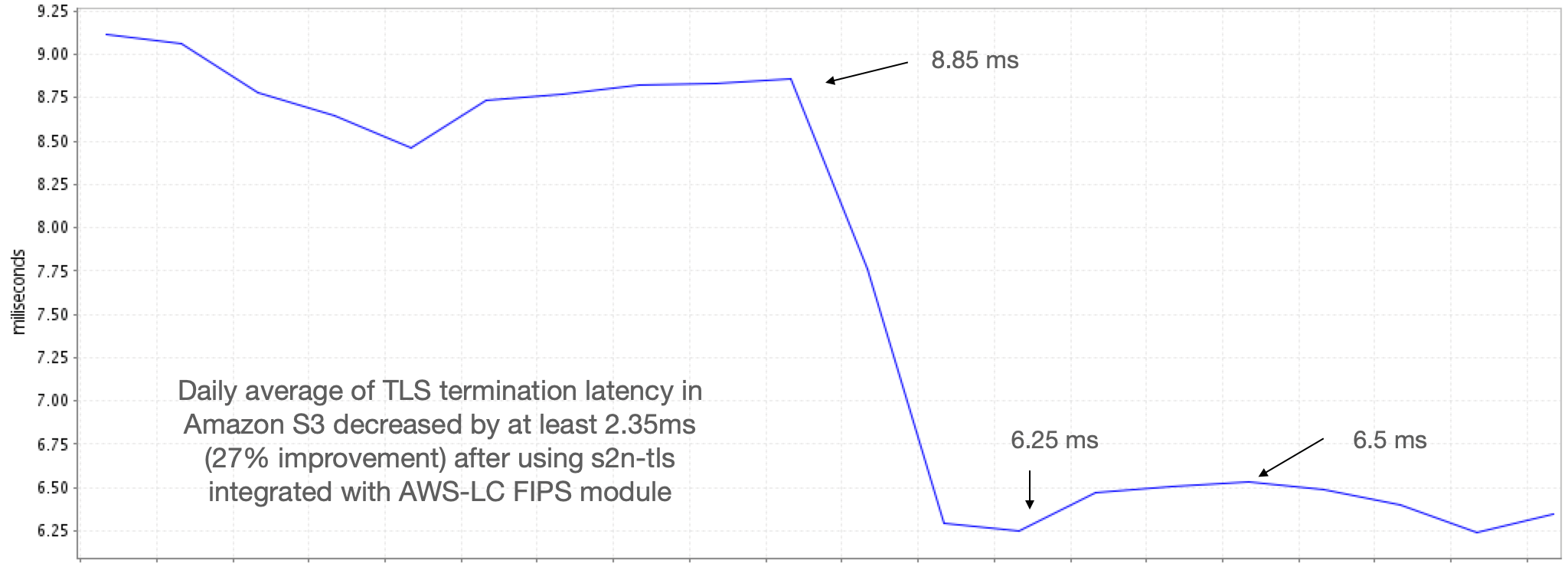
Figure 1: Amazon S3 TLS termination time after using AWS-LC
AWS-LC integrates CPU-Jitter as the source of entropy, which works on widely available modern processors with high-resolution timers by measuring the tiny time variations of CPU instructions. Users of AWS-LC FIPS can have confidence that the keys it generates adhere to the required security strength. As a result, the library can be run with no uncertainty about the impact of a different processor on the entropy claims.
AWS-LC is a high-performance cryptographic library that provides an API for direct integration with C and C++ applications. To support a wider developer community, we’re providing integrations of a future version of the AWS-LC FIPS module, v2.0, into the AWS Libcrypto for Rust (aws-lc-rs) and ACCP 2.0 libraries . aws-lc-rs is API-compatible with the popular Rust library named ring, with additional performance enhancements and support for FIPS. Amazon Corretto Crypto Provider 2.0 (ACCP) is an open source OpenJDK implementation interfacing with low-level cryptographic algorithms that equips Java developers with fast cryptographic services. AWS-LC FIPS module v2.0 is currently submitted to an accredited lab for FIPS validation testing, and upon completion will be submitted to NIST for certification.
Today’s AWS-LC FIPS 140-3 certificate is an important milestone for AWS-LC, as a performant and verified library. It’s just the beginning; AWS is committed to adding more features, supporting more operating environments, and continually validating and maintaining new versions of the AWS-LC FIPS module as it grows.
If you have feedback about this post, submit comments in the Comments section below. If you have questions about this post, contact AWS Support.
Want more AWS Security news? Follow us on Twitter.