Tag Archives: Community stories

Marie’s story: Bringing coding to kids in Tottenham

Post Syndicated from Sophie Ashford original https://www.raspberrypi.org/blog/maries-story-bringing-coding-to-kids-in-tottenham/

We love hearing from members of the community and sharing the stories of amazing young people, volunteers, and educators who are using their passion for technology to create positive change in the world around them.

Marie is a force of nature. As the founder of Breadline London, a grassroots community project in Haringey, she has spent years supporting families with essential services — she’s run a food bank, offered budgeting advice, and hosted well-being workshops. But when she heard about Code Club, she saw another way to help local children: by giving them the skills to shape their futures.

From community support to coding

Marie had no background in tech, but that didn’t stop her. She knew that many families in Tottenham couldn’t afford extracurricular activities like coding classes, and she was determined to change that.

“I’ve wanted a coding club for children, children in Tottenham, because that’s not something that is actually here,” she explains. “Unfortunately for us, we are on the very high end of poverty… and some of our children in this area don’t get the opportunity to attend things like coding club.”

With the support of Haringey Giving and the Raspberry Pi Foundation, Marie launched her Code Club at Tottenham Community Sports Centre. She started from scratch, learning alongside the kids, attending free training at the Raspberry Pi Foundation’s headquarters in Cambridge, and soaking up everything she could about coding.

“I don’t know anything about coding. Nothing. But going to the training days, it was so inspiring. I got so excited thinking, these are the things I can hopefully share with the children.”

Creating a space to experiment

Marie’s club is more than just learning how to code — it’s about teamwork, creativity, and confidence.

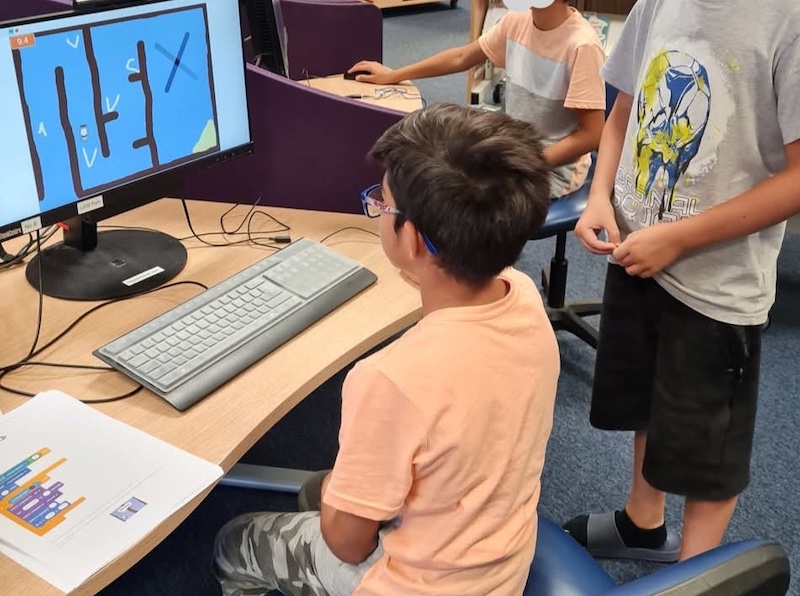
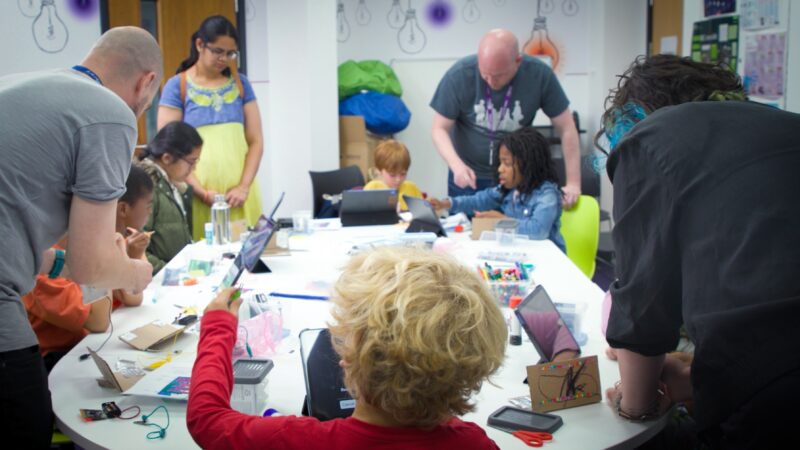
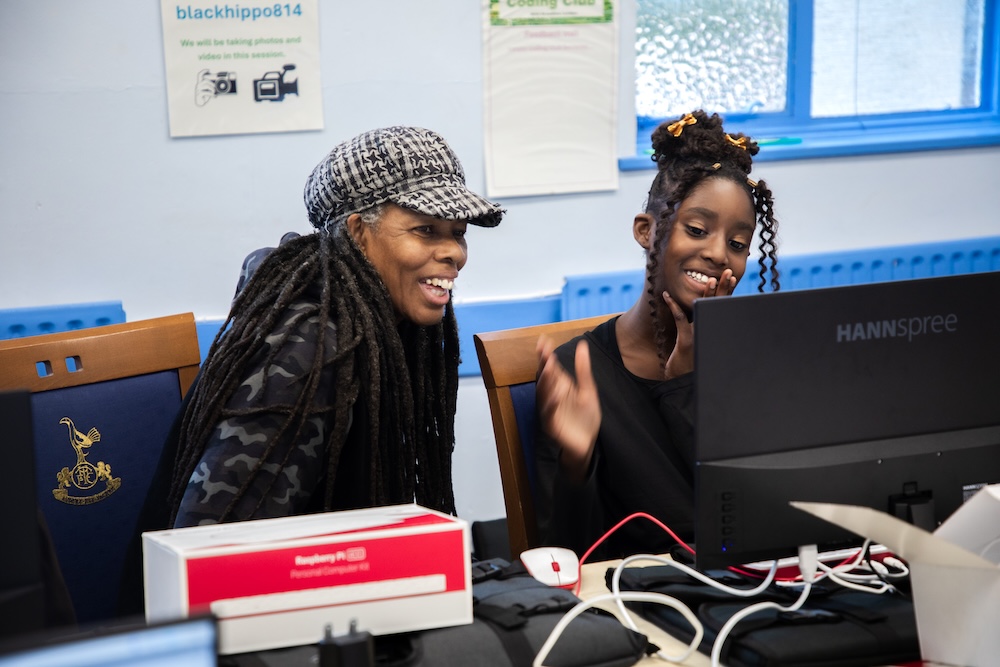
Marie helps a young learner with a coding task in her Code Club.

“They need to learn these skills outside of a school environment, outside of a place where it’s really structured. I want them to come in, experiment, make things up as they go along. Sometimes they follow instructions, but mostly, they just try things out.”

She also sees her role as a mentor, even if the kids sometimes know more than she does!

“Most of the children know more about coding than I do. So for me, it’s just about encouraging them: ‘What’s next? What else can you add to your project?’ And helping parents understand that they need to let the children create what they want to create, not just steer them.”

Discovering Coolest Projects

Marie’s journey didn’t stop with Code Club. When she learnt about Coolest Projects, a global showcase where kids celebrate what they’ve built with code, she knew she had to take her club to one of the in-person events.

Marie helps a young learner with a coding task in her Code Club.

“I was in Cambridge when I first heard about it, and this fabulous young woman spoke about Coolest Projects. I just felt so excited to take the children somewhere that’s just kids, just kids learning about coding and developing these amazing things. I even said, ‘Even if no one from my club comes, I’m going by myself!’”

Taking the kids to Coolest Projects was a game-changer. They saw what was possible, talked to other young coders, and left inspired.

“Next year, when we go again, everybody’s going to have a project. Seeing the kids’ faces when adults wanted to try their projects, it was so exciting for them!”

Making a change

Marie is proof that you don’t need to be a tech expert to start a Code Club — you just need passion and a willingness to learn.

Two educators are chatting at a workshop.

Marie’s message to others who are thinking about setting up a coding club but worry about their lack of experience is simple: 

“Start a [Code Club] because the children will help you to run [it]. They will help you. They will help each other. Don’t get put off running a coding club because you don’t know how to code. Because I don’t[…]and I love it.”

Marie’s story is a testament to what’s possible when someone believes in their community and takes action. She is creating opportunities for young people in Tottenham, giving them a space to learn, collaborate, and dream big regardless of their background. We can’t wait to see what her club achieves next!

For more information to help you set up a Code Club in your community, visit codeclub.org.

Help us celebrate Marie and her dedication to opening doors for young creators by sharing her story on X (formerly Twitter), LinkedIn, and Facebook.

The post Marie’s story: Bringing coding to kids in Tottenham appeared first on Raspberry Pi Foundation.
Dedication to digital education in Bangladesh: Meet Shajan

Post Syndicated from Sophie Ashford original https://www.raspberrypi.org/blog/dedication-to-digital-education-in-bangladesh-meet-shajan/

We love hearing from members of the community and sharing stories of amazing young people, volunteers, and educators who are using their passion for technology to create positive change in the world around them.

Today, we introduce Shajan, a digital storyteller and senior business advisor at the BBC, whose extraordinary personal and professional journey has led him to champion digital literacy for young people in Bangladesh.

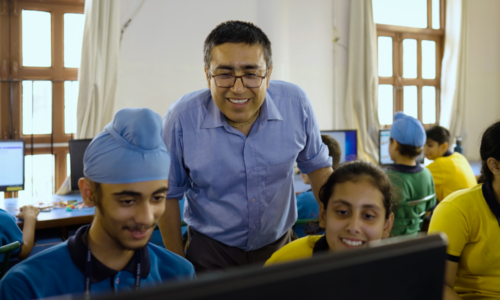
Shajan at a computer.

Family roots in Bangladesh

Shajan is British-born, but his roots deeply connect him to Bangladesh. This connection was instilled by childhood holidays to Bangladesh, as well as his late father, who emigrated to the UK in the 1960s but always encouraged Shajan to maintain ties with the community he left behind. Shajan’s pull towards Bangladesh intensified after his father’s passing fifteen years ago. 

“I always thought I’d like to do something, carry on the work he left behind with efforts in building schools and supporting his local community.”

The memory of his sister Khela, who passed away at just 12 years old while in Bangladesh, also motivates Shajan. He says, “She was a really creative person, really into her arts and crafts and learning.”  

Khela’s loss fuels Shajan’s desire to do something specifically for the young people of Bangladesh, connecting with their potential for creativity and learning.

Setting off on a new path

Shajan’s 15 years of working for the BBC led him to discover the power of digital education. In 2015, he project-managed the BBC’s “Make It Digital” campaign, a UK-wide initiative addressing the National Digital Skills Gap. 

As part of this, he led partnerships with organisations like Code Club

“That experience showed me how digital tools could unlock creativity in young people and build their confidence.”

During his visits to Bangladesh, Shajan observed a widening digital divide. Young people, especially in rural areas, lacked access to basic internet and computers. Teachers faced heavy workloads, and many students needed to pause their education to support their families. Seeing no equivalent to Code Club in Bangladesh to inspire young people, Shajan felt he had to act. Before he knew it, he was requesting a six-month career break. 

“I said, ‘This is what I always wanted to do. If I don’t do it now, I will miss the opportunity.’” 

With the support of both the BBC and Code Club, Shajan packed his bags and moved to Dhaka, the capital city of Bangladesh.

Creating a movement

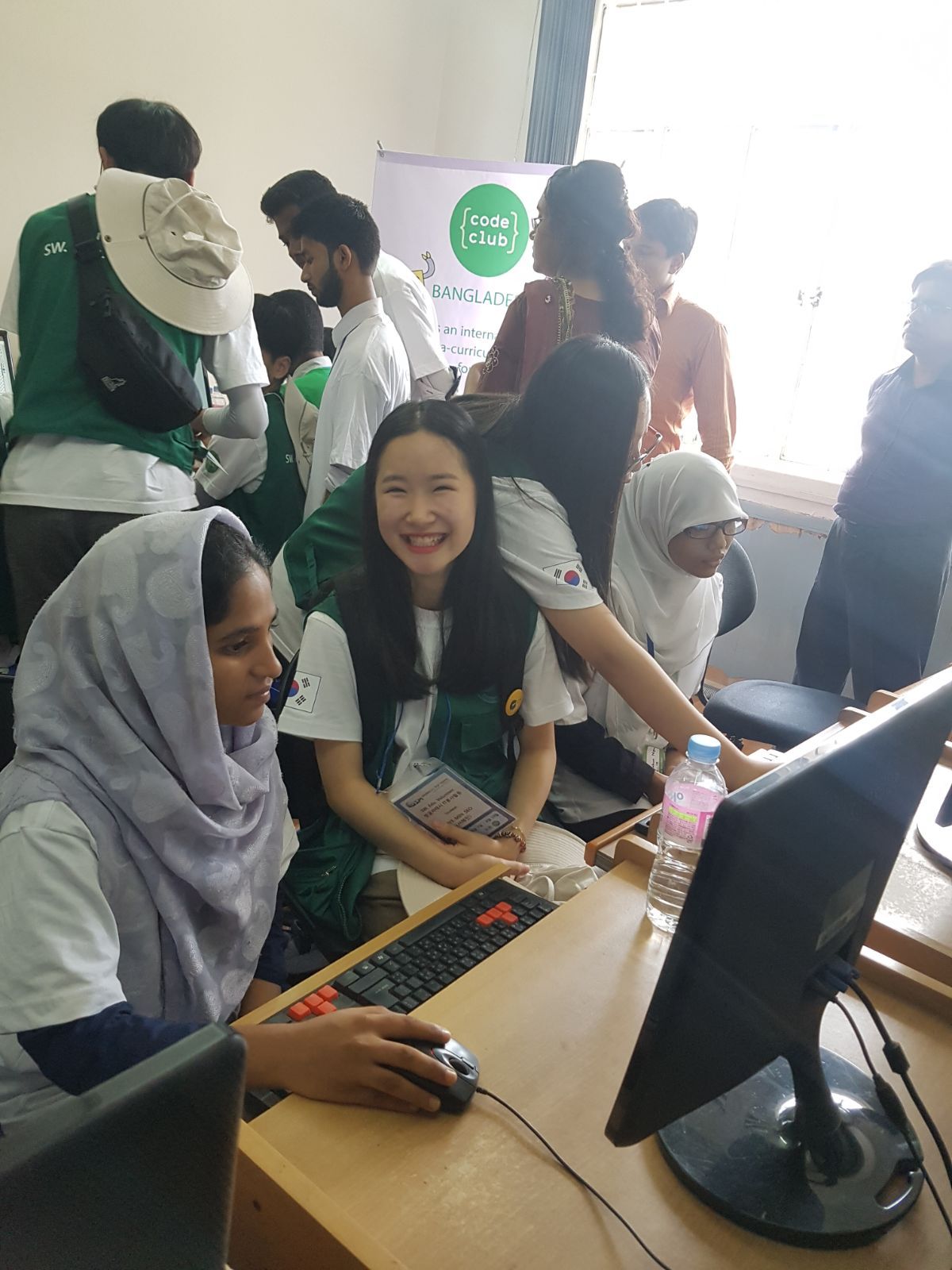
Shajan’s initial goal was to raise awareness and build a sustainable model for Code Club in Bangladesh. Recognising that teachers needed support to run clubs, Shajan’s strategy was to engage university students as volunteers. He organised a national coding festival, leveraging these student volunteers to connect with schools and prepare young participants for a Scratch-based project challenge. The event received lots of media attention, encouraging interest and inspiring a new generation of coders.

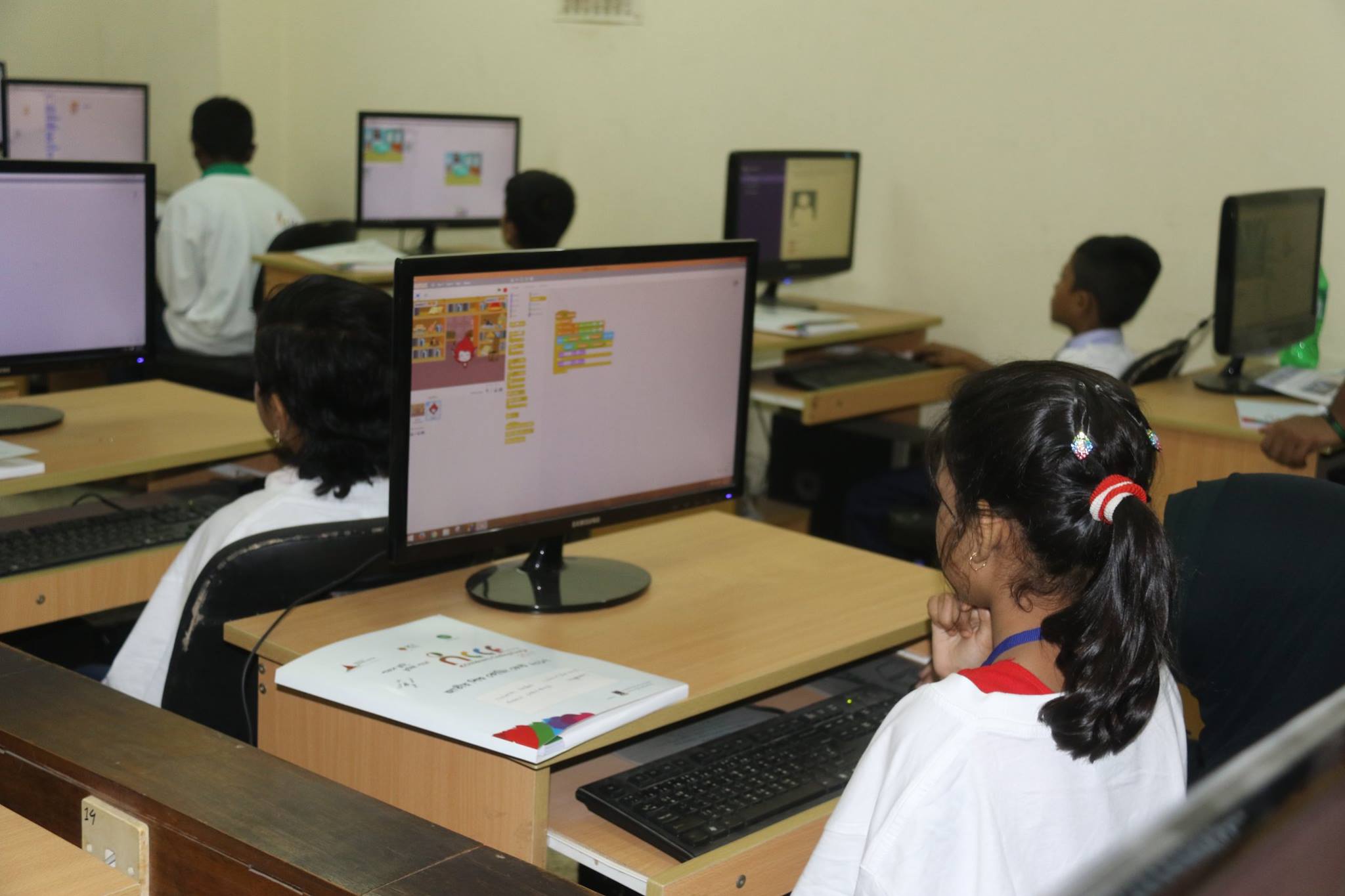
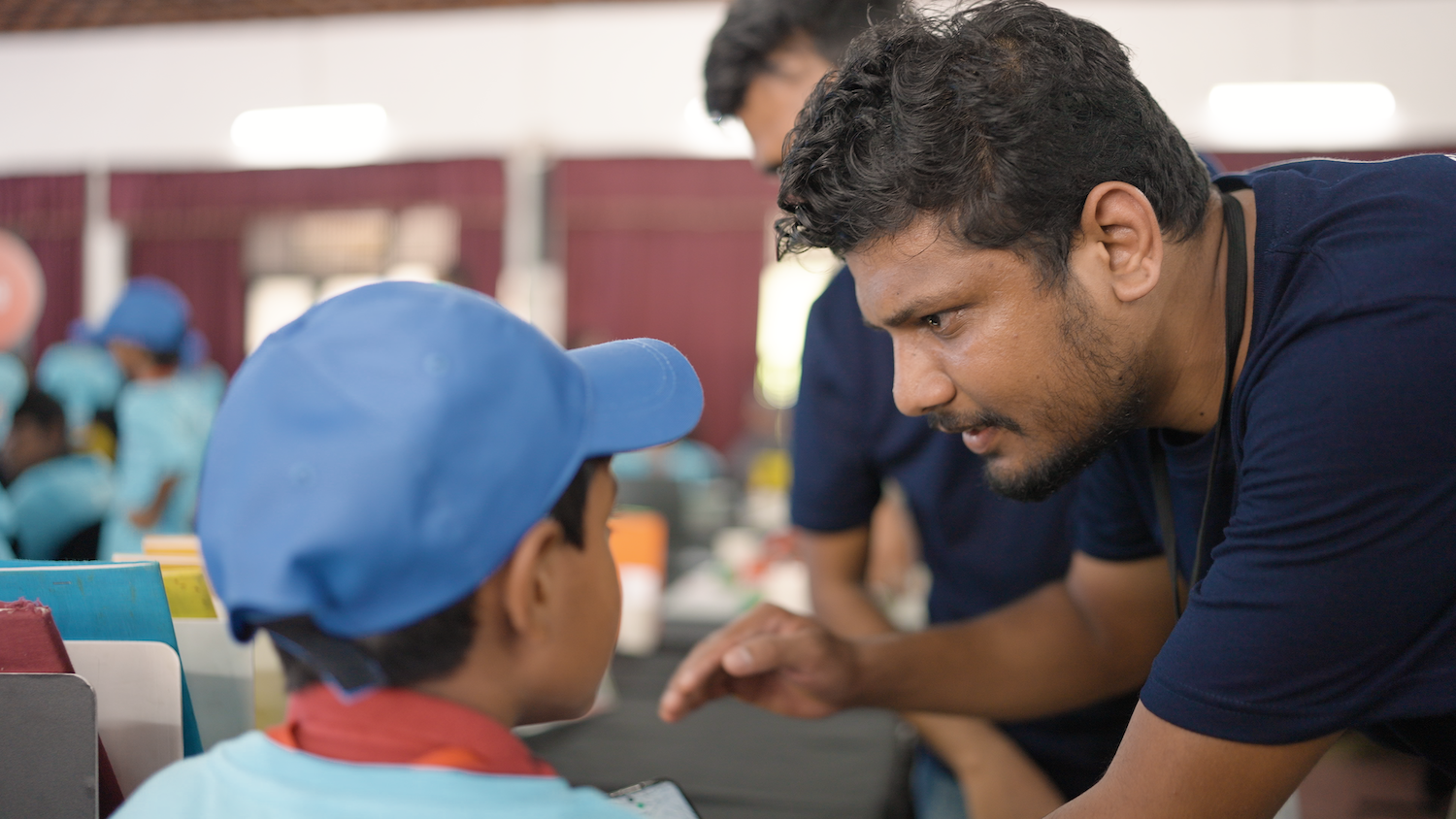
Students at Code Club Bangladesh.

However, there were some hurdles that had to be worked around, including unreliable internet connections, limited access to computers, and unstable electricity supply. Beyond practical challenges, Shajan faced a crucial mindset shift. 

“Not everybody’s convinced yet that their children should be doing coding. For many families, generating immediate income takes precedence over digital education. Balancing the need to put food on the table with the long-term benefits of coding remains a constant battle.”

Despite these obstacles, Shajan’s efforts proved successful. Some of the creators from the 2016–2017 classes, now in their twenties, have pursued computer science and now share how Code Club helped them on their paths. He also organised an incredible exchange program, bringing creators and mentors from Code Club South Korea to Bangladesh for a seven-day visit. Despite not sharing a language, creators connected through the language of code, an experience Shajan describes as inspiring for the young people and adults alike.

Students from South Korea visiting Code Club Bangladesh.

A new chapter

Shajan’s focus now is to launch a Coolest Projects event in Sylhet, the place his father was born and a region he wants to focus on before taking Coolest Projects national as well.

He is actively engaging with teachers and student volunteers across the city, with strong support from Nooraiya Khan, an ICT Lecturer with a background in computer science. Nooraiya is working hard with Shajan to co-lead all Code Club activities in Bangladesh, bringing valuable expertise and shared passion to the movement.

Shajan believes the current digital landscape offers new opportunities. He is a strong advocate for the role of artificial intelligence (AI) in education, viewing it as a way to help bring opportunities to all young people. He plans to introduce AI-focused Code Club projects to Bangladesh, ensuring the next generation is prepared for a future driven by technology.

For Shajan, Code Club Bangladesh is “for everybody”. He wants to ensure that no child, especially girls and those from underserved communities, is left behind. He would welcome anyone interested in helping the young people of Bangladesh, including teachers, educators, tech professionals, and government bodies, to join Code Club Bangladesh’s journey.

If you’d like to support young people in your community to explore coding, why not start a Code Club? The team will support you every step of the way with resources, training, and a collaborative community.

Find out more on the Code Club website.

The post Dedication to digital education in Bangladesh: Meet Shajan appeared first on Raspberry Pi Foundation.
From coder to mentor: Meet Isabelle

Post Syndicated from Sophie Ashford original https://www.raspberrypi.org/blog/from-coder-to-mentor-meet-isabelle/

We love hearing from members of the community and sharing stories of amazing young people, volunteers, and educators who are using their passion for technology to create positive change in the world around them.

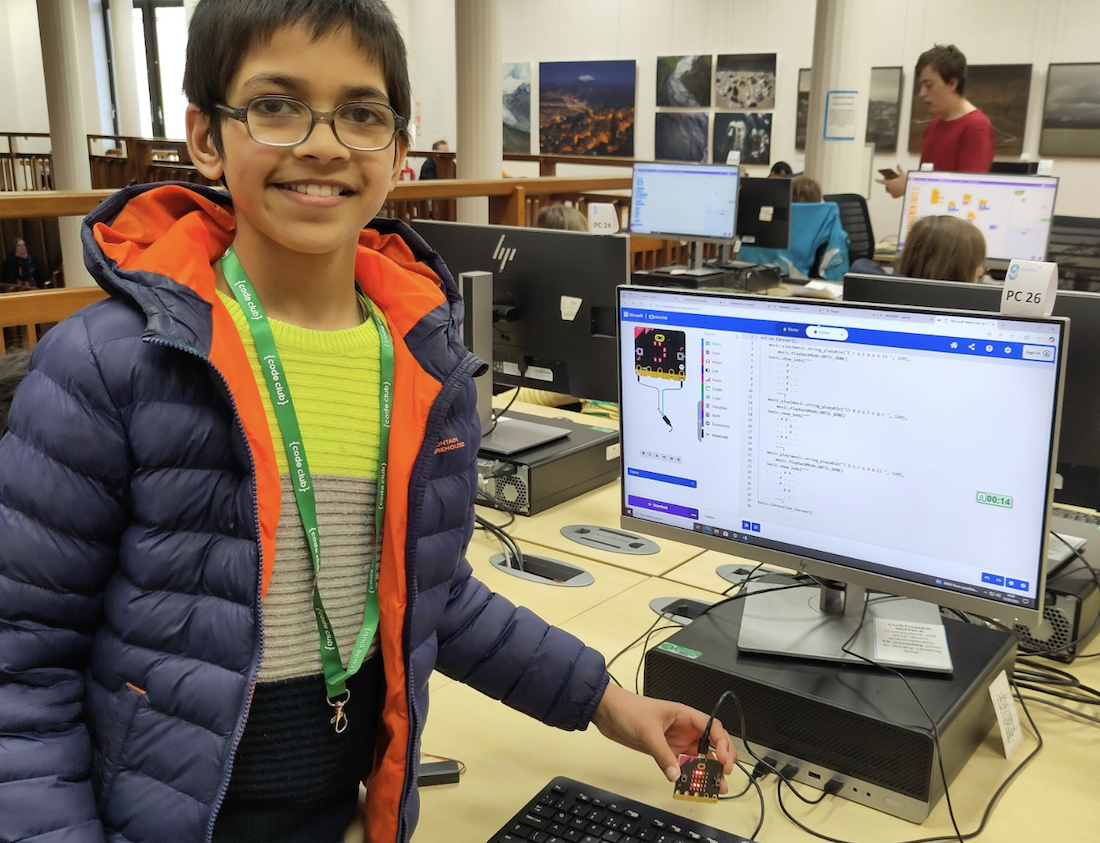
Meet Isabelle, a youth mentor at a library Code Club, whose inspiring story tells how a passion for helping others and a love for reading led back to a childhood interest, shaping an unexpected and rewarding journey.

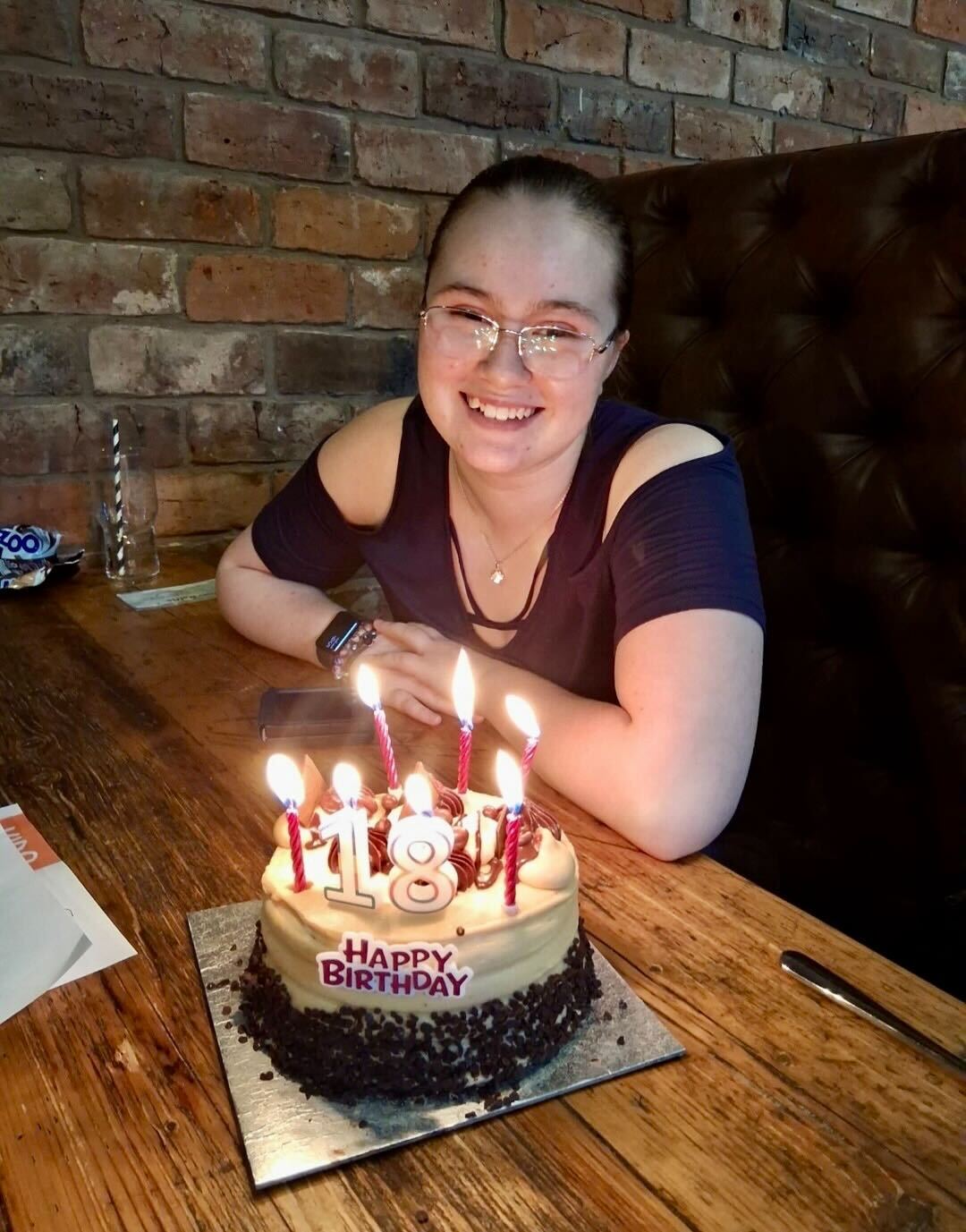
Isabelle celebrating her 18th birthday.

Saturdays spent at the library

Isabelle’s coding journey began around the age of nine. An avid reader, she regularly attended her local library in Stourbridge with her gran. When they saw there was a Code Club held on a Saturday morning, they both decided it might be a good skill for Isabelle to learn.

“I used to have like an entire folder of all the projects I’d completed. I’ve still got it somewhere in my room!” 

She quickly progressed through Scratch, Python, and HTML, even finding herself teaching the adults at the club at some points! But, as secondary school approached, her involvement naturally tapered off as she began to focus on her studies.

A return through volunteering 

In secondary school, Isabelle was looking for volunteering opportunities as part of her Duke of Edinburgh (DofE) award. Remembering her positive experiences at the library, and continued love of books, she initially considered volunteering there. Then, she had an idea.

“I suddenly thought ‘What if they still do Code Club?’ I really enjoyed it when I did it and I still remembered enough about it to help others. So, I felt like I could actually be useful instead.”

Isabelle reached out, and thanks to her gran’s long-standing connection with the library, she was remembered and welcomed back. What started as a three-month commitment for her DofE award soon extended to six. 

“I really looked forward to each session at the library and decided to stick with it for the whole time.”

Embracing the chaos and connection

Isabelle’s return coincided with the Code Club restarting. Stepping into a mentoring role, she quickly found herself in the thick of it. With five computers and a group of new young people, most of whom had no prior coding experience, the first sessions were a whirlwind. 

“It’s like the best kind of chaos. It doesn’t get easier as such. But it’s so fun meeting these new kids, they’re all different and they bounce off each other.”

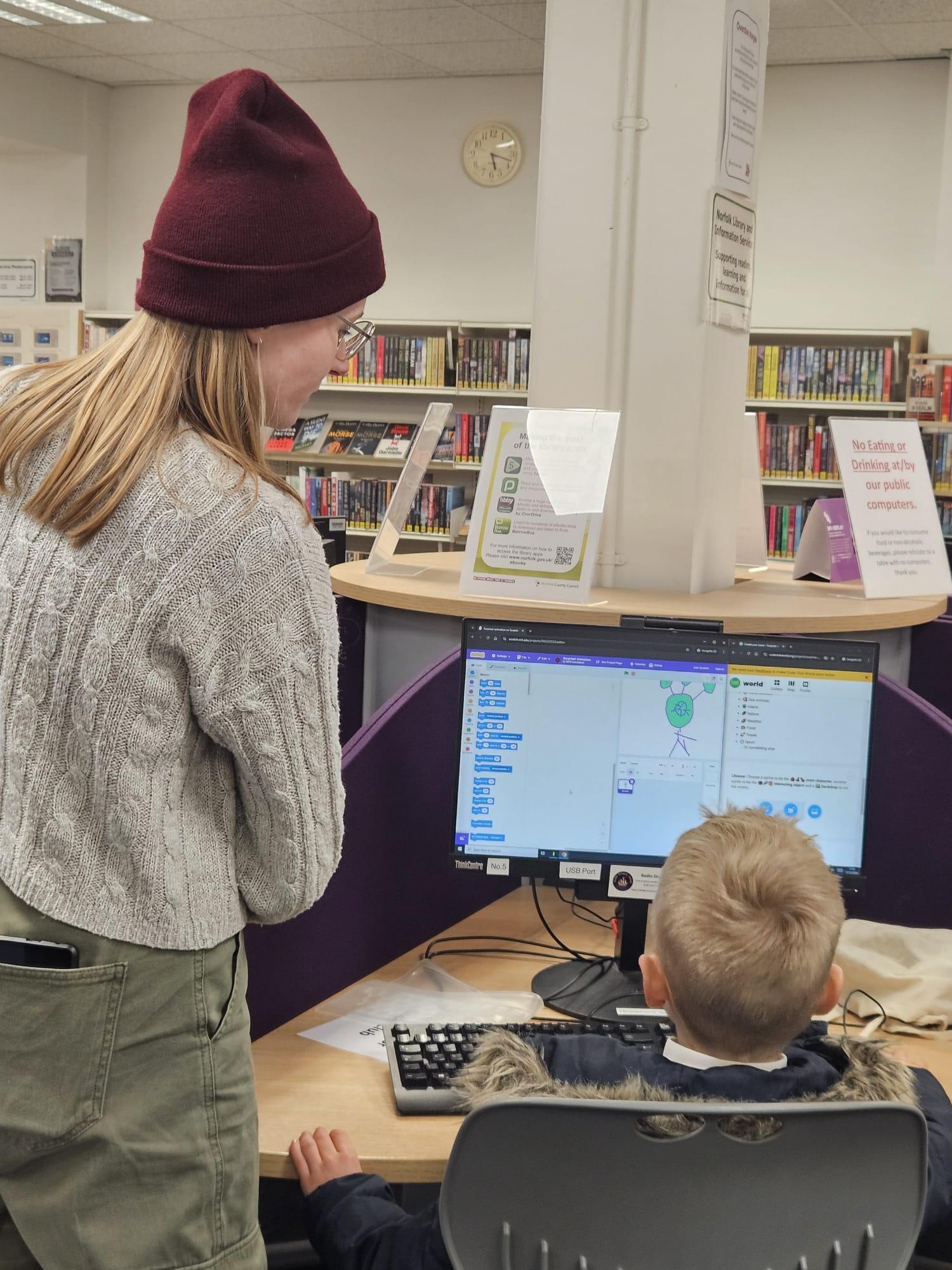
She works closely with Lucy, the club leader, helping manage the flow of projects and supporting the children as they navigate everything from creating Scratch accounts to tackling challenging projects.

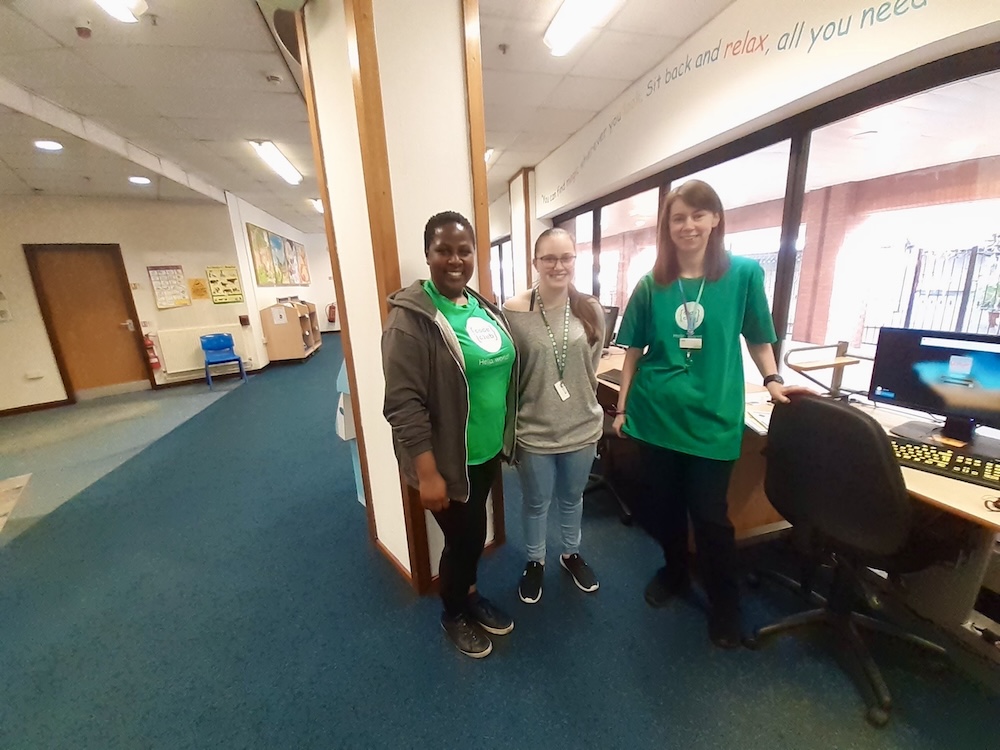
Isabelle at her club in Stourbridge with Code Club Community Coordinator Rujeko.
Isabelle with Lucy, Stourbridge Library Assistant, and Rujeko, Code Club Community Coordinator

More than just code

While the technical skills are central, Isabelle emphasises that Code Club offers so much more. She’s seen shy children blossom, making new friends and becoming more involved.

“I think there’s the whole element of socialising as well. And beyond coding, kids develop essential IT skills, like learning how to use a mouse and keyboard. Something many who just use tablets and phones don’t know!”

Four years and counting  

Isabelle, now preparing to go on to further education, could not have predicted how her mentoring journey would turn out. What began as a three-month DofE requirement has turned into a four-year commitment. 

“It has just never been something that I thought ‘oh, I don’t want to do this anymore’. It’s just part of the weekly routine now. It’s been four years and it’s shocking how quickly it’s gone.”

Isabelle’s dedication hasn’t gone unnoticed. She’s built strong bonds with the staff and gained invaluable experience. She’s learned to organise, work in a team, and even run sessions independently, developing skills that will be invaluable for her future.

“I like the bond that I have with the staff and with Lucy. It feels great to be trusted that much and it has just been such a nice experience.” 

Lucy, Stourbridge Code Club leader and Library Assistant, shared her experience with the club and collaborating.

“Since Code Club offers so much more than just coding — confidence building, creativity, friendship, etc. — it plays an important role for children and young people in the community. The library is much more than just a place for books, and hosting Code Club here creates a welcoming space where young people can explore technology away from the classroom.”

“Isabelle has been absolutely fantastic both in supporting us with club admin as well as supporting the children with their coding! She understands the projects inside and out and is brilliant at not only solving problems, but also, importantly, encouraging the club to find ways of solving problems themselves. Our Code Club couldn’t have become what it is today without her input!”

Isabelle’s advice for future mentors

As Isabelle prepares to head off to the Bath Spa University to study media communications and publishing, she offers this advice for other young people considering becoming a Code Club mentor…”just go for it!” 

Isabelle admits to being anxious at times, but the experience has significantly boosted her confidence. 

“It built my confidence a bit more. You make friends along the way and you learn a lot of new things. And don’t worry if you don’t have a lot of coding experience. I don’t think you need it. I had a little bit but I was still basing it mainly off of reading the project instructions. And in all fairness, the instructions are really helpful!”

Mentoring at Code Club isn’t just about teaching, it’s about learning, growing, and connecting. It’s an opportunity to give back, build confidence, and discover the joy in supporting the next generation of digital creators. As Isabelle’s journey shows, sometimes the most rewarding paths are the ones you never planned to take.

Lucy shared why she thinks having youth mentors involved with Code Club is such an important dynamic.

“Youth mentors are great as role models and inspiration for children, and as a young person themselves they build such a great rapport with the club members. A mentor who’s closer to their age often feels more approachable, which helps create a comfortable and encouraging environment for them.”

If Isabelle’s story has inspired you, why not explore the world of coding? You can get started at home with over 250 free projects on the Code Club Projects website.

Looking for a little extra support in your own coding journey or open to mentoring others? Join a Code Club near you to meet a like-minded and supportive community.

The post From coder to mentor: Meet Isabelle appeared first on Raspberry Pi Foundation.
Creating a space for connection and code: Meet Seung Woo (Tony), Canada

Post Syndicated from Sophie Ashford original https://www.raspberrypi.org/blog/creating-a-space-for-connection-and-code-meet-seung-woo-tony-canada/

We love hearing from members of the community and sharing the stories of amazing young people, volunteers, and educators who are using their passion for technology to create positive change in the world around them.

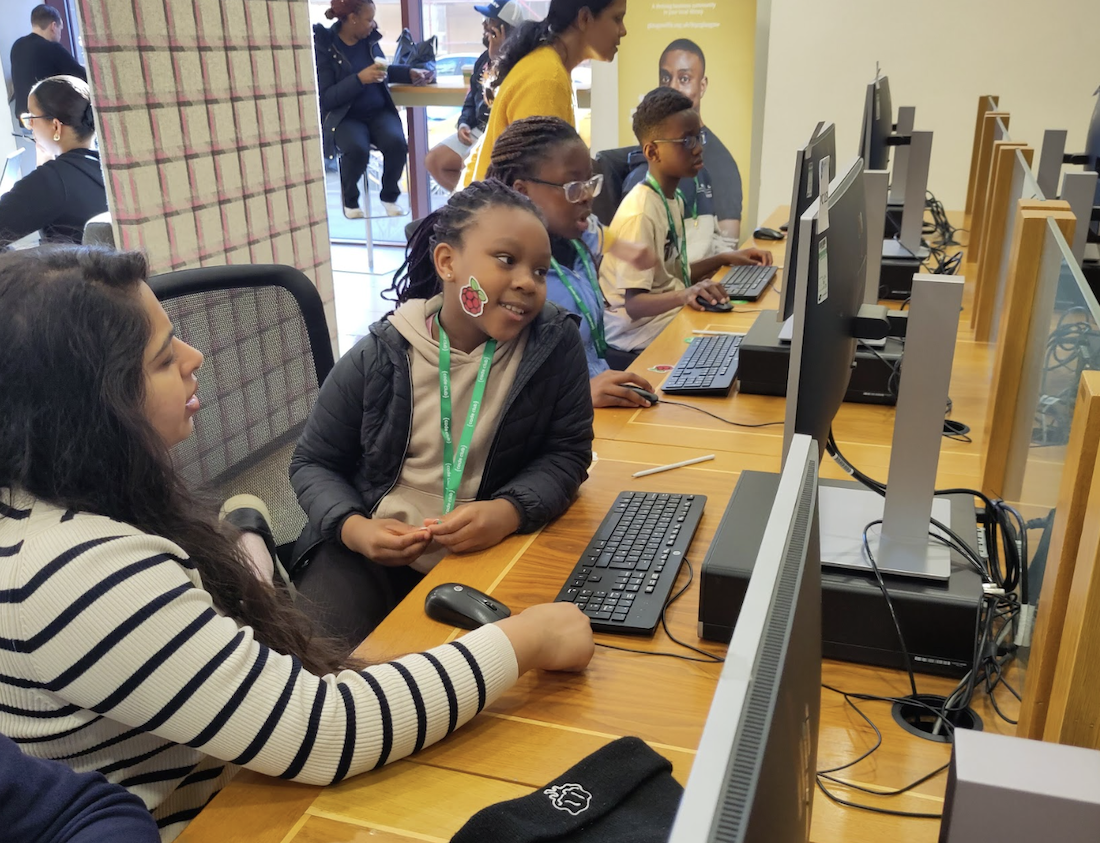
Seung Woo, also known as Tony, is a 17-year-old student from Canada and the co-founder of his school’s Code Club, alongside his teacher, Kay. A curious and driven teen with big ambitions in computer science, Tony is not only passionate about technology, but also dedicated to building a safe, welcoming space where others can learn, explore, and grow alongside him.

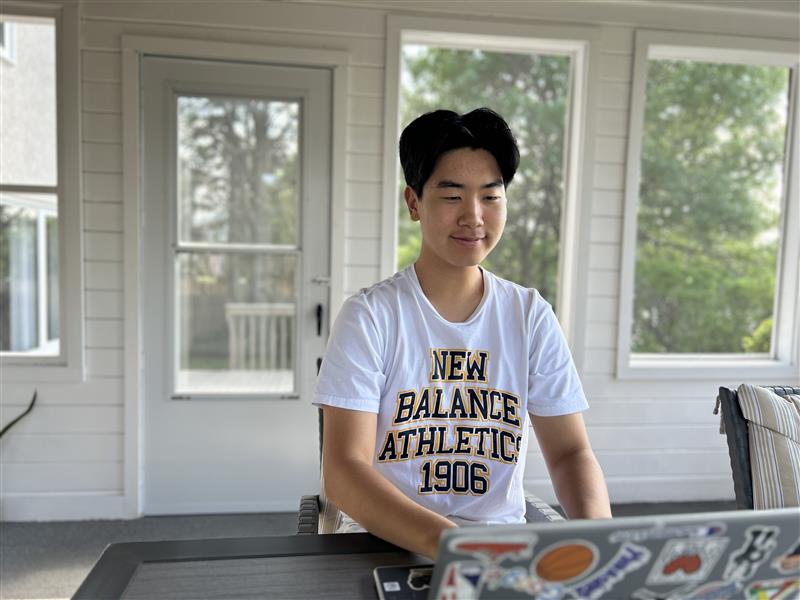
Tony working on a programming project using a laptop.

A spark of inspiration

Tony’s fascination with computers started early, driven by his love of video games, coding, and, perhaps most memorably, his admiration for Tony Stark, the comic-book and film character who becomes the superhero Iron Man! The idea of building something powerful from scratch stuck with him.

“My whole life, I have been curious about the inner workings of a computer and my inspiration for coding is Tony Stark or Iron Man from the Marvel Cinematic Universe!”

Tony’s early coding journey wasn’t without its challenges. Finding the right resources was difficult, and staying motivated during tough moments was often hard without a support system.

“Like many others, I was independently taught, and during this time of independent learning I’d find many different roadblocks and challenges that I had to overcome alone. A big setback for me was finding the right resources in order to learn how to code. Another big obstacle for me was motivation. I would find myself losing interest in a project. I didn’t have the exterior motivation to help me push through the inevitable hardships that come with coding.”

That’s where the idea for a coding club began to take shape.

Creating a community of coders

Tony co-founded the Code Club at Collège Jeanne-Sauvé in December 2024 with that exact vision in mind — he wanted to provide a fun, collaborative, and welcoming environment where students of all skill levels could explore their love of technology together.

“I created the coding club to help everyone on their journey of computer science, no matter their skill level, and that is exactly what it is turning out to be. Finding resources is easier than ever with a teacher and all of the amazing members.”

Tony’s teacher and co-founder, Kay, shared why Code Club was the right fit for the school.

“I thought Code Club was the best way to start our club for a few reasons. The amount of coding language options was varied and appealed to the different learners in our club. It was also important for us to promote our club and let our community know about the presence of a coding club in our school, and Code Club helped us do so via their online presence.”

What makes Code Club special

For Tony, the secret ingredient behind his club’s success is simple: teamwork.

“Without teamwork, our club wouldn’t really be a club, it would simply be an ensemble of people coding in their own little cubicles, much like a stereotypical office job, and to me, that does not sound too enjoyable. Teamwork is our little secret ingredient in problem-solving and building motivation, we embrace it by creating a safe space where everyone can speak their minds without judgement!”

Members are free to choose their own learning paths. No matter the project, the atmosphere is always filled with laughter, energy, and curiosity.

“Coding should be something that is fun — not stressful like others may make it seem. Celebrating achievements, making short term goals, and problem solving with friends are all great ways that we make coding fun in our club. A second word would be teamwork. Without teamwork, our club wouldn’t really be a club.”

Teamwork, he adds, transforms what could be a solitary activity into something social and deeply motivating.

Looking to the future

Tony hopes the club will continue to grow, bringing more students into the world of coding and helping them feel at home in it. His story is a great reminder that learning to code isn’t just about computers — it’s about building community, confidence, and creativity.

“I wanted to create a space where everyone would be accepted and encouraged to learn more about coding and not be ashamed to ‘nerd out’ about this subject like I do very frequently. I’ve dreamed of creating a space that embraces this beautiful passion.”

If you’d like to explore coding, you can get started at home with over 250 free projects

For a little more support, or if you’re open to mentoring others, you can also join a Code Club. Check our website to find a club near you and become part of a like-minded and welcoming community.

The post Creating a space for connection and code: Meet Seung Woo (Tony), Canada appeared first on Raspberry Pi Foundation.
Giving back through Code Club | Meet Douglas

Post Syndicated from Sophie Ashford original https://www.raspberrypi.org/blog/giving-back-through-code-club-meet-douglas/

We love hearing from members of the community and sharing the stories of amazing young people, volunteers, and educators who are using their passion for technology to create positive change in the world around them.

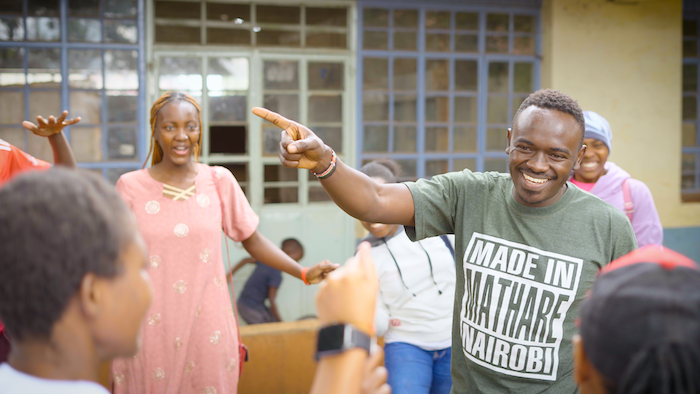
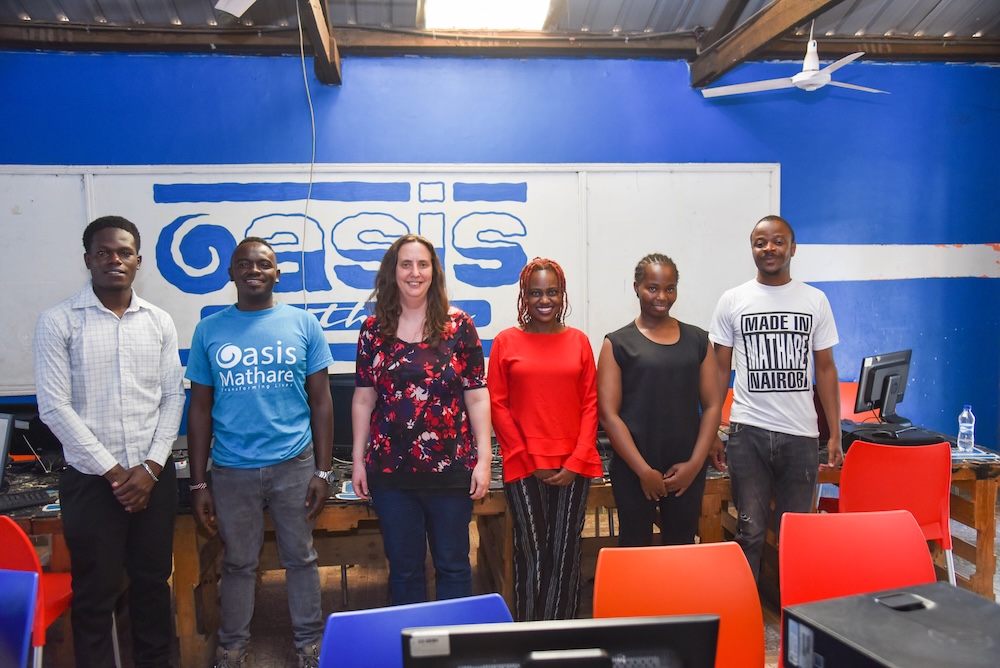
Growing up in Mathare, one of Nairobi’s largest informal settlements, Douglas experienced first-hand what it meant to go without access to education and opportunity. His experience sparked a Code Club journey that is already hugely inspiring… and it’s only just getting started.

Douglas (second from left) with members of the Raspberry Pi Foundation team

Driven by a desire to help 

For Douglas and many of his peers, the limited access to education in Mathare often meant being left with no clear path to earn a livelihood. Douglas saw opportunity in technology — he wanted to increase access in this field for the young people in Mathare and raise their ambitions.

“Why are we doing technology? Because we believe that tech does not have a boundary. As long as you have access to the internet and you can learn some basic skills… the opportunities are limitless.”

That belief became the keystone of Oasis Mathare, an organisation co-founded by Douglas and a group of others with similar lived experiences. Like Douglas, most of the founding members haven’t followed a standard path with formal schooling, but all understand the power of technology to transform lives.

From Photoshop to programming

Douglas’ own tech journey began humbly, and was sparked by his curiosity.

“After primary, I didn’t go straight to high school. I spent two years working in a nearby barber shop. Then I think I just fell in love with computers. I learned how to do some basic stuff with design and used to play around with Photoshop.”

From there, he taught himself web design and programming skills, which began to open new doors. Eventually, he went back to university to study business and information technology to deepen his knowledge, but even before that, Douglas had already started giving back.

“We used to hold a club providing a space for kids to come and play games on computers. That sort of grew from just Saturdays to a few times a week… and now it’s full time.”

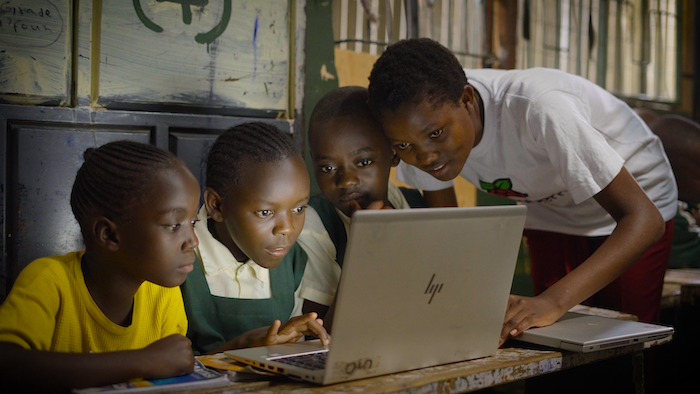
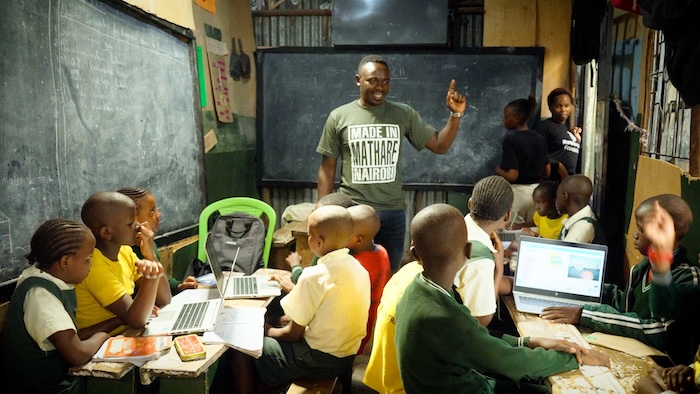
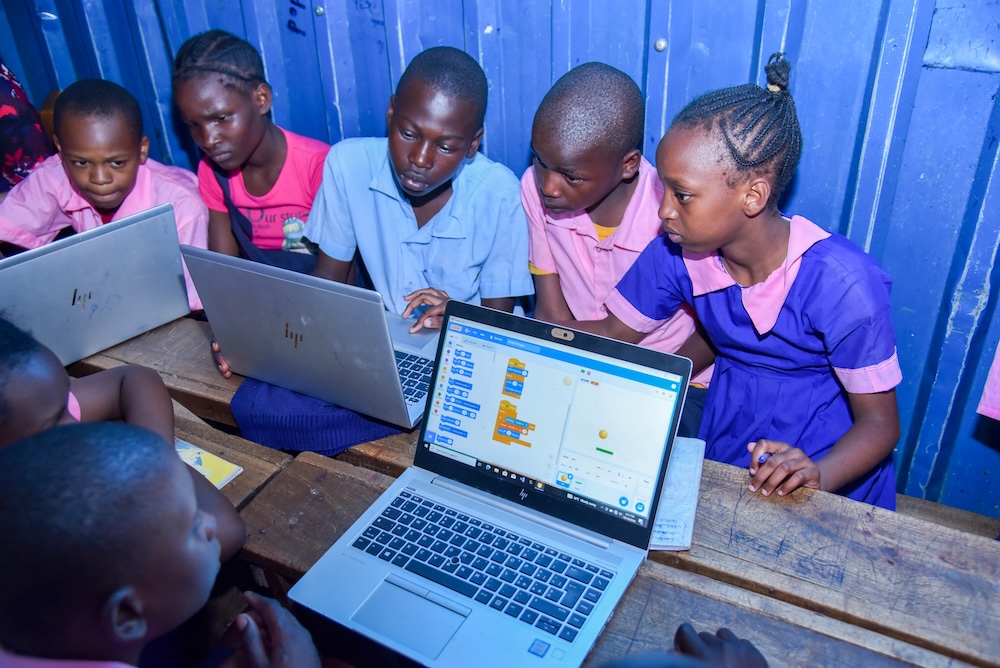
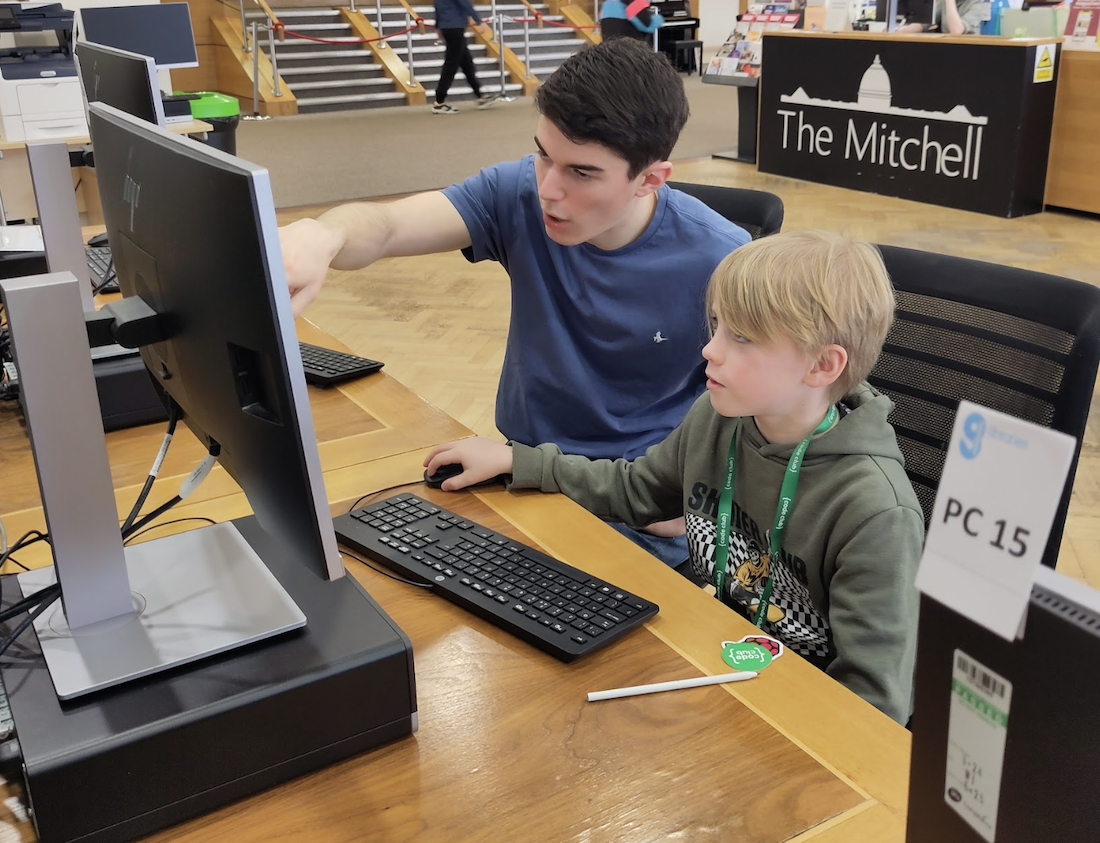
One of Oasis Mathare’s Code Clubs in action

Why Code Clubs?

Today, Oasis Mathare runs intensive software engineering and robotics programs that last between 9 and 12 months. But back in the early days of the organisation, Douglas quickly realised that many young people were struggling to keep up — not because of ability, but because they’d never used a computer before.

“So, we started Code Clubs to introduce these principles of programming at an early age… and we actually realised that those who have gone through Code Club take less time to complete our software engineering and robotics classes.”

Code Clubs now serve as a stepping stone at Oasis Mathare. They help introduce computer literacy and programming concepts to young people early, making it easier for them to thrive in more advanced programs.

The power of role models

The impact of the program is already visible. Many graduates of Oasis Mathare programs go on to volunteer and eventually teach, serving as role models for the younger learners.

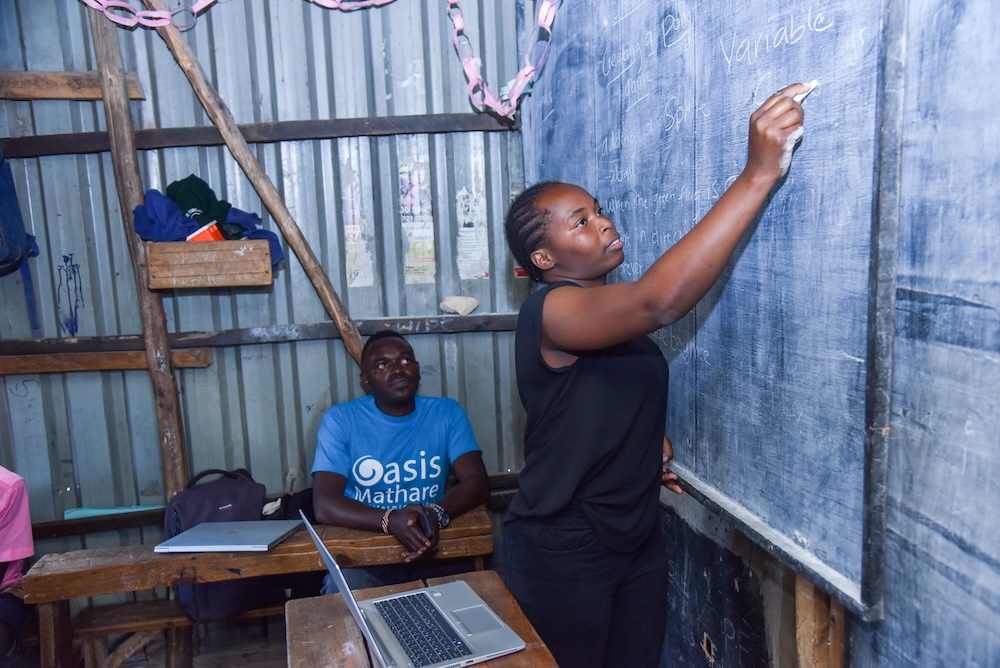
“Oasis Mathare has 6 full-time staff. There are 12 Code Club leaders. They are our graduates from the software engineering program. We are plugging them into the Code Clubs to help them gain confidence and help the next generation.”

The Code Clubs are held both in schools and at the Oasis Mathare centre, creating safe, structured environments for learning, experimenting, and collaborating.

Douglas supporting a Code Club mentor

Building with what they have

Before setting up Code Clubs, Oasis Mathare ran STEM clubs that used a variety of resources, but the cost and maintenance became a barrier. When they discovered Code Club’s free-to-access resources, everything changed.

“We found [the resources] very useful. The good thing about Code Club is you can plan sessions using resources that are freely available, like Scratch. It’s really straightforward.”

The biggest challenge now? Internet access is limited, so Douglas and his team often work offline. The team have started using the Raspberry Pi Foundation’s offline resources, and look forward to more being available in the future.

What’s next for Douglas and Oasis Mathare?

Douglas and the Oasis Mathare team have already achieved so much. This was recognised with a royal seal of approval in 2018, when Douglas was honoured with the Queen’s Young Leaders Award by Queen Elizabeth at Buckingham Palace. Through the award, he gained access to world-class mentoring and leadership training from the University of Cambridge, helping him to amplify his impact back home.

So, what’s next? Douglas’ vision for the future is bold and clear.

“The main idea is to ensure that all kids in Mathare know at least one computer language. Not for the sake of it, but to use the principles of programming to solve their local problems.”

By learning coding, young people build more than just technical skills. They learn to think critically, work in teams, and solve problems in their communities. For Douglas, that’s the real impact.

“The overall goal is to ensure that no youth in Mathare are left behind and they all have the opportunity to develop essential skills from an early age.”

Students at an Oasis Mathare Code Club working together

Looking further ahead

Oasis Mathare runs Code Clubs weekly, all year round, and Douglas is always looking for ways to expand the program’s reach, especially through partnerships, sponsorships, and sharing their successes so far.

With more resources, more local leaders, and a whole community behind him, Douglas is rewriting the narrative for young people in Mathare. You can find out more about Oasis Mathare on their official website.

If you’d like to support young people in your community to explore coding, why not start a Code Club? The team will support you every step of the way with resources, training, and a collaborative community. Find out more on the Code Club website.

The post Giving back through Code Club | Meet Douglas appeared first on Raspberry Pi Foundation.
Code, karaoke, and creativity: Meet Matthew

Post Syndicated from Sophie Ashford original https://www.raspberrypi.org/blog/code-karaoke-and-creativity-meet-matthew/

We love hearing from members of the community and sharing stories of amazing young people, volunteers, and educators who are using their passion for technology to create positive change in the world around them.

It’s especially inspiring to hear about young people who are not only passionate about technology, but who are also driven to share that passion with others. Meet Matthew, a 15-year-old creator and youth mentor at Code Club, who builds his own projects and inspires peers by organising hackathons.

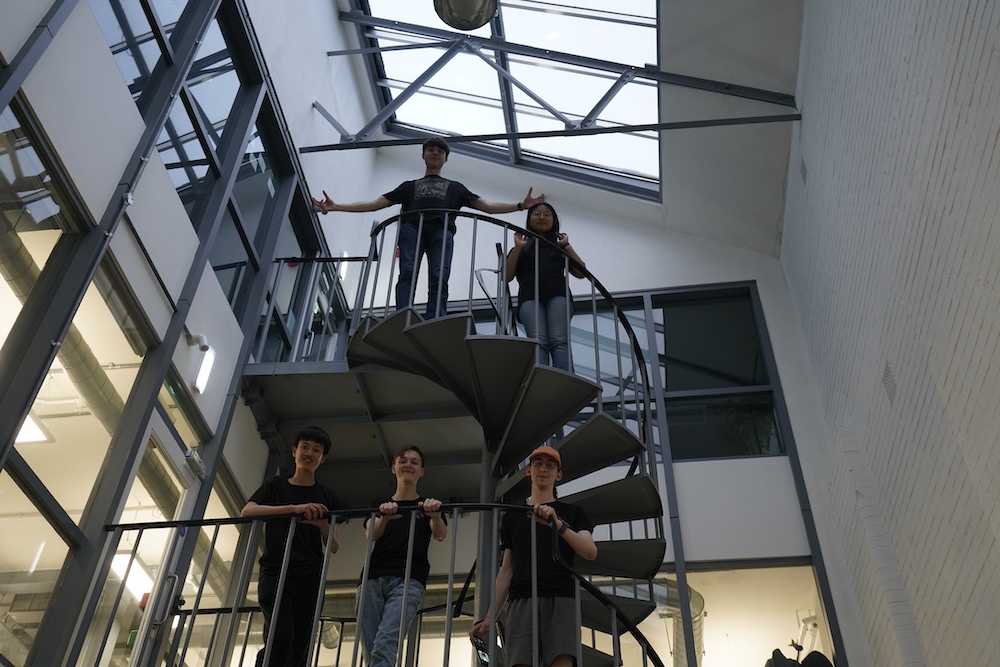
Matthew and his team at Cool as Hack at the RPF offices

Matthew’s early experience with coding 

Matthew’s journey into the world of coding began at a young age. His initial exposure was through Scratch at school in Singapore. From there, he began exploring self-learn platforms in his own time, getting to grips with HTML and basic web development.

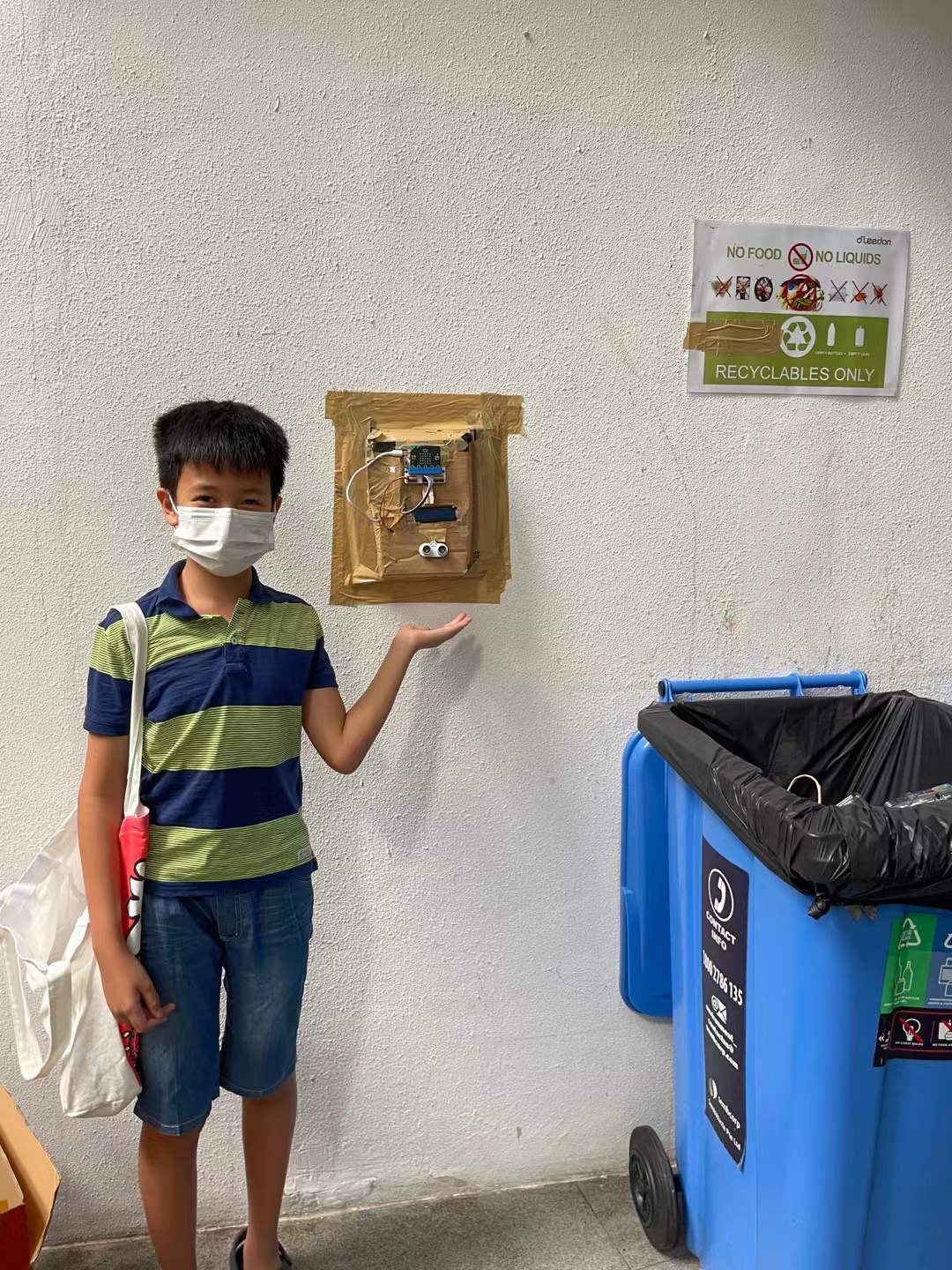
His enthusiasm for creating led him to participate in a technology week in Year 6, where he took on a BBC micro:bit challenge. He dedicated his summer holiday to developing a token system that encouraged community recycling, using an ultrasonic sensor to award points for good behaviour. This early project showcased his knack for problem-solving and innovation.

What truly captivated Matthew was the possibility of combining the logical challenges of competitive programming with the joy of project creation.

Matthew with his device developed in Year 6 to promote recycling behaviour in his residential community

Connecting with the community

Through YouthHacks, an initiative he co-founded to support teenage hackathon organisers, Matthew aims to expand access to hackathons across the UK (a hackathon is an event where individuals or teams work intensively over a relatively short time period to build software, hardware, or other kinds of technology). Matthew wants to offer advice and support, making it easier for young people to run their own hackathons. He puts a lot of time into ensuring that the content and atmosphere truly resonate with the participants.

“So, we made YouthHacks basically as an idea to be able to support these teenage organisers, you know, like hackathons for teenagers by teenagers.”

Matthew’s connection with the Raspberry Pi Foundation came from his keen interest in the hackathon community and a need for a local venue. Having previously toured the Foundation’s offices for a school robotics club, he decided to reach out when organising a satellite hackathon called Counterspell.

This initial collaboration led to further events at the Foundation, including Scrapyard Cambridge and, more recently, Cool as Hack.

Coolest Projects hackathon: A new approach to collaborative coding 

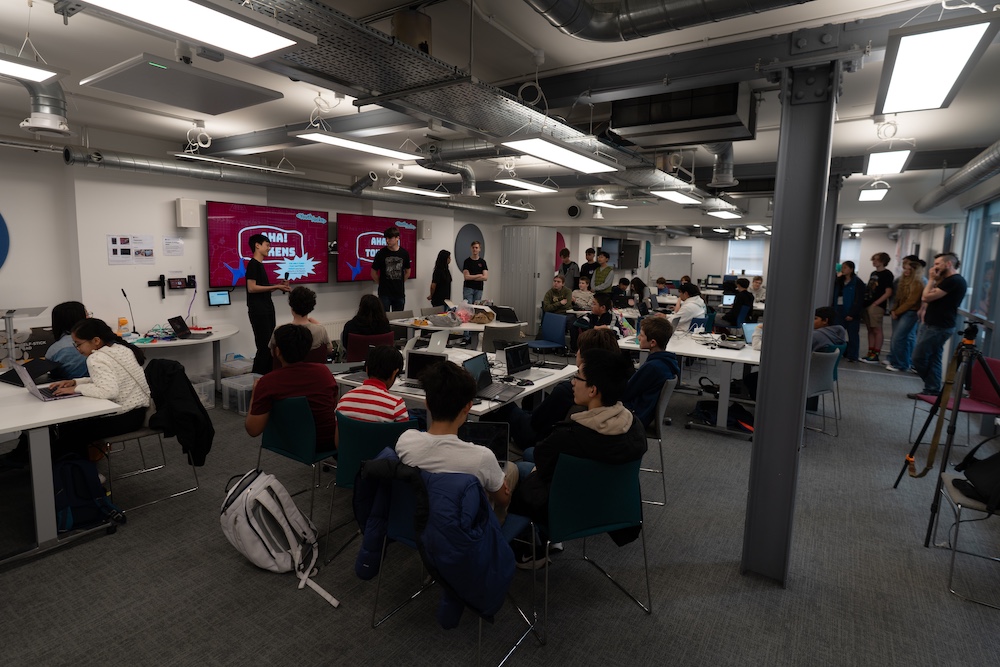
Cool as Hack was Matthew’s third event held at the Raspberry Pi Foundation offices. Unlike traditional hackathons with intense time pressure, this event, inspired by the spirit of Coolest Projects, aimed to be more relaxed and collaborative. 

“For this, people could bring in their own project scraps and then they could put it together with a team, finalise it, and then enter it to Coolest Projects.” 

The focus was on showcasing creativity and sharing projects globally, rather than competitive prizes. Everyone then entered their creations into the Coolest Projects online showcase.

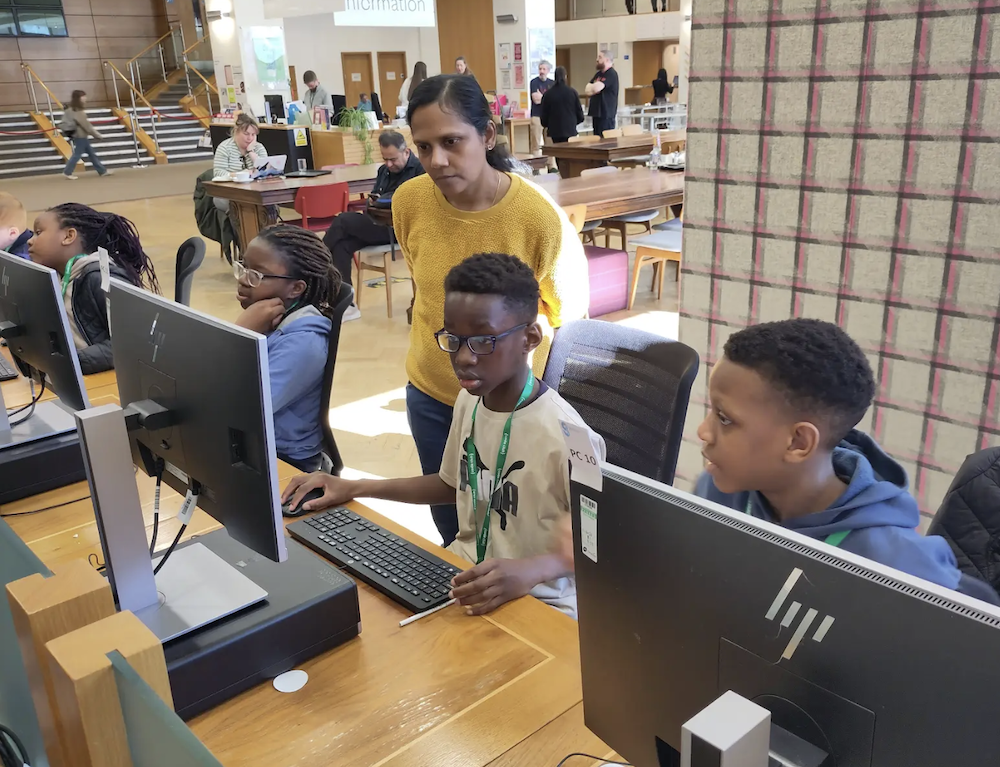
Young coders at Cool as Hack
Cool as Hack in progress at RPF HQ. Credit: W O Wallace

Cool as Hack was a huge success. The atmosphere was incredible — there was even a karaoke session and a “swag shop” where participants could exchange tokens earned for innovative ideas or project milestones. This token system, designed by Matthew and harking back to his own recycling project from years ago, created a fun and engaging reward system.

Inspiring the next generation

Matthew’s drive to organise these events and encourage other young people to code stems from his enjoyment of project creation and the community aspect of hackathons. 

“Well, I suppose it links back to me enjoying making projects and when you attend a hackathon, it’s not a competition really. It’s more of a social event. So, you’re making a project and then you’re meeting quite a lot of coders, or even artists and musicians, and so many other people.”

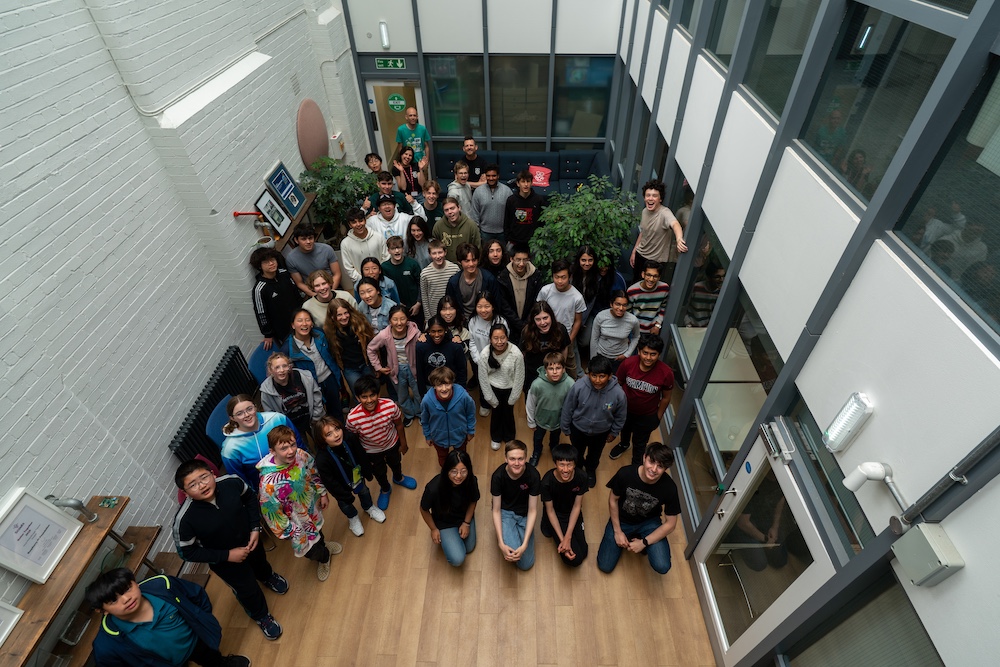
Young coders at Cool as Hack at the RPF offices
All of the creators that took part in Cool as Hack. Credit: W O Wallace

Now a regular volunteer at the Raspberry Pi Foundation’s monthly Code Club in Cambridge, Matthew remains focused on encouraging others into tech. For aspiring young coders, he says that coding is far more diverse and creative than many might initially perceive, encompassing art, storytelling, and problem-solving. Matthew’s advice is simple: 

“Enjoy the process and as you learn new things you’ll realise that all of this is like super interesting, and that there are so many ways to make what you want. Just enjoy it and continue meeting new people and, yeah, be creative.” 

Matthew’s journey shows how an intro to computing at a young age can lead to an incredible amount of impact. With his continued dedication, he’s sure to inspire many more young minds to start on their own coding adventures.

If you would like to explore coding, you can get started at home with over 250 free projects

Looking for a little extra support in your own coding journey or open to mentoring others? Join a Code Club near you to meet a like-minded and supportive community.

The post Code, karaoke, and creativity: Meet Matthew appeared first on Raspberry Pi Foundation.
Community Story | Daniela, Thetford Library

Post Syndicated from Sophie Ashford original https://www.raspberrypi.org/blog/community-story-daniela-thetford-library/

We love hearing from members of the community and sharing the stories of amazing young people, volunteers, and educators who are using their passion for technology to create positive change in the world around them.

Daniela in a Code Club.

When Daniela made the transition from working in retail to joining the team at Thetford Library, she never imagined that she would one day be leading a Code Club. Her manager, who had previously run the club, asked if Daniela would be interested in taking over, and although she was nervous, she was also eager to embrace the challenge and learn new skills.

“At first, I was nervous about teaching coding, but seeing the children’s excitement made me realise it was so important, and I was learning just as much as they were.”

The Code Club was designed to run in eight-week blocks, with a new group of children joining for each term. However, the kids loved it so much that they didn’t want to leave. Daniela, with her growing passion for coding and mentoring, welcomed the children to attend as often as they wanted, with some children, including one particularly enthusiastic young creator, attending every session. This continuity allowed the children to delve deeper into the world of coding, learning in a different way to what they were used to at school.

Inspiring young coders through creativity

One of the key things that Daniela has found resonates most with the children is the combination of creativity and coding. She encourages the kids to draw and plan their projects first, which makes the process more engaging and accessible to all of the young people who want to attend. The freedom to be creative is something that she feels is crucial, especially when compared to the more structured and rigid environment of school curriculums. This approach has been particularly rewarding for one young girl in the club who insists on planning and drawing her own characters and backgrounds for all of her projects.

“Coding isn’t just about writing lines of code — it’s about storytelling, problem solving, and imagining what’s possible.”

Students in a Code Club.

Astro Pi: giving young people the confidence to dream big

Daniela’s journey into coding took a significant leap when she decided to explore the Astro Pi challenge, a project that involves writing code to run on Astro Pi computers aboard the International Space Station. Despite her initial nerves about diving into Python, a more advanced programming language than she had tried at the club previously, she was blown away by the possibilities it opened up. When telling the children, she almost felt that she was more excited at the prospect of them trying out real space science than them. But once she showed them some examples, the buzz was infectious and the sessions ran far smoother than she could have hoped. Daniela’s tip for trying Astro Pi for the first time? Find a fellow mentor to help you along the way and dream big.

“I never imagined we’d be working on space science at our library. Introducing children to coding early isn’t just about technology; it’s about giving them the confidence to dream big and think differently.”

Thetford Library

The success of the Code Club at Thetford Library is part of a broader initiative by Norfolk Libraries to provide digital skills to the community. They are committed to offering resources and opportunities for people of all ages to engage with technology. From their Digital Week, which focuses on improving digital literacy, to offering mentorship for adults learning to navigate the digital world, Norfolk Libraries is working hard to bridge the digital divide.

Benefits of volunteering at a Code Club 

For Daniela, the importance of introducing children to coding at an early age is not something she thought would become a passion for her when moving careers. She sees firsthand how these skills empower the children, giving them confidence and opening up future career opportunities. 

“Code Club has shown me that stepping outside your comfort zone is where the real growth happens. Both for me and the kids!”

A mentor is helping a student in class.

It’s this combination of creativity, learning, and the sheer joy of discovery that keeps Daniela passionate about running the Code Club, and why she continues to welcome every eager child who walks through the door.

Inspire young people in your community

If you are interested in encouraging your child to explore coding, take a look at the free coding project resources we have available to support you. If you would like to set up a Code Club for young people in your community, or attend one, head to codeclub.org for information and support.

The post Community Story | Daniela, Thetford Library appeared first on Raspberry Pi Foundation.
Celebrating the community: Prabhath

Post Syndicated from Sophie Ashford original https://www.raspberrypi.org/blog/celebrating-the-community-prabhath/

We love hearing from members of the community and sharing the stories of amazing young people, volunteers, and educators who are using their passion for technology to create positive change in the world around them.

An educator sits in a library.

Prabhath, the founder of the STEMUP Educational Foundation, began his journey into technology at an early age, influenced by his cousin, Harindra.

“He’s the one who opened up my eyes. Even though I didn’t have a laptop, he had a computer, and I used to go to their house and practise with it. That was the turning point in my life.”

This early exposure to technology, combined with support from his parents to leave his rural home in search of further education, set Prabhath on a path to address a crucial issue in Sri Lanka’s education system: the gap in opportunities for students, especially in STEM education. 

“There was a gap between the kids who are studying in Sri Lanka versus the kids in other developed markets. We tried our best to see how we can bridge this gap with our own capacity, with our own strengths.” 

Closing the gap through STEMUP

Recognising the need to close this gap in opportunities, Prabhath, along with four friends who worked with him in his day job as a Partner Technology Strategist, founded the STEMUP Educational Foundation in 2016.  STEMUP’s mission is straightforward but ambitious — it seeks to provide Sri Lankan students with equal access to STEM education, with a particular focus on those from underserved communities.

A group of people stands together, engaged in a lively discussion.

To help close the gap, Prabhath and his team sought to establish coding clubs for students across the country. Noting the lack of infrastructure and access to resources in many parts of Sri Lanka, they partnered with Code Club at the Raspberry Pi Foundation to get things moving. 

Their initiative started small with a Code Club in the Colombo Public Library, but things quickly gained traction. 

What began with just a handful of friends has now grown into a movement involving over 1,500 volunteers who are all working to provide free education in coding and emerging technologies to students who otherwise wouldn’t have access.

An educator helps a young person at a Code Club.

A key reason for STEMUP’s reach has been the mobilisation of university students to serve as mentors at the Code Clubs. Prabhath believes this partnership has not only helped the success of Code Club Sri Lanka, but also given the university students themselves a chance to grow, granting them opportunities to develop the life skills needed to thrive in the workforce. 

“The main challenge we see here today, when it comes to graduate students, is that they have the technology skills, but they don’t have soft skills. They don’t know how to do a presentation, how to manage a project from A to Z, right? By being a volunteer, that particular student can gain 360-degree knowledge.” 

Helping rural communities

STEMUP’s impact stretches beyond cities and into rural areas, where young people often have even fewer opportunities to engage with technology. The wish to address this imbalance  is a big motivator for the student mentors.

“When we go to rural areas, the kids don’t have much exposure to tech. They don’t know about the latest technologies. What are the new technologies for that development? And what subjects can they  study for the future job market? So I think I can help them. So I actually want to teach someone what I know.” – Kasun, Student and Code Club mentor

This lack of access to opportunities is precisely what STEMUP aims to change, giving students a platform to explore, innovate, and connect with the wider world.

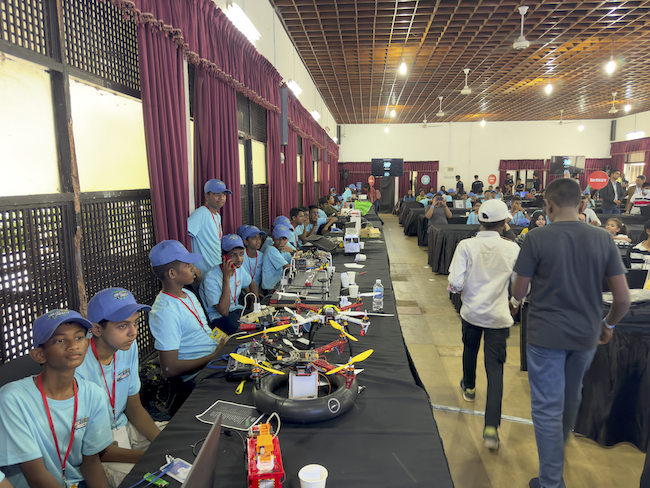
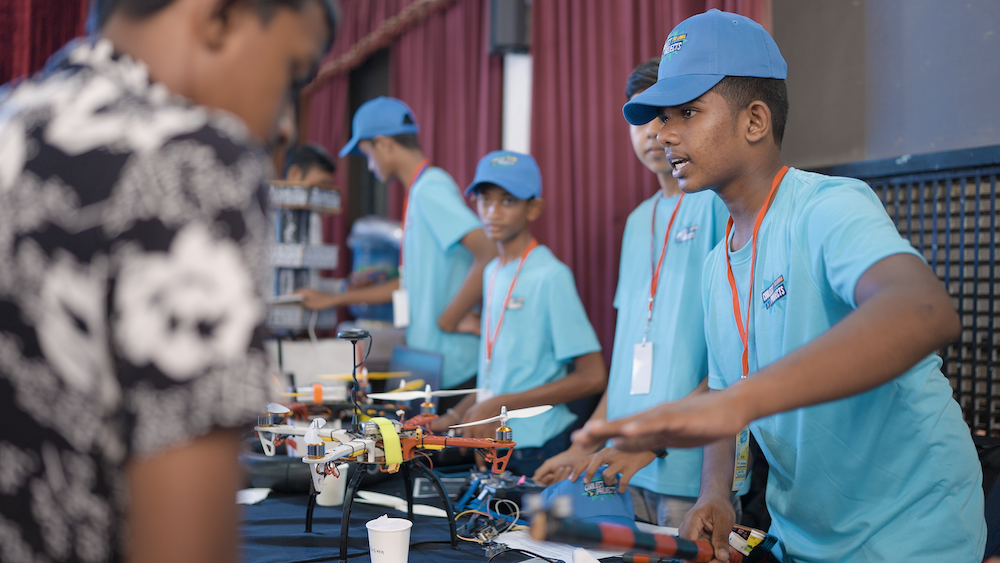
Coolest Projects Sri Lanka

STEMUP recently held the first Coolest Projects Sri Lanka, a showcase for the creations of young learners. Prabhath first encountered Coolest Projects while attending the Raspberry Pi Foundation Asia Partner summit in Malaysia. 

“That was my first experience with the Coolest Projects,” says Prabhath, “and when I came back, I shared the idea with our board and fellow volunteers. They were all keen to bring it to Sri Lanka.” 

For Prabhath, the hope is that events like these will open students’ eyes to new possibilities. The first event certainly lived up to his hope. There was a lot of excitement, especially in rural areas, with multiple schools banding together and hiring buses to attend the event. 

“That kind of energy… because they do not have these opportunities to showcase what they have built, connect with like minded people, and connect with the industry.”

Building a better future

Looking ahead, Prabhath sees STEMUP’s work as a vital part of shaping the future of education in Sri Lanka. By bringing technology to public libraries, engaging university students as mentors, and giving kids hands-on experience with coding and emerging technologies, STEMUP is empowering the next generation to thrive in a digital world. 

“These programmes are really helpful for kids to win the future, be better citizens, and bring this country forward.”

Young people showcase their tech creations at Coolest Projects.

STEMUP is not just bridging a gap — it’s building a brighter, more equitable future for all students in Sri Lanka. We can’t wait to see what they achieve next!

Inspire the next generation of young coders

To find out how you and young creators you know can get involved in Coolest Projects, visit coolestprojects.org. If the young people in your community are just starting out on their computing journey, visit our projects site for free, fun beginner coding projects.

For more information to help you set up a Code Club in your community, visit codeclub.org.

Help us celebrate Prabhath and his inspiring journey with STEMUP by sharing this story on X, LinkedIn, and Facebook.

The post Celebrating the community: Prabhath appeared first on Raspberry Pi Foundation.
Celebrating the community: Isabel

Post Syndicated from Sophie Ashford original https://www.raspberrypi.org/blog/celebrating-the-community-isabel/

One of our favourite things is sharing the stories of amazing young people, volunteers, and educators who are using their passion for technology to create positive change in the world around them.

Recently, we had the pleasure of speaking with Isabel, a computer science teacher at Barton Peveril Sixth Form College in Eastleigh, England. She told us her fascinating journey from industry to education, along with how she is helping to make the tech space inviting to all.

From industry to the classroom: Isabel’s journey to encourage diversity in tech

Isabel’s path to working in the tech sector started with her early exposure to engineering thanks to her father’s career in telecoms.

“I find this is true for a lot of female engineers my age: you will find that their dad or their uncle was an engineer. I remember that when I made the decision to study engineering, my teachers asked me if I was sure that it was something I wanted to do.”

Isabel pursued a degree in engineering because she loved the technical aspects, and during her studies she found a passion for programming. She went to work as a software engineer in Hampshire, contributing to the development of 3G mobile phone technology.

Despite enjoying her career in tech, Isabel felt a strong pull towards teaching due to her long-standing involvement with youth groups and a desire to give back to the community.

“While I was at university in London, I took part in a scheme where we could go into local primary schools and help with their science teaching. At the time, I just thought this was my way of giving back, I hadn’t really thought of it as a career. But actually, after a while, I thought ‘I’m enjoying this programming, but I really liked helping the young kids as well’.”

The transition wasn’t easy, as Computer Science was not widely taught in schools at the time, but Isabel persevered, teaching IT and Media to her classes as well.

Once Isabel settled into her teaching role, she began thinking about how she could tackle a problem she noticed in the STEM field.

Championing diversity in tech

Having experienced first-hand what it was like to be the only woman in STEM spaces, Isabel’s commitment to diversity in technology is at the core of her teaching philosophy. She works hard to create an inclusive environment and a diversity of opportunities in her classroom, making sure girls feel encouraged to pursue careers in tech through exploring various enrichment activities.

Two educators at a desk using their computers.

Isabel focuses on enrichment activities that bridge the gap between academic learning and real-world application. She runs various projects and competitions, ensuring a balanced representation of girls in these initiatives, and gives her students the opportunity to participate in programs like the Industrial Cadets, Student Robotics, and Coolest Projects

Isabel told us that she feels these opportunities provide essential soft skills that are crucial for success in any career.

“The A level environment is so academic; it is heavily focused on working on your own on very abstract topics. Having worked in industry and knowing the need to collaborate, I found that really hard. So I’ve always made sure to do lots of projects with my students where we actually work with real engineers, do real-world projects. I believe strongly in teaching soft skills like team working, project management, and time management.”

Harnessing trusted resources

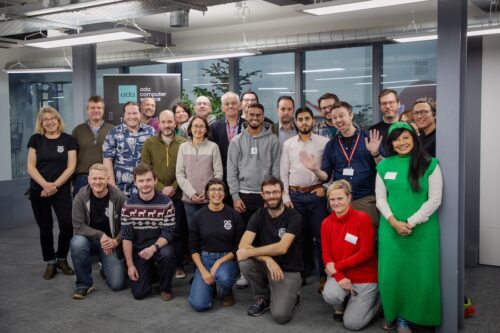
A key resource in Isabel’s teaching toolkit is the Ada Computer Science platform. She values its reliability and the timely updates to the topics, which are crucial in a rapidly evolving subject like Computer Science.

She said she encourages both her students and fellow teachers, especially those who have retrained in Computer Science, to use the platform as a resource. 

“Ada Computer Science is amazing. We know we can rely on saying to the students ‘look on Ada, the information will be correct’ because I trust the people creating the resources. And we even found ourselves as teachers double-checking things on there. We struggle to get Computer science teachers, so actually only two of us are Computer Science teachers, and the other three are Maths teachers we have trained up. To be able to say ‘if you are not sure about something, look on Ada’ is a really nice thing to have.”

A large group of educators at a workshop.

The ongoing challenge and hope for the future

Despite her efforts, Isabel acknowledges that progress in getting more girls to pursue tech careers is slow. Many girls still view tech as an uninviting space and feel like they don’t belong when they find themselves as one of a few girls — if not the only one — in a class. But Isabel remains hopeful that continuous exposure and positive experiences can change these perceptions.

“I talk to students who are often the only girl in the class and they find that really hard. So, if at GCSE they are the only girl in the class, they won’t do [the subject] at A level. So, if we leave it until A level, it is almost too late. Because of this, I try as much as I can to get as many girls as possible onto my engineering enrichment projects to show them as many opportunities in engineering as possible early on.”

Her work with organisations like the UK Electronics Skills Foundation reflects her commitment to raising awareness about careers in electronics and engineering. Through her outreach and enrichment projects, Isabel educates younger students about the opportunities in these fields, hoping to inspire more girls to consider them as viable career paths.

Looking ahead

As new technology continues to be built, Isabel recognises the challenges in keeping up with rapid changes, especially with fields like artificial intelligence (AI). She stays updated through continuous learning and collaborating with her peers, and encourages her students to be adaptable and open to new developments. “The world of AI is both exciting and daunting,” she admits. “We need to prepare our students for a future that we can hardly predict.”

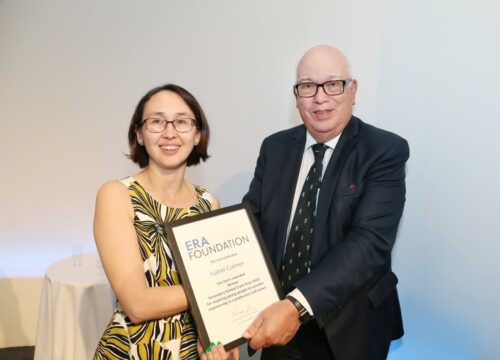
Isabel’s dedication to teaching, her advocacy for diversity, and her efforts to provide real-world learning opportunities make her an inspiring educator. Her commitment was recognised by the Era Foundation in 2023: Isabel was named as one of their David Clark Prize recipients. The award recognises those who “have gone above and beyond the curriculum to inspire students and showcase real-world engineering in the classroom”.

A woman receives a certificate of recognition.

Isabel not only imparts technical knowledge — she inspires her students to believe in their potential, encouraging a new generation of diverse tech professionals. 

If Isabel’s story has inspired you to encourage the next generation of young tech creators, check out the free teaching and training resources we provide to support your journey.

If you are working in Computer Science teaching for learners age 14 and up, take a look at how Ada Computer Science will support you. 

The post Celebrating the community: Isabel appeared first on Raspberry Pi Foundation.
Celebrating the community: Yang

Post Syndicated from Sophie Ashford original https://www.raspberrypi.org/blog/celebrating-the-community-yang/

We love hearing from members of the community and sharing the stories of amazing young people, volunteers, and educators who are using their passion for technology to create positive change in the world around them.

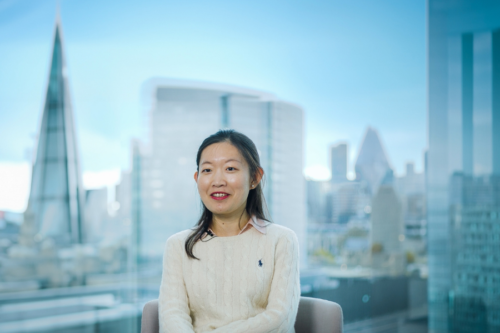
A woman is pictured sitting in the office. There's a window behind her with a view of the London skyline.

In our latest story, we’re heading to London to meet Yang, a Manager in Technology Consulting at EY specialising in Microsoft Business Applications, whose commitment to CoderDojo is truly inspiring. Yang’s passion for volunteering has grown since she first volunteered at a CoderDojo club at a local museum. In recent years, she has actively searched for ways to bring the CoderDojo movement to more children, and encouraged her colleagues to come along on the journey too.

Introducing Yang

When Yang was growing up, both of her parents worked in STEM, but her own journey into a career in technology took a varied route. After initially studying journalism in China, her path shifted when she pursued a Master’s in Digital Humanities at UCL, London, broadening her digital skills and paving the way for her current role.

On a weekend visit to a museum, Yang found the opportunity to volunteer at their CoderDojo. This experience sparked an enthusiasm to create more opportunities for young people to explore the world of computing, and this soon evolved into a plan to implement clubs at the EY offices. 

Building a community of mentors

With support from the EY Corporate Responsibility team, and fellow colleagues, Yang started to deliver Dojo sessions at the EY office in London. From the very first session, Yang was blown away by the level of enthusiasm among her colleagues, and their willingness to volunteer their time to support the club. She soon realised it was possible to roll this initiative out to other offices around the country, expanding the volunteer network and increasing their impact.

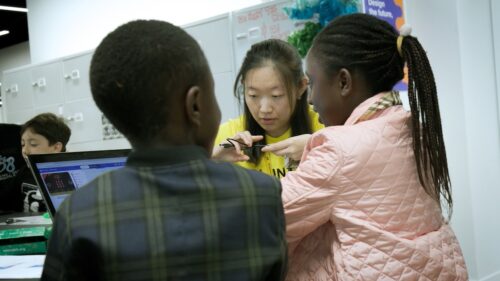
Yang mentors two young learners during a CoderDojo session.

Clubs have now been run in four EY offices across the UK, and the team has even seen the first international club take place, at the EY office in Baku, Azerbaijan. In total, EY clubs have seen around 350 young people attend and give coding a go.

Championing diversity in tech

As a woman in tech, Yang is all too aware of the gender imbalance in the industry, and this is something she wanted the clubs at the EY offices to address. 

“If there are some female role models, I think for a little girl grow up that means so much. Because if they can see somebody thrive in this industry, they will see themselves there one day. And that’s the inspiration.” – Yang

Yang actively encourages female participation in Dojo sessions, for example through holding sessions with a focus on engaging girls to mark International Women’s Day and Ada Lovelace Day. Through her leadership, she creates an inclusive environment where girls can envision themselves as future leaders. 

Yang mentors a young person during a CoderDojo session.

Yang’s motivation doesn’t only inspire the young people attending her clubs, but also resonates with those who work with her on a daily basis, including colleagues like Iman and Elizabeth, who shared how much they admire Yang’s dedication and energy.

“I would love to have had a role model like [Yang] when I was younger. She’s just so inspiring. She’s so full of energy. I mean, from my personal experience, when I was younger, we didn’t have anything to do with coding.

There were situations where I was vaguely interested [in computing] but was told that it wasn’t for girls. And now with Yang running these events, seeing the girls come here and being so interested and wanting to learn, it really opens up so many more doors for them that they don’t even realise.” – Elizabeth, colleague and CoderDojo volunteer

Seeing the impact of her mentorship and the enthusiasm of young participants has fueled Yang’s passion even further. 

This has been a great opportunity to set up CoderDojo sessions for young people. I’ve had a lot of support from colleagues and other volunteers who have helped to run the sessions […] I feel super proud of what we’ve achieved so far.” – Yang

For Yang, mentorship isn’t just about teaching technical skills; it’s about helping young people develop confidence and resilience, and letting everyone know there is a place for them in computing should they want one.

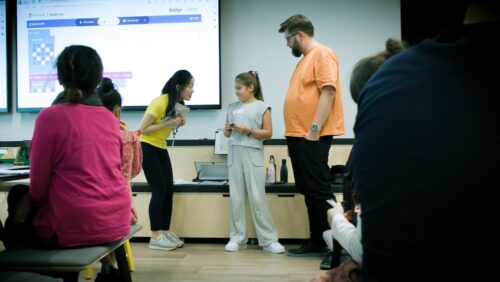
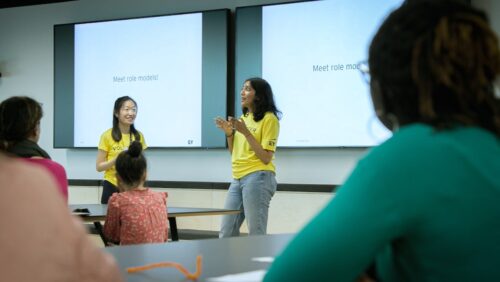
Two mentors deliver a presentation during a CoderDojo session.

Continuing to make a difference in her community and beyond, Yang recently participated in the 68th annual UN Women’s Commission on the Status of Women, which is the UN’s largest annual gathering on gender equality and women’s empowerment. 

We’re delighted to be part of Yang’s journey, and can’t wait to see what she contributes to the world of tech next.

Help us celebrate Yang and her inspiring journey by sharing her story on X, LinkedIn, and Facebook.

The post Celebrating the community: Yang appeared first on Raspberry Pi Foundation.
Celebrating the community: Arno & Timo

Post Syndicated from Sophie Ashford original https://www.raspberrypi.org/blog/celebrating-the-community-arno-timo/

We love hearing from members of the community and sharing the stories of amazing young people, volunteers, and educators who are using their passion for technology to create positive change in the world around them.

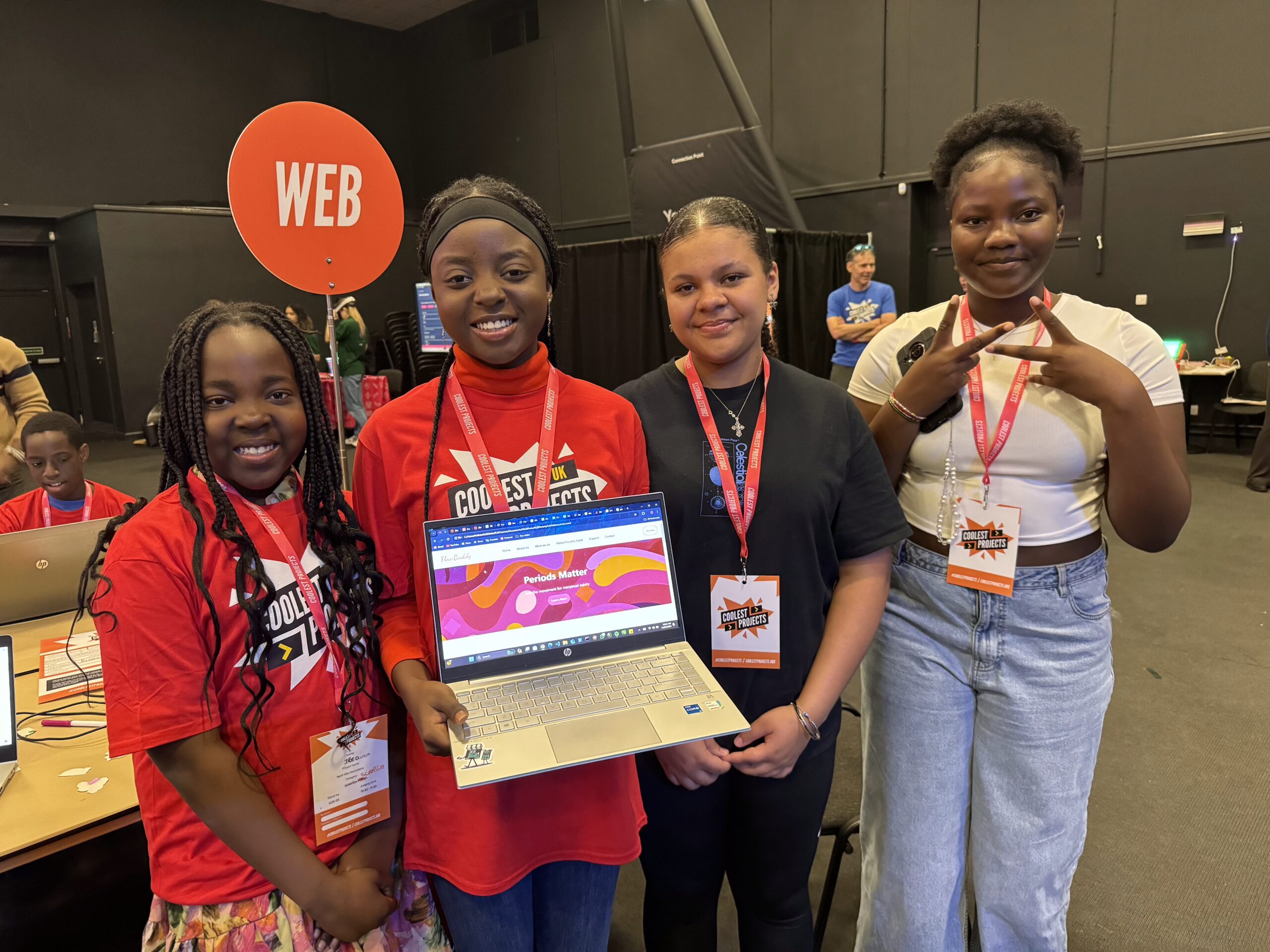
Arno helping young coders at the CoderDojo Netherlands tenth birthday celebrations

In our latest story, we’re heading to Alkmaar, the Netherlands, to meet Arno and Timo, CoderDojo enthusiasts who have transitioned from club members to supportive mentors. Their journey at CoderDojo and their drive to give back and support the next generation of coders in their community has been an inspiration to those around them.

Introducing Arno and Timo

Arno and Timo have been friends since childhood, and embarked on their CoderDojo journey at the age of 12, eager to explore the world of coding. Under the guidance of mentors like Sanneke, Librarian and Chair of CoderDojo Netherlands, they not only honed their technical skills, but also learned about the value of collaboration, curiosity, and perseverance. As they grew older, they in turn were inspired to support young coders, and wanting to remain part of the CoderDojo community, they decided to become mentors to the next generation of club attendees. 

Having been helping younger members of the club for years, the transition to official mentors and proud owners of the much-coveted mentor T-shirt was seamless. 

Timo with Mirthe and Linus, two young CoderDojo members

The power of mentorship

Sanneke reflects on the impact young mentors like Timo and Arno have on the young learners at CoderDojo:

“Having young mentors who are just slightly older than our youngest… I think it helps them to see what happens when you grow up and how they can help. They can be examples for how to help others.” – Sanneke, Librarian, CoderDojo mentor, and Chair of CoderDojo Netherlands

Timo echoes this sentiment, highlighting how mentoring provides a fantastic opportunity to help people and make a positive impact in the local community: 

“I think volunteering is important, because you’re doing something for the community, in a city or village, supporting them in their journey in learning coding.” – Timo

As they continue their journey, Timo and Arno remain committed to supporting and inspiring the next generation of coders. They also encourage anyone who is thinking of volunteering at a club to give it a go: 

“If you want to volunteer at the CoderDojo, just go for it. You don’t really need that much experience. […] The kids can learn it, so can you.” – Arno

The CoderDojo movement in the Netherlands is celebrating a decade of impact, and champions a culture of growth and learning. Arno and Timo’s story serves as an inspiration to us all, shining a light on the power of mentorship and the impact of volunteering in building stronger, more supportive communities. 

Inspire the next generation of young coders

Arno and Timo’s story showcases the importance of mentorship for both individuals and communities, and the real impact you can have by donating an hour of your time a week. If you’re interested in becoming a CoderDojo volunteer, head to coderdojo.com to find out how to get started.

Help us celebrate Arno and Timo and their inspiring journey by sharing their story on X (formerly Twitter), LinkedIn, and Facebook.

The post Celebrating the community: Arno & Timo appeared first on Raspberry Pi Foundation.
Celebrating the community: Micah

Post Syndicated from Sophie Ashford original https://www.raspberrypi.org/blog/celebrating-the-community-micah/

We love hearing from members of the community and sharing the stories of inspiring young people, volunteers, and educators all over the world who have a passion for technology.

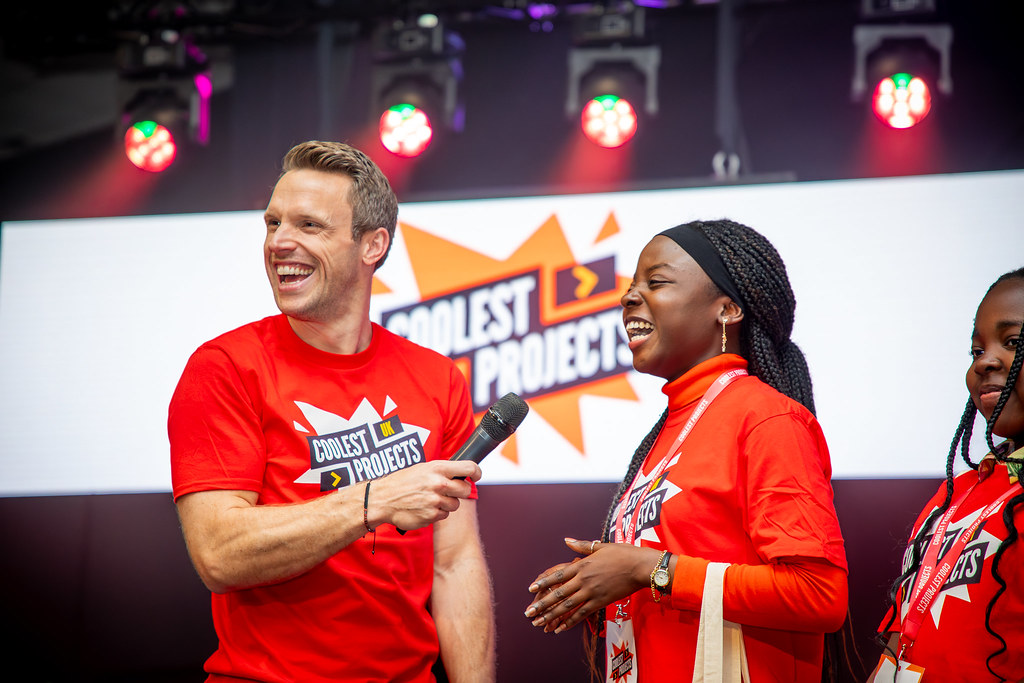
A smiling child.
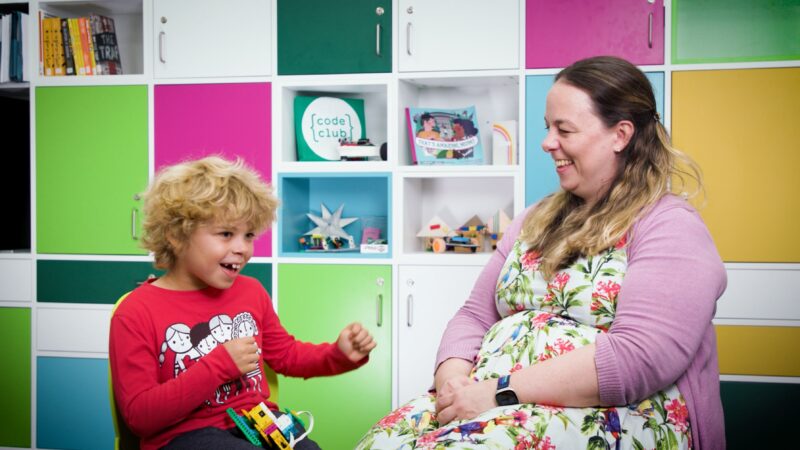
Micah attends a Code Club in a library in Leeds, UK.

With this latest story, we’re taking you to Leeds, UK, to meet Micah, a young space enthusiast whose confidence has soared since he started attending a Code Club at his local library.

Introducing Micah

Computing skills are essential in today’s world, and Micah’s mum Catherine was keen for him to be introduced to coding from a young age.

While Micah is known to people close to him for his inquisitive nature, cheeky behaviour, and quick-witted sense of humour, he can be a little shy when meeting new people. And he isn’t always keen on his mum’s suggestions about trying new things and attending after-school clubs! However, when Catherine saw there was a Code Club running at their local library, she knew it was the perfect opportunity for Micah to try out computing.

A parent and child laughing together.
Micah’s mum Catherine took the opportunity to get Micah introduced to coding at their local Code Club.

What Catherine didn’t know is that not only would Micah find out he was a talented coder, but Code Club would also set the path for him to become a regular attendee at many of the library’s other clubs.

Opportunities for young coders

Based in Leeds, the Compton Centre Code Club is part of the Leeds Libraries network, which runs seven Code Clubs throughout the city. Liam, Senior Librarian for Digital at Leeds Libraries, described the importance of these spaces for the community and for engaging children in tech:

“Libraries are safe spaces that provide free access to exciting and innovative technology to those in our communities who might not get that opportunity. We’re proud that our Code Clubs can support young people to engage with tech, learn some new skills, and meet like-minded peers in a friendly and positive environment.

Our Code Clubs are aimed at 9- to 13-year-olds. We do have some learners that will come that have a younger sister or brother that wants to get involved as well. We never want to turn anyone away. So we’re more than welcoming for that age group to come in and have a play, get used to the equipment, and join in.”

— Liam, Senior Librarian for Digital at Leeds Libraries

Coding and confidence

Code Club provides a safe and friendly space for Micah to connect with other children, and he has embraced coding with enthusiasm. This is possible thanks to the work, support, and encouragement of Micah’s Code Club mentor Basia (they/them), the librarian at the Compton Centre who runs the club.

“Micah loves coming [to Code Club] and learning all the different things that he can do with coding. And he also loves Basia. They’re brilliant and run the club really well. It’s a super child-friendly place to be and he loves the support that he gets from them.”

– Catherine, Micah’s mum

Support from an inspiring mentor is so often an important part of a young coder’s journey, and Basia’s own journey from a coding beginner to a confident mentor highlights the positive influence Code Club has on both children and mentors.

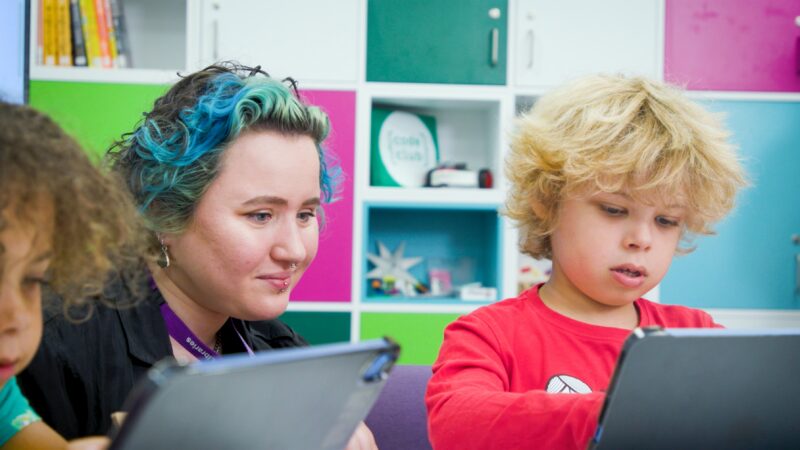
A child and Code Club leader at a club session.
Micah loves coming to Code Club and being mentored by the club leader, librarian Basia.

Basia reflected on how they felt when they first heard they were going to be running Code Club sessions, and how their skills and confidence have grown.

“I was daunted for a bit. But actually one of the first things I did when I started this job was to go through some of [the Raspberry Pi Foundation’s] resources and do a project in Scratch. And it was just so simple and straightforward. You know, all the resources are absolutely great and I don’t really need to think about it. I think my confidence has increased quite significantly.”

— Basia, Librarian and Code Club mentor

Since joining Code Club, Micah has become involved in other extracurricular activities, like Lego club and drama club. These experiences have contributed to Micah’s overall personal growth, showcasing the transformative power of Code Club for children.

Young people and adult mentors at a Code Club session.
Code Clubs are save and friendly spaces for learning.

Micah has exciting dreams for the future, including becoming an astrophysicist, a marine biologist, and the founder of a company named Save The Planet. Supported by dedicated mentors like Basia, Code Clubs are not just about teaching coding — they are helping shape the leaders of tomorrow.

Inspire young people in your community

If you are interested in encouraging your child to explore coding, take a look at the free coding project resources we have available to support you. If you would like to set up a Code Club for young people in your community, head to codeclub.org for information and support.

Help us celebrate Micah and his inspiring journey by sharing his story on X (formerly Twitter), LinkedIn, and Facebook.

The post Celebrating the community: Micah appeared first on Raspberry Pi Foundation.
Celebrating the community: Sahibjot

Post Syndicated from Sophie Ashford original https://www.raspberrypi.org/blog/celebrating-the-community-sahibjot/

In our series of community stories, we celebrate some of the wonderful things young people and educators around the world are achieving through the power of technology. 

A young person sits in a classroom.

In our latest story, we’re heading to Vivek High School in Mohali, India, to meet Sahibjot, a 14-year-old coding enthusiast who has taken his hobby to the next level thanks to mentorship, Code Club, and the exciting opportunity to take part in the Coolest Projects 2023 global online showcase.

Introducing Sahibjot

When he was younger, Sahibjot loved playing video games. His interest in gaming led him to discover the world of game development, and he was inspired to find out more and try it out himself. He began to learn to code in his spare time, using tutorials to help him develop his skills.

A young person sits at a table outside and uses a laptop.

Keen to share the joy he had experienced from gaming, Sahibjot set himself the challenge of creating a game for his cousin. This project cemented his enthusiasm for coding and developing games of his own.

“I always felt that I have played so many games in my life, why not make one and others will enjoy the same experience that I had as a child.

For my cousin, I made a personal game for him, and he played it and he liked it very much, so once he played it, I felt that, yes, this is what I want to do with my life.” – Sahibjot

Mentorship and collaboration

While continuing to hone his computing skills at home, Sahibjot heard that his school had started a Code Club. After initially feeling nervous about joining, his enthusiasm was bolstered by the club mentor, Rajan, talking about artificial intelligence and other interesting topics during the session, and he soon settled in. 

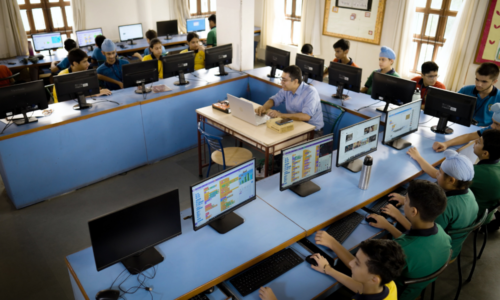
A group of students and a teacher at computers in a classroom.

At Code Club, with support and encouragement from Rajan, Sahibjot continued to develop and grow his coding skills. Alongside his technical skills, he also learned about teamwork and working collaboratively. He embraced the opportunity to help his peers, sharing his knowledge with others and becoming a mentor for younger club members. 

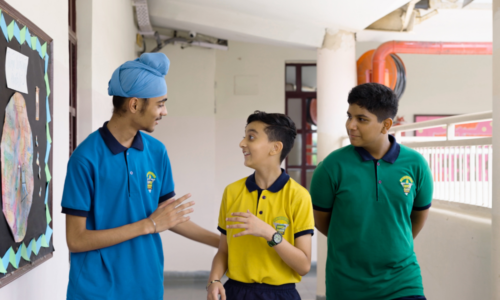
Three students chat outside a school building.

“Last year, we joined this coding club together and we became friends. He’s a very friendly person. Whenever we need him, he just quickly helps us. He helps us to troubleshoot, find any bugs, or even fix our codes.” – Akshat, fellow Code Club member

A global opportunity

The next step for Sahibjot came when Rajan introduced him and his fellow Code Club members to Coolest Projects. Coolest Projects is a celebration of young digital creators and the amazing things they make with technology. It offers participants the opportunity to share their tech creations in a global, online showcase, and local in-person events celebrating young creators are also held in several countries.

A group of students in a classroom being guided through their computing projects by a teacher.

Sahibjot was eager to take part and showcase what he had made. He submitted a Python project, a ping-pong game, to the online showcase, and was very excited to then see his creation receive a special shout-out during the Coolest Projects global livestream event. He was delighted to share this achievement with his friends and family, and he felt proud to be representing his school and his country on a global stage.

“I told everyone around me that there was going to be a livestream and I possibly might be featured in that, so that was really exciting. I learned a lot about just not representing my school and myself as an individual, I learned about representing my whole nation.” — Sahibjot

Sahibjot’s passion for computing has helped shape his aspirations and ambitions. Looking to the future, he hopes to use his technology skills to benefit others and make an impact.

“Using code and technology and all of the things like that, I aspire to make effort to do something with the world, like help out people with technology.” — Sahibjot

Inspire young creators like Sahibjot

To find out how you and young creators you know can get involved in Coolest Projects, visit coolestprojects.org. If the young people in your community are just starting out on their computing journey, visit our projects site for free, fun beginner coding projects.

For more information to help you set up a Code Club in your school, visit codeclub.org.

Join us in celebrating Sahibjot’s inspiring journey by sharing his story on X (formerly Twitter), LinkedIn, and Facebook.

The post Celebrating the community: Sahibjot appeared first on Raspberry Pi Foundation.
Celebrating the community: St Joseph’s Secondary School

Post Syndicated from Sophie Ashford original https://www.raspberrypi.org/blog/celebrating-the-community-st-josephs/

In our series of community stories, we celebrate some of the amazing young people and educators who are using their passion for technology to create positive change in the world around them. 

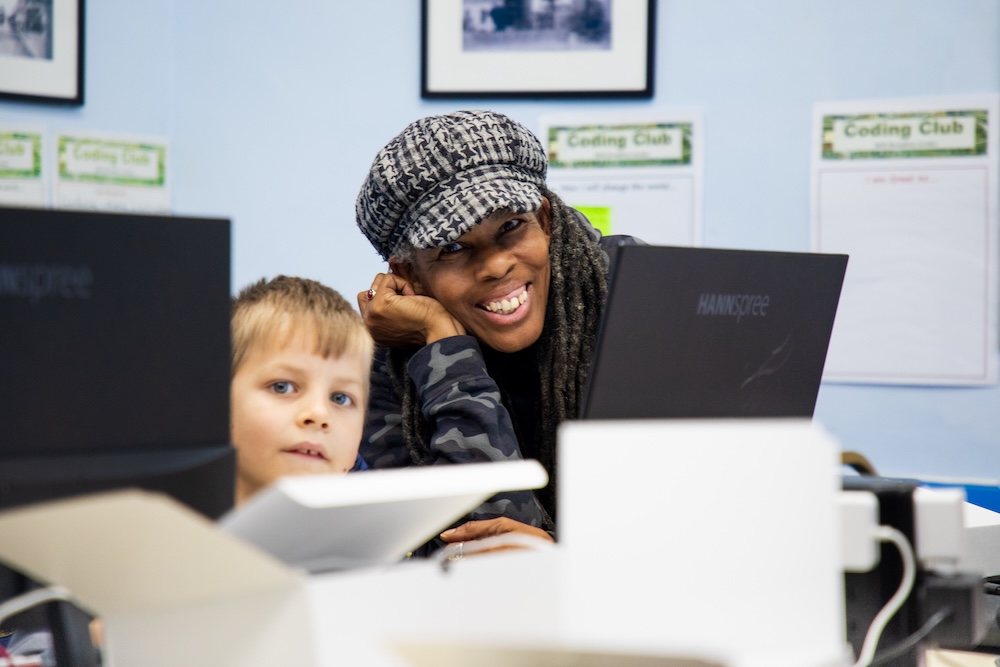
A group of students at secondary schools.

In our latest story, we’re sharing the inspiring journey of St Joseph’s Secondary School in Rush, Ireland. Over the past few years, the school community has come together to encourage coding and digital skills, harnessing the European Astro Pi Challenge as an opportunity to kindle students’ enthusiasm for tech and teamwork. 

We caught up with some of the educators and students at St Joseph’s, fresh off the success of their participation in another round of Astro Pi, to delve a little deeper into the school’s focus on making opportunities to engage with computing technologies accessible to all.

Introducing St Joseph’s Secondary School

St Joseph’s Secondary School is in the heart of Rush, a rural town steeped in agricultural heritage. The school houses a diverse student population coming from the local multigenerational farming families as well as families who’ve been drawn to Rush more recently by its beautiful countryside and employment opportunities. St Joseph’s leadership team has responded to the changing demographics and increase of its student population by adapting and growing the school’s curriculum to meet the evolving needs of the young people and help them build a strong community.

A group of students at a computer at secondary schools.
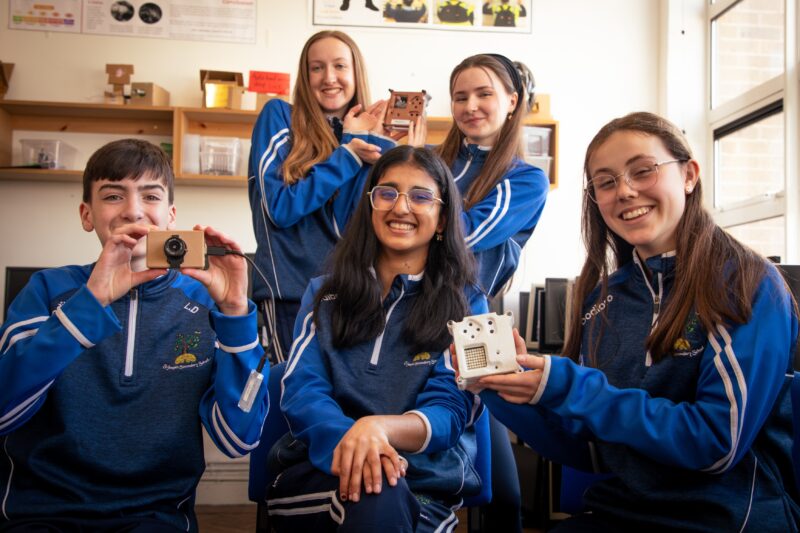
Working as teams for the Astro Pi Challenge has helped the St Joseph’s students connect and support each other as a community.

One of the school’s most popular initiatives has been teaching coding from first year (ages 12–13). This proactive approach has resonated with many students, including Kamaya, a member of the school’s 2022/23 Astro Pi cohort, who first discovered her passion for space science and computing through the movie Interstellar.

I remember the first time I was like, ‘OK, space is cool’ is when I watched a movie. It was called Interstellar. I [realised] I might want to do something like that in my future. So, when I came to [St Joseph’s] secondary school, I saw coding as a subject and I was like, ‘Mum, I’ve got to do coding.’

Kamaya, student at St Joseph’s

Inspiring students to build community through Astro Pi

A key person encouraging St Joseph’s students to give coding a try has been Mr Murray, or Danny as he is fondly referred to by students and staff alike. Danny was introduced to the importance of engaging with computing technologies while teaching science at a school in England: he attended a Code Club where he saw kids building projects with Raspberry Pis, and he couldn’t wait to get involved. Growing his knowledge from there, Danny changed subject focus when he moved back to Ireland. He took on the challenge of helping St Joseph’s expand their computer science offering, along with leading on all IT-related issues.

A secondary school teacher.
Teacher Danny Murray has used his enthusiasm to help shape a culture of digital skills at St Joseph’s.

When the school introduced mandatory coding taster sessions for all first-year students, Danny was blown away by the students’ eagerness and wanted to provide further opportunities for them to see what they could achieve with digital technologies.

This is where Astro Pi came in. After hearing about this exciting coding challenge through an acquaintance, Danny introduced it to his computer science class, as well as extending an open invitation to all St Joseph’s students. The uptake was vast, especially once he shared that the young people could become the recipients of some very exciting photos.

You get to see photos of Earth that nobody has ever seen. Imagine just talking to somebody and saying, ‘Oh, there’s a picture of the Amazon. I took that picture when I was 14. From space.’

Danny Murray, computing teacher at St Joseph’s

Danny’s mission is to instil in his students the belief that they can achieve anything. Collaborating on Astro Pi projects has enabled young people at St Joseph’s to team up and uncover their strengths, and has helped foster a strong community.

A culture of digital skills

The students’ sense of community has transcended Danny’s classroom, creating a culture of enthusiasm for digital skills at St Joseph’s. Today, a dedicated team of students is in charge of solving tech-related challenges within the school, as Deputy Principal Darren Byrne explains:

Our own students actually go class to class, repairing tech issues. So, every day there are four or five students going around checking PCs in classrooms. They […] give classes to our first-year students on app usage.
It’s invested in the whole school [now], the idea that students can look after this kind of technology themselves. We’re the ones reaching out for help from the students!

Darren Byrne, Deputy Principal at St Joseph’s

Spark enthusiasm in your school community

To find out how you can get involved in Astro Pi, visit astro-pi.org for further information, deadlines, and more. If you would like to learn more about the other free resources we have available to help you inspire a coding community in your school, head to www.raspberrypi.org/teach

Help us celebrate St Joseph’s Secondary School by sharing their story on X (formerly Twitter), LinkedIn, and Facebook.

The post Celebrating the community: St Joseph’s Secondary School appeared first on Raspberry Pi Foundation.
Celebrating the community: Spencer

Post Syndicated from Sophie Ashford original https://www.raspberrypi.org/blog/celebrating-the-community-spencer/

We love hearing from members of the community and how they use their passion for computing and digital making to inspire others. Our community stories series takes you on a tour of the globe to meet educators and young tech creators from the USA, Iraq, Romania, and more.

A smiling computer science teacher stands in front of a school building.

For our latest story, we are in the UK with Spencer, a Computer Science teacher at King Edward VI Sheldon Heath Academy (KESH), Birmingham. After 24 years as a science teacher, Spencer decided to turn his personal passion for digital making into a career and transitioned to teaching Computer Science.

Meet Spencer

From the moment he printed his name on the screen of an Acorn Electron computer at age ten, Spencer was hooked on digital making. He’s remained a member of the digital making community throughout his life, continuing to push himself with his creations and learn new skills whenever possible. Wanting to spread his knowledge and make sure the students at his school had access to computer science, he began running a weekly Code Club in his science lab:

“Code Club was a really nice vehicle for me to get students into programming and digital making, before computer science was an option at the school. So Code Club originally ran in my science lab around the Bunsen burners and all the science equipment, and we do some programming on a Friday afternoon making LEDs flash and a little bit of Minecraft. And from that, the students really got an exciting sense of what programming and digital making could be.”

– Spencer

While running his Code Club, Spencer really embedded himself in the Raspberry Pi community, attending Raspberry Jams, engaging with like-minded people on Twitter, and continuing to rely on our free training to upskill.

A computer science teacher sits with students at computers in a classroom.

When leadership at KESH began to explore introducing Computer Science to the curriculum, Spencer knew he was the right person for the job, and just where to look to make sure he had the right support:

“So when I decided to change from being a science teacher to a computer science teacher, there were loads of course options you could find online, and a lot of them required some really specific prior knowledge and skills. The Foundation’s resources take you from a complete novice, complete beginner — my very first LED flashing on and off — to being able to teach computational thinking and algorithms. So it was a really clear progression from using the Foundation resources that helped take me from a Physics teacher, who could use electricity to light and LED on, to a programmer who could teach how to use this in our digital making for our students.”

– Spencer

Thanks to the support from KESH and Spencer’s compelling can-do attitude, he was soon heading up a brand-new Computer Science department. This was met with great enthusiasm from the learners at KESH, with a willing cohort eagerly signing up for the new subject.

Two smiling computer science students at a desktop computer in a classroom.

“It’s really exciting to see how students have embraced Computer Science as a brand-new subject at school. The take-up for our first year at GCSE was fantastic with 25 students, and this year I’ve really got students asking about, ‘Is there an option for next year, and how can I get on to it?’ Students are almost blown away by the resources now.”

– Spencer

Supporting all students

Spencer has a mission to make sure all of KESH’s learners can learn about computing, and making his lessons accessible to all means he’s become a firm favourite amongst the students for his collaborative teaching approach.

“Mr Organ teaches you, and then he just puts you in. If you do need help, you can ask people around you, or him, but he lets you make your own mistakes and learn from there. He will then give you help so you don’t make those mistakes the next time.”

– Muntaha, 16, GCSE Computer Science student, KESH

Computer science students at a desktop computer in a classroom.

Spencer’s work is shaped by his awareness that many of the learners at KESH come from under-resourced areas of Birmingham and backgrounds that are underrepresented in computing. He knows that many of them have previously had limited opportunities to use digital tools. This is something he is driven to change.

“I want my young students here, regardless of their background, regardless of their area they’ve been brought up in, to have the same experiences as all other students in the country. And the work I do with Raspberry Pi, and the work I do with Code Club, is a way of opening those doors for our young people.”

– Spencer

Share Spencer’s story and inspire other educators

As a passionate member of the Raspberry Pi Foundation community, Spencer has been counted on as a friendly face for many years, sharing his enthusiasm on training courses, at Foundation events, and as a part of discussions on Twitter. With the goal to introduce Computer Science at A level shortly, and an ever-growing collection of digital makes housed in his makerspace, Spencer shows no signs of slowing down.

If you are interested in changing your teaching path to focus on Computer Science, take a look at the free resources we have available to support you on your journey.

Help us celebrate Spencer and his dedication to opening doors for his learners by sharing his story on Twitter, LinkedIn, and Facebook.

The post Celebrating the community: Spencer appeared first on Raspberry Pi Foundation.
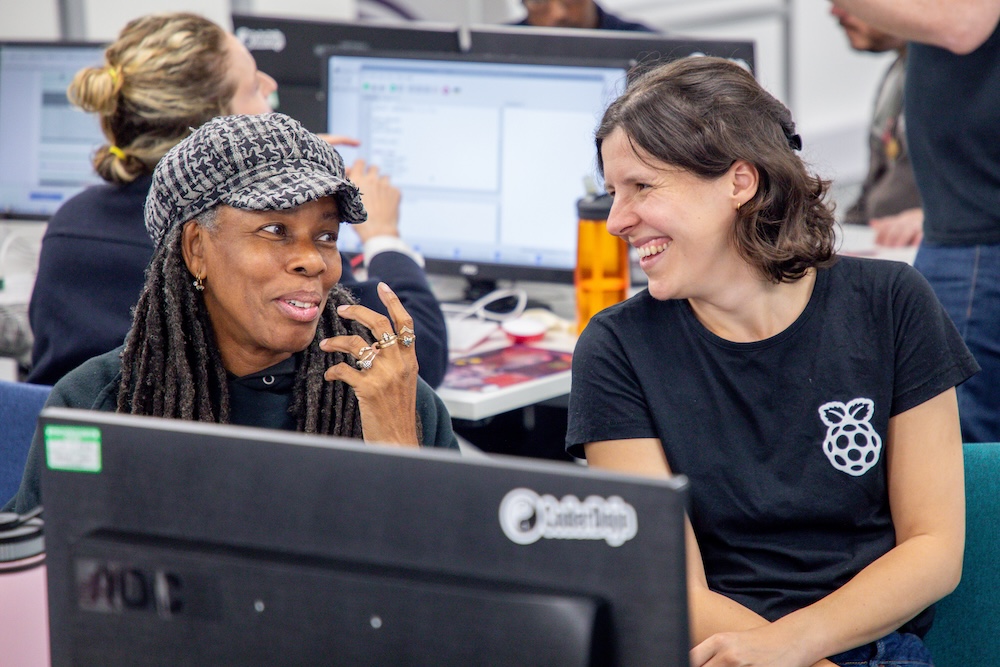
Celebrating the community: Nadia

Post Syndicated from Sophie Ashford original https://www.raspberrypi.org/blog/celebrating-the-community-nadia/

We meet many young people with an astounding passion for tech, and we also meet the incredible volunteers and educators who help them find their feet in the digital world. Our series of community stories is one way we share their journeys with you.

A smiling Code Club volunteer.

Today we’re introducing you to Nadia from Maysan, Iraq. Nadia’s achievements speak for themselves, and we encourage you to watch her video to see some of the remarkable things she has accomplished.

Say hello to Nadia

Nadia’s journey with the Raspberry Pi Foundation started when she moved to England to pursue a PhD at Brunel University. As an international student, she wanted to find a way to be part of the local community and make the most of her time abroad. Through her university’s volunteer department, she was introduced to Code Club and began supporting club sessions for children in her local library. The opportunity to share her personal passion for all things computer science and coding with young people felt like the perfect fit.

“[Code Club] added to my skills. And at the same time, I was able to share my expertise with the young children and to learn from them as well.”

Nadia Al-Aboody

Soon, Nadia saw that the skills young people learned at her Code Club weren’t just technical, but included team building and communication as well. That’s when she realised she needed to take Code Club with her when she moved back home to Iraq.

A group of Code Club participants.

A Code Club in every school in Iraq

With personal awareness of just how important it is to encourage girls to engage with computing and digital technologies, Nadia set about training the Code Club network’s first female-only training team. Her group of 15 trainers now runs nine clubs — and counting— throughout Iraq, with their goal being to open a club in every single school in the country.

Reaching new areas can be a challenge, one that Nadia is addressing by using Code Club resources offline:

“Not every child has a smartphone or a device, and that was one of the biggest challenges. The [Raspberry Pi] Foundation also introduced the unplugged activities, which was amazing. It was very important to us because we can teach computer science without the need for a computer or a smart device.”

Nadia Al-Aboody

Nadia also works with a team of other volunteers to translate our free resources related to Code Club and other initiatives for young people into Arabic, making them accessible to many more young people around the world.

A smiling Code Club volunteer.

Tamasin Greenough Graham, Head of Code Club here at the Foundation, shares just how important volunteers like Nadia are in actively pushing our shared mission forwards.

“Volunteers like Nadia really show us why we do the work we do. Our Code Club team exists to support volunteers who are out there on the ground, making a real difference to young people. Nadia is a true champion for Code Club, and goes out of her way to help give more children access to learning about computing. By translating resources, alongside overseeing a growing network of clubs, she helps to support more volunteers and, in turn, reach more young people. Having Nadia as a member of the community is really valuable.”

Tamasin Greenough Graham, Head of Code Club

If you are interested in becoming a Code Club volunteer, visit codeclub.org for all the information you need to get started.

Help us celebrate Nadia and her commendable commitment to growing the Code Club community in Iraq by sharing her story on Twitter, LinkedIn, and Facebook.

The post Celebrating the community: Nadia appeared first on Raspberry Pi Foundation.
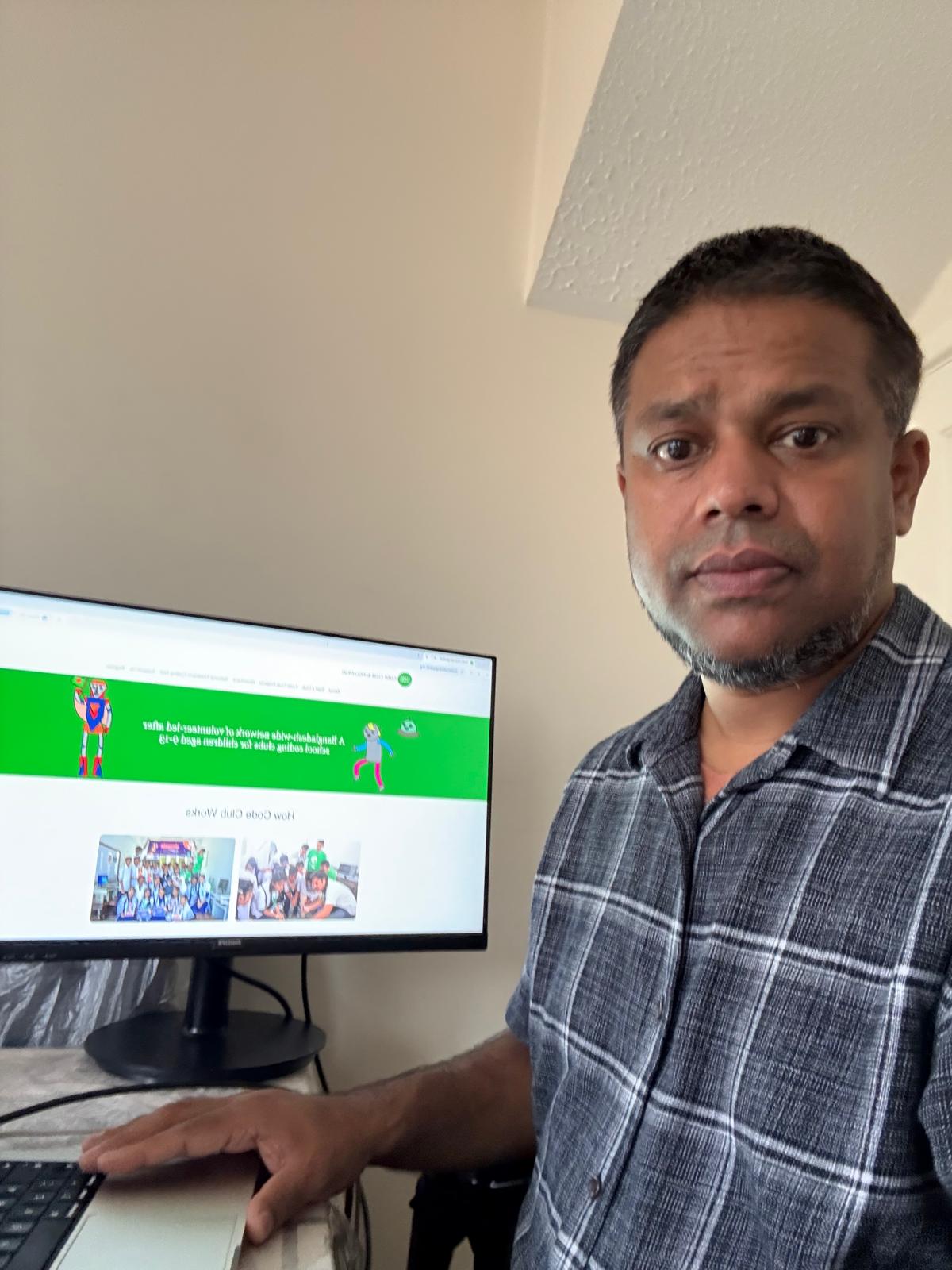
Celebrating the community: Adarsh

Post Syndicated from Meg Wang original https://www.raspberrypi.org/blog/celebrating-the-community-adarsh/

In our work, we get to meet so many super inspiring young people who make things with technology. Our series of community stories is one way we share their journeys and enthusiasm for digital making with you.

Today we’re introducing you to Adarsh from California, USA.

Young tech creator Adarsh with his Raspberry Pi projects.

Meet Adarsh

Help us celebrate Adarsh and inspire other young people by sharing his story on Twitter, LinkedIn, Facebook, or Instagram.

We first met Adarsh at the Coolest Projects USA showcase in 2019, when he was 15 years old. Adarsh was chosen as the Coolest Projects judges’ favourite in the showcase’s Hardware category for making a Smart Sprinkler System, which can serve an entire community. He was inspired to create this project by the need he saw in California to manage water during a drought. Using a Raspberry Pi computer, he built a moisture sensor–based sprinkler system that integrates real-time weather forecast data and Twitter feeds to dispense only optimum amounts of water, in compliance with city water regulations. Adarsh says:

“The world around us right now has a lot of different problems that need to be solved and so the way that I get inspired is by looking outwards.”

In 2020, Coolest Projects Global went online with young people across the world sharing their tech projects, and Adarsh created a project for the showcase to solve another real-life problem he had witnessed. When Adarsh had been in middle school, his mother had to be rushed to hospital with a sudden heart problem. The experience of seeing her hooked up to lots of vital sign monitors, with the wires hindering her movement, stayed in his memory. It led Adarsh to create another tech project: the Contactless Vital Signs Monitor. This low-cost device can be used to monitor a person’s skin temperature, heart rate, respiratory rate, blood pressure, and oxygen saturation without needing to be in direct contact with them. Adarsh’s contactless monitor lets patients rest more comfortably and also keeps healthcare staff safer from infections.

Tech creator Adarsh and his mother on a walk in their California neighbourhood.
Adarsh and his mother on a walk in their California neighbourhood.

Adarsh entered his Contactless Vital Signs Monitor in the Davidson Fellows Scholarship programme, which recognises students who have completed significant projects that have the potential to benefit society.

Adarsh has this message for other young people who think they might like to try creating things with tech:

“None of these projects, to get to the stage where they are today, were without frustration or difficulties. That’s part of the process. You should expect that. Because of all the struggles I had, the fact that I was able to build all of this is so much more rewarding to me.”

Helping each other solve problems

A big part of coding and digital making is problem-solving and collaboration. Adarsh told us that he had a really great mentor, Johan, who introduced him to coding and Raspberry Pi hardware, and showed him where Adarsh could ask for help online.
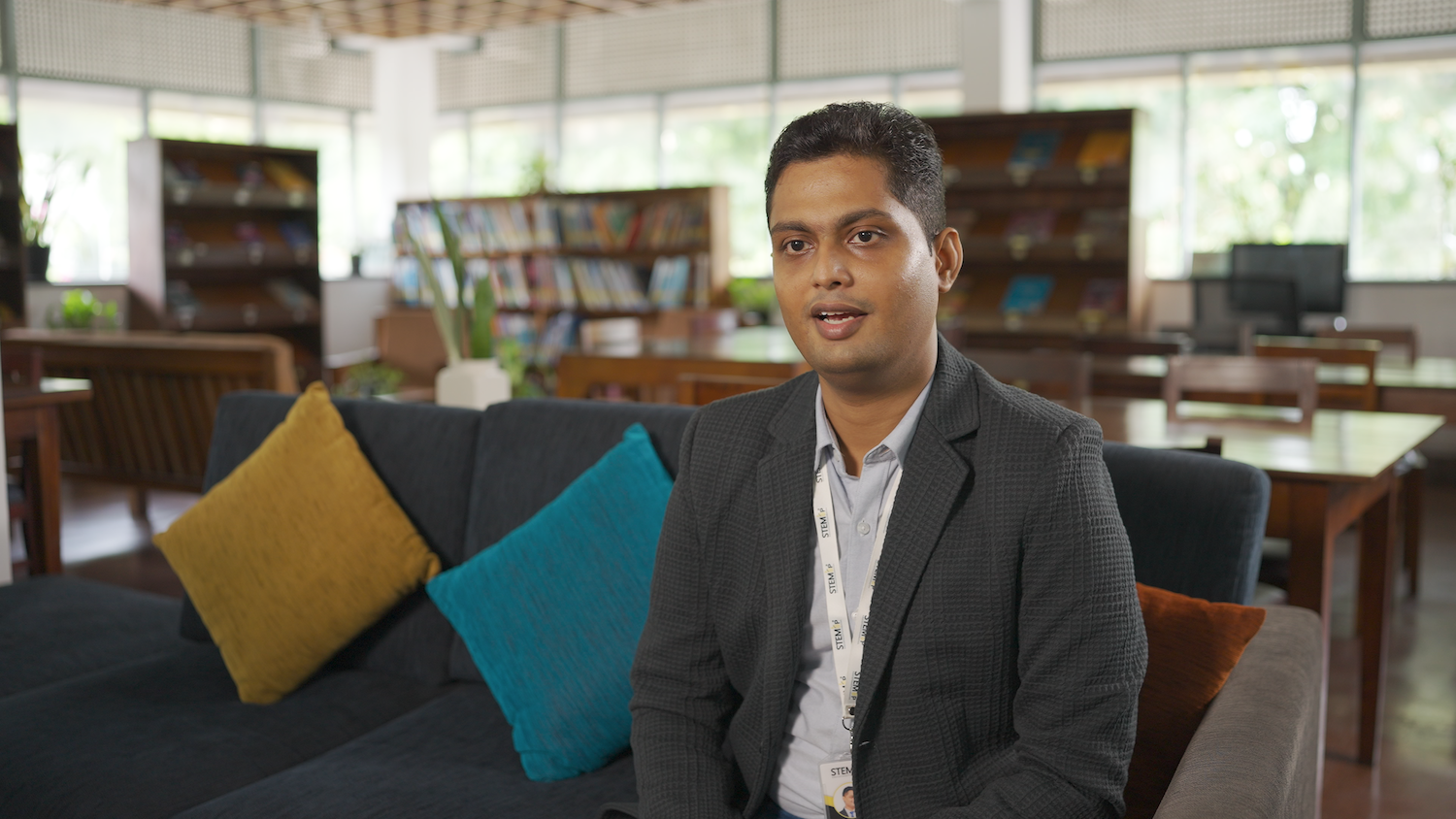
“[The Raspberry Pi community] is such a large and inclusive community. It welcomes young students — even older adults who are first starting to develop their interest in computer science — and we all are developing our own skills, our own projects, and our own passions together, and while doing so, we’re helping each other out.”

Tech creator Adarsh and his mentor Johan.
Adarsh with his mentor Johan.

The future for Adarsh

Now a freshman at Stanford University, Adarsh is currently doing an epidemiology-related research project about the relationship between COVID-19 mutations and environmental, health, and demographic statistics. He wants to focus either on biomedical engineering or environmental engineering in his studies.

“Really [what I’m studying at university] is going to involve engineering or computer science largely due to the Raspberry Pi and the early influence it has had on my life.”

Thanks for inspiring us, Adarsh, and for letting us share your story with the community!

Help us celebrate Adarsh and inspire other young people to discover coding and digital making as a passion, by sharing his story on Twitter, LinkedIn, Facebook, or Instagram.

The post Celebrating the community: Adarsh appeared first on Raspberry Pi.

Celebrating the community: Sophie

Post Syndicated from Katie Gouskos original https://www.raspberrypi.org/blog/celebrating-the-community-sophie/

It’s wonderful hearing from people in the community about what learning and teaching digital making means to them and how it impacts their lives. So far, our community stories series has involved young creators, teachers, and mentors from the UK and US, India, Romania, and Ireland, who are all dedicated to making positive change in their corner of the world through getting creative with technology.

For our next story, we travel to a tiny school in North Yorkshire in the UK to meet teacher Sophie Hudson, who’s been running a Code Club since February 2021.

Introducing Sophie and Linton-on-Ouse Primary School

A teacher for 10 years, Sophie is always looking for new opportunities and ideas to inspire and encourage her learners. The school where she teaches, Linton-on-Ouse Primary School & Nursery in rural Yorkshire, is very small. With only five teachers supporting the children, any new activity has to be meticulously planned and scheduled. Sophie was also slightly nervous about setting up a Code Club because she doesn’t have a computer science background, sharing that “there’s always one subject that you feel less confident in.”

A teacher and her learners at a Code Club session.

Sophie started the Code Club off small, with only a few learners. But then she grew it quickly, and now half of the learners in Key Stage 2 attend, and the club sessions have become a regular fixture in the school week.

“Once I did have a look at it [Code Club], it really wasn’t as scary as I thought. […] It has had a really positive influence on our school.”

Sophie Hudson, primary school teacher 

Thanks to our free Code Club project guides and coding challenges like Astro Pi Mission Zero, Sophie’s Code Club has plenty of activities and resources for the children to learn to code with confidence — while having fun too. Sophie says: “I like the idea that the children can be imaginative: it’s play, but it’s learning at the same time. They might not even realise it.”

A teacher and four learners at a Code Club session.
Sophie and some of her learners at Code Club.

Visiting the Code Club at Linton-on-Ouse Primary School was a joyful experience. The children listened intently as Sophie kicked off the lunchtime club session. As they started to code, there were giggles and gasps throughout, and the classroom filled with sounds and intermittent squeaks from the ‘Stress ball’ project. It was clear how much enjoyment the learners felt, and how engaged everyone was with their coding projects. Learner Erin told us she likes Code Club because she can “have a little fun with it”. Learners Maise and Millie enjoy it because “it makes you worry less about getting stuff wrong, because you always know there’s a back-up plan.”

“It’s amazing. Anything is possible.” 

Millie (10), learner at Sophie’s Code Club

Three learners at a Code Club session.
Millie, Maisie and Fern from Sophie’s Code Club.

Attending Code Club had a profound impact on a 9-year-old learner called Archie, who shares that his confidence has improved since taking part in the sessions: “I would never, ever think of doing things that I do now in Code Club,” he says. His mum Jenni has also seen a difference in Archie since he joined Code Club, with his confidence improving generally at school.

Two learners at a Code Club session.
Archie and a friend code together at Sophie’s Code Club.

The positive impact that Sophie has on Linton-on-Ouse Primary School & Nursery is undeniable, not only by running Code Club as an extracurricular activity but also by joint-leading science and leading PE, computing, and metacognition. Head teacher Davinia Pearson says, “How could you not be influenced by someone who’s just out there looking for the best for their class and children, and making a difference?”
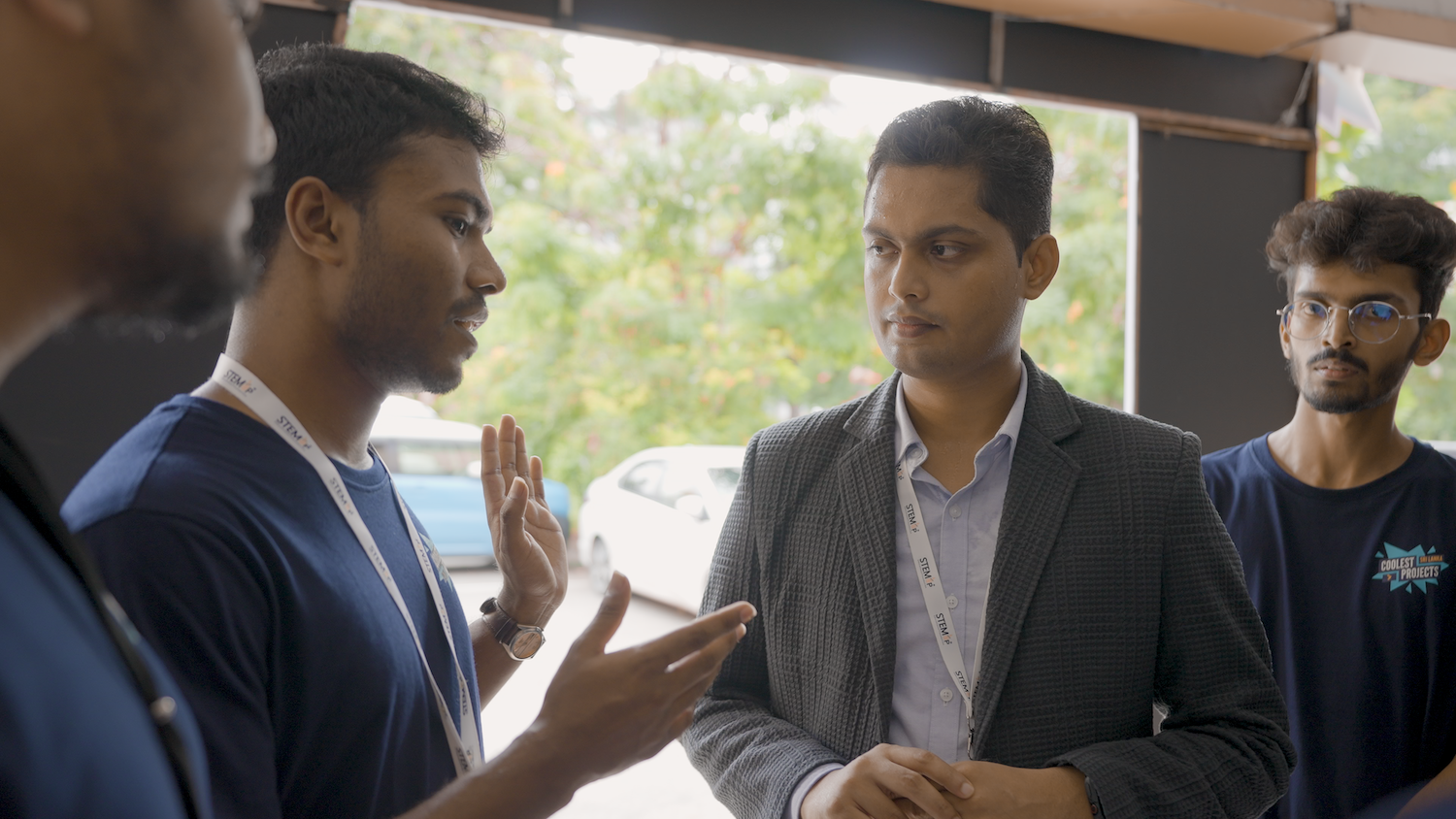
Help us celebrate Sophie and her Code Club at Linton-on-Ouse Primary School & Nursery by sharing their story on Twitter, LinkedIn, and Facebook.
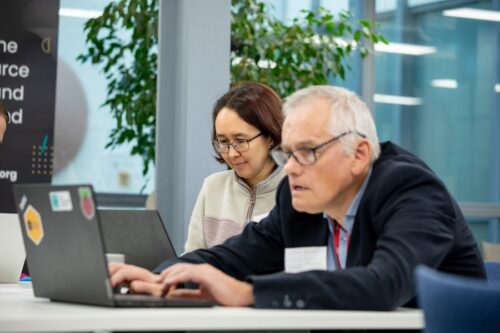
The post Celebrating the community: Sophie appeared first on Raspberry Pi.

Celebrating the community: Jay

Post Syndicated from Rosa Brown original https://www.raspberrypi.org/blog/celebrating-the-community-jay/

We love being able to share how young people across the world are getting creative with technology and solving problems that matter to them. That’s why we put together a series of films that celebrate the personal stories of young tech creators.

Jay at an outside basketball court.

For our next story, we met up with young digital maker Jay in Preston, UK, who wants to share what coding and robotics mean to him.

Watch Jay’s video to see how Jay created a homemade ventilator, Oxy-Pi, and how he’s making sure people in his local community also have the opportunity to create with technology. 

Meet Jay

Help us celebrate Jay by sharing his story on Twitter, LinkedIn, or Facebook!

Jay (11) wants everyone to learn about programming. At a young age, Jay started to experiment with code to make his own games. He attended free coding groups in his area, such as CoderDojo, and was introduced to the block-based programming language Scratch. Soon Jay was combining his interests in programming with robotics to make his own inventions. 

“My mission is to spread the word of computing and programming, because not many people know about these subjects.”

Jay

Jay teaches a group of schoolchildren how to use the programming language Scratch on a computer.
“The class teachers learn a lot from him, not just the children.” Mr Aspinall, Head teacher at Queen’s Drive Primary School

When he found out about Coolest Projects, our global tech showcase where young creators share their projects, Jay decided to channel his creativity into making something to exhibit there. He brought along a security alarm he had built, and he left Coolest Projects having made lots of new friends who were young tech creators just like himself.   

“With robotics and coding, what Jay has learned is to think outside of the box and without any limits.”

Biren, Jay’s dad

While Jay has made many different tech projects, all of his ideas involve materials that are easily accessible and low-cost. Lots of his creations start out made with cardboard, and repurposed household items often feature in his final projects. Jay says, “I don’t want to spend much money, because it’s not necessary when you actually have an alternative that works perfectly fine.” 

Jay holds a poster that has a plan of his Oxy-Pi project.
Jay uses his digital making skills to help others.

One of Jay’s recent projects, which he made from repurposed materials, is called Oxy-Pi. It’s a portable ventilator for use at home. Jay was inspired to make Oxy-Pi during the COVID-19 pandemic, and this project is especially important to him as his dad was hospitalised during this time. With his digital making approach, Jay is an example to everyone that you can use anything you have to hand to create something important to you.

Young coder Jay at home with his family.
Jay and his family in Preston, UK.

Digital making has helped Jay express himself creatively, test his skills, and make new friends, which is why he is motivated to help others learn about digital making too. In his local community, Jay has been teaching children, teenagers, and adults about coding and robotics for the last few years. He says that he and the people around him get a lot from the experience.  

“When I go out and teach, I love it so much because it’s really accessible. It helps me build my confidence, it helps them to discover, to learn, to create. And it’s really fun.”

Jay

Using tech to create things and solve problems, and helping others to learn to do the same, is incredibly important to Jay, and he wants it to be important to you too!

Help us celebrate Jay and inspire other young people to discover coding and digital making as a passion, by sharing his story on Twitter, LinkedIn, and Facebook     

The post Celebrating the community: Jay appeared first on Raspberry Pi.

Celebrate Black history this month with code!

Post Syndicated from Kevin Johnson original https://www.raspberrypi.org/blog/black-history-month-2022-free-coding-resources/

For those of us living in the USA, February is Black History Month, our month-long celebration of Black history. This is an occasion to highlight the amazing accomplishments of Black Americans through time. Simply put, the possibilities are endless! Black history touches every area of our lives, and it is so important that we seize the opportunity to honor Black freedom fighters who fought for the equality and freedom of ALL people.

That’s why we encourage you to join us in celebrating Black History Month with the help of free, specially chosen coding and computing education resources. We’ve got something for everyone: whether you’re a learner, an educator, a volunteer, or any lover of tech, everyone can participate.

For learners: Celebrate Black History Month with free coding resources

This month, we want to empower young people to think about how they can use code as a tool to celebrate Black history with innovation and creativity. We’ve designed a project card listing the perfect projects to jumpstart young learners’ imagination: 

There are projects for beginner coders, as well as intermediate and advanced coders, in Scratch, Python, HTML/CSS, and Ruby plus Raspberry Pi.

Three young tech creators show off their tech project at Coolest Projects.

For educators: Support Black learners and their communities

We’re working on research to better understand how to support the Black community and other underrepresented communities to engage with computer science.

At Coolest Projects, a group of people explore a coding project.

Take some time this month to explore the following resources to make sure we’re growing into a more diverse and inclusive community: 

  • Culturally relevant pedagogy guide: We’ve worked with a group of teachers and researchers to co-create a guide sharing the key elements of a culturally relevant and responsive teaching approach to curriculum design and teaching in the classroom. Download the guide to see how to teach computing and computer science in a way that values all your learners’ knowledge, ways of learning, and heritage.
A female computing educator with three female students at laptops in a classroom.

For everyone: Listen to Black voices

Uplifting Black voices is one of the best things we can all do this February in observance of Black History Month. We’ve had the privilege of hearing from members in our community about their experiences in tech, and their stories are incredibly insightful and inspiring. 

  • Community stories: Yolanda Payne
    • Meet Yolanda Payne, a highly regarded community member from Atlanta, Georgia who is passionate about connecting young people in her community to opportunities to create with technology.
  • Community stories: Avye 
    • Meet Avye, an accomplished 13-year old girl who is taking the world of robotics by storm and works to help other girls get involved too.

Happy Black History Month! Share with us on Twitter, LinkedIn, Facebook, or Instagram how you’re celebrating in your community.

The post Celebrate Black history this month with code! appeared first on Raspberry Pi.