Post Syndicated from xkcd.com original https://xkcd.com/3235/

Post Syndicated from xkcd.com original https://xkcd.com/3235/
Post Syndicated from Ryan Smith original https://www.servethehome.com/aoc-16t20-portable-monitor-mini-review/
Recently, we purchased a handful of portable flat-panel monitors. Among these was AOC’s 16T20, an entry-level offering that sports a 15.6-inch 1080p IPS panel. Currently priced just $49 on Amazon (at the time of writing), the 16T20 is amongst the cheapest 1080p portable monitors on the market, offering a relatively bare feature set in exchange […]
The post AOC 16T20 Portable Monitor Mini Review appeared first on ServeTheHome.
Post Syndicated from Explosm.net original https://explosm.net/comics/underperforming
New Cyanide and Happiness Comic
Post Syndicated from John Lee original https://www.servethehome.com/arctic-freezer-4u-onex-ampereone-4u-cooler-mini-review/
We test the Arctic Freezer 4U-OneX, a 4U cooler designed for the AmpereOne series of processors including the A192-32X 192 core Arm CPU
The post Arctic Freezer 4U-OneX AmpereOne 4U Cooler Mini-Review appeared first on ServeTheHome.
Post Syndicated from The History Guy: History Deserves to Be Remembered original https://www.youtube.com/shorts/zZeKJ6jtad8
Post Syndicated from Oglaf! -- Comics. Often dirty. original https://www.oglaf.com/cryptwear/


Post Syndicated from digiblur DIY original https://www.youtube.com/watch?v=ZfzCETmvTpg
Post Syndicated from Екип на Биволъ original https://bivol.bg/politicians.html

Част 3 Биволъ винаги е на страната на истината и справедливостта, независимо от партийните и политически окраски и техните носители. След последната пресконференция на МВР и Прокуратурата последва продължителен период…
Материалът <span style='color:#ff0000;font-size:12px;'>Петрохан:</span> <BR> <H1 class='post-title single-post-title entry-title'>„Неблагодарните“ политици и благодетели ползвали и протектирали „оракула“ Калушев</H1> е публикуван за пръв път на Bivol!.
Post Syndicated from Matt Granger original https://www.youtube.com/watch?v=fCiCDqX9gWw
Post Syndicated from Natasha Rabinov original https://www.backblaze.com/blog/the-changing-landscape-of-cloud-sync-and-what-it-means-for-your-backup/
Backblaze Computer Backup was built on a simple promise: unlimited backup for everything on your computer. That promise hasn’t changed. But the way files live on your computer has, and we want to explain what’s happening, why it matters, and where we’re headed.
Not long ago, when you installed Dropbox or OneDrive, those apps copied your files directly onto your hard drive. They were real, local files. Backblaze would find them, back them up, and you could restore them just like anything else on your machine.
Over the past several years, cloud sync providers have fundamentally rearchitected how they store files at the operating system level. On Windows, tools like Dropbox and OneDrive now use something called the Cloud Files API, which represents your synced files as reparse points—essentially placeholders that point back to the cloud rather than storing actual data locally. The file appears to be there, but it’s really a redirect.
This isn’t a bad thing for those apps: it lets them sync efficiently and save local disk space. But it creates a real problem for backup software.
When Backblaze Computer Backup encounters a reparse point, we’re not looking at your file—we’re looking at a pointer. Backing that up wouldn’t actually protect your data; it would just save the redirect. And restoring a redirect isn’t a real restore. Since reliable backup and restore is the entire point, we made the decision to exclude folders managed this way rather than give customers a false sense of security.
This is also consistent with how we’ve always built the backup client: lightweight, unlimited, and focused on real user-generated files rather than duplicating data that already lives in the cloud.
We’ve successfully added support for iCloud Drive and Google Drive by working within those platforms’ models. Extending the same support to every sync provider is more complex, but it’s something we’re actively exploring.
Files where third-party tools have not added reparse points or other placeholder indicators and are stored directly on a customer’s computer, outside of third-party sync folders, continue to be backed up as they always have been. We are actively evaluating how to better support data from synced sources in the future.If you have questions about your current backup coverage, you can read our Docs about backing up third-party application data, or reach out to our Support team at [email protected].
The post The Changing Landscape of Cloud Sync, and What It Means for Your Backup appeared first on Backblaze Blog | Cloud Storage & Cloud Backup
Post Syndicated from Bruce Schneier original https://www.schneier.com/blog/archives/2026/04/friday-squid-blogging-new-giant-squid-video-2.html
Pretty fantastic video from Japan of a giant squid eating another squid.
As usual, you can also use this squid post to talk about the security stories in the news that I haven’t covered.
Post Syndicated from Jack Heysel original https://www.rapid7.com/blog/post/pt-metasploit-wrap-up-04-17-2026
We’re happy to announce that Metasploit Framework had a big week, landing seven new modules alongside various bug fixes and enhancements. This week’s highlights include RCE modules targeting AVideo, openDCIM, Selenium Grid/Selenoid, and ChurchCRM. On the post-exploitation side, Windows saw three new persistence techniques added as modules, targeting Telemetry scheduled tasks, PowerShell profiles, and Microsoft BITS.
What a time to be alive as a Metasploit user! We wish you all a wonderful weekend and happy hacking.
Authors: Valentin Lobstein [email protected] and arkmarta
Type: Auxiliary
Pull request: #21075 contributed by Chocapikk
Path: gather/avideo_catname_sqli
AttackerKB reference: CVE-2026-28501
Description: Adds an auxiliary module for CVE-2026-28501, an unauthenticated SQL injection in AVideo <= 22.0, along with a new BenchmarkBasedBlind SQLi mixin class and blind extraction improvements.
Author: Valentin Lobstein [email protected]
Type: Exploit
Pull request: #21034 contributed by Chocapikk
Path: linux/http/opendcim_install_sqli_rce
AttackerKB reference: CVE-2026-28517
Description: This PR adds a new exploit module for openDCIM that chains three vulnerabilities (https://github.com/advisories/GHSA-mg2w-x76x-59h8, https://github.com/advisories/GHSA-prmh-rp39-qc4m, https://github.com/advisories/GHSA-428h-8xhf-g3cw) to achieve remote code execution.
Authors: Jon Stratton, Takahiro Yokoyama, Valentin Lobstein [email protected], and Wiz Research
Type: Exploit
Pull request: #21003 contributed by Chocapikk
Path: linux/http/selenium_greed_rce
Description: This replaces the two separate Selenium Grid RCE modules (Chrome and Firefox) with a single unified module that auto-detects available browsers and selects the best attack vector. The module targets unauthenticated Selenium Grid and Selenoid instances, supporting two techniques: a Firefox profile handler injection that works on all Grid versions including the latest (never patched since 2021), and a Chrome binary override for Grid versions prior to 4.11.0 and all Selenoid versions. No authentication is required.
Author: LucasCsmt
Type: Exploit
Pull request: #21095 contributed by LucasCsmt
Path: multi/http/churchcrm_db_restore_rce
AttackerKB reference: CVE-2025-68109
Description: Adds a new exploit module for CVE-2025-68109, targeting a file upload vulnerability inside ChurchCRM leading to an RCE. This module will work on version 6.2.0 of ChurchCRM and earlier.
Author: h00die
Type: Exploit
Pull request: #20839 contributed by h00die
Path: windows/persistence/bits
Description: This adds a new persistence module that uses Microsoft Bits to maintain access to the system.
Author: madefourit
Type: Exploit
Pull request: #20933 contributed by madefourit
Path: windows/persistence/powershell_profile
Description: This adds a new persistence module that uses powershell profiles to maintain access.
Author: h00die
Type: Exploit
Pull request: #20843 contributed by h00die
Path: windows/persistence/telemetry
Description: Adds a new persistence module, exploit/windows/persistence/telemetry, that abuses the Windows Telemetry scheduled task (Microsoft Compatibility Appraiser / CompatTelRunner) to establish persistence. The module writes a payload to disk and configures the telemetry task to execute it, resulting in a SYSTEM-level Meterpreter session either on the next scheduled run or immediately on demand. Requires an admin-level Meterpreter session on the target.
You can always find more documentation on our docsite at docs.metasploit.com.
As always, you can update to the latest Metasploit Framework with msfupdate and you can get more details on the changes since the last blog post from GitHub:
If you are a git user, you can clone the Metasploit Framework repo (master branch) for the latest. To install fresh without using git, you can use the open-source-only Nightly Installers or the commercial edition Metasploit Pro
Post Syndicated from Надежда Радулова original https://www.toest.bg/sedmitsata-13-18-april/

Изборната седмица у нас започна с екзалтацията около едни чужди, но важни, включително по геополитически причини, избори. Дали заради великденското покачване на алкохолния градус и калорийния прием, дали заради не особено здравия ни национален интерес към „живота на другите“, но падането на Орбан и победата на Мадяр предизвикаха оживено бълбукане из социалните мрежи. Ще речеш, че 80% българи, а не унгарци бяха пуснали неделни бюлетини, за да кажат не на 16-годишния авторитарен режим на „Фидес“.
Парадоксално, бълбукането и клокоченето се оказаха най-вече от паралингвистичен характер предвид затрудненията, които кръстосващите социалните мрежи изпитаха с транскрипцията на името на победилия лидер. (Ти да видиш – веднъж на високосна година и езикът да има значение за някого!)
Иначе, за самия Мадяр се чу и написа относително малко и плитко – особено за Орбан-закваската му и за сенчестите страни в политическата му кариера. Лично аз например имам проблем с това, че в един момент възходът му стъпва с хусарски ботуши върху факта, че тайно записва разговорите с тогавашната си съпруга и майка на трите им деца Юдит Варга, а впоследствие предава където трябва уличаващите я записи. Такива „филми“ вече съм гледала, и книги съм чела даже, та – ще ме извините – на павликморозовци някак не мога да се доверя с чисто сърце.
Има обаче неща, на които се доверявам… Като прекарала две години от живота си в Будапеща; изпила стотици кафета във великолепните „Жербо“ на „Вьорошмарти“, „Мювеш“ на „Андраши“, „Пушкин“ в едноименното кино и пр., блажено пропиляла немалко летни дни в архитектурно смайващите закрити и открити термални бани „Рудаш“ и „Сечени“; живяла или гостувала в десетки квартири около „Астория“, „Ференциек тер“, „Блаха Луиза“, „Байчи Жилински“ и пр. – места, всмукващи те в мрачните си вътрешни дворове, с дантели от ковано желязо по висящите външни стълбища и балкони, с еклектична плетеница от влияния – неоготика, необарок, неоренесанс, сецесион, ар нуво, баухаус – нямам капка съмнение, че тази страна, която има неизброими „йотабайтове“ съхранена памет – историческа, културна, градска, – има и воля за бъдеще.
Ако не друго, отминалите там избори ни убедиха, че няма вечни режими, не и в сърцето на Европа. Не и когато обществото е съхранило демократичния си инстинкт, реакциите си, в крайна сметка – мускулите да се обединява и да… бие шута на който си го е заслужил. В подкрепа на това ето един документален филм за престъпните изборни практики на Орбан – филм, който спокойно можем да съотнасяме и към собствената си ситуация на избиратели в България.
Гледайте го днес, защото утре са нашите избори и само от нас зависи какви ще са резултатите и доколко представителни ще бъдат те.
За съжаление, настоящите предизборни кампании – сами по себе си скучновати – не получиха добро медийно отразяване. Чудесната протестна енергия, акумулирана по площадите в края на миналата година, сякаш постепенно се разми по време на новогодишните празници и се стопи с последния мартенски сняг. Дори т.нар. Големият дебат в „Извън ефир“, излъчван на живо на 14 април, беше вял и не особено сръчно модериран. Други дебати реално нямаше.
 Емилия Милчева
Затова пък в социалните мрежи станахме свидетели на купища особено грозни и груби мизогинни коментари – главно от тролове, но за жалост, и от реални хора с лица и биографии. Междувременно се появиха новини за купуване на гласове с фалшиви банкноти, тоест за „безплатно купуване“ на гласове… А из мрежата се чуха оплаквания на хора, ненамиращи точните платформи и кандидати, които да подкрепят.
Само че да избереш кой да те представлява в Народното събрание не е същото като да си избереш чифт обувки номер 38,5, след което да ги занесеш на обущаря, та леко да ги поразтегне с калъпа, тъй щото да не убиват на изхвръкналото кокалче на лявото ти стъпало. Гласуването в повечето случаи е компромис, понякога дори тежък, който идва с отговорността след това да изискваш и да предоговаряш, и да убеждаваш своя представител в нещата, в които вярваш, и – ако се наложи – при следващ избор да оттеглиш гласа си. В крайна сметка не е ли това смисълът на представителната демокрация?
Още за изборите в Унгария и България, както и за рисковете Румен Радев да се превърне в следващия Орбан четете в седмичния анализ на Светла Енчева „Отива ли България там, откъдето Унгария се връща“. Въпреки краткосрочната мощна купесто-дъждовна облачност, която се задава, Светла завършва по-скоро оптимистично:
… въпросът не е само дали България се е запътила натам, откъдето Унгария се връща. Въпросът е дали изобщо има хоризонт за този път, или той не след дълго ще бъде част от миналото.
Светла Енчева
Очаквано, на изборна тема е и текстът на Емилия Милчева „Българският нелиберален въпрос“. Въпросът, който остава да ме гложди след прочита на Емилия обаче, не е особено оптимистичен:
Може ли властта да бъде реално сменена, или само се преразпределя между нови лица?
Емилия Милчева
На пръв поглед встрани от темата, но в действителност дълбоко свързана е статията на Надежда Цекулова „Просто добави радост. Какво са съвременните палиативни грижи за деца“. Ще цитирам тук съвсем кратък откъс, който дава представа за належащата промяна в здравните политики и политиките, свързани с децата. И дано този болезнен въпрос, белег на цивилизационна (не)зрелост, намери място в следващия парламент:
В България има отделни специалисти и институции, които полагат усилия да предлагат модерни детски палиативни грижи. Липсата на рамка, работеща система и разбиране на темата обаче ги превръща в еднорози в една цялостно нехуманна към болните деца среда. За да се промени това, трябва първо достатъчно много хора да повярват, че болните деца също са деца и имат право на детство.
Надежда Цекулова
Децата наравно с възрастните са важни герои и в книгата, за която Антония Апостолова пише в рубриката „На второ четене“ – сборника с разкази „Август“ на румънката Елена Владаряну в майсторския превод на Лора Ненковска. Антония признава, че това са най-добрите разкази, които е чела от много време насам, а аз потвърждавам и на свой ред препоръчвам.
Антония Апостолова
Докато още се възстановяваме от великденските трапези, Атанас Шиников бърза да ни отрупа с още всякакви преизобилни – „бюлюк“, както казва самият той – храни и напитки. За щастие, имагинерни. „Вино или гной: Какво се яде и пие в отвъдното според исляма“ е новото попълнение в рубриката „Ориент кафе“. Макар че тази статия, както личи от заглавието, върви по-добре с чаша вино.
Атанас Шиников
И накрая, за да свържа още веднъж унгарските и българските избори, поздравявам ви с любим (че и награден с „Оскар“) епизод от „Том и Джери“, в който обаче котаракът свири не какво да е, а прочутата и извънредно трудна за изпълнение Унгарска рапсодия №2 от Ференц Лист, докато мишлето се опитва и в крайна сметка успява да му открадне шоуто.
Така че не оставяйте нещата в ръцете на онези, които за пореден път искат да ни откраднат шоуто. Сега ние сме на ход. Гласувайте! А докато чакате на опашките пред избирателните секции, подкрепете ни, като натиснете бутона по-долу. Благодарим ви!
Post Syndicated from Ryan Smith original https://www.servethehome.com/intel-launches-core-series-3-wildcat-lake-mobile-processors-for-low-cost-laptops/
Intel this week is expanding its 2026 mobile processor lineup with the release of the Core Series 3 processors, Intel’s lower-power, lower-cost offshoot of their flagship Core Ultra Series 3 (Panther Lake) silicon. Codenamed “Wildcat Lake”, the Series 3 processors are aimed at the budget and low-power computing markets, with Intel scaling down all of […]
The post Intel Launches Core Series 3 “Wildcat Lake” Mobile Processors for Low-Cost Laptops appeared first on ServeTheHome.
Post Syndicated from Vivek Gautam original https://aws.amazon.com/blogs/security/transform-security-logs-into-ocsf-format-using-a-configuration-driven-etl-solution/
Security logs capture essential security-related activities, such as user sign-ins, file access, network traffic, and application usage. These logs are important for monitoring, detecting, and responding to potential security events. The Open Cybersecurity Schema Framework (OCSF) addresses this challenge by providing a standardized format to represent security events, ensuring consistent and efficient data handling across various systems. OCSF enhances interoperability, streamlines analysis, simplifies compliance reporting, and reduces vendor lock-in, fostering greater flexibility and efficiency in security operations.
However, manually transforming diverse security logs into OCSF format at scale can be complex and time-consuming. Amazon Security Lake simplifies this process by automatically centralizing security data from AWS services such as AWS CloudTrail management and data events (Amazon Simple Storage Service (Amazon S3) and AWS Lambda), Amazon Elastic Kubernetes Service (Amazon EKS) audit logs, Amazon Route 53 resolver query logs, AWS Security Hub findings, Amazon Virtual Private Cloud (Amazon VPC) Flow Logs, and AWS WAF logs. It also centralizes security logs from software as a service (SaaS) providers, on-premises, and cloud sources into a purpose-built data lake stored in your account. It uses the OCSF format to standardize and normalize this data, ensuring consistency and simplifying analysis. By integrating with analytics tools such as Amazon Athena and Amazon Quick Sight, Security Lake simplifies threat detection, improves security posture monitoring, and streamlines compliance reporting, making it an essential tool for modern security operations.
In this post, we show you how to transform custom security logs into OCSF format after you have the OCSF mappings ready, using a configuration-driven extract, transform, load (ETL) solution.
Amazon Security Lake stores security data in OCSF format and so customers looking to use custom log sources in Security Lake must transform their logs into OCSF format. To facilitate this process, the AWS Professional Services (ProServe) team built an ETL solution accelerator that converts custom security logs into OCSF format. This solution bridges existing log formats with the OCSF version 1.1 standard, streamlining data onboarding into Security Lake or other data lakes of security logs coming from multiple security tools.
To implement this solution, you must have the following resources:
The solution uses two input files: a mapping file and a configuration file. These files guide the transformation of source logs into OCSF-compliant Parquet format, which is then partitioned by location/region=region/accountId=accountID/eventDay=yyyyMMdd/ and stored in an Amazon S3 location provided by Security Lake.
The following diagram shows the key architecture components of this solution and data flow between them.
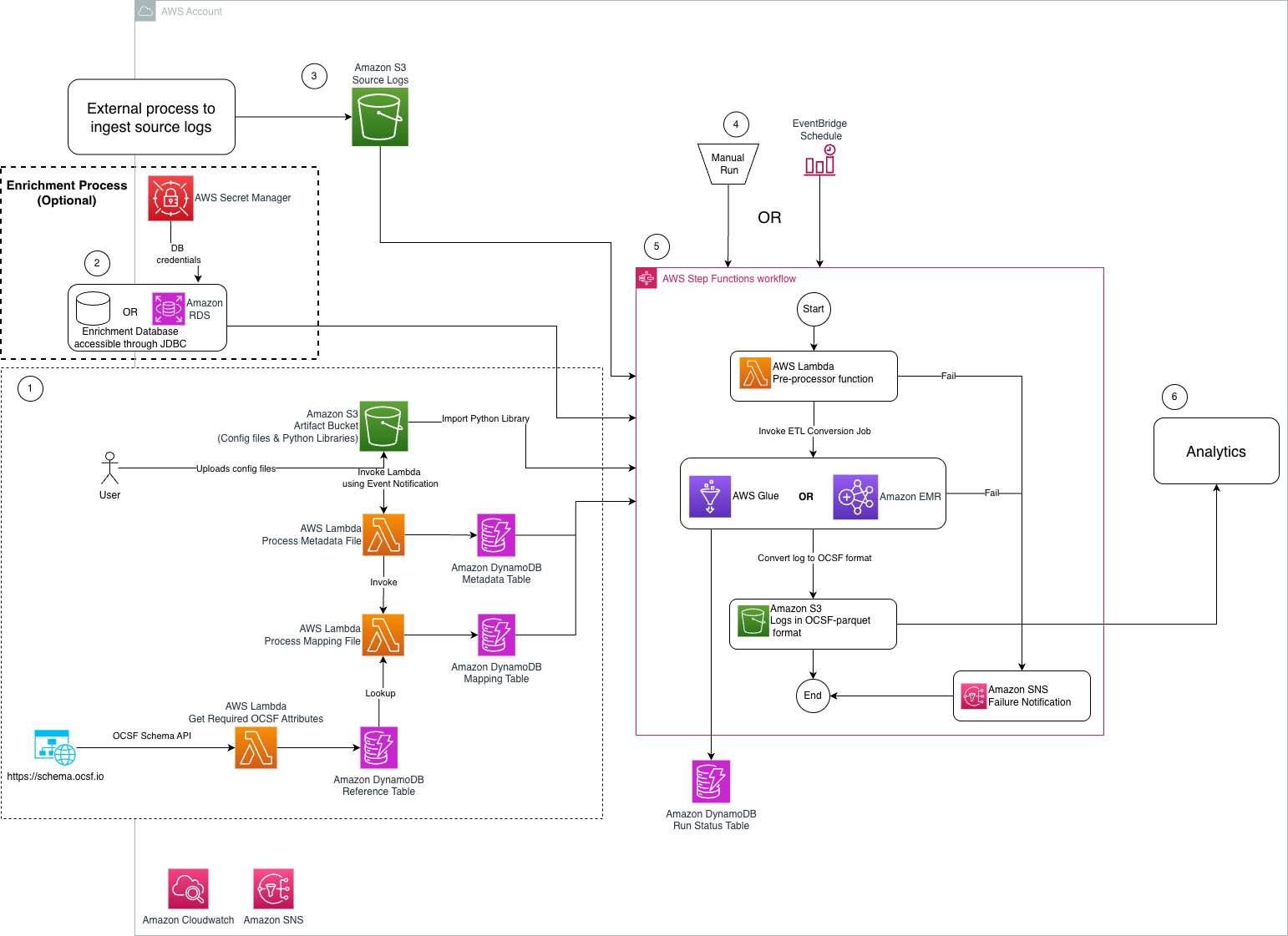
Figure 1: Architecture diagram of ETL solution to transform security logs into OCSF format
The steps mentioned below walks you through the architecture diagram:
asl-etl-framework-ocsf-attribute-metadata DynamoDB table when the metadata files are created or updated.Reference Lambda function extracts the required OCSF attributes using an API call and stores the results in a DynamoDB table.You can find the required resources to deploy this solution in this GitHub repository. It provides detailed instructions in the README on how to deploy the solution. After you have the prerequisites mentioned earlier, see the Environment Setup portion of the repository.
In this section, we walk you through steps to deploy this solution.
Before you start mapping the security logs into OCSF format, check if there are existing mappings available on OCSF mappings Github.
Mapping security logs into the OCSF format typically involves several steps. Here are the high-level steps:
By following these steps, you can effectively map security logs into the OCSF format, enabling better interoperability, analysis, and collaboration across security tools and platforms. AWS ProServe has helped many customers map their security logs to OCSF format. If you need guidance to map and transform security logs into OCSF format and want to use AWS ProServe, reach out to your account executive.
The ETL solution requires a CSV mapping file that maps the custom security log attributes into standardized OCSF attributes based on the specified OCSF class. For detailed instructions on generating this mapping file, see the Solution Usage section, bullet 2, in the README of the code repository. To follow the instructions in this post, you can enable Amazon S3 server access logging to publish source logs to Amazon S3. The following is a sample S3 server access log record:
90de84bb542adb54766fec66ee554475b7e1a56a9d8b30e3598230f9ef6d6ac7 azv-asl-src-logs [29/May/2025:04:35:45 +0000] - arn:aws:sts::768196192565:assumed-role/AwsSecurityAudit/Palisade QS8DSY4SGF8M8SD7 REST.GET.BUCKETPOLICY - “GET /?policy HTTP/1.1" 200 - 255 - 39 - "-" "-" - N9XclJkv6hw/y4yApPyDII2sRoMNbqJqBEXdnmzFndcvhQOpdcc3PNQNQX7NhQaPJ5FKSVPh6hLB0GqsSN4apcbBUHi3rNcPRqa6rFLAYU4= SigV4 TLS_AES_128_GCM_SHA256 AuthHeader azv-asl-src-logs.s3.amazonaws.com TLSv1.3 - -
Because the sample record uses spaces as delimiters and contains an extra space before +0000, you need to wrap each attribute in quotes. Here’s a sample Python code implementation that handles this requirement:
This sample code demonstrates how to wrap quotes around each attribute. You can extend this code to read source Amazon S3 server access log files from an S3 location and write the modified logs to another location. After these logs are available in an S3 bucket in your AWS account, you need to map the S3 server access logs to OCSF format. The following is an example of an S3 server access log CSV mapping file:
| src_log_type | src_column_name | tgt_column | default_values |
| s3-access-log | bucket_owner | resources:Object.owner:Object.uid:string | |
| s3-access-log | bucket | resources:array.value:string | |
| s3-access-log | time | time:timestamp | |
| s3-access-log | remote_ip | src_endpoint:object.ip:string | |
| s3-access-log | requester | actor:Object.user:object.uid:string | |
| s3-access-log | request_id | http_request:object.uid:string | |
| s3-access-log | operation | api:Object.operation:string | |
| s3-access-log | key | unmapped:Object.key:string | |
| s3-access-log | request_uri | http_request:object.url:object.url_string:string | |
| s3-access-log | http_status | http_response:object.code:integer | |
| s3-access-log | error_code | http_response:object.message:string | |
| s3-access-log | bytes_sent | http_response:object.length:integer | |
| s3-access-log | object_size | unmapped:Object.object_size:string | |
| s3-access-log | total_time | duration:integer | |
| s3-access-log | turn_around_time | http_response:object.Latency:integer | |
| s3-access-log | referer | http_request:object.referrer:string | |
| s3-access-log | user_agent | http_request:object.user_agent:string | |
| s3-access-log | version_id | unmapped:Object.version_id:string | |
| s3-access-log | host_id | unmapped:Object.host_id:string | |
| s3-access-log | signature_version | unmapped:Object.signature_version:string | |
| s3-access-log | cipher_suite | unmapped:Object.cipher_suite:string | |
| s3-access-log | authentication_type | unmapped:object.authentication_type:string | |
| s3-access-log | host_header | http_request:object.http_headers:array.value:string | |
| s3-access-log | tls_version | unmapped:Object.tls_version:string | |
| s3-access-log | access_point_arn | unmapped:Object.access_point_arn:string | |
| s3-access-log | acl_required | unmapped:Object.acl_required:string | |
| metadata:object.version:string | 1.1.0 | ||
| cloud:object.provider:string | AWS | ||
| metadata:object.product:string.name:string | S3 | ||
| metadata:object.product:string.vendor_name:string | AWS | ||
| http_request:object.http_headers:array.name:string | http_header | ||
| resources:array.name:string | bucket | ||
| activity_id:integer | 99 | ||
| severity_id:integer | 99 | ||
| type_uid:integer | 600399 | ||
| category_name:string | Application Activity |
Upload the mapping CSV file to the S3 artifact location s3://secure-datalake-artifacts-<account_number>-<aws_region>/config/mapping/. The Lambda function asl-etl-framework_update-mapping-ddb ingests this mapping CSV file, processes its entries, and converts them into the required DynamoDB format. This Lambda function writes the results to the asl-etl-framework-ocsf-attribute-mapping DynamoDB table, which stores the schema and mapping information for all source log files processed by this solution. You can find an example of an S3 server access log CSV metadata file in the GitHub repository.
To create a configuration metadata file, create a CSV file following the guidelines in Solution Usage, bullet 4, in the README of the code repository.
Upload the completed mapping CSV file into an S3 artifact location s3://secure-datalake-artifacts-<account_number>-<aws_region>/config/metadata/. An upload of a metadata CSV file to S3 invokes a Lambda function asl-etl-framework_insert_metadata_ddb, which stores the configuration in the asl-etl-framework-source-ocsf-metadata DynamoDB table. The following image shows the configuration in DynamoDB table.
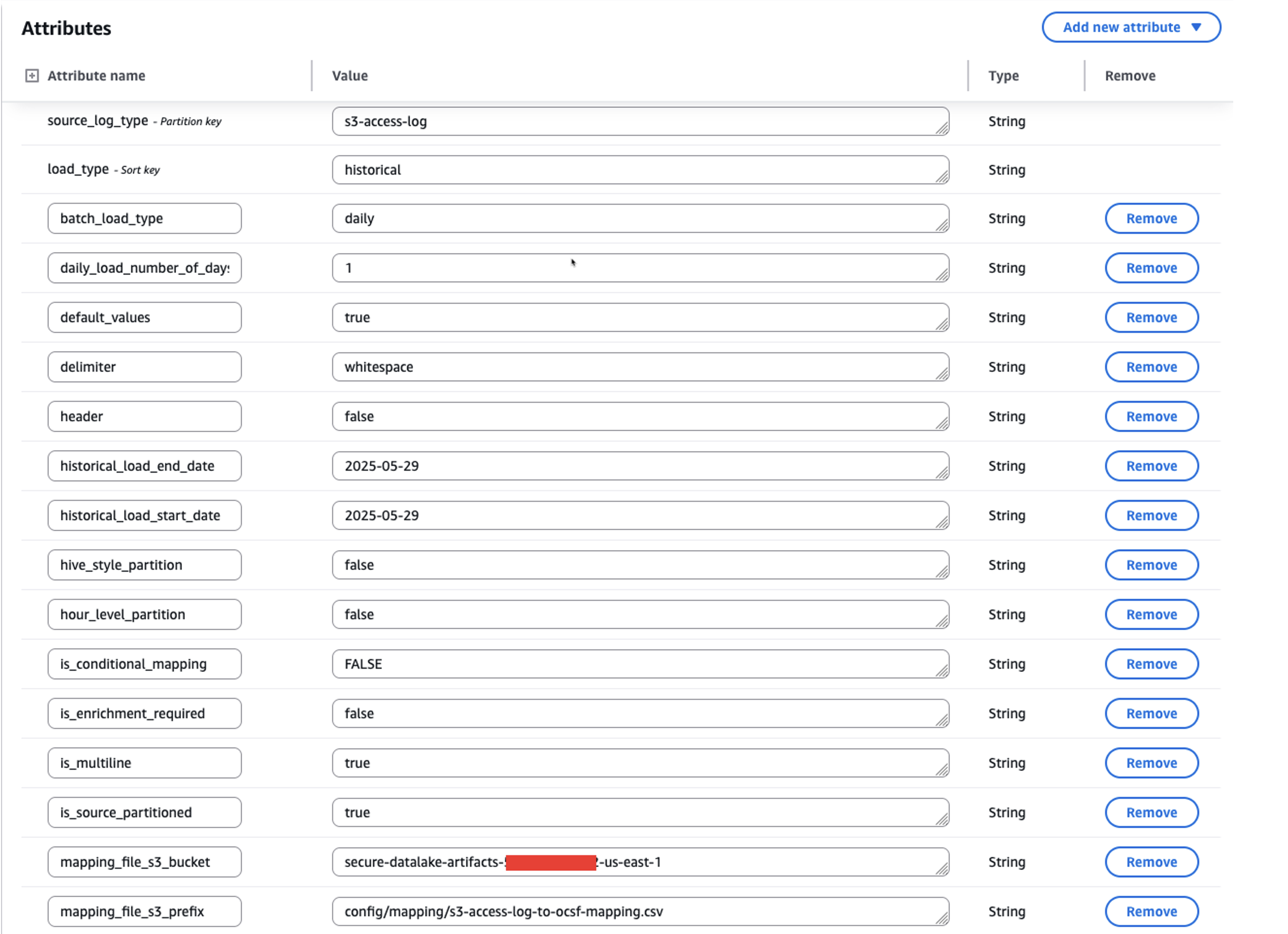
Figure 2: Screenshot of metadata configuration in the asl-etl-framework-source-ocsf-metadata DynamoDB table for S3 Access Logs
After inserting the metadata into the asl-etl-framework-source-ocsf-metadata DynamoDB table, the Lambda function asl-etl-framework_update-mapping-ddb is invoked to read the mapping CSV file and inserts mappings into the asl-etl-framework-ocsf-attribute-mapping DynamoDB table. The following image shows the mapping in DynamoDB table.
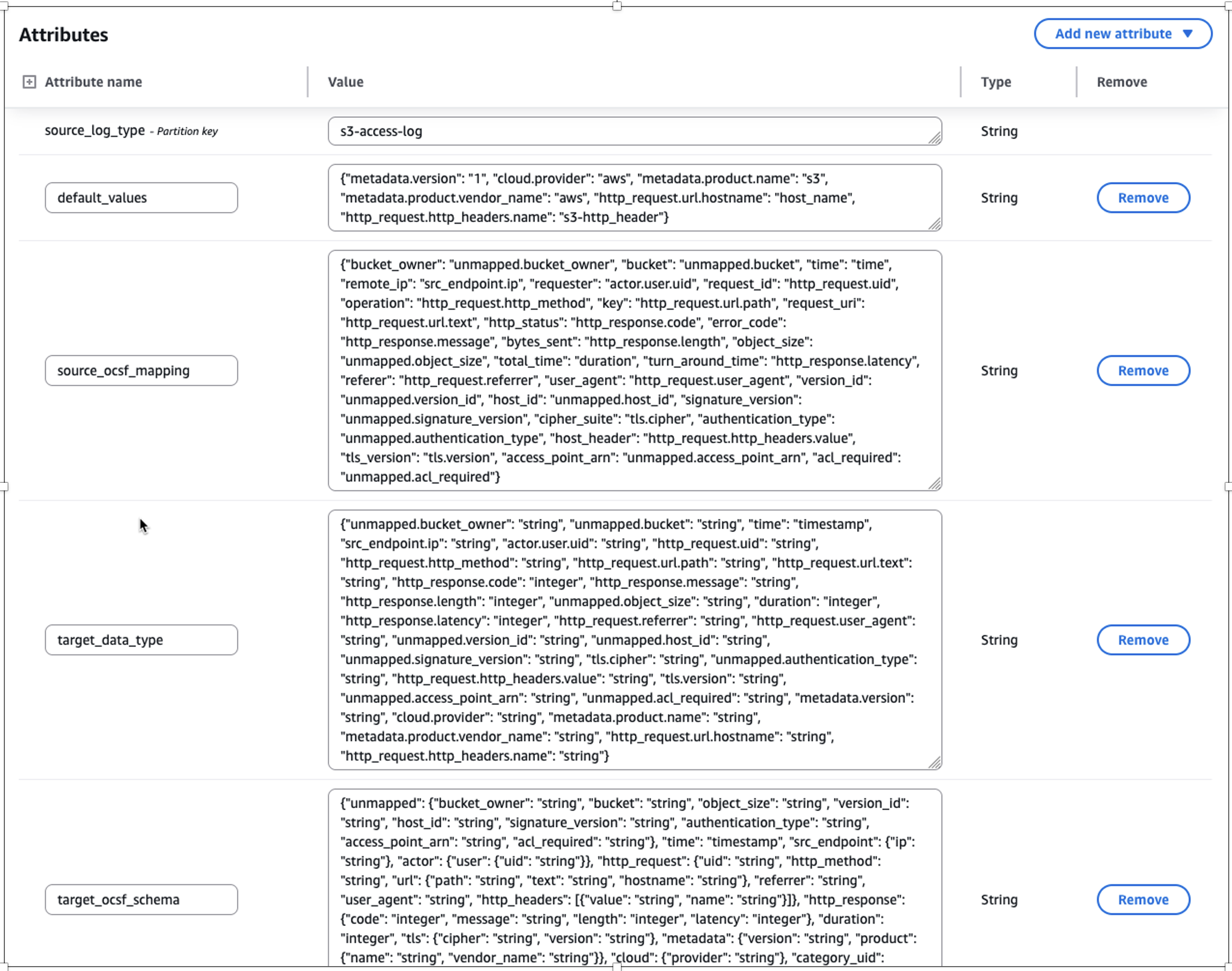
Figure 3: Screenshot of transformed mapping in the asl-etl-framework-ocsf-attribute-mapping DynamoDB table for S3 Access Logs
The ETL solution offers a historical load capability that processes logs from specified date or year ranges based on metadata file inputs. After being converted to OCSF format in Parquet file format, these logs can be integrated into Amazon Security Lake or be used to create a custom data lake. The solution includes checkpointing functionality to handle potential failures during historical data processing.
The checkpointing feature provides process resilience by tracking conversion progress in the asl-etl-framework-ocsf-run-status DynamoDB table. If a conversion process fails during multi-year historical processing, the solution resumes from the point of failure rather than reprocessing previously converted data. For example, if conversion fails while processing the second year’s data, the solution will resume from that point, preserving the first year’s successful conversion. While this feature is enabled by default, you can disable it, in which case any process restart will begin from the initial specified date. The following image shows the load_type as historical along with start_time and end_time for the period you want to transform the logs.
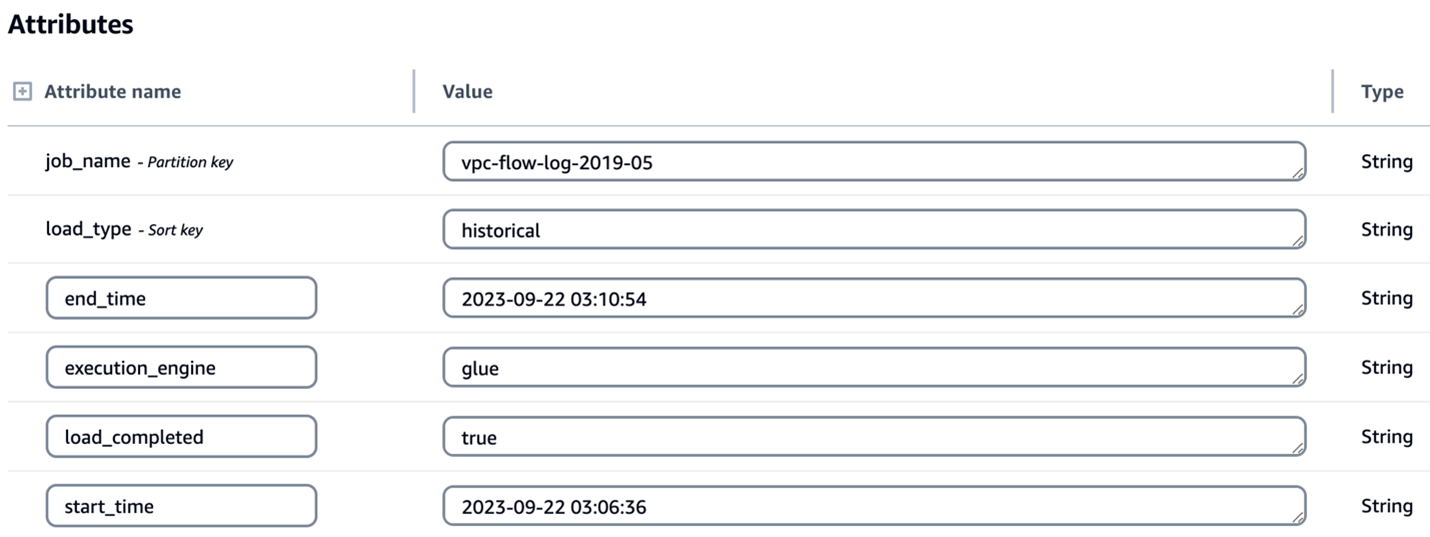
Figure 4: Screenshot of configuration for historical load attributes in the asl-etl-framework-source-ocsf-metadata DynamoDB table
Enterprises often possess valuable contextual data that can enhance their security logs through enrichment. By correlating existing data with security logs and appending relevant information, you can create more comprehensive datasets for advanced analytics and deeper security insights. After the logs are converted to OCSF, you might want to know more about specific columns or attributes so that you can extract meaningful information. To support this, the solution has an option for enrichment. For example, if you want to get additional information, such as the geolocation of each IP address in the logs, you can provide the source database information in the metadata CSV file of the solution. It connects to the source database through a JDBC connection, extracts the requested information associated with the IP address to enrich the dataset, and adds the extracted information as new columns to the converted OCSF log output. In this way, you can have detailed information about each IP address in the converted OCSF log. The following screenshot shows parameters for enabling enrichment by setting the is_enrichment_required flag as true and adding necessary enrichment_attributes to the metadata table.
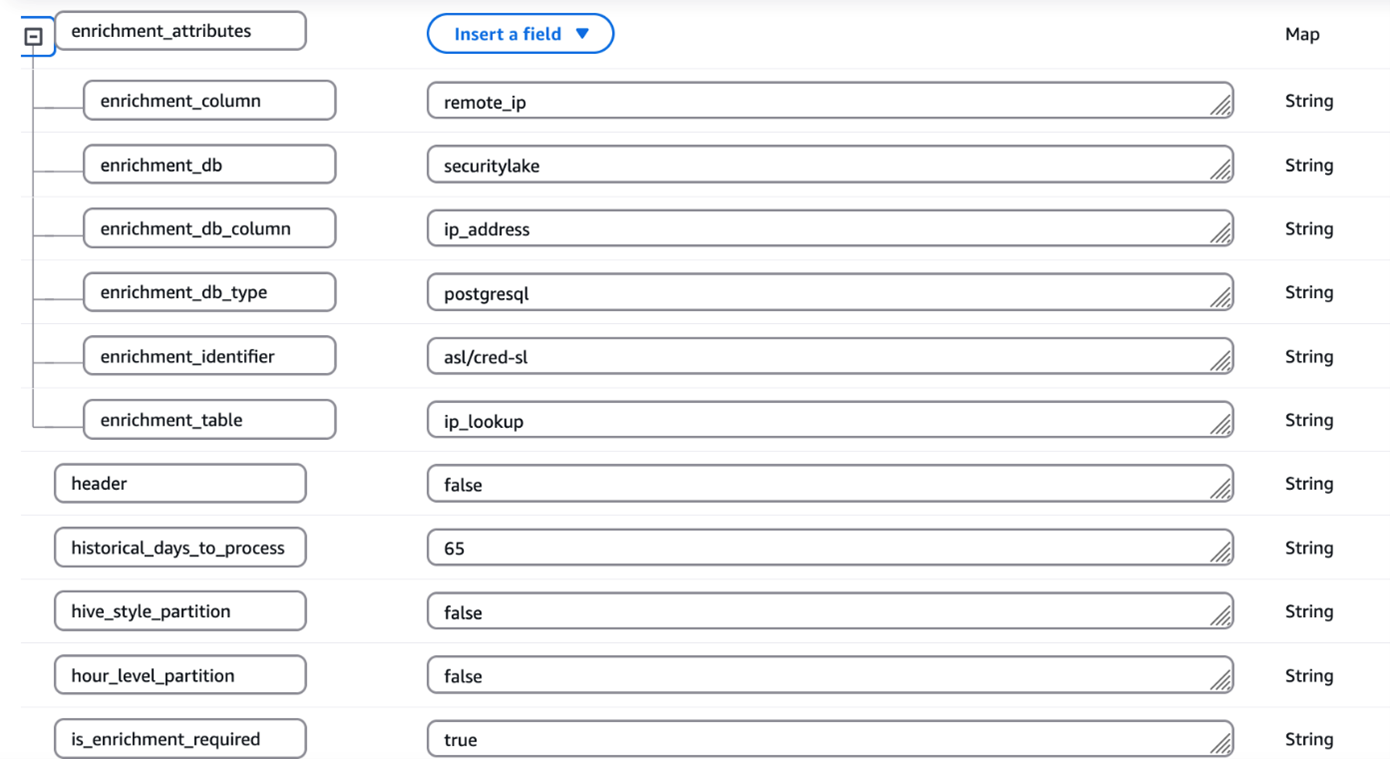
Figure 5: Screenshot of configuration for enrichment attributes in the asl-etl-framework-source-ocsf-metadata DynamoDB table
You can use the engine of your choice for the transformation by providing the engine name during the deployment steps as mentioned in the Pre-Deployment Configuration section of the ReadMe. Based on this, the solution uses either AWS Glue or EMR Serverless as mentioned in the Orchestration using Step Functions section.
The process includes the following steps:
asl-etl-framework-source-ocsf-metadata and, based on the input parameters passed for the Step Functions workflow shown in the Orchestration using Step Functions section, the Step Functions workflow generates the input arguments for the transformation job (AWS Glue or EMR Serverless based on the user’s choice).asl-etl-framework-source-ocsf-metadata. These custom OCSF logs on S3 can be integrated with Security Lake.This solution is orchestrated using Step Functions and offers two execution engine options: AWS Glue or EMR Serverless, depending on the services allow-listed in your enterprise. For processing historical loads, we recommend using EMR Serverless; however, AWS Glue is suitable for historical loads less than 100 GB. When invoking the Step Functions workflow, specify the execution engine as either emr-serverless or glue in the input parameters passed using EventBridge.
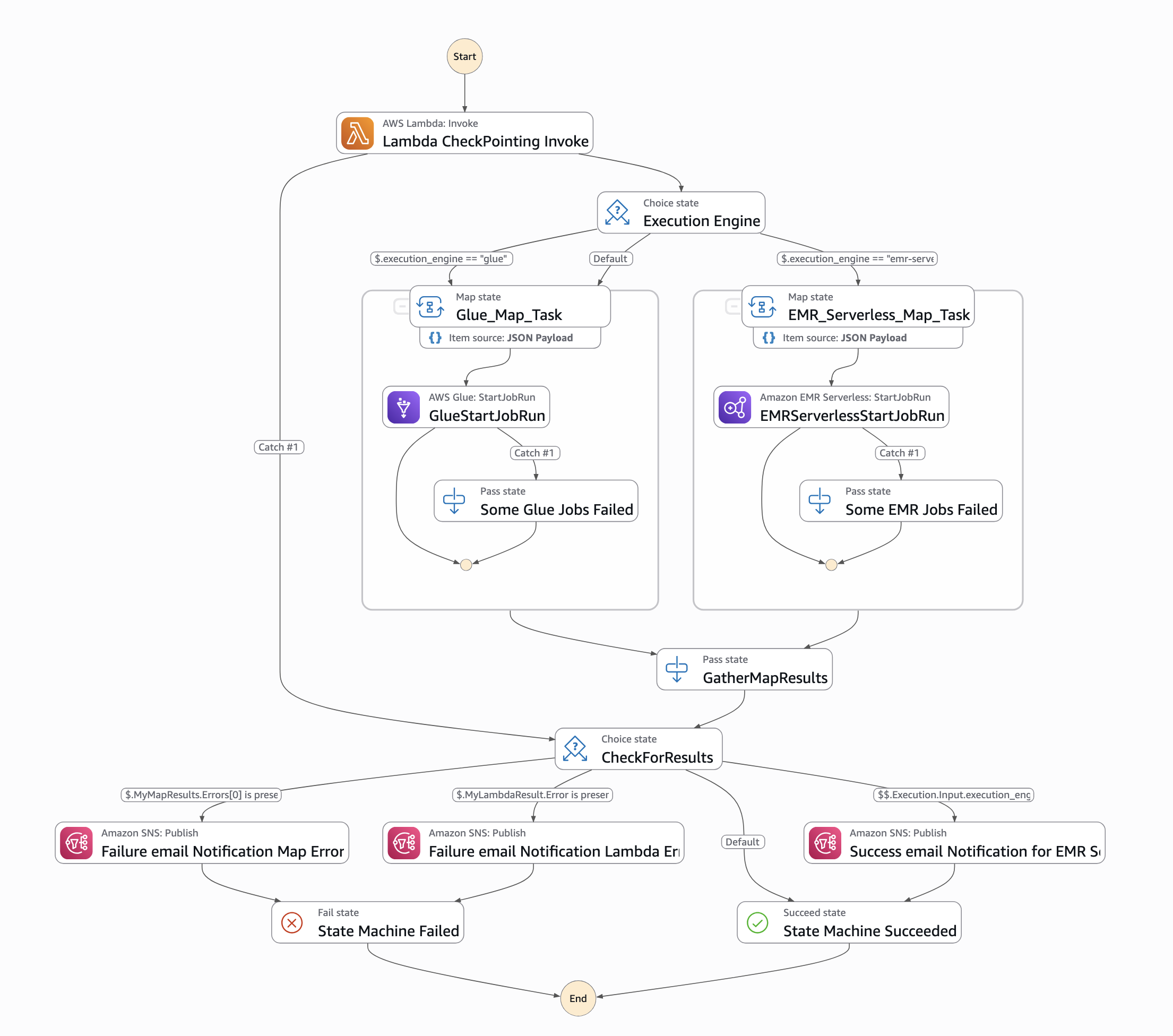
Figure 6: Screenshot of Step Functions workflow orchestration
To run the workflow, an input must be passed through an EventBridge schedule. The input parameters are as follows:
{
“source_log_type": “s3-access-log”,
“load_type": “historical”,
“full_load": “false”,
“ddb_lookup_table": “asl-etl-framework-ddb-table-details”,
“ddb_mapping_table": “asl-etl-framework-ocsf-attribute-mapping”,
“ddb_metadata_table": “asl-etl-framework-source-ocsf-metadata”,
“ddb_reference_table": “asl-etl-framework-ocsf-reference”,
“asl_status_table": “asl-etl-framework-run-status”,
“execution_engine": “glue”,
“asl_job_name": “asl-etl-framework-init-ocsf-conversion”
}
A description of the steps is also available in the ReadMe section of the code repository.
It’s a best practice to ensure that the generated Parquet files properly map to the various schema definitions specified within the Open Cybersecurity Schema Framework (OCSF). Validating the mapping helps to maintain data integrity and allows the security data to be effectively analyzed and processed by downstream applications and tools, such as Security Lake. You can use OCSF Schema Validator, which was built to provide supplementary validation for Security Lake. Performing this validation step helps detect any schema misalignments or data quality issues early in the process, leading to more reliable and trustworthy security analytics.
If validation of the transformed OCSF Schema fails using the OCSF Schema Validator, you need to validate if your mappings are aligned with the respective OCSF category. Adjust your mappings, rerun the solution, and validate the transformed OCSF logs using OCSF Schema Validator until you get a valid OCSF schema.
When discovering incorrect OCSF mappings or format inconsistencies in converted logs, begin by conducting a thorough validation against OCSF schema specifications to identify specific discrepancies. Update the mappings with correct field mappings, ensuring proper data type conversions and mandatory field requirements are met. Test these corrections using sample data to verify OCSF compliance using the above mentioned tool and data integrity before implementing in production.
In this post, we showed you how the ETL solution accelerator transforms custom security logs into the standardized OCSF format, enabling enhanced security analytics capabilities. This solution, developed by AWS Professional Services (AWS ProServe), addresses common challenges in security log standardization and streamlines the adoption of Amazon Security Lake. While the solution is available as an open source project, engaging with AWS ProServe provides significant advantages, including proven implementation expertise, best practices guidance, and accelerated deployment timelines. Our ProServe team brings extensive experience in security log standardization and can help customize the solution to your specific requirements while ensuring optimal integration with Security Lake. To begin your journey toward standardized security analytics using OCSF, contact your AWS account team to discuss how AWS ProServe can help implement this solution in your environment.
Post Syndicated from daroc original https://lwn.net/Articles/1066156/
Shor’s algorithm is the main practical example of an algorithm that runs more
quickly on a quantum computer than a classical computer — at least in theory.
Shor’s algorithm allows large numbers to be factored
into their component prime factors quickly.
In reality, existing quantum computers do not have nearly
enough memory to factor interesting numbers using Shor’s algorithm, despite
decades of research.
A new paper provides a major step
in that direction, however. While still impractical on today’s quantum
computers, the recent discovery
cuts the amount of memory needed to attack 256-bit elliptic-curve cryptography
by a factor of 20. More interesting, however, is that the researchers chose to
publish a zero-knowledge proof demonstrating that they know a quantum circuit
that shows these improvements, rather than publishing the actual
knowledge of how to do it.
Post Syndicated from The Atlantic original https://www.youtube.com/watch?v=w80QUrNcWD8
Post Syndicated from Netflix Technology Blog original https://netflixtechblog.com/the-human-infrastructure-how-netflix-built-the-operations-layer-behind-live-at-scale-33e2a311c597
By: Brett Axler, Casper Choffat, and Alo Lowry
In the three years since our first Live show, Chris Rock: Selective Outrage, we have witnessed an incredible expansion of our live content slate and the live operations that support it. From modest beginnings of streaming just one show per month, we are now capable of streaming over nine shows in a single day, reaching tens of millions of concurrent members. This post pulls back the curtain on the Live Operations teams that enable this rapid scale.
In March 2023, the engineers who built Netflix’s first live streaming pipeline also operated it. There was no dedicated operations team or formal command center. All of our incident response playbooks were written for SVOD, and SLAs were not designed for the speed of live. For the first live shows on the platform, the engineers who designed what is described in earlier parts of this series monitored dashboards on laptops, coordinated over Slack, and troubleshot in real time while millions of members watched.
The physical setup matched the operational workflows: improvised. Temporary control rooms were put together in conference rooms. For larger events, Netflix rented third-party broadcast facilities, hardware control panels, multiviewers, and communication panels — the kind of infrastructure that established broadcast networks had built over decades. Every show was a team effort. Engineers and leadership at all levels were involved in every event. Each live show, regardless of size, was a massive effort to launch.
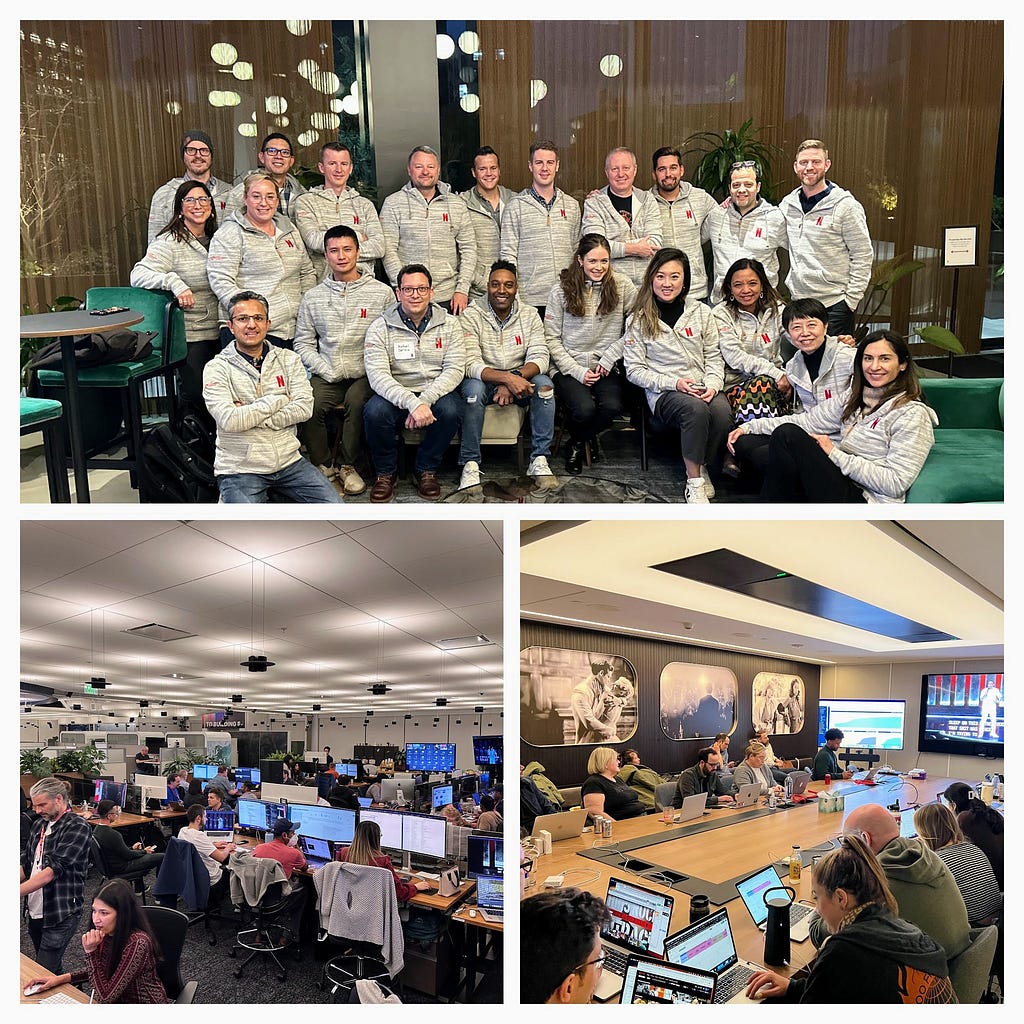
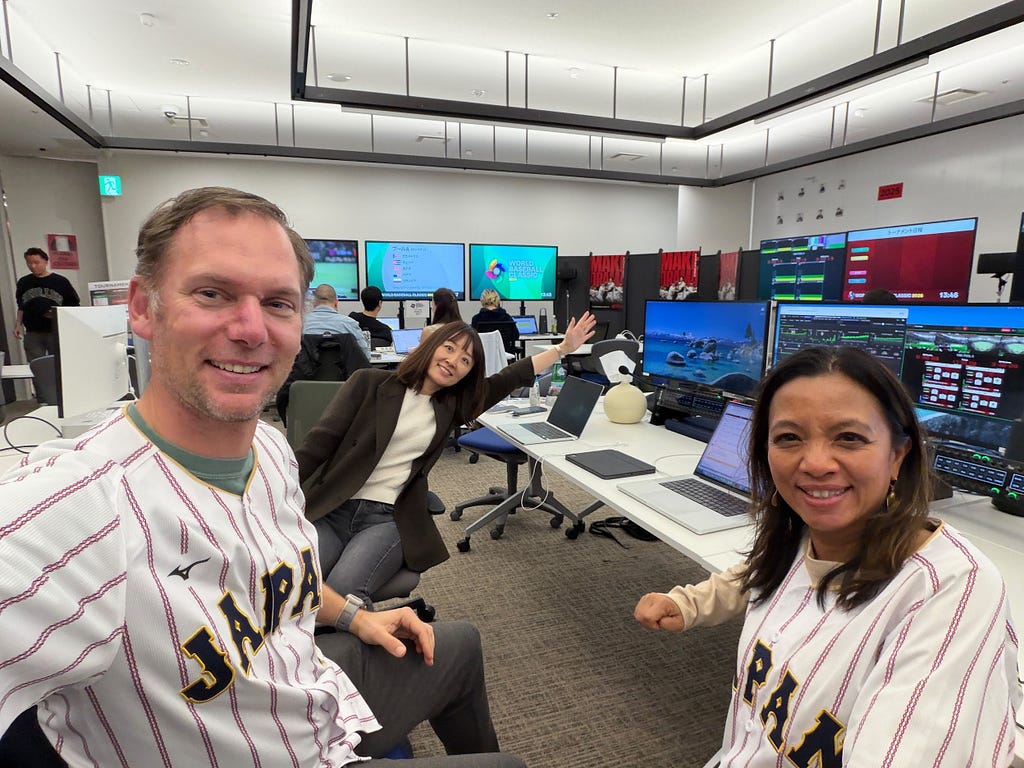
Last month, in March 2026, Netflix streamed the World Baseball Classic live to members in Japan. 47 matches over two weeks, with peak concurrent viewership exceeding 9.6 million accounts for a single game, operations running 24/7 from permanent facilities in Los Gatos and Los Angeles, with international coverage extending to Tokyo. In March alone, Netflix launched approximately 70 live events. That is three events shy of the total number Netflix streamed live in all of 2024. The technical systems that make this possible have been covered in detail across this series. What hasn’t been told is the operational story: the people, procedures, and facilities Netflix built to run those systems in real time, under pressure, with no ability to pause or roll back.
The Architecture of Live Operations: Evolving the Broadcast Operations Center
When a technology company transitions into live broadcasting, it faces a unique challenge: blending traditional broadcast television practices with massive-scale live-streaming engineering. At the heart of this intersection is the Broadcast Operations Center (BOC).
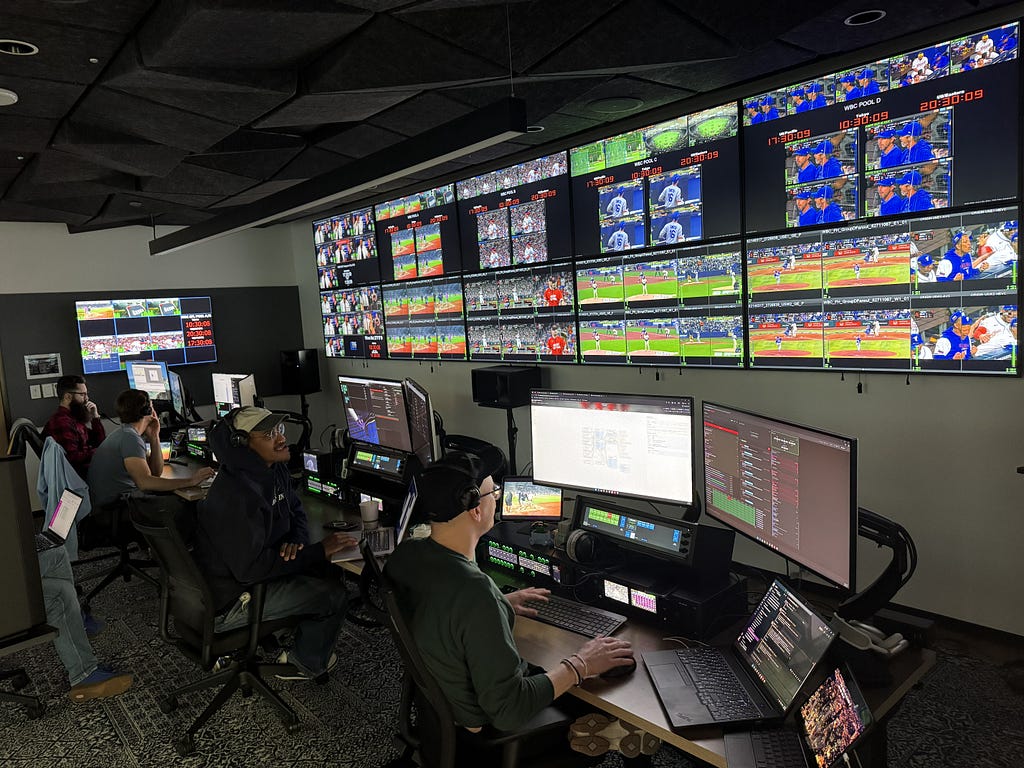
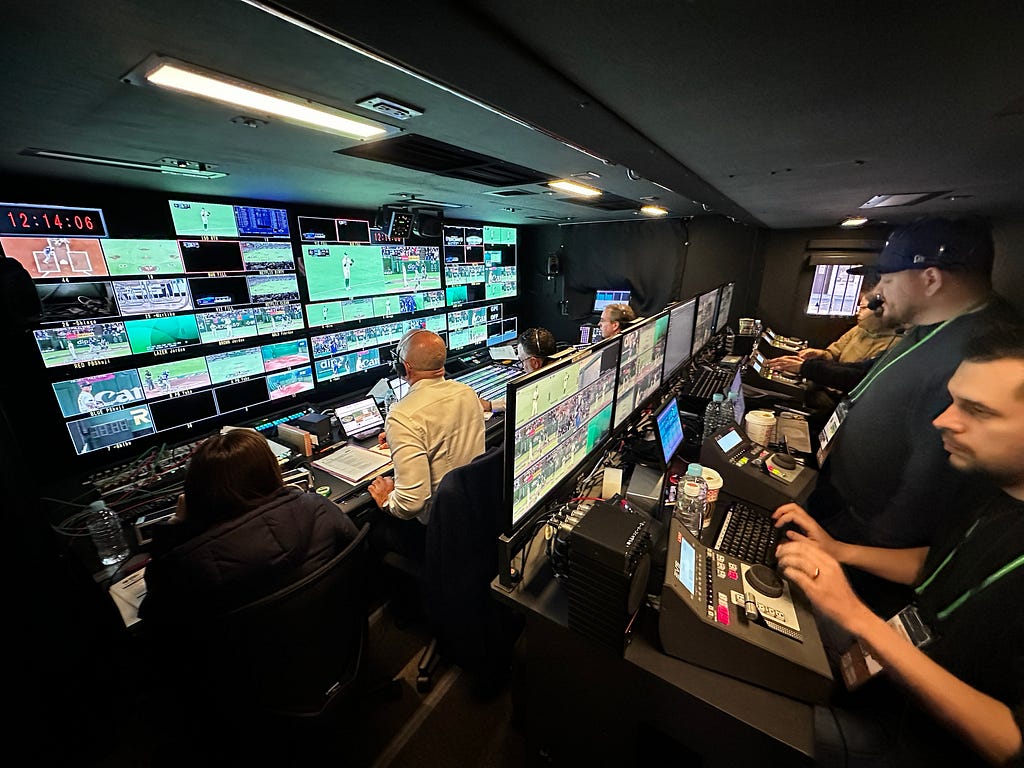
The BOC serves as the critical “cockpit” for live events. It is the physical command center where a fully produced video feed is received directly from a stadium or venue and then handed off to the live streaming infrastructure. Everything from signal ingest, inspection, and conditioning to closed-captioning, graphics insertion, and ad management happens within these walls. By utilizing a hub-and-spoke model with highly redundant architectures, such as dual internet circuits and SMPTE 2022–7 seamless switching technologies, the BOC replaces direct, vulnerable paths from the venue to the live streaming pipeline, making each live event highly repeatable and far less dependent on the quirks of individual event locations.
Securing the Signal: Reliability from the Venue Before the BOC can work its magic, we have to guarantee the video and audio feeds actually survive the journey from the production site to our facility. To ensure absolute reliability from the venue, Netflix enforces strict specifications for live signal contribution.
For any show-critical feed, meaning the primary feed our members will watch live, we require three completely discrete transmission paths. We utilize a strict hierarchy of approved transmission methods, prioritizing dedicated video fiber and single-feed satellite links, followed by dedicated enterprise-grade internet and robust SRT contribution systems.
We don’t just rely on redundant transport lines; we require full hardware redundancy out of the production truck itself. This includes using separate router line cards and discrete transmission hardware to prevent any single point of failure. Furthermore, every single piece of transmission hardware at the venue must be powered by two discrete power sources, protected by uninterruptible power supply (UPS) batteries, and surge-conditioned.
Finally, before we ever go live to millions of viewers, our operators execute exhaustive “FACS/FAX” (facilities checks) testing during rehearsals and before every show. This involves running specialized Audio/Video sync tests, latency tests, and quality tests to guarantee perfect audio and video synchronization, validating closed captions, and touring the backup switcher inputs.
Building the Human Infrastructure: Building the human operational model to run a facility like the BOC didn’t happen overnight. For a platform scaling from its very first live comedy special to streaming over 400 global events a year, the operational strategy had to undergo a massive, multi-year evolution.
Phase 1: The “All-Hands” Engineering Era. In the earliest days of live streaming, there was no dedicated operations team or formal broadcast operations center. The software engineers who wrote the code and built the live-streaming infrastructure were the same people manually operating the events on launch night. Every show was an “all-hands-on-deck” scenario. While this raw, startup-style approach worked for initial milestones, having core developers manually set up and tear down software configurations for every single broadcast was fundamentally incapable of scaling.
Phase 2: The Shift to Specialized Engineering (SOEs and BOEs). To separate event execution from core software development, the operational model matured to introduce specialized engineering teams. First, the Streaming Operations Engineering (SOE) team was established. These are highly skilled streaming engineers whose sole focus is to configure the full event on the live pipeline and support it during the broadcast. By having SOEs act as the first line of escalation, the core software developers were freed up to focus on building new live-streaming pipeline features.
However, as the physical broadcast facilities grew, it became clear that supporting the streaming pipeline wasn’t enough; the physical broadcast hardware and facility workflows needed dedicated oversight too. To solve this, Broadcast Operations Engineers (BOEs) were introduced to work alongside the SOEs. The BOE acts as the primary escalation point for all physical broadcast facility and hardware issues, overseeing the operation of all shows during a given shift.
Phase 3: The “Co-Pilot” Control Room Model. With specialized engineers in place to handle the deep technical infrastructure, the day-to-day operation of the actual video and audio feeds was handed over to dedicated operators. Initially, the Broadcast Control Rooms were structured much like an airplane cockpit.
This approach utilized a “first and second captain” workflow, pairing two Broadcast Control Operators (BCOs) together to run a single event, functioning exactly like a pilot and co-pilot. This collaborative model allowed for intense focus and high-quality execution, making it the ideal setup for running just one or two live events per day. However, as the ambition grew to stream up to 10 concurrent events a day for massive global tournaments, a 1:1 scale of pairing operators simply required too much space and manpower. A new model had to be adopted.
Phase 4: The Transmission Operations Center (TOC) Fleet Model. To manage high-density event days and continuous tournament coverage, the workflow was completely reimagined with the launch of the Transmission Operations Center (TOC) model. Rather than treating every live broadcast as an isolated launch in its own room, the TOC treats live events like a fleet. It centralizes operations and distinctly separates the traditional broadcast functions from the streaming functions to maximize human efficiency.
The TOC model divides the labor across three highly specialized, tiered roles:
The Big Bet Exception. While the fleet-style TOC model enables immense concurrency for daily programming, the most critical, high-visibility events, like major holiday football games, utilize a specialized Big Bet Model. For these flagship broadcasts, an entire Broadcast Operations Center is dedicated exclusively to a single event. This hyper-focused environment strips away the multi-event ratios, providing operators with advanced instrumentation and dedicated facility engineers to ensure the absolute highest level of reliability for events where failure is simply not an option.
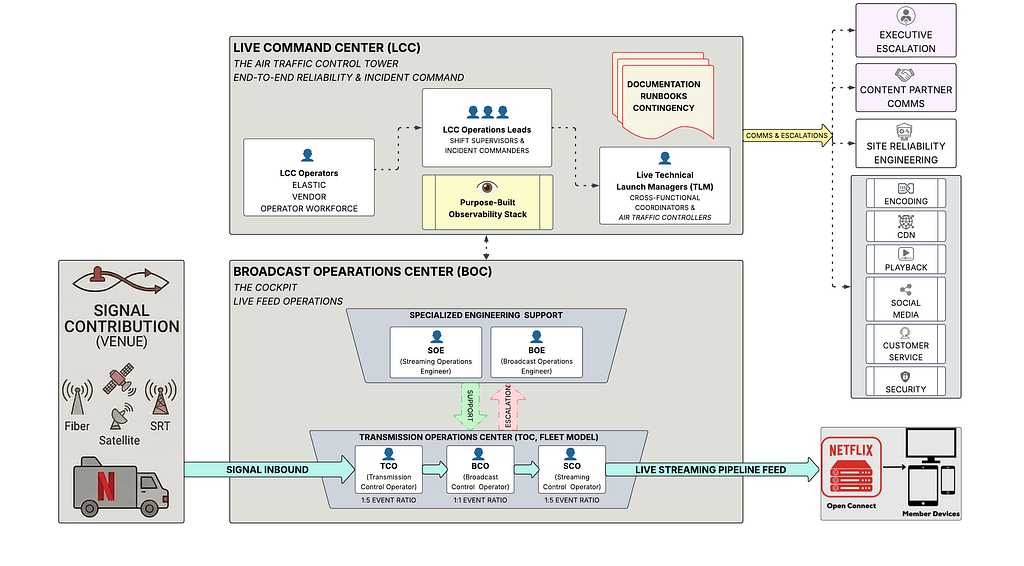
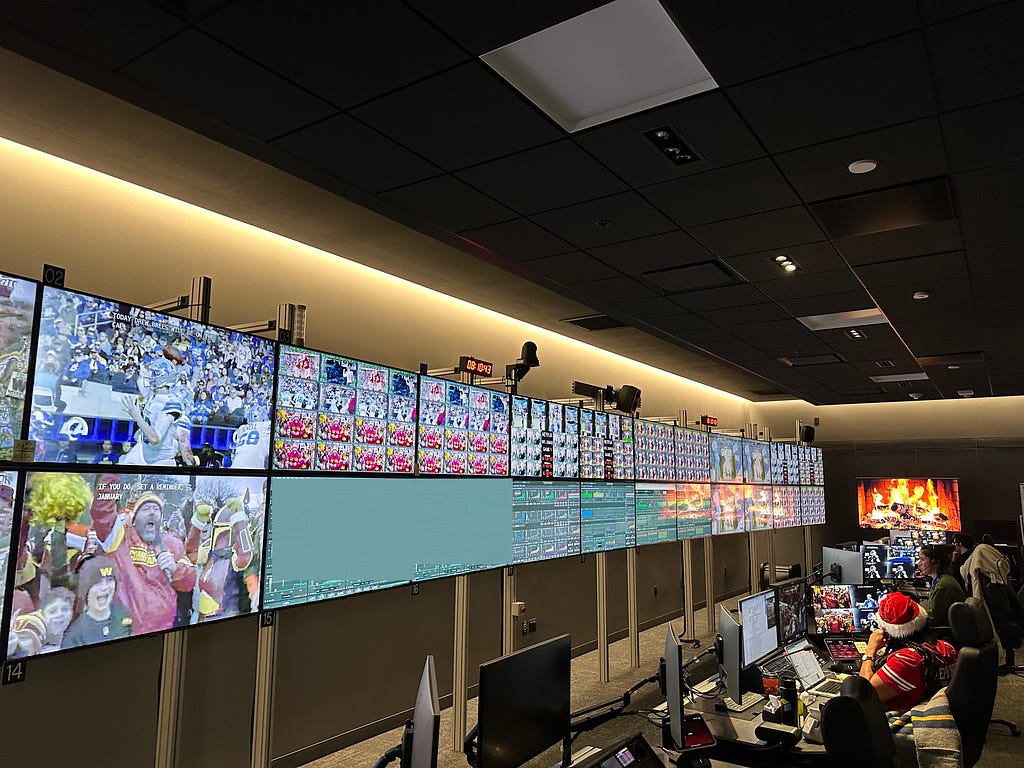
The Live Command Center (LCC) is not an MCR (Master Control Room). Nor is it a traditional Network Operations Center (NOC). The LCC holds the end-to-end view of quality, health metrics, and reliability for every live stream — from signal ingest at the production venue through cloud encoding, CDN delivery, and playback on member devices — and coordinates the human response when any part of that chain breaks.
What makes this hard is the data and speed requirements. Standard monitoring tools incur propagation delays of minutes. However, during a live stream, a signal degradation that goes undetected for three minutes can affect millions of members before any mitigation begins. The LCC runs a purpose-built observability stack, the Live Control Center, that aggregates telemetry from across the entire pipeline in near real time: concurrent viewer counts, start failure rates, rebuffer ratios, CDN health, encoder status, and signal path health from the contribution feed forward.
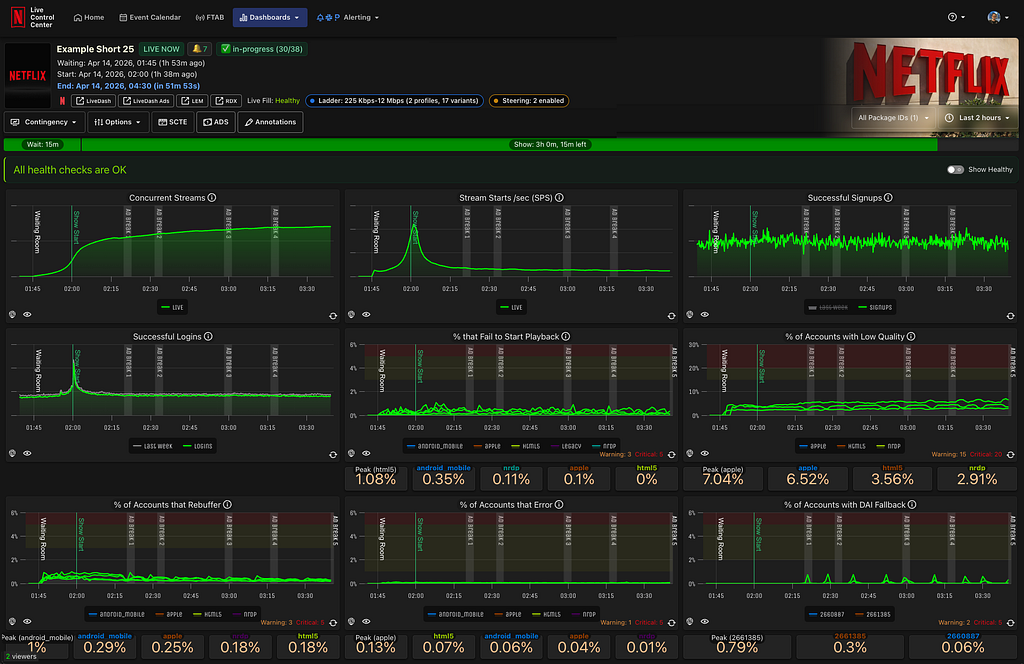
During live events, the system ingests up to 38 million events per second. The LCC’s job is to make that volume of data meaningful and actionable for the small team of operators watching it live.
Two roles staff the LCC leading up to and during live events. LCC Operations Leads are the shift supervisors and incident commanders. They triage anomalies, make escalation decisions, and own the incident response process from detection through resolution.
Live Technical Launch Managers (TLMs) function as air traffic controllers: they maintain cross-functional context across more than 45 technical, product, and services teams from encoding, CDN, and playback to social media, customer service, and security teams. TLMs start coordinating with these teams months and sometimes years ahead of a live event to ensure escalation paths and playbooks are in place when the LCC needs to translate a CDN engineer’s concern into a product decision at 2am while a game is still in progress. Together, these roles form the operational leadership layer that keeps engineers focused on building rather than watching dashboards.
The live operations teams rank shows by three categories:
In addition to a show’s event category, the TLMs deployed a Live Operational Level (LOL) model that helps engineers determine whether they need to be on standby, live online, or even in the LCC for any given show.
Based on the show’s event category, special features, expected viewership, and overall risk, non-operational teams are put into one of four categories:
Red: Non-operational teams must remain online for the duration of the event. This is most often seen in large boxing matches and sporting events, such as the NFL Christmas Day games.
Orange: Non-operational teams are required to check in online ~30 minutes prior to show and are asked to monitor the health of their systems through the first commercial breaks until the LCC releases them to LOL Yellow.
Yellow: Non-operational teams are not required to be online, but should be reachable by page in 2 minutes. Special PagerDuty rotations and verifications are in place to ensure these teams are reachable.
Grey: Business as usual. Teams will be reached out to by their normal pager rotation if their help is needed during the show.
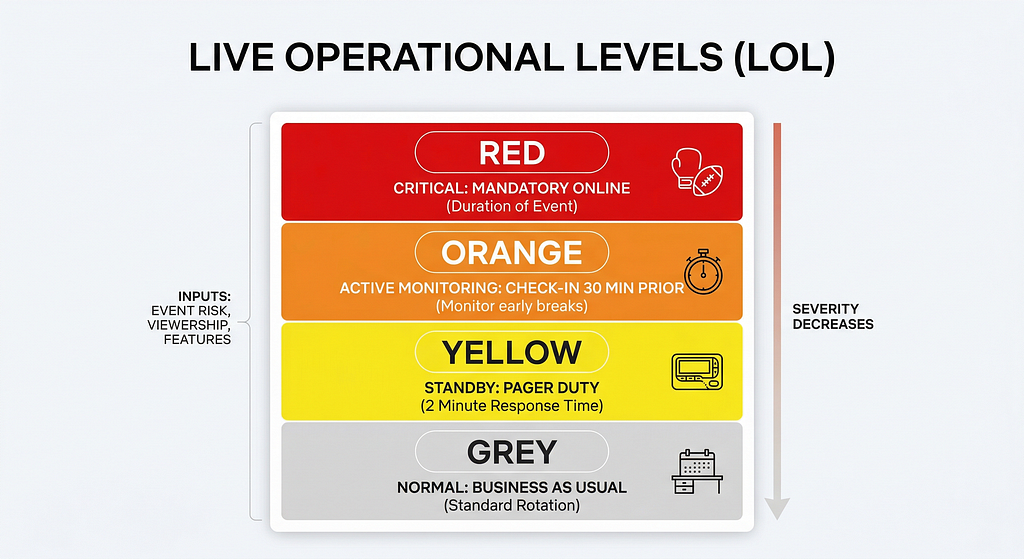
By tiering events, Netflix ensures that resource allocation is proportionate to operational needs, preventing a continuous “crisis” mentality and allowing our non-operational partners to focus on their day jobs.
As of April 2026, most engineering teams are Yellow or Grey, with Ops and Site Reliability Engineers making up most of the teams online to support shows, in addition to engineers performing feature tests.
The first lesson from 2023 was straightforward: what worked for one show a month would not work for ten shows a week. The engineers who built the pipeline were also the ones operating it, which meant the people best positioned to fix problems were also the ones most likely to be paged at 2am. There was no operational layer to absorb that load.
In 2024, Netflix streamed 72 live events and began building the team that would eventually run them. The first version of the LCC looked nothing like it does today: a cluster of desks, monitors on stands, and laptops running dashboards, set up in the middle of the office. The TLM team was stood up to own cross-functional coordination for live launches and began formalizing the runbooks, event tiering structure, and incident management protocols that would later enable Netflix to scale operations to support hundreds of shows per year.
By the time Jake Paul vs. Mike Tyson and the first NFL Christmas Games arrived, the LCC had moved into a dedicated conference room, and partnerships with device and labs teams were producing more effective monitoring tools. But the biggest operational lesson of that period came from communications.
For Tyson/Paul, Netflix had over 300 people online across engineering, product, and business functions. Some people were online because their support was needed, while many others were just excited to be part of it. Coordinating that many people over Slack and Zoom during an active event with 64 million concurrent streams was unmanageable.
That experience drove the implementation of a squad model: defined teams with clear roles, scoped communication channels, and a single escalation path into the LCC. Around the same time, the LCC began integrating with IP-based communications systems, finally bridging the gap between the command center and the Broadcast Operations Center that had been operating largely in a fractured parallel until then.
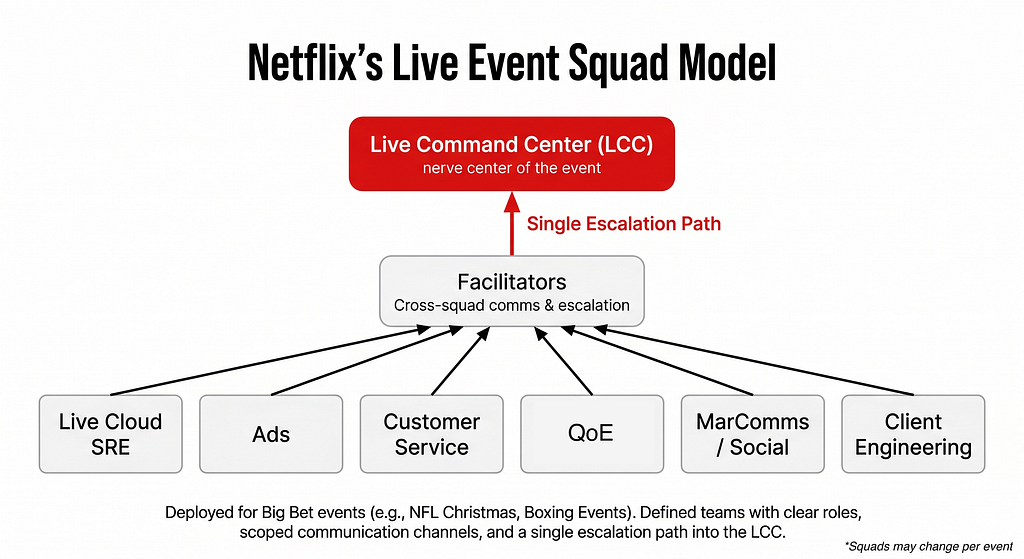
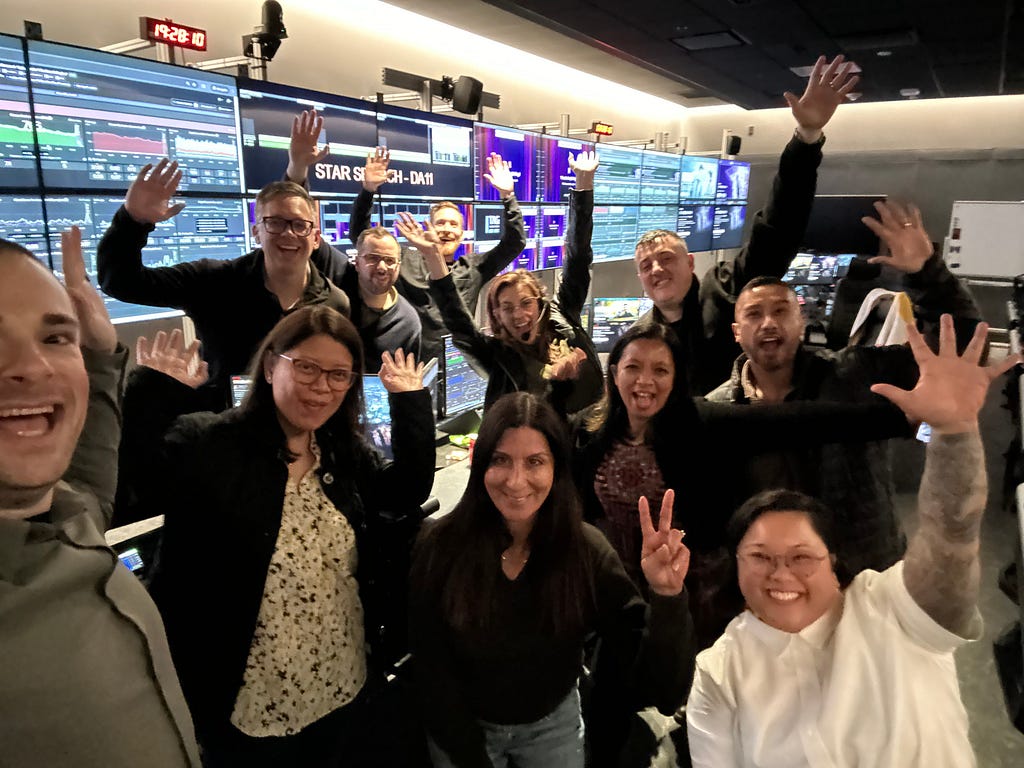
2025 brought 220 live events and a permanent LCC facility, along with a dedicated operations team, the Live Command Center Operations Leads. With the growing number of shows, TLMs were getting spread thin, spending more than half their week operating shows late into the evening and over weekends, then getting called back into the office at 9 am to lead critical launch meetings. The addition of the LCC Ops Leads resolved the bandwidth issue by separating planning and operations into distinct roles within a single centralized team.
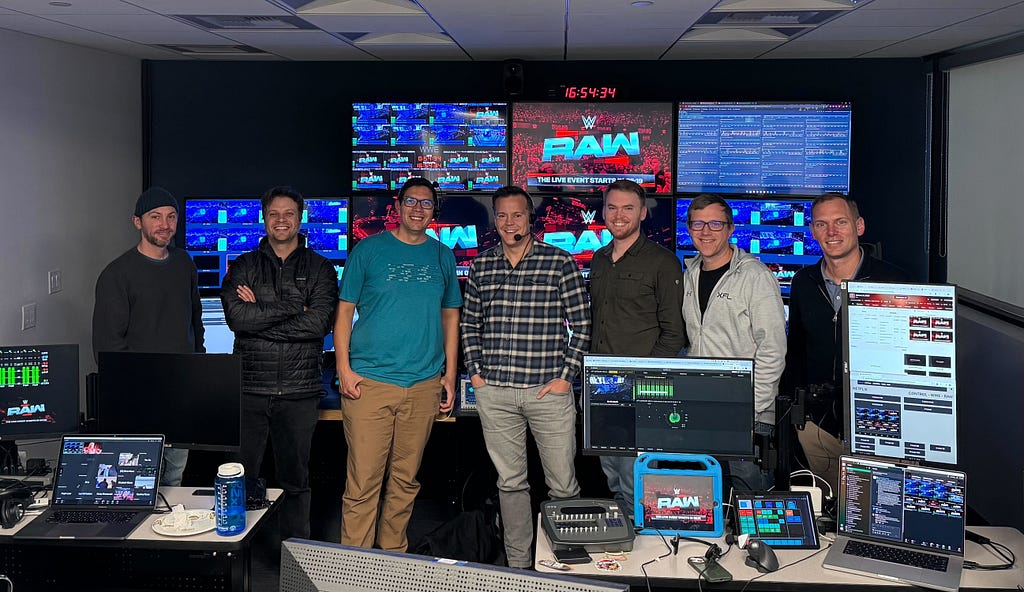
As the slate continued to grow and large series like the World Baseball Classic and FIFA Women’s World Cup were announced, the vendor-operator model was introduced, creating an elastic workforce that could scale up for large series events without carrying full-time headcount year-round to support peak capacity. The key enabler was documentation: standardized runbooks and onboarding materials detailed enough that a trained operator could reach full effectiveness within their first week. WWE RAW became a weekly operation, normalizing what had previously felt exceptional. By early 2026, multi-event days were no longer a test of capacity but had become the expected operating condition.
The next chapter is international. Netflix has begun standing up regional Live Operations Center coverage to support live events outside North America, with EMEA operations soon running out of London. The model draws on the same runbooks, tooling, and escalation structures developed in Los Gatos, with follow-the-sun shift handoffs connecting EMEA and US teams across time zones. Looking further ahead, Netflix is planning to bring the LCC and BOC under one roof — a single integrated facility that combines broadcast operations and cloud monitoring into a unified space. The physical separation between those two functions has always introduced friction at the seams. Closing it is the logical next step.
Building a live operations discipline means accepting one constraint above all others: you cannot optimize for efficiency before you have built for reliability.
Netflix designed for quality first: Standardized runbooks, tiered event structures, pre-documented failure modes, so the 50th show runs as smoothly as the fifth. Off-the-shelf monitoring tools with propagation delays don’t meet that bar. The Netflix Live Control Center and Live Control Room platforms exist because observability at live scale is a product decision that demands the same design rigor as the pipeline it monitors, turning millions of telemetry events per second into something a small team can act on in real time. Technical systems and human systems have to scale together, and the most reliable incident response plan is always the one written before anyone needs it.
The operational model is also a cultural one. Bringing contingent operators into a proprietary tech stack requires deliberate onboarding design. The vendor model only works when documentation is built to be followed confidently by someone new within their first week. Beyond process, the most durable parts of how Netflix runs live operations reflect something the Netflix culture memo makes explicit: the best ideas come from anywhere. In practice, that means frontline operators catching issues that engineers miss, vendor staff surfacing workflow friction that improves the system for everyone who follows, and a team that treats candid feedback as standard practice rather than an exception. The technology, the slate, and the scale keep changing. The discipline stays current by staying curious and iterating on the tools, the runbooks, and the team.
With 2026 already off to a successful start in operational scaling, we’re excited to shift our focus to the upcoming launch of our new Live Broadcast Operations Center in Los Angeles and our new Live Operations Center (LOC) in West London. The LOC will initiate Netflix’s follow-the-sun coverage as live content continues to grow with over 400 live events in 2026, including the launch of 24/7 linear free-to-air broadcast channels with TF1 this summer. On the technical front, further development of automated alerting tools and monitoring by exception will continue to reduce operations’ manual workload.
In 2023, the engineers led the operations. By 2026, they had developed systems that mostly ran themselves, with a dedicated operational team ensuring they operated smoothly for millions of members. The technology behind Netflix’s Live content has been documented throughout this series, but what runs alongside the tech stack is a set of operational principles, rehearsed incident management processes, and monitoring infrastructure that had to be created from scratch and continues to develop.
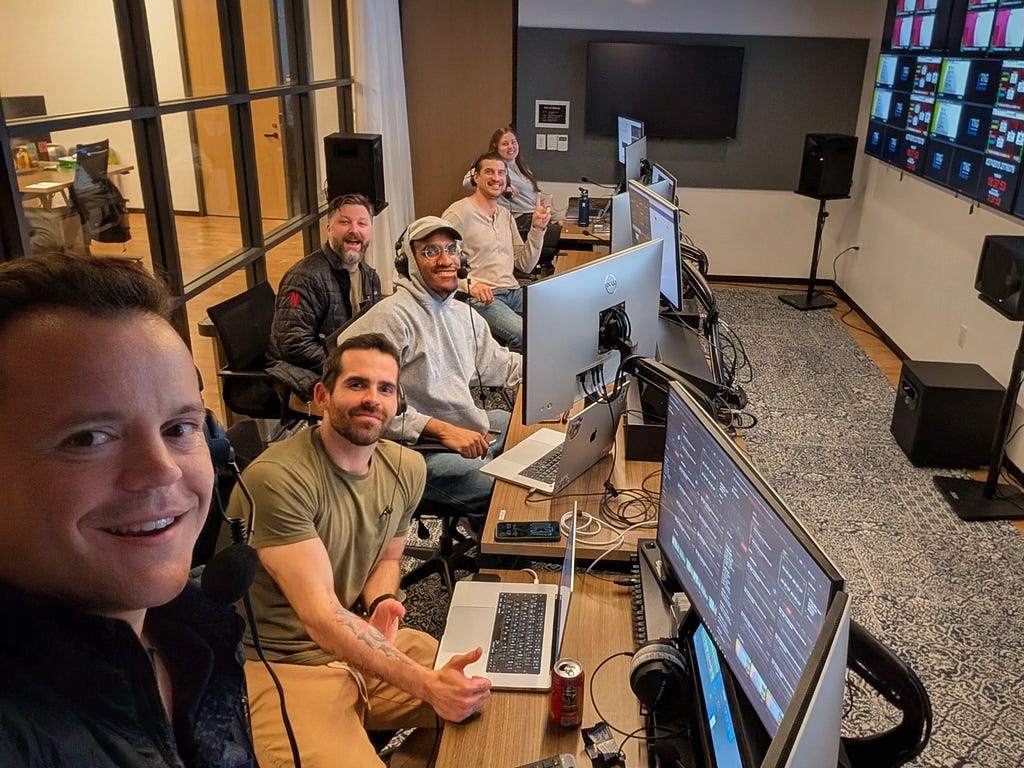
A special thanks to Te-Yuan Huang, Rob Saltiel, Tara Kozuback, Chris Carey, Di Li, Patrick Li, Anne Aaron, and Melissa “Mouse” Merencillo for their support on this article.

The Human Infrastructure: How Netflix Built the Operations Layer Behind Live at Scale was originally published in Netflix TechBlog on Medium, where people are continuing the conversation by highlighting and responding to this story.
Post Syndicated from The Atlantic original https://www.youtube.com/shorts/oZc8nk8ZuUc