Post Syndicated from The Hook Up original https://www.youtube.com/watch?v=loI05wPoLrU
Stable kernels 5.18.14 and 5.15.57
Post Syndicated from original https://lwn.net/Articles/902316/
The
5.18.14 and
5.15.57
stable kernels have been released; these consist almost entirely of the
Retbleed hardware-vulnerability mitigations.
The 5.10.133
update will be next to get those fixes; it is in the review process and is
due on July 25.
Защо трябва да видите целия запис на Да, България?
Post Syndicated from original https://yurukov.net/blog/2022/dabg-zapis/
Едно от наказанията за отказа да участваш в политиката е, че в крайна сметка биваш управляван от по-глупави хора от теб.
Платон
Преди 6 години обясних защо приех да се включа в учредяването на Да, България. През януари изтъкнах отново причините да се кандидатирам отново за националния съвет на партията. През цялото това време са ми задавали въпроси какво се говори за това или онова, дали този или онзи слух е верен, както и са подхвърляли неизменните коментари за личността на този или онзи.
Да се каже, че всеки има дефекти в характера си е клише, но е вярно. Това важи с още по-голяма сила за политици и общественици, неразделна част от работата на които да са все пред вниманието на хората. От самото начало до сега давам да се разбере, че ако усетя елемент на автократство или дори недемократичност във вътрешните процеси на организацията, то ще изляза. Вярвам, че не може да тръгнеш да се бориш за върховенство на закона, демокрация и права на хората докато вътрешно в структурата ти решенията се взимат еднолично, липсва всякаква прозрачност или процес.

Да, България не е без своите проблеми и те се изтъкват постоянно на срещи и извън тях. Има несъгласни с посоката и как се водят обсъжданията. Аз също не съм съгласен с позиции и решения, както и липсата на някои такива. Писал съм и за това преди. В същото време надали някой честно може да каже, че разговори не се водят, не се обсъжда и не работи след гласуване на общи решения.
Макар неприятен, инцидентът с изтеклия запис от вътрешна среща на парламентарната група на ДБ може да даде представа какво се случва на съветите. Това е начинът и нивото на говорене. Разликата е, че след това има още поне два часа дискусия всеки път и гласуване по различни точки през електронната система.
Това не е маска, която се слага – просто така се работи и общува. Ще ми се другите членове и представители да сравнят какво се случва в техните организации като прозрачност и процес и да се замислят. Най-доброто, което могат да направят за България, е да изискат първо вътрешна промяна и заличаване на едноличната власт. Защото с грешни решения и процеси не се стига до положителен напредък.
Отново, проблеми има във всяка организация. Идеологично Да, България е шарена, компромиси са били правени и всеки отстоява своите приоритети. Има много аспекти, които следва да се обсъдят в дълбочина по начин, който ще видите в пълния запис. Да се изговорят неща, които няма да прочетете по този начин в новинарски заглавия и ехидни постове по социалките.
Политиката е игра на шах, в която следва да се мисли, а не да се блъска по масата и съска скришом през медиите заради наранено его. Политиката е маса, на която или седиш, или стоиш встрани и се тюхкаш как се стигна до тук. Ето това тук е нашата маса.
Пълният запис от заседанието на парламентарната група на Демократична България.
Христо Иванов: Виждаме как един запис се превръща в пропаганден материал, от който се разпространява откъси, извадени от контекста цитати по медиите. Предполагам, че някои от хората, които взимат решения, го правят от извадени от контекста парчета. Затова публикуваме пълния запис от заседанието на парламентарната група на Демократична България.
Призивът ми е всеки да се запознае с целия запис, да установи, че става дума за една абсолютно рутинна политическа среща. Ние сме професионални политици и сме длъжни да обсъждаме всички аспекти с всички възможни мотиви на играчите. Това е ежедневието в парламента.
Имаме отговорност към страната. Въпросът е не кой на кого е обиден, кой какво не му е харесало, а каква отговорност си готов да поемеш за отговорността на тази страна. Това се съдържа и в този запис. Ние сме напълно спокойни за нашата роля.
Нека всеки да да прецени какво всъщност се е променило в България. Защо трябва да хвърляме страната в поредни избори. Ние сме готови, но сигурни ли сме, че това е най-доброто решение при всички задаващи се кризи.
Застанахме на позицията, че трябва да имаме правителство не защото се харесваме, защото си имаме доверие в тази четворна коалиция или защото има лесни отговори. А защото смятаме, че страната няма нужда от нови избори и защото смятаме, че идва тежка зима.
Подхождаме към този въпрос изключително сериозно и ако някой не го разбира, значи не разбира как се прави политика.
Бяхме готови в името да има правителство да изтеглим своите министри, да нямаме претенции към позиции и да дадем парламентарна подкрепа. И смятам, че всички трябва да сме готови да се откажем от министрите си.
Ако Слави Трифонов е готов да счупи всичко за четвърти път и неговата парламентарна група се подчини на този импулс, трябва да се обърне внимание, че най-заинтересованите са ГЕРБ и ДПС.
Въпросът е дали търсим как да избягаме от отговорност или търсим как да намерим решение за страната. Ако просто трябва да си спасим егото и отговорността, може би това е много добър изход.
Да, смятам, че фиксацията да имаш свои министерства, да е само твое, ти да назначаваш хората, да имаш собствен бюджет и да виждаш единствено това – това е абсолютен погром.
Не позволявайте ГЕРБ и ДПС да закарат страната към още по-голяма криза с надеждата в кризата да се реабилитират и да се избелят. Помислете заслужава ли си заради този разговор да хвърлим България в хаос.
“Демократична България” ще отидем на избори спокойни, защото знаем, че сме били професионални и отговорни. Ще отидем пред избирателите като хора, които сме застанали на страната на здравия разум и на съзнанието, че България е по-голяма от всички възпалени ега, претенции, мераци за позиции.
Posted by Да, България on Friday, July 22, 2022
The post Защо трябва да видите целия запис на Да, България? first appeared on Блогът на Юруков.
Bleat-up
Post Syndicated from Oglaf! -- Comics. Often dirty. original https://www.oglaf.com/bleat-up/


How to Swap Unraid Servers and Fix a Parity Drive
Post Syndicated from digiblurDIY original https://www.youtube.com/watch?v=-psf8z-tpvk
RCA 8-track changer – Fix or Fail?
Post Syndicated from Techmoan original https://www.youtube.com/watch?v=mYCesQJLNgw
July Photo Competition – Reminder
Post Syndicated from Matt Granger original https://www.youtube.com/watch?v=ka-BRvzl_sk
Nature Photography – Live Review
Post Syndicated from Matt Granger original https://www.youtube.com/watch?v=024WVq8KPaA
Journey to Cloud-Native Architecture Series #6: Improve cost visibility and re-architect for cost optimization
Post Syndicated from Anuj Gupta original https://aws.amazon.com/blogs/architecture/journey-to-cloud-native-architecture-series-6-improve-cost-visibility-and-re-architect-for-cost-optimization/
After we improved our security posture in the 5th blog of the series, we discovered that operational costs are growing disproportionately higher than revenue. This is because the number of users grew more than 10 times on our e-commerce platform.
To address this, we created a plan to better understand our AWS spend and identify cost savings. In this post, Part 6, we’ll show you how we improved cost visibility, rearchitected for cost optimization, and applied cost control measures to encourage innovation while ensuring improved return on investment.
Identifying areas to improve costs with Cost Explorer
Using AWS Cost Explorer, we identified the following areas for improvement:
- Improve cost visibility and establish FinOps culture:
- Provide visibility and cost insights for untagged resources
- Provide cost visibility into shared AWS resources
- Better understand gross margin
- Use Service Control Policies (SCPs) for cost control
- Optimize costs for data transfer
- Reduce storage costs:
- Update objects to use cost appropriate S3 storage class
- Adopt Amazon EBS gp3 volumes
- Optimize compute costs:
- Adjust idle resources and under-utilized resources
- Migrate to latest generation Graviton2 instances
The following sections provide more information on the methods we used to improve these areas.
Improve cost visibility and establish FinOps culture
Provide visibility and cost insights for untagged resources
To improve our organization’s FinOps culture and help teams better understand their costs, we needed a tool to provide visibility into untagged resources and enable engineering teams to take actions on cost optimization.
We used CloudZero to automate the categorization of our spend across all AWS accounts and provide our teams the ability to see cost insights. It imports metadata from AWS resources along with AWS tags, which makes it easier to allocate cost to different categories.
Provide cost visibility into shared AWS resources
We created Dimensions such as Development, Test, and Production in CloudZero to easily group cost by environment. We also defined rules in CostFormation to help us understand the cost of running a new feature by splitting cost using rules.
Understand gross margin
To better understand how our AWS bills going up is related to delivering more value for our customers, we used the guidance in Unit Metric – The Touchstone of your IT Planning and Evaluation to identify a demand driver (in our case, number of orders). By evaluating the number of orders against AWS spend, we gained valuable insights into cost KPIs, such as cost per order, which helped us better understand gross margin for our business.
Use Service Control Policies for cost control
Following the guidance in the Control developer account costs with AWS budgets blog post, we applied SCPs to control costs and control which AWS services, resources, and individual API actions users and roles in each member account of an OU can access.
As shown in Figure 1, we applied the following cost control SCPs:
- SCP-3 on Sandbox OU prevents modification of billing settings and limits the allowable EC2 instance types to only general purpose instances up to 4xl.
- SCP-2 on Workload SDLC OU denies access to EC2 instances larger than 4xl. AWS Budgets sends alerts to a Slack channel when spend reaches beyond a defined threshold.
- SCP-1 on Workload PROD OU denies access to any operations outside of the specified AWS Regions and prevents member accounts from leaving the organization.
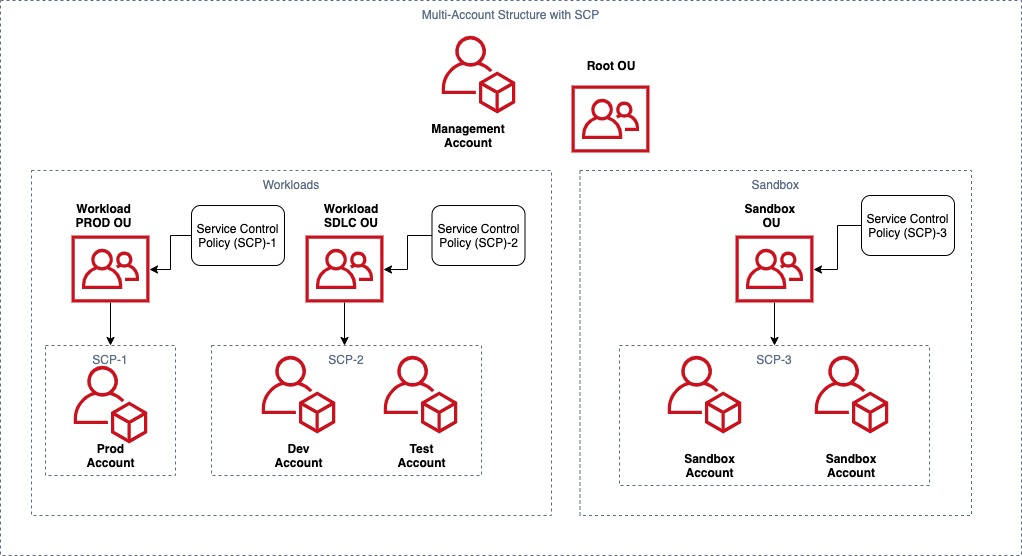
Figure 1. Applying SCPs on different environments for cost control
Optimize costs for data transfer
Data transfer represented one major category of overall AWS cost in our Cost Explorer report, so we used CloudZero’s Networking Sub-category Dimension to get insights into AWS outbound, Intra-Region (Availability Zone (AZ) to AZ), NAT gateway, and S3 outbound costs.
To get more insights, we also set up a temporary Data Transfer dashboard with Amazon QuickSight using the guidance in the AWS Well-Architected Cost Optimization lab. It showed us PublicIP charges for applications, NAT gateway charges for traffic between Amazon EC2 and Amazon S3 within the same Region, inter-AZ data transfer for Development and Test environments, and cross AZ data transfer for NAT gateway.
Figure 2 shows how we used Amazon S3 Gateway endpoints (continuous line) instead of an S3 public endpoint (dotted line) to reduce NAT gateway charges. For our Development and Test environments, we created application-database partitions to reduce inter-AZ data transfer.
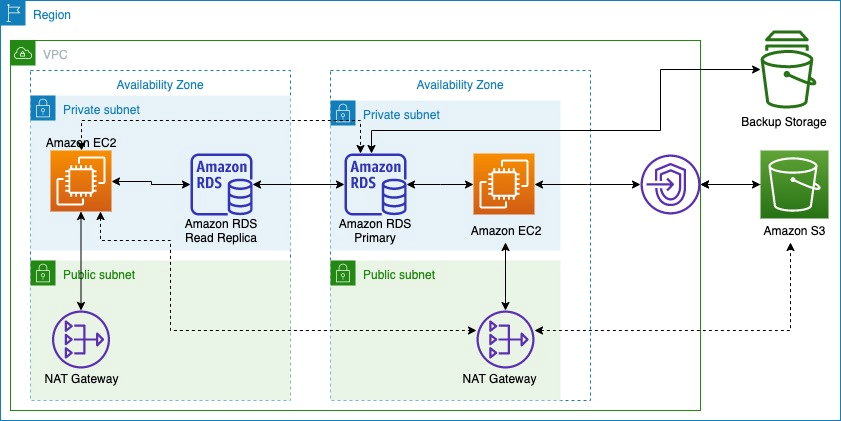
Figure 2. Data transfer charges across AZs and AWS services
Reduce storage costs
Update objects to use cost appropriate S3 storage class
In our review of the Cost Explorer report, we noticed that all objects were stored using the Standard storage class in Amazon S3. To update this, we used guidance from the Amazon S3 cost optimization for predictable and dynamic access patterns blog post to identify predictable data access patterns using Amazon S3 Storage Lens.
The number of GET requests, download bytes, and retrieval rate for Amazon S3 prefixes informed us how often datasets are accessed over a period of time and when a dataset is infrequently accessed. 40% of our objects on Amazon S3 have a dynamic data access pattern. Storing this data in S3 Standard-Infrequent Access could lead to unnecessary retrieval fees, so we transitioned dynamic data access pattern objects to Amazon S3 Intelligent-Tiering and updated applications to select S3 Intelligent-Tier when uploading such objects. For infrequently accessed objects, we created Amazon S3 lifecycle policies to automatically transition objects to Amazon S3 Standard-Infrequent Access, Amazon S3 One Zone-Infrequent Access, and/or Amazon S3 Glacier storage classes.
Adopt Amazon EBS gp3
Using guidance from a re:Invent talk on Optimizing resource efficiency with AWS Compute Optimizer, we identified EBS volumes that were over-provisioned by more than 30%. AWS Compute Optimizer automatically analyzed utilization patterns and metrics such as VolumeReadBytes VolumeWriteBytes, VolumeReadOps, and VolumeWriteOps for all EBS volumes in our AWS account to provide recommendations on migrating from gp2 to gp3 volumes.
The migrate your Amazon EBS volumes from gp2 to gp3 blog post helped us identify baseline throughput and IOPS requirements for our workload, calculate cost savings using the cost savings calculator, and provided steps to migrate to gp3.
Optimize compute costs
Adjust idle resources and under-utilized resources
Deploying Instance Scheduler on AWS helped us further cost optimize Amazon EC2 and Amazon Relational Database Service (Amazon RDS) resources in Development, Test, and Pre-production environments. This way, we only pay for the 40-60 hours per week instead of the full 168 hours in a week, providing 64-76% cost savings.
Migrate to latest generation Graviton2 instances
As user traffic grew, application throughput requirements changed significantly, which led to more compute cost. We migrated to the newest generation of Graviton2 instances with similar memory and CPU, achieving higher performance for reduced cost. We updated Amazon RDS on Graviton 2, Amazon ElasticCache to Graviton2, and Amazon OpenSearch on Graviton2 for low-effort cost savings. The following table shows the comparison in cost after we migrated to Graviton instances.
| Service | Previous Instance | Cost for on-demand (per hour) in us-east-1 | New Instance | Cost for on-demand (per hour) in us-east-1 | Cost Savings |
| Amazon RDS (PostgreSQL) | r5.4xlarge | 1.008 | r6g.4xlarge | 0.8064 | 20.00% |
| Amazon ElasticCache | cache.r5.2xlarge | 0.862 | cache.r6g.xlarge | 0.411 | 52.32% |
| Amazon OpenSearch (data nodes) | r5.xlarge.search | 0.372 | r6g.xlarge.search | 0.335 | 9.95% |
After that, we tested our Java-based applications to run on an arm64 processor using the guidance on the Graviton GitHub and AWS Graviton2 for Independent Software Vendors whitepaper. We conducted functional and non-functional tests on the application to ensure that it provides the same experience for users with improved performance.
Load testing for cost optimization
We included load testing in CI/CD pipeline to avoid over-provisioning and to identify resource bottlenecks before our application goes into production. To do this, we used Serverless Artillery workshop to set up a load testing environment in a separate AWS account. As a part of that load testing, we were able to simulate production traffic at required scale with much reduced cost than using EC2 instances.
Conclusion
In this blog post, we discussed how observations in Cost Explorer helped us identify improvements for cost management and optimization. We talked about how you get better cost visibility using CloudZero and apply cost control measures using SCPs. We also talked about how you can save data transfer cost, storage cost and compute cost with low effort.
Other blogs in this series
- Journey to Adopt Cloud-Native Architecture Series: #1 – Preparing your Applications for Hypergrowth
- Journey to Adopt Cloud-Native Architecture Series: #2 – Maximizing System Throughput
- Journey to Adopt Cloud-Native Architecture Series: #3 – Improved Resilience and Standardized Observability
- Journey to Adopt Cloud-Native Architecture Series: #4 – Governing Security at Scale and IAM Baselining
- Journey to Adopt Cloud-Native Architecture Series #5 – Enhancing Threat Detection, Data Protection, and Incident Response
Friday Squid Blogging: Bathyteuthis berryi Holding Eggs
Post Syndicated from Bruce Schneier original https://www.schneier.com/blog/archives/2022/07/friday-squid-blogging-bathyteuthis-berryi-holding-eggs.html
Image and video of a Bathyteuthis berryi carrying a few hundred eggs, taken at a depth of 4,650 feet.
As usual, you can also use this squid post to talk about the security stories in the news that I haven’t covered.
Read my blog posting guidelines here.
Седмицата (18–22 юни)
Post Syndicated from Светла Енчева original https://toest.bg/editorial-18-22-july-2022/
Измина още една седмица на политическа несигурност – и в международен, и във вътрешен план. Италианското правителство окончателно се разпадна по „примера“ на българското – заради непредвидими коалиционни партньори, а Европейският съюз прави планове за ограничаване на потреблението на газ. За Украйна най-сетне има и добри новини – с получените западни оръжия украинската армия постепенно започва да обезсилва руските окупатори.
Междувременно у нас статуквото направи някои успешни опити да си отвоюва обратно загубени позиции. Шансовете за правителство с мандата на БСП рязко намаляха. Но пък е трудно да се каже кое е по-малкото зло – привидно закърпване на нестабилното мнозинство и смекчаване на твърдата позиция към Русия, поне на декларативно ниво, или проруско служебно правителство и нови избори, резултатите от които едва ли ще гарантират стабилност.

На шансовете за ново правителство с мандата на БСП е посветен и не особено оптимистичният анализ на Емилия Милчева „Валс с мандата. (Не)поправимата коалиция“. „Счупеното носи щастие“ е фраза за лексикон и кръчма, но не върви за провалена коалиция, в която всички се наричаха всякак, гледаха в различни посоки, а лидерите им нито един път не се появиха заедно за тези 7 месеца“, смята Емилия. Дори да се загърбят ударите под кръста и да се преглътнат обидите, не може да се игнорира проруският уклон на БСП. Ако Корнелия Нинова успее да сглоби правителство, ще се окичи с лаври, но конструкцията няма как да е трайна.

Докато Столичната община въведе нови видове билети за градския транспорт, от началото на юни в Германия масово се пътува за 9 евро на месец. В статията си по темата се опитвам да обобщя основните предимства и недостатъци на експерименталната система близо два месеца след въвеждането ѝ, както и идеите за устойчивото ѝ продължаване. И разказвам за провокативни пънкари на луксозен остров, кондуктори, които не знаят какво да правят, експреси в цветовете на дъгата, висящи трамваи, Пина Бауш и Вим Вендерс.

Публичният транспорт е – поне на теория – общо благо. Както и обществените бани. На тях е посветена статията на Слава Савова „Наследството на минералните бани – общо благо, но не съвсем“. Управлението на минералните води и свързаната с тях инфраструктура следва да е приоритетно за държавните и местните политики. В България обаче това богатство става все по-малко достъпно, а управлението му – без гражданско участие. В Румъния ситуацията е аналогична. Слава ни разказва за гражданска инициатива в северната ни съседка, която се опитва да промени това, и дава няколко добри примера от Европа, които бихме могли да следваме.

Тази седмица Зорница Христова си позволява „предваканционна волност“ с рубриката „По буквите“ – препоръчва ни пет чуждоезични детски книги, които (все още) нямат български издания. Вдъхновена е от приятелка, която е създателка на американската организация A Book a Day – всяко лято тя носи в България редки и ценни книги и ги раздава на хора, занимаващи се с детска книжнина у нас.
В знак на благодарност Зорница разказва за няколко от скорошните ѝ находки. Това са Book of Questions на Пабло Неруда, ново двуезично издание на испански и английски, още три издания, преведени на английски: датското Coffee, Rabbit, Snowdrop, Lost на Бетина Биркиер, френското Crocodile Tears на Андре Франсоа и латвийското The Kiosk на Анете Мелеке, а накрая – оригиналното френско издание Comment traîner ses parents au musée, или „Как да мъкнем родителите си по музеи“, на издателство Minus Éditions.
В заключение се очаква да препоръчам нещо умно и съдържателно, но и аз като Зорница съм изпаднала в предваканционна, само че не толкова интелектуална волност. Затова имам само две кратки препоръки: таратор и диня.
Наследството на минералните бани – общо благо, но не съвсем
Post Syndicated from Слава Савова original https://toest.bg/nasledstvoto-na-mineralnite-bani/
В условията на все по-чести водни и енергийни кризи се очаква управлението на минералните води и свързаната с тях инфраструктура да е приоритетно за държавните и местните политики. Скорошни събития в България обаче подсказват, че това богатство ще става все по-малко достъпно, а управлението му – без гражданско участие.
Как можем да опазим материалното и нематериалното наследство, свързано с минералните води, в условия на сложна политическа и икономическа обстановка? Как може да бъде възстановен и запазен достъпът до инфраструктурите за лечение и отдих и има ли примери, които да следваме?
8 от 9 вида минерални води в един град! Но… без достъп до тях
През 2007 г. Столичната община изготвя Стратегия за използване на потенциала от минерални води и земна топлина (геотермална енергия). В съпътстващата карта са отбелязани локациите на над 30 планирани обекта – минерални бани, балнеоложки центрове, градски и крайпътни плажове. Днес, 15 години по-късно, актуална карта на работещите съоръжения би съдържала един-единствен обект – банята в Панчарево, ако не броим импровизираната къпалня в село Железница, поддържана с усилията на доброволци.
В страната достъпът до минералните води може да се опише като прогресивно изчезващ. Голяма част от все още работещите бани и балнеосанаториуми се намират в аварийно състояние, а най-старите бански постройки са попаднали в полезрението на регионални стратегии за развитие на туризма. Някогашната балнеолечебница при Бургаските минерални бани днес е музей, в който новоизваяни мраморни курни се пълнят с „усещане за вода“ под формата на прожекция в синьо. Този привидно безобиден пример се появява на фона на конфликти за правото на достъп до ограничения ресурс, които рядко се решават в полза на обществения интерес.
Спасение отвън или решение „отдолу нагоре“
Прехвърлянето на управлението на публична собственост и ресурси в ръцете на частни инвеститори е все още най-често предписваният „лек“ в условията на несвършващ Преход. Несигурната икономическа обстановка и ограничените средства, с които разполагат общините, са обичайният аргумент за „освобождаването“ от публична собственост. Но възможни ли са други подходи и какви са те?
Румънската гражданска инициатива Herculane Project развива дейността си в сходна на България среда, а както разбираме от Оана Кирила – архитект и основател на проекта, трудностите, с които се бори екипът ѝ, в някои случаи значително са по-сериозни от тези, които познаваме тук. Herculane Project е иницииран от неправителствената организация Locus Association през 2017 г. с две обективни цели: възстановяването на емблематичната баня „Нептун“ и оживяването на историческия център на балнеокурорта Байле Херкулане, който се намира в Югозападна Румъния.
Баня „Нептун“ е завършена през 1886 г. по проект на унгарския архитект Алпар Игнат след провеждането на архитектурен конкурс. В банята са на разположение 70 индивидуални бани, 10 каменни басейна, сауни и стаи за инхалация. Тя е част от стария курортен град Байле Херкулане – комплекс от малки хотели, вили, казино и други балнеолечебни постройки. Новата част на курорта започва да се развива през 70-те години на миналия век, когато е построен втори градски център заедно със съвременни хотели и балнеолечебна и изследователска инфраструктура. Днес новият град, без градоустройствен план, е обект на хаотични архитектурни намеси, които бързо променят облика му.
В Румъния, подобно на България, балнеологичната инфраструктура започва да запада след 1989 г. Според Оана Кирила основната причина е приватизацията на държавните имоти, в която държавата е губеща, а голяма част от сделките се оказват обект на корупционни практики. Състоянието на рушащата се баня „Нептун“ също е резултат от тези продължаващи няколко десетилетия процеси – общината е собственик на сградата, но не притежава земята, върху която е построена тя, а термалният извор е даден на концесия на трето лице. Банята е изоставена от 30 години насам.
В развитието на курорта в последно време са замесени интересите на високопоставени политици, много от които впоследствие се оказват на подсъдимата скамейка. Румънският политик и бизнесмен Йосиф Армаш е осъден за злоупотреба със служебно положение, за създаване и ръководене на организирана престъпна група и за присвояване и изкуствено фалиране на курорта Байле Херкулане, като е нанесъл щети за близо 30 млн. евро.


Работата на Herculane Project е затруднена и от честите смени на правителствата – в рамките на пет години на активистите от Locus Association им се налага да работят с пет различни министри на културата, което често означава започване отначало. Оана Кирила описва процеса като бавен и труден най-вече заради законовите пречки, свързани със собствеността на имота. Сградата е недвижима културна ценност от най-висока степен (обявена през 1980 г.), но неизяснените взаимоотношения между собствениците възпрепятстват и държавните инвестиции, и кандидатстването за европейско финансиране.
Въпреки този невъзможен сбор от обстоятелства Locus Association стартира своята инициатива преди пет години и успява да набере дарения на стойност 90 000 евро за спасително укрепване на сградата на баня „Нептун“. Проектът ангажира и местната общност, и посетителите на града, а чрез летни училища за опазване на архитектурното наследство активистите започват да подготвят младо поколение от специалисти, за които се надяват да допринесат към опазването на емблематичната сграда в бъдеще.


В момента състоянието на сградата все още е аварийно, а тази година тя влезе в списъка на седемте най-застрашени обекта на културното наследство в Европа – инициатива, стартирана през 2013 г. от Europa Nostra заедно с Института на Европейската инвестиционна банка и Съвета на Европейската банка за развитие.
Активистите от Locus Association вече търсят подкрепа за следващата си цел – провеждането на международен архитектурен конкурс, който да осигури възможно най-добрия експертен потенциал за възстановяването на баня „Нептун“. Според Оана Кирила проектът ще бъде успешен тогава, когато в него се включат три основни участници – държавата, частните инвеститори и гражданите, като нито един от тях не може да бъде заменен в процеса.
Градските бани принадлежат на града
Два европейски примера за успешно управление на минерални бани водят към едно съвсем просто решение – запазване на общинската собственост.
Общинските бани в Страсбург отварят врати след обновяването им през есента на 2021 г. Проектът е възложен след конкурс на студио Chatillon architectes и е реализиран в рамките на три години. Сградата на минералните бани е собственост на град Страсбург, възлагането и контролът върху реализацията на проекта се осъществява от общинската компания Société publique locale (SPL) des Deux-Rives, а оператор е специализираната в управлението на спортни обекти Equalia, със сключен договор за период от 9 години. Стойността на проекта възлиза на 33,5 млн. евро, а основните услуги се запазват на същите цени и след обновяването на баните, с билети, започващи от 1,50 евро на посещение.
Друг добър пример са баните в Будапеща, които се стопанисват от общинската компания Budapest Gyógyfürdői és Hévizei ZRT. Те преминават под управлението на Общината още в средата на XIX век, а през 1933 г. собствеността им е окончателно консолидирана под името „Термални бани и медицински извори на столичния град Будапеща“. Днес компанията се грижи за 12 обекта, най-старите от които са османски постройки, датиращи от XVI век. В последната година преди пандемията – 2019-та, в периода между януари и март, баните са посетени от близо 1 млн. души, а приходите за същия период възлизат на 12 млн. евро, които остават в града.
„София – бански и климатически център“
Това заглавие в сп. „Сердика“ от 1947 г. ни напомня за вече позабравени общи блага, които обаче са били важна част от благоустрояването на столицата. По това време в града работят минералните бани в Княжево, Горна баня, Овча купел, Банкя, Лозенец, Панчарево, Железница – и разбира се, Централната баня в София.
Минералните бани в България са в повечето случаи общинска собственост – едно добро условие за тяхното бъдещо възстановяване, което обаче е поставено под въпрос заради неудачни концесионни процедури или предоставянето им за ползване за други цели. Към момента в Столична община работи един-единствен експерт в областта на минералните води. Минералните бани и извори на града обаче имат нужда от ясна дългосрочна стратегия, каквато може да бъде изготвена от мултидисциплинарен екип в рамките на специално създадено за целта общинско предприятие.
С наближаването на местните избори минералните извори и възстановяването на баните несъмнено ще бъдат използвани за уплътняване на политическия дебат. Въпросът е дали сме съгласни бъдещето на споделеното ни наследство да бъде отново обект на фрагментирани предизборни решения, или на добре обмислена стратегия, в чийто център е действително общественият интерес.
Заглавна снимка: Баня „Нептун“ в балнеокурорта Байле Херкулане, Румъния © Martin Neagoe, 2019
По буквите: Пет чуждоезични детски книги
Post Syndicated from Зорница Христова original https://toest.bg/po-bukvite-pet-chuzhdoezichni-detski-knigi/
В емблематичната си колонка, започната още през 2008 г. във в-к „Култура“, Марин Бодаков ни представяше нови литературни заглавия и питаше с какво точно тези книги ни променят. Вярваме, че е важно тази рубрика да продължи. От човек до човек, с нова книга в ръка.
За последната колонка преди ваканцията искам да ви разкажа нещо. Всяко лято любима приятелка, реставратор на книги и създател на организацията A Book a Day, носи в България невероятни книги, които раздава на художници, автори, издатели – тоест хора, които се занимават с детска литература у нас. Всичко донесено от нея е рядко и ценно – с качеството на илюстрациите, с оригиналността на идеята, с чувствителния си подход и смелостта, с която подхваща трудни теми. Дори да не намерят пряк път към българските книжарници, тези издания безспорно вдъхновяват, дават смелост да тръгнем по нови пътища.
В знак на благодарност бих искала да представя някои от последните книжни съкровища тук. Вярвам, че читателите ще ми простят тази предваканционна волност, а може би сами ще намерят вдъхновение в тях.
Book of Questions
автор Пабло Неруда, двуезично издание на испански и английски, превод от испански Сара Лиса Полсън, илюстрации Палома Валдивия, Ню Йорк: изд. Enchanted Lion Books, 2022
 Кой е извикал от радост, когато се е родил синият цвят? Колко въпроса има в една котка? Как се нарича цветето, което прелита от птица на птица? Щяха ли да се обидят пчелите, ако мухите произвеждаха мед?
Libro de las Preguntas („Книга на въпросите“) на Пабло Неруда не е издавана на български, но е добре позната в Латинска Америка и особено в родината на автора – Чили. Тези стихотворения под формата на въпроси са събирани през целия живот на поета и са издадени година след смъртта му. Много деца знаят част от тях наизуст. Сега художничката Палома Валдивия е избрала 74 въпроса, за да ги превърне в разкошно издание за всички възрасти, а и очевидно да достави на себе си удоволствието да се „гмурне“ в пространствата, които отваря поезията. Отнело ѝ е около пет години – и казва, че е най-трудното нещо, с което се е захващала.
Големият формат, простите, разпознаваеми и в същото време изненадващи и характерни форми създават свят, който не дава отговори, а напротив, увлича ни да задаваме още повече въпроси. Също като самите стихотворения. У нас подобна чистота на изображенията има Люба Халева във „Весел, гъделичкащ смях“ на Маргарит Минков – книга, която също е на границата между детската литература и чистата поезия. Едва ли е съвпадение, че и за двете книги е нужен голям, щедър формат, за да разгърнат красотата си.


Coffee, Rabbit, Snowdrop, Lost
автор Бетина Биркиер, издание на английски, превод от датски Шинед Куърк Кьонгерскоу, илюстрации Ене Маргрете Киергор, Ню Йорк: изд. Enchanted Lion Books, 2022
 „Пънчето“ обича да прекарва време с баба си и дядо си – кръстословиците, цветята, пъзелите, ароматът на кафе, усещането за близост и същевременно безграничност на топлия и богат свят, който са създали заедно. Но постепенно дядото започва да забравя – да губи – думите, които съставляват този свят. А детето ги прибира в кутия, за да не се загубят завинаги. Докато един ден самият дядо не се изгубва.
Погледнах какви книги съществуват, за да обяснят на децата какво значи деменция – тема, до която много от тях неволно се докосват, независимо дали искаме, или не искаме да ги пазим. Не намерих по-красива, по-нежна и по-човешка. Илюстрациите и внимателно избраните думи акцентират не върху загубата, а върху онова, което го е имало – и безкрайния дар на общуването, за колкото и време да ни е дадено.
Crocodile Tears
автор и илюстратор Андре Франсоа, издание на английски, превод от френски Клаудия Зоу Бендрик, Ню Йорк: изд. Enchanted Lion Books, 2017
 Тази книга е чисто удоволствие – от самата игра да я извадиш от кутията, през която наднича престорено-тъжното крокодилско изражение, през следването на историята, която майсторски кръжи около нашите очаквания и винаги ги повежда в друга посока, та до смеха, който буди всяка илюстрирана приумица.
Книгата е издадена за пръв път през 1956 г. – може би затова ми напомня на книги от моето детство, чиято цел е била просто да доставят наслада, да те накарат да се засмееш, без да те поучават за нищо. А и собственичката на издателството (това е третата книга с неговото лого в тази селекция) определено има вкус към източноевропейската традиция в областта на детската литература.
Подобно заглавие ми донесе преди години друга приятелка – става въпрос за What Do You Say, Dear на Морис Сендак. Няма тематична връзка, просто същия закачлив уж-инструктаж.

The Kiosk
автор и илюстратор Анете Мелеке, издание на английски, превод от латвийски Елина Браслина, Уелингтън: изд. Gecko Press, 2020
 Една жена работи в будка – и буквално я изпълва цялата. Прекарва целите си дни там, чете списания за пътешествия, докато целият град се движи покрай нея – но тя остава на място.
Един ден обаче става малко произшествие и се оказва, че дори тясното пространство, което обитава, не може да я спре да стигне дотам, докъдето ѝ се ще.
Авторката е латвийка, част от една богата и бързо развиваща се детска литература, която тепърва ще опознаваме. Много интересна цветова гама, едри, приканващи към смях и игра образи. Жива и забавна книга.
Comment traîner ses parents au musée
издание на френски, Лил: изд. Minus Éditions, 2022
 Още една книга, дошла до мен по друг път. На шега – на майтап, този „наръчник“ със заглавие „Как да замъкнем родителите си по музеи“ добре ни нарежда нас, възрастните, които вечно се силим да „образоваме“ и „възпитаме“ децата си, да напълним главите им уж на игра, но с образователно съдържание – често без да прилагаме същите високи принципи към себе си.
Заниманията в тази мъничка книжка определено не са образователни – да измислиш реплики на персонажите от статуи и картини, да гадаеш кой художник е умрял и кой не е, да разпиташ пазача в галерията коя му е любимата картина или кой посетител днес е бил най-забавен (да не се пробва с пазителките от Градската галерия!), да напишеш кои три произведения не са ти харесали хич (и да отговориш на плачливия им въпрос „Ама защооооо?“) и т.н. Обаче са наистина забавни и крайно непочтителни, което е свеж полъх в атмосферата на пълна благовъзпитаност, към която иначе най-строго се придържаме на такива места. Нали така?


Заглавно изображение: Колаж от кориците на книгите и снимка на Tirachard Kumtanom / Pexels
AWS re:Inforce 2022: Network & Infrastructure Security track preview
Post Syndicated from Satinder Khasriya original https://aws.amazon.com/blogs/security/aws-reinforce-2022-network-infrastructure-security-track-preview/
Register now with discount code SALvWQHU2Km to get $150 off your full conference pass to AWS re:Inforce. For a limited time only and while supplies last.

Today we’re going to highlight just some of the network and infrastructure security focused sessions planned for AWS re:Inforce. AWS re:Inforce 2022 will take place in-person in Boston, MA July 26-27. AWS re:Inforce is a learning conference focused on security, compliance, identity, and privacy. When you attend the event, you have access to hundreds of technical and business sessions, demos of the latest technology, an AWS Partner expo hall, a keynote speech from AWS Security leaders, and more. re:Inforce 2022 organizes content across multiple themed tracks: identity and access management; threat detection and incident response; governance, risk, and compliance; networking and infrastructure security; and data protection and privacy. This post describes some of the Breakout sessions, Chalk Talk sessions, Builders’ sessions, and Workshops that are planned for the Network & Infrastructure Security track. For information on the other re:Inforce tracks, see our previous re:Inforce blog posts.
Breakout sessions
These are lecture-style presentations that cover topics at all levels and delivered by AWS experts, builders, customers, and partners. Breakout sessions typically include 10–15 minutes of Q&A at the end.
NIS201: An overview of AWS firewall services and where to use them
In this session, review the firewall services that can be used on AWS, including OS firewalls (Windows and Linux), security group, NACLs, AWS Network Firewall and AWS WAF. This session covers a quick description of each service and where to use it and then offer strategies to help you get the most out of these services.
NIS306: Automating patch management and compliance using AWS
In this session, learn how you can use AWS to automate one of the most common operational challenges that often emerge on the journey to the cloud: patch management and compliance. AWS gives you visibility and control of your infrastructure using AWS Systems Manager. See firsthand how-to setup and configure an automated, multi-account and multi-region patching operation using Amazon CloudWatch Events, AWS Lambda, and AWS Systems Manager.
NIS307: AWS Internet access at scale: Designing a cloud-native internet edge
Today’s on-premises infrastructure typically has a single internet gateway that is sized to handle all corporate traffic. With AWS, infrastructure as code allows you to deploy in different internet access patterns, including distributed DMZs. Automated queries mean you can identify your infrastructure with an API query and ubiquitous instrumentation, allowing precise anomaly detection. In this session, learn about AWS native security tools like Amazon API Gateway, AWS WAF, ELB, Application Load Balancer, and AWS Network Firewall. These options can help you simplify internet service delivery and improve your agility.
NIS308: Deploying AWS Network Firewall at scale: athenahealth’s journey
When the Log4j vulnerability became known in December 2021, athenahealth made the decision to increase their cloud security posture by adding AWS Network Firewall to over 100 accounts and 230 VPCs. Join this session to learn about their initial deployment of a distributed architecture and how they were able to reduce their costs by approximately two-thirds by moving to a centralized model. The session also covers firewall policy creation, optimization, and management at scale. The session is aimed at architects and leaders focused on network and perimeter security that are interested in deploying AWS Network Firewall.
Builders’ sessions
These are small-group sessions led by an AWS expert who guides you as you build the service or product on your own laptop. Use your laptop to experiment and build along with the AWS expert.
NIS251: Building security defenses for edge computing devices
Once devices run applications at the edge and are interacting with various AWS services, establishing a compliant and secure computing environment is necessary. It’s also necessary to monitor for unexpected behaviors, such as a device running malicious code or mining cryptocurrency. This builders’ session walks you through how to build security mechanisms to detect unexpected behaviors and take automated corrective actions for edge devices at scale using AWS IoT Device Defender and AWS IoT Greengrass.
NIS252: Analyze your network using Amazon VPC Network Access Analyzer
In this builders’ session, review how the new Amazon VPC Network Access Analyzer helps you identify network configurations that can lead to unintended network access. Learn ways that you can improve your security posture while still allowing you and your organization to be agile and flexible.
Chalk Talk sessions
These are highly interactive sessions with a small audience. Experts lead you through problems and solutions on a digital whiteboard as the discussion unfolds.
NIS332: Implementing traffic inspection capabilities at scale on AWS
Join this chalk talk to learn about a broad range of security offerings to integrate firewall services into your network, including AWS WAF, AWS Network Firewall, and third-party security products. Learn how to choose network architectures for these firewalling options to help protect inbound traffic to your internet-facing applications. Also learn best practices for applying security controls to various traffic flows, such as internet egress, east-west, and internet ingress.
NIS334: Building Zero Trust from the inside out
What is a protect surface and how can it simplify achieving Zero Trust outcomes on AWS? In this chalk talk, discover how to layer security controls on foundational services, such as Amazon EC2, Amazon EKS, and Amazon S3, to achieve Zero Trust. Starting with these foundational services, learn about AWS services and partner offerings to add security layer by layer. Learn how you can satisfy common Zero Trust use cases on AWS, including user, device, and system authentication and authorization.
Workshops
These are interactive learning sessions where you work in small teams to solve problems using AWS Cloud security services. Come prepared with your laptop and a willingness to learn!
NIS372: Build a DDoS-resilient perimeter and enable automatic protection at scale
In this workshop, learn how to build a DDoS-resilient perimeter and how to use services like AWS Shield, AWS WAF, AWS Firewall Manager, and Amazon CloudFront to architect for DDoS resiliency and maintain robust operational capabilities that allow rapid detection and engagement during high-severity events. Learn how to detect and filter out malicious web requests, reduce attack surface, and protect web-facing workloads at scale with maximum automation and visibility.
NIS373: Open-source security appliances with ELB Gateway Load Balancer
ELB Gateway Load Balancer (GWLB) can help you deploy and scale security appliances on AWS. This workshop focuses on integrating GWLB with an open-source thread detection engine from Suricata. Learn about the mechanics of GWLB, build rules for GeoIP blocking, and write scripts for enhanced malware detection. The architecture relies on AWS Transit Gateway for centralized inspection; automate it using a GitOps CI/CD approach.
NIS375: Segmentation and security inspection for global networks with AWS Cloud WAN
In this workshop, learn how to build and design connectivity for global networks using native AWS services. The workshop includes a discussion of security concepts such as segmentation, centralized network security controls, and creating a balance between self-service and governance at scale. Understand new services like AWS Cloud WAN and AWS Direct Connect SiteLink, as well as how they interact with existing services like AWS Transit Gateway, AWS Network Firewall, and SD-WAN. Use cases covered include federated networking models for large enterprises, using AWS as a WAN, SD-WAN at scale, and building extranets for partner connectivity.
NIS374: Strengthen your web application defenses with AWS WAF
In this workshop, use AWS WAF to build an effective set of controls around your web application and perform monitoring and analysis of traffic that is analyzed by your web ACL. Learn to use AWS WAF to mitigate common attack vectors against web applications such as SQL injection and cross-site scripting. Additionally, learn how to use AWS WAF for advanced protections such as bot mitigation and JSON inspection. Also find out how to use AWS WAF logging, query logs with Amazon Athena, and near-real-time dashboards to analyze requests inspected by AWS WAF.
If any of the above sessions look interesting, consider joining us by registering for AWS re:Inforce 2022. We look forward to seeing you in Boston!
If you have feedback about this post, submit comments in the Comments section below.
Want more AWS Security how-to content, news, and feature announcements? Follow us on Twitter.
Metasploit Weekly Wrap-Up
Post Syndicated from Christophe De La Fuente original https://blog.rapid7.com/2022/07/22/metasploit-weekly-wrap-up-167/
The past, present and future of Metasploit
Don’t miss Spencer McIntyre’s talk on the Help Net Security’s blog. Spencer is the Lead Security Researcher at Rapid7 and speaks about how Metasploit has evolved since its creation back in 2003. He also explains how the Framework is addressing today’s offensive security challenges and how important is the partnership with the community.
LDAP swiss army knife
This week, our very own @gwillcox-r7 added an auxiliary module that will likely help you to dump useful information from LDAP servers. This module allows you to remotely retrieve data using either your own custom query or a set of LDAP queries under a specific category. In addition to the available predefined queries, the user can also provide a JSON or YAML file containing custom queries to be executed.
Here are the available predefined queries:
msf6 auxiliary(gather/ldap_query) > show actions

Auxiliary actions:

   Name                      Description
   ----                      -----------
   ENUM_ACCOUNTS             Dump info about all known user accounts in the domain.
   ENUM_ALL_OBJECT_CATEGORY  Dump all objects containing any objectCategory field.
   ENUM_ALL_OBJECT_CLASS     Dump all objects containing any objectClass field.
   ENUM_COMPUTERS            Dump all objects containing an objectCategory of Computer.
   ENUM_DOMAIN_CONTROLLERS   Dump all known domain controllers.
   ENUM_EXCHANGE_RECIPIENTS  Dump info about all known Exchange recipients.
   ENUM_EXCHANGE_SERVERS     Dump info about all known Exchange servers.
   ENUM_GROUPS               Dump info about all known groups in the LDAP environment.
   ENUM_ORGROLES             Dump info about all known organizational roles in the LDAP environment.
   ENUM_ORGUNITS             Dump info about all known organization units in the LDAP environment.
   RUN_QUERY_FILE            Execute a custom set of LDAP queries from the JSON or YAML file specified by QUERY_FILE.
   RUN_SINGLE_QUERY          Execute a single LDAP query using the QUERY_FILTER and QUERY_ATTRIBUTES options.
Here is how you can dump information about users in a Windows domain:
msf6 auxiliary(gather/ldap_query) > set action ENUM_ACCOUNTS
action => ENUM_ACCOUNTS
msf6 auxiliary(gather/ldap_query) > run RHOSTS=10.0.0.33 BIND_DN=MYDOMAIN\\Administrator BIND_PW=123456
[*] Running module against 10.0.0.33

[+] Successfully bound to the LDAP server!
[*] Discovering base DN automatically
[+] 10.0.0.33:389 Discovered base DN: DC=mydomain,DC=local
[*] CN=DC02 OU=Domain Controllers DC=mydomain DC=local
===============================================

 Name                Attributes
 ----                ----------
 displayname         DC02$
 name                DC02
 samaccountname      DC02$
 useraccountcontrol  532480

[*] CN=Administrator CN=Users DC=mylab DC=local
===========================================

 Name                Attributes
 ----                ----------
 name                Administrator
 samaccountname      Administrator
 useraccountcontrol  512

 ...[SNIP]...
Win2k summer clean up
For those nostalgic about old Windows systems, bcoles did a great cleanup of old modules targeting Win2k. He breathed life back into modules such as ms01_023_printer, ms02_065_msadc and ms03_007_ntdll_webdav by fixing many issues and adding offsets to support many more Win2k flavors.
New module content (1)
- LDAP Query and Enumeration Module by Grant Willcox – This adds a generic module to perform LDAP queries. Users can execute custom queries either through configuration files on disk, or through a combination of datastore options. The module also includes multiple builtin queries for common operations.
Enhancements and features (7)
- #16737 from adfoster-r7 – This removes the code duplication in the MSSQL client mixins and refactors the code into a single main mixin.
- #16754 from bcoles – Adds additional offsets for various Windows 2000 Professional targets in the ms02_065_msadc module. Also adds documentation and notes.
- #16761 from bcoles – Adds additional offsets for various Windows 2000 targets, replaces raw socket TCP with HttpClient, fixes default payload, adds docs and notes.
- #16776 from bcoles – Adds a ftp-http command stager for FTP clients which support http(s) URLs via
set cmdstager::flavor ftp_http. - #16778 from bcoles – The checkvm script at
./scripts/meterpreter/checkvm.rbhas been removed andpost/windows/gather/checkvm.rbnow replaces it. Additionally, thepost/windows/gather/checkvm.rbscript has been updated to include missing features from./scripts/meterpreter/checkvm.rbto ensure backwards compatibility. - #16789 from adfoster-r7 – This adds OpenSSL version information to the report generated by the
debugcommand. - #16792 from adfoster-r7 – This improves support for various OpenSSL 3 related errors during console start.
Bugs fixed (2)
- #16743 from adfoster-r7 – Fixes a crash when using the
scanner/mssql/mssql_loginmodule with thetdsencryptionandUSE_WINDOWS_AUTHENToptions set totrue. - #16753 from bcoles – This PR fixes several bugs present in the module, including shifting from Meterpreter to shell payloads, better checking, and added targets anddocumentation.
Get it
As always, you can update to the latest Metasploit Framework with msfupdate
and you can get more details on the changes since the last blog post from
GitHub:
If you are a git user, you can clone the Metasploit Framework repo (master branch) for the latest.
To install fresh without using git, you can use the open-source-only Nightly Installers or the
binary installers (which also include the commercial edition).
UniFi Dream Router – UDR – Overview and Setup
Post Syndicated from Crosstalk Solutions original https://www.youtube.com/watch?v=EUh2522iGHk
Cloud Threat Detection: To Agent or Not to Agent?
Post Syndicated from Gadi Naor original https://blog.rapid7.com/2022/07/22/cloud-threat-detection-to-agent-or-not-to-agent/

The shift towards cloud and cloud-native application architectures represents an evolutionary step forward from older paradigms. The adoption of containers, Kubernetes, and serverless functions, along with the use of cloud-based infrastructure, introduces a new set of risks and security challenges — as well as new opportunities. These go well beyond application security and security posture management, spanning from the build phase all the way to the application run phase.
Three areas for cloud-native security
One particular area of focus for security defenses is actively security monitoring cloud-based applications and cloud workloads, often referred to as runtime security.
We can break down cloud-based runtime security into three main categories:
1. Cloud environment security
The cloud environment is where we provision the infrastructure and services to run our applications. Running applications often involves provisioning computing resources, networking, storage resources, and access credentials to external elements such as data, external services, or secrets. This is the foundation that our cloud applications are built on, and is a critical first step in ensuring their integrity.
2. Workload and workload orchestration security
Operating modern cloud-native applications often means leveraging a container orchestration platform. In recent years, Kubernetes has been the go-to application server vehicle. Leveraging application server infrastructure like Kubernetes requires attention from a risk and threat perspective. For example, Kubernetes credentials theft, or credential compromise as a result of application breach, can be detected through continuously analyzing the Kubernetes audit log. Another example would be the detection of malware that exploit inherent weaknesses in DNS protocol through network security analysis of the workload (Pod) communications.
3. Application security
If the cloud environment is our workload vehicle where we operate and run our workloads, and containerized workloads are our application vehicle, then OS processes are where our application logic runs. Cloud functions are another example of normally short-lived processes that carry our application logic. Protecting applications is a long-standing challenge on its own. This includes application API security, memory protection, data protection, network isolation, and control, and can be achieved using multiple techniques — some of which are only practically possible through the use of security agents.
Security agents defined
Security agents represent a specialized software deployed on an application workload or application endpoint to perform specific security functions, such as network monitoring, process-level monitoring, memory monitoring, file system monitoring, system API call monitoring, and memory monitoring. They may be involved in preventive actions, detection actions, or security forensics data collection actions.
For example, we can deploy security agents to virtual machines (cloud instances) and provide host-level security. We can use security agents for containerized environments like Kubernetes, where one security agent monitors and secures Kubernetes Pods, as well as the Kubernetes node itself. We can also have embedded security agents that monitor and secure serverless functions such as Lambda, or even security agents that provide process-level security and API-level security.
Agentless security is an approach that leverages security signals obtained via cloud APIs, such as network flows, DNS flows, cloud API access audit logs, or application API access logs. Collecting data from those security signals incurs a lower operational cost than agent-based security, but it can come with some limitations. For instance, in application security, the agentless approach has fewer security signals to analyze, and may not support some threat detection techniques such as process system call analysis.
Should I use agents to secure my cloud applications?
So should you be using agents, or not? The answer really boils down to how wide and deep a detection and protection fabric you want to cast, and how many skilled personnel are available to deploy and operate various security controls and respond to security incidents.
Agents provide a greater level of detail, and are generally your best bet when it comes to preemptive prevention of fine-grained policy-based controls such as network segmentation. However, they also require additional effort and overhead to manage the agents themselves with regular updates and configurations.
The agentless approach is excellent at correlating, segmenting, and analyzing data from various workloads, as it does not rely on sharing resources with the monitored workloads. That said, you’re going to sacrifice depth of coverage at certain layers of the stack as a trade-off to relatively lower operational overhead, because agentless approaches rely on cloud provider APIs, which are less granular than what host/workload or process-level agents can collect.
So to achieve comprehensive security and balance operational overhead, the recommendation is typically to leverage both technologies.
You’ll likely want to use an agentless approach to get fast and wide coverage of both risks and threats, or in places where agents can not be deployed, such as a hosted container environment like AWS Fargate or Cloud Functions. Another example would be to assess software vulnerability and detect persistent malware — which can be achieved using both technologies, but with different levels of time until detection.
Conversely, agents can be used in environments like Kubernetes where the operational overhead is relatively low, and the containerized workload granularity requires fine-grained and deeper security controls.
The decision of where to use an agent-based approach depends on what you’re trying to secure. If you’re looking to get real-time visibility into all of your cloud resources and workloads, establish a single source of “good” across your multiple cloud platforms, prioritize risk across your environments, and measure compliance against organizational and industry standards and best practices, an agentless approach like InsightCloudSec is a great choice.
ViewSonic G220fb: An Awesome 21" CRT Monitor from 2003
Post Syndicated from LGR original https://www.youtube.com/watch?v=ySQzXpYETXc
[$] Stuffing the return stack buffer
Post Syndicated from original https://lwn.net/Articles/901834/
“Retbleed”
is the name given to a class of speculative-execution vulnerabilities
involving return instructions. Mitigations for Retbleed have found their
way into the mainline kernel but, as of this writing, some remaining
problems have kept them from the stable update releases. Mitigating
Retbleed can impede performance severely, especially on some Intel
processors. Thomas Gleixner and Peter Zijlstra think they have found a better
way that bypasses the existing mitigations and misleads the processor’s
speculative-execution mechanisms instead.
Simplify SIEM Optimization With InsightIDR
Post Syndicated from Margaret Wei original https://blog.rapid7.com/2022/07/22/simplify-siem-optimization-with-insightidr/
Two key ways InsightIDR helps customers tailor reporting, detection, and response — without any headaches

For far too many years, security teams have accepted that with a SIEM comes compromise. You could have highly tailored and custom rule sets, but it meant endless amounts of tuning and configuration to create and manage them. You could have pre-built content, but that meant rigidity and noise. You could have all the dashboard bells and whistles, but that meant finding the unicorn that knew how to navigate them. Too many defenders have carried this slog, accepting this traditional SIEM reality as “it is what it is.” No more!
It’s possible to have it all — an intuitive interface and sophisticated tuning and customization
With InsightIDR, Rapid7’s leading SIEM and XDR, you can have the best of both worlds — an easy-to-use tool that’s also incredibly sophisticated. InsightIDR makes it easy and intuitive to tune your detections (without heavy script-writing or configuration required). When it comes to viewing your environment’s data and sharing key metrics, our Dashboard Library and reports are readily available and highly customizable for your unique needs.
Filter out the noise with fine-tuned alerts
Every time an analyst creates an alert it takes work. At Rapid7, we want to save you time and advance your security posture — which is where our Detections Library comes in. Curated and managed by our MDR SOC team, you can rest assured that you’ll only be alerted to behaviors that are worthy of human review so that you can make the most out of your limited time and focus on the threats that really matter.
While we focus on creating a curated, high-fidelity library of detections, we know each environment has its unique challenges — which is why our attacker behavior analytics (ABA) detections are robustly tuneable. You can also get more granular with your tuning and take the following actions:
- Create custom alerts when your organization calls for niche detections.
- Customize UBA directions so you’re in control of which you have turned on to align your alerting with your environment.
- Modify ABA detections by changing the rule action, modifying its priority, and adding exceptions to the rule.
- Stay on top of potential noise with Relative Activity, a new score for ABA detection rules that analyzes and identifies detection rules that might cause frequent investigations or notable events if switched on, as well as determines which rules may benefit from tuning, either by changing the Rule Action or adding exceptions.
Customize dashboards and reports to best suit your team
With InsightIDR, teams have access to over 45 (and counting) dashboards out of the box — from compliance dashboards for frameworks like HIPAA or ISO to Active Directory Admin Activity — to help your team focus on driving faster decision-making.
Analysts can also leverage this pre-built content as a springboard for customizing their own reports. InsightIDR provides multiple query modes and methods for creating data visualizations — so whether you are more comfortable with loose keyword search, working in our intuitive query language, or simply clicking on charts to narrow down results — every analyst can operate as an expert, regardless of their prior SIEM experience.
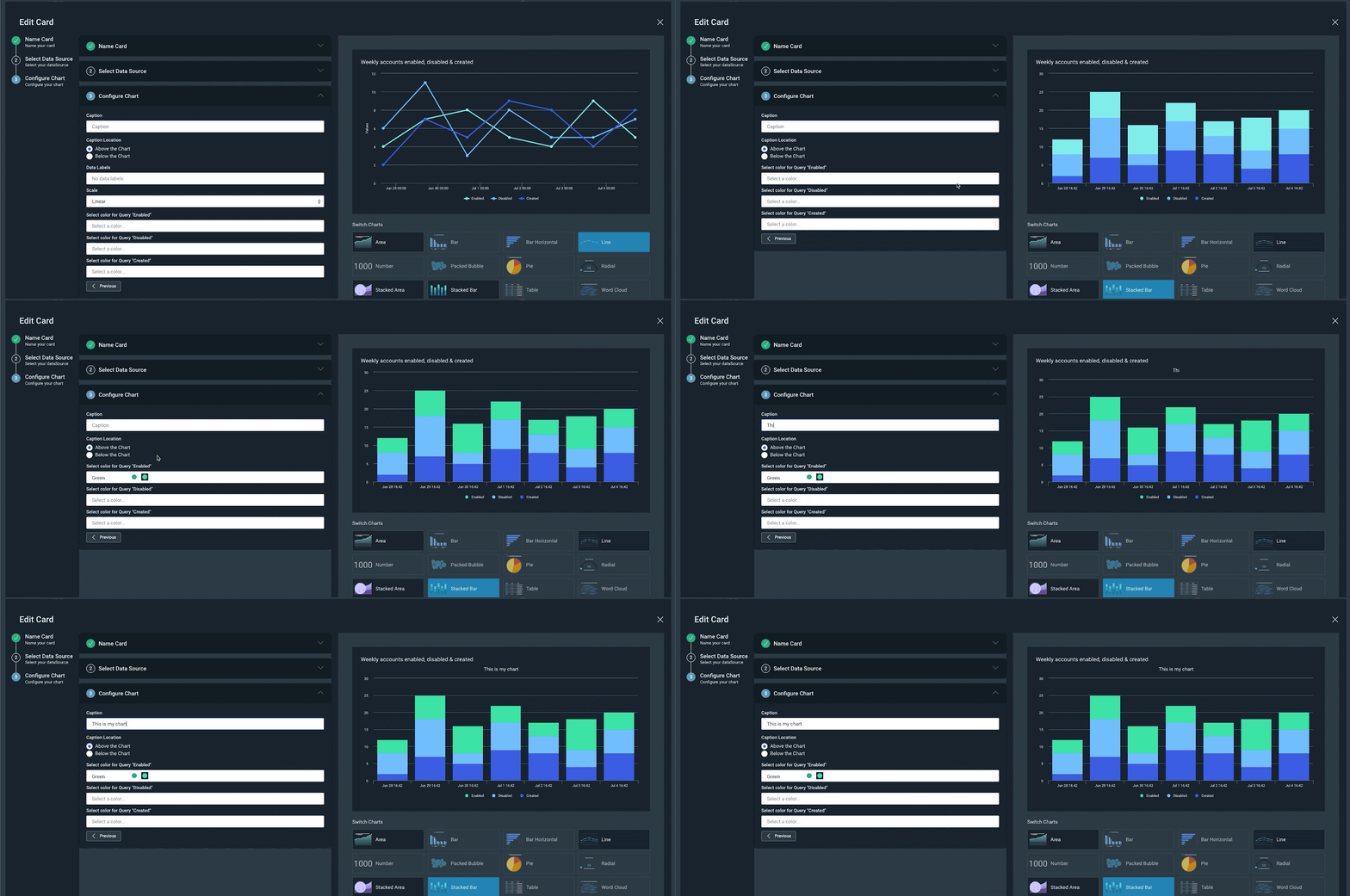
InsightIDR also makes it easy to share findings and important metrics with anyone in your organization — send an interactive HTML or PDF report of any dashboard with the click of a button.
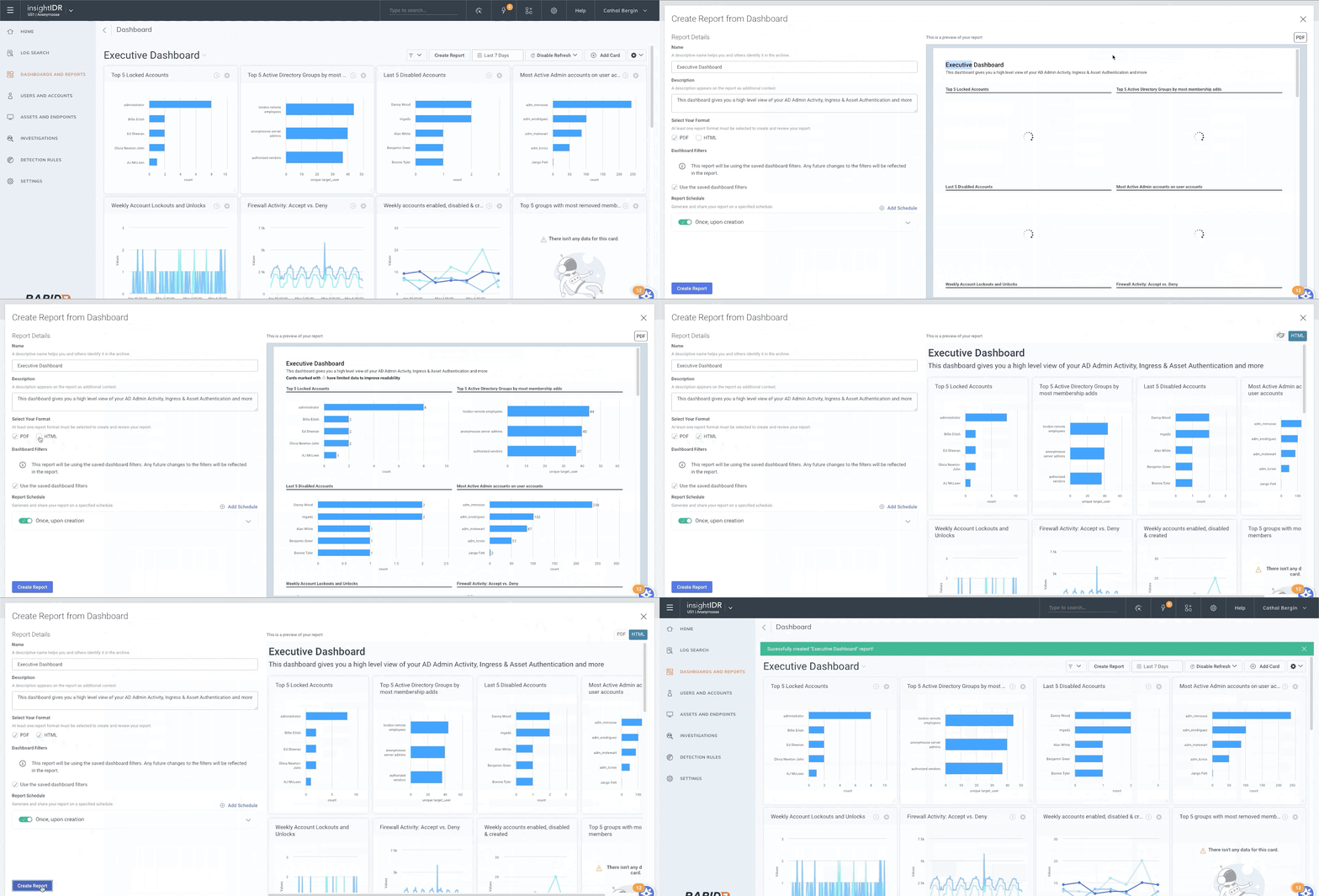
Check out the other ways InsightIDR can help drive successful detection and response for your team here.
Additional reading: