AWS Week in Review – February 20, 2023

Post Syndicated from Channy Yun original https://aws.amazon.com/blogs/aws/aws-week-in-review-february-20-2023/
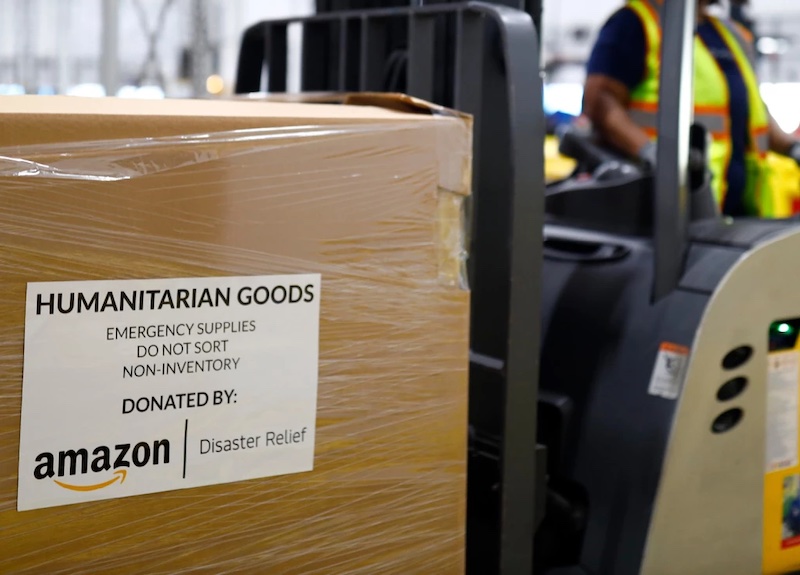
Since the devastating earthquake in Türkiye and Syria, Amazon has activated disaster relief services to quickly provide relief items to impacted areas. The company and Amazon customers have donated nearly 100,000 relief items so far, and donations continue to come in.

The AWS Disaster Preparedness and Response team is providing trained technical volunteers and solutions to Help.NGO, a United Nations standby partner assisting in the region.

We continue to support field requests for winter survival equipment, clothing, hygiene products, and other items. If you wish to donate, check out our blog post to find your local donation site and to learn more about how we’ve supported relief efforts so far. Thank you for your support!

Last Week’s Launches
As usual, let’s take a look at some launches from the last week that I want to remind you of:

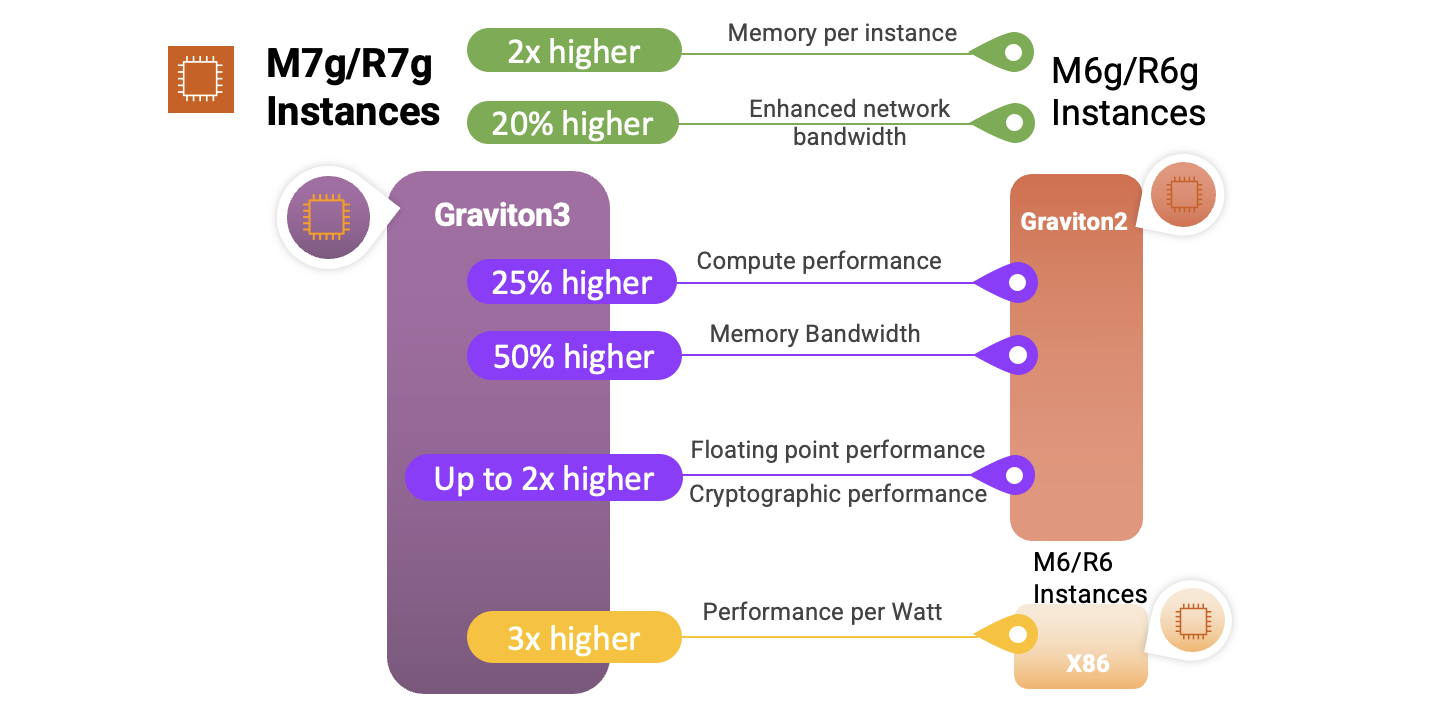
New Amazon EC2 M7g and R7g instances – Since we launched C7g instances in May 2022, the General Purpose (M7g) and the Memory-Optimized (R7g) instances are generally available. Both types are powered by the latest generation AWS Graviton3 processors, and are designed to deliver up to 25 percent better performance than the equivalent sixth-generation (M6g and R6g) instances, making them the best performers in Amazon EC2.

Here is my infographic to highlight the principal performance and capacity improvements that we have made available with the new instances:
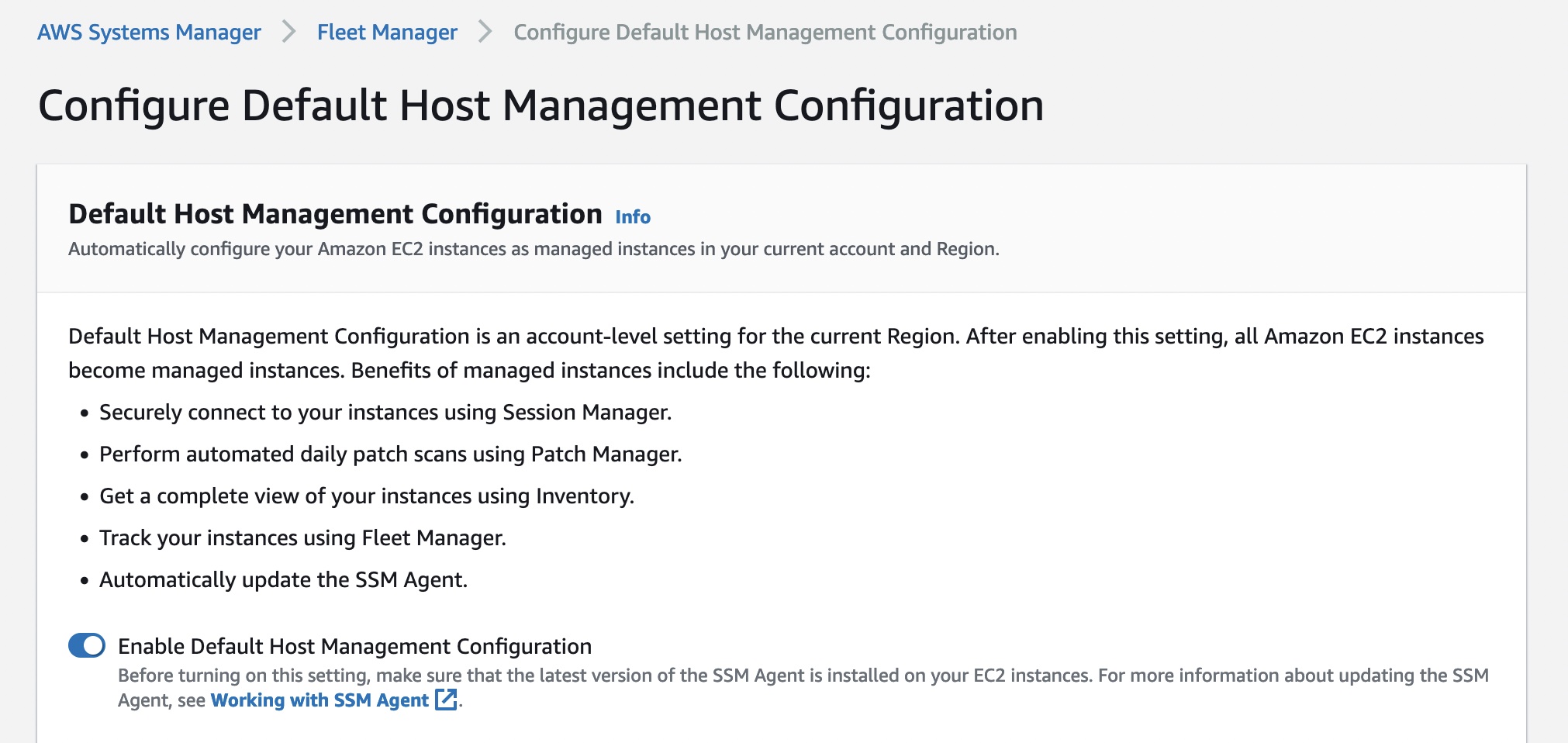
Enable AWS Systems Manager across all Amazon EC2 instances – All EC2 instances in your account become managed instances, with a single action using the Default Host Management Configuration (DHMC) Agent without changing existing instance profile roles. DHMC is ideal for all EC2 users, and offers a simple, scalable process to standardize the availability of System Manager tools for users who manage many instances. To learn more, see Default Host Management Configuration in the AWS documentation.
Programmatically manage opt-in AWS Regions – You can now view and manage enabled and disabled opt-in AWS Regions on your AWS accounts using AWS APIs. You can enable, disable, read, and list Region opt status by using the following AWS CLI commands in case of enabling Africa (Cape Town) Region:

$ aws account enable-region --region-name af-south-1
$ aws account get-region-opt-status --region-name af-south-1 
{ 
   "RegionName": "af-south-1", 
   "RegionOptStatus": "ENABLING" 
}

It will save you the time and effort of doing it through the AWS Management Console. To learn more, see Specifying which AWS Regions your account can use in the AWS documentation.

Pictured: A 3D rendering of the AWS Modular Data Center (MDC) unit.AWS Modular Data Center (AWS MDC) – AWS MDC is available as a self-contained modular data center unit: an environmentally controlled physical enclosure that can host racks of AWS Outposts or AWS Snow Family devices. AWS MDC lets defense customers run low-latency applications in infrastructure-limited environments for scenarios like large-scale military operations, crisis response, and security cooperation.

At this time, AWS MDC is now available in the AWS GovCloud Regions, and this service can only be purchased by the U.S. Department of Defense under the Joint Warfighting Cloud Capability (JWCC) contract. To learn more, read the AWS Public Sector Blog post.
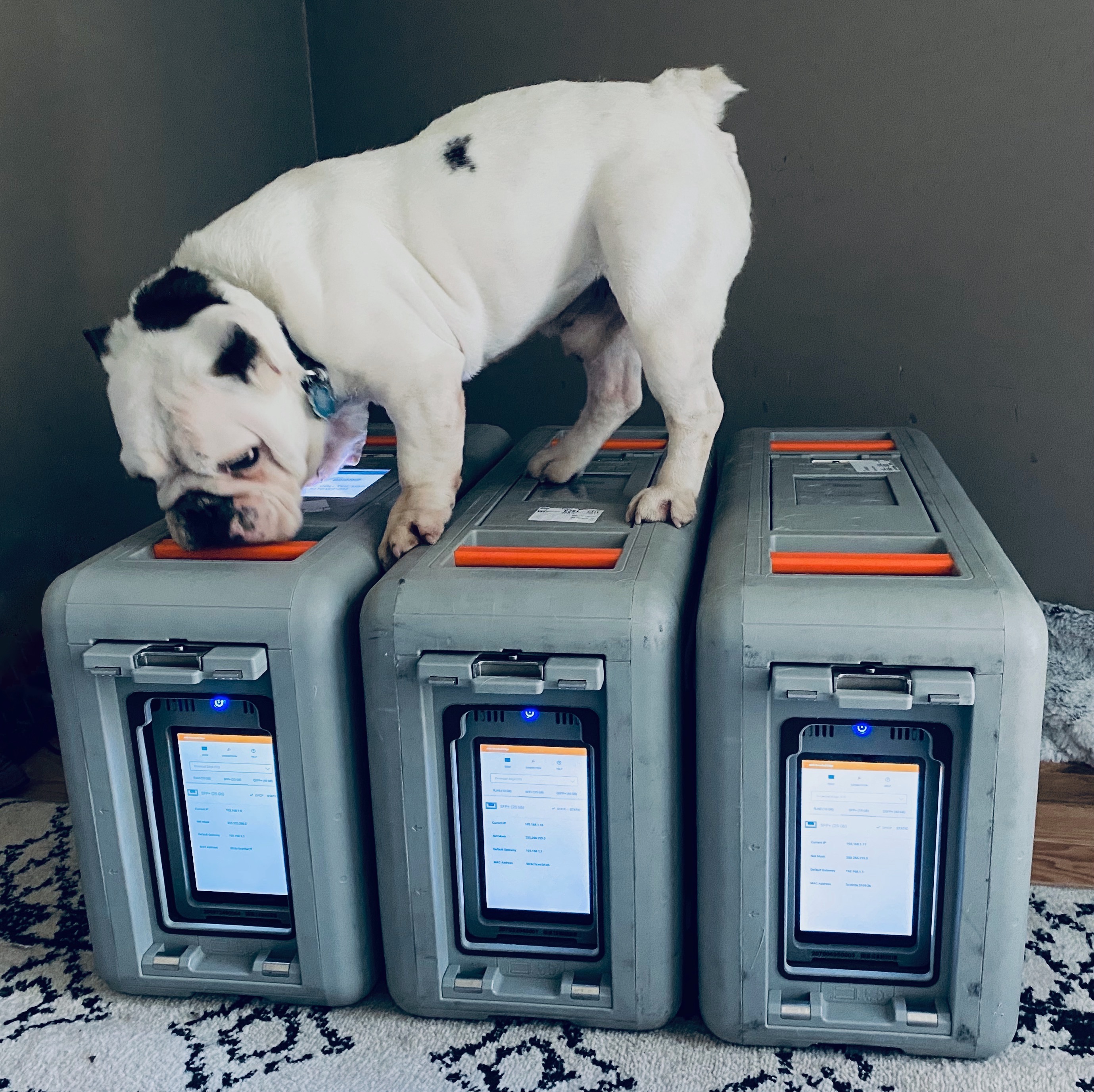
A picture of a cute English bulldog on top of 3 AWS Snowball Edge device. Amazon EKS Anywhere on Snow – This is a new deployment option that helps you create and operate Kubernetes clusters on AWS Snowball Edge devices for provisioning and familiar operational visibility tooling of container applications deployed at the edge.

Amazon EKS Anywhere on Snow is ideal for customers who run their operations using secure and durable AWS Snow Family devices in unconditioned or mobile environments such as construction sites, ships, and rapidly deployed military forces. To learn more, read the AWS Container Blog post.

For a full list of AWS announcements, be sure to keep an eye on the What’s New at AWS page.

Other AWS News
Here are some other news items that you may find interesting in the last week:

Upcoming AWS Events
Check your calendars and sign up for these AWS-led events:

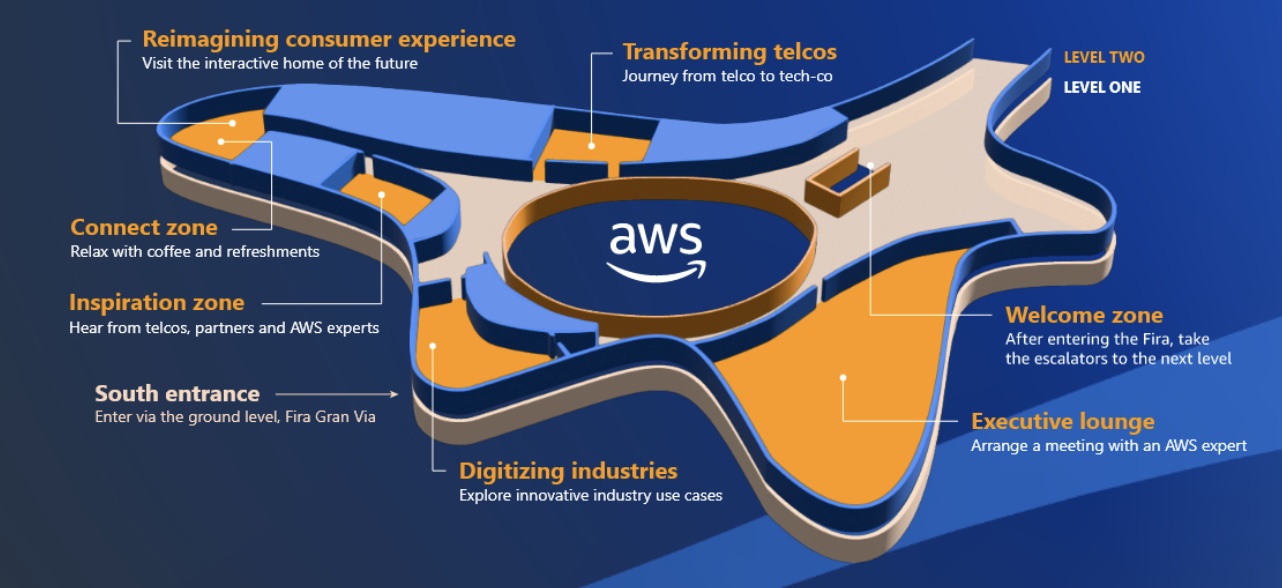
AWS at MWC 2023 – Join AWS at MWC23 in Barcelona, Spain, February 27 – March 2, and interact with upcoming innovative new service demonstrations, be inspired at one of our many sessions, or request a more personal meeting with us onsite.
AWS Innovate Data and AI/ML edition – AWS Innovate is a free online event to learn the latest from AWS experts and get step-by-step guidance on using AI/ML to drive fast, efficient, and measurable results. Register now for Asia Pacific & Japan (February 22, 2023), EMEA (March 9), and the Americas (March 14).

AWS Summits – AWS Global Summits are free events that bring the cloud computing community together to connect, collaborate, and learn about AWS. We kick off Paris and Sydney on April 4th and schedule most other Summits from April to June. Please stay tuned and watch for the dates and locations to be announced.

You can browse all upcoming AWS-led in-person, virtual events, and developer focused events such as Community Days.

That’s all for this week. Check back next Monday for another Week in Review!

— Channy

This post is part of our Week in Review series. Check back each week for a quick roundup of interesting news and announcements from AWS!

Detecting solar panel damage with Amazon Rekognition Custom Labels

Post Syndicated from Ramakant Joshi original https://aws.amazon.com/blogs/architecture/detecting-solar-panel-damage-with-amazon-rekognition-custom-labels/

Enterprises perform quality control to ensure products meet production standards and avoid potential brand reputation damage. As the cost of sensors decreases and connectivity increases, industries adopt real-time imagery analysis to detect quality issues.

At the same time, artificial intelligence (AI) advancements enable advanced automation, reduce overall cost and project time, and produce accurate defect detection results in manufacturing plants. As these technologies mature, AI-driven inspections are more common outside of the plant environment.

Overview of solution

This post describes our SOLVED (Solar Roving Eye Detector) project leveraging machine learning (ML) to identify damaged solar panels using Amazon Rekognition Custom Labels and alert operators to take corrective action.

As solar adoption increases, so does the need to detect panel damage. Applying AWS-managed AI services is a simpler, more cost-effective approach than human solar panel inspection or custom-built production applications.

Customers can capture and process videos from the field and build effective computer vision models without creating a dedicated data science team. This approach can be generalized for use cases across industries to detect defects in wind turbines, cell phone towers, automotive parts, and other field components.

Amazon Rekognition Custom Labels builds off of existing service capabilities already trained to identify the objects and scenes in millions of cross-category images. You upload a small set of training images—typically a few hundred or less—into our console. The solution automatically loads and inspects the training data, selects the right ML algorithms, trains a model, and provides model performance metrics. You can then integrate your custom model into your applications through the Amazon Rekognition Custom Labels API.

Walkthrough

This post introduces the SOLVED project featured at the re:Invent 2021 Builders Fair. It will:

  • Review the need for solar panel damage detection
  • Discuss a cloud-based approach to ingest, store, process, analyze, and detect damaged solar panels
  • Present a diagram streaming videos from a Raspberry Pi, storing them on Amazon Simple Storage Service (Amazon S3), processing them using an AWS video-on-demand solution, and inferring damage using Amazon Rekognition
  • Introduce a console to mimic an operation center for appropriate action
  • Demonstrate the integration of AWS IoT Core with a Philips Hue bulb for operator alerts

Prerequisites

Before getting started, review the following prerequisites for this solution:

The SOLVED project

The SOLVED project leverages ML to identify damaged solar panels using Amazon Rekognition Custom Labels. It involves four steps:

  1. Data ingestion: Live solar panel video ingested from moving rover into an Amazon S3 bucket
  2. Pre-processing: Captured video split into thumbnail images
  3. Processing and visualization: ML models making real-time inferences to identify defective panels with a dashboard to review images and prediction scores
  4. Alerting: Defective panels result in notification sent through MQTT messages to light a smart bulb

Figure 1 shows the SOLVED project system architecture.

The SOLVED project system architecture

Figure 1. The SOLVED project system architecture

Installation steps

Let’s review each of the steps in this use case.

Data ingestion

The data ingestion layer of the SOLVED project consists of a continuous video stream captured as a rover moves through a field of solar panels.

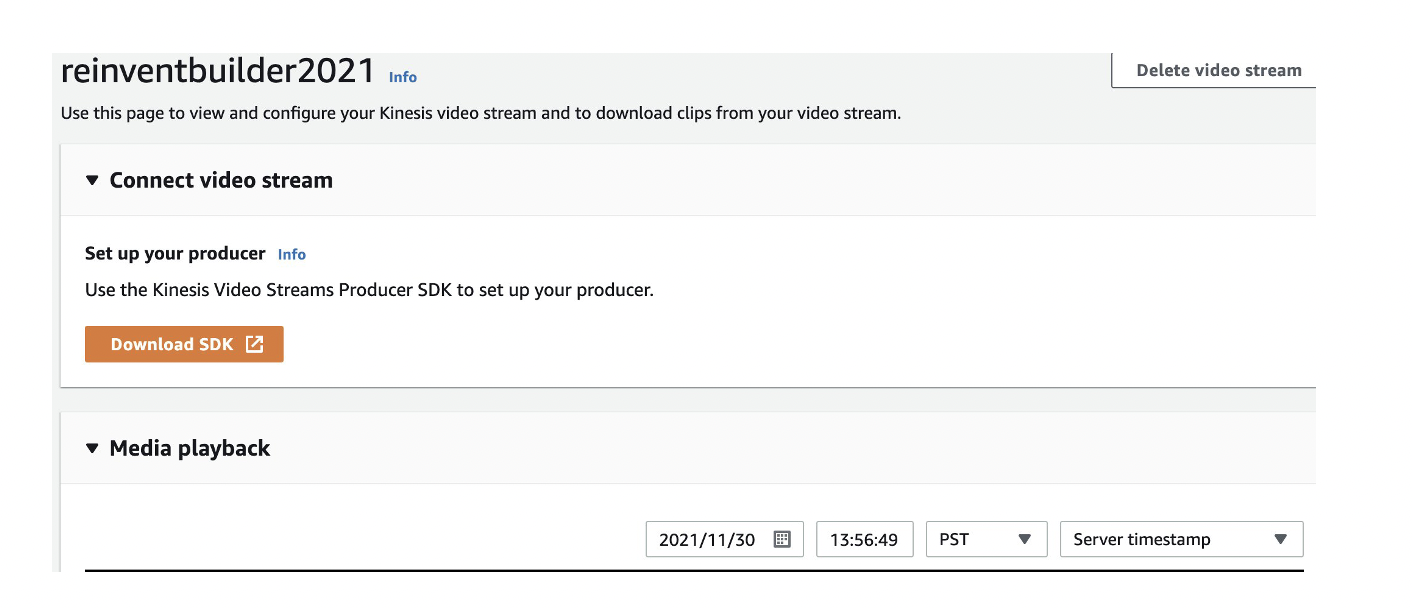
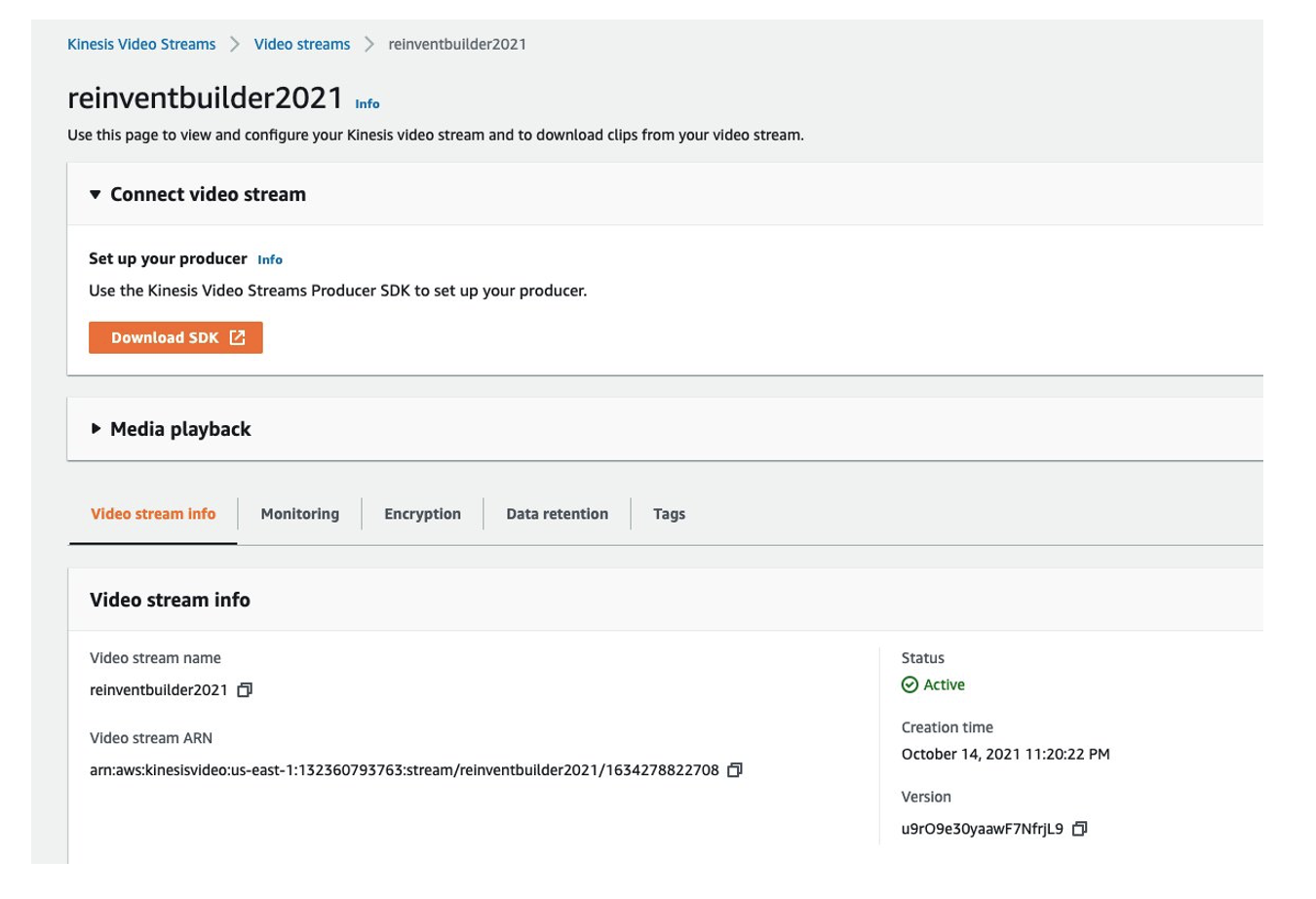
We used a Freenove 4WD Smart Car rover with Raspberry Pi. The mounted camera captures video as it moves through the field. We installed an Amazon Kinesis Video Streams Producer on the Pi and streamed the live video to a Kinesis Video Stream named reinventbuilder2021.

Figure 2 shows the Kinesis Video Stream setup window for reinventbuilder2021.

Kinesis Video Stream setup for reinventbuilder2021

Figure 2. Kinesis Video Stream setup for reinventbuilder2021

To start streaming, use the following steps.

  1. Create a new Kinesis Video Stream using this Amazon Kinesis Video Streams Developer Guide
  2. Make a note of the Amazon Resource Name (ARN)
  3. On the Pi, access the command prompt and use aws sts get-session-token for temporary credentials. The IAM user should have the permissions for Kinesis Video Streams PutMedia.
  4. Set the following environment variables:
    export AWS_DEFAULT_REGION="us-east-1"
    export AWS_ACCESS_KEY_ID="xxxxx"
    export AWS_SECRET_ACCESS_KEY="yyyyy"
    export AWS_SESSION_TOKEN=“zzzzz”
  5. Start the streamer using the following command:
    cd ~/amazon-kinesis-video-streams-producer-sdk-cpp/build
    ./kvs_gstreamer_sample reinventbuilder2021
  6. Validate the captured stream by viewing the Media playback on the console.

Figure 3 shows the video stream console, including the Media playback option.

Video stream console with Media playback option

Figure 3. Video stream console with Media playback option

There are two ways to clip video snippets, which we’ll do next.

You can use the Download clip button on the video stream console as shown in Figure 4.

Choose your video streaming clip duration

Figure 4. Choose your video streaming clip duration

Alternately, you can use a script from the following command line:

ONE_MIN_AGO=$(date -v -30S -u "+%FT%T+0000")
NOW=$(date -u "+%FT%T+0000")

FILE_NAME=reinventbuilder-solved-$RANDOM.mp4
echo $FILE_NAME
S3_PATH=s3://videoondemandsplitter-source-e6lyof9qjv1j/

aws kinesis-video-archived-media get-clip --endpoint-url $KVS_DATA_ENDPOINT \
--stream-name reinventbuilder2021 \
--clip-fragment-selector "FragmentSelectorType=SERVER_TIMESTAMP,TimestampRange={StartTimestamp=$ONE_MIN_AGO,EndTimestamp=$NOW}" \
$FILE_NAME

echo "Running get-clip for stream"

sleep 45

aws s3 cp $FILE_NAME $S3_PATH
echo "copying file $FILE_NAME TO $S3_PATH"

The clip is available in the Amazon S3 source folder created using AWS CloudFormation, as shown in Figure 5.

Access your clip in the Amazon S3 source folder

Figure 5. Access your clip in the Amazon S3 source folder

Pre-processing

To process the video, we leverage Video on Demand at AWS. This solution encodes video files with AWS Elemental MediaConvert. Out of the box, it:

1. Automatically transcodes videos uploaded to Amazon S3 into formats suitable for playback on a range of devices using MediaConvert
2. Customizes MediaConvert job settings by uploading a custom file and using different settings per input
3. Stores transcoded files in a destination Amazon S3 bucket and uses CloudFront to deliver them to end viewers
4. Provides outputs including input file metadata, job settings, and output details in addition to transcoded video. These outputs are stored in a separate JSON file, available for further processing

For our use case, we used the frame capture feature to create a set of thumbnails from the source videos. The thumbnails are stored in the Amazon S3 bucket with the video output.

To deploy this solution, use the CloudFormation stack.

Processing and visualization

Every trained ML model requires quality training data. We began with publicly available solar panel images that were categorized as “good” or “defective” and uploaded the images to an Amazon S3 bucket into corresponding folders.

Next, we configured Amazon Rekognition Custom Labels with the folders to indicate the labels to use in training and deploying the model. Using the rover images, we tested the model.

We used the rover to record videos of good and damaged solar panels over an extended period and label the outcome favorably. The video was then split into individual frames using MediaConvert, giving us a well-labeled dataset that we trained our model with using Amazon Rekognition Custom Labels.

We used the model endpoint to infer outcomes on solar panels with varying damage footprints across multiple locations. AWS Elemental Mediaconvert expedited the process of curating the training set, and creating the model and endpoint using Amazon Rekognition was straightforward.

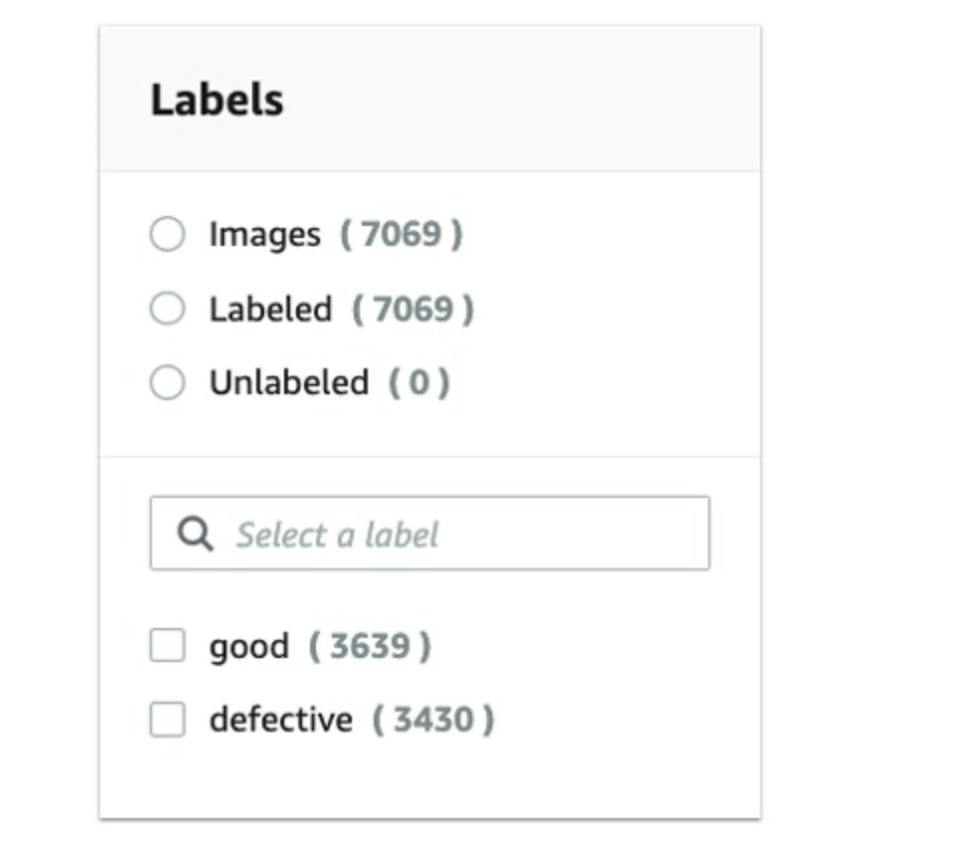
As shown in Figure 6, we used a training set of 7,000 images with an even mix of good and damaged panels.

A training set of images

Figure 6. A training set of images

Examples of good panel images are depicted in Figure 7.

Good panel images

Figure 7. Good panel images

Examples of damaged panel images are depicted in Figure 8.

Damaged panel images

Figure 8. Damaged panel images

In this use case, 90 percent model accuracy was achieved.

To visualize the results, we leveraged AWS Amplify to provide an operator interface to identify the damaged panels.

Figure 9 shows screenshots from the operator dashboard with output from the Amazon Custom Labels Rekognition model for good and defective panels.

Operator dashboard in AWS Amplify

Figure 9. Operator dashboard in AWS Amplify

Alerting

Maintenance teams must be notified of defective panels to take corrective action. To create alerts, we configured AWS IoT Core to send MQTT messages to a Philips Hue smart bulb, with red bulbs indicating defective panels. To set up the Philips Hue API, use the How to develop for Hue guide.

For example, here’s the API to change color:

PUT https://192.xx.xx.xx/api/xxxxxxx/lights/1/state

{"on":true, "sat":254, "bri":254,"hue":20000} 

turns color to green

{"on":true, "sat":254, "bri":254,"hue":1000}

turns to red.

We set up a client on the Pi that listens on an AWS IoT Core MQTT topic and makes an API request to Philips Hue.

To connect a device to AWS IoT, complete these steps:

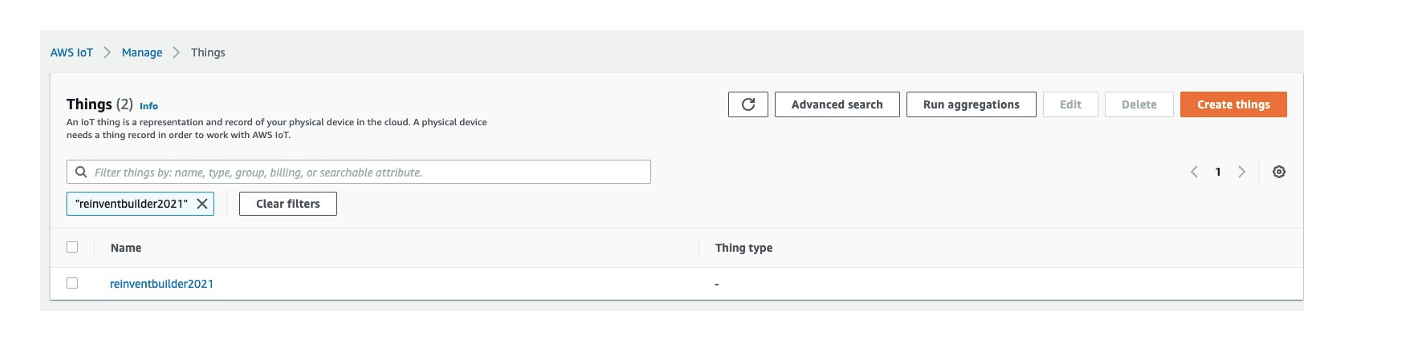
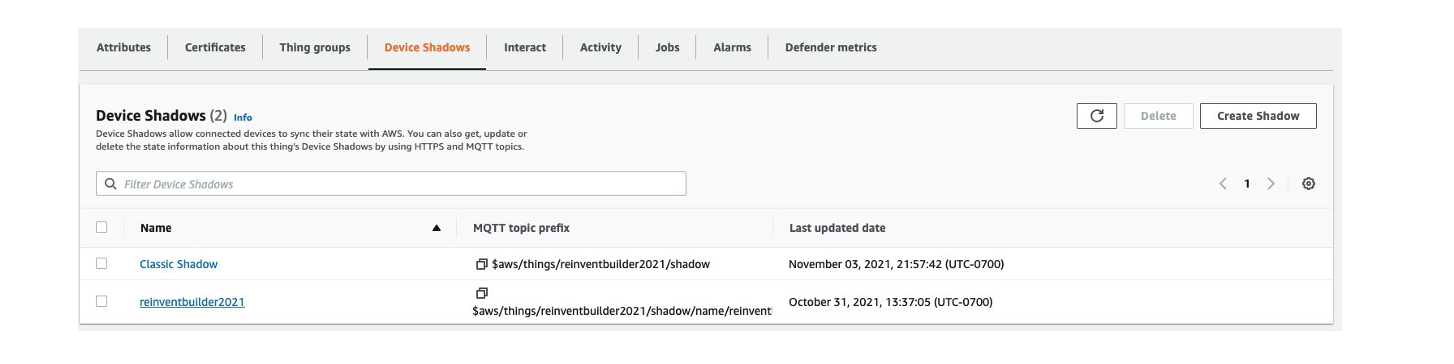
  1. Create an IoT thing, a device certificate, and an AWS IoT policy. An AWS IoT thing represents a physical device (in this case, Raspberry Pi) and contains static device metadata, as shown in Figure 10.
    AWS IoT Thing

    Figure 10. AWS IoT Thing

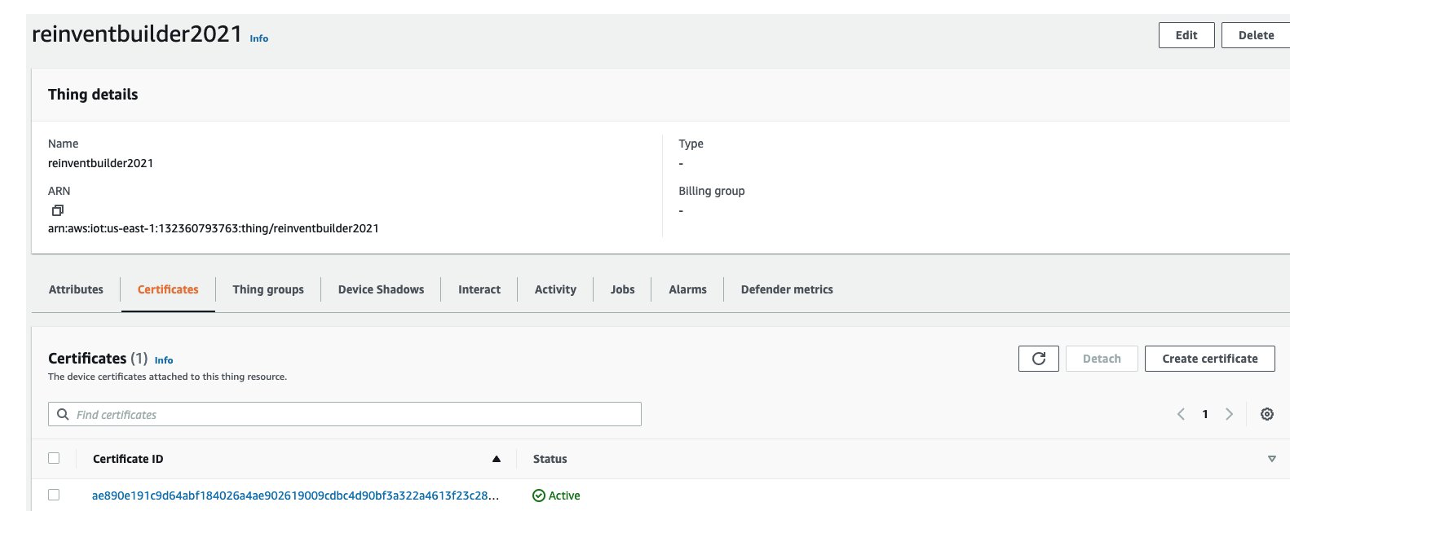
    2. Create a device certificate, required to connect to and authenticate with AWS IoT. An example is shown in Figure 11.

Device certificate

Figure 11. Device certificate

3. Associate an AWS IoT policy with each device certificate. They determine which AWS IoT resources the device can access. In this case, we allowed iot.*, giving the device access to all IoT resources, as shown in Figure 12.

IoT policy

Figure 12. IoT policy

Devices and other clients use an AWS IoT root CA certificate to authenticate the server they’re communicating with. For more on how devices authenticate with AWS IoT Core, see Server authentication in the AWS IoT Core Developer Guide. Copy the certificate chain to the Raspberry Pi.

For communication with the Philips Hue, we used the Qhue wrapper as shown in Figure 13.

Qhue wrapper

Figure 13. Qhue wrapper

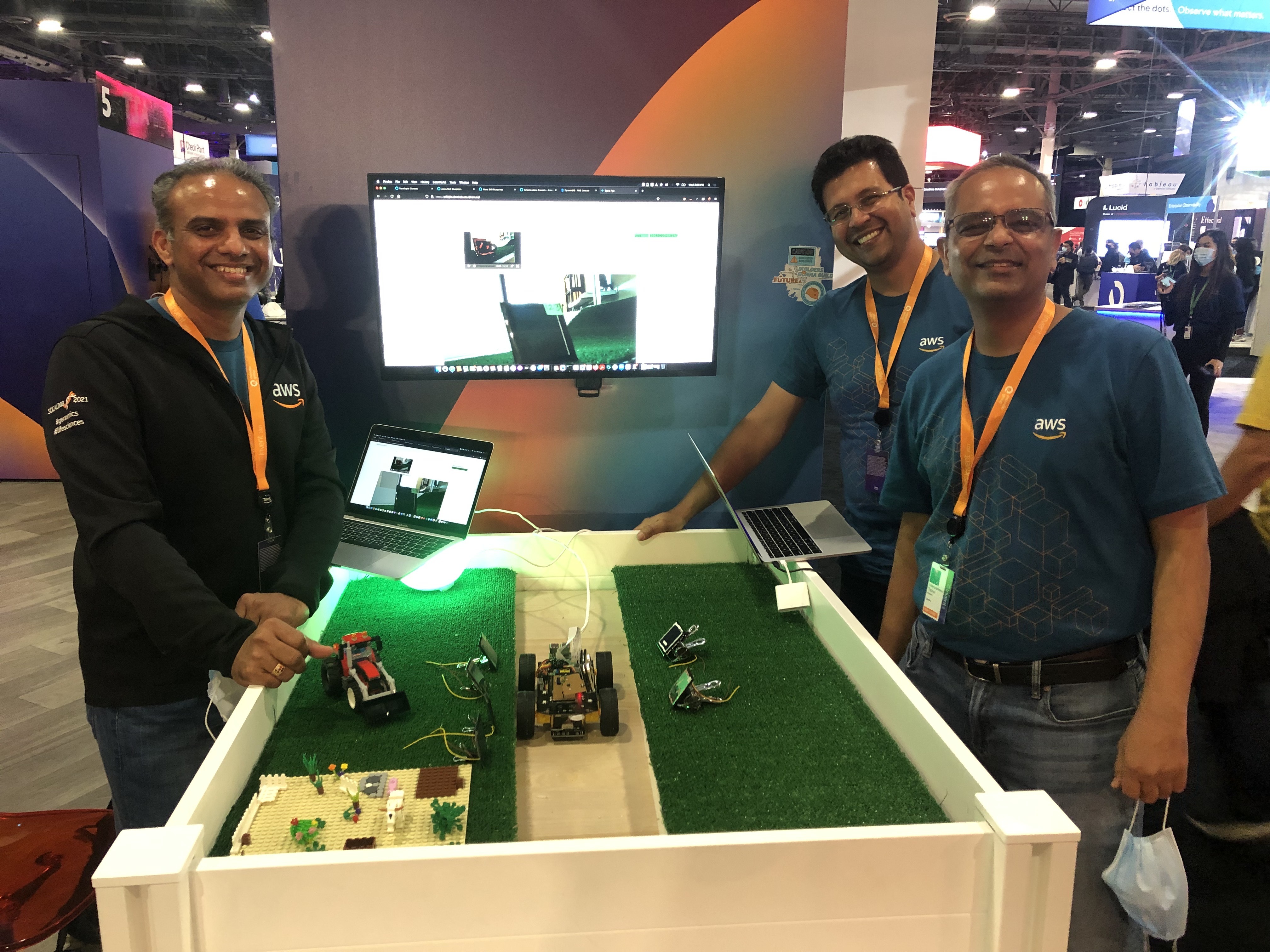
The authors presented a demo of this solution at re:Invent 2021 Builder’s Fair.

Author demo at re:Invent 2021 Builder's Fair

Figure 14. Author demo at re:Invent 2021 Builder’s Fair

Clean up

If you used the CloudFormation stack, delete it to avoid unexpected future charges. Delete Amazon S3 buckets and terminate Amazon Rekognition jobs to stop accruing charges.

Conclusion

Amazon Rekognition helps customers collect images in the field and apply AI-based analysis to interpret the condition of assets within the images.

In this post, you learned how to configure the Kinesis Video Stream producer on a Raspberry Pi to upload captured videos to Amazon Kinesis Video streams. You also learned how to save video streams to Amazon S3 and leverage the Video on Demand at AWS solution.

Using AWS MediaConvert, we transcoded the videos and create a set of thumbnails from the source videos. We then used Amazon Rekognition Custom Labels to train and deploy models for solar panel damage detection. Finally, we configured AWS IoT core to send MQTT messages to a Philips Hue smart bulb for notifications.

In this post, we presented a serverless architecture on AWS to detect defective solar panels. The reference architecture diagram is adaptable to solve inspection and damage detection problems across other industries.

GDB 13.1 released

Post Syndicated from original https://lwn.net/Articles/923819/

Version 13.1 of the GNU GDB debugger has been released. Changes include
support for the LoongArch and CSKY architectures, a number of Python API
improvements, support for zstd-compressed debug sections and more.

Security updates for Monday

Post Syndicated from original https://lwn.net/Articles/923803/

Security updates have been issued by Debian (c-ares, gnutls28, golang-github-opencontainers-selinux, isc-dhcp, nss, openssl, snort, and thunderbird), Fedora (clamav, curl, phpMyAdmin, thunderbird, vim, webkitgtk, and xen), Red Hat (firefox), Slackware (kernel), SUSE (apache2-mod_security2, gssntlmssp, postgresql-jdbc, postgresql12, and timescaledb), and Ubuntu (firefox).

Fines as a Security System

Post Syndicated from Bruce Schneier original https://www.schneier.com/blog/archives/2023/02/fines-as-a-security-system.html

Tile has an interesting security solution to make its tracking tags harder to use for stalking:

The Anti-Theft Mode feature will make the devices invisible to Scan and Secure, the company’s in-app feature that lets you know if any nearby Tiles are following you. But to activate the new Anti-Theft Mode, the Tile owner will have to verify their real identity with a government-issued ID, submit a biometric scan that helps root out fake IDs, agree to let Tile share their information with law enforcement and agree to be subject to a $1 million penalty if convicted in a court of law of using Tile for criminal activity. So although it technically makes the device easier for stalkers to use Tiles silently, it makes the penalty of doing so high enough to (at least in theory) deter them from trying.

Interesting theory. But it won’t work against attackers who don’t have any money.

Hulls believes the approach is superior to Apple’s solution with AirTag, which emits a sound and notifies iPhone users that one of the trackers is following them.

My complaint about the technical solutions is that they only work for users of the system. Tile security requires an “in-app feature.” Apple’s AirTag “notifies iPhone users.” What we need is a common standard that is implemented on all smartphones, so that people who don’t use the trackers can be alerted if they are being surveilled by one of them.

The 6.2 kernel has been released

Post Syndicated from original https://lwn.net/Articles/923732/

Linus has released the 6.2 kernel as
expected.

Please do give 6.2 a testing. Maybe it’s not a sexy LTS release
like 6.1 ended up being, but all those regular pedestrian kernels
want some test love too.

Headline features in this release include
the ability to manage linked
lists
and other data structures in BPF programs,
more additions to the kernel’s Rust
infrastructure,
improvements in Btrfs RAID5/6 reliability,
IPv6 protective
load balancing
,
faster “Retbleed” mitigation with return stack
buffer stuffing
,
control-flow integrity improvements with FineIBT,
oops limits,
and more.

See the LWN merge-window summaries (part 1, part 2) and the KernelNewbies 6.2 page
for more information.

Dynatron L31 LGA4677 1U Liquid Cooling for 4th Gen Intel Xeon Scalable and Xeon W

Post Syndicated from John Lee original https://www.servethehome.com/dynatron-l31-lga4677-1u-liquid-cooling-for-4th-gen-intel-xeon-scalable-and-xeon-w/

We take a look at the Dynatron L31, a 1U LGA4677 all-in-one liquid cooler designed for 4th Gen Intel Xeon (Sapphire Rapids) and Xeon W CPUs

The post Dynatron L31 LGA4677 1U Liquid Cooling for 4th Gen Intel Xeon Scalable and Xeon W appeared first on ServeTheHome.

Седмицата (13–18 февруари)

Post Syndicated from Йовко Ламбрев original https://www.toest.bg/sedmitsata-13-18-fevruari/

За да премине всичко гладко, трябва
внезапното отпращане на принца
да се представи като мярка.
Отчаяните болести церят се
с отчаяни лекарства. Или никак.

Из „Хамлет“ от Уилям Шекспир (прев. Валери Петров, 1985)

Седмицата (13–18 февруари)

Според политическия ни сеизмограф седмицата премина под общия знаменател на вторичните трусове, предизвикани от новата порция санкционирани за мегакорупция български граждани. Този път шамарите, освен откъм САЩ по т.нар. закон „Магнитски“, дойдоха и от Великобритания.

С други думи казано, българската институционална корупция вече е глобален проблем. А това ще остави неприятни белези и последици. Преки за санкционираните, но и косвени за всички нас, които живеем, работим, правим някакъв бизнес тук или с партньори отвъд границите на страната ни. И това ще продължи, докато не започнем да гласуваме така, че институциите ни да бъдат принудени да се върнат към отредените им роли. Скоро ще имаме нова възможност – въпреки че голяма част от институциите правят всичко нужно безтегловността да продължи. Активирани са и всички скелети от миналото, за да разводняват дебатите и да разсейват гласоподавателите с каквото могат.

Добрата новина е, че въпреки всичко такива порции политически шамари провокират размествания. А в недрата на българския обществен живот отдавна са се натрупали геологически напрежения, които чакат своя момент да се срутят и да пренаредят пластовете. За разлика от действителните земетресения, в политически контекст това наистина ще е по-скоро добра новина – въпреки съпътстващите щети и рискове. Емилия Милчева разглежда детайлите по темата в анализа си „Невинни по Гешев, корумпирани по „Магнитски“. Чудесен текст, не го пропускайте!

И понеже предизборната кампания тепърва предстои, а ошамарените дружинки още са в ступор, тази седмица в „Тоест“ силно акцентираме върху науката с цели два много интересни материала. Единият е новият обзор в рубриката ни „Научни новини“. Михаил Ангелов разказва за открития нов рецептор, за който има надежди, че ще помогне в борбата с COVID-19, а заедно с това научаваме и актуална информация за разпространението на птичия грип. Другите любопитни теми в обзора са свързани със SpaceX и едно вълнуващо откритие за образуването на пръстените около планетите.

Дебют в „Тоест“ тази седмица прави и новата ни авторка Анастасия Орманджиева, която е молекулярен биолог и докторант по имунология. Първият ѝ текст при нас е посветен на темата за пълната регенерация на органи. И макар при бозайниците, каквито се явяваме и ние, това засега да изглежда далеч от реалността, съвременните технологични инструменти и научни наблюдения правят възможни някои нови терапии в регенеративната медицина при хората. Прочетете повече в статията „Регенерацията на органи – на една (регенерирана) ръка разстояние“.

Още с първият си текст в „Тоест“ Екатерина Петрова предизвика доста сериозен интерес и си спечели вярна публика. Тази седмица ви предлагаме нова нейна статия, в която ще научим що е то балаклава и защо има повече общо с рибата (или риболова), отколкото с баклавата. Както и много други взаимосвързани детайли, за които не сте и подозирали.

Нека завършим с хубава книга. В рубриката ни „На второ четене“ Стефан Иванов реши да ни припомни за „Светът от вчера“ – последната книга на Стефан Цвайг от 1942 г., публикувана малко преди самоубийството му. Според нашия колега, въпреки заглавието си, книгата е значима именно с това, че съобщава важни неща за утре. Вместо ревю той прилага петнайсет аргумента защо е важно да я прочетем отново. Най-малко за да си спестим някой ден срама, за който пише Цвайг:

Против волята си станах свидетел на най-ужасното поражение на разума и на най-дивашкия за цялата писана история триумф на бруталността; никога – отбелязвам това съвсем не с гордост, a със срам – нито едно поколение не е претърпявало такова морално падение от такива духовни висоти както нашето.

Днешното поколение имаме тежък дълг и отговорност да предотвратим това.

Приятно четене!

The collective thoughts of the interwebz