Friday Squid Blogging: Thermal Batteries from Squid Proteins

Post Syndicated from Bruce Schneier original https://www.schneier.com/blog/archives/2023/02/friday-squid-blogging-thermal-batteries-from-squid-proteins.html

Researchers are making thermal batteries from “a synthetic material that’s derived from squid ring teeth protein.”

As usual, you can also use this squid post to talk about the security stories in the news that I haven’t covered.

Read my blog posting guidelines here.

Metasploit Wrap-Up

Post Syndicated from Jacquie Harris original https://blog.rapid7.com/2023/02/17/metasploit-wrap-up-193/

Cisco RV Series Auth Bypass and Command Injection

Metasploit Wrap-Up

Thanks to community contributor neterum, Metasploit framework just gained an awesome new module which targets Cisco Small Business RV Series Routers. The module actually exploits two vulnerabilities, an authentication bypass CVE-2022-20705 and a command injection vulnerability CVE-2022-20707 in order to achieve code execution in the context of user www-data.

New module content (2)

Cisco RV Series Authentication Bypass and Command Injection

Authors: Biem Pham, Neterum, and jbaines-r7
Type: Exploit
Pull request: #17599 contributed by neterum
Attacker KB Reference: CVE-2022-20707

Description: An exploit for Cisco RV160, RV260, RV340 and RV345 Small Business Routers prior to firmware version 1.0.03.26 has been added which exploits CVE-2022-20705, an authentication bypass, and CVE-2022-20707, a command injection vulnerability, to achieve remote code execution as the www-data user on affected devices as an unauthenticated attacker.

GitLab GitHub Repo Import Deserialization RCE

Authors: Heyder Andrade, RedWay Security, and William Bowling (vakzz)
Type: Exploit
Pull request: #17281 contributed by heyder
AttackerKB reference: CVE-2022-2992

Description: This adds an exploit for CVE-2022-2992 which is authenticated remote command execution in GitLab.

Enhancements and features (1)

  • #17594 from zeroSteiner – The DLL template code has been updated so that tools such as msfvenom can use DLL templates with payloads that were larger than 4096 bytes, such as unstaged payloads. Note that this update only applies to the default DLL templates that Metasploit provides, and not to external DLL templates which are restricted to 4096 bytes at this time.

Bugs fixed (1)

  • #17645 from adfoster-r7 – Fixes a bug that caused warnings to be output on Arch Linux environments when starting msfconsole

Documentation

You can find the latest Metasploit documentation on our docsite at docs.metasploit.com.

Get it

As always, you can update to the latest Metasploit Framework with msfupdate
and you can get more details on the changes since the last blog post from
GitHub:

If you are a git user, you can clone the Metasploit Framework repo (master branch) for the latest.
To install fresh without using git, you can use the open-source-only Nightly Installers or the
binary installers (which also include the commercial edition).

AWS completes CCAG 2022 pooled audit by European FSI customers

Post Syndicated from Manuel Mazarredo original https://aws.amazon.com/blogs/security/aws-completes-ccag-2022-pooled-audit-by-european-fsi-customers/

We are excited to announce that Amazon Web Services (AWS) has completed its annual Collaborative Cloud Audit Group (CCAG) Cloud Community audit with European financial service institutions (FSIs).

Security at AWS is the highest priority. As customers embrace the scalability and flexibility of AWS, we are helping them evolve security, identity, and compliance into key business enablers. At AWS, we are obsessed with earning and maintaining customer trust, and providing our FSI customers and their regulatory bodies with the assurance that AWS has the necessary controls in place to protect their most sensitive material and regulated workloads. The AWS Compliance Program helps customers understand the robust controls that are in place at AWS. By tying together governance-focused, audit-friendly service features with applicable compliance or audit standards, AWS Compliance helps customers to set up and operate in an AWS security control environment.

An example of how AWS supports customers’ risk management and regulatory efforts is our annual audit engagement with the CCAG. For the fourth year, the CCAG pooled audit thoroughly assessed the AWS controls that enable us to help protect our customers’ data and material workloads, while satisfying strict European and national regulatory obligations. CCAG currently represents more than 50 leading European FSIs and has grown steadily since its inception in 2017. Given the importance of cloud computing for the operations of FSI customers, the financial industry is coming under greater regulatory scrutiny. Similar to prior years, the CCAG 2022 audit was conducted based on customers’ right to conduct an audit of their service providers under European Banking Authority (EBA) outsourcing recommendations to cloud service providers (CSPs). The EBA suggests using pooled audits to use audit resources more efficiently and to decrease the organizational burden on both the clients and the CSP. Figure 1 illustrates the improved cost-effectiveness of pooled audits as compared to individual audits.

Figure 1: Efforts and costs are shared and reduced when a collaborative approach is followed

Figure 1: Efforts and costs are shared and reduced when a collaborative approach is followed

CCAG audit process

Although there are many security frameworks available, CCAG uses the Cloud Controls Matrix (CCM) of the Cloud Security Alliance (CSA) as the framework of reference for their CSP audits. The CSA is a not-for-profit organization with a mission, as stated on its website, to “promote the use of best practices for providing security assurance within cloud computing, and to provide education on the uses of cloud computing to help secure all other forms of computing.” CCM is specifically designed to provide fundamental security principles to guide cloud vendors and to assist cloud customers in assessing the overall security risk of a cloud provider.

Between February and December 2022, CCAG audited the AWS controls environment by following a hybrid approach, remotely and onsite in Seattle (USA), Dublin (IRL), and Frankfurt (DEU). For the scope of the 2022 CCAG audit, the participating auditors assessed AWS measures with regards to (1) keeping customer data sovereign, secure, and private, (2) effectively managing threats and vulnerabilities, (3) offering a highly available and resilient infrastructure, (4) preventing and responding rapidly to security events, and (5) enforcing strong authentication mechanisms and strict identity and access management constraint conditions to grant access to resources only under the need-to-know and need-to-have principles.

The scope of the audit encompassed individual services provided by AWS, and the policies, controls, and procedures for (and practice of) managing and maintaining them. Customers will still need to have their auditors assess the environments they create by using these services, and their policies and procedures for (and practices of) managing and maintaining these environments, on their side of the shared responsibility lines of demarcation for the AWS services involved.

CCAG audit results

CCAG members expressed their gratitude to AWS for the audit experience:

“The AWS Security Assurance team provided CCAG auditors with the needed logistical and technical assistance, by navigating the AWS organization to find the required information, performing advocacy of the CCAG audit rights, creating awareness and education, as well as exercising constant pressure for the timely delivery of information.”

The results of the CCAG pooled audit are available to the participants and their respective regulators only, and provide CCAG members with assurance regarding the AWS controls environment, enabling members to work to remove compliance blockers, accelerate their adoption of AWS services, and obtain confidence and trust in the security controls of AWS.

 
If you have feedback about this post, submit comments in the Comments section below. If you have questions about this post, contact AWS Support.

Want more AWS Security news? Follow us on Twitter.

Manuel Mazarredo

Manuel Mazarredo

Manuel is a security audit program manager at AWS based in Amsterdam, the Netherlands. Manuel leads security audits, attestations, and certification programs across Europe, and is responsible for the BeNeLux area. For the past 18 years, he has worked in information systems audits, ethical hacking, project management, quality assurance, and vendor management across a variety of industries.

Andreas Terwellen

Andreas Terwellen

Andreas is a senior manager in security audit assurance at AWS, based in Frankfurt, Germany. His team is responsible for third-party and customer audits, attestations, certifications, and assessments across Europe. Previously, he was a CISO in a DAX-listed telecommunications company in Germany. He also worked for different consulting companies managing large teams and programs across multiple industries and sectors.

Julian Herlinghaus

Julian Herlinghaus

Julian is a Manager in AWS Security Assurance based in Berlin, Germany. He leads third-party and customer security audits across Europe and specifically the DACH region. He has previously worked as Information Security department lead of an accredited certification body and has multiple years of experience in information security and security assurance & compliance.

Author Spotlight: Eduardo Monich Fronza, Senior Partner Solutions Architect, Linux and IBM

Post Syndicated from Elise Chahine original https://aws.amazon.com/blogs/architecture/author-spotlight-eduardo-monich-fronza-senior-partner-sa-linux-and-ibm/

The Author Spotlight series pulls back the curtain on some of AWS’s most prolific authors. Read on to find out more about our very own Eduardo Monich Fronza’s journey, in his own words!


I have been a Partner Solutions Architect at Amazon Web Services (AWS) for just over two years. In this period, I have had the opportunity to work in projects from different partners and customers across the globe, in multiple industry segments, using a wide variety of technologies.

At AWS, we are obsessed with our customers, and this influences all of our activities. I enjoy diving deep to understand our partners’ motivations, as well as their technical and business challenges. Plus, I work backwards from their goals, helping them build innovative solutions using AWS services—solutions that they can successfully offer to their customers and achieve their targeted business results.

Before joining AWS, I worked mainly in Brazil for many years as a middleware engineer and, later, a cloud migration architect. During this period, I travelled to my customers in North America and Europe. These experiences taught me a lot about customer-facing engagements, how to focus on customers problems, and how to work backwards from those.

When I joined AWS, I was exposed to so many new technologies and projects that I have never had any previous experience with! This was a very exciting, as it provided me with many opportunities to dive deep and learn. A couple of the places I love to go to learn new content are our AWS Architecture Blog and AWS Reference Architecture Diagrams library.

The other thing I’ve realized during my tenure is how amazing it is to work with other people at AWS. I can say that I feel very fortunate to work with a wide range of intelligent and passionate problem-solvers. My peers are always willing to help and work together to provide the best possible solutions for our partners. I believe this collaboration is one of the reasons why AWS has been able to help partners and customer be so successful in their journeys to the cloud.

AWS encourages us to dive deep and specialize in technology domains. My background as a middleware engineer has influenced my decisions, and I am passionate about application modernization and containers areas in particular. A couple of topics that I am particularly interested in are Red Hat OpenShift Service on AWS (ROSA) and IBM software on AWS.

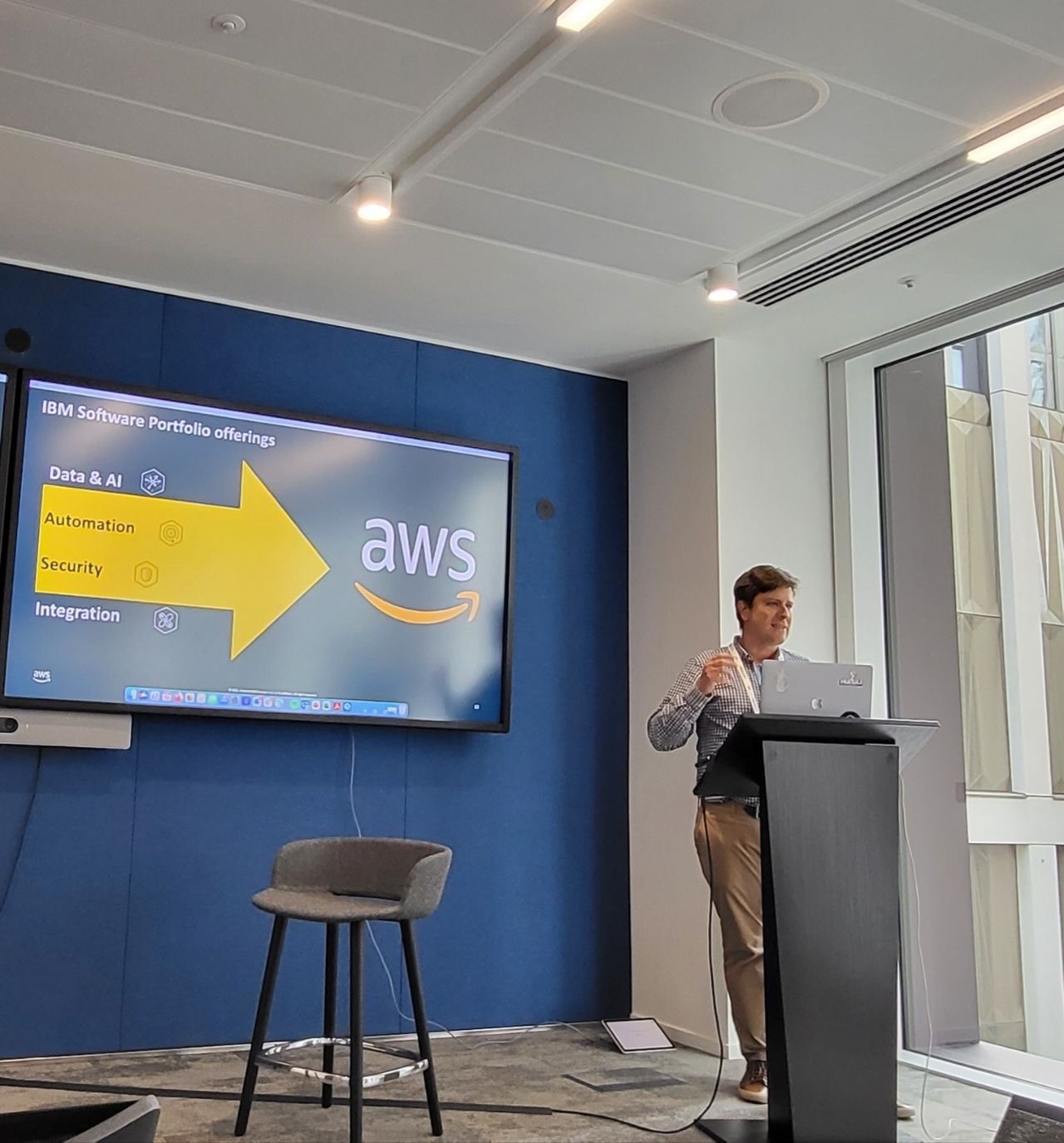
Eduardo presenting on the strategic partnership between AWS and IBM at IBM Think London 2022

Eduardo presenting on the strategic partnership between AWS and IBM at IBM Think London 2022

This also shows how interesting it is to work with ISVs like Red Hat and IBM. It demonstrates, yet again, how AWS is customer-obsessed and works backwards from what customers need to be successful in their own rights. Regardless of if they are using AWS native services or an ISV solution on AWS, we at AWS always focus on what is right for our customers.

I am also very fond of running workshops, called Immersion Days, for our customers. And, I have recently co-authored an AWS modernization workshop with IBM, which shows how customers can use IBM Cloud Pak for Data on AWS along with AWS services to create exciting Analytics and AI/ML workloads!

In conclusion, working as a Partner Solutions Architect at AWS has been an incredibly rewarding experience for me. I work with great people, a wide range of industries and technologies, and, most importantly, help our customers and partners innovate and find success on AWS. If you are considering a career at AWS, I would highly recommend it: it’s an unparalleled working experience, and the are no shortages of opportunities to take part in exciting projects!

Eduardo’s favorite blog posts!

Deploying IBM Cloud Pak for Data on Red Hat OpenShift Service on AWS

Alright, I will admit: I am being a bit biased. But, hey, this was my first blog at AWS! Many customers are looking to adopt IBM Data and AI solutions on AWS, particularly on how to use ROSA to deploy IBM Cloud Pak for Data.

So, I created a how-to deployment guide, demonstrating how a customer can take advantage of ROSA, without having to manage the lifecycle of Red Hat OpenShift Container Platform clusters. Instead, I focus on developing new solutions and innovating faster, using IBM’s integrated data and artificial intelligence platform on AWS.

IBM Cloud Pak for Integration on ROSA architecture

IBM Cloud Pak for Integration on ROSA architecture

Unleash Mainframe Applications by Augmenting New Channels on AWS with IBM Z and Cloud Modernization Stack

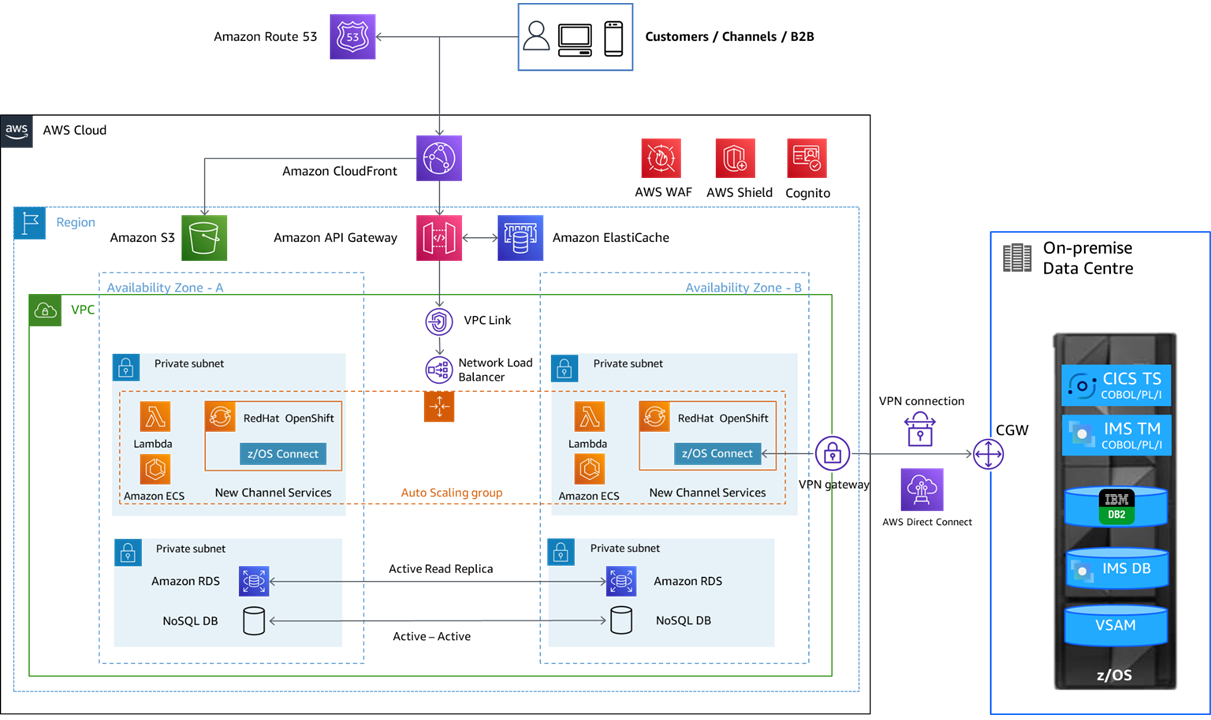
Many AWS customers use the IBM mainframe for their core business-critical applications. These customers are looking for ways to build modern cloud-native applications on AWS, that often require access to business-critical data on their IBM mainframe.

This AWS Partner Network (APN) Blog post shows how these customers can integrate cloud-native applications on AWS, with workloads running on mainframes, by exposing them as industry standard RESTful APIs with a no-code approach.

Mainframe-to-AWS integration reference architecture.

Mainframe-to-AWS integration reference architecture.

Migrate and Modernize Db2 Databases to Amazon EKS Using IBM’s Click to Containerize Tool

This blog shows customers, who are exploring ways to modernize their IBM Db2 databases, can move their databases quickly and easily to Amazon Elastic Kubernetes Service (Amazon EKS), ROSA and IBM’s Cloud Pak for Data products on AWS.

Scenario showing move from instance to container

Scenario showing move from instance to container

Self-service AWS native service adoption in OpenShift using ACK

This Containers Blog post demonstrates how customers can use AWS Controllers for Kubernetes (ACK) to define and create AWS resources directly from within OpenShift. It allows customers to take advantage of AWS-managed services to complement the application workloads running in OpenShift, without needing to define resources outside of the cluster or run services that provide supporting capabilities like databases or message queues.

ACK is now integrated into OpenShift and being used to provide a broad collection of AWS native services presently available on the OpenShift OperatorHub.

AWS Controllers for Kubernetes workflow

AWS Controllers for Kubernetes workflow

Thinking Through Your Cloud Strategy With Veeam’s V12 Release

Post Syndicated from Kari Rivas original https://www.backblaze.com/blog/thinking-through-your-cloud-strategy-with-veeams-v12-release/

We wouldn’t normally make a big deal about another company’s version release except this one is, well… kind of a big deal. Unlike most software releases that fly under the radar, there are big implications—for your backup strategy, your cloud storage usage, and your budget.

Leading backup and recovery provider, Veeam, announced the release of Version 12 (v12) of its popular Backup & Replication software on February 14. And we’re feeling the backup love.

So, what’s the big deal? With this release, Veeam customers can send backups directly to the cloud instead of (or in addition to) routing them to local storage first. Ultimately, the changes announced in v12 provide for easier backups, more diversified workloads, more flexibility in your cloud strategy, and capital expense (CapEx) savings on local storage.

Today, we’re breaking down what all that means and how you can take advantage of the changes to optimize your backup strategy and cloud storage spend.

Save the Date for VeeamON 2023 May 22–24 in Miami

Learn more about the Veeam v12 release and how Backblaze and Veeam make modern data protection easy. Backblaze is proud to be a Platinum sponsor at VeeamON this year and we look forward to seeing you there!

About Veeam

Veeam is a leader in backup, recovery, and data management solutions. They offer a single platform for cloud, virtual, physical, software as a service (SaaS), and Kubernetes environments. Their products help customers own, control, and protect data anywhere in the hybrid cloud.

Customers can already select Backblaze B2 Cloud Storage as a destination for their Veeam backups, and doing so just got a whole lot easier with v12. Read on to learn more.

How Veeam Previously Worked with Cloud Storage

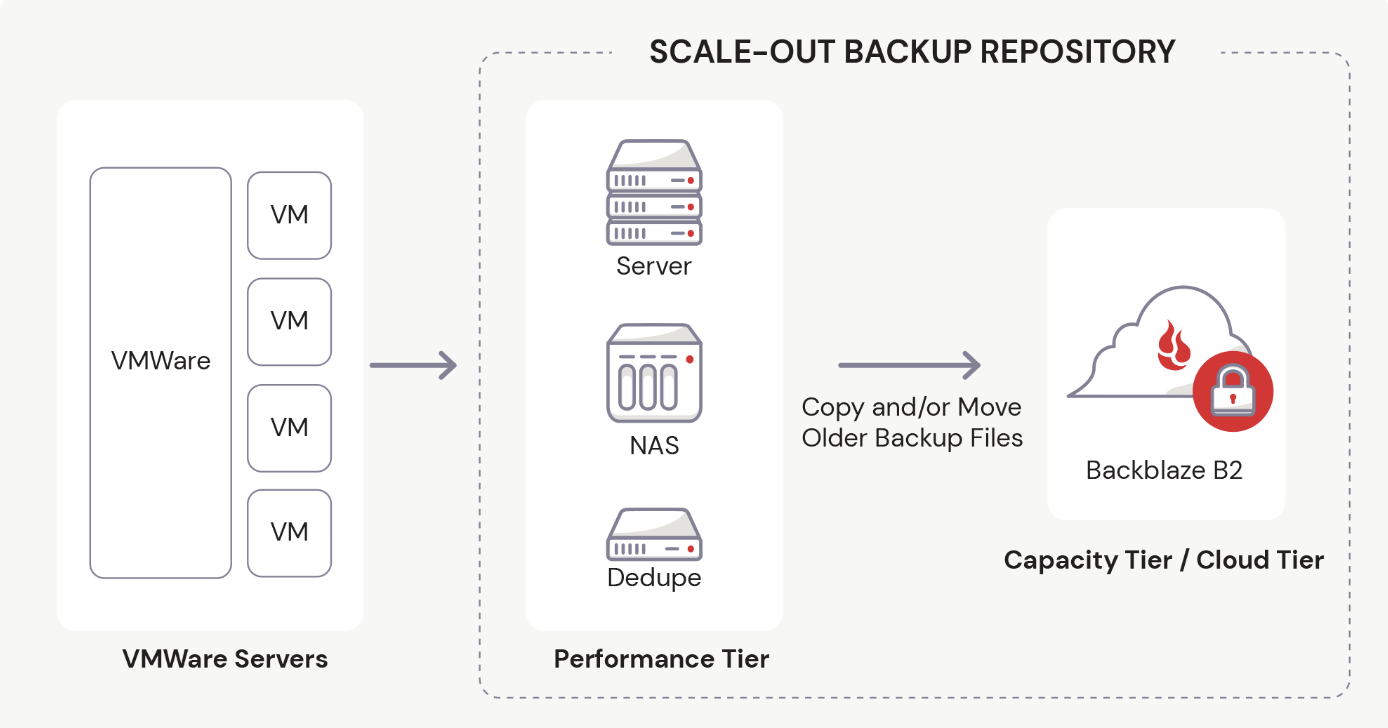
Prior to v12, cloud object storage was enabled in Veeam through the Scale-Out Backup Repository (SOBR). To set up the Cloud Tier, you first had to set up a local repository for your backup data. Many people used a NAS for this purpose, but it could also be a SAN, hard drives, etc. This was your primary repository, also known as your performance tier.

Here’s an example workflow with SOBR and Backblaze B2.

You needed enough capacity on your local repository to land the data there first before you could then use the Veeam console to Move or Copy it to the cloud. If your data set is perpetually growing (and whose isn’t?), you previously had to either tier off more data to the cloud to free up local capacity, or invest in more local storage.

Veeam v12 changes all that.

Veeam v12 Gives You Choices

With this new version release, the primary repository can now be local, on-premises storage, or it can also be local object storage arrays or cloud storage like Backblaze B2.

You can still use the SOBR or back up direct to object storage. This opens up a whole range of benefits, including:

  • Easier Backups: You can now use the Backup Job functionality to send your data straight to the cloud. You no longer need to land it in local storage first. You can also create multiple Backup Jobs that go to different destinations. For instance, to better fortify your backup strategy, you can create a Backup Job to a Backblaze B2 Bucket in one region and then a Backup Copy Job to a B2 Bucket in a different region for redundancy purposes.
  • Diversified Workloads: More choices give you the ability to think through your workloads and how you want to optimize them for cost and access. You may want to send less critical workloads—like older backups, archives, or data from less important work streams—to the cloud to free up capacity on your local storage. You can do this by editing your Backup Jobs (using the Move backup function) that were previously routing through the SOBR to cloud storage to point directly to cloud object storage instead.
  • More Flexibility: v12 allows for more flexibility to use cloud storage in your backup strategy. You have options, including:
    • Making your primary repository on-premises and using the cloud as part of your Capacity Tier in the SOBR.
    • Moving to a fully cloud-based repository.
    • Mixing your use of the SOBR and direct-to-object storage Backup Jobs to optimize your disaster recovery (DR) strategy, recovery needs, and costs.
  • CapEx Savings: You no longer need to keep investing in more local storage as your data set grows. Rather than buying another server or NAS, you can optimize your existing infrastructure by more easily off-loading data to cloud storage to free up capacity on on-premises devices.

What’s Next: Thinking Through Your Strategy

Great, you have more choices. But which choice should you make, and why?

Ultimately, you want to increase your company’s cyber resilience. Your backup strategy should be airtight, but you also need to think through your recovery process and your DR strategy as well. We’ll explain a couple different ways you could make use of the functionality v12 provides and break down the pros and cons of each.

Scenario 1: Using Cloud Storage as Part of Your SOBR

In this case, your on-premises storage is your primary repository and the cloud is your secondary repository. The advantage of an on-premises repository is that it’s often going to give you the fastest, easiest access to recovery. If your recovery time objective (RTO) is very short, a local backup is likely going to give you the fastest data restoration option to meet that RTO goal.

Then, copy your backups to cloud storage to ensure you have another copy in case of a local disaster. This is always good practice as part of the 3-2-1 rule or 3-2-1-1-0 rule. Why is it important to have a copy in cloud storage? Well, even if you store backups for disaster recovery at another location, is your DR site far away enough? Is it immune from a local disaster? If not, you need another copy in the cloud in a location that’s geographically distanced from you.

Scenario 2: Using the Cloud as Your Primary Repository

In this case, the cloud is your primary repository. Direct backups to cloud object storage from Veeam are helpful for the following use cases:

  • Less critical workloads: This could include a lesser-used server, archived projects, files, and data; or business data that is less critical to restore in the case of disaster recovery.
  • To free up local storage: If you’re running up against a lack of local storage and need to make a decision on spending more for additional on-premises storage, the cloud is often more affordable than investing in additional physical storage devices.
  • Workloads where slightly longer recovery periods are acceptable: If you can handle a slightly longer recovery period, cloud storage is a good fit. But remember that not all cloud storage is created equal. Backblaze B2, for example, is always-hot storage, so you won’t have to worry about cold storage delays like you might with AWS Glacier.
  • To migrate away from an LTO system: If you were previously sending backup copy jobs to tape, you can now more easily use cloud storage as a replacement.
  • To eliminate a secondary on-premises location: Maybe you are worried your backups are stored too close to each other, or you simply want to get rid of a secondary on-premises location. The direct-to-cloud option gives you this option. You can reroute those backup copy jobs to copy direct-to-cloud object storage instead.
  • To eliminate on-premises backups altogether: Of course, if you want to completely eliminate local backups for whatever reason, you can now do that by sending all your backup and archive data to the cloud only, although you should carefully consider the implications of that strategy for your disaster recovery plan.

Planning for Disaster Recovery—How You’ll Restore

While it’s important to think about how to optimize your backup strategy using the new functionality introduced by v12, it’s equally as important to think about how you’ll restore business operations in the case of an on-premises disaster. Backblaze offers a unique solution through its partnerships with Veeam and PhoenixNAP—Instant Recovery in Any Cloud.

With this solution, you can run a single command using an industry-standard automation tool to quickly bring up an orchestrated combination of on-demand servers, firewalls, networking, storage, and other infrastructure in phoenixNAP. The command draws data from Veeam backups immediately to your VMware/Hyper-V based environment, so businesses can get back online with minimal disruption or expense. Best of all, there’s no cost unless you actually need to use the solution, so there’s no reason not to set it up now.

Instant Recovery in Any Cloud works with both of the scenarios described above—whether your cloud is your primary or secondary repository. One advantage of using the direct-to-cloud object storage Backup Job is that you can more easily leverage Instant Recovery in Any Cloud since your primary backup is in the cloud. Taking advantage of cloud transit speeds, your business can get back up and running in less time than it would take to restore back to on-premises storage.

Planning for Disaster Recovery—How You’ll Budget

Another consideration for tightening up your cyber resilience plan (and getting your executive team on board with it) is better understanding and anticipating any egress expenses you may face when recovering data—because the last thing you want to be doing in the case of a major data disaster is trying to convince your executive team to sign off on an astronomical egress bill from your cloud provider.

At Backblaze, we’ve always believed it’s good and right to enable customers to readily use their data. With B2 Reserve, our capacity-based offering, there are no egress fees, unlike those charged by AWS, Azure, and Google Cloud. B2 Reserve also includes premium support and Universal Data Migration services so you can move your data from another cloud provider without any lift on your team’s part.

For our Backblaze B2 pay-as-you-go consumption-based offering, egress fees stand at just $0.01/GB, and we waive egress fees altogether with many of our compute and CDN partners.

How Veeam Works with Backblaze B2

Backblaze is a Veeam Ready partner and certified Veeam Ready for Object with Immutability, meaning it’s incredibly easy to set up Backblaze B2 Cloud Storage as your cloud repository in Veeam’s SOBR. In fact, it takes only about 20 minutes.

Setting up Backblaze B2 as your primary repository in the direct-to-object storage method is even easier. Just follow the steps in our Quick-Start Guide to get started.

Backblaze B2 is one-fifth the cost of other major cloud providers and offers enterprise-grade security without enterprise pricing. Unlike other cloud providers, we do not charge extra for the use of Object Lock, which enables immutability for protection from ransomware. There’s also no minimum retention requirement unlike other cloud providers who charge you for 30, 60 or even 90 days for deleted data.

No matter how you choose to configure Veeam with Backblaze B2, you’ll know that your data is protected from on-site disaster, ransomware, and hardware failure.

Veeam + Backblaze: Now Even Easier

Get started today for $5/TB per month or contact your favorite reseller, like CDW or SHI, to purchase Backblaze via B2 Reserve, our all-inclusive capacity-based bundles.

The post Thinking Through Your Cloud Strategy With Veeam’s V12 Release appeared first on Backblaze Blog | Cloud Storage & Cloud Backup.

[$] Rethinking splice()

Post Syndicated from original https://lwn.net/Articles/923237/

The splice()
system call
is built on an appealing idea: connect two file descriptors
together so that data can be moved from one to the other without passing
through user space and, preferably, without being copied in the kernel.
splice() has enabled some significant performance optimizations
over the years, but it has also proved difficult to work with and
occasionally surprising. A recent linux-kernel discussion showed how
splice() can cause trouble, to the point that some developers now
wonder if adding it was a good idea.

Security updates for Friday

Post Syndicated from original https://lwn.net/Articles/923644/

Security updates have been issued by Debian (webkit2gtk and wpewebkit), Fedora (firefox, phpMyAdmin, tpm2-tools, and tpm2-tss), Slackware (mozilla), SUSE (mozilla-nss, rubygem-actionpack-4_2, rubygem-actionpack-5_1, and tar), and Ubuntu (linux-azure and linux-hwe-5.19).

Defending against AI Lobbyists

Post Syndicated from Bruce Schneier original https://www.schneier.com/blog/archives/2023/02/defending-against-ai-lobbyists.html

When is it time to start worrying about artificial intelligence interfering in our democracy? Maybe when an AI writes a letter to The New York Times opposing the regulation of its own technology.

That happened last month. And because the letter was responding to an essay we wrote, we’re starting to get worried. And while the technology can be regulated, the real solution lies in recognizing that the problem is human actors—and those we can do something about.

Our essay argued that the much heralded launch of the AI chatbot ChatGPT, a system that can generate text realistic enough to appear to be written by a human, poses significant threats to democratic processes. The ability to produce high quality political messaging quickly and at scale, if combined with AI-assisted capabilities to strategically target those messages to policymakers and the public, could become a powerful accelerant of an already sprawling and poorly constrained force in modern democratic life: lobbying.

We speculated that AI-assisted lobbyists could use generative models to write op-eds and regulatory comments supporting a position, identify members of Congress who wield the most influence over pending legislation, use network pattern identification to discover undisclosed or illegal political coordination, or use supervised machine learning to calibrate the optimal contribution needed to sway the vote of a legislative committee member.

These are all examples of what we call AI hacking. Hacks are strategies that follow the rules of a system, but subvert its intent. Currently a human creative process, future AIs could discover, develop, and execute these same strategies.

While some of these activities are the longtime domain of human lobbyists, AI tools applied against the same task would have unfair advantages. They can scale their activity effortlessly across every state in the country—human lobbyists tend to focus on a single state—they may uncover patterns and approaches unintuitive and unrecognizable by human experts, and do so nearly instantaneously with little chance for human decision makers to keep up.

These factors could make AI hacking of the democratic process fundamentally ungovernable. Any policy response to limit the impact of AI hacking on political systems would be critically vulnerable to subversion or control by an AI hacker. If AI hackers achieve unchecked influence over legislative processes, they could dictate the rules of our society: including the rules that govern AI.

We admit that this seemed far fetched when we first wrote about it in 2021. But now that the emanations and policy prescriptions of ChatGPT have been given an audience in the New York Times and innumerable other outlets in recent weeks, it’s getting harder to dismiss.

At least one group of researchers is already testing AI techniques to automatically find and advocate for bills that benefit a particular interest. And one Massachusetts representative used ChatGPT to draft legislation regulating AI.

The AI technology of two years ago seems quaint by the standards of ChatGPT. What will the technology of 2025 seem like if we could glimpse it today? To us there is no question that now is the time to act.

First, let’s dispense with the concepts that won’t work. We cannot solely rely on explicit regulation of AI technology development, distribution, or use. Regulation is essential, but it would be vastly insufficient. The rate of AI technology development, and the speed at which AI hackers might discover damaging strategies, already outpaces policy development, enactment, and enforcement.

Moreover, we cannot rely on detection of AI actors. The latest research suggests that AI models trying to classify text samples as human- or AI-generated have limited precision, and are ill equipped to handle real world scenarios. These reactive, defensive techniques will fail because the rate of advancement of the “offensive” generative AI is so astounding.

Additionally, we risk a dragnet that will exclude masses of human constituents that will use AI to help them express their thoughts, or machine translation tools to help them communicate. If a written opinion or strategy conforms to the intent of a real person, it should not matter if they enlisted the help of an AI (or a human assistant) to write it.

Most importantly, we should avoid the classic trap of societies wrenched by the rapid pace of change: privileging the status quo. Slowing down may seem like the natural response to a threat whose primary attribute is speed. Ideas like increasing requirements for human identity verification, aggressive detection regimes for AI-generated messages, and elongation of the legislative or regulatory process would all play into this fallacy. While each of these solutions may have some value independently, they do nothing to make the already powerful actors less powerful.

Finally, it won’t work to try to starve the beast. Large language models like ChatGPT have a voracious appetite for data. They are trained on past examples of the kinds of content that they will be asked to generate in the future. Similarly, an AI system built to hack political systems will rely on data that documents the workings of those systems, such as messages between constituents and legislators, floor speeches, chamber and committee voting results, contribution records, lobbying relationship disclosures, and drafts of and amendments to legislative text. The steady advancement towards the digitization and publication of this information that many jurisdictions have made is positive. The threat of AI hacking should not dampen or slow progress on transparency in public policymaking.

Okay, so what will help?

First, recognize that the true threats here are malicious human actors. Systems like ChatGPT and our still-hypothetical political-strategy AI are still far from artificial general intelligences. They do not think. They do not have free will. They are just tools directed by people, much like lobbyist for hire. And, like lobbyists, they will be available primarily to the richest individuals, groups, and their interests.

However, we can use the same tools that would be effective in controlling human political influence to curb AI hackers. These tools will be familiar to any follower of the last few decades of U.S. political history.

Campaign finance reforms such as contribution limits, particularly when applied to political action committees of all types as well as to candidate operated campaigns, can reduce the dependence of politicians on contributions from private interests. The unfair advantage of a malicious actor using AI lobbying tools is at least somewhat mitigated if a political target’s entire career is not already focused on cultivating a concentrated set of major donors.

Transparency also helps. We can expand mandatory disclosure of contributions and lobbying relationships, with provisions to prevent the obfuscation of the funding source. Self-interested advocacy should be transparently reported whether or not it was AI-assisted. Meanwhile, we should increase penalties for organizations that benefit from AI-assisted impersonation of constituents in political processes, and set a greater expectation of responsibility to avoid “unknowing” use of these tools on their behalf.

Our most important recommendation is less legal and more cultural. Rather than trying to make it harder for AI to participate in the political process, make it easier for humans to do so.

The best way to fight an AI that can lobby for moneyed interests is to help the little guy lobby for theirs. Promote inclusion and engagement in the political process so that organic constituent communications grow alongside the potential growth of AI-directed communications. Encourage direct contact that generates more-than-digital relationships between constituents and their representatives, which will be an enduring way to privilege human stakeholders. Provide paid leave to allow people to vote as well as to testify before their legislature and participate in local town meetings and other civic functions. Provide childcare and accessible facilities at civic functions so that more community members can participate.

The threat of AI hacking our democracy is legitimate and concerning, but its solutions are consistent with our democratic values. Many of the ideas above are good governance reforms already being pushed and fought over at the federal and state level.

We don’t need to reinvent our democracy to save it from AI. We just need to continue the work of building a just and equitable political system. Hopefully ChatGPT will give us all some impetus to do that work faster.

This essay was written with Nathan Sanders, and appeared on the Belfer Center blog.

„Евроинс“ в Румъния е с 16 глоби за общо €2,3 млн. от 2020 г. насам

Post Syndicated from Екип на Биволъ original https://bivol.bg/%D0%B5%D0%B2%D1%80%D0%BE%D0%B8%D0%BD%D1%81-%D0%B2-%D1%80%D1%83%D0%BC%D1%8A%D0%BD%D0%B8%D1%8F-%D0%B5-%D1%81-16-%D0%B3%D0%BB%D0%BE%D0%B1%D0%B8-%D0%B7%D0%B0-%D0%BE%D0%B1%D1%89%D0%BE-e2.html

петък 17 февруари 2023


От 1 година срещу Euroins România Asigurare-Reasigurare S.A. (Euroins România на българската „Евроинс иншурънс груп“, част от „Еврохолд България“ АД) се води разследване от Органа за финансов надзор на Румъния…

Парламентарни избори 2023 – предварителна информация за чужбина

Post Syndicated from original https://yurukov.net/blog/2023/izbori2023-ranna-informaciq/

Тази информация беше изпратена на 12-ти февруари на над 3000 абонирали се в Glasuvam.org.


На 2-ри април 2023 ще се проведат избори за Народно събрание. Очакваме в рамките на следващите дни да бъде пуснат формуляра за гласуване. Когато това стане, ще изпратя нов мейл с линк към него към всички абонирани за информация на Glasuvam.org. Както и преди ще има картата за следене къде се събират заявления за гласуване и колко не стигат. Това, което знаем от сега е, че подаването на заявленията ще приключи на 7-ми март вечерта, след което ще бъдат определени местата и броя на секциите.

С последните промени на изборния кодекс се въведоха няколко усложнения, които особено засягат българите в чужбина. Най-основното от тях е ефективното връщане на хартиената бюлетина. Така разписан процесът ще удължи времето за гласуване, както и броенето на бюлетините.

Една отдавна чакана промяна беше МИР Чужбина. То отново няма да влезе в сила, тъй като мнозинството от депутатите отказаха да разпишат как точно да бъде приложен. Въпреки опитите в същия пакет от промени за драстично увеличение на нужните заявления за отваряне на секция зад граница, те остават непроменени.

Остава правилото, че ще бъдат автоматично одобрени секции там, където на някой вот в последните 5 години е имало поне 100 гласували. Отделно се откриват в дипломатическите представителства и за където са събрани поне 40 заявления. Отново е добра идея да се организирате на местно ниво, за да се посочва едно и също име на мястото в падащия списък, защото ЦИК не ги групира изрично дори да изглеждат еднакви.

Това не означава, че на тези места непременно ще бъдат открити секции. За да се случи това, трябва да има помещение, секционна комисия и доброволци. Ако бихте искали да помагате с организацията, свържете се с местната българска организация или дипломатическо представителство. Може да станете членове на комисия или наблюдатели също, ако сте част от партия или регистрирана за изборите организация. В такъв случай се свържете с тях.

Подаването на заявления за гласуване не е задължително, но ускорява много процеса на гласуване. Помага също да не гласуват от Ваше име по постоянен адрес, тъй като Ви отписват от списъка там. Не на последно място допринася да се отворят секции и дава някаква индикация за очакваната активност по време на избори.

Една друга промяна е, че тази година смених начина, по който се изпращат мейлите с инфорамцията. Така трябва да е много по-прегледно и надеждно. Ако искате да се абонирате, може да го направите на страницата на Glasuvam.org посочвайки кой е най-близкият до вас град, в който бихте искали да има секция.

The post Парламентарни избори 2023 – предварителна информация за чужбина first appeared on Блогът на Юруков.

Научни новини: нов механизъм за борба с COVID-19 и пръстени вместо луни

Post Syndicated from Михаил Ангелов original https://www.toest.bg/nauchni-novini/

Медицина

COVID-19

Научни новини: нов механизъм за борба с COVID-19 и пръстени вместо луни

За да заразят клетките, вирусните частици обикновено се закачат за рецептори, намиращи се по тяхната повърхност, и така преминават през клетъчната мембрана. Един от добре проучените рецептори е ACE2, към който са специфични спайкпротеините на някои коронавируси, включително причинителите на SARS и COVID-19. Той се среща в редица тъкани, наред с горните части на дихателната система, които са един от основните пътища за навлизането му в тялото.

Учени от Австралия са открили нов рецептор – LRRC15, който също може да свързва SARS-CoV-19, но за разлика от ACE2, той не съдейства на вируса да навлезе в клетките, а помага за предпазване от заболяването. Екипът го описва като молекулярно велкро, което се прилепя към вирионите и ги отдалечава от клетките, пречейки им да ги заразят.

Подобно на ACE2, този протеин е разпространен в различни тъкани, но количеството му в белите дробове е сравнително ниско при здрави хора. При болни от COVID-19 нивото му се повишава, откъдето идва и хипотезата, че е налице непознат до момента механизъм за борба с инфекцията.

Това се подкрепя от изследване на пациенти с бъбречна недостатъчност, при които нивата на LRRC15 са пряко свързани с тежестта на протичане на заболяването им от COVID-19. С намаляване на концентрацията на протеина симптомите стават по-сериозни и прогнозата се влошава.

Наред със свързването на вирусните частици, отделянето на този протеин от клетките, причиняващи лезии по белите дробове (фибробласти), намалява образуването на колаген при срещата им с вируса и така предпазва органа от дълготрайни увреждания.

Авторите смятат, че това откритие ще помогне за разработването на нови медикаменти за облекчаване на симптомите от инфекции, причинени от сходни вируси, както и за предпазване от белодробна фиброза. Публикацията показва колко малко знаем за имунната система, и дава поле за бъдещи изследвания в тази област.

Вече е известно, че по време на бременност жените са изложени на повишен риск от COVID-19. Заболяването протича по-остро и при новородените, поради което лекарите препоръчват на бъдещите майки да минат пълен ваксинационен курс. Това се подкрепя от изследване на почти 9000 бебета под 6 месеца.

При двукратна ваксинация вероятността децата да бъдат защитени от вируса е 95% за Делта и 45% за Омикрон вариантите. Вероятността за избягване на хоспитализация е съответно 97% и 53%. Проучването показва, че е най-добре втората ваксинация да се направи по време на третия триместър. Поставянето на трета доза подобрява резултатите за Омикрон, повишавайки защитата от инфекция на 73%.

Тези данни потвърждават редица проучвания, показващи ползата от ваксините, и дават поглед върху по-малко обследвана част от популацията, а именно децата под 6-месечна възраст.

Птичи грип

Глобалната ситуация с разпространението на H5N1 продължава да е динамична и притеснителна. Вирусът е Инфлуенца тип А и е описан за пръв път през 1996 г. в Китай. Характерно за него е, че е силно вирулентен и има свойството да мутира бързо, както повечето РНК вируси. Наред с това, тъй като геномът му е сегментиран, той може да обменя части с други грипни вируси, което му позволява по-лесно да прескача между различни видове.

Съобщенията за загинали животни не са нови – в началото на миналата година в Гърция бяха открити труповете на над 500 къдроглави пеликана, случаи имаше и в Англия, Израел, Канада. Освен за дивите животни, вирусът е проблемен и за птиците във ферми поради високата гъстота на отглеждане и близкия контакт, на който са изложени. Според здравните служби на САЩ в последната година от заболяването са засегнати над 50 млн. птици.

Особено тревожни са новините за прескачането на вируса към бозайници. В Англия, Шотландия и Уелс са установени случаи при лисици и видри, а в началото на тази година в Перу са намерени почти 600 морски лъва, които най-вероятно са загинали от H5N1. Много притеснително е откриването на вируса и във ферма за норки в Испания. Горният респираторен тракт на норките е много сходен с човешкия, което създава рискове за рекомбинация и междувидово прескачане към работниците в тези ферми. Вероятно животните са се заразили от храната си, която е включвала птичи субпродукти.

За момента специалистите от СЗО смятат, че вероятността за инфекции при хора е малка. Оптимална среда за развитието на вируса са птиците, което налага срещата му с човешки вирус в тях. Едва след рекомбинация между двата генома той придобива възможността да прескочи в хора. Но дори и това не гарантира способността за заразяване от човек на човек – нужни са допълнителни мутации. Въпреки това, поради големия брой случаи, всички малки шансове се натрупват и опасността не трябва да бъде пренебрегвана, както се вижда от случая в Испания, където е установен пренос от една норка към друга

Все още не е напълно ясно и каква е смъртността от вируса при хора. От случаите, известни до момента, тя е много висока – 56%, но това може да се дължи и на факта, че хората с по-леки симптоми не са потърсили медицинска помощ и съответно не са диагностицирани и включени в статистиката.

Тъй като учените следят вируса от появата му и са предвидили пандемичния му потенциал, за него вече има няколко ваксини. Притеснителното е, че четири от петте ваксини, одобрени в ЕС, се произвеждат в кокоши яйца. Това създава два големи проблема. Първо, не е ясно дали компанията, произвеждаща ваксината си в тъканни култури, ще успее да предостави достатъчно бързо голям брой дози при необходимост. Второ, масовото производство зависи от най-вероятната жертва на вируса, при която смъртността е над 90%. Очаква се компаниите, произвеждащи mRNA ваксини за SARS-CoV-19, да адаптират технологията и за Инфлуенца, но това ще отнеме време както по технологични, така и по регулаторни причини.

Ако искате да прочетете повече по темата за междувидовото прескачане, горещо препоръчвам книгата Spillover: Animal Infections and the Next Human Pandemic на Дейвид Куамен. Въпреки че е издадена преди COVID-19, случаите в нея са интересни и може да се научи много за науката и историята зад редица епидемии.

Космос

Ракети и двигатели

След дълга подготовка SpaceX успешно изпита двигателите на бустера Super Heavy. Той е в основата на напълно преизползваемата ракета Starship, която компанията планира да включи в програмата „Артемис“, а в бъдеще – и в колонизацията на Марс.

Продължителността на теста е била с пълната предвидена дължина, като според информация от Илън Мъск един от двигателите е изключен от инженерите, а друг е отказал по време на работа. Той обаче смята, че останалите работещи двигатели са достатъчни за достигане на орбита. Това е голяма стъпка за проекта, тъй като дава зелена светлина за изпитанията на ракетата. Следващото най-вероятно ще е орбитален тест.

Интересно за Super Heavy е, че използва 33 двигателя за задвижването си. В повечето случаи проектантите се спират на по-малък брой по-големи двигатели, тъй като това намалява вероятността за проблем в някой от тях и значително опростява ракетата.

Изключение е замислената като отговор на лунната програма „Аполо“ съветска ракета Н-1, чиято първа степен има 30 двигателя, работещи с керосин и течен кислород. Програмата е обречена заради политически интриги и неразбирателство между главните проектанти и след четири неуспешни изстрелвания, водещи до катастрофални експлозии, е прекратена заедно с амбициите на СССР да спечелят лунната надпревара.

Главоболия имат и наследниците им от „Роскосмос“ – един от товарните апарати „Прогрес МС-21“, в момента скачен към Международната космическа станция, е загубил налягане в охладителната си система. В изявленията на руската агенция и НАСА се казва, че няма опасност за седемте космонавти в станцията, като температурата и налягането в обитаемия отсек са нормални. Все още не е ясно на какво се дължи тази авария, но двете агенции разследват случая. Товарният апарат вече е напълнен с отпадъци и по график ще напусне МКС на 18 февруари и ще изгори в атмосферата над Тихия океан.

Това е вторият сходен случай с руски апарат. В края на миналата година „Союз МС-22“, с който на станцията пристигнаха двама руски и един американски космонавт, също загуби охлаждането си, като официално обявената причина беше удар от микрометеорит. Това наложи удължаването на престоя на екипажа, който ще изчака изстрелването на „Союз МС-23“ без пътници, а повреденият „Союз МС-22“ ще бъде разкачен в безпилотен режим и оставен да изгори в атмосферата.

Въпреки че все още няма информация за инцидента с „Прогрес МС-21“, вероятността за втори аналогичен удар от микрометеорит в рамките на няколко месеца е малка. Това повдига редица въпроси относно причината за повредата в „Союз МС-22“ и състоянието на руската космическа програма.

Пръстен вместо луна

Пръстените около небесните тела са една от впечатляващите гледки, които Космосът ни предоставя. До момента се смяташе, че процесът на образуването им е добре проучен, но ново откритие в периферията на Слънчевата система може да промени това.

Планетата джудже Куауар е с диаметър около 1000 км и се намира в пояса на Кайпер – зона след орбитата на Нептун със сравнително ниска плътност и дом на множество подобни малки обекти, най-големият от които е Плутон. След откриването ѝ през 2002 г. астрономите установяват, че има естествен спътник, наречен Уейуот, а вече е известно, че има и система от пръстени. Те са прекалено малки и бледи, което прави директното им наблюдение невъзможно.

За откритието учените са използвали най-големия оптичен телескоп Gran Telescopio Canarias, намиращ се на остров Палма. С помощта на математически модел те са предвидили преминаването на планетата пред далечна звезда, т.нар. окултация. По време на наблюдението с телескопа, яркостта на звездата е намаляла преди и след преминаването на планетата на равни интервали. Наблюдението е направено неколкократно с няколко звезди. Най-вероятното обяснение за такива симетрични окултации е наличието на пръстен около планетата.

Учудващо е, че според получените данни пръстенът е разположен на разстояние 7,4 радиуса от планетата, което е два пъти над границата на Рош. Това е пределът, след който приливните сили от гравитацията на по-голямото тяло може да разкъсат малки тела в орбитата му. Според научните разбирания и симулации в момента, пръстените извън зоната на този ефект за кратко време започват да агрегират в луни.

Възможни са различни хипотези за обяснението на това наблюдение, но учените проучват комбинация от няколко фактора. Планетата може да има неравномерна форма и като следствие от това нейното гравитационно поле да се променя при въртенето ѝ – ефект, който би попречил на образуването на обекти на по-далечно разстояние. Пръстенът пък се намира в орбитален резонанс с отношение 1:3 с въртенето на планетата, което означава, че частиците в пръстена правят една орбита около планетата, докато в същото време тя се завърта три пъти около оста си, оказвайки им периодично гравитационно влияние.

Според авторите това може да помага за задържането на пръстена и да пречи на образуването на втора луна. Сходен орбитален резонанс имат и пръстените на планетите джуджета Харикло и Хаумея, но при тях те се намират в границата на Рош.

Това откритие е интересно, защото показва, че дори за добре приети идеи с история от над 150 години, може да бъдат открити изключения, вълнуващи научните среди.

Заглавно изображение: Микроскопска снимка на епителни клетки, 100х увеличение. Източник: Berkshire Community College Bioscience Image Library/Flickr

Веднъж-дваж месечно Михаил Ангелов – биолог, агроном и любим нърд от нашия екип, ни представя най-интересните скорошни новини от различни сфери на науката и обяснява защо тези постижения са толкова значими за света и човечеството. Или най-малкото – любопитни и забавни.
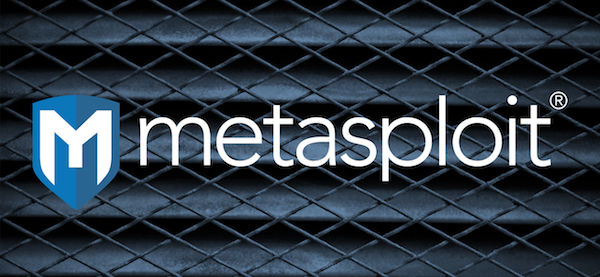
Data Quality

Post Syndicated from original https://xkcd.com/2739/

Supermicro A3SPI-4C-LN6PF Review Intel Atom C5315 Parker Ridge is Here

Post Syndicated from Patrick Kennedy original https://www.servethehome.com/supermicro-a3spi-4c-ln6pf-review-intel-atom-c5315-parker-ridge-is-here/

In our Supermicro A3SPI-4C-LN6PF review, we test the new Intel Atom C5315 “Parker Ridge” SoC and find a feature we were not expecting onboard

The post Supermicro A3SPI-4C-LN6PF Review Intel Atom C5315 Parker Ridge is Here appeared first on ServeTheHome.

The collective thoughts of the interwebz