Post Syndicated from BeardedTinker original https://www.youtube.com/watch?v=KLSsAuSxr7g
Yearly Archives: 2024
Epic Battery vs Water Test: Can the BLUETTI AC240 Survive?
Post Syndicated from digiblur DIY original https://www.youtube.com/watch?v=a_fZpBfnJQE
Voice Assistant Contest Winners livestream
Post Syndicated from Home Assistant original https://www.youtube.com/watch?v=ne0mbcTWhsA
AI 101: What Is Model Serving?
Post Syndicated from Stephanie Doyle original https://backblazeprod.wpenginepowered.com/blog/ai-101-what-is-model-serving/

If you read a blog article that starts with “In today’s fast-paced business landscape…” you can be 99% sure that content is AI generated. While large language models (LLMs) like ChatGPT, Gemini, and Claude may be the shiniest of AI applications from a consumer standpoint, they still have a ways to go from a creativity standpoint.
That said, there are exciting possibilities for artificial intelligence and machine learning (AI/ML) algorithms to improve and create products now and in the future, many of which focus on replicated operations, split second database predictions, natural language processing, threat analysis, and more. As you might imagine, deployment of those algorithms comes with its own set of complexities.
To solve for those complexities, specialized operations platforms have sprung up—specifically, AI/ML model serving platforms. Let’s talk about AI/ML model serving and how it fits into “today’s fast-paced business landscape.” (Don’t worry—we wrote that one.)
What Is AI/ML Model Serving?
AI/ML model serving refers to the process of deploying machine learning models into production environments where they can be used to make predictions or perform tasks based on real-time or batch input data.
Trained machine learning models are made accessible via APIs or other interfaces, allowing external applications or systems to send real-world data to the models for inference. The served models process the incoming data and return predictions, classifications, or other outputs based on the learned patterns encoded in the model parameters.
Practically, you can compare building an application that uses an AI/ML algorithm to a car engine. The whole application (the engine) is built to solve a problem; in this case “transport me faster than walking.” There are various subtasks to help you solve that problem well. Let’s take the exhaust system as an example. The exhaust fundamentally does the same thing from car to car—it moves hot air off the engine—but once you upgrade your exhaust system (i.e. add an AI algorithm to your application), you can tell how your engine works differently by comparing your car’s performance to a base-level model of the same one.
Now let’s plug in our “smart” element, and it’s more like your exhaust has the ability to see that your car has terrible fuel efficiency, identifies that it’s because you’re not removing hot air off the engine well enough, and re-route the pathway it’s using through your pipes, mufflers, and catalytic converters to improve itself. (Saving you money on gas—wins all around.)
Model serving, in this example, would be a shop that specializes in installing and maintaining exhausts. They’re experts at plugging in your new exhaust and having it work well with the rest of the engine even if it’s a newer type of tech (so, interoperability via API), and they have thought through and created frameworks for how to make sure the exhaust is functioning once you’re driving around (i.e. metrics). They’ve got a ton of ready-made parts and exhaust systems to recommend (that’s your model registry). When they install your new system in your engine, they might have some tweaks that work specifically in your system, too (versioning over time to serve your specific product).
Ok, back to the technical details. From an architecture standpoint, model serving also lets you separate your production model from the base AI/ML model in addition to creating an accessible endpoint (read: an API or HTTPS access point, etc.). This separation has benefits—making tracking model drift and versioning simpler, for instance.


Like traditional software engineering, most AI/ML model serving platforms also have code libraries of fully or partially trained models—the model registry in the image above. For example, if you’re running a photo management application, you might grab an image recognition model and plug it into your larger application.
This is a tad more complex than other types of code deployment because you can’t really tell if an AI/ML model is functioning correctly until it’s working on real-world data. Certainly, that’s somewhat true of all code deployments—you always find more bugs when you’re live—but because AI/ML models are performing complex tasks like making predictions, natural language processing, etc., even a trained model has more room for “error” that becomes evident when it’s in a live environment. And, in many use cases—like fraud detection or network intrusion detection—models need to have very low latency to perform properly.
Because of that, deciding what kind of code deployment to use can have a high impact on your end users. For example, lots of experts recommend leveraging shadow deployment techniques, where your AI/ML model is ingesting live data, but running on a parallel environment invisible to end users, for phase one of your deployment.
Machine Learning Operations (MLOps) vs. AI/ML Model Serving
In reading about model serving, you’ll inevitably also come across folks talking about MLOps as well. (An Ops for every occasion, as they say. “They” being me.) You can think of MLOps as being responsible for the entire, end-to-end process, whereas AI/ML model serving focuses on one part of the process. Here’s a handy diagram that outlines the whole MLOps lifecycle:

And, of course, you’ll see one box on there that’s called “model serving”.
How to Choose a Model Serving Platform
AI model serving platforms typically provide features such as scalability to handle varying workloads, low latency for real-time predictions, monitoring capabilities to track model performance and health, versioning to manage multiple model versions, and integration with other software systems or frameworks.
Choosing the right one is not a one-size-fits-all approach. Model serving platforms give you a whole host of benefits, operationally speaking—they deliver better performance, scale easily with your business, integrate well with other applications, and give you valuable monitoring tools from both a performance and security perspective. But, there are a ton of other factors that can come into play that aren’t immediately apparent, such as preferred code languages (Python is right up there), the processing/hardware platform you’re using, budget, what level of control and fine-tuning you want over APIs, how much management you want to do in-house vs. outsourcing, how much support/engagement there is in the developer community, and so on.
Popular Model Serving Platforms
Now that you know what model serving is, you might be wondering how you can use it yourself. We rounded up some of the more popular platforms so you can get a sense of the diversity in the marketplace:
- TensorFlow Serving: An open-source serving system for deploying machine learning models built with TensorFlow. It provides efficient and scalable serving of TensorFlow models for both online and batch predictions.
- Amazon SageMaker: A fully managed service provided by Amazon Web Services (AWS) for building, training, and deploying machine learning models at scale. SageMaker includes built-in model serving capabilities for deploying models to production.
- Google Cloud AI Platform: A suite of cloud-based machine learning services provided by Google Cloud Platform (GCP). It offers tools for training, evaluation, and deployment of machine learning models, including model serving features for deploying models in production environments.
- Microsoft Azure Machine Learning: A cloud-based service offered by Microsoft Azure for building, training, and deploying machine learning models. Azure Machine Learning includes features for deploying models as web services for real-time scoring and batch inferencing.
- Kubernetes (K8s): While not a model serving platform in itself, Kubernetes is a popular open-source container orchestration platform that is often used for deploying and managing machine learning models at scale. Several tools and frameworks, such as Kubeflow and KFServing, provide extensions for serving models on Kubernetes clusters.
- Hugging Face: Known for its open-source libraries for natural language processing (NLP), Hugging Face also provides a model serving platform for deploying and managing natural language processing models in production environments.
The Practical Approach
In short, AI/ML model serving platforms make ML algorithms much more manageable and accessible for all kinds of applications. Choosing the right one (as always) comes down to your particular use case—so, test thoroughly, and let us know what’s working for you in the comments.
The post AI 101: What Is Model Serving? appeared first on Backblaze Blog | Cloud Storage & Cloud Backup.
Highlights: Deborah Liu | Take Back Your Power: 10 New Rules for Women at Work | Talks at Google
Post Syndicated from Talks at Google original https://www.youtube.com/watch?v=PYPLwSNca_M
Scammers tried to scam me too
Post Syndicated from BeardedTinker original https://www.youtube.com/watch?v=hKBVNMG_a6M
Превръщат ли се САЩ в геронтокрация?
Post Syndicated from Йоанна Елми original https://www.toest.bg/prevryshta-li-se-usa-v-gerontokratsiya/

Да си представим една от онези задачи по математика, с каквито, ако имате деца, вероятно се измъчвате поне веднъж месечно у дома. Или поне нещо подобно на такава задача. Дядо ви е роден през 1942 г., а брат му – през 1946 г. И двамата имат проблеми с говора, често не разбирате какво изобщо се опитват да ви кажат; не са във върхова физическа форма (логично) и познават миналото много по-добре от настоящето (братът на дядо ви даже упорито настоява, че човек може да се върне в миналото). В задачата се пита: на кого от двамата бихте поверили управлението на една от най-важните държави в света?
Задачата по-скоро отива към философска дилема като тази с трамвая/влака. Към разклонение на две линии се задава трамвай. На едната линия е завързан само един човек, а на другата – четирима. Как ще смените стрелката и кого ще решите да убиете? Така се чувстват много американци, за които изборите този ноември са повторение на вота от 2020 г. Проявленията са много: недоволство от двупартийната система, недоверие спрямо Доналд Тръмп и Джоузеф Байдън от страна на избиратели в собствените им партии, морално огорчение за позицията на САЩ спрямо Израел и Палестина, все по-отчетливо радикализиране и в двете посоки на политическия спектър.
Сред най-съществените проблеми обаче си остава възрастта на двамата кандидати: настоящият президент Джо Байдън е най-старият в историята на страната, следван от Роналд Рейгън. Алтернативата не е особено добра, тъй като Доналд Тръмп е на трето място в тази класация. Но президентските избори всъщност са само проявление на много по-голям проблем.
Републиканският сенатор Мич Маконъл замръзва и не успява да отговори на въпрос по време на пресконференция
Демократическата партия – страх и липса на визия
През 2020 г. Джо Байдън се наложи не като идеален, а като компромисен кандидат. По време на първичните избори той се изправи срещу Бърни Сандърс, Елизабет Уорън, Майкъл Блумбърг и Пийт Бътиджидж, всеки от които има немалък политически капитал.
Сенатор Сандърс (р. 1941 г.) от Върмонт беше изключително популярен както на първичните избори през 2016 г., така и на последните, но съдбата му отреди вечното второ място. В Демократическата партия съществуваха опасения, че неговите политики биха могли да отблъснат по-центристки настроения електорат, тъй като в САЩ те се определят като твърде леви. (Повечето европейски държави, сред които и България, прилагат много от принципите и идеите, зад които стои Сандърс; подобно на доста интелектуалци от американските леви среди, и той има сериозни пропуски в осмислянето на тоталитарния характер на левите режими, сред които авторитаризма и колониалната история на СССР например.)
Подобен е и случаят с Елизабет Уорън (р. 1949 г.), сенаторка от Масачузетс, която също е прогресивна, макар и по-умерена от Сандърс. Кандидатурата на бившия кмет на Ню Йорк – филантропа и бизнесмен Майкъл Блумбърг (р. 1942 г.), беше смятана за недостатъчно популярна, за да спечели подкрепата на всички делегати от партията. Пийт Бътиджидж (р. 1982 г.), понастоящем министър на транспорта в администрацията на Джо Байдън, също не успя да се пребори за номинация, но е смятан за една от политическите надежди на Демократическата партия.
За избирателите основните качества на Джо Байдън бяха две. Първото – че е центрист, компромисен избор между различните крила на партията, които имат свои идеи за воденето на политика. Второто – че не е Доналд Тръмп. След четири години на непрестанни скандали, чести промени в кабинета, противоречиви пресконференции, пропаганда и хаос, както и в контекста на току-що започналата пандемия САЩ избраха да се върнат към познатото, надеждното, спокойното. А Джо Байдън даде индикации, че се кандидатира само за един мандат, за да бъде свързващ президент между ерата на политическия цирк и бъдещето, което идва все по-бързо.
Покойната сенаторка на демократите Даян Файнстийн е инструктирана как да отговори по време на заседание. Файнстийн, която почина на 90 години, отсъстваше дълго време поради влошено здраве, но отказа да се пенсионира.
Оттогава изтече много вода: привърженици на Тръмп вдигнаха най-пародийния бунт в историята, който, за съжаление, взе жертви; пандемията блокира глобалната икономика, а политици не само в САЩ, но и в България и по света видяха в това удобна възможност да обвинят опонентите си за икономическата стагнация и да подсилят различните си популистки наративи; същевременно корпоративната власт продължи да се консолидира, а големите корпорации използваха пандемията и последвалата инфлация, за да натрупат рекордни печалби. Русия нахлу в Украйна, Израел превърна правото си на защита срещу „Хамас“ в оправдание за изтребление на цивилни. В САЩ неравенствата се задълбочават до рекордни нива, а топ 1% от най-богатите американци притежават повече богатство, отколкото цялата средна класа.
Джо Байдън не успя да постигне обединението, към което се стремеше, напротив – решенията в държавата продължават да се вземат на идеологическа, а не на рационална основа. Да не говорим, че на първо място по-често се поставят интересите на бизнеса, а не на обществото, особено в по-дългосрочен план. Така например огромна част от федералните пари за устойчива и чиста енергия се инвестират в разширяване на магистрали – ход, наричан от експертите „бомба със закъснител“.
Републиканската партия – завръщане в миналото и християнски талибани
За онези, които смятат, че решението е Доналд Тръмп, новините не са добри. Републиканската партия не може да се откъсне от образа на бившия президент, който продава не решения, а мечти, и го прави добре. Платформата на консерваторите прилича повече на култ към личността на един човек, който няма грешен ход и който с действията си влиза в противоречие с всички ценности за законност и ред, зад които партията уж стои.
Републиканците призовават за още от същата дерегулация, довела до най-големите неравенства в САЩ от Голямата депресия насам и до безпрецедентна консолидация на бизнеса, вследствие на която де факто неизбрани демократично личности разполагат с неограничени възможности да въздействат на законодателството, включително и чрез Върховния съд.
Един от многото случаи, в които Доналд Тръмп бърка имената на своите опоненти, лидери на други държави, инициативи…
Консервативно настроените политици отричат човешкия фактор в климатичните промени и подобно на ситуацията в Путинова Русия се борят с плашила като ЛГБТИ+ общността, забраняват книги и преподаването на исторически факти и възстановяват „традиционните ценности“, които никой не успява да дефинира, но подозрително съвпадат с доктрините на най-крайните християнски религиозни секти. Решението на доминирания от консервативни съдии Върховен съд да отмени конституционното право на аборт е довело до по-голяма смъртност сред жените в щатите, където абортите са забранени, както и до ужасяващи истории, в които жени рискуват или губят живота си вследствие на отказ да бъдат прекратени бременности, в които плодът не може да бъде износен. 13-годишно изнасилено момиче в Мисисипи ражда, след като щатът отказва аборт, а майката не може да си позволи да пътува до друг щат за процедурата. Подобни истории не са рядкост.
Републиканците се обявяват срещу социалното подпомагане и искат да орежат пенсионните фондове и здравните осигуровки, не предлагат и решения за кризата в образованието, например за липсата на обществени детски градини за деца под петгодишна възраст. САЩ остава единствена от развитите държави без платено майчинство/бащинство. Въпреки че рекорден брой хора в страната умират вследствие на масови стрелби, престъпления и самоубийства с огнестрелни оръжия, републиканците настояват, че притежанието на оръжие не бива да се регулира или ограничава. Партията, която защитава светостта на живота, не се интересува от всичко това. А списъкът може да продължава до безкрай.
Политическото шоу и невидимият консенсус
Американците имат мнение по повечето от изброените проблеми. И независимо от това, което виждаме в социалните мрежи и медийното пространство, съществува известно единодушие относно решенията. Мнозинството американци например смятат, че абортите трябва да бъдат легализирани, като разликата в мненията е относно периода на прекратяване на бременността. Мнозинството американци искат по-стриктна регулация на огнестрелните оръжия. Мнозинството американци се обявяват срещу монопола в бизнеса. Мнозинството американци смятат, че е задължително да има платено майчинство/бащинство. Доколко обаче обикновеният избирател може да прозре отвъд политическия шум, поляризацията, политическата пропаганда и дезинформацията и да свърже проблемите с определени тенденции извън идеологическата рамка на двупартийната система? И ако това е възможно, колко по-очевиден би бил консенсусът?
Дори големите стари медии (т.нар. legacy media) не успяват да излязат извън отразяването на политиката като риалити шоу, в което скандалът и думите, извадени от контекст, генерират кликове, а съответно и печалба. Както и другаде по света, журналистиката в САЩ е в криза, породена не само от общественото недоверие, дигитализацията и дезинформацията, а и от остарели методи на отразяване и неспособност за откриване на бизнес модели, които да не налагат големи компромиси с обществения интерес в името на финансовото оцеляване.
Един от случаите, в които президентът Джо Байдън пада пред камера по време на събитие
Могат ли (буквално) стари лица да решават проблемите на новото време?
От всички изброени кандидати на първичните избори на Демократическата партия през 2020 г. само Пийт Бътиджидж не е роден през 40-те години на миналия век. При републиканците положението е малко по-добро, но радикализацията на партията компенсира сравнително по-младите кандидати. Средната възраст на сенаторите в момента е 58 години; средната възраст на населението на САЩ – 38 години. Това е вторият най-стар Сенат в историята на държавата. Мич Макконъл е сенатор от 1985 г. Нанси Пелоси – от 1987 г.
Въпросът за възрастта не се ограничава до когнитивните способности и енергията за справяне с тежката работа. Той засяга и нуждата да се наваксат и разберат все по-интензивните промени в света, които определят живота на милиони, и то не само в Америка. Тези липси станаха явни в абсурдните въпроси по време на изслушването на Марк Зукърбърг, основателя на Facebook, през 2018 г., а и при много други изслушвания оттогава насам. Аналоговият опит и мислене често не успяват да се справят с предизвикателствата на дигиталната епоха. Същото важи и за ускорената глобализация, раждането на интернет културата, хибридните войни, информационните операции.
На второ място, въпросът засяга и представителната демокрация. Половината от Сената е съставен от двете поколения, родени между 1925 и 1964 г. Американците обаче са значително по-млади, а същите две поколения съставляват 26% от населението. Липсата на ограничения в мандатите, които могат да бъдат отслужени, е проблем, по който отново има единодушие: 87% от американците смятат, че подобни ограничения са необходими. Хората, които трябва да ги прокарат обаче, се възползват именно от тяхната липса.
Опитите за обявяването на дискусията за „ейджистка“ срещат редица контрааргументи. Сред основните не е, че Байдън е непременно неспособен президент или че по-младата възраст задължително е гарант за добро управление (макар в обратната посока да съществуват ограничения, кандидатите за президент трябва да имат навършени 35 години). Става дума за поколението, на което Байдън (както и Тръмп) е символ и което се е възползвало от редица привилегии, които са по-скоро изключение в историята, отколкото правило.
Политици задават въпроси на Марк Зукърбърг по време на изслушване
Както пише журналистът Финтън О’Тул, поколението на бумърите (родени между 1946 и 1964 г.) се възползва от необичайно гъвкава социална мобилност, която по време на техния живот спада до изключително ниски нива за следващите поколения. В исторически план по-старите поколения предават щафетата и стават по-малко значими за обществените решения с напредването на времето.
Но бумърите са изключение от това правило. Икономическата им сила само нараства с времето, а културната им значимост – или поне тяхното настояване, че са значими – е все така силна. Макар и да не са най-многобройното поколение, те имат по-голяма финансова възможност да правят дарения за политически кампании и са най-многобройно гласуващата кохорта от населението. Същевременно техният начин на живот, преживявания и възприятия са коренно различни от тези на децата и внуците им не само по отношение на икономиката, но и на расовото и социалното разнообразие – бумърите са най-бялото поколение в историята на САЩ, което се дължи на редица фактори.
Байдън, който има дълга политическа кариера, символизира всичко това. За разлика от него, Тръмп е по-свеж, на политическата арена е едва от десетилетие. Но разликите свършват дотук. Иронията си проличава в това, че Великата Америка, към която той иска да върне САЩ, прилича на следвоенната Америка, в която социалната държава е в своя апогей, и благодарение на това просперира цяло едно поколение.
Остаряването на политическата класа в САЩ и вкопчването ѝ във властта е символ на огромната пропаст между поколенията вследствие на радикалната промяна в начина на живот през последните три десетилетия. Технологичните и социални революции, както и все по-неустойчивият икономически модел в комбинация с явните последствия от промените в климата и все по-настървения за войни свят раждат нов електорат, който не само че не живее по-добре от предходните поколения, но и се оказва по-изолиран от властта и по-принуден да се бори за съществуването си през радикализиране, независимо дали към религиозното и консервативното, или към социализма.
Тръмп е явният резултат от тази тенденция в едната посока, подсилен от медийната машина на Роджър Ейлс и Рупърт Мърдок. Байдън е отказът на демократите да приемат, че светът от вчера си е отишъл и че ще бъдат нужни коренни промени, включително и прощаване с някои от привилегиите, от които се ползва целият политически елит на САЩ независимо от цветовете, които развява. В историята на САЩ е имало и други такива периоди на напрежение и неизбежна промяна, за които ще разкажем друг път. Най-старата демокрация отново ще оцелее, това е почти сигурно. Въпросът е колко още време ще тъпче на едно място и ще си затваря очите пред урагана на бъдещето, който се задава на хоризонта. Засега 2024 г. се оказва връщане назад към 2020 г. Последствията обаче могат да бъдат много по-болезнени.
[$] Completing the EEVDF scheduler
Post Syndicated from corbet original https://lwn.net/Articles/969062/
The Earliest Virtual Deadline First (EEVDF)
scheduler was merged as an option for the 6.6 kernel. It represents a
major change to how CPU scheduling is done on Linux systems, but the EEVDF
front has been relatively quiet since then. Now, though, scheduler
developer Peter Zijlstra has returned from a long absence to post a patch
series intended to finish the EEVDF work. Beyond some fixes, this work
includes a significant behavioral change and a new feature intended to help
latency-sensitive tasks.
Security updates for Thursday
Post Syndicated from corbet original https://lwn.net/Articles/969468/
Security updates have been issued by AlmaLinux (kernel, less, libreoffice, nodejs:18, nodejs:20, rear, thunderbird, and varnish), Debian (pillow), Fedora (dotnet7.0), SUSE (sngrep, texlive-specs-k, tomcat, tomcat10, and xorg-x11-server), and Ubuntu (nss, squid, and util-linux).
New Meta AI Accelerator MTIA 2 Revealed
Post Syndicated from Patrick Kennedy original https://www.servethehome.com/new-meta-ai-accelerator-mtia-2-revealed/
The new Meta MTIA 2 AI accelerator optimizes for memory capacity/ W or memory capacity/ compute unit making it a very different AI design
The post New Meta AI Accelerator MTIA 2 Revealed appeared first on ServeTheHome.
Backdoor in XZ Utils That Almost Happened
Post Syndicated from Bruce Schneier original https://www.schneier.com/blog/archives/2024/04/backdoor-in-xz-utils-that-almost-happened.html
Last week, the Internet dodged a major nation-state attack that would have had catastrophic cybersecurity repercussions worldwide. It’s a catastrophe that didn’t happen, so it won’t get much attention—but it should. There’s an important moral to the story of the attack and its discovery: The security of the global Internet depends on countless obscure pieces of software written and maintained by even more obscure unpaid, distractible, and sometimes vulnerable volunteers. It’s an untenable situation, and one that is being exploited by malicious actors. Yet precious little is being done to remedy it.
Programmers dislike doing extra work. If they can find already-written code that does what they want, they’re going to use it rather than recreate the functionality. These code repositories, called libraries, are hosted on sites like GitHub. There are libraries for everything: displaying objects in 3D, spell-checking, performing complex mathematics, managing an e-commerce shopping cart, moving files around the Internet—everything. Libraries are essential to modern programming; they’re the building blocks of complex software. The modularity they provide makes software projects tractable. Everything you use contains dozens of these libraries: some commercial, some open source and freely available. They are essential to the functionality of the finished software. And to its security.
You’ve likely never heard of an open-source library called XZ Utils, but it’s on hundreds of millions of computers. It’s probably on yours. It’s certainly in whatever corporate or organizational network you use. It’s a freely available library that does data compression. It’s important, in the same way that hundreds of other similar obscure libraries are important.
Many open-source libraries, like XZ Utils, are maintained by volunteers. In the case of XZ Utils, it’s one person, named Lasse Collin. He has been in charge of XZ Utils since he wrote it in 2009. And, at least in 2022, he’s had some “longterm mental health issues.” (To be clear, he is not to blame in this story. This is a systems problem.)
Beginning in at least 2021, Collin was personally targeted. We don’t know by whom, but we have account names: Jia Tan, Jigar Kumar, Dennis Ens. They’re not real names. They pressured Collin to transfer control over XZ Utils. In early 2023, they succeeded. Tan spent the year slowly incorporating a backdoor into XZ Utils: disabling systems that might discover his actions, laying the groundwork, and finally adding the complete backdoor earlier this year. On March 25, Hans Jansen—another fake name—tried to push the various Unix systems to upgrade to the new version of XZ Utils.
And everyone was poised to do so. It’s a routine update. In the span of a few weeks, it would have been part of both Debian and Red Hat Linux, which run on the vast majority of servers on the Internet. But on March 29, another unpaid volunteer, Andres Freund—a real person who works for Microsoft but who was doing this in his spare time—noticed something weird about how much processing the new version of XZ Utils was doing. It’s the sort of thing that could be easily overlooked, and even more easily ignored. But for whatever reason, Freund tracked down the weirdness and discovered the backdoor.
It’s a masterful piece of work. It affects the SSH remote login protocol, basically by adding a hidden piece of functionality that requires a specific key to enable. Someone with that key can use the backdoored SSH to upload and execute an arbitrary piece of code on the target machine. SSH runs as root, so that code could have done anything. Let your imagination run wild.
This isn’t something a hacker just whips up. This backdoor is the result of a years-long engineering effort. The ways the code evades detection in source form, how it lies dormant and undetectable until activated, and its immense power and flexibility give credence to the widely held assumption that a major nation-state is behind this.
If it hadn’t been discovered, it probably would have eventually ended up on every computer and server on the Internet. Though it’s unclear whether the backdoor would have affected Windows and macOS, it would have worked on Linux. Remember in 2020, when Russia planted a backdoor into SolarWinds that affected 14,000 networks? That seemed like a lot, but this would have been orders of magnitude more damaging. And again, the catastrophe was averted only because a volunteer stumbled on it. And it was possible in the first place only because the first unpaid volunteer, someone who turned out to be a national security single point of failure, was personally targeted and exploited by a foreign actor.
This is no way to run critical national infrastructure. And yet, here we are. This was an attack on our software supply chain. This attack subverted software dependencies. The SolarWinds attack targeted the update process. Other attacks target system design, development, and deployment. Such attacks are becoming increasingly common and effective, and also are increasingly the weapon of choice of nation-states.
It’s impossible to count how many of these single points of failure are in our computer systems. And there’s no way to know how many of the unpaid and unappreciated maintainers of critical software libraries are vulnerable to pressure. (Again, don’t blame them. Blame the industry that is happy to exploit their unpaid labor.) Or how many more have accidentally created exploitable vulnerabilities. How many other coercion attempts are ongoing? A dozen? A hundred? It seems impossible that the XZ Utils operation was a unique instance.
Solutions are hard. Banning open source won’t work; it’s precisely because XZ Utils is open source that an engineer discovered the problem in time. Banning software libraries won’t work, either; modern software can’t function without them. For years, security engineers have been pushing something called a “software bill of materials”: an ingredients list of sorts so that when one of these packages is compromised, network owners at least know if they’re vulnerable. The industry hates this idea and has been fighting it for years, but perhaps the tide is turning.
The fundamental problem is that tech companies dislike spending extra money even more than programmers dislike doing extra work. If there’s free software out there, they are going to use it—and they’re not going to do much in-house security testing. Easier software development equals lower costs equals more profits. The market economy rewards this sort of insecurity.
We need some sustainable ways to fund open-source projects that become de facto critical infrastructure. Public shaming can help here. The Open Source Security Foundation (OSSF), founded in 2022 after another critical vulnerability in an open-source library—Log4j—was discovered, addresses this problem. The big tech companies pledged $30 million in funding after the critical Log4j supply chain vulnerability, but they never delivered. And they are still happy to make use of all this free labor and free resources, as a recent Microsoft anecdote indicates. The companies benefiting from these freely available libraries need to actually step up, and the government can force them to.
There’s a lot of tech that could be applied to this problem, if corporations were willing to spend the money. Liabilities will help. The Cybersecurity and Infrastructure Security Agency’s (CISA’s) “secure by design” initiative will help, and CISA is finally partnering with OSSF on this problem. Certainly the security of these libraries needs to be part of any broad government cybersecurity initiative.
We got extraordinarily lucky this time, but maybe we can learn from the catastrophe that didn’t happen. Like the power grid, communications network, and transportation systems, the software supply chain is critical infrastructure, part of national security, and vulnerable to foreign attack. The US government needs to recognize this as a national security problem and start treating it as such.
This essay originally appeared in Lawfare.
What Makes a Zabbix Conference Benelux Special?
Post Syndicated from Michael Kammer original https://blog.zabbix.com/what-makes-a-zabbix-conference-benelux-special/27789/
Zabbix has always seen our mission as going beyond simply delivering a product. From the start, building a strong global community has created and supported a better business model, and an important part of building our community is our practice of taking our message to the places where our users, partners, and potential clients live and work.
That’s where Zabbix Conferences enter the picture. Since 2011, they’ve grown from yearly events on our home turf in Riga to multi-day extravaganzas in locations as far-flung as Tokyo, Shanghai, and Porto Alegre. There’s something about the conferences in the Benelux countries, however, that seems to boost our reach a little further and create a little more enthusiasm every time we visit.
“Zabbix Conference Benelux is a can’t-miss event for European Zabbix enthusiasts and professionals. It attracts Zabbix experts from the retail, IT, banking, and government sectors (just to name a few), and brings everyone together with a shared sense of purpose. It’s the perfect place to network with like-minded individuals and come away with plenty of inspiration for your own projects.”
– Alexei Vladishev, Zabbix Founder and CEO

Table of Contents
There’s just something about Benelux
The politico-economic union of Belgium, the Netherlands, and Luxembourg is a fascinating locale for any event – the three nations that make up the union each bring their own customs, history, language, and business culture to the mix, which creates an intriguing backdrop for any kind of business.
“A Zabbix Conference Benelux is a unique event because of the way the people of the region make their guests feel welcome and create an atmosphere of belonging, togetherness, and support.”
-Alexei Vladishev, Zabbix Founder and CEO
From our perspective at Zabbix, Benelux is home not only to a sizable community of existing clients and partners, but also an enormous pool of potential new ones. We’ve thought long and hard about what we can offer to that particular group when we make our (almost) annual pilgrimage to Benelux, so keep reading for some insight into what makes a Zabbix Conference Benelux not only special, but worth attending.

Learn from the best
Attending a Zabbix Conference Benelux is first and foremost an excellent opportunity to catch up with the very latest trends and developments in the world of IT monitoring, including Zabbix proxy high-availability and load balancing as well as automating Zabbix workflows with Zabbix API and zabbix_utils.
Our conference speakers represent a broad cross-section of industries and experiences, and they pride themselves on coming up with fresh, innovative topics – in fact, many of them share their use cases and results for the first time on our stage. What’s more, the energy and dynamics of our workshops and live Q&A sessions foster open dialogue, richer conversations, and greater innovation.
“The Zabbix Conference Benelux I attended in 2023 stands out to me because of a very informative speech by (Zabbix Trainer and Consultant at Opensource ICT Solutions) Brian Van Baekel about his experience with Zabbix in an MSP environment. On top of that, the conference was organized in the beautiful center of Antwerp, the atmosphere was very friendly as usual, and we had some fascinating events after the conference as well.”
– Kaspars Mednis, Zabbix Chief Trainer

Getting to know you
The world may be increasingly dominated by virtual interactions and digital connections, but there’s still something unique and special about face-to-face conferences. At Zabbix, our feeling has always been that in-person events are crucial to strengthening the bonds between our team members, our partners, and our users. A Zabbix Conference Benelux gives participants a chance to truly get in touch with the people behind our product, allowing for deeper understanding and stronger relationships, which are the foundation of all successful business collaborations.
“The year I attended (2023) I really enjoyed the overall spirit of the event, the atmosphere in Antwerp, and the opportunities to get to know the Zabbix community closer.”
– Aleksandrs Petrovs-Gavrilovs, Zabbix Technical Support Engineer

Drumming up new business
Attending a Zabbix Conference Benelux isn’t just about exchanging information, but also about providing attendees with opportunities for spontaneous conversations, chance encounters, and relationship-building that can lead to collaborations, partnerships, and future business opportunities for everyone involved.
Business leaders can learn about the technology and challenges of Zabbix and our partners and have a frank dialogue that helps them understand their own needs from a different perspective. And as anyone who has spent time at a Zabbix Conference Benelux can tell you, those kinds of free-flowing conversations tend to happen naturally and organically when both parties are in a friendly, welcoming environment that also happens to be just a bit outside of their home turf.

Networking and hospitality
Speaking of creating a welcoming environment, it’s impossible to underestimate how important quirky yet fun event venues and incredible hospitality are to creating an ideal event for learning and networking. Zabbix Technical Support Engineer Edgars Melveris is a veteran of Zabbix Conferences in 2020 (Utrecht, the Netherlands) and 2023 (Antwerp, Belgium). He says that it’s the combination of in-depth technical information, fascinating locales, and good times that makes a Zabbix Conference Benelux special to him.
“The National Military Museum in Utrecht really impressed me, and I also enjoyed the atmosphere and sense of community at the event venues. When it comes to conference content, (Zabbix Chief Trainer) Kaspars Mednis’ workshop on ‘New and improved SNMP bulk data collection in Zabbix 6.4’ has only become more relevant with the passage of time, and (Zabbix Trainer and Consultant at Opensource ICT Solutions) Nathan Liefting’s presentation on ‘Zabbix Native HA: Lessons Learned and Tips & Tricks’ was particularly useful to me in my role.”
-Edgars Melveris, Zabbix Technical Support Engineer
Zabbix Conference Benelux 2024 will take place in Utrecht, the Netherlands, on May 24-25. To find out more information, register to attend, or sign up as a speaker, please visit the conference page. We’re looking forward to seeing you soon!
The post What Makes a Zabbix Conference Benelux Special? appeared first on Zabbix Blog.
Executions: Last Week Tonight with John Oliver (HBO)
Post Syndicated from LastWeekTonight original https://www.youtube.com/watch?v=SOn3wba8c-Y
Celebrating the community: Arno & Timo
Post Syndicated from Sophie Ashford original https://www.raspberrypi.org/blog/celebrating-the-community-arno-timo/
We love hearing from members of the community and sharing the stories of amazing young people, volunteers, and educators who are using their passion for technology to create positive change in the world around them.
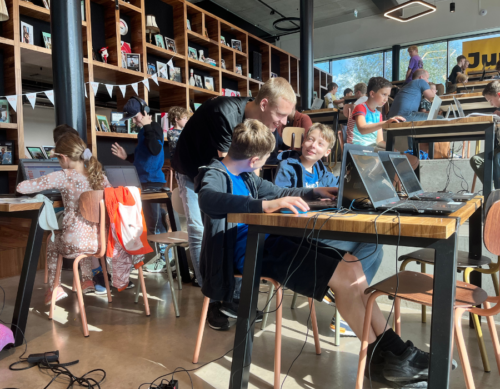
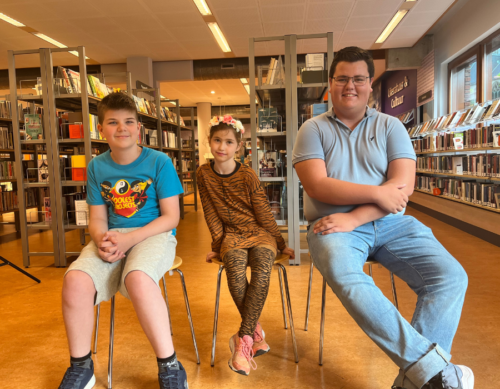
In our latest story, we’re heading to Alkmaar, the Netherlands, to meet Arno and Timo, CoderDojo enthusiasts who have transitioned from club members to supportive mentors. Their journey at CoderDojo and their drive to give back and support the next generation of coders in their community has been an inspiration to those around them.
Introducing Arno and Timo
Arno and Timo have been friends since childhood, and embarked on their CoderDojo journey at the age of 12, eager to explore the world of coding. Under the guidance of mentors like Sanneke, Librarian and Chair of CoderDojo Netherlands, they not only honed their technical skills, but also learned about the value of collaboration, curiosity, and perseverance. As they grew older, they in turn were inspired to support young coders, and wanting to remain part of the CoderDojo community, they decided to become mentors to the next generation of club attendees.
Having been helping younger members of the club for years, the transition to official mentors and proud owners of the much-coveted mentor T-shirt was seamless.
The power of mentorship
Sanneke reflects on the impact young mentors like Timo and Arno have on the young learners at CoderDojo:
“Having young mentors who are just slightly older than our youngest… I think it helps them to see what happens when you grow up and how they can help. They can be examples for how to help others.” – Sanneke, Librarian, CoderDojo mentor, and Chair of CoderDojo Netherlands
Timo echoes this sentiment, highlighting how mentoring provides a fantastic opportunity to help people and make a positive impact in the local community:
“I think volunteering is important, because you’re doing something for the community, in a city or village, supporting them in their journey in learning coding.” – Timo
As they continue their journey, Timo and Arno remain committed to supporting and inspiring the next generation of coders. They also encourage anyone who is thinking of volunteering at a club to give it a go:
“If you want to volunteer at the CoderDojo, just go for it. You don’t really need that much experience. […] The kids can learn it, so can you.” – Arno
The CoderDojo movement in the Netherlands is celebrating a decade of impact, and champions a culture of growth and learning. Arno and Timo’s story serves as an inspiration to us all, shining a light on the power of mentorship and the impact of volunteering in building stronger, more supportive communities.
Inspire the next generation of young coders
Arno and Timo’s story showcases the importance of mentorship for both individuals and communities, and the real impact you can have by donating an hour of your time a week. If you’re interested in becoming a CoderDojo volunteer, head to coderdojo.com to find out how to get started.
Help us celebrate Arno and Timo and their inspiring journey by sharing their story on X (formerly Twitter), LinkedIn, and Facebook.
The post Celebrating the community: Arno & Timo appeared first on Raspberry Pi Foundation.
[$] LWN.net Weekly Edition for April 11, 2024
Post Syndicated from daroc original https://lwn.net/Articles/968375/
The LWN.net Weekly Edition for April 11, 2024 is available.
Supermicro X14 Servers Shown at Intel Vision 2024 Including a Big Surprise
Post Syndicated from Patrick Kennedy original https://www.servethehome.com/supermicro-x14-servers-shown-at-intel-vision-2024-including-a-big-surprise/
Supermicro X14 servers for next-gen Intel Xeon 6 were shown at Intel Vision 2024 in Phoenix this week and there were some big surprises
The post Supermicro X14 Servers Shown at Intel Vision 2024 Including a Big Surprise appeared first on ServeTheHome.
GitHub Availability Report: March 2024
Post Syndicated from Jakub Oleksy original https://github.blog/2024-04-10-github-availability-report-march-2024/
In March, we experienced two incidents that resulted in degraded performance across GitHub services.
March 15 19:42 UTC (lasting 42 minutes)
On March 15, GitHub experienced service degradation from 19:42 to 20:24 UTC due to a regression in the permissions system. This regression caused failures in GitHub Codespaces, GitHub Actions, and GitHub Pages. The problem stemmed from a framework upgrade that introduced MySQL query syntax that is incompatible with the database proxy service used in some production clusters. GitHub responded by rolling back the deployment and fixing a misconfiguration in development and CI environments to prevent similar issues in the future.
March 11 22:45 UTC (lasting 2 hours and 3 minutes)
On March 11, GitHub experienced service degradation from 22:45 to 00:48 UTC due to an inadvertent deployment of network configuration to the wrong environment. This led to intermittent errors in various services, including API requests, GitHub Copilot, GitHub secret scanning, and 2FA using GitHub Mobile. The issue was detected within 4 minutes, and a rollback was initiated immediately. The majority of impact was mitigated by 22:54 UTC. However, the rollback failed in one data center due to system-created configuration records missing a required field, causing 0.4% of requests to continue failing. Full rollback was successful after manual intervention to correct the configuration data, enabling full service restoration by 00:48 UTC. GitHub has implemented measures for safer configuration changes, such as prevention and automatic cleanup of obsolete configuration and faster issue detection, to prevent similar issues in the future.
Please follow our status page for real-time updates on status changes and post-incident recaps. To learn more about what we’re working on, check out the GitHub Engineering Blog.
The post GitHub Availability Report: March 2024 appeared first on The GitHub Blog.
Gentoo Linux becomes an SPI Associated Project
Post Syndicated from jzb original https://lwn.net/Articles/969373/
The Gentoo Linux project has announced
that it is now an Associated Project of Software in the Public Interest
(SPI), which will allow it to accept tax deductible donations in the
US and reduce its “non-technical workload
“:
The current Gentoo Foundation has bylaws restricting its behavior
to that of a non-profit, is a recognized non-profit only in New
Mexico, but a for-profit entity at the US federal level. A direct
conversion to a federally recognized non-profit would be unlikely to
succeed without significant effort and cost.[…] SPI is already now recognized at US federal level as a
full-[fledged] non-profit 501(c)(3). It also handles several projects of
similar type and size (e.g., Arch and Debian) and as such has exactly
the experience and background that Gentoo needs.
According to the announcement, the goal is to “eventually
“. How to do that is still under discussion. This will
transfer the existing assets to SPI and dissolve the Gentoo
Foundation
not affect Förderverein
Gentoo e.V., which has public-benefit status in Germany and can
accept tax deductible donations in Europe.
На север: Гренландия в чиния (първа част)
Post Syndicated from Светла Стоянова original https://www.toest.bg/grenlandia-v-chiniya-1/
<< Към Страната на инуитите

През 2022 г. ресторант с две звезди Мишлен за първи път временно се премести в Гренландия, а аз имах страхотната възможност да работя в него. По произход от Фарьорските острови¹, ресторант KOKS направи малкото село Илиманак свой дом – на цели 300 км северно от Полярния кръг. Мястото е толкова отдалечено, че си е цяло пътешествие да се стигне дотам. За него е заснет филм, красноречиво наречен The Most Remote Restaurant In The World:
Ще отведа и вас, читателите, на това особено място, но няма да се огранича с престоя на масата, а ще започна още от полета до Гренландия.
Ако летите от Европа, самолетът преодолява цялото протежение на острова, за да кацне на западния му бряг. След 3–4 часа летене над океана, изведнъж от люка съзирате безкрайната ледена пустиня, тук-таме с яркосини езера от разтопен лед. Когато брегът се появи на хоризонта, картинката става негатив: вместо доскорошната гледка от сини петна на снежен фон, върху тъмносиния океан започват да проблясват бели айсберги, безразборно пръснати недалеч от крайбрежието. С приближаването те нарастват, докато започнат да се открояват ръбатите им триизмерни форми.
Приземявате се на малкото летище и пътят покрай морето ви отвежда до град Илюлисат, третия по големина в Гренландия.
Иззад малките хълмчета на хоризонта една по една изникват типичните шарени къщи, като че без ред накацали по крайбрежните скали. Гледка се открива и към пристанището – тесен залив, препълнен с малки лодки, една от които е вашата. Първо тя се носи покрай скалите и този път от морска гледна точка наблюдавате червените, зелените и сините къщи и оставените по скалите каяци, а малко след това пейзажът рязко се сменя с ледените грамади, върху които стъпва само птичи крак.

Пътуването продължава около час, а наоколо са само водата, айсбергите и ако сте късметлии – гърбът на кит или муцуната на любопитен тюлен. Лодката пори водата и движението ѝ едва поклаща по-малките ледени късове. Тихо е и студът щипе бузите, но оставате стоически навън вместо в затвореното купе и вдишвате студения лъх на вековния лед. Всичко това отваря апетита и вече нямате търпение да пристигнете в ресторанта. Айсбергите оредяват и наново се вижда земя – едно малко селце със същите ярки, но по-скромни къщи.
На кея ви посрещам аз и ви водя до една голяма черна къща досами скалите. Още през 1741 г. тя е сглобена в Дания, разглобена и докарана на трупи с кораби, за да бъде построена за дом и служба на мисионера Ханс Егеде. Двуетажна и изцяло дървена, сградата е изкусно реставрирана след десетилетия разруха и наскоро става част от културното наследство на ЮНЕСКО.
Стигаме до терасата с чисто бели маси, а мой колега донася по чаша шампанско. Разказвам какво предстои: 20-степенно меню, вдъхновено от гренландските традиции и местните продукти, съпроводено от специално подбрани и идеално съчетани с храната вина и други напитки. След малко, когато тишината на гледката изпълни душата, отварям старата дървена порта и предупреждавам за ниския таван, облицован в бледосини платна, за които се смята, че са от стари корабни платна, неотдавна открити под гредите на къщата. Мой колега поема връхните дрехи, а аз ви отвеждам до предварително определената маса до прозореца. На нея има ръчно изработена керамична чиния в земни цветове, старателно сгъната кърпа, крехка водна чаша, запалена свещ и украса от свеж зелен мъх и ситни жълти цветя.

Скоро поднасяме първото ястие от многостепенното меню: mattak, специалитет на инуитите под формата на кубче сурова мас и кожа от кит,
вероятно единствен носител на витамин С преди появата на вносните плодове. В продължение на векове инуитите са разчитали основно на улова на китове и тюлени, а тяхната мас е служила както за силна и засищаща храна, така и за свещи през дългите зимни нощи. В Гренландия се срещат няколко вида китове: гърбат кит, гренландски кит, нарвал, финвал и малък ивичест кит. В миналото множество датски и нидерландски кораби товарели големия улов на китове, за да използват маста за осветление в големите европейски градове, а от балените² често правели корсети, чадъри, бастуни и др. В днешно време уловът им е силно ограничен. Кубчето от кит във версията на готвачите представлява няколко изящно вплетени филийки кожа и мас във формата на мъничък подарък, гарниран с букетче от хрупкави „зелении“ за свеж послевкус.

По време на сервирането всички се движим в синхрон и следваме посоката на часовниковата стрелка, така че погледнато отстрани, изглежда почти танцувално, като истинска хореография.
Поднасянето и отнасянето на чиниите става с по двама или трима сервитьори едновременно. При маса от шестима души обикаляме, спираме се на позиции 1, 3 и 5, сервираме тихо, с умерен жест, след това преминаваме към позиция 2, 4 и 6 и пак така поставяме чиниите и на останалите гости. След това първият сервитьор разказва увлекателно за ястието, докато другите двама незабелязано се изнизват.
По този начин едно по едно пристигат деликатеси с местни морски дарове, като пресни скариди, различни видове миди, раци, хайвер, водорасли. Разбира се, има и риба, като златистия морски костур или типичната за региона атлантическа камбала, едра плоска риба, която може да достигне 3 м дължина и тегло от 200 кг, но в днешно време такива екземпляри почти не се срещат заради свръхулова на този вид. В миналото инуитите я ловели с дълго въже с множество кукички, което пускали на стотина-двеста метра дълбочина и след едно денонощие изтегляли обратно на брега, за да разфасоват рибата с типичните си обли ножове уло.
Днес рибата и скаридите са стоката, която съставлява около 90% от брутния вътрешен продукт на Гренландия.
В ресторанта скаридите се поднасят на две части: в първата има три сурови скариди, деликатно залети с бистър сос от комбуча и няколко капки олио от кориандър – изключително нежно и ароматно ястие, а във втората – шокираща пържена скаридена глава, пълнена с пушен крем от раци, която гостът да схруска на една хапка, без да се плаши от стърчащите крачка и мустаци.

След поредицата от морски специалитети сервираме ароматен бульон с арктическа мащерка, в последната глътка от който изненадващо се пукват три зрънца касис. Така се пренасяме от морето на сушата и се зареждат ястията от гренландски животни, като северен елен, овцебик, арктически див заек и др. Чинията, обираща овациите, е посветена на тундровата яребица³, чието чисто бяло крило представлява шиш, на който са нанизани късчета месо на грил заедно с тънки резени еленска сланина и гъби. Всичко това е залято със сос от боровинки, които готвачите собственоръчно са извадили от воденичките на птиците, така че плодчетата са ферментирали по естествен път и са придобили леко кисел вкус.

Следващото ястие е тартар от северен елен, елегантно поставен между две зелени листа като своеобразен сандвич, поръсен с настъргано пушено еленско сърце и положен върху килим от яркозелен мъх. Северните елени в Гренландия са диви и обикновено се движат на стада. Лятото прекарват близо до бреговете, където растителността е в изобилие, а през зимата се изтеглят в по-вътрешната част на острова, където валежите от сняг са оскъдни и намирането на лишеи е по-лесно. Елените са вероятно най-разпространеният и най-обичан улов от инуитите. Традиционно те използват всяка част от животното, включително рогата и костите за направа на инструменти, козината – за топли дрехи, а вътрешностите сушат и опушват за зимнина.

Последното месно ястие е от овцебик, наричан още мускусен бик. Това е едър тревопасен бозайник от арктическия ареал, който може да се срещне в Гренландия, Канада и Норвегия. Животното е далечен братовчед на овцата и вълната, която инуитите изчепкват от гъстата му и груба козина, е една от най-топлите и най-меки в света. Производството ѝ е изключително скъпо, защото, както сподели един гренландец, отделянето на късите и деликатни влакънца само от 1 кв.м козина отнема цял ден. Месото от овцебик е с наситен вкус и при продължително печене се топи в устата.
Сладката част на менюто включва три десерта, като всеки следващ покачва нивото на сладостта – от свежо парфе от девесил, през кремообразен десерт от водорасли и корен от целина, до карамел от черен чесън и лук като за капак. Но истински гренландската съставка се нарича Rhododendron groenlandicum и представлява ниско растение със ситни бели цветове, което ухае наситено като парфюм дори ако само минеш покрай него. Ядливо е и от него местните често приготвят чай с ободрително действие, но в твърде големи количества то може да бъде токсично. С последните малки сладки предлагаме подбрани сортове кафе и ликьор и ви оставяме да си починете след тази безкрайна върволица от чудати вкусове.


Десерт от карамелизиран лук и черен чесън; петифура от червени боровинки, направена с помощта на грамофон © Никол Кмецова
Благодаря, че бяхте гости в нашия ресторант на края на света. А за обиколка зад кулисите очаквайте следващата ни среща!
(Следва продължение)
1 Фарьорските острови са автономна област на Кралство Дания в Северния Атлантически океан, разположена между Шотландия, Норвегия и Исландия. Фарьорското население има свой език, култура и традиции.
2 Балени се наричат горните и долните рогови пластини, служещи за зъби, или по-точно за цедка, която задържа уловените в устата на кита крил, ракообразни и планктони. Затоплени и влажни, те придобиват известна пластичност, което ги прави удобни за нарязване и моделиране. Корсетите със структура от подобен материал постепенно застават по формата на тялото на жената, която ги носи.
3 Тундровата яребица обитава арктическия ареал и високопланинските райони в Европа, Азия и Северна Америка. През лятото е със сребристо-кафяво оперение, а през зимата е чисто бяла.
The Fossil Forests of Joggins: How a Quest for Coal Shaped Paleontology
Post Syndicated from Geographics original https://www.youtube.com/watch?v=fqDgHRUcNkc