Post Syndicated from Matt Granger original https://www.youtube.com/watch?v=XnACNV1YNLA
Higher Education’s Identity Crisis
Post Syndicated from The Atlantic original https://www.youtube.com/watch?v=ergkihcHQvU
Ограниченията във въздушното пространство на България
Post Syndicated from Боян Юруков original https://yurukov.net/blog/2026/gdgba/
Преди седмица написах статия за това как все още няма ограничителни зони за дронове около площадките за медицински хеликоптери. Макар това да е вероятно най-малкият проблем в това начинание, все пак създава риск. Скоро след това @dhardestbattles.bsky.social ме поправи в Blusky, че всъщност има сериозно разминаване между интерактивната карта на ГД ГВА и JSON файла, който предоставят. Наистина, на страницата им пише, че картата е само индикативна. Моя грешка е да предположа, че няма толкова голяма разлика между двете.
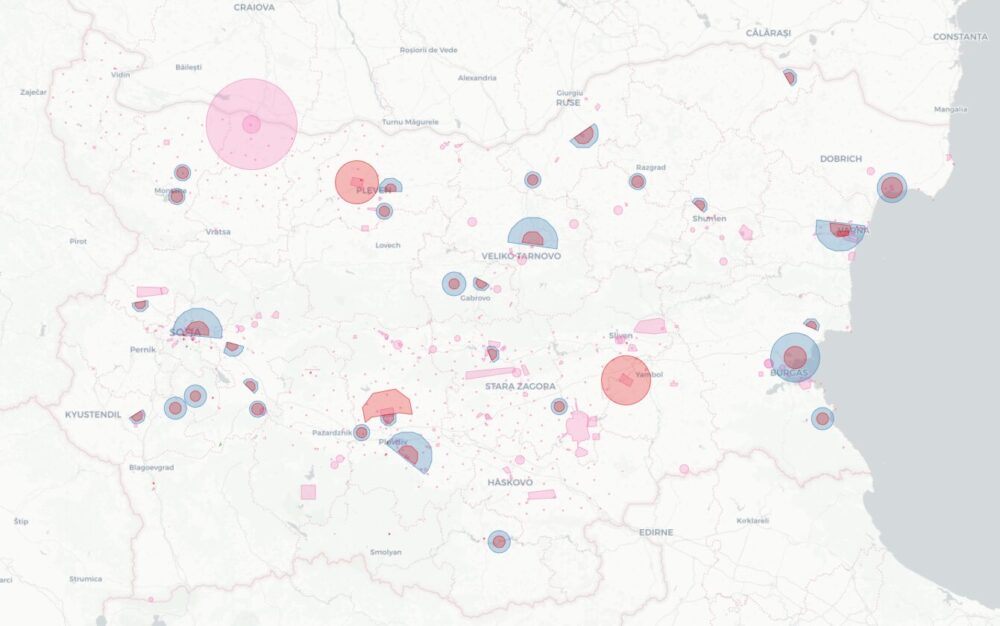
Затова, както правя обикновено, седнах да направя карта, която да показва реалните данни на ограниченията на въздушното пространство. Доколкото има готови професионални инструменти за представяне на специализирания формат, целта ми беше по-скоро да направя карта, която да ни позволи да оценим работата на дирекцията и най-вече исканията за такива ограничения. Картата няма за цел да е отправна точка и всеки следва да сверява с официалната страница на ГД ГВА.
Методология и условности
Този път реших да направя картата на английски заради съдържанието на повечето полета във формата. Само текстовото описание на ограничението е на български, което намирам за странно в случая. Добавих филтри по тип ограничение и към тях добавих зоните над 50м. около летищата. Така може да се изключват категории като натиснете на легендата. При натискане където и да е се отваря информация за всички ограничения на това място спрямо филтрите. Така разбираме какво е естеството на ограниченията. Повечето са изискване за уведомяване или искане на разрешение в определен период преди полета. Има лице за контакт и други параметри. С бутоните горе вляво може да сменяте картата на сателитна снимка както и да я фокусирате върху местоположението си.
Направих така, че картата да зарежда всеки ден информацията за ограниченията, ако има нова такава. Докато я правих забелязах, че са обновили файла междувременно – на 15 и 18-ти май. Затова ми хрумна да заредя всички публични промени в последните години. Има 21 такива от май 2023-та насам. Преди това не са публикували JSON файла, а са разчитали на въпросната индикативна карта. Тя обаче няма историческа справка. Затова нямаме данните за зоната, например, около игрището, където Борисов риташе мачле край ресторанта на Сталийски.
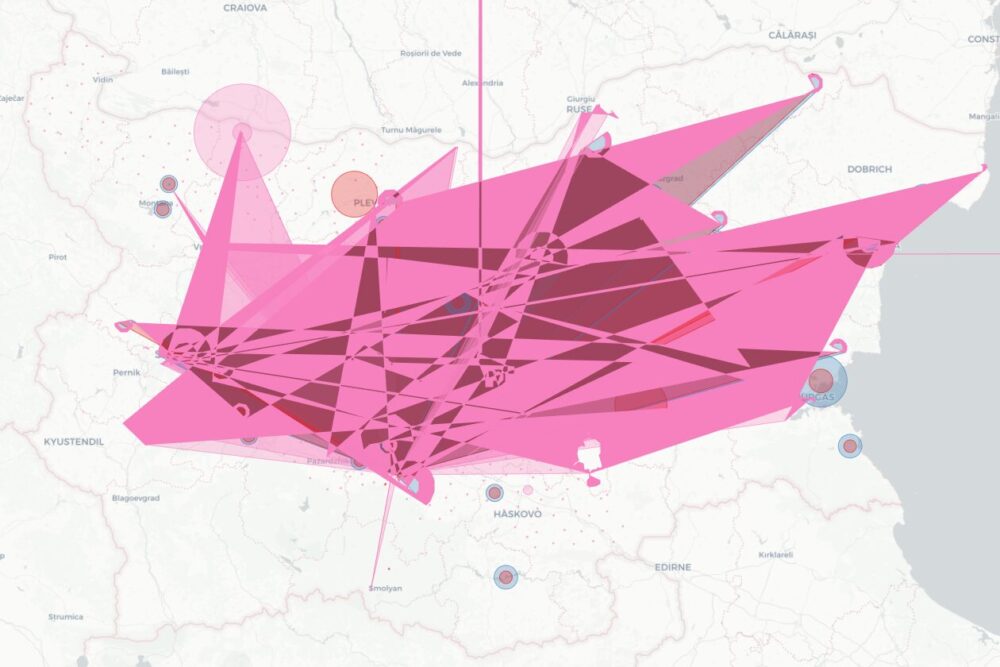
19 от тези архива с ограничения добавих на картата. Може да се покажат с бутона горе вляво за филтър и после да се избере дата от менюто. Архивите от май и юни 2023-та, за съжаление, са неизползваеми. Както виждате долу, при създаването им са объркали географския формат на полигоните. Можех да ги оправя, но тогава ще трябва да правят твърде много предположения и се губи смисълът.
Това, което са добавяли тогава обаче в последствие е въведено все пак във валидни ограничения и ги виждаме в следващите архиви. Някои от зоните са изтривани и въвеждани наново. Ако натиснете на някоя от тях ще видите кога са първо въведени и кога са изтрити. Някои от тях обаче е да са въведени наново на по-късен етап и на същото място да е имало друга зона дори със същия идентификатор, макар с различни параметри. На доста от зоните пиша, че са въведени най-късно през 2023-та, тъй като нямам по-стари данни.
Хеликоптерните площадки
Както споменах в предишната си статия, към този момент има 20 площадки за медицински хеликоптери в болници из цяла България. На интерактивната карта на ГД ГВА няма ограничения за дронове на никоя от тях. В официалния JSON файл обаче има за 12 от тях. Тези без ограничения са:
- УМБАЛ „Проф. д-р Стоян Киркович“ в Стара Загора
- МБАЛ „Д-р Тота Венкова“ и МБАЛ „Свети Иван Рилски“ в Габрово
- МБАЛ „Света Петка“ във Видин
- МБАЛ „Д-р Иван Селимински“ в Сливен
- МБАЛ „Сърце и Мозък“ в Плевен
- МБАЛ „Д-р Братан Шукеров“ АД в Смолян
- МБАЛ „Хасково“
Всички тези са добавени в списъка на дирекцията след средата на 2025-та. Повечето от ограниченията за останалите 12 са добавени през 2024-та и преди запитването ми до ГД ГВА през 2025-та защо не се виждат такива на картата. Интересното тук е, че тогава те не ми отговориха, че всъщност има ограничения и картата е само индикативна. Вместо това ми отговориха, че все още се работи по процеса и всъщност не било задължително да има ограничения за дронове.
Особености на ограниченията
Моята интерактивна карта може да разгледате тук или на нов екран.
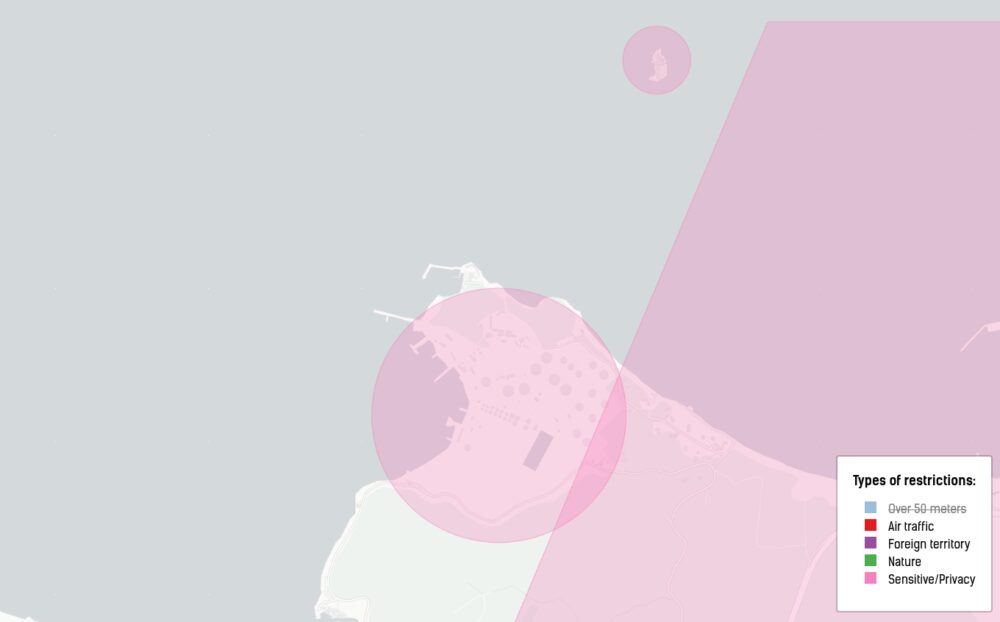
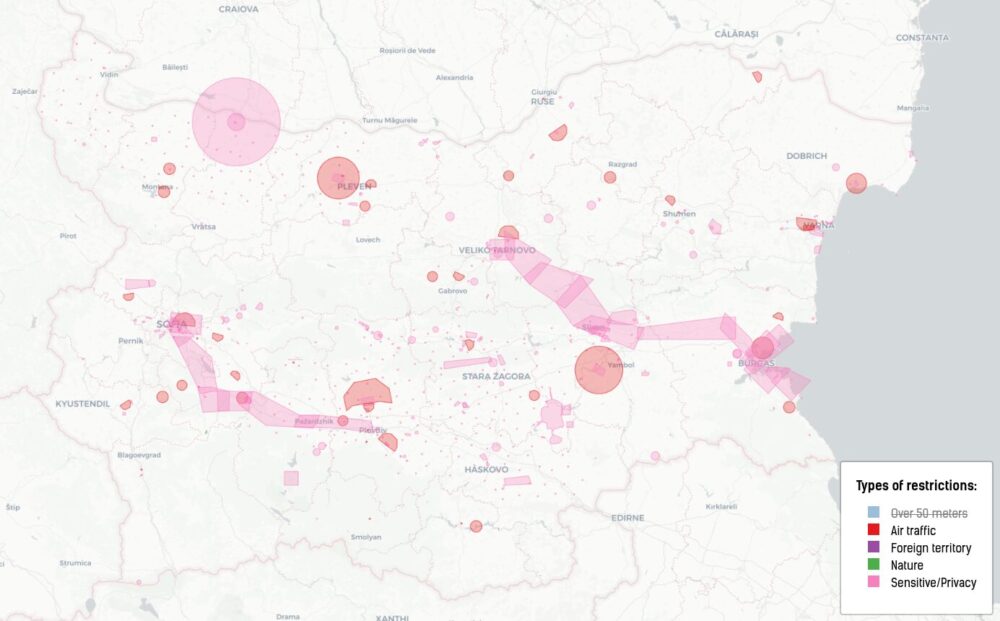
По нея може да направим няколко интересни наблюдения. В Тракия между Сливен и София, както и в северозападна България на запад от Плевен се виждат множество ограничителни зони свързани с площадки за борба с градушките. Друг пример са ограниченията около Росенец обхващащи почти целия полуостров, но без резиденцията на Доган.
Като друг пример виждате ограничения въведени между 8-ми и 15-ти май от земята до 305 метра за дронове по пътя между Бургас и Велико Търново и Пловдив и София. Това изглежда са ограничения свързани с провеждането на Giro d’Italia по това време. Тогава имаше доста хеликоптери отразяващи събитието и явно целта е била да се пазят те от дронове на зрителите.
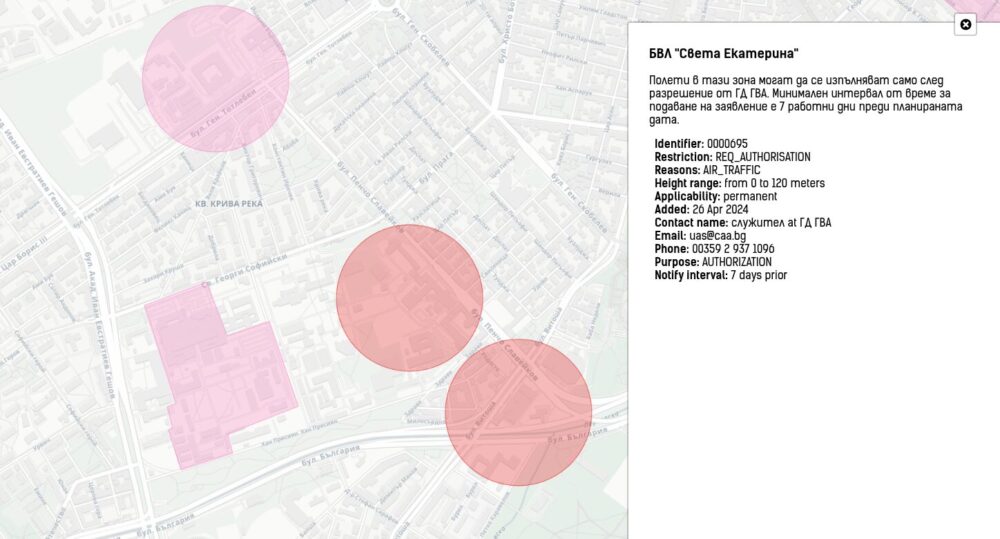
По същото време се забелязва и добавено ограничение в Лозенец и Изгрев. Те съвпадат с Руското посолство, Руското търговско представителство и Руското училище в Лозенец и са в категория чувствителни обекти. Махнати са на на 18-ти май и не откривам публична информация защо. На същата карта виждате ограниченията около посолствата на Израел и САЩ в категория „чужда територия“. Такива обаче няма около руското, немското и другите посолства в района. Виждаме ограничения за „чувствителни обекти“ около комплекса на НСС и МВнР
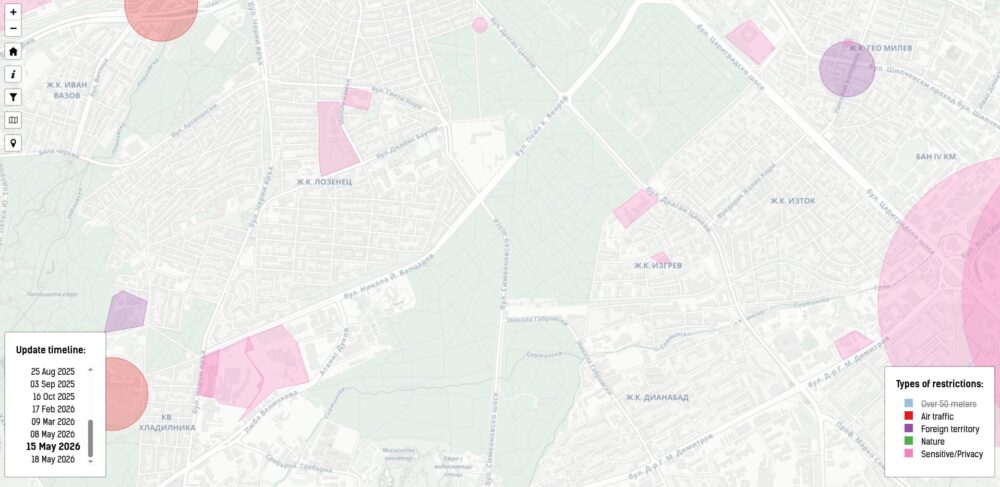
Виждаме също ограничение ERM2 в Лозенец на границата на Борисовата градина. Там се намира намира подстанция Рила. Стана известна след спирането на тока в целия център на София по време на масовите протести през декември 2025-та. Тогава имаше обосновани предположения за умишлен саботаж. Интересно е, че ограниченията за дронове на това място до 120 м. е въведено четири месеца по-рано – през август.
На картата може да се видят още доста такива зони. Повечето са свързани с летища, военни или други държавни обекти. Има няколко в категория природни обекти, макар да се броят на пръсти. Един такъв е целият язовир Бели Искър. По някаква причина са добавили пречиствателните станции Бистрица, Панчерево и Кубратово в тази категория. Изглежда категорията не се отнася до опазване на защитени природни зони от шум, а на инфраструктура.
Какво друго интересно забелязвате в данните?
[$] LWN.net Weekly Edition for May 21, 2026
Post Syndicated from corbet original https://lwn.net/Articles/1072730/
Inside this week’s LWN.net Weekly Edition:
- Front: OpenSUSE site age restrictions; Lots of LSFMM+BPF coverage; The tenth OpenPGP email summit.
- Briefs: Firefox 151.0; pgBackRest funding; RIP Peter G. Neumann; Quotes; …
- Announcements: Newsletters, conferences, security updates, patches, and more.
AMD Details Ryzen AI Halo AI Dev Mini-PC, Pre-Orders In June For $3999
Post Syndicated from Ryan Smith original https://www.servethehome.com/amd-details-ryzen-ai-halo-ai-dev-mini-pc-pre-orders-in-june-for-3999/
Ahead of June pre-orders, AMD is releasing more information about their forthcoming AI dev box, the Ryzen AI Halo. The AI mini-PC will come pre-loaded with a comprehensive AMD software stack and carry a $3999 price tag
The post AMD Details Ryzen AI Halo AI Dev Mini-PC, Pre-Orders In June For $3999 appeared first on ServeTheHome.
AMD Ups Ante With 192GB Ryzen AI Max PRO 400 Chips for AI Systems
Post Syndicated from Ryan Smith original https://www.servethehome.com/amd-reveals-ryzen-ai-max-pro-400-series-192gb-ram-for-ai-systems/
AMD is adding a trio of new chips to its Ryzen AI Max portfolio. The 400 series chips will bring support for up to 192GB of memory to AI systems, allowing for larger local models than ever before
The post AMD Ups Ante With 192GB Ryzen AI Max PRO 400 Chips for AI Systems appeared first on ServeTheHome.
How Olivia Rodrigo’s Baby-Doll Dress Reflects Attitudes Toward Women’s Fashion
Post Syndicated from The Atlantic original https://www.youtube.com/shorts/hX2FDNEZVi4
Why Policy in Amazon Bedrock AgentCore chose Cedar for securing agentic workflows
Post Syndicated from Liana Hadarean original https://aws.amazon.com/blogs/security/why-policy-in-amazon-bedrock-agentcore-chose-cedar-for-securing-agentic-workflows/
Agents have agency: they adapt and find multiple ways to solve problems. This autonomy creates a fundamental security challenge: the large language model (LLM) at the heart of the agent is non-deterministic, and its decisions can’t be predicted or guaranteed in advance. It can hallucinate harmful actions with complete confidence. It’s vulnerable to prompt injection attacks, where adversaries inject malicious commands through tool responses or user inputs. LLMs don’t robustly differentiate between commands and data, everything is only tokens. For these reasons, if you want defense in depth, you must treat the LLM as an untrusted actor from a security point of view.
The insight is that the LLM can’t affect the external world directly: it has to go through an orchestrator that invokes tools based on the LLM’s output. This is precisely where the controls must be applied. What you need at this boundary is authorization: a decision about whether each tool invocation should be allowed and under what conditions. Consider a customer service agent for an online retailer. Without proper controls, it could process refunds that exceed authorized limits, apply discounts to product categories that should be excluded, or look up one customer’s data while handling another customer’s session.
If you control agents’ access to tools, you can establish a safety envelope within which the agent can operate freely. This differs from two common but unsatisfactory approaches:
- Creating hard-coded workflows eliminates uncertainty, but by itself defeats the purpose of using an LLM as the brain of the agent, because you’ve built a traditional application with an LLM interface. And even with this restriction, using LLM outputs at any step can open up the same risks. While it’s a useful technique for well-understood workflows, it’s not sufficient for agents that need to adapt.
- Human-in-the-loop provides a safety net for critical operations, and it will always have a role. But relying on it as the main control mechanism sacrifices autonomy and can lead to approval fatigue.
You need agents that are safe and autonomous. This requires an auditable, deterministic enforcement layer that sits outside the agent and tools. Why outside? Because the LLM’s plan is the thing you can’t trust—it can’t be responsible for enforcing its own constraints. Controls at the LLM layer—such as system prompts and training-time alignment—can be bypassed by prompt injection or hallucination. Hard-coded checks in agent or tool code are more robust, but become difficult to audit and manage at scale, especially when security logic is scattered across many tools and services. Centralizing authorization outside both gives you a single checkpoint the LLM can’t circumvent; one that’s auditable and can be verified independently of the application code.
This is where AgentCore Policies come in. Amazon Bedrock AgentCore Gateway sits between the agent and the remote tools it calls. When you associate a Policy with a Gateway, it blocks everything by default. Policies selectively open this boundary by specifying which tool invocations are allowed and under what conditions. This enforcement applies to all tool traffic routed through the Gateway. For this approach to scale, it must be more straightforward to reason about the policies than about the agent’s behavior.
AgentCore policies are expressed in Cedar. Cedar is an open source authorization policy language developed by AWS that has recently joined the Cloud Native Computing Foundation (CNCF). Cedar was designed with exactly these properties: it’s purpose-built for authorization, readable by humans, and analyzable by machines using automated reasoning. This gives enterprises the ability to scale policy definition and enforcement to their AI agents.
How Cedar is used by Amazon Bedrock AgentCore
Amazon Bedrock AgentCore provides the infrastructure to deploy and manage agents at scale. It includes AgentCore Runtime for hosting agents, AgentCore Gateway for managing how agents connect to tools using Model Context Protocol (MCP), and Policy in AgentCore. Policy intercepts all agent traffic through AgentCore gateways and evaluates each request against defined policies in the policy engine before allowing tool access. Cedar powers the policy layer.
AgentCore Policy uses Cedar and its mathematical analysis capabilities at several points in the AgentCore Gateway workflow: the Cedar authorization engine is used at policy evaluation and Cedar Analysis is used during policy authoring, and in the control plane.
Policy authoring: Developers can write Cedar policies directly or use natural language that gets translated to Cedar through a neuro-symbolic AI feedback loop. Neuro-symbolic AI combines machine learning’s flexibility with automated reasoning’s provable correctness. An LLM generates policies from natural language, while Cedar Analysis validates them using symbolic, mathematical reasoning. The following diagram illustrates this workflow:
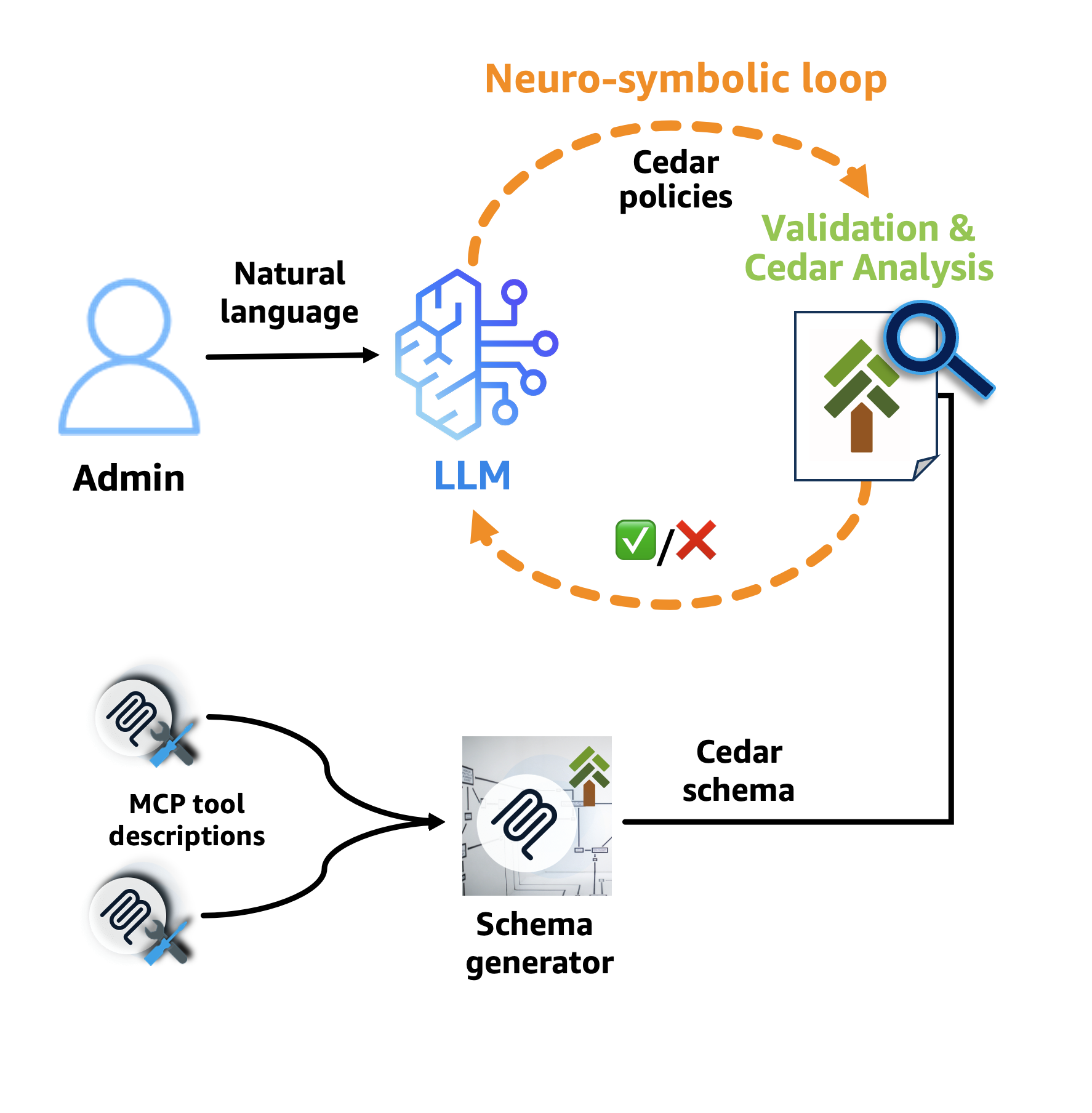
Figure 1: Cedar policy generation workflow
An administrator specifies—in natural language—which MCP tools the agent can call and under what conditions. The neuro-symbolic feedback loop then formalizes this description into Cedar policies. Here’s how it works: first, the LLM translates the natural language into Cedar policies. These policies are then run through two stages of verification. In the first stage, AgentCore Policy uses a Cedar schema generator that takes the MCP tool descriptions and produces a Cedar schema. Cedar validates the policies against this schema, helping to ensure that they reference valid tools and parameters and ruling out whole classes of runtime errors. If validation passes, the second stage runs Cedar Analysis, which encodes each policy as a mathematical formula and detects issues like policies that grant or deny everything, or that contain impossible conditions. These mathematical proofs identify errors in the process of translating from the natural language description to Cedar policies, and guide corrections.
The neuro-symbolic feedback loop significantly improves the accuracy of the generated policies. This demonstrates the power of combining neural and symbolic approaches—the LLM provides creative translation from natural language, while automated reasoning provides rigorous validation.
Control plane: When attaching policies to an AgentCore Gateway, Cedar Analysis performs holistic analysis of the entire policy set. Instead of analyzing policies in isolation, it examines how they interact and their combined effect. This analysis identifies potential logical errors—such as conflicting or redundant policies—and detects whether the policy set produces unintended authorization outcomes. When Cedar Analysis detects these errors, the operation fails and returns a description of the issue, so the policy author can fix and retry. See the Formal analysis for policy verification section for examples of the checks.
MCP tool invocation enforcement: Each agent tool request made to the AgentCore gateway is evaluated against Cedar policies which determine whether the MCP tool invocation with the given arguments should be allowed. This creates the safety envelope while allowing the necessary bridges to enable the agent to perform its job.
MCP tool filtering: Cedar enables an additional layer of protection that operates before any tool invocation occurs. When an agent issues a list tools command, AgentCore Gateway uses Cedar’s partial evaluation capability to determine which actions would always be denied under the current policy set. Those actions are omitted from the list tool response. The agent and the underlying LLM never see those tool actions, eliminating an entire class of risk: the agent and LLM can’t attempt to invoke a tool it doesn’t know exists. This is a direct benefit of Cedar’s partial evaluation: the system can determine that certain tool actions are unreachable without needing to wait for an actual tool invocation attempt.
Why Cedar: Analyzability enables safety at scale
Natural language is too ambiguous for security-critical infrastructure, and general-purpose programming languages, like Python, are very expressive but too difficult to analyze. They can have unintended side effects, termination issues, and can be difficult to understand.
Cedar avoids these issues by excluding loops and stateful operations, so policy evaluation terminates in O(n) time in common cases. This bounded execution time means agents can make authorization decisions without disrupting user experience or workflow efficiency.
Cedar is straightforward to read. Regulatory compliance and security audits require policies that humans can understand and verify. Cedar policies read like structured natural language, making them accessible to security teams, compliance officers, and business stakeholders:
Auditors without a technical background can understand this policy: “Allow bulk discounts for platinum customers who order at least 50 items, except for limited edition or seasonal special products.” The unless clause makes the exception clear, which is how business rules are typically expressed in natural language. Notice that this single policy constrains two different sources of data. The customer tier comes from a JSON Web Token (JWT) claim—it can’t be hallucinated or manipulated by the LLM. The tool inputs like order quantity and product types, however, originate from the LLM’s tool call. Cedar policies constrain these inputs to only allowed values, ensuring that even if the LLM produces unexpected arguments, the policy enforcement layer rejects them deterministically.
Cedar is the right choice because it’s fast, straightforward to read, and analyzable through automated reasoning. This analyzability is why you can reason about the safety envelope around agents that’s expressed as Cedar policies. As agentic systems grow the number of tools grows. Without proper tooling, policy management becomes intractable; policies can conflict, create security gaps, or produce unintended authorization outcomes.
In the rest of this section, we examine how Cedar’s analyzability directly addresses this challenge through its deterministic, mathematically sound analysis. Because Cedar analysis can reliably detect conflicts and logical errors across large policy sets it enables scalable policy management through neuro-symbolic AI.
Formal analysis for policy verification
Cedar policies can be encoded as mathematical formulas and analyzed using automated reasoning techniques through a symbolic encoder. This enables AgentCore Policy to provide sophisticated policy verification capabilities during policy authoring and beyond. AgentCore Policy uses this analysis when authoring or attaching policies to detect possible logical errors, such as conflicting or redundant policies. Policy analysis, including policy comparison is available as an open source CLI tool. Next, we will take a look at some concrete examples of these checks.
Detecting logical errors in policies: Cedar Analysis can detect when policies contain logical errors. For example, the following policy has contradictory constraints that mean it can’t allow any request: the customer tier can’t be both gold and platinum at the same time. The intention was to use an || instead of &&, a mistake that can be made by both humans and AI systems that author policies.
Similarly, Cedar Analysis can detect policies that always allow a given action, usually an indication of an overly permissive policy. For example, the following policy will allow all ApplyBulkDiscount requests because any order quantity will either be greater than or equal to 100 or less than 100.
Detecting such logical errors isn’t easy for humans, and can’t be done by pattern matching: you need the formal rigor of mathematical analysis, which is exactly what Cedar Analysis does.
Detecting policy conflicts: Cedar Analysis can also analyze the entire policy set to detect inconsistencies between different individual policies:
The permit policy allows gold customers to process refunds less than $100, while the forbid policy blocks gold customers (and platinum customers) from processing refunds less than $500. Because forbid overrides permit in Cedar, the forbid policy would block all gold customer refunds despite the permit policy.
Comparing policy changes: When updating policies, Cedar Analysis can also determine the exact impact of a change. Consider the following update to the unless clause (the policy lines with + have been added and those with - have been removed): we now block ApplyBulkDiscount only when the product type is limited_edition and the quantity exceeds 200.
At first glance, adding a condition to the unless clause might seem more restrictive. In fact, it’s the opposite: narrowing when the unless applies means the permit now covers more requests. For example, an order of 73 units of a limited_edition product would have been blocked before but is now allowed. Cedar Analysis can automatically detect this and generates the following table showing the difference in permissiveness between the original policy set and the updated one:
|
Principal type |
Action |
Resource type |
Status |
|
OAuthUser |
ProcessRefund |
Gateway |
Equivalent |
|
OAuthUser |
ApplyBulkDiscount |
Gateway |
More permissive |
In the preceding example, the analysis tells us that the updated policy allows allows exactly the same ProcessRefund requests, but allows more ApplyBulkDiscount requests.
This formal verification capability is essential when agents operate autonomously and can affect the real world. Organizations need mathematical certainty that their policies will behave as intended.
Deterministic behavior for reliable governance
Unlike probabilistic AI models, enterprise security requires deterministic guarantees. Cedar policies always produce the same authorization decision for identical requests, regardless of evaluation order or system state. Cedar’s default deny, forbid wins, no ordering semantics help ensure predictable behavior.
Whether the permit or forbid policy is evaluated first, a refund request over $500 will always be denied, and any refund issued more than 90 days after the order date will also be denied. This predictability gives enterprises confidence in their agent governance.
From policies to production
By choosing AgentCore Policy and Cedar, organizations can deploy autonomous agents with policies they can reason about mathematically, not only hope the agents work correctly. Cedar’s combination of expressiveness, readability, and formal verification means that you can design agents with the flexibility needed to function and the certainty security teams demand.
Automated reasoning has already proven its value across AWS, from AWS IAM Access Analyzer verifying access policies to provable security for network configurations. Applying these same techniques to agentic AI is a natural extension: as agents take on more responsibility, the need for mathematically grounded guarantees only grows. The neuro-symbolic approach we’ve described in this post—combining LLM flexibility with the rigor of automated reasoning—points toward a future where agents can be both more autonomous and more trustworthy, because the verification keeps pace with the autonomy.
Learn more
Policy is now available as part of Amazon Bedrock AgentCore Gateway. To learn more about Cedar and its capabilities, visit the Cedar website, try the Cedar playground, or join the Cedar community on Slack.
For more information about Policy in Amazon Bedrock AgentCore Gateway, visit the AWS documentation or explore the AgentCore Gateway console.
If you have feedback about this post, submit comments in the Comments section below.
Плаваща България и съдбата на „Калиакра“
Post Syndicated from Веселин Златков original https://www.toest.bg/plavashta-bulgariya-i-sudbata-na-kaliakra/
Поне половината българи бъркат глаголите плувам и плавам или ги използват като синоними – просто както им звучи по-добре. Може и да не съм прав в това обобщение, но такива са наблюденията ми. Понякога грешките са направо трагикомични, като онова прословуто съобщение на пресцентъра на правителството на Кирил Петков, в което се предупреждаваше, че към българския бряг плуват (не стана ясно в какъв стил – гръб, кроул или кучешката) морски мини и може да навлязат в нашата екватория (такава дума няма, има акватория – водно пространство, както вече е било поправено на сайта, след като някои медии обърнаха внимание на грешката).
В много репортажи корабите акУстират вместо да акОстират и за да не стават грешки, случвало се е и направо да паркират на пристанищата. Като цяло морската култура на българите е доста слаба, може би с изключение на кулинарния раздел в нея.
А иначе, много българи плуват – от легендата Петър Стойчев до участниците в „Игри на волята“, и можем да кажем, че плуващата България се разраства.
Новите проблеми на Варна
Варна като разказ за пропуснат шанс и за системно разминаване между амбиция и реалност. В града се строи повече, отколкото се живее, обещава се повече, отколкото се изпълнява. Между морето, имотите и провалените проекти наднича въпросът „Къде потъна потенциалът?“. От Веселин Златков.
 Веселин Златков
С плаващата България нещата са малко по-различни
Като пълноправни европейци ние вече имаме достъп до прословутите „три морета“, както и до всички останали, за които националистите ни не са се и осмелявали да мечтаят. Хората с възможности си купуват яхти или си организират почивки на катамарани в Егейско море, но някак си все сме далече от претенцията да сме морска нация.
Ех, само ако имаше нещо, което да послужи за символ на българската морска идея; което да е за младите; нещо, което да ги научи да познават и усещат същността на морето и да влязат в кожата на знаменитите световни мореплаватели, откриватели и изследователи…
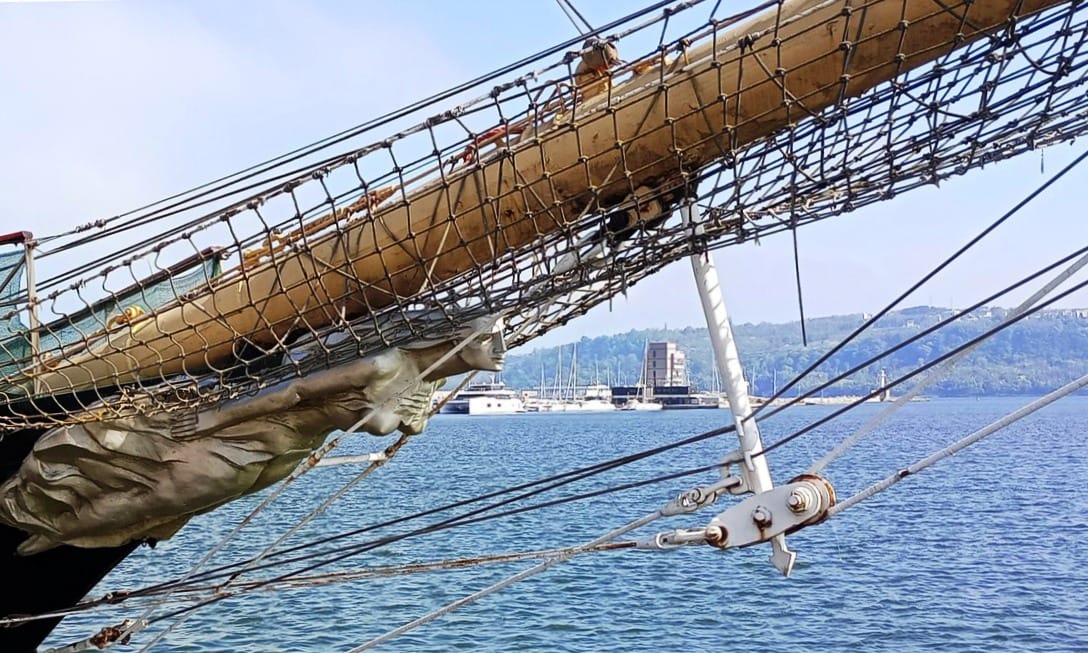
Има такова нещо. Красив кораб с високи мачти. Вързан е на кея на пристанището във Варна. Използва се за декор и допълнителна площ с маси към популярен ресторант. И за частни партита, когато някой реши да се изфука.
Ситуацията, в която се намира българският учебен ветроходен кораб „Калиакра“ в последните години, може да се сравни само с това някой училищен физкултурен салон през лятната ваканция да се ползва за стриптийз бар.
Срамното не е това, че на палубата на славната ни баркентина се разнасят чинии и чаши. Срамното е, че „Калиакра“ не плава. От много години.
„Калиакра“ е построена през 1983–1984 г. в полските корабостроителници в Гдиня и Гданск по проект на изключителния корабен дизайнер Зигмунд Хорен. Учебният ветроход има две по-стари „сестри“ – „Погория“ и „Искра II“. Те са създадени със същата цел: да служат за учебна база на курсанти и кадети, в случая с „Погория“ – 14-годишни бъдещи моряци.
С направените подобрения на базовия проект „Калиакра“ се превръща не само в красив, но и в много бърз ветроход, а ентусиазираните български ветроходци започват да печелят победи над далеч по-опитни съперници от всички големи морски нации. „Калиакра“ постига и двете цели, заради които социалистическата държава я е поръчала. От една страна, обучението на курсантите от ВВМУ „Никола Вапцаров“ минава на ново ниво, а от друга – и това в крайна сметка е по-ценното, – България влиза в престижното общество на страните, които имат учебни ветроходи.
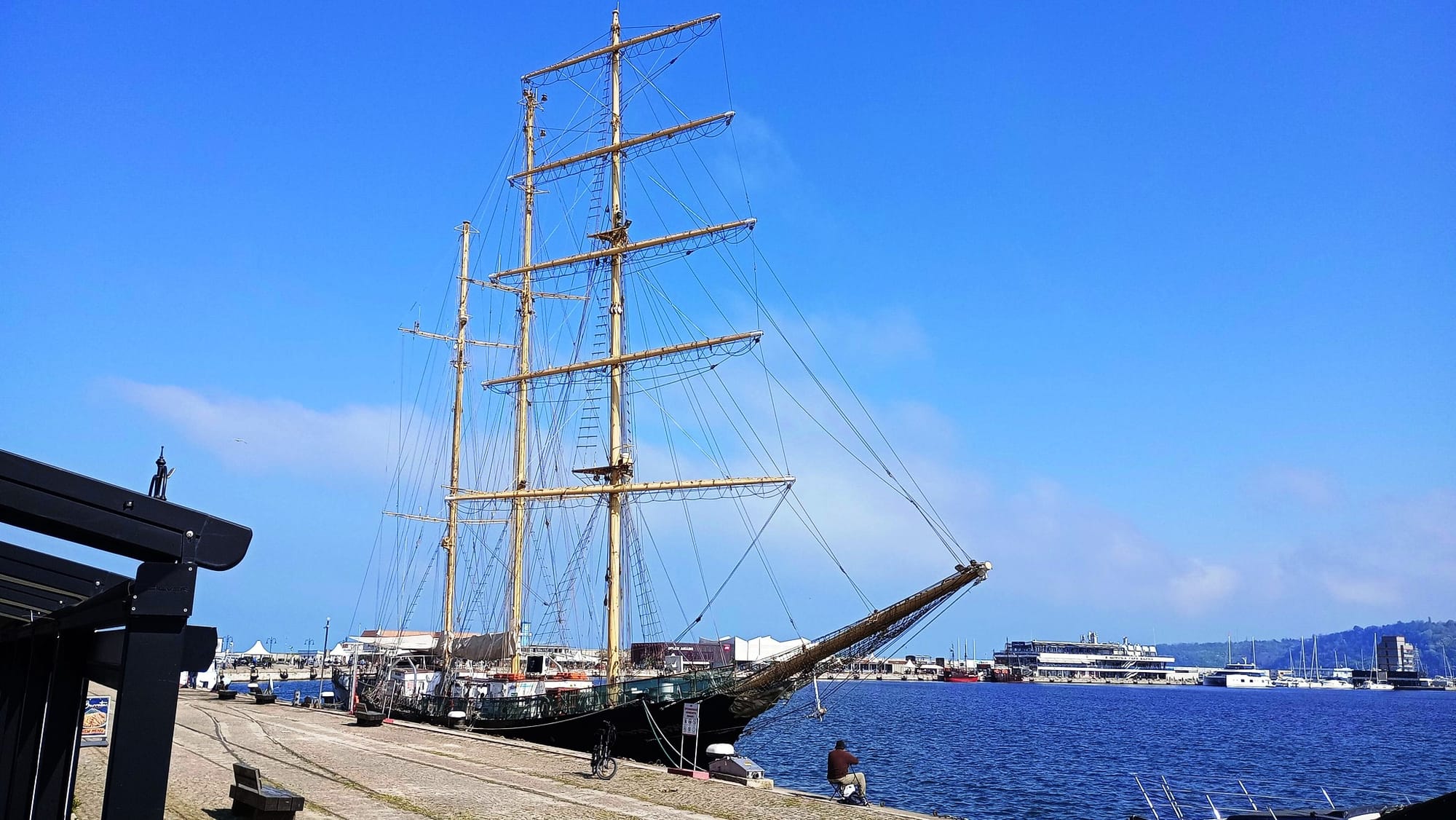
„Калиакра“ не идва на празно място – през 70-те и 80-те години на миналия век българското ветроходство има своите исторически успехи. На първо място, разбира се, е истинският подвиг на капитан Георги Георгиев, който става първият българин, направил солова обиколка на света с яхта. Постижението му с „Кор Кароли“ е записано в Книгата на рекордите „Гинес“ заради необичайния маршрут през Панамския канал.
Николай Джамбазов строи сам своята „Тангра“ и прави околосветското си самотно плаване напук на спънките от партийни лидери, които се опитват да го спрат. Дончо и Юлия Папазови обикалят света с малката си дъщеря Яна на борда на „Тивия“, а книгите за пътешествията им стават вдъхновение за деца и възрастни.
Българската баркентина обаче придава съвсем различен контекст за страната ни в общността на морските държави
В епохата на т.нар. развит социализъм Народна република България има ужасна нужда от приходи не в преводни рубли, а в долари, и корабоплаването, международните превози и търговията са очевидният начин да си ги осигури. Тъй като морският бизнес не се съобразява с правилата на Източния блок, Държавно параходство „Български морски флот“ (БМФ) трябва да се държи като морска компания – по подобие на всички останали. Като маркетингова стратегия БМФ финансира плаващата под ветрила България, като това довежда и до огромен успех в спортното ветроходство на най-високо ниво. Яхта „Булкон стар“ (носеща името на контейнерната компания на БМФ „Булкон“) завършва първа в класа си в трансатлантическата регата „Тустар“ благодарение на майсторството на шкипера Светлозар Тенев и екипажа му Васил Попов.

На този фон „Калиакра“ става най-големият посланик на все по-уверено плаващата България – не само по света, а и в съзнанието на българите, традиционно резервирани за морската идея като нещо повече от лято и плаж. Както имаме космонавти и български флаг на Еверест, така имаме ветроходен кораб, който трупа престиж в световните океани и морета.
„Калиакра“ става мечта за хиляди български деца и младежи, жадни за приключения
Междувременно през 1986 г. по телевизията се появява екранизацията на шедьовъра на Братя Мормареви „Васко да Гама от село Рупча“, от който става ясно, че един тийнейджър може да е влюбен в морето и плаването, колкото и в Тинчето. А Павел Поппандов просто „заковава“ образа на българския пампорджия.
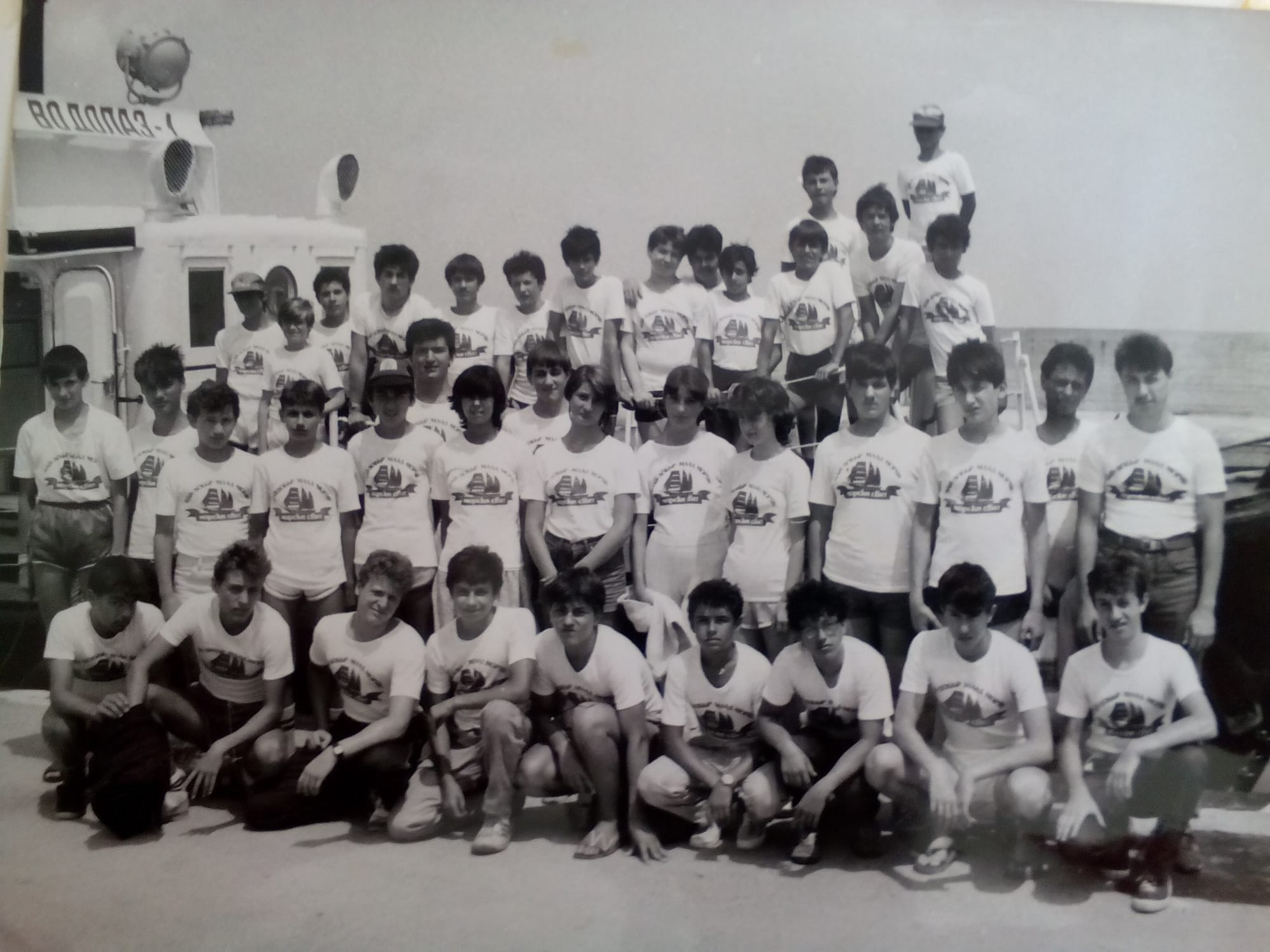
Тук трябва да отворя скоба, в която вероятно ще стане ясно защо смятам съдбата на „Калиакра“ за важна. За мен плаването на борда ѝ беше мечта, която се сбъдна в най-точния момент. През 1987 г. БМФ и легендарното (не само с тематиката си, но и с дизайна и качеството на печат) списание „Морски свят“ организира конкурса „Най-добър млад моряк“. Той беше за 14-годишни момчета и момичета, имаше теоретична и практическа част, с плуване и гребане, както и връзване на морски възли. С голям късмет влязох в групата, която стигна до наградата – плаване с „Калиакра“ за 10 дни в началото на учебната година.
Катеренето по мачтите, прибирането и спускането на ветрилата, спането в тясната койка, нощната тревога за смяна на курса, даже лъскането на палубата и другите всекидневни дейности на „Калиакра“ ме промениха напълно. Може би не за цял живот, но със сигурност в точния момент, когато се изгражда личността на един тийнейджър. Нищо не създава такова усещане за екипна отговорност, както тегленето на въжета, за да поеме корабът в правилната посока…
Това е същността на „Калиакра“ – да възпитава. Но за да го прави, трябва да плава. Като стационарен тренажор, до какъвто е сведена в момента като учебен кораб, тя не може да изпълни главната си функция.
Междувременно морска България преживя десетилетия на твърде противоречиви промени. По отношение на ветроходството станаха невероятни неща, появи се втори ветроход – „Роял Хелена“, частен кораб, копие на „Калиакра“, построен от българска частна корабостроителница. След поредица забележителни плавания в крайна сметка втората българска баркентина беше продадена на Доминиканската република, където на нея се обучават тамошните млади моряци.
Заради престижа на „Калиакра“ в общността на учебните ветроходни кораби Варна три пъти беше домакин на регатата „Тол шипс“, най-престижното морско събитие в света. А после… После изведнъж на държавата сякаш ѝ омръзна да има морска политика и всичко замря.
Залезът на варненския популизъм
Варна не е монополист в местното производство на популисти, но често им дава първата сцена. Местни конфликти, бизнес интереси, недоверие към центъра и вкус към политическия тарикатлък превръщат „варненското“ в удобен модел за по-големи амбиции. От Веселин Златков.
 Веселин Златков
Параходство БМФ беше приватизирано през 2008-ма, по обща оценка – много успешно. През 2019-та България изгуби своя морски флаг, след като вече частното параходство беше регистрирало повечето си кораби в Малта и така флагът ни стана „невидим“ за Парижкия меморандум – организацията, която се занимава с пристанищния контрол на корабите.
А „Калиакра“ спря да плава и стана това, което е днес – декор и морско сепаре на крайбрежен ресторант.

Разбира се, това не е последен пристан за българската морска идея
Научноизследователският кораб „Св. св. Кирил и Методий“ върна морския престиж на страната ни със своите плавания до Антарктида. Максим и Стефан Иванови и тяхното шеметно гребно пътешествие с „Неверест“ показаха ясно, че има българи, които не се страхуват да предизвикат стихиите на океана и да се срещнат с тях лице в лице. Има и още примери, макар и не много. Но това са единици, по-скоро изключения от правилото, че държавата ни няма никаква идея как да развива морския си сектор, и честно казано, това е последната ѝ грижа.
Нека предложа един факт, по който можем да разсъждаваме. Общата дължина на българската държавна граница е 2245 км. От тях 848 км са водни пътища – 378 км по брега на Черно море и 470 км по Дунав. Поправете ме, ако греша, но България може и трябва да плава повече. Добро начало на този път ще е връщането на „Калиакра“ там, където ѝ е мястото – в морето, в океана, под ветрила и с екипаж от млади хора, които самото плаване ще превърне в по-силни и по-осъзнати личности, променяйки живота им – ако не завинаги, то със сигурност в точния момент.
How China Could Win the Iran War
Post Syndicated from The Atlantic original https://www.youtube.com/shorts/ycdlfImeJog
AWS Security Hub Extended: Why enterprise security products should sell themselves
Post Syndicated from Michael Fuller original https://aws.amazon.com/blogs/security/aws-security-hub-extended-why-enterprise-security-products-should-sell-themselves/
Our largest security services customers started the same way every customer does – with a click. They enabled Amazon GuardDuty, Amazon Inspector, AWS WAF, and AWS Security Hub, experienced the benefits in real time, and evaluated with transparent pay-as-you-go pricing. No RFP. No six-month evaluation. No multi-year commitment up front. Our field teams played a critical role in that growth, not by selling the first click, but by building the trusted relationships that turned early adoption into deep, long-term commitment. We believe customers should have this same frictionless adoption experience and flexibility for all best-in-class security products and that’s why we developed Security Hub Extended.
In our first post, we introduced Security Hub Extended, a significant expansion of Security Hub that brings together curated partner solutions in a single, unified experience. In our second post, we walked through how it works technically, including the onboarding flow, the pricing model, the unified operations layer built on the Open Cybersecurity Schema Framework (OCSF). In this post, I want to step back and talk about why we built it the way we did and why I believe the way enterprises discover, evaluate, and adopt security solutions is ready for a fundamental shift.
The shift
If you’ve ever tried to evaluate a new enterprise security product, you know the drill. Request a demo. Wait. Take the demo. Request a PoC. Wait for professional services (or your team to stop building) to set it up. Negotiate pricing, which isn’t published, so you’re starting blind. Loop in procurement. Sign a multi-year commitment. Then, months later, find out whether the product actually solves your problem in your unique environment.
Meanwhile, an ambitious security engineer on your team has already spun up an open-source tool, connected real data, and knows in two hours whether it’s going to work for your use cases. They didn’t need a slide deck. They needed a solution they could put their hands on.
A Fortune 500 CISO recently told me: “I spent 9 months procuring a security solution and it still doesn’t work the way the demo showed.” That frustration isn’t unique. It’s the norm.
This isn’t a criticism of the sales motion. Sales-led has evolved for good reason. Enterprise procurement is complex, products need customization, customers need support. I respect the craft and have poured a significant portion of my career into trying to perfect it. Even the most product-driven companies still need great sales, marketing, field enablement, and support.
It doesn’t change the fact that threats are evolving constantly, and defenders need the flexibility to discover and deploy new solutions as fast as the landscape shifts. Having the best solutions discoverable and deployable in that moment of need isn’t just a convenience, it’s a competitive advantage that customers are demanding. A new threat emerges, security teams have access to industry-leading solutions, and in a few clicks they’ve found their answer and are already seeing value. That’s the model every security company should be building toward.
What we’ve learned at AWS
At AWS, we’ve spent two decades learning what it takes to let customers adopt complex enterprise technology on their own terms, at massive scale. We haven’t always gotten it right, but we learn fast and adjust. The result is one of the largest cloud businesses in the world. I bring up that scale for one reason. It’s proof that complex, enterprise-grade technology can be adopted without requiring a traditional procurement gauntlet. Compute, storage, databases, AI/ML, networking, and yes, security — adopted all through a console, on each customer’s own timeline, and scaled when they were ready.
The proof is in the adoption
Amazon GuardDuty, Amazon Inspector, AWS Shield, AWS Security Hub are all available through the AWS Management Console. All pay-as-you-go. All activated with a click. Tens of thousands of customers rely on these security services today. When you make it easy to get started and deliver outcomes that earn confidence, expansion follows naturally.
These are sophisticated, enterprise-grade security solutions. And customers, from two-person startups to the world’s largest financial institutions, adopt them the same way. They try it, see the value, expand, and lean on the AWS team to go deeper.
We didn’t get here by accident, and we definitely didn’t get here without making mistakes. Building products that can be adopted and scaled on their own, without a sales engineer explaining away UX problems, without a solutions architect doing the first deployment, requires a different kind of product mindset. Time-to-value becomes your most important metric. Onboarding friction becomes your biggest enemy. Transparent pricing becomes non-negotiable. It’s hard. We’ve gotten a lot wrong along the way. And we’re still iterating.
But the results are clear. When customers adopt based on experience rather than commitment, they don’t just stay, they expand. They bring their teams. They become advocates. I’ve spent 15 years at AWS, the last 10 building security services like GuardDuty and Security Hub. When we launch a new security service or major feature, we consistently see rapid organic adoption at a pace that would be impossible through traditional sales cycles alone. These products are built to deliver value the moment customers turn them on and we make that as easy as we possibly can. That’s the scale a product-led motion unlocks.
Security Hub Extended
So, we asked ourselves: why can’t we build a similar approach that can expand to include industry leading partner solutions? Why can’t the CrowdStrikes, the Splunks, the Zscalers, and the fast-growing innovators solving tomorrow’s problems like Cyera, Noma, and 7AI also reach customers with the same frictionless motion that AWS services enjoy? Why can’t a security team that discovers a new threat on Monday have a proven solution deployed and delivering value by Tuesday? Our partners have built incredible products. What they haven’t always had is an avenue to put those products directly in the hands of the customers who need them most, at the moment they need them, at scale, in a way that feels as natural as turning on an AWS service. Not by replacing how our partners build or sell, but by giving them infrastructure that lets their products speak for themselves.
That’s what Security Hub Extended is. Security teams already using Security Hub can discover curated partner solutions right alongside their AWS security services. One click to evaluate, one click to deploy, pay-as-you-go pricing on your existing AWS bill with Enterprise Discount Program (EDP) discounts automatically applied. No separate procurement cycle. No long-term commitments required. Start fast, validate at scale, and commit for deeper discounts when you’re ready, versus making a three-year bet based on a few months of testing.
For customers, industry-leading enterprise security solutions become as easy to adopt as GuardDuty or WAF. For our partners, Security Hub Extended is a growth channel where the product leads and the customer experience mirrors what we’ve spent 20 years building at AWS. For the industry, it’s an invitation to reimagine what the relationship between a security product and a security practitioner can look like when you remove the friction standing between them.
But Security Hub Extended isn’t just a simpler way to buy security products. It’s a unified solution. When a customer enables a solution through Extended, we’re working toward an experience where AWS handles the rest. Sensors that deploy automatically across Amazon EC2, Amazon EKS, and AWS Fargate workloads using the same mechanism that powers GuardDuty Runtime Monitoring. IAM roles that provision across a customer’s Organization in one click. Resource inventory is automated from day one – S3 buckets, databases, AI workloads – without manual work.
Once enabled, solutions in Security Hub Extended emit findings in OCSF, automatically aggregated in Security Hub alongside findings from GuardDuty, Amazon Inspector, and every other AWS security service. Security Hub applies risk scoring and correlated risk analytics across all of them. AWS-native and third-party findings together, weighted and prioritized as a single view of your security posture. For example, an endpoint detection from CrowdStrike, correlated with a credential theft in GuardDuty, and a data access event from Cyera, produces an attack path that none of those solutions can produce alone. The correlation uses AWS context (IAM topology, VPC exposure, resource criticality) to improve the context of each attack path for security analysts. Deploying a solution through Security Hub Extended doesn’t add another pane of glass. It deepens the intelligence of the one you already have.
We’re also building toward automated response. Customers will be able to opt in to pre-built playbooks that take action through AWS-native services when a threat is detected, such as isolating compromised resources, revoking credentials, or containing active threats. The goal is detect-to-respond in seconds, not the hours it takes to context-switch across five consoles and two ticketing systems.
Where we are and where we’re headed
We’re still in the first inning — or Day 1, as we like to say at Amazon. We launched in February 2026 with 14 partners, now 21, spanning endpoint, identity, email, network, data, browser, cloud, AI, and security operations, and we’re continuously working backwards from customers as we operationalize for scale. We are building this because our customers asked for it. We’re learning alongside our partners and customers every week, identifying what works, what needs improvement, where the friction still lives, and iterating quickly.
We’re building and delivering at the speed of our customers. That means shipping fast, iterating faster, and not waiting for perfection. We’re not where we want to be just yet, and we need your feedback to get us there. What’s encouraging is that our partners aren’t waiting to be asked. They’re investing in this alongside us. Not because we’re demanding it, but because they see the same thing we do, that companies that make it effortless for customers to get started are the ones that will win at scale.
The early signals are encouraging. Customer response has exceeded our expectations, and the feedback we hear most often is that the procurement simplification and flexibility of pay-as-you-go with public pricing alone, even before the unified operations and data normalization benefits, is a meaningful differentiator.
If you’re a security leader: Security Hub Extended is live now. Log into Security Hub, look for the Security Hub Extended Plan (or visit the Security Hub Extended Pricing Page), and explore what’s available for your use cases. Start with what solves your most urgent problem. Pay-as-you-go, no commitment. Your team will tell you if it’s working in days, not months.
The vision is bigger than what’s live today, and we’re iterating fast. Share your feedback on AWS re:Post for Security Hub, reach out through contact AWS Support, or connect with me directly.
Cyber resilience on AWS: A reference approach for recovery from ransomware and destructive events
Post Syndicated from Ashish Panwar original https://aws.amazon.com/blogs/architecture/cyber-resilience-on-aws-a-reference-approach-for-recovery-from-ransomware-and-destructive-events/
Cyber resilience is the ability to recover workloads to a known-good state after an adversary has affected the environment. Prevention works to keep threat actors out and detection works to find them quickly. Cyber resilience focuses on recovery: restoring a trustworthy environment when backups, credentials, or parts of the infrastructure can no longer be assumed to be safe.
For organizations running critical workloads on AWS, ransomware, data extortion, and other destructive events are increasingly central to recovery planning. The recovery environment and backups that recovery strategies depend on could themselves be targets of these events. This post is written for teams building recovery capabilities for these scenarios.The post walks through a reference pattern for isolating recovery from production, describes how AWS Backup logically air-gapped vaults provide deletion-protected backup storage, and presents a validation pipeline that checks whether a backup is recoverable and safe to use. It then lays out a concrete recovery workflow with parallelizable stages, introduces the Rebuild-Restore-Rotate framework for deciding what to recover from code, from backup, or to generate fresh, and addresses how to select the right recovery point when the most recent backup might carry the same threat that triggered the event.
Isolating recovery from production
The core architectural idea in cyber resilience is that the recovery environment, including its identities, keys, and network paths, shouldn’t share a trust boundary with the environment being recovered. If production identity is compromised, recovery must be able to proceed without depending on it.Most customers achieve this using separate AWS accounts inside an AWS Organization. A common pattern uses three account roles:
Production Accounts
The production account is where workloads run. If a cyber event is confirmed, these accounts are isolated for investigation. Recovery work doesn’t happen in production, because in some scenarios remediation in place may not fully restore trust.
Recovery Account
The recovery account owns the AWS Backup logically air-gapped vault. Most AWS-native backup mechanisms produce recovery points that are inherently immutable. You can’t modify an Amazon Elastic Block Store (Amazon EBS) snapshot or an Amazon Relational Database Service (Amazon RDS) snapshot after creation. The logically air-gapped vault adds deletion protection. Recovery points can’t be deleted or have their retention period shortened by any principal, including the account root user or a compromised administrator, within the retention period. This account’s purpose is to keep the controls around backups safe. It’s where you configure who can share the vault, who can initiate a restore, and who approves a restore operation through Multi-party approval (MPA). Keeping these controls in a dedicated account, restricted to backup operations by Service Control Policies, means a compromised identity in a production account cannot modify them.
Isolated Recovery Environment (IRE)
Where backups are restored, validated, and the new production environment is rebuilt before cutover. The IRE is kept separate from the Production Account so that if a restored backup still contains the threat, it has nowhere to spread. It has no trust relationship to the Production Account, no VPC peering to it, and no internet-facing resources, so a tainted restore discovered during validation stays contained inside the IRE instead of reaching back into production or out to the internet. Infrastructure deployment in the IRE uses VPC endpoints (AWS PrivateLink) to reach AWS service APIs without internet connectivity or VPC peering to production. The following diagram shows how the three account roles relate to each other within a single AWS Organization, including their trust boundaries and the flow of recovery points between them.
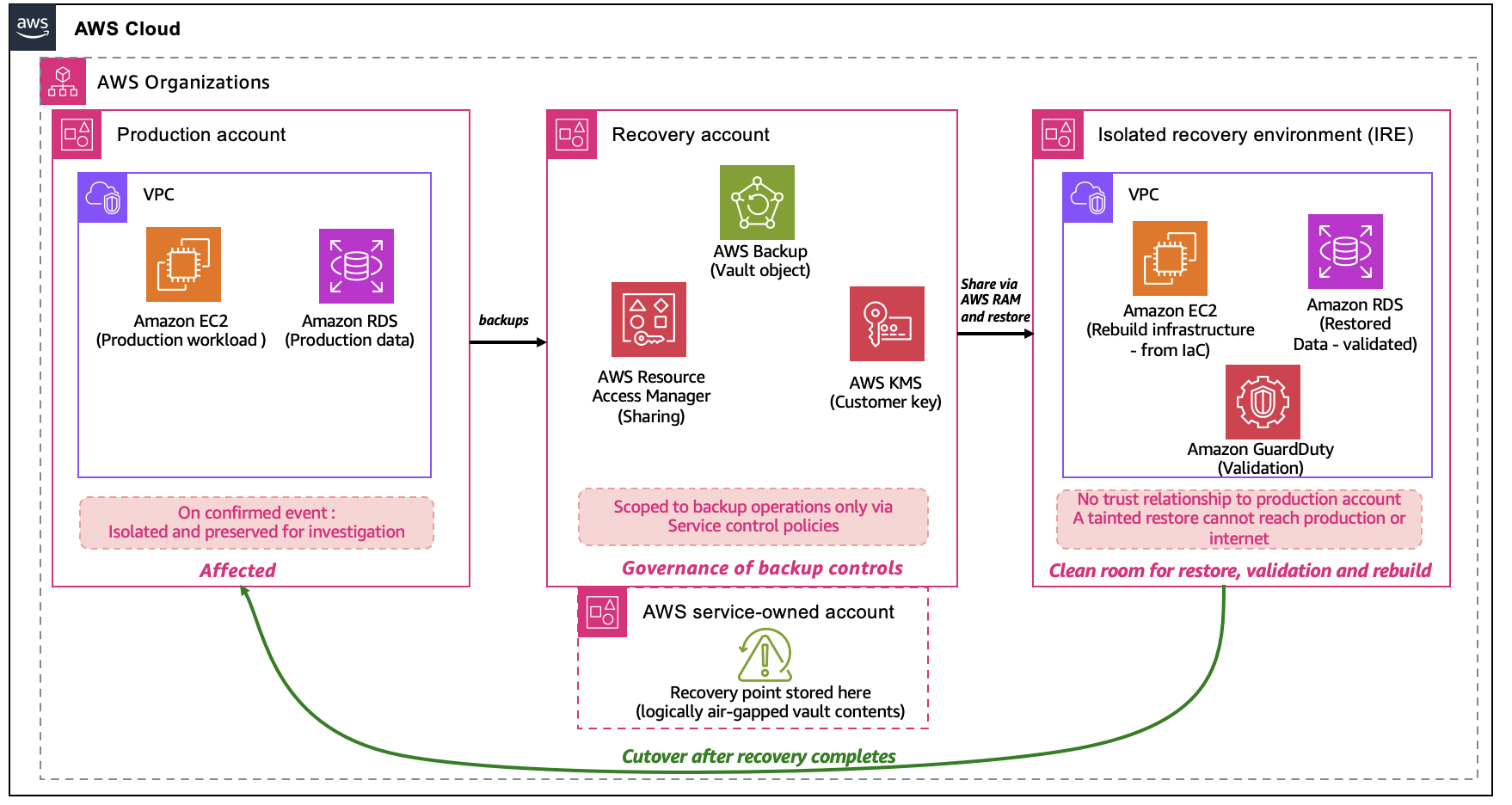
Figure 1. The Production Account is isolated after a confirmed event. The Recovery Account owns the logically air-gapped vault and controls restore authorization through Multi-party approval. The IRE has no trust relationship or network path to production.
Best practices for the AWS Backup logically air-gapped vault
The AWS Backup logically air-gapped vault is the primary AWS-native option for protecting backup storage from deletion.
Use the vault for what it provides, which is deletion protection enforced by the service. A logically air-gapped vault is always locked in Compliance mode. The service itself enforces retention, so recovery points can’t be deleted by any principal, including the account root user or a compromised administrator, within the retention period. Deletion protection keeps the recovery point available when needed. Whether the recovery point is safe to use is determined by the validation pipeline described in the following section.
Understand where recovery points live. A logically air-gapped vault stores recovery points in AWS service-owned accounts. You can choose to encrypt these recovery points with either a service-owned key or an AWS Key Management Service (AWS KMS) customer managed key. The vault object in your Recovery Account is the governance and access boundary where sharing, restore authorization, and Multi-party approval are configured. This separation is what makes the air-gap logical rather than network-based.
Share recovery points through AWS Resource Access Management (AWS RAM) for restore. You share recovery points across accounts through AWS RAM. You can initiate restores from the owning account or from any account with which you share the vault. This is how the Recovery Account makes recovery points available to the IRE.
Configure Multi-party approval for restore. MPA, configured through IAM Identity Center, requires a predefined set of approvers before a restore proceeds. This is particularly valuable when the source account might no longer be trusted.
Back up fully managed resources directly to the vault. AWS Backup supports the logically air-gapped vault as a primary backup target for fully managed resources (Amazon Simple Storage Service (Amazon S3), Amazon DynamoDB, Amazon Elastic File System (Amazon EFS)), so backups can be written directly to the vault without staging in a standard vault first. Non-fully-managed resources (Amazon EBS, Amazon Aurora, Amazon FSx) use an intelligent orchestration path where the service creates and transfers a temporary snapshot.
For S3 data outside the vault’s supported resource set, Amazon S3 Object Lock in Compliance mode paired with S3 Versioning provides equivalent deletion protection at the S3 layer.
Validation pipeline
A successful restore confirms that the backup was readable. Validation confirms that it’s safe to use. No single check catches everything, which is why validation combines several layers.For ransomware, a malware scan on the restored volume catches known encryption tools and indicators. For threats that have been present in the environment for some time, a malware scan isn’t enough because the attacker might have modified legitimate code, configuration, or data in ways that look normal to a scanner. These kinds of changes show up through workload-specific checks, such as a database consistency check failing, an application invariant being violated, or a configuration diff showing an unexpected change against a known-good baseline. Log and audit review across the backup window helps identify unexpected identity or configuration changes that neither a malware scan nor a workload check would catch on their own.The layers commonly combined into a validation pipeline:
| Layer | Capability | What it provides |
| AWS native | AWS Backup Restore Testing | Automated verification that backups are recoverable, with custom hooks via the PutRestoreValidationResult API |
| AWS native | Amazon GuardDuty Malware Protection | Malware scanning on restored volumes |
| AWS Partner | AWS Marketplace partner solutions | Content-level ransomware scanning inside backup contents, without requiring a full restore first |
| Workload-specific | Integrity and consistency checks | Database consistency, application invariants, configuration diffs against known-good baselines |
| Cross-cutting | Log and audit review | Identify unexpected identity or configuration changes across the backup window using AWS CloudTrail and workload logs |
Both AWS-native validation and workload-specific validation should pass before a recovery point is approved. Validation happens in the IRE so that if any check detects a problem, the affected restore is contained inside the IRE and doesn’t reach production.AWS backup mechanisms operate independently per service, so recovery points for different services might not be precisely time-synchronized. Aligning backup schedules as tightly as possible and including cross-service consistency checks in the validation pipeline reduces this gap.
Selecting a safe recovery point
For most operational recoveries, the most recent backup is the right one. For cyber events and for data corruption more generally, the most recent working copy is often a better target. If an adversary was present in the environment before detection, backups taken during that window might carry the same issues.
The following diagram illustrates how recovery point candidates are evaluated against the compromise boundary to identify the most recent backup that’s safe to use.
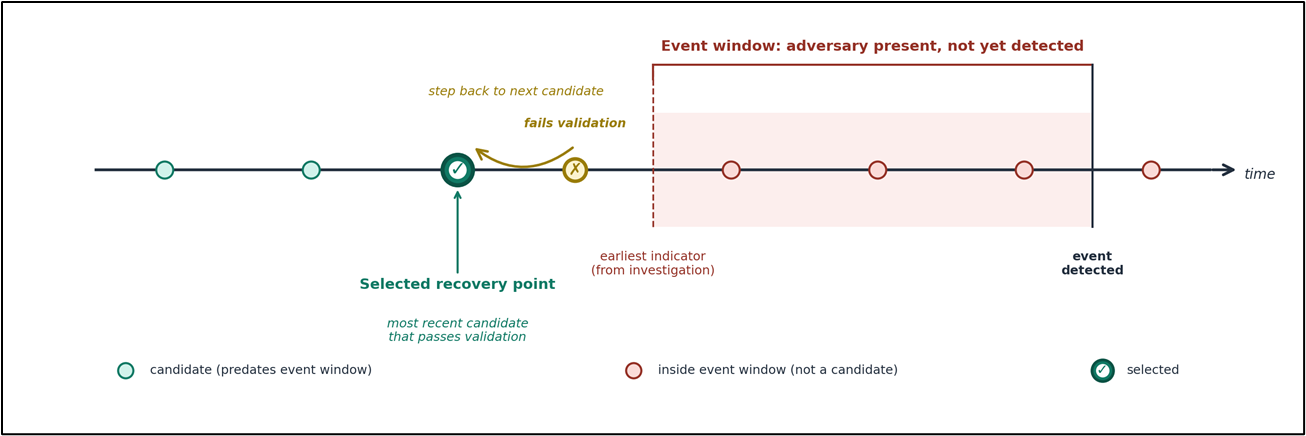
Figure 2. Candidates are evaluated in reverse chronological order starting from the most recent backup that predates the event boundary, with each passing through the validation pipeline before approval.
- Building an investigation timeline from AWS CloudTrail, Amazon Virtual Private Cloud (Amazon VPC) Flow Logs, Amazon GuardDuty, AWS Security Hub, and workload logs, to identify the earliest plausible indicator of the event.
- Evaluating recovery point candidates in reverse chronological order, starting from the most recent backup that predates the event window.
- Running the validation pipeline against each candidate. If validation fails, stepping back to the next candidate.
- Approving the chosen recovery point with documentation of the approver and rationale.
Backup retention should include recovery points that predate realistic detection windows in your organization. Detection timing varies widely by organization and by threat type, so this is a number to set based on your own investigation capabilities and to revisit as those mature.
Recovery workflow
Recovery has five stages. Three of them run at the same time because the slowest path through recovery is what determines how long the business is down. Investigation and validation run in parallel with infrastructure rebuild so the new environment is being built while the recovery point is being chosen. We wait to restore data because restoring untrusted data into a new environment defeats the purpose of the validation. The following diagram shows which stages run in parallel and where the approval gate separates validation from data restore.
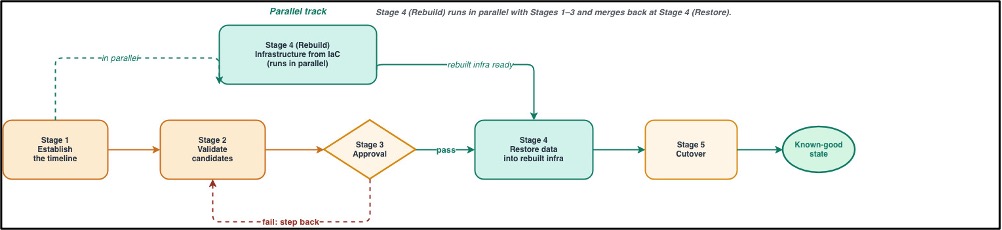
Figure 3. Stages 1, 2, and 4 (investigation, validation, and infrastructure rebuild) run in parallel. Stage 3 (approval) is the gate before validated data is restored into the rebuilt environment.
- Stage 1: Establish the timeline. Query AWS CloudTrail, Amazon VPC Flow Logs, Amazon GuardDuty findings, AWS Security Hub, and workload logs to identify the earliest indicator of the event. That timestamp becomes the event boundary, and only recovery points created before it are candidates for restore. AWS Security Incident Response (SIR) can provide coordinated triage and response support for this stage.
- Stage 2: Validate candidates. Run the validation pipeline against recovery points that predate the event window, in reverse chronological order. If the most recent candidate fails validation, step back to the next one. This stage runs in parallel with Stage 1, because the investigation and the validation checks don’t depend on each other.
- Stage 3: Approval. Approve only recovery points that pass all validation checks. If the vault is configured with Multi-party approval, the predefined approvers authorize the restore, and the approval action is automatically recorded as an AWS CloudTrail management event. Document the rationale for recovery point selection: investigation findings, validation results, and the basis for the decision, in your incident management process. If validation fails on the chosen candidate, return to Stage 2 with an earlier one.
- Stage 4: Rebuild and restore. Rebuild infrastructure in the IRE from infrastructure as code (IaC) templates stored in a separate, version-controlled repository. Rebuild runs in parallel with Stages 1 and 2. After Stage 3 approves a recovery point, restore the validated data from the logically air-gapped vault into the rebuilt infrastructure. Apply credential rotation during this stage following the Rebuild-Restore-Rotate framework.
- Stage 5: Cutover. Move production traffic from the affected environment to the rebuilt one. Use DNS records with health checks so traffic only shifts when the new environment is ready to serve it. Before cutover, identify and update cross-account references that point to the original Production Account, IAM role trust policies, resource-based policies, AWS KMS key grants, and service integrations. IAM Access Analyzer and AWS Config can help identify these dependencies. Monitor the transition and keep the affected Production Account isolated until the investigation is complete.
The Rebuild-Restore-Rotate framework
Cyber recovery requires sorting what gets rebuilt from code, restored from backup, and generated fresh:
Infrastructure is code. Data is backup. Credentials are new.
| Category | Examples | Why |
| Rebuild from code | IAM policies and roles, Security Groups, Amazon EC2, Amazon VPC, AWS Lambda, CI/CD pipeline definitions | Configurations come from reviewed, version-controlled templates rather than from a backup that may have been affected |
| Restore from backup | Amazon RDS, Amazon Aurora, Amazon EFS, Amazon EBS, Amazon FSx | Business data cannot be recreated from code and must come from validated, immutable backups |
| Rotate or re-issue | IAM access keys, database passwords, API keys, certificates, OAuth tokens, SSH keys | Any secret that may have been exposed during the event window is replaced, not carried forward from backup |
Some services sit across two categories. For example, Amazon S3 buckets and Amazon DynamoDB tables have both configuration (rebuilt from code) and data inside them (restored from backup), so recovery treats the two layers separately. Similarly, some credentials are re-issued by AWS rather than rotated by you. For example, consider service-linked roles and STS session tokens. The framework still applies, it’s just AWS that issues them fresh. Other data stores aren’t backed up at all because they are derived from sources that are backed up. Search indexes, analytics tables, caches, and materialized views are common examples. These regenerate from restored data, so they are a recovery dependency rather than a separate recovery category but they must be included in the recovery runbook and sequenced after the data they depend on has been restored. The framework assumes that your source of configuration, including IaC templates, pipelines, and source repositories, wasn’t itself the target of the attack. If it was, recovery starts further upstream with a trusted copy of source before rebuild can begin. Knowing where your known-good source of configuration lives, and how it is protected, is worth thinking through in advance.
For credential rotation, the practical prerequisite is a rotation process that already exists and is exercised. AWS Secrets Manager rotation, IAM Identity Center session revocation, AWS Certificate Manager renewal, and workload-specific rotation hooks are components most customers already have in some form. The cyber recovery capability is the ability to invoke that rotation comprehensively and verify that nothing was missed.
For services not currently supported by the logically air-gapped vault, Cross-Region Replication to a locked bucket or service-native point-in-time recovery can serve as interim options. These are recovery-oriented copies rather than tamper-proof storage and should be treated accordingly when designing around them.
Next steps
The following steps provide a starting point for teams building cyber recovery capability. Each step can be implemented incrementally, but together they form the operational foundation for the recovery workflow described in this post.
- Create a logically air-gapped vault in a dedicated Recovery Account, and configure Multi-party approval for restore operations.
- Establish an Isolated Recovery Environment in advance, with no trust relationship to production and no network path into the production environment. Pre-configure the networking, monitoring, and access controls required for recovery operations. Use SCPs to enforce isolation.
- Enable AWS Backup Restore Testing on a regular schedule, and enable Amazon GuardDuty Malware Protection for backup and volume scanning.
- Define workload-specific integrity checks for business-critical data (database consistency, application invariants, configuration diffs).
- Confirm the credential rotation process works end-to-end and can be invoked as part of recovery, not only on a routine schedule. AWS Secrets Manager rotation provides the automation framework for database passwords and API keys.
- Map cross-account dependencies (IAM role trust policies, resource-based policies, AWS KMS key grants, and service integrations) and maintain the inventory in your recovery runbook.
- Exercise the full workflow, including investigation, validation, rebuild, restore, and cutover, on a regular schedule.
Conclusion
Cyber resilience on AWS builds on the services and patterns customers already use for recovery, with additions that address the specific concern that the production environment, the backups, or the recovery path itself may not be trustworthy after an event. The reference approach in this post, including isolation of recovery from production, deletion protected backup storage, a validation pipeline, a concrete workflow, and the Rebuild-Restore-Rotate framework, is a starting point. How you adapt it depends on your workloads, your existing recovery posture, and your organizational boundaries.
About the authors
Structured Settlements & Factoring Companies #lastweektonight
Post Syndicated from LastWeekTonight original https://www.youtube.com/shorts/yDKU1umDsZo
Two Offices, One 5G Connection — This Network Install Was Genius
Post Syndicated from Crosstalk Solutions original https://www.youtube.com/watch?v=mL7YvSkL608
Trump’s Iran War: America’s Loss Is China’s Win | The David Frum Show
Post Syndicated from The Atlantic original https://www.youtube.com/watch?v=TLjlyITajyo
On AI Security
Post Syndicated from Bruce Schneier original https://www.schneier.com/blog/archives/2026/05/on-ai-security.html
Good report:
Executive Summary: Let’s say you wanted to make sure that your AI is secure. Can you just maximize the security and privacy benchmark and call it a day? Nope, because benchmarks don’t actually work for measuring AI capabilities (even when they are NOT emergent systemic properties like security). So let’s take a step back: how do you measure security in the first place? Good question. Over the last 30 years, security engineering for software evolved from black box penetration testing, through whitebox code analysis and architectural risk analysis to de facto process-driven standards like the Building Security In Maturity Model (BSIMM). Software had a very deep impact on business operations, and it appears that AI is going to have an even deeper impact. Will a software security-like measurement move work for AI? Probably. In the meantime we can make real progress in AI security by cleaning up our WHAT piles and managing risk by identifying and applying good assurance processes. (Spoiler alert: no matter what we do, we still don’t get a security meter for AI, so we need to be extra vigilant about security.)
[$] What is to be done about MGLRU?
Post Syndicated from corbet original https://lwn.net/Articles/1072866/
“Reclaim” is the task of finding memory that can be taken away from its
current user and put to better uses within the system; it is a core part of
the memory-management picture. The addition of the multi-generational LRU (MGLRU) was meant to
provide a better reclaim implementation than the “traditional LRU” that
preceded it, but MGLRU has complicated the situation instead. No fewer than
three memory-management-track sessions at the 2026 Linux Storage,
Filesystem, Memory Management, and BPF Summit were focused on MGLRU,
with an eye toward integrating it more fully, improving its performance,
and addressing some problems encountered with Android systems.
Security updates for Wednesday
Post Syndicated from corbet original https://lwn.net/Articles/1073713/
Security updates have been issued by AlmaLinux (kernel, libpng, nginx, nginx:1.24, ruby, and ruby:3.3), Debian (gnutls28 and linux-6.1), Fedora (dnsmasq, kernel, keylime-agent-rust, perl-Net-CIDR-Lite, python-pysam, python-urllib3, rust-cargo-vendor-filterer, rust-ingredients, rust-oo7-cli, rust-rpki, rust-sevctl, and rust-tealdeer), Mageia (bind), Oracle (bind, giflib, gimp:2.8, kernel, libpng, rsync, ruby, and vim), Slackware (haveged and mozilla), SUSE (cockpit, dnsmasq, erlang26, freeipmi, git-bug, glibc, GraphicsMagick, haveged, ImageMagick, iproute2, kernel, openssh, perl-CryptX, perl-HTTP-Tiny, postgresql14, postgresql15, postgresql16, python-Pillow, rsync, tiff, and traefik), and Ubuntu (Highlight.js, linux, linux-aws, linux-aws-5.15, linux-aws-fips, linux-fips, linux-gcp,
linux-gcp-fips, linux-gke, linux-gkeop, linux-hwe-5.15, linux-ibm,
linux-ibm-5.15, linux-intel-iotg, linux-intel-iotg-5.15, linux-kvm,
linux-nvidia, linux-nvidia-tegra, linux-nvidia-tegra-5.15, linux-oracle,
linux-raspi, linux-realtime, linux, linux-aws, linux-aws-fips, linux-bluefield, linux-fips, linux-gcp,
linux-gcp-5.4, linux-gcp-fips, linux-ibm, linux-ibm-5.4, linux-kvm,
linux-oracle, linux-oracle-5.4, linux-xilinx-zynqmp, linux, linux-aws, linux-aws-fips, linux-fips, linux-gcp-4.15,
linux-gcp-fips, linux-kvm, linux-oracle, linux, linux-aws, linux-aws-fips, linux-gcp, linux-gcp-fips, linux-gke,
linux-gkeop, linux-ibm, linux-ibm-6.8, linux-lowlatency,
linux-lowlatency-hwe-6.8, linux-raspi, linux-raspi-realtime,
linux-realtime, linux-realtime-6.8, linux, linux-aws, linux-hwe-6.17, linux-oem-6.17, linux-oracle,
linux-raspi, linux-realtime, linux-realtime-6.17, and smarty3).
Comic for 2026.05.20 – Stickers
Post Syndicated from Explosm.net original https://explosm.net/comics/stickers
New Cyanide and Happiness Comic
Operationalizing CTEM Faster: Build Surface Command Dashboards in Minutes
Post Syndicated from Ed Montgomery original https://www.rapid7.com/blog/post/em-operationalizing-ctem-building-surface-command-dashboards
Modern attack surfaces don’t sit still.
Cloud expansion, SaaS sprawl, identity complexity, and shadow IT are continuously reshaping organizational risk. For security leaders, visibility isn’t the challenge anymore, but actually operationalizing that visibility is.
Surface Command was built to unify asset and identity intelligence across your external attack surface. But translating that intelligence into executive-ready dashboards or operational reporting has often required knowledge of Cypher queries.
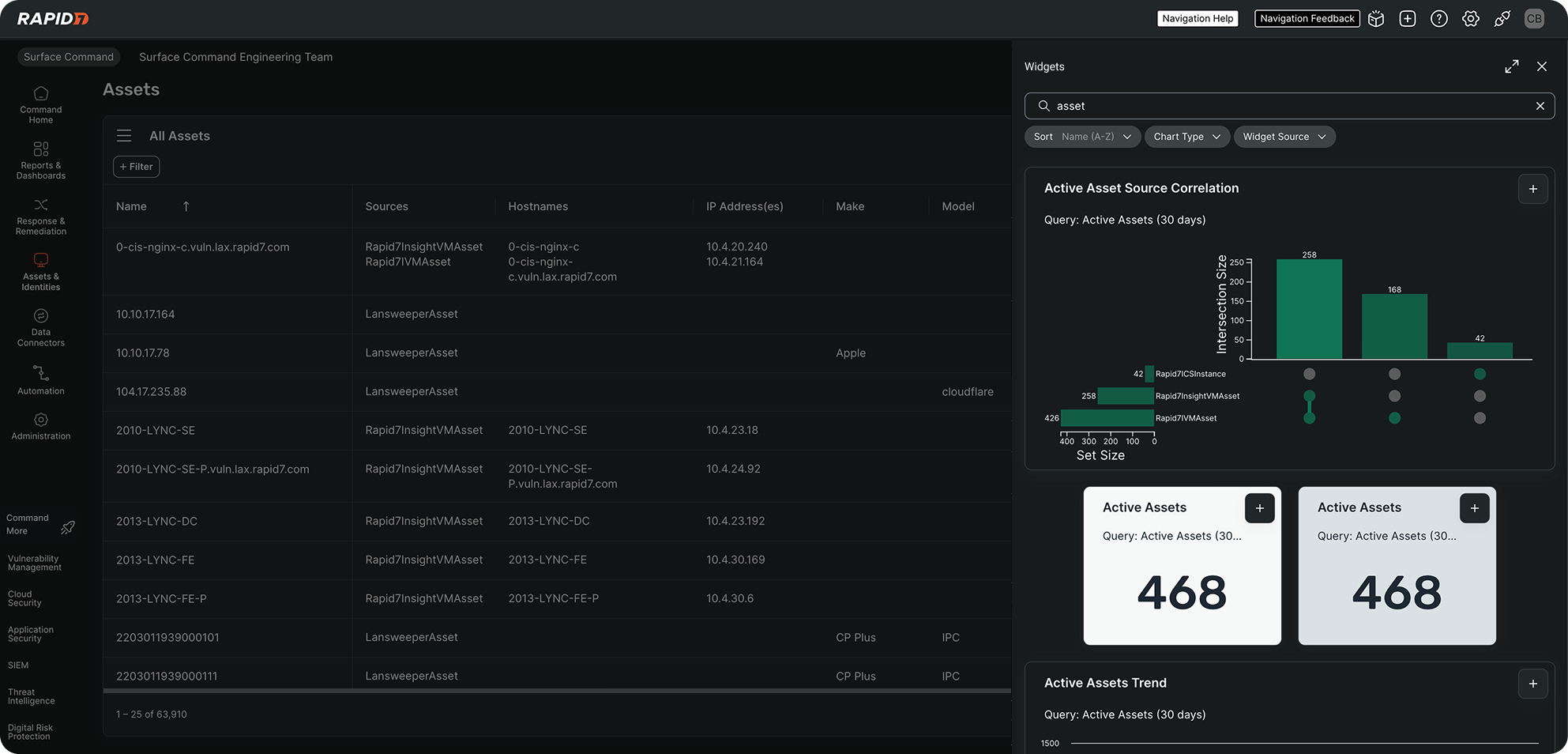
Today, that changes: We’re introducing filter-based dashboard widgets in Surface Command, enabling teams to build meaningful attack surface management (ASM) dashboards in minutes, without writing a single query.
And for CISOs focused on advancing continuous threat exposure management (CTEM), this is more than a usability enhancement. It’s an operational accelerator.
From filters to dashboards, instantly
Security teams already use saved asset and identity filters to answer critical questions:
-
Which internet-facing assets are high risk?
-
Where do privileged identities intersect with exploitable exposures?
-
Which business units own unmanaged cloud infrastructure?
-
What third-party SaaS applications expand our attack surface?
Now, those same saved filters can be converted directly into live dashboard widgets. If your team can build a filter table, they can now build a dashboard.
There’s no need to understand query syntax or rely on specialized expertise for common reporting needs. With just a few clicks, exposure views become shareable, persistent dashboards built on the same unified data model that powers Surface Command.
Reducing friction in exposure reporting
For many organizations, the barrier to effective exposure management isn’t visibility, it’s friction. When dashboard creation requires query expertise, reporting slows down, operational teams depend on a small group of power users, executive visibility lags behind exposure reality, and CTEM initiatives stall under complexity.
Filter-based widgets remove that bottleneck. Security teams can now spin up exposure dashboards in minutes, empower analysts and vulnerability teams to self-serve, deliver consistent reporting to leadership, and standardize exposure views across business units.
This lowers the barrier to building and maintaining exposure intelligence across the organization, and that matters when “continuous” is the goal.
A practical enabler for continuous threat exposure management (CTEM)
Beyond a framework, CTEM is a discipline. One that treats exposure management as an ongoing cycle, not a point-in-time project. CTEM is commonly organized into five continuous steps:
-
Scope – Define what you’re focusing on (systems, business services, exposure themes, time horizons).
-
Discover – Identify the assets, identities, and exposures within scope.
-
Prioritize – Determine what matters most based on risk and impact.
-
Validate – Confirm exploitability and real-world likelihood.
-
Mobilize – Drive remediation and measure progress.
The challenge isn’t describing these steps. It’s making them repeatable in day-to-day operations, and that’s where filter-based dashboard widgets help.
Making “scope” real, not a slide deck
CTEM often succeeds or fails at the first step: scope. If “scope” lives in a document, teams interpret it differently. If it lives on the platform, it becomes operational.
Saved filters are an effective way to define scope in a way teams can actually use. Let’s take a look at some examples:
-
“Internet-facing assets owned by customer-facing business units”
-
“Privileged identities with access to production”
-
“Externally exposed services supporting payment workflows”
-
“Cloud assets without an identified owner”
With filter-based widgets, you can turn those scoped views into dashboards that make CTEM focus areas visible and persistent. This helps teams stay aligned on what you’re measuring and why.
Operationalizing discovery and prioritization
Once scope is defined, CTEM demands continuous discovery and prioritization. Filter-based widgets support that by making key exposure views always available, such as:
-
Newly discovered external assets in a critical business unit
-
High-risk exposures on internet-facing systems
-
Identity-driven exposure hotspots (where access and exposure intersect)
-
Business-unit risk breakdowns for ownership and accountability
Instead of rebuilding reports each cycle, teams can use dashboards to maintain ongoing awareness of what has changed.
Supporting validation and mobilization with “always-on” views
Validation and mobilization are where CTEM becomes measurable. While advanced workflows still benefit from deeper investigation and custom analysis, filter-based dashboards help teams maintain consistent operational pressure: Are the highest priority exposures shrinking week over week? Are the same teams repeatedly accumulating unmanaged assets? Are privileged identity risks trending in the right direction?
Dashboards don’t replace validation, but they make it easier to target validation where it matters, and to keep remediation efforts aligned to the scoped CTEM goals.
Built on the Command Platform: unified data, real-time context
These filter-based widgets aren’t layered on top of a separate reporting engine. They’re instead powered directly by the Command Platform’s unified asset and identity graph, which is the same continuously updated data model that drives Surface Command.
That means widgets reflect real-time exposure state, asset and identity relationships stay connected, context holds across domains, and dashboards scale as your attack surface evolves.
For CISOs, this is what turns reporting into decision support: consistent data, consistent definitions, and visibility that doesn’t lag behind reality.
Accessibility without sacrificing power
Most reporting can now be built from easy-to-use filter tables, without the learning curve associated with Cypher.
For advanced correlation, custom logic, and complex investigations, teams can still leverage custom queries. The result is balance: Accessibility for most users and flexibility for advanced practitioners – all via one unified platform.
Turning exposure intelligence into executive clarity
Surface Command was built to give organizations a unified view of their external attack surfaces across assets, identities, and exposures.
With filter-based dashboard widgets, that intelligence becomes easier to operationalize, easier to share, and easier to scale, especially for CTEM programs that rely on repeatability.
Because continuous threat exposure management shouldn’t depend on who knows how to write a query. It should be built into the way your platform works.