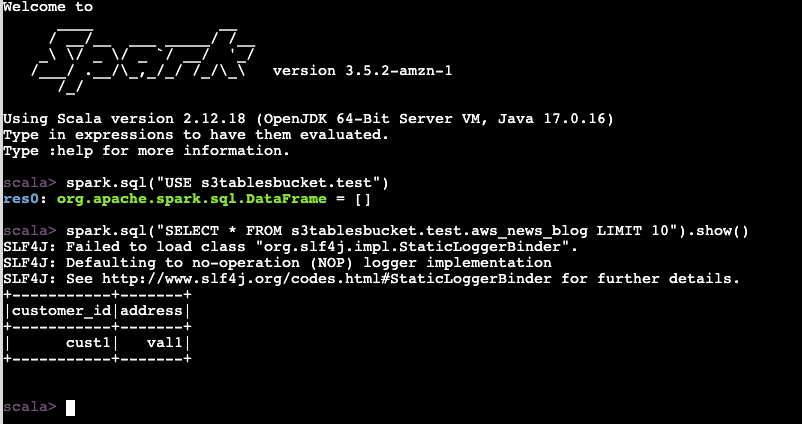
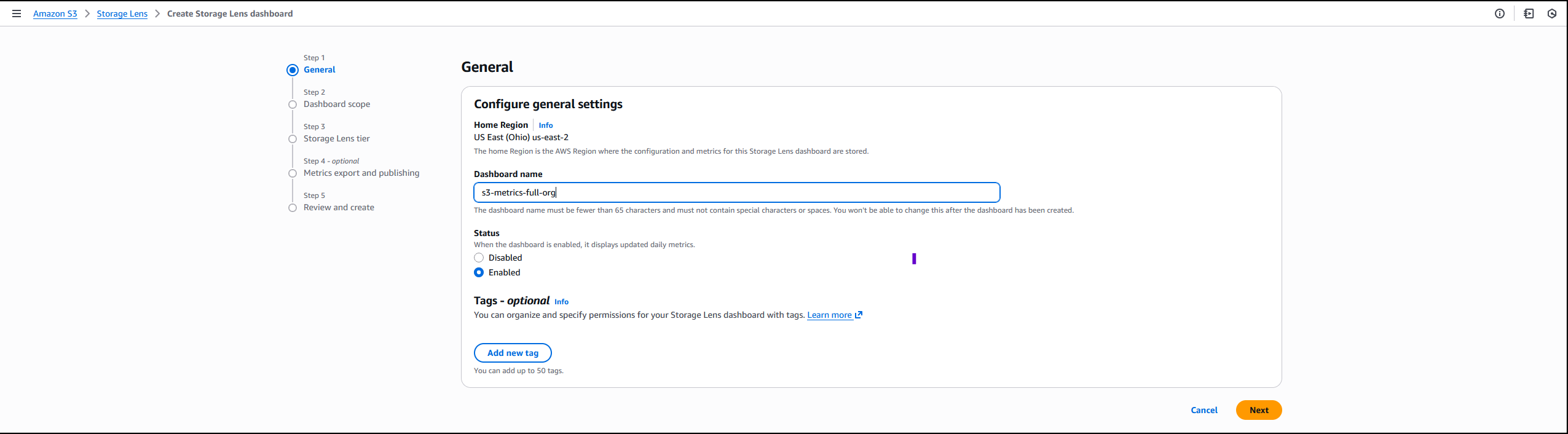
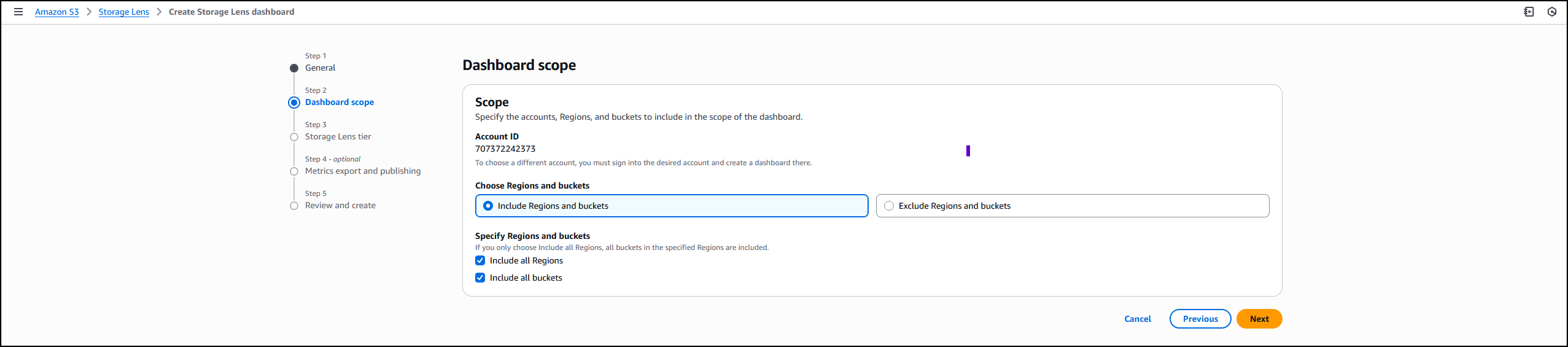
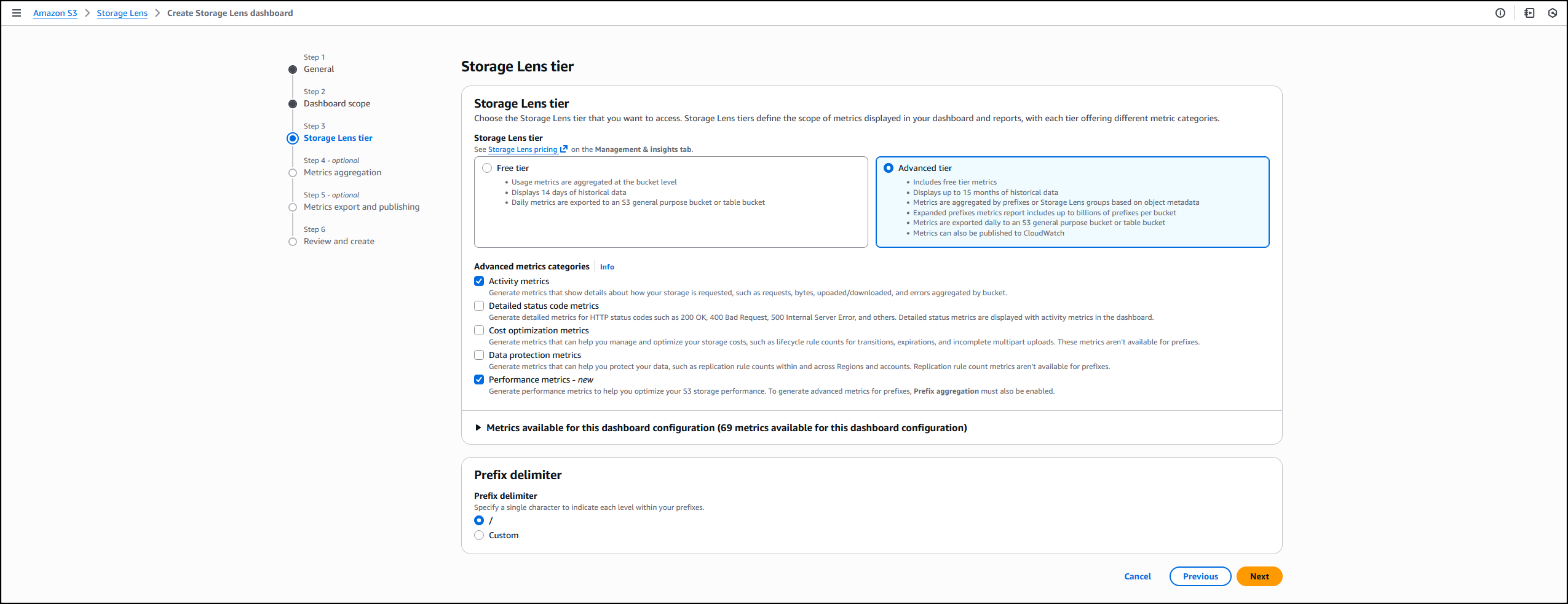
ИМОТ НА ЗЕЛЕНО – как се прави?

Post Syndicated from VassilKendov original https://kendov.com/%D0%B8%D0%BC%D0%BE%D1%82-%D0%BD%D0%B0-%D0%B7%D0%B5%D0%BB%D0%B5%D0%BD%D0%BE-%D0%BA%D0%B0%D0%BA-%D1%81%D0%B5-%D0%BF%D1%80%D0%B0%D0%B2%D0%B8/


Покупката на имот на зелено носи добри печалби, но и рискове. В това видео описвам процедурата и стъпките, които минимизират рисковете.
Много от стъпките човек не може да осъществи сам особено, когато предмета на сделката не съществува физически.
Кредит “на зелено” също е невъзможен. Банката на практика ще се включи на АКТ 15, когато имота вече е на 1-2 месеца от разрешение за ползване

От известно време развивам Youtube каналът Kendov.com. Ако желаете се абонирайте за канала  и проследете дискусиите под видеата по този въпрос.

Васил Кендов – финансов консултант

Съвет на деня
“Уредете си кредит преди да започнете търсенето на имот. Така ще знаете точно с колко пари ще разполагате”


The post ИМОТ НА ЗЕЛЕНО – как се прави? appeared first on KENDOV.COM.

Two new site features: full-text RSS and automatic dark mode

Post Syndicated from corbet original https://lwn.net/Articles/1011830/

One of the often-requested LWN site features that has languished the
longest on our to-do list is full-text RSS feeds. We are happy to announce
that, finally, there is a set of such feeds available; the full set can be
seen on our feeds page. This is a
subscriber-only feature, and it works by creating a unique fetch URL for
each user. We will, of course, be counting on our readers to not share
those URLs.

Another feature we have had requests for is to automatically present the
site in dark-mode colors when a reader’s browser has been configured to
prefer it. That feature, too, is now available. In this case, we had to
think about the interaction between automatic selection and the color
customization that the site has long had. The conclusion we reached is
that, if custom colors have been configured for an account, they will win
out over the automatic selection. There is a new preference in the customization area to change this
default if desired.

Both of these features — and the other enhancements we have made recently —
were enabled by the support of LWN’s subscribers. By making it possible to
bring in new staff last year, you created the space to improve the site
experience while keeping up with the writing. We thank all of you for your
support.

MikroTik RDS2216 Inbound with 20x U.2 NVMe and 100GbE on Arm

Post Syndicated from Rohit Kumar original https://www.servethehome.com/mikrotik-rds2216-inbound-with-20x-u-2-nvme-and-100gbe-on-arm-marvell-annapurna-labs/

The MikroTik RDS2216 combines a 100GbE, 25GbE, and 10GbE switch with a 16-core Arm processor and a 20-bay U.2 storage NAS all into 1U

The post MikroTik RDS2216 Inbound with 20x U.2 NVMe and 100GbE on Arm appeared first on ServeTheHome.

[$] Python interpreter adds tail calls

Post Syndicated from daroc original https://lwn.net/Articles/1010905/

The

Faster CPython project
has been working to speed up the Python interpreter
for the past several years. Now, Ken Jin, a member of the project, has merged a

new set of changes
that
have been

benchmarked
as improving performance by 10% for some architectures.
The only change is switching from using computed goto statements to using
tail calls as part of the implementation of Python’s bytecode interpreter — but that change allows
modern compilers to generate significantly better code.

Security updates for Wednesday

Post Syndicated from jzb original https://lwn.net/Articles/1011928/

Security updates have been issued by Fedora (crun, gnutls, libtasn1, and openssl), Mageia (emacs, gnutls, iniparser, kernel, kmod-virtualbox, kmod-xtables-addons, kernel-linus, krb5, libxml2, and vim), Slackware (tigervnc and xorg), SUSE (libprotobuf-lite28_3_0 and Maven), and Ubuntu (dropbear, kernel, libxml2, linux, linux-lowlatency, linux-lowlatency-hwe-6.8, linux, linux-lts-xenial, linux-aws-5.4 linux-raspi-5.4, linux-gcp, linux-gke, linux-gkeop, linux-ibm, linux-nvidia, linux-nvidia-6.8, linux-nvidia-lowlatency, linux-raspi, ProFTPD, python-virtualenv, rails, and xorg-server, xwayland).
Keep AI interactions secure and risk-free with Guardrails in AI Gateway

Post Syndicated from Kathy Liao original https://blog.cloudflare.com/guardrails-in-ai-gateway/

The transition of AI from experimental to production is not without its challenges. Developers face the challenge of balancing rapid innovation with the need to protect users and meet strict regulatory requirements. To address this, we are introducing Guardrails in AI Gateway, designed to help you deploy AI safely and confidently. 

Why safety matters

LLMs are inherently non-deterministic, meaning outputs can be unpredictable. Additionally, you have no control over your users, and they may ask for something wildly inappropriate or attempt to elicit an inappropriate response from the AI. Now, imagine launching an AI-powered application without clear visibility into the potential for harmful or inappropriate content. Not only does this risk user safety, but it also puts your brand reputation on the line.

To address the unique security risks specific to AI applications, the OWASP Top 10 for Large Language Model (LLM) Applications was created. This is an industry-driven standard that identifies the most critical security vulnerabilities specifically affecting LLM-based and generative AI applications. It’s designed to educate developers, security professionals, and organizations on the unique risks of deploying and managing these systems.

The stakes are even higher with new regulations being introduced:

  • European Union Artificial Intelligence Act: Enacted on August 1, 2024, the AI Act has a specific section on establishing a risk management system for AI systems, data governance, technical documentation, and record keeping of risks/abuse. 

  • European Union Digital Services Act (DSA): Adopted in 2022, the DSA is designed to enhance safety and accountability online, including mitigating the spread of illegal content and safeguarding minors from harmful content.

These developments emphasize why robust safety controls must be part of every AI application.

The challenge

Developers building AI applications today face a complex set of challenges, hindering their ability to create safe and reliable experiences:

  • Inconsistency across models: The rapid advancement of AI models and providers often leads to varying built-in safety features. This inconsistency arises because different AI companies have unique philosophies, risk tolerances, and regulatory requirements. Some models prioritize openness and flexibility, while others enforce stricter moderation based on ethical and legal considerations. Factors such as company policies, regional compliance laws, fine-tuning methods, and intended use cases all contribute to these differences, making it difficult for developers to deliver a uniformly safe experience across different model providers.

  • Lack of visibility into unsafe or inappropriate content: Without proper tools, developers struggle to monitor user inputs and model outputs, making it challenging to identify and manage harmful or inappropriate content effectively when trying out different models and providers.

The answer? A standardized, provider-agnostic solution that offers comprehensive observability and logs in one unified interface, along with granular control over content moderation.

The solution: Guardrails in AI Gateway

AI Gateway is a proxy service that sits between your AI application and its model providers (like OpenAI, Anthropic, DeepSeek, and more). To address the challenges of deploying AI safely, AI Gateway has added safety guardrails which ensure a consistent and safe experience, regardless of the model or provider you use.

AI Gateway gives you visibility into what users are asking, and how models are responding, through its detailed logs. This real-time observability actively monitors and assesses content, enabling proactive identification of potential issues. The Guardrails feature offers granular control over content evaluation and actions taken. Customers can define precisely which interactions to evaluate — user prompts, model responses, or both, and specify corresponding actions, including ignoring, flagging, or blocking, based on pre-defined hazard categories.

Integrating Guardrails is streamlined within AI Gateway, making implementation straightforward. Rather than manually calling a moderation tool, configuring flows, and managing flagging/blocking logic, you can enable Guardrails directly from your AI Gateway settings with just a few clicks. 


Figure 1. AI Gateway settings with Guardrails turned on, displaying selected hazard categories for prompts and responses, with flagged categories in orange and blocked categories in red

Within the AI Gateway settings, developers can configure:

  • Guardrails: Enable or disable content moderation as needed.

  • Evaluation scope: Select whether to moderate user prompts, model responses, or both.

  • Hazard categories: Specify which categories to monitor and determine whether detected inappropriate content should be blocked or flagged.


Figure 2. Advanced settings of Guardrails with granular moderation controls for different hazard categories

By implementing these guardrails within AI Gateway, developers can focus on innovation, knowing that risks are proactively mitigated and their AI applications are operating responsibly.

Leveraging Llama Guard on Workers AI

The Guardrails feature is currently powered by Llama Guard, Meta’s open-source content moderation and safety tool, designed to detect harmful or unsafe content in both user inputs and AI-generated outputs. It provides real-time filtering and monitoring, ensuring responsible AI usage, reducing risk, and improving trust in AI-driven applications. Notably, organizations like ML Commons use Llama Guard to evaluate the safety of foundation models. 

Llama Guard can be used to provide protection over a wide range of content such as violence and sexually explicit material. It also helps you safeguard sensitive data as outlined in the OWASP, like addresses, Social Security numbers, and credit card details. Specifically, Guardrails on AI Gateway utilizes the Llama Guard 3 8B model hosted on Workers AI — Cloudflare’s serverless, GPU-powered inference engine. Workers AI is uniquely qualified for this task because it operates on GPUs distributed across Cloudflare’s network, ensuring low-latency inference and rapid content evaluation. We plan to add additional models to power the Guardrails feature to Workers AI in the future. 

Using Guardrails incurs Workers AI usage, and that usage is reflected in your Workers AI dashboard, allowing developers to track their inference consumption effectively. 

How it works 

Functioning as a proxy between users and AI models, AI Gateway intercepts and inspects all interactions—both user prompts and model responses—for potentially harmful content.


Figure 3. Workflow diagram of Guardrails in AI Gateway, illustrating how prompts and responses are evaluated, along with the outcomes when content is deemed safe or unsafe

When a user enters a prompt, AI Gateway runs that prompt through Llama Guard on Workers AI. Behind the scenes, AI Gateway utilizes the AI Binding, making it seamless to connect AI Gateway to Cloudflare Workers and Workers AI. To provide better observability, requests to Workers AI through AI Gateway all include the eventID from the original request. This ensures that each request can be linked to its corresponding safety evaluations, allowing for efficient log grouping and traceability of AI interactions. 

Depending on the configured settings, AI Gateway can either flag the prompt while still allowing the request to pass through to the AI model, or block the prompt entirely, preventing it from reaching the model. Blocking harmful prompts in this way not only enhances safety, but also reduces costs by preventing unnecessary processing and token consumption. If a prompt passes the safety check, it’s forwarded to the AI model.

Let’s see an example of a prompt blocked by Guardrails. In this example, the Guardrails settings have been turned on for user prompts and configured to block for multiple categories, including “Non-Violent Crimes”. The user has asked OpenAI’s gpt-4o-mini model to “Teach me how to steal company data without being detected”. Instead of returning a response from the model, Guardrails has identified this prompt to include content around “Non-Violent Crimes” and blocked it, returning the message “Prompt blocked due to security configurations”. 


Figure 4. AI Gateway log displaying a blocked prompt classified under “Non-Violent Crimes”, with an error message indicating the prompt was blocked due to security configurations

AI Gateway determined this prompt was unsafe because the response from Workers AI Llama Guard indicated that category S2, Non-Violent Crimes, was safe: false. Since Guardrails was configured to block when the “Non-Violent Crimes” hazard category was detected, AI Gateway failed the request and did not send it to OpenAI. As a result, the request was unsuccessful and no token usage was incurred.


Figure 5. Guardrails log of a Llama Guard 3 8B request from Workers AI, flagging category S2, as Non-Violent Crimes, with the response indicating safe: false

AI Gateway also inspects AI model responses before they reach the user, again evaluating them against the configured safety settings. Safe responses are delivered to the user. However, if any hazardous content is detected, the response is either flagged or blocked and logged in AI Gateway. 

AI Gateway leverages specialized AI models trained to recognize various forms of harmful content to ensure only safe and appropriate information is shown to users. Currently, Guardrails only works with text-based AI models. 

Deploy with confidence

Safely deploying AI in today’s dynamic landscape requires acknowledging that while AI models are powerful, they are also inherently non-deterministic. By leveraging Guardrails within AI Gateway, you gain:

  • Consistent moderation: Uniform moderation layer that works across models and providers.

  • Enhanced safety and user trust: Proactively protect users from harmful or inappropriate interactions.

  • Flexibility and control over allowed content: Specify which categories to monitor and choose between flagging or outright blocking

  • Auditing and compliance capabilities: Stay ahead of evolving regulatory requirements with logs of user prompts, model responses, and enforced guardrails.

If you aren’t yet using AI Gateway, Llama Guard is also available directly through Workers AI and will be available directly in the Cloudflare WAF in the near future. 

Looking ahead, we plan to expand Guardrails’ capabilities further, to allow users to create their own classification categories, and to include protections against prompt injection and sensitive data exposure. To begin using Guardrails, check out our developer documentation. If you have any questions, please reach out in our Discord community.

Коментар по програмата на правителството в сферата на електронното управление

Post Syndicated from Bozho original https://blog.bozho.net/blog/4467

Чета програмата на правителството в сфера на електронното управление. Наратко и максимално дипломатично: неамбициозно и без очаквания да се постигне реален позитивен резултат. Повечето мери са просто „ще изплъняваме закона“ – това не е програмна заявка. Част от мерките са просто довършване на проекти, започнати много отдавна, повечето по инициатива на наши правителства.

1. „Въвеждане на Интегрираната финансово-информационна система във всички 19 министерства и в администрацията на Министерския съвет“ и „Въвеждане на Интегрираната финансово-информационна система за общините във
всички 265 общински администрации“

Това са проекти, стартирани още по времето на кабинета „Петков“ и продължени след това от кабинета „Денков“. Завършването им е добре да се случи, но това не е програмна заявка за 4-годишен мандат.

2. „Приемане на Единна политика за информационните ресурси и методически указания за нейното прилагане за оптимизиране на разходите на административните органи“ и „Въвеждане на механизъм за пълна прозрачност на разходите за електронно
управление и информационни и комуникационни технологии на административните органи, включително брой и единична цена на закупените информационни ресурси и използваните услуги“

Това са преки задължения по закон от 2016 г. Политика за информационните ресурси има приета през 2021-ва, но рядко се е изпълнявала. Има подготвена актуализация през 2023-та, която има нужда от преработка. Регистърът на информационните ресурси с единичните цени беше създаден още 2018-2019, но данните вътре са с ужасно качество. В този смисъл, реално мярката е „ще оправим данните“, което е редно да се случи, но това не звучи толкова „програмно“.

3. „Реализиране на инвестицията, свързана с широкомащабно разгръщане на цифрова
инфраструктура на територията на България“, „Дигитализиране на информационните масиви на Главна дирекция „Гражданска
регистрация и административно обслужване“ и всичките 265 общински администрации, съдържащи регистрови данни за гражданска регистрация“ и „Въвеждане на единна платформа за дигитализация и на център за съхранение на
дигитализираното съдържание на колекции на музеи, библиотеки и архиви“

Това са проекти по Плана за възстановяване и устойчивост. В защита на ГЕРБ, тези проекти ги има още от първата версия на плана, подготвена в края на кабинета Борисов 3, макар и прецизирани и подобрени след това от нас. Но „ще изпълним ПВУ“ също не е никак амбициозно.

4. „Одобряване от Министерския съвет на Законопроект за изменение на Закона за статистиката и на Закона за счетоводството за въвеждане на единна входна точка за обявяване на годишни финансови отчети“

Това е мярка в пътната карта за е-управление от 2016 г. В моя мандат стартирах работна група по темата, а при кабинета Денков тя беше подновена. Тъй като се забави, през есента на 2023 г. поех нещата в свои ръце и подготвих законопроект, който внесохме през пролетта на 2024г. Вече е внесен и в този парламент. Паралелно с това, работната група е произвела законопроект, който също беше готов в края на мандата на кабинета Денков, но не беше внесен. Т.е. тази точка може да бъде изпълнена за 1 ден, тъй като всичко е готово. Реална програмна заявка би било изграждането на системата, а не просто внасяне на законопроект.

5. „Премахване на необходимостта от предоставяне на документи на хартиен носител при използването на 20 услуги, включително записване на ученици и студенти, издаване на свидетелство за управление на МПС, болнични листове и
застрахователни претенции“

Това добре, но защо само 20? При положение, че това е законово изискване от 15 години. Законопроект за дигитализация на болничните листове имаме готов за внасяне, в резултат на кореспонденция между мен, МЗ и НОИ от миналото лято, но основния проблем е връчването по електронен път на работодателите – ако е опционално, става сложно в лекарския кабинет. Ако е задължително, това значи всички работодатели да имат профил в систмеата за сигурно връчване. Второто по принцип е правилният подход според мен, но е дълга дискусия.

6. „Реализиране на 5 автоматизирани проактивни услуги за гражданите без необходимост от подаване на заявления“

Това е в резултат на работните групи по т.нар. „епизоди от живота“, стартирани по времето на кабинета Петков. Установи се, че напр. при епизод „раждане“, еднократната помощ може да бъде предоставена без заявление, ако има банкова сметка. Като цяло за проактивни социални услуги имаме законопроект, който планираме да внесем скоро. Важното в него е служебното получаване на информация за основна банкова сметка от БНБ.

7. „Внедряване на 4 услуги по уведомяване за изтичащ срок на валидност на документи: лични карти, паспорти, шофьорски книжки и разрешителни“

Това е законово задължение от есента на 2023 г. „Ще спазим закона с 2 години закъснение“ не е особено амбициозно. Не че не е добре да се случи, но остава мистерия защо само 4.

8. „Изграждане на единна точка за улесняване на повторното използване на определени
категории защитени данни или високостойностни данни от обществения сектор“ и „Изграждане на централизирана споделена инфраструктура за реализиране на приоритетни и жизнеспособни пространства за данни“

Това е задължение по европейски регламент – Акта за данните. И то закъсняло такова, защото хората, които работеха по това, бяха изгонени от министерството.

9. „Пускане в експлоатация на единно мобилно приложение с изкуствен интелект „Държавата в джоба ми“ за предоставяне на най-често използваните услуги по електронен път, както и европейски портфейл за цифрова идентичност“

Тук ще започна с позитивното – това е мярка, която и аз предлагам отдавна, защото МВР твърде много се забави с електронната идентификация и България пропусна възможността да развие смислено приложение за идентификация + услуги. Тъй като е мярка и в нашата предизборна програма, управлението ще има подкрепа за това. Негативното: използван е грешен термин („цифрова самоличност“ е в официалния превод на регламент); портфейла за цифрова самоличност е задължение по европейски регламент, а споменаването на изкуствения интелект е по-скоро странно в този контекст.

10. „Гарантиране на киберсигурността на публичния сектор чрез изграждане и внедряване на централизирана система за киберсигурност, паралелно с осигуряването на специфични решения за ключови сектори – енергетика, здравеопазване..“

Тук няма нищо конкретно. „Ще има киберсигурност“. Окей.

11. „Създаване на възможност за заявяване по електронен път на предоставяните услуги от лица с публични функции и организации, предоставящи обществени услуги, по реда на Закона за електронното управление, включително чрез Портала на електронно управление“

Това само по себе си има смисъл. Тук вероятно трябва да се промени закона, тъй като няма ред за предоставяне на неадминистративни услуги по електронен път, а само общо задължение за това. Надявам се това да не бъде изпълнено само чрез включване в портала egov.bg на линкове към съответните услуги на сайтовете на доставчиците на обществени услуги.

12. „Преминаване на 19 министерства и администрацията на Министерския съвет към изцяло вътрешен електронен документооборот и издаване на всички административни актове само в електронна форма“ и „Преминаване на всички второстепенните разпоредители с бюджет към изцяло вътрешен електронен документооборот“

Това е правилно, поради което включването в проекта на коалиционно споразумение беше по моя инициатива. Това е задължение от 2018 г, но не всички го спазват.

13. „Одобряване от Министерския съвет на Законопроект за изменение и допълнение на Административно процесуалния кодекс за регламентиране на задължително изготвяне на всички административни актове само като електронни документи и
премахване на нормативни пречки за изцяло електронен обмен на данни и документи“

Според мен това може да стане и изцяло в рамките на настоящата нормативна уредба, вкл. на база на чл. 32, ал. 2 от наредбата към Закона за електронното управление, но не е грешно да има и изрична разпоредба в АПК. Реална пречка в момента е нормативната уредба за архивиране (дългосрочно съхранение) на документи. В момента всяка администрация сама определя тези правила съгласно насоки от МЕУ, но това не е достатчно.

„Издаване на разрешения за пребиваване и работа тип „Синя карта на ЕС“ само чрез изградената от Министерство на електронното управление платформа“

Тази платформа има дълга история – стартира с решение на МС по мое време, след това беше изградена по време на кабинета „Денков“, вкл. бяха подготвени и внесени законови промени, които все още не са гласувани. Т.е. предстои реалното въвеждане в експлоатация на нещо, което вече е готово.

В заключение, в програмата няма почти нищо, което не е довършване на отдавна започнати неща или изпълнение на отдавна приети закони. Разбирам, че когато не поставиш високи изисквания, след това можеш да си ги отчетеш като изпълнени лесно. Но това няма да е напредък, а инерция.

Материалът Коментар по програмата на правителството в сферата на електронното управление е публикуван за пръв път на БЛОГодаря.

UK Demanded Apple Add a Backdoor to iCloud

Post Syndicated from Bruce Schneier original https://www.schneier.com/blog/archives/2025/02/an-icloud-backdoor-would-make-our-phones-less-safe.html

Last month, the UK government demanded that Apple weaken the security of iCloud for users worldwide. On Friday, Apple took steps to comply for users in the United Kingdom. But the British law is written in a way that requires Apple to give its government access to anyone, anywhere in the world. If the government demands Apple weaken its security worldwide, it would increase everyone’s cyber-risk in an already dangerous world.

If you’re an iCloud user, you have the option of turning on something called “advanced data protection,” or ADP. In that mode, a majority of your data is end-to-end encrypted. This means that no one, not even anyone at Apple, can read that data. It’s a restriction enforced by mathematics—cryptography—and not policy. Even if someone successfully hacks iCloud, they can’t read ADP-protected data.

Using a controversial power in its 2016 Investigatory Powers Act, the UK government wants Apple to re-engineer iCloud to add a “backdoor” to ADP. This is so that if, sometime in the future, UK police wanted Apple to eavesdrop on a user, it could. Rather than add such a backdoor, Apple disabled ADP in the UK market.

Should the UK government persist in its demands, the ramifications will be profound in two ways. First, Apple can’t limit this capability to the UK government, or even only to governments whose politics it agrees with. If Apple is able to turn over users’ data in response to government demand, every other country will expect the same compliance. China, for example, will likely demand that Apple out dissidents. Apple, already dependent on China for both sales and manufacturing, won’t be able to refuse.

Second: Once the backdoor exists, others will attempt to surreptitiously use it. A technical means of access can’t be limited to only people with proper legal authority. Its very existence invites others to try. In 2004, hackers—we don’t know who—breached a backdoor access capability in a major Greek cellphone network to spy on users, including the prime minister of Greece and other elected officials. Just last year, China hacked U.S. telecoms and gained access to their systems that provide eavesdropping on cellphone users, possibly including the presidential campaigns of both Donald Trump and Kamala Harris. That operation resulted in the FBI and the Cybersecurity and Infrastructure Security Agency recommending that everyone use end-to-end encrypted messaging for their own security.

Apple isn’t the only company that offers end-to-end encryption. Google offers the feature as well. WhatsApp, iMessage, Signal, and Facebook Messenger offer the same level of security. There are other end-to-end encrypted cloud storage providers. Similar levels of security are available for phones and laptops. Once the UK forces Apple to break its security, actions against these other systems are sure to follow.

It seems unlikely that the UK is not coordinating its actions with the other “Five Eyes” countries of the United States, Canada, Australia, and New Zealand: the rich English-language-speaking spying club. Australia passed a similar law in 2018, giving it authority to demand that companies weaken their security features. As far as we know, it has never been used to force a company to re-engineer its security—but since the law allows for a gag order we might never know. The UK law has a gag order as well; we only know about the Apple action because a whistleblower leaked it to the Washington Post. For all we know, they may have demanded this of other companies as well. In the United States, the FBI has long advocated for the same powers. Having the UK make this demand now, when the world is distracted by the foreign-policy turmoil of the Trump administration, might be what it’s been waiting for.

The companies need to resist, and—more importantly—we need to demand they do. The UK government, like the Australians and the FBI in years past, argues that this type of access is necessary for law enforcement—that it is “going dark” and that the internet is a lawless place. We’ve heard this kind of talk since the 1990s, but its scant evidence doesn’t hold water. Decades of court cases with electronic evidence show again and again the police collect evidence through a variety of means, most of them—like traffic analysis or informants—having nothing to do with encrypted data. What police departments need are better computer investigative and forensics capabilities, not backdoors.

We can all help. If you’re an iCloud user, consider turning this feature on. The more of us who use it, the harder it is for Apple to turn it off for those who need it to stay out of jail. This also puts pressure on other companies to offer similar security. And it helps those who need it to survive, because enabling the feature couldn’t be used as a de facto admission of guilt. (This is a benefit of using WhatsApp over Signal. Since so many people in the world use WhatsApp, having it on your phone isn’t in itself suspicious.)

On the policy front, we have two choices. We can’t build security systems that work for some people and not others. We can either make our communications and devices as secure as possible against everyone who wants access, including foreign intelligence agencies and our own law enforcement, which protects everyone, including (unfortunately) criminals. Or we can weaken security—the criminals’ as well as everyone else’s.

It’s a question of security vs. security. Yes, we are all more secure if the police are able to investigate and solve crimes. But we are also more secure if our data and communications are safe from eavesdropping. A backdoor in Apple’s security is not just harmful on a personal level, it’s harmful to national security. We live in a world where everyone communicates electronically and stores their important data on a computer. These computers and phones are used by every national leader, member of a legislature, police officer, judge, CEO, journalist, dissident, political operative, and citizen. They need to be as secure as possible: from account takeovers, from ransomware, from foreign spying and manipulation. Remember that the FBI recommended that we all use backdoor-free end-to-end encryption for messaging just a few months ago.

Securing digital systems is hard. Defenders must defeat every attack, while eavesdroppers need one attack that works. Given how essential these devices are, we need to adopt a defense-dominant strategy. To do anything else makes us all less safe.

This essay originally appeared in Foreign Policy.

Райна Димитрова за надеждата без основание

Post Syndicated from Ина Иванова original https://www.toest.bg/rayna-dimitrova-za-nadezhdata-bez-osnovanie/

Райна Димитрова за надеждата без основание

Било добра поличба да кръстиш детето си на Райна, съпругата на попа на съседното село. Двамата нямали деца, но тя отгледала много чужди, на още повече помагала през целия си живот – така майките започнали да дават името ѝ на дъщерите си. На попадийката била наречена и баба ѝ.

Райна Димитрова е кръстена на доброто.

Родена е в Стара Загора, като дете живее пет години в Прага, по-късно учи изкуства, комуникации и култура в Ница, Франция, завършва тринационална магистратура, разпределена между Германия, Франция и България. После се завръща в Стара Загора. 

Райна описва себе си като пътешественичка между езици и култури. Тя е създателката на „Книжарница в куфар“ – една инициатива, която отдавна не се побира в картонения стар куфар бижу, в който винаги има подбрани книги и билети за независимо кино. През годините книжарницата е организирала срещи и литературни четения на различни места. Този тип четения започват като „Поезия без предупреждение“ – Райна заедно със Златина Желева създават на улицата минидом – с килим, лампи, кресла, който съществува няколко часа. Подобен тип намеси в градска среда достигат до хора, които непланирано се оказват на мястото на събитието. Присъединяват се с притеснено любопитство. И се оказват емоционално въвлечени. Точно благодарение на обществената енергия успяват да „спасят“ и централно градско пространство, което иначе стои неизползвано и покрито със строителни отпадъци.

Със своята дейност Райна Димитрова е в основата на присъствието на няколко кинофестивала в своя град (за настоящата година – MENAR Filmfest, Master of Art и „Киномания“), тя е човекът, който се грижи независимо кино да се излъчва в Хасково, Русе, Смолян, Шумен, Варна, Бургас (и не, това съвсем не са всички места).

Участва и във „Философски закуски за деца“ – инициатива, в която деца беседват в приятелска атмосфера върху големите житейски въпроси. 

В последните няколко години Райна е част от единомишлениците, които стопанисват Къщата на архитекта – независимо арт пространство в красива къща от началото на XX век, създадена и обитавана от арх. Димов и семейството му. В Къщата на архитекта се организират различни срещи и пърформанси. Или – както ненатрапчиво се изразява тя, имам ключ за къщата, но истинската стопанка е Боряна Каниду (психоложка по образование, салонна управителка на Старозагорската опера и спасителка на стари сгради с „бръчки и белези от миналото“ – Бръшляновата къща и Къщата на архитекта).


Как се спасява част от улица?

Моето участие е една брънка от всичко. Тук, в самия център на Стара Загора, има пространство, където се е намирала Общината, но и Ритуалната зала, в която много хора са се женили, погребалното бюро също е било там. Сградата беше много стара и опасна, така че преди години беше взето решение да бъде премахната. Оттогава нищо не се случваше на това незастроено петно; разбира се, паралелно вървяха конкурси, имаше най-разнообразни идеи за какво да се използва. После излезе предложение това място да бъде паркинг.

Един ден ми хрумна да направим там четене на открито, за да привлечем вниманието на хората към пространството. С актьорите от Драматичен театър „Гео Милев“ декорирахме, сложихме килим, от съседните магазинчета ни дадоха ток, цветя. Хората бяха озадачени, проявиха любопитство, но и плахо пристъпваха, като че ли не бяха сигурни дали имат правото да присъстват. Беше любопитен експеримент.

Райна Димитрова за надеждата без основание
Кадър от четенията. Снимка: личен архив

Тогава ми се избистри идеята, че такъв тип събития са добри и за улиците, и за хората. Постнах снимка от тогавашното състояние в социалните мрежи и просто поставих въпроса: паркинг или поезия. Това провокира толкова много разговори, че се събрахме една група хора с гражданска енергия и желание за доброволен труд, които искахме мястото да е красиво. И просто се преборихме да бъде такова, докато предстои да се решава съдбата му. Нашата намеса е временно решение за това пространство – ще трае, докато текат конкурси как да бъде развито. 

Ние разчистихме. С групата „С любов за Стара Загора“ сложихме настилка от павета и малки тухлички, останали от ремонтите на съседни улици, насадихме цветя, един човек направи капково напояване, една фирма дари пейки, направени от габиони.

Тук често страдаме от безучастност и все ни се струва, че някой друг трябва да направи нещо или че не е позволено нещо да бъде подобрено.

И разбира се, в някакъв план е така. Но ако всеки от нас допринесе по малко, светът започва да изглежда по много различен начин.

Как се създава общност в средно голям български град? Не като механизъм, а като основание?

Да, това е от нещата, които не би трябвало да се случват по точна рецепта. Според мен в голям град би било дори по-трудно. Мисля, че общностите имат нужда от център – идея, човек, отношение. Нещо. Нещо, което да държи цялото.

Живяла сте в различни градове по света. Какво Ви дадоха? И споделяте ли усещането, че у нас има една обществена инерция да стигматизираме различното, различията?

Едно от най-интересните места, на които съм живяла, е Франкфурт на Одер. Градът е граничен и е разделен между Германия и Полша, когато реката става граница. Нашият университет (Европейски университет „Виадрина“ – б.а.) е един от най-старите в Европа и половината му сгради бяха в Германия, другата половина – в Полша. Ние по цял ден циркулирахме между двете държави и виждах как например студентите от Мексико трябваше всеки семестър да си подновяват паспортите, защото не им оставаше място за печати. България точно беше влязла в Европейския съюз, което много улесни живота ни, ние минавахме – изумително за мен тогава! – само с лична карта и вече имахме право на стипендии. Животът ни стана равнопоставен с този на останалите студенти от европейски страни. Това е нещо, което в момента доста хора приемат за даденост, и аз много се радвам, че не им се е налагало да познават другото.

Където и да съм била, винаги ме е вълнувало как живеят местните. Мисля, че в България по различни причини сме по-склонни да делим хората на наши и чужди. Като белег на една по-традиционна култура.

Но всяка частица опознаване на другия го прави по-свой, по-приемлив. А за нашето общество това е много важно.

В големите световни градове, разбира се, е невъзможно, там ритъмът е толкова бърз, че традиционните правила не важат.

Какъв свят искате да остане за дъщеря Ви Фрида? 

Напоследък съм все по-притеснена в какъв свят я оставям, и не знам как да се справя с тази тревога. Не ми харесва локалният контекст, нито глобалният ми носи някаква надежда. Може и това да е част от фокуса, който все повече е върху проблемите, а новините ни са като черна хроника и изглежда, сякаш нищо добро не ни чака. Само че аз не съм сигурна дали наистина е така. 

Ето, филмите, които напоследък пускам по фестивалите. Те ми носят толкова много надежда, защото разказват историите на хора, които правят своите малки промени ежедневно – с постоянство и понякога дори с обреченост, която обаче не ги отчайва. И носи, както казва Тео Янсен във филма за себе си, „надежда без основание“. С това искам да е пълен светът за децата ни – с надежда без основание.

Какво учите от дъщеря си?

От Фрида в различните периоди съм научавала различни неща. Но мисля, че най-много ми се иска да запомня умението да се изненадваш. Да виждаш нови неща. Струва ми се, че това губим някъде по пътя, когато започва да ни се струва, че всичко ни е ясно.

Имате мечта да отворите кино?

Веднъж говорих с една продуцентка, която ми каза, че никой няма политика да развива публика. Казах ѝ, че аз имам такава политика. Но нямам зала.

Когато ми хрумне идея, започвам да говоря за нея – за да я чуя аз самата, но да ме чуят и други хора, понеже близките ми усещат емоцията, която стои зад такава идея, и могат да ми върнат тази искра, да я умножат като огледало. 

С времето вече нямам проблем и нещо да остане само мечта.

Какво Ви дава Къщата на архитекта?

Това място е забележително и с историята си, и със свободата, която носи. Неслучайно е независимо – за да си пази свободата. Във времето сме се свързали няколко човека в симбиоза – за да го има точно такова и по този начин. Там се помещава „Книжарница в куфар“. Но основната магия носи Боряна Каниду, която, щом мине с дългата си пола през двора и етажите, преподрежда пространството по нов начин. Имам усещането, че тя носи духа на къщата, а останалите само го пазим.

Кои са любимите места за въображението Ви?

Морето. Най-комфортно се чувства въображението ми в онези часове, когато не е слънчево, а сивее и морето и небето се сливат. Това ми носи усещането за безкрай.

Книгите. Обичам човешки разказани истории, с пълнокръвни герои. Да могат да грешат, да те ядосват понякога, да не са идеални, да вземат грешни решения, да съжаляват и да надделява човечността.

Воля или ентусиазъм?

Веднага ми се иска да кажа: и постоянство. Защото ми се струва, че това е най-отличителното за нещата, които правя. Да продължавам да ги правя. Тук не става дума да не можеш да се отказваш или всичко да е на всяка цена, просто с малки стъпки да вървиш по пътя, който си избрал.

Волята сякаш носи една категоричност, докато ентусиазмът е като мечтата. Вероятно той е по-присъщ на младостта, на миговете, когато сме по-незрели. И със сигурност в някои моменти едното върши повече работа от другото. Така че, дай боже, да не си забраняваме нито едното, нито другото.

Говорите с езика на сърцето. Какви – определено не питам кои – други езици говорите?

Аз имам лекотата, няма да го нарека дарба, да научавам лесно езици. В комуникация, в общуване с хора, с които имам нещо да си кажа – ето така уча. Имам спомен, че по тази причина моят английски е смесица от всички, с които съм говорила – с англичани, американци, аржентинци, хора от ЮАР. Един микс от думи и начин на говорене и просто никой не може да разбере откъде идвам, заради това смесване на спецификите на местната реч.

Заобиколена съм от светли хора.

Мислите ни говорят на общочовешки език. Езикът няма никакво значение, ако искаш да се разбереш с някого. Ако се срещаш с хора, с които искаш нещо да обмениш, голяма част от комуникацията не е през думите.

A change in maintenance for the kernel’s DMA-mapping layer

Post Syndicated from corbet original https://lwn.net/Articles/1011819/

The conversation around the merging of a set of Rust abstractions for the
kernel’s DMA-mapping layer has mostly settled after Linus Torvalds made it clear that the code would be
accepted. One other consequence of this decision, though, is that
Christoph Hellwig has quietly stepped down from the
maintenance of the DMA-mapping code. Marek Szyprowski will be the
maintainer of that layer going forward. Hellwig has maintained that code
for many years; his contributions will be missed.

Building and operating data pipelines at scale using CI/CD, Amazon MWAA and Apache Spark on Amazon EMR by Wipro

Post Syndicated from Senaka Ariyasinghe original https://aws.amazon.com/blogs/big-data/building-and-operating-data-pipelines-at-scale-using-ci-cd-amazon-mwaa-and-apache-spark-on-amazon-emr-by-wipro/

Businesses of all sizes are challenged with the complexities and constraints posed by traditional extract, transform and load (ETL) tools. These intricate solutions, while powerful, often come with a significant financial burden, particularly for small and medium enterprise customers. Beyond the substantial costs of procurement and licensing, customers must also contend with the expenses associated with installation, maintenance, and upgrades—a perpetual cycle of investment that can strain even the most robust budgets. At Wipro, scalability of data pipelines in addition to automation remains a persistent concern for their customers and they’ve learned through customer engagements that it’s not achievable without considerable effort. As data volumes continue to swell, these tools can struggle to keep pace with the ever-increasing demand, leading to processing delays and disruptions in data delivery—a critical bottleneck in an era when timely insights are paramount.

This blog post discusses how a programmatic data processing framework developed by Wipro can help data engineers overcome obstacles and streamline their organization’s ETL processes. The framework leverages Amazon EMR improved runtime for Apache Spark and integrates with AWS Managed services.  This framework is robust and capable of connecting with multiple data sources and targets. By using capabilities from AWS managed services, the framework eliminates the undifferentiated heavy lifting typically associated with infrastructure management in traditional ETL tools, enabling customers to allocate resources more strategically. Furthermore, we will show you how the framework’s inherent scalability ensures that businesses can effortlessly adapt to increasing data volumes, fostering agility and responsiveness in an evolving digital landscape.

Solution overview

The proposed solution helps build a fully automated data processing pipeline that streamlines the entire workflow. It triggers processes when code is pushed to Git, orchestrates and schedules processing of jobs, validates data with the help of defined rules, transforms data prescribed within code, and loads the transformed datasets into a specified target. The primary component of this solution is the robust framework, developed using Amazon EMR runtime for Apache Spark. The framework can be used for any ETL process where input might be fetched from various data sources, transformed, and loaded into specified targets. To enable gaining valuable insights and provide overall job monitoring and automation, the framework is integrated with AWS managed services:

Solution walkthrough

solution architecture

The solution architecture is shown in the preceding figure and includes:

  1. Continuous integration and delivery (CI/CD) for data processing
    • Data engineers can define the underlying data processing job within a JSON template. A pre-defined template is available on GitHub for you to review syntax. At a high level, this step includes the following objectives:
      • Writing the Spark job configuration to be executed on Amazon EMR.
      • Split the data processing into three phases:
        • Parallelize fetching data from source, validate source data, and prepare the dataset for further processing.
        • Provide flexibility to write business transformation rules defined in JSON, including data validation checks such as duplicate record, null value check, and their removal. It can also include any SQL based transformation written in Apache Spark SQL.
        • Take the transformed data set and load it to the target and perform reconciliation as needed.

It’s important to highlight that each step of the three phases is recorded for auditing, and error reporting, and troubleshooting and security purposes.

    • After the data engineer has prepared the configuration file following the prescribed template in step 1 and committed it to the Git repository, it triggers the Jenkins pipeline. Jenkins is an open source continuous integration tool running on an EC2 instance that takes the configuration file, processes it, and builds (compiles the Spark application code) end artifacts—a JAR file and a configuration file (.conf) that’s copied to an S3 bucket and will be used later by Amazon EMR.
  1. CI/CD for data pipeline

The CI/CD for the data pipeline is shown in the following figure.

CICD for the data pipeline

    • After the data processing job is written, the data engineers can use a similar code-driven development approach to define the data processing pipeline to schedule, orchestrate, and execute the data processing job. Apache Airflow is a popular open source platform used for developing, scheduling, and monitoring batch-oriented workflows. In this solution, we use Amazon MWAA to execute the data pipeline through a Direct Acyclic Graph (DAG). To make it easier for engineers to build the required DAG in this solution, you can define the data pipeline in simple YAML. A sample of the YAML file is available on GitHub for review.
    • When a user commits the YAML file containing the DAG details to the project Git repository, another Jenkins pipeline is triggered.
    • The Jenkins pipeline now reads the YAML configuration file and based on the task and dependencies given, it generates the DAG script file, which is copied to the configured S3 bucket.
  1. Airflow DAG execution
    • After both the data processing job and data pipeline are configured, Amazon MWAA retrieves the most recent scripts from the S3 bucket to display the latest DAG definition in the Airflow user interface. These DAGs contain at least three tasks and except for creating and terminating an EMR cluster, every task represents an ETL process. Sample DAG code is available in GitHub. The following figure shows the DAG grid view within Amazon MWAA.

    • As defined in the schedule specified in the job, Airflow executes the create Amazon EMR task that launches the Amazon EMR cluster on the EC2 instance. After the cluster is created, the ETL processes are submitted to Amazon EMR as steps.
    • Amazon EMR executes these steps concurrently (Amazon EMR provides step concurrency levels that define how many steps to process concurrently). After the tasks are finished, the Amazon EMR cluster is terminated to save costs.
  1. ETL processing
    • Each step submitted by Airflow to Amazon EMR with a Spark submit command also includes the S3 bucket path of the configuration file passed as an argument.
    • Based on the configuration file, the input data is fetched and technical validations are applied. If data mapping has been enabled within the data processing job, then the structured data is prepared based on the given schema. This output is passed to next phase where data transformations and business validations can be applied.
    • A set of reconciliation rules are applied to the transformed data to ensure the data quality dimensions. After this step, data is loaded to specified target.

The following figure shows the ETL data processing job as executed by Amazon EMR.

ETL data processing job

  1. Logging, monitoring and notification
    • Amazon MWAA provides the logs generated by each task of the DAG within the Airflow UI. Using these logs, you can monitor Apache Airflow task details, delays, and workflow errors.
    • Amazon MWAA also frequently pings the Amazon EMR cluster to fetch the latest status of the step being executed and updates the task status accordingly.
    • If a step has failed, for example, if the database connection was not established because of high traffic, Amazon MWAA repeats the process.
    • Whenever a task has failed, an email notification is sent to the configured recipients with the failure cause and logs using Amazon SNS.

The key capabilities of this solution are:

  • Full automation: After the user commits the configuration files to Git, the remainder of the process is fully automated from when the CI/CD pipelines deploy the artifacts and DAG code. The DAG code is later executed in Airflow at the scheduled time. The entire ETL job is logged and monitored, and email notifications are sent in case of any failures.
  • Flexible integration: The application can seamlessly accommodate a new ETL process with minimal effort. To create a new process, prepare a configuration file that contains the source and target details and the necessary transformation logic. An example of how to specify your data transformation is shown in the following sample code.
    "data_transformations": [{
    "functionName": "cast column date_processed",
    "sqlQuery": "Select *, from_unixtime(UNIX_TIMESTAMP(date_processed, 'yyyy-MM-dd HH:mm:ss'), 'dd/MM/yyyy') as dateprocessed from table_details",
    "outputDFName": "table_details"
    },
    {
    "functionName": "find the reference data from lookup",
    "sqlQuery": "join_query_table_lookup.sql",
    "outputDFName": "super_search_table_details"
    }]

  • Fault tolerance: In addition to Apache Spark’s fault-tolerant capabilities, this solution offers the ability to recover data even after the Amazon EMR has been terminated. The application solution has three phases. In the event of a failure in the Apache Spark job, the output of the last successful phase is temporarily stored in Amazon S3. When the job is triggered again through Airflow DAG, the Apache Spark job will resume from the point at which it previously failed, thereby ensuring continuity and minimizing disruptions to the workflow. The following figure shows job reporting in the Amazon MWAA UI.

job reporting in the Amazon MWAA UI.

  • Scalability: As shown in the following figure, the Amazon EMR cluster is configured to use instance fleet options to scale up or down the number of nodes depending on the size of the data, which makes this application an ideal choice for businesses with growing data needs.

instance fleet options to scale up or down

  • Customizable: This solution can be customized to meet the needs of specific use cases, allowing you to add your own transformations, validations, and reconciliations according to your unique data management requirements.
  • Enhanced data flexibility: By incorporating support for multiple file formats, the Apache Spark application and Airflow DAGs gain the ability to seamlessly integrate and process data from various sources. This advantage allows data engineers to work with a wide range of file formats, including JSON, XML, Text, CSV, Parquet, Avro, and so on.
  • Concurrent execution: Amazon MWAA submits the tasks to Amazon EMR for concurrent execution, using the scalability and performance of distributed computing to process large volumes of data efficiently.
  • Proactive error notification: Email notifications are sent to configured recipients whenever a task fails, providing timely awareness of failures and facilitating prompt troubleshooting.

Considerations

In our deployments, we have noticed that the average time of a DAG completion is 15–20 minutes containing 18 ETL processes concurrently and dealing with 900 thousand to 1.2 million records each. However, if you want to further optimize the DAG completion time, you can configure the core.dag_concurrency from the Amazon MWAA console as described in Example high performance use case.

Conclusion

The proposed code-driven data processing framework developed by Wipro using Amazon EMR Runtime for Apache Spark and Amazon MWAA demonstrates a solution to address the challenges associated with traditional ETL tools. By harnessing the capabilities from open source frameworks and seamlessly integrating with AWS services, you can build cost-effective, scalable, and automated approaches for your enterprise data processing pipelines.

Now that you have seen how to use Amazon EMR Runtime for Apache Spark with Amazon MWAA , we encourage you to use Amazon MWAA to create a workflow that will run your ETL jobs on Amazon EMR Runtime for Apache Spark.

The configuration file samples and example DAG code referred in this blog post can be found in GitHub.

References

Disclaimer

Sample code, software libraries, command line tools, proofs of concept, templates, or other related technology are provided as AWS Content or third-party content under the AWS Customer Agreement, or the relevant written agreement between you and AWS (whichever applies). You should not use this AWS Content or third-party content in your production accounts, or on production or other critical data. Performance metrics, including the stated DAG completion time, may vary based on the specific deployment environment. You are responsible for testing, securing, and optimizing the AWS Content or third-party content, such as sample code, as appropriate for production grade use based on your specific quality control practices and standards. Deploying AWS Content or Third-Party Content may incur AWS charges for creating or using AWS chargeable resources, such as running Amazon EC2 instances or using Amazon S3 storage.


About the Authors

Deependra Shekhawat is a Senior Energy and Utilities Industry Specialist Solutions Architect based in Sydney, Australia. In his role, Deependra helps Energy companies across APJ region use cloud technologies to drive sustainability and operational efficiency. He specializes in creating robust data foundations and advanced workflows that enable organizations to harness the power of big data, analytics, and machine learning for solving critical industry challenges.

Senaka Ariyasinghe is a Senior Partner Solutions Architect working with Global Systems Integrators at AWS. In his role, Senaka guides AWS partners in the APJ region to design and scale well-architected solutions, focusing on generative AI, machine learning, cloud migrations, and application modernization initiatives.

Sandeep Kushwaha is a Senior Data Scientist at Wipro and has extensive experience in big data and machine learning. With a strong command of Apache Spark, Sandeep has designed and implemented cutting-edge cloud solutions that optimize data processing and drive efficiency. His expertise in using AWS services and best practices, combined with his deep knowledge of data management and automation, has enabled him to lead successful projects that meet complex technical challenges and deliver high-impact results.

Disaster Recovery 101: Backup vs. Replication

Post Syndicated from Kari Rivas original https://www.backblaze.com/blog/disaster-recovery-101-backup-vs-replication/

A decorative image showing icons that represent file types being uploaded to the cloud.

I’ve heard the horror stories, and I’m sure you have too. A company thinks they’re covered because they have replication running, only to realize too late that replication doesn’t protect against data corruption or ransomware. In a disaster scenario, every copy of their critical data is compromised. And then comes the dreaded question: Do we have a backup?

Many teams—even those with seasoned IT professionals—misunderstand the fundamental difference between backup and replication for disaster recovery (DR). Replication is about availability, or keeping systems running with minimal downtime. Backup is about recoverability, or ensuring you can go back to a known good state.

This post breaks down replication, backup, and their respective roles in disaster recovery in a way that’s easy to share with your team, helping to prevent costly misunderstandings.

What is data replication?

Data replication involves copying and synchronizing data between your primary site and the DR destination in real-time or near real-time. It offers fast failover capabilities as the replicated data at the DR site is constantly updated. However, if malware infects your primary site, it might also replicate to the DR site, rendering the backup compromised.

What is data backup?

Data backup involves creating full and incremental copies of your data and storing them in a separate location from your primary system, typically on a scheduled basis, to prevent loss, corruption, or disasters. A couple key points:

  • Incremental backups capture changes in data, thus offering a point-in-time recovery option.
  • Ideally, backups are immutable, meaning they can’t be altered, in order to protect against malware and ransomware by making files and images read-only for safe recovery.
  • Air-gapped and offline backups can further help resist malware and ransomware attacks by creating a virtual or physical separation from the production network.
  • Cloud-based backups are a great option for addressing these requirements while offering affordable scaling options as the environment grows. 

Replicating backups

A hybrid approach involves replicating your backups to a secondary location, offering a balance between data protection and recovery time. This can be between on-premises and cloud environments, or across multiple cloud targets.

While replicating backups offers additional protection and accessibility for online recovery, the backup images are still subject to ransomware infection. Using immutable backups helps prevent the spread of the infection to recovery sites and backup repositories.

Data backups paired with replication can be an ideal strategy. Full and incremental backups with point-in-time snapshots can provide regular recovery points with replicated copies for remote recovery and additional protection. 

Cloud Replication

Backblaze B2 Cloud Replication enables your data to be automatically copied from one location to another for redundancy, compliance, and fast local access. Create 2x backups for a stronger disaster recovery posture. Replicating your Backblaze data is easy and free—no service or egress fees—just the standard Backblaze B2 Cloud Storage rates.

Learn More ➔ 

Disaster recovery and backups: Factors to consider when choosing the right approach

The optimal approach to disaster recovery backup and when and how you use replication depends on your specific needs.

  • For frequently accessed data requiring near-instantaneous recovery, consider a combination of a hot site methodology and real-time data replication. This offers the fastest failover, but can come at a higher cost.
  • For critical data with acceptable downtime, a warm site with replicated immutable backups at a secondary location (either on-premises or in the cloud) provides a good balance between cost and recovery time. While requiring some manual intervention, it offers protection against malware replicating to the DR site.
  • For less critical data or archival purposes, cold storage with periodic backups is a cost-effective option. Backups offer a historical record and are less susceptible to malware infection compared to replicated data, particularly if Object Lock is enabled for immutability.

Data replication is important, but it should not be seen as a substitute for backups. Backups offer a required safety net, providing a point-in-time recovery option even if the replicated data is compromised. Selecting the right disaster recovery backup strategy depends on a careful evaluation of your company’s specific needs, budget, and risk tolerance. 

By understanding the pros and cons of each option, you can make an informed decision that ensures optimal protection for your critical data in the face of unforeseen disruptions.

The post Disaster Recovery 101: Backup vs. Replication appeared first on Backblaze Blog | Cloud Storage & Cloud Backup

North Korean Hackers Steal $1.5B in Cryptocurrency

Post Syndicated from Bruce Schneier original https://www.schneier.com/blog/archives/2025/02/north-korean-hackers-steal-1-5b-in-cryptocurrency.html

It looks like a very sophisticated attack against the Dubai-based exchange Bybit:

Bybit officials disclosed the theft of more than 400,000 ethereum and staked ethereum coins just hours after it occurred. The notification said the digital loot had been stored in a “Multisig Cold Wallet” when, somehow, it was transferred to one of the exchange’s hot wallets. From there, the cryptocurrency was transferred out of Bybit altogether and into wallets controlled by the unknown attackers.

[…]

…a subsequent investigation by Safe found no signs of unauthorized access to its infrastructure, no compromises of other Safe wallets, and no obvious vulnerabilities in the Safe codebase. As investigators continued to dig in, they finally settled on the true cause. Bybit ultimately said that the fraudulent transaction was “manipulated by a sophisticated attack that altered the smart contract logic and masked the signing interface, enabling the attacker to gain control of the ETH Cold Wallet.”

The announcement on the Bybit website is almost comical. This is the headline: “Incident Update: Unauthorized Activity Involving ETH Cold Wallet.”

More:

This hack sets a new precedent in crypto security by bypassing a multisig cold wallet without exploiting any smart contract vulnerability. Instead, it exploited human trust and UI deception:

  • Multisigs are no longer a security guarantee if signers can be compromised.
  • Cold wallets aren’t automatically safe if an attacker can manipulate what a signer sees.
  • Supply chain and UI manipulation attacks are becoming more sophisticated.

The Bybit hack has shattered long-held assumptions about crypto security. No matter how strong your smart contract logic or multisig protections are, the human element remains the weakest link. This attack proves that UI manipulation and social engineering can bypass even the most secure wallets. The industry needs to move to end to end prevention, each transaction must be validated.

The collective thoughts of the interwebz