Post Syndicated from Ali Alemi original https://aws.amazon.com/blogs/big-data/how-to-choose-the-right-amazon-msk-cluster-type-for-you/
Amazon Managed Streaming for Apache Kafka (Amazon MSK) is an AWS streaming data service that manages Apache Kafka infrastructure and operations, making it easy for developers and DevOps managers to run Apache Kafka applications and Kafka Connect connectors on AWS, without the need to become experts in operating Apache Kafka. Amazon MSK operates, maintains, and scales Apache Kafka clusters, provides enterprise-grade security features out of the box, and has built-in AWS integrations that accelerate development of streaming data applications. You can easily get started by creating an MSK cluster using the AWS Management Console with a few clicks.
When creating a cluster, you must choose a cluster type from two options: provisioned or serverless. Choosing the best cluster type for each workload depends on the type of workload and your DevOps preferences. Amazon MSK provisioned clusters offer more flexibility in how you scale, configure, and optimize your cluster. Amazon MSK Serverless, on the other hand, makes scaling, load management, and operation of the cluster easier for you. With MSK Serverless, you can run your applications without having to configure, manage the infrastructure, or optimize clusters, and you pay for the data volume you stream and retain. MSK Serverless fully manages partitions, including monitoring as well as ensuring an even balance of partition distribution across brokers in the cluster (auto-balancing).
In this post, I examine a use case with the fictitious company AnyCompany, who plans to use Amazon MSK for two applications. They must decide between provisioned or serverless cluster types. I describe a process by which they work backward from the applications’ requirements to find the best MSK cluster type for their workloads, including how the organizational structure and application requirements are relevant in finding the best offering. Lastly, I examine the requirements and their relationship to Amazon MSK features.
Use case
AnyCompany is an enterprise organization that is ready to move two of their Kafka applications to Amazon MSK.
The first is a large ecommerce platform, which is a legacy application that currently uses a self-managed Apache Kafka cluster run in their data centers. AnyCompany wants to migrate this application to the AWS Cloud and use Amazon MSK to reduce maintenance and operations overhead. AnyCompany has a DataOps team that has been operating self-managed Kafka clusters in their data centers for years. AnyCompany wants to continue using the DataOps team to manage the MSK cluster on behalf of the development team. There is very little flexibility for code changes. For example, a few modules of the application require plaintext communication and access to the Apache ZooKeeper cluster that comes with an MSK cluster. The ingress throughput for this application doesn’t fluctuate often. The ecommerce platform only experiences a surge in user activity during special sales events. The DataOps team has a good understanding of this application’s traffic pattern, and are confident that they can optimize an MSK cluster by setting some custom broker-level configurations.
The second application is a new cloud-native gaming application currently in development. AnyCompany hopes to launch this gaming application soon followed by a marketing campaign. Throughput needs for this application are unknown. The application is expected to receive high traffic initially, then user activity should decline gradually. Because the application is going to launch first in the US, traffic during the day is expected to be higher than at night. This application offers a lot of flexibility in terms of Kafka client version, encryption in transit, and authentication. Because this is a cloud-native application, AnyCompany hopes they can delegate full ownership of its infrastructure to the development team.
Solution overview
Let’s examine a process that helps AnyCompany decide between the two Amazon MSK offerings. The following diagram shows this process at a high level.
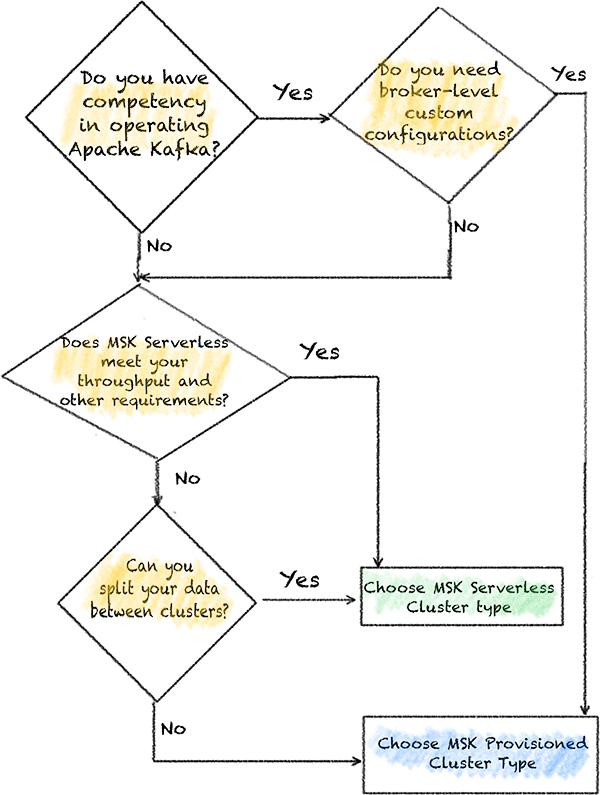
In the following sections, I explain each step in detail and the relevant information that AnyCompany needs to collect before they make a decision.
Competency in Apache Kafka
AWS recommends a list of best practices to follow when using the Amazon MSK provisioned offering. Amazon MSK provisioned, offers more flexibility so you make scaling decisions based on what’s best for your workloads. For example, you can save on cost by consolidating a group of workloads into a single cluster. You can decide which metrics are important to monitor and optimize your cluster through applying custom configurations to your brokers. You can choose your Apache Kafka version, among different supported versions, and decide when to upgrade to a new version. Amazon MSK takes care of applying your configuration and upgrading each broker in a rolling fashion.
With more flexibility, you have more responsibilities. You need to make sure your cluster is right-sized at any time. You can achieve this by monitoring a set of cluster-level, broker-level, and topic-level metrics to ensure you have enough resources that are needed for your throughput. You also need to make sure the number of partitions assigned to each broker doesn’t exceed the numbers suggested by Amazon MSK. If partitions are unbalanced, you need to even-load them across all brokers. If you have more partitions than recommended, you need to either upgrade brokers to a larger size or increase the number of brokers in your cluster. There are also best practices for the number of TCP connections when using AWS Identity and Access Management (IAM) authentication.
An MSK Serverless cluster takes away the complexity of right-sizing clusters and balancing partitions across brokers. This makes it easy for developers to focus on writing application code.
AnyCompany has an experienced DataOps team who are familiar with scaling operations and best practices for the MSK provisioned cluster type. AnyCompany can use their DataOps team’s Kafka expertise for building automations and easy-to-follow standard procedures on behalf of the ecommerce application team. The gaming development team is an exception, because they are expected to take the full ownership of the infrastructure.
In the following sections, I discuss other steps in the process before deciding which cluster type is right for each application.
Custom configuration
In certain use cases, you need to configure your MSK cluster differently from its default settings. This could be due to your application requirements. For example, AnyCompany’s ecommerce platform requires setting up brokers such that the default retention period for all topics is set to 72 hours. Also, topics should be or auto-created when they are requested and don’t exist.
The Amazon MSK provisioned offering provides a default configuration for brokers, topics, and Apache ZooKeeper nodes. It also allows you to create custom configurations and use them to create new MSK clusters or update existing clusters. An MSK cluster configuration consists of a set of properties and their corresponding values.
MSK Serverless doesn’t allow applying broker-level configuration. This is because AWS takes care of configuring and managing the backend nodes. It takes away the heavy lifting of configuring the broker nodes. You only need to manage your applications’ topics. To learn more, refer to the list of topic-level configurations that MSK Serverless allows you to change.
Unlike the ecommerce platform, AnyCompany’s gaming application doesn’t need broker-level custom configuration. The developers want to set the retention.ms and max.message.bytes per each topic only.
Application requirements
Apache Kafka applications differ in terms of their security; the way they connect, write, or read data; data retention period; and scaling patterns. For example, some applications can only scale vertically, whereas other applications can scale only horizontally. Although a flexible application can work with encryption in transit, a legacy application may only be able to communicate in plaintext format.
Cluster-level quotas
Amazon MSK enforces some quotas to ensure the performance, reliability, and availability of the service for all customers. These quotas are subject to change at any time. To access the latest values for each dimension, refer to Amazon MSK quota. Note that some of the quotas are soft limits and can be increased using a support ticket.
When choosing a cluster type in Amazon MSK, it’s important to understand your application requirements and compare those against quotas in relation with each offering. This makes sure you choose the best cluster type that meets your goals and application’s needs. Let’s examine how you can calculate the throughput you need and other important dimensions you need to compare with Amazon MSK quotas:
- Number of clusters per account – Amazon MSK may have quotas for how many clusters you can create in a single AWS account. If this is limiting your ability to create more clusters, you can consider creating those in multiple AWS accounts and using secure connectivity patterns to provide access to your applications.
- Message size – You need to make sure the maximum message size that your producer writes for a single message is lower than the configured size in the MSK cluster. MSK provisioned clusters allow you to change the default value in a custom configuration. If you choose MSK Serverless, check this value in Amazon MSK quota. The average message size is helpful when calculating the total ingress or egress throughput of the cluster, which I demonstrate later in this post.
- Message rate per second – This directly influences total ingress and egress throughput of the cluster. Total ingress throughput equals the message rate per second multiplied by message size. You need to make sure your producer is configured for optimal throughput by adjusting
batch.sizeandlinger.msproperties. If you’re choosing MSK Serverless, you need to make sure you configure your producer to optimal batches with the rate that is lower than its request rate quota. - Number of consumer groups – This directly influences the total egress throughput of the cluster. Total egress throughput equals the ingress throughput multiplied by the number of consumer groups. If you’re choosing MSK Serverless, you need to make sure your application can work with these quotas.
- Maximum number of partitions – Amazon MSK provisioned recommends not exceeding certain limits per broker (depending the broker size). If the number of partitions per broker exceeds the maximum value specified in the previous table, you can’t perform certain upgrade or update operations. MSK Serverless also has a quota of maximum number of partitions per cluster. You can request to increase the quota by creating a support case.
Partition-level quotas
Apache Kafka organizes data in structures called topics. Each topic consists of a single or many partitions. Partitions are the degree of parallelism in Apache Kafka. The data is distributed across brokers using data partitioning. Let’s examine a few important Amazon MSK requirements, and how you can make sure which cluster type works better for your application:
- Maximum throughput per partition – MSK Serverless automatically balances the partitions of your topic between the backend nodes. It instantly scales when your ingress throughput increases. However, each partition has a quota of how much data it accepts. This is to ensure the data is distributed evenly across all partitions and backend nodes. In an MSK Serverless cluster, you need to create your topic with enough partitions such that the aggregated throughput is equal to the maximum throughput your application requires. You also need to make sure your consumers read data with a rate that is below the maximum egress throughput per partition quota. If you’re using Amazon MSK provisioned, there is no partition-level quota for write and read operations. However, AWS recommends you monitor and detect hot partitions and control how partitions should balance among the broker nodes.
- Data storage – The amount of time each message is kept in a particular topic directly influences the total amount of storage needed for your cluster. Amazon MSK allows you to manage the retention period at the topic level. MSK provisioned clusters allow broker-level configuration to set the default data retention period. MSK Serverless clusters allow unlimited data retention, but there is a separate quota for the maximum data that can be stored in each partition.
Security
Amazon MSK recommends that you secure your data in the following ways. Availability of the security features varies depending on the cluster type. Before making a decision about your cluster type, check if your preferred security options are supported by your choice of cluster type.
- Encryption at rest – Amazon MSK integrates with AWS Key Management Service (AWS KMS) to offer transparent server-side encryption. Amazon MSK always encrypts your data at rest. When you create an MSK cluster, you can specify the KMS key that you want Amazon MSK to use to encrypt your data at rest.
- Encryption in transit – Amazon MSK uses TLS 1.2. By default, it encrypts data in transit between the brokers of your MSK cluster. You can override this default when you create the cluster. For communication between clients and brokers, you must specify one of the following settings:
- Only allow TLS encrypted data. This is the default setting.
- Allow both plaintext and TLS encrypted data.
- Only allow plaintext data.
- Authentication and authorization – Use IAM to authenticate clients and allow or deny Apache Kafka actions. Alternatively, you can use TLS or SASL/SCRAM to authenticate clients, and Apache Kafka ACLs to allow or deny actions.
Cost of ownership
Amazon MSK helps you avoid spending countless hours and significant resources just managing your Apache Kafka cluster, adding little or no value to your business. With a few clicks on the Amazon MSK console, you can create highly available Apache Kafka clusters with settings and configuration based on Apache Kafka’s deployment best practices. Amazon MSK automatically provisions and runs Apache Kafka clusters. Amazon MSK continuously monitors cluster health and automatically replaces unhealthy nodes with no application downtime. In addition, Amazon MSK secures Apache Kafka clusters by encrypting data at rest and in transit. These capabilities can significantly reduce your Total Cost of Ownership (TCO).
With MSK provisioned clusters, you can specify and then scale cluster capacity to meet your needs. With MSK Serverless clusters, you don’t need to specify or scale cluster capacity. MSK Serverless automatically scales the cluster capacity based on the throughput, and you only pay per GB of data that your producers write to and your consumers read from the topics in your cluster. Additionally, you pay an hourly rate for your serverless clusters and an hourly rate for each partition that you create. The MSK Serverless cluster type generally offers a lower cost of ownership by taking away the cost of engineering resources needed for monitoring, capacity planning, and scaling MSK clusters. However, if your organization has a DataOps team with Kafka competency, you can use this competency to operate optimized MSK provisioned clusters. This allows you to save on Amazon MSK costs by consolidating several Kafka applications into a single cluster. There are a few critical considerations to decide when and how to split your workloads between multiple MSK clusters.
Apache ZooKeeper
Apache ZooKeeper is a service included in Amazon MSK when you create a cluster. It manages the Apache Kafka metadata and acts as a quorum controller for leader elections. Although interacting with ZooKeeper is not a recommended pattern, some Kafka applications have a dependency to connect directly to ZooKeeper. During the migration to Amazon MSK, you may find a few of these applications in your organization. This could be because they use an older version of the Kafka client library or other reasons. For example, applications that help with Apache Kafka admin operations or visibility such as Cruise Control usually need this kind of access.
Before you choose your cluster type, you first need to check which offering provides direct access to the ZooKeeper cluster. As of writing this post, only Amazon MSK provisioned provides direct access to ZooKeeper.
How AnyCompany chooses their cluster types
AnyCompany first needs to collect some important requirements about each of their applications. The following table shows these requirements. The rows marked with an asterisk (*) are calculated based on the values in previous rows.
| Dimension | Ecommerce Platform | Gaming Application |
| Message rate per second | 150,000 | 1,000 |
| Maximum message size | 15 MB | 1 MB |
| Average message size | 30 KB | 15 KB |
| * Ingress throughput (average message size * message rate per second) | 4.5GBps | 15MBps |
| Number of consumer groups | 2 | 1 |
| * Outgress throughput (ingress throughput * number of consumer groups) | 9 GBps | 15 MBps |
| Number of topics | 100 | 10 |
| Average partition per topic | 100 | 5 |
| * Total number of partitions (number of topics * average partition per topic) | 10,000 | 50 |
| * Ingress per partition (ingress throughput / total number of partitions) | 450 KBps | 300 KBps |
| * Outgress per partition (outgress throughput / total number of partitions) | 900 KBps | 300 KBps |
| Data retention | 72 hours | 168 hours |
| * Total storage needed (ingress throughput * retention period in seconds) | 1,139.06 TB | 1.3 TB |
| Authentication | Plaintext and SASL/SCRAM | IAM |
| Need ZooKeeper access | Yes | No |
For the gaming application, AnyCompany doesn’t want to use their in-house Kafka competency to support an MSK provisioned cluster. Also, the gaming application doesn’t need custom configuration, and its throughput needs are below the quotas set by the MSK Serverless cluster type. In this scenario, an MSK Serverless cluster makes more sense.
For the e-commerce platform, AnyCompany wants to use their Kafka competency. Moreover, their throughput needs exceed the MSK Serverless quotas, and the application requires some broker-level custom configuration. The ecommerce platform also can’t split between multiple clusters. Because of these reasons, AnyCompany chooses the MSK provisioned cluster type in this scenario. Additionally, AnyCompany can save more on cost with the Amazon MSK provisioned pricing model. Their throughput is consistent at most times and AnyCompany wants to use their DataOps team to optimize a provisioned MSK cluster and make scaling decisions based on their own expertise.
Conclusion
Choosing the best cluster type for your applications may seem complicated at first. In this post, I showed a process that helps you work backward from your application’s requirement and the resources available to you. MSK provisioned clusters offer more flexibility in how you scale, configure, and optimize your cluster. MSK Serverless, on the other hand, is a cluster type that makes it easier for you to run Apache Kafka clusters without having to manage compute and storage capacity. I generally recommend you begin with MSK Serverless if your application doesn’t require broker-level custom configurations, and your application throughput needs don’t exceed the quotas for the MSK Serverless cluster type. Sometimes it’s best to split your workloads between multiple MSK Serverless clusters, but if that isn’t possible, you may need to consider an MSK provisioned cluster. To operate an optimized MSK provisioned cluster, you need to have Kafka competency within your organization.
For further reading on Amazon MSK, visit the official product page.
About the author
 Ali Alemi is a Streaming Specialist Solutions Architect at AWS. Ali advises AWS customers with architectural best practices and helps them design real-time analytics data systems that are reliable, secure, efficient, and cost-effective. He works backward from customers’ use cases and designs data solutions to solve their business problems. Prior to joining AWS, Ali supported several public sector customers and AWS consulting partners in their application modernization journey and migration to the cloud.



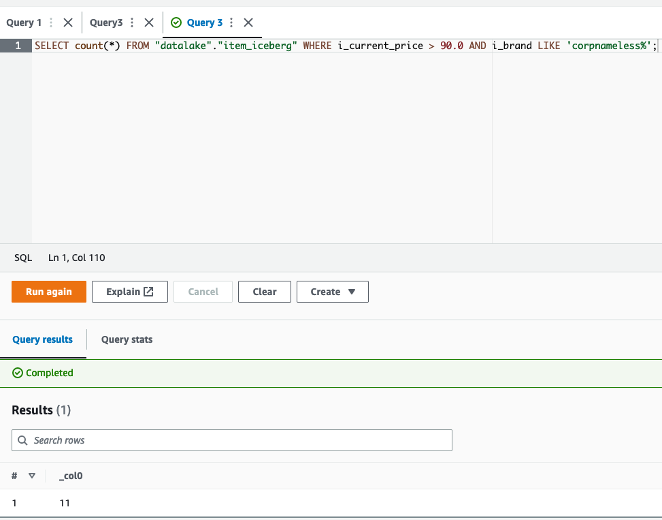
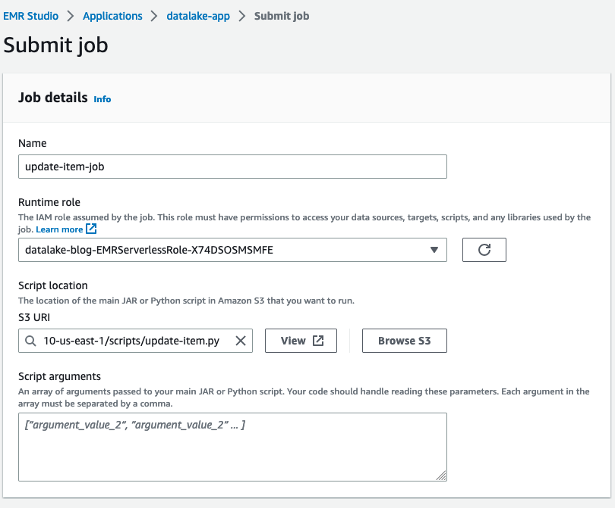
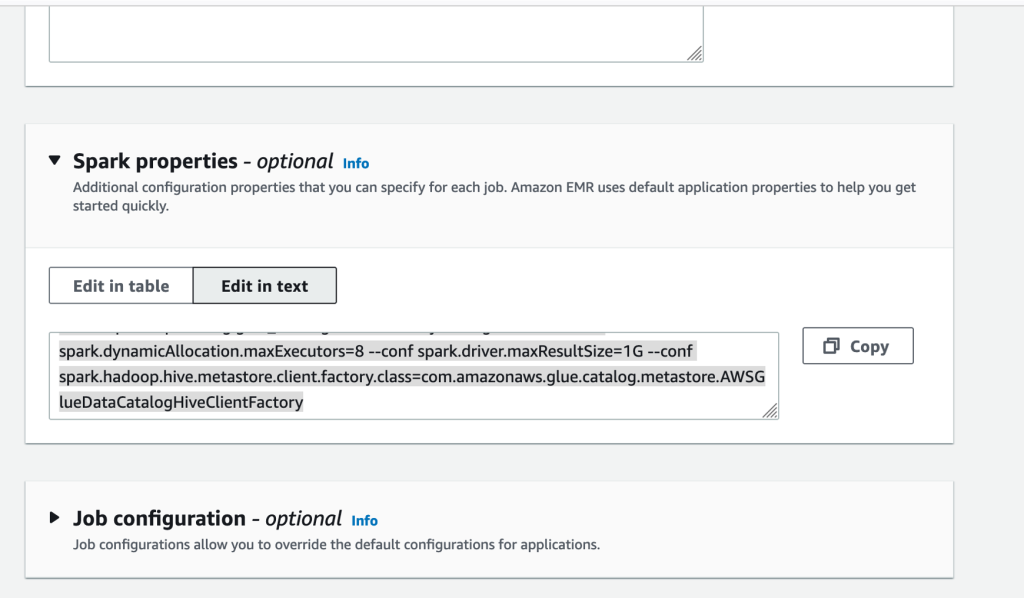
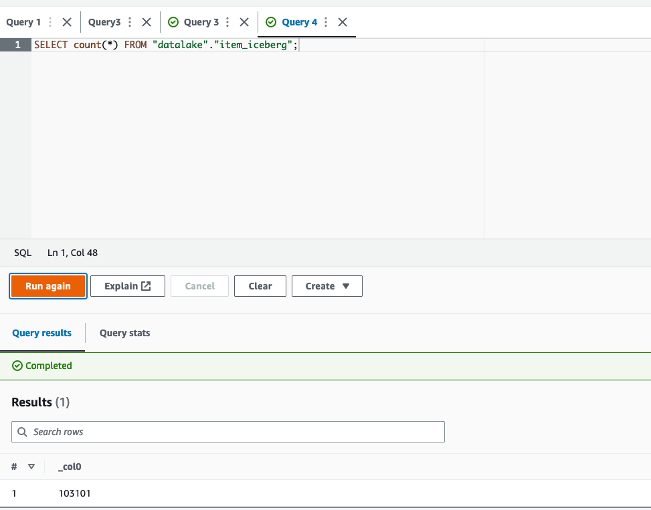
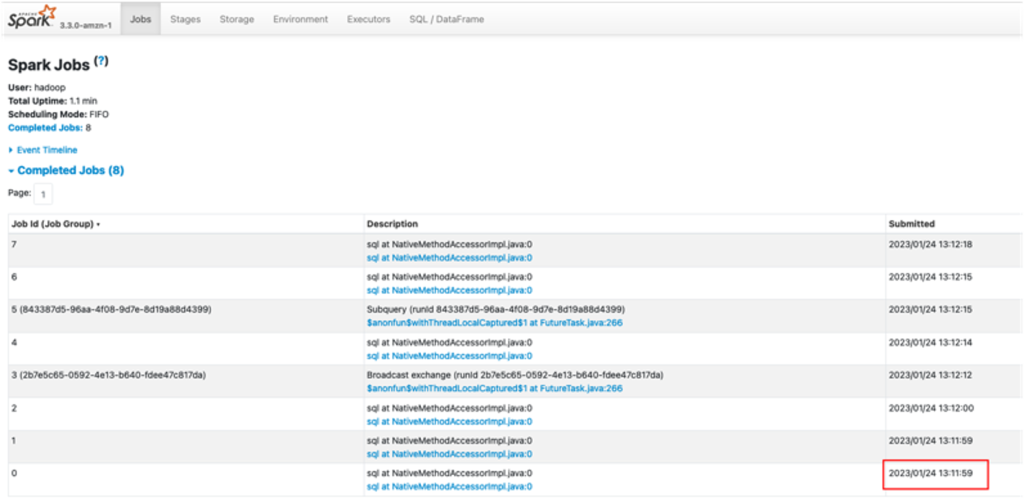
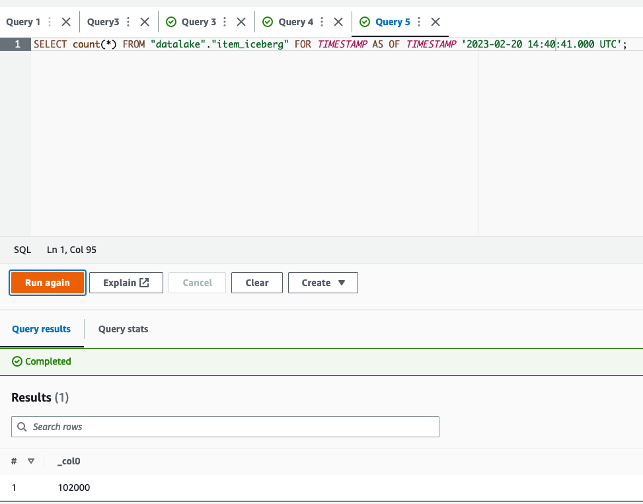
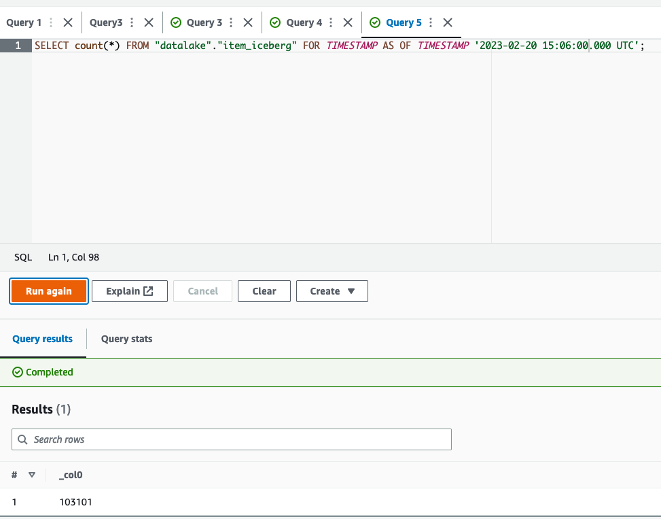
 The queries in
 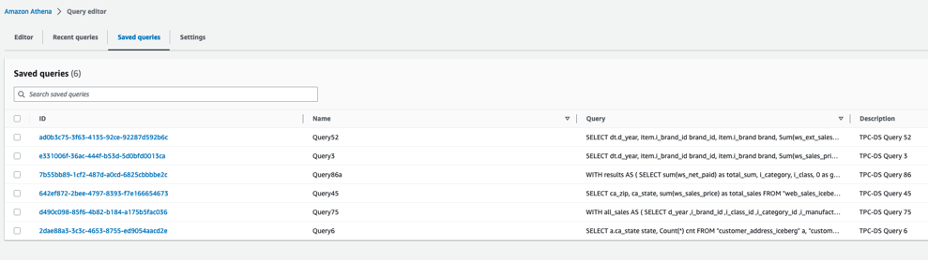 The following queries are listed:





 Rohit Pujari is the Head of Product for Embedded Analytics at QuickSight. He is passionate about shaping the future of infusing data-rich experiences into products and applications we use every day. Rohit brings a wealth of experience in analytics and machine learning from having worked with leading data companies, and their customers. During his free time, you can find him lining up at the local ice cream shop for his second scoop.


 Vaidy Kalpathy is a Senior Data Lab Solution Architect at AWS, where he helps customers modernize their data platform and defines end to end data strategy including data ingestion, transformation, security, visualization. He is passionate about working backwards from business use cases, creating scalable and custom fit architectures to help customers innovate using data analytics services on AWS.

 Kalyan Janaki is Senior Big Data & Analytics Specialist with Amazon Web Services. He helps customers architect and build highly scalable, performant, and secure cloud-based solutions on AWS.


 Naresh Gautam is a Data Analytics and AI/ML leader at AWS with 20 years of experience, who enjoys helping customers architect highly available, high-performance, and cost-effective data analytics and AI/ML solutions to empower customers with data-driven decision-making. In his free time, he enjoys meditation and cooking.
 Srikanth Sopirala is a Principal Analytics Specialist Solutions Architect at AWS. He is a seasoned leader with over 20 years of experience, who is passionate about helping customers build scalable data and analytics solutions to gain timely insights and make critical business decisions. In his spare time, he enjoys reading, spending time with his family, and road biking.
 Harsh Vardhan is an AWS Solutions Architect, specializing in analytics. He has over 5 years of experience working in the field of big data and data science. He is passionate about helping customers adopt best practices and discover insights from their data.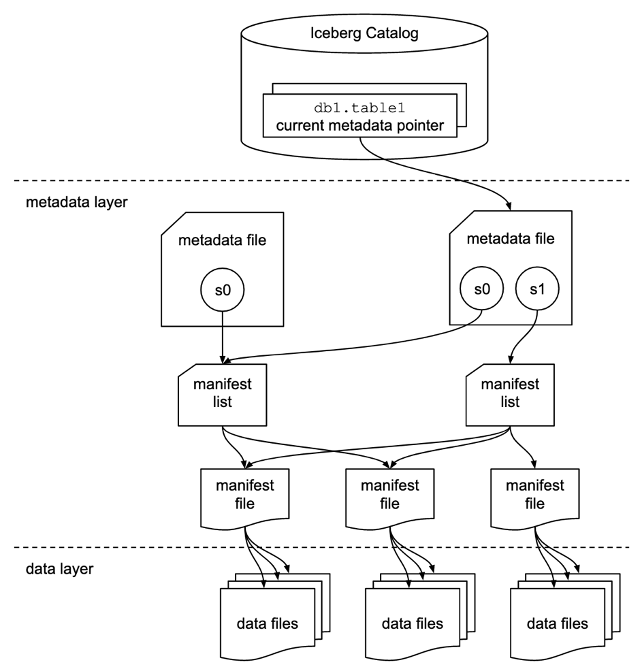


 Flora Wu is a Sr. Resident Architect at AWS Data Lab. She helps enterprise customers create data analytics strategies and build solutions to accelerate their businesses outcomes. In her spare time, she enjoys playing tennis, dancing salsa, and traveling.
 Daniel Li is a Sr. Solutions Architect at Amazon Web Services. He focuses on helping customers develop, adopt, and implement cloud services and strategy. When not working, he likes spending time outdoors with his family.









 Sushant Majithia is a Principal Product Manager for EMR at Amazon Web Services.
 Vishal Vyas is a Senior Software Engineer for EMR at Amazon Web Services.
 Matthew Liem is a Senior Solution Architecture Manager at AWS.


 Satesh Sonti is a Sr. Analytics Specialist Solutions Architect based out of Atlanta, specialized in building enterprise data platforms, data warehousing, and analytics solutions. He has over 16 years of experience in building data assets and leading complex data platform programs for banking and insurance clients across the globe.
 Yanzhu Ji is a Product Manager on the Amazon Redshift team. She worked on the Amazon Redshift team as a Software Engineer before becoming a Product Manager. She has a rich experience of how the customer-facing Amazon Redshift features are built from planning to launching, and always treats customers’ requirements as first priority. In her personal life, Yanzhu likes painting, photography, and playing tennis.
 Dinesh Kumar is a Database Engineer with more than a decade of experience working in the databases, data warehousing, and analytics space. Outside of work, he enjoys trying different cuisines and spending time with his family and friends.




 Dhiraj Thakur is a Solutions Architect with Amazon Web Services. He works with AWS customers and partners to provide guidance on enterprise cloud adoption, migration, and strategy. He is passionate about technology and enjoys building and experimenting in the analytics and AI/ML space.
 Rajdip Chaudhuri is Solutions Architect with Amazon Web Services specializing in data and analytics. He enjoys working with AWS customers and partners on data and analytics requirements. In his spare time, he enjoys soccer.




 Sandeep Adwankar is a Senior Technical Product Manager at AWS. Based in the California Bay Area, he works with customers around the globe to translate business and technical requirements into products that enable customers to improve how they manage, secure, and access data.
 Srividya Parthasarathy is a Senior Big Data Architect on the AWS Lake Formation team. She enjoys building data mesh solutions and sharing them with the community.


 Adeleke Coker is a Global Solutions Architect with AWS. He helps customers globally accelerate workload deployments and migrations at scale to AWS. In his spare time, he enjoys learning, reading, gaming and watching sport events.








 Bindhu Chinnadurai is a Senior Partner Solutions Architect in AWS based out of London, United Kingdom. She has spent 18+ years working in everything for large scale enterprise environments. Currently she engages with AWS partner to help customers migrate their workloads to AWS with focus on scalability, resiliency, performance and sustainability. Her expertise is DevSecOps.
 Sarathi Balakrishnan was the Global Partner Solutions Architect, specializing in Data, Analytics and AI/ML at AWS. He worked closely with AWS partner globally to build solutions and platforms on AWS to accelerate customers’ business outcomes with state-of-the-art cloud technologies and achieve more in their cloud explorations. He helped with solution architecture, technical guidance, and best practices to build cloud-native solutions. He joined AWS with over 20 years of large enterprise experience in agriculture, insurance, health care and life science, marketing and advertisement industries to develop and implement data and AI strategies.


 Sandeep Bajwa is a Sr. Analytics Specialist based out of Northern Virginia, specialized in the design and implementation of analytics and data lake solutions.




 Veena Vasudevan is a Senior Partner Solutions Architect and an Amazon EMR specialist at AWS focusing on big data and analytics. She helps customers and partners build highly optimized, scalable, and secure solutions; modernize their architectures; and migrate their big data workloads to AWS.


 SaiKiran Reddy Aenugu is a Data Architect in the Amazon Web Services (AWS) Data Lab. He has 10 years of experience implementing data loading, transformation, and visualization processes. SaiKiran currently helps organizations in North America to adopt modern data architectures such as data lakes and data mesh. He has experience in the retail, airline, and finance sectors.
 Narendra Merla is a Data Architect in the Amazon Web Services (AWS) Data Lab. He has 12 years of experience in designing and productionalizing both real-time and batch-oriented data pipelines and building data lakes on both cloud and on-premises environments. Narendra currently helps organizations in North America to build and design robust data architectures, and has experience in the telecom and finance sectors.